Summary Outline –
Taking these foundational steps right now will ensure your home remains a safe, comfortable sanctuary even as environmental challenges grow outside your door.
Note:
According to recent data from Drought.gov, the United States is currently navigating a severe and widespread crisis. As of late April 2026, over sixty percent of the contiguous country is experiencing drought conditions.
This marks the highest level of drought recorded for this time of year since 2000. These dry conditions currently affect approximately 155 million people across major regions, including the South, Southeast, High Plains, and the West.
Families in these areas are facing harsh realities, from high wildfire risks and low municipal water supplies to the very real threat of food price inflation.
Understanding the urgency of this situation is the first step toward keeping your family safe. Droughts develop slowly, often lulling communities into a false sense of security until water restrictions are mandated, or grocery store shelves begin to empty.
Acknowledging the current climate reality allows you to act out of preparation rather than panic. By taking gentle, proactive measures today, you can deeply insulate your household against the ripple effects of water scarcity.
- post content … analysis/ drought preparedness
- 1st: Essential Water Conservation At Home
- 2nd: Securing Your Water Supply
- 3rd: Building a Resilient Food Supply
- 4th: Protecting Your Family from Drought-Related Risks
- 5th: Preparing for Electricity Shortages or Brown-Outs
- 6th: Community Engagement and Regulatory Compliance
- conclusion
- other home utility management topics

-
- —— begin first topic ——
-
1st Review: Essential Water Conservation At Home
Conserving water inside your home is one of the most immediate and impactful steps you can take during a drought.
Small, conscious changes in your routine can significantly reduce water waste, helping to alleviate the strain on local water supplies while safeguarding essential resources for your family and community.

copyright image by 123rf.com

Preparing your home for water conservation not only builds resilience but also promotes sustainable habits that benefit the planet in the long run.
This guide provides actionable strategies for reducing water usage within your home. From simple behavioral changes to adopting innovative gadgets, these steps are designed to ensure that every drop of water is used wisely.
-
Encourage Water Conservation in Daily Habits
Adjusting your everyday habits is one of the easiest ways to cut back on water usage. Many common activities can be streamlined to minimize waste:
- Brushing Teeth:
Turn off the tap while brushing your teeth, which can save up to four gallons of water per minute. - Running Dishwashers and Washing Machines:
Always operate dishwashers and washing machines with full loads. This ensures the most efficient use of water and energy. - Shorter Showers:
Limit shower times to five minutes or less. Using a timer can help reinforce this habit.
Making these simple adjustments can quickly add up to substantial water savings.
- Brushing Teeth:
-
Install Water Conservation Gadgets
Technological advancements have made water-saving tools incredibly efficient and accessible for households. Consider installing the following:
- Low Water-Flow Faucets and Showerheads:
These reduce water waste without compromising performance, potentially saving thousands of gallons annually. - Automatic Shut-Off Faucets:
Designed to stop water flow when not in use, these are particularly useful for kitchens and bathrooms. - Efficient Toilets or Toilet Banks:
Water-efficient toilets or products like toilet banks that reduce the water volume in tanks can drastically cut down water use during flushing. - Smart Water Sensors:
These sensors monitor water usage in real-time and can alert you to unusual spikes, helping catch leaks early.
These simple installations can be a worthwhile investment, ensuring efficient water use throughout your home.
- Low Water-Flow Faucets and Showerheads:
-
Check for and Fix Water Leaks
Undetected leaks can significantly increase water bills and exacerbate water wastage. Use these tips to identify and address leaks:
- Smart Water Monitoring Devices:
These tools track water flow and detect irregular usage patterns, indicating possible leaks. - Manual Meter Check:
Turn off all water fixtures and appliances, then monitor your water meter for changes. If it moves, there may be a hidden leak. - Stopping Leaks:
Fixing even small leaks—like a dripping faucet or a faulty toilet flapper—can save over 10,000 gallons of water per year.
- Smart Water Monitoring Devices:
-
Optimize Outdoor Water Usage
Outdoor water use often accounts for a significant portion of overall consumption. Focus on sustainable practices to conserve water outside your home:
- Time Lawn Watering:
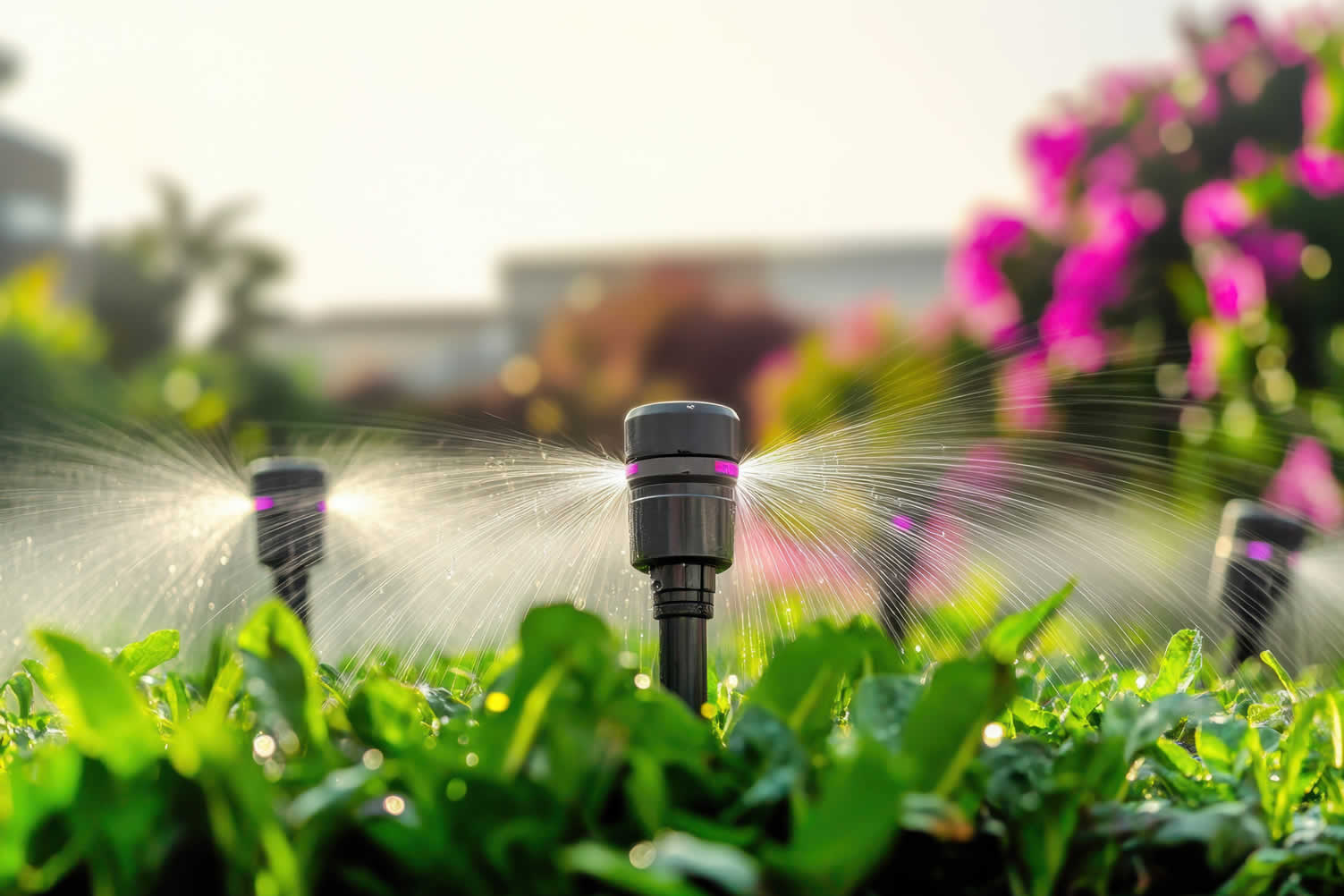
Water lawns early in the morning or late in the evening to minimize evaporation. - Migrate to Drip Irrigation for Beds:
Unlike traditional sprinklers, drip or micro-irrigation systems deliver water directly to plant roots. - Add Organic Mulch:
Adding a thick layer of organic mulch around your garden beds will help the soil retain moisture for much longer periods. - Use Drought-Resistant Landscaping:
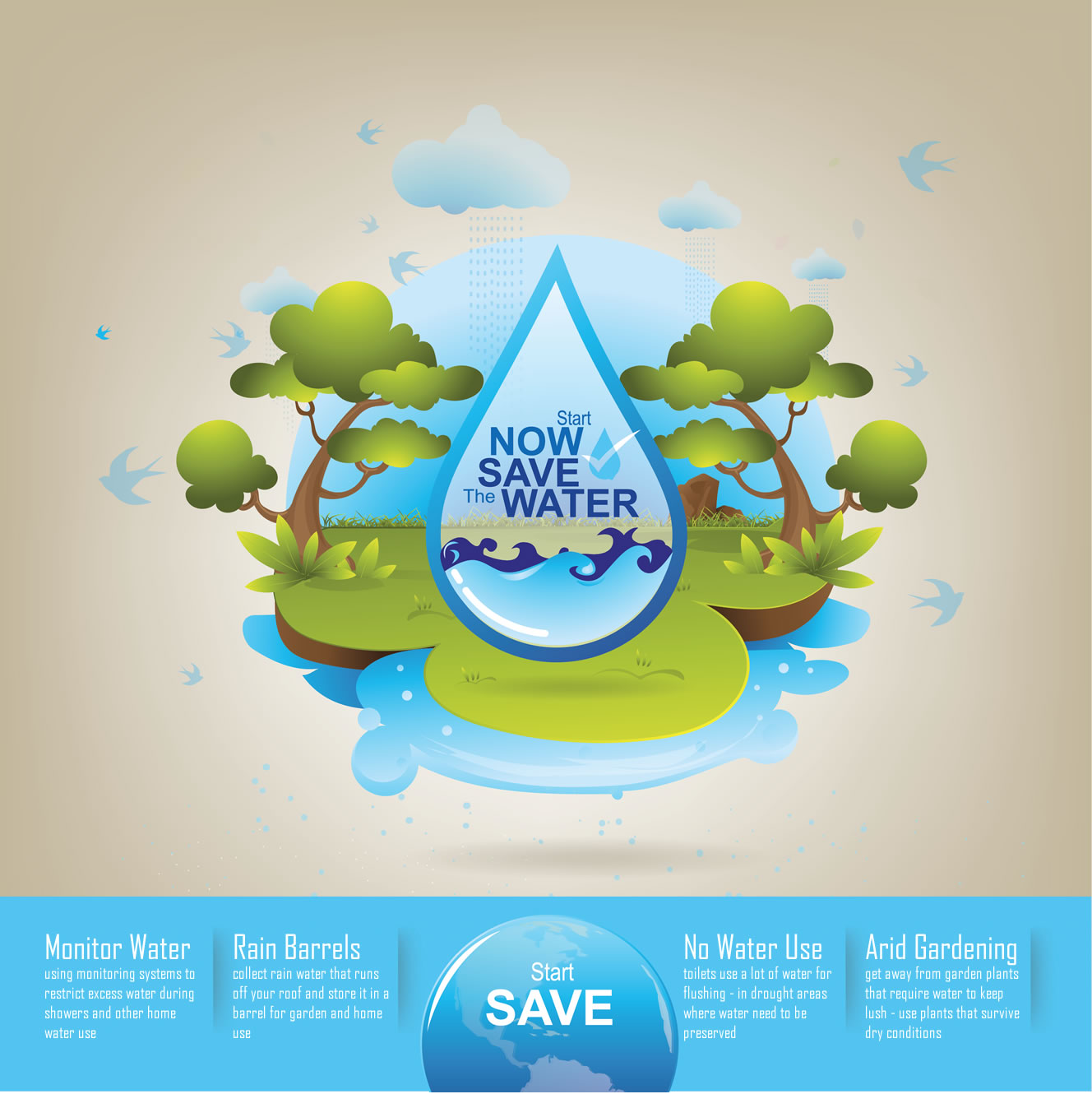
Opt for native plants that require less water and upkeep. - Install Rain Barrels:
Collecting rainwater for use in irrigation is an environmentally conscious and cost-effective solution. - Maintain Sprinklers:
Ensure outdoor sprinklers are aimed correctly to avoid wastage on sidewalks or driveways.
These measures can dramatically reduce water waste while keeping outdoor areas green and functional.
- Time Lawn Watering:
-
Additional Tips for Water Conservation
Consider these additional steps to maximize efficiency:
- Educate your family about the importance of water conservation and involve everyone in making sustainable choices.
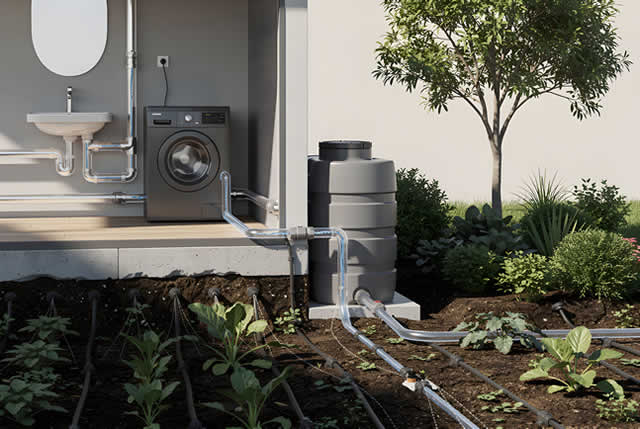
- Reuse gray water from sinks or washing machines (where allowed) for non-potable uses like watering plants.
- Stay informed about local restrictions or programs offering water-saving resources and rebates.
By taking these steps, you can better prepare your household for periods of drought while contributing to the broader effort of conserving this precious resource.
Proper preparation and mindful use of water not only address immediate challenges but also help create a more sustainable future for all.

saving water during a drought is a team effort for the whole family
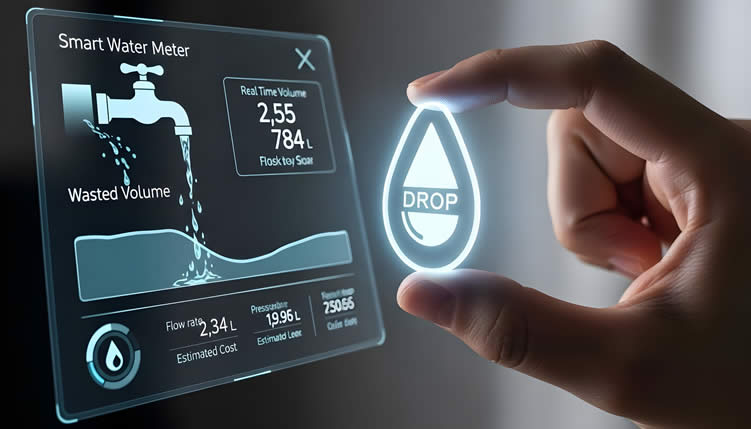
using smart water sensors to detect leaks and overuse
- Quick scroll to section content …
Water Conservation At Home
(from the summary table below)
Category Details Impact Essential Water Conservation at Home Conserving water inside your home through small, conscious changes can significantly reduce water waste and build sustainable habits. Promotes resource protection, alleviates pressure on local water supplies, and benefits the environment in the long run. Encourage Water Conservation in Daily Habits Simple adjustments like turning off the tap while brushing teeth, running full loads in dishwashers and washing machines, and limiting shower times to five minutes or less. Leads to immediate water savings, reducing waste significantly with small, consistent efforts. Install Water Conservation Gadgets Includes low water-flow faucets, automatic shut-off faucets, efficient toilets, and smart water sensors to optimize water usage. Offers long-term financial and resource efficiency by reducing annual water consumption. Check for and Fix Water Leaks Using smart water monitoring devices or manual meter checks to detect hidden leaks and repair them promptly. Prevents over 10,000 gallons of water from going to waste annually and lowers water bills. Optimize Outdoor Water Usage Practices include timing lawn watering, using drip irrigation, adding mulch, installing rain barrels, and maintaining sprinkler systems. Reduces outdoor water waste while maintaining functionality and green spaces efficiently. Additional Tips Educating family members, reusing gray water for non-potable purposes, and staying updated on local water-saving programs. Encourages mindful water use habits and aligns households with broader conservation efforts. 

AI generated image by 123rf.com
Optimize Water Usage
Of all the water appliances in your home, the toilet is typically the largest consumer, accounting for significant daily water usage.
By replacing traditional models with smart, water-conserving toilets, you can dramatically reduce this consumption.
These modern fixtures utilize innovative technology to minimize water waste while maintaining effective performance.
This simple switch not only protects this vital resource but also reduces utility bills, contributing to both environmental sustainability and household savings.
view ideas: the rise of smart toilets(new win)

-
Scroll up to directory … or scroll to next "drought prepardness" section …

-




-
-
2nd Review: Securing Your Water Supply
With increasing occurrences of droughts worldwide, ensuring your household is prepared for water shortages has never been more critical.
While community-wide conservation efforts play a vital role in addressing broader impacts, having a dedicated emergency water supply at home offers incomparable assurance.

copyright image by 123rf.com
Proper planning not only protects your family during times of crisis but also supports the sustainability and resilience of your community.
This guide will walk you through effective strategies for securing your water supply to ensure safety and peace of mind during drought conditions.
-
Keeping a Reserve of Drinking Water
Maintaining a reserve of safe, drinkable water at home is essential for weathering disruptions in municipal supplies.
Experts such as the Federal Emergency Management Agency (FEMA) recommend storing at least one gallon of water per person per day, with a minimum three-day supply for emergencies.
Store water in food-grade containers, ensuring they are tightly sealed and kept in a cool, dark environment to prevent contamination or degradation.
Periodically refresh your water supply to maintain its quality, following storage guidelines provided by resources like the Centers for Disease Control and Prevention (CDC).
-
Preparing for Boil-Water Notices
During severe droughts, water treatment systems might face operational challenges, potentially leading to boil-water notices issued by local authorities.
This means your tap water could be unsafe without proper treatment. Ensure you have the capacity to boil water when necessary by keeping functional burners or stoves, along with sufficient backup power sources.
Additionally, store water purification tablets or filtration systems as an alternative when boiling isn’t immediately feasible. By combining these methods, you can confidently provide your family with safe water for drinking, cooking, and hygiene.
-
Managing Water for Daily Needs
Beyond drinking and cooking, a drought can impact the availability of water for other essential activities, such as bathing, cleaning, and sanitation.
Having non-potable water reserves, such as collected rainwater or treated greywater, can help reduce pressure on your potable water supply. Use non-potable water for tasks like flushing toilets or irrigating plants.
When collecting water, make sure to follow local guidelines and take precautions to prevent the spread of bacteria or mosquito breeding.
-
Ensuring Household Awareness and Readiness
Every member of your household should be familiar with your water conservation and preparedness plan.
Regularly review the location of stored water supplies, demonstrate the proper use of filtration systems, and discuss emergency procedures, such as how to boil water or respond to a municipal notice.
Staying informed about local drought conditions and alerts is crucial—subscribe to notifications from trusted entities like the National Drought Mitigation Center and your local water authority.
By taking proactive measures to secure your water supply at home, you protect your family’s well-being while contributing to broader community preparedness.
For more detailed guidance, always refer to trusted resources, including FEMA’s Emergency Water Supply Guidance, the CDC’s Emergency Preparedness and Response, and similar authoritative sources.
Water is life—treat it with care and preparation to ensure resilience in challenging times.

access to clean water is crucial during drought conditions

when drought conditions worsen, the best option is to have water storage
- Quick scroll to section content …
Topic Details Recommendations Importance of Water Supply With increasing occurrences of droughts worldwide, ensuring a household water supply is critical for resilience and sustainability during shortages. Plan for emergencies, maintain potable and non-potable water, and ensure community-wide contributions to water conservation. Maintaining a Reserve Keep a supply of safe drinking water stored at home. Guidelines recommend at least one gallon per person per day with a minimum of three days’ worth. Use food-grade containers, store in cool environments, and refresh reserves periodically. Boil-Water Notices Droughts can disrupt municipal water treatment systems, requiring households to boil their water for safe use. Maintain the ability to boil water or use filtration systems and purification tablets as alternatives. Managing Non-Potable Water Non-potable water supports activities like flushing toilets or watering plants, reducing pressure on treated water supplies. Use collected rainwater or greywater, adhering to local guidelines for safe handling and storage. Household Awareness Ensuring every household member understands preparedness plans and proper conservation techniques increases readiness. Review supply locations, demonstrate filtration methods, and monitor alerts from trusted sources. 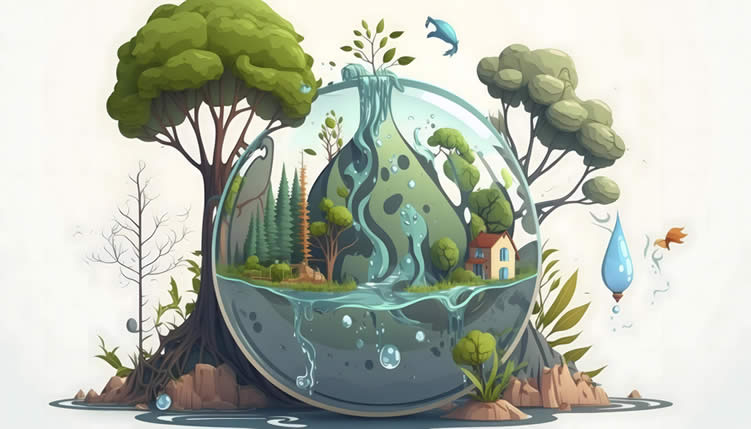
copyright image by 123rf.com
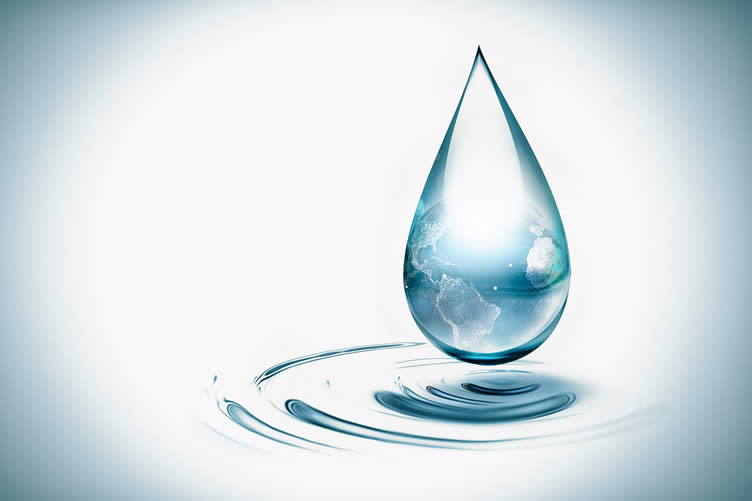
Where Household Water Comes From
The water that reaches your home travels a complex path. It typically starts in natural sources like rivers, lakes, or underground aquifers.
Public water systems treat and filter this water to make it safe for household use. Some homes, however, use private wells to draw water directly from the ground.
Knowing your water’s origin helps you appreciate its value and use it more responsibly.
view ideas: the journey of water(new win)
-
Scroll up to directory … or scroll to next section building a resilient food supply …
-
-

Tackling home upgrades and fulfilling all your home improvement needs …
… save this curated directory of ideas for future reference.

-
-
3rd Review: Building a Resilient Food Supply
Droughts are an inevitable challenge that impact communities worldwide, affecting water resources, food production, and household budgets. One of the most immediate consequences of a prolonged drought is its disruption to agriculture.
Reduced crop yields often lead to noticeable increases in grocery store prices and, in some cases, shortages of fresh produce.

AI generated image by 123rf.com
For individuals and families, planning ahead can build resilience and reduce stress when faced with the pressures of such a situation.
This guide provides actionable steps to strengthen your preparedness in the face of drought-related challenges.
From building a resilient food supply to managing water usage effectively, understanding these strategies can empower you to safeguard your household and contribute positively to your community’s overall preparedness.
-
Focus on Long-Lasting Pantry Staples
Foods that are shelf-stable and can withstand variable conditions are central to a resilient food supply. Canned vegetables and fruits are an excellent source of vitamins and minerals and have extended shelf lives due to their airtight packaging.
Dried items such as beans, rice, pasta, and rolled oats are versatile, non-perishable, and affordable additions to a drought-ready pantry. Items like peanut butter and other nut butters, which are high in protein, are also essential as they provide substantial nourishment without requiring refrigeration.
Including shelf-stable milk as part of your supply ensures easy access to calcium, even when refrigeration options are limited.
-
Leverage Frozen Foods
Although fresh produce may become scarce during a drought, frozen fruits and vegetables can serve as an excellent alternative.
Due to modern freezing techniques, these options retain most of their nutritional value and can easily replace fresh ingredients in your meals.
Freezing seasonal produce when it is plentiful and affordable is a proactive way to prepare for shortages while reducing waste.
-
Adopt Gradual Procurement Practices
Building up your food supply doesn’t have to be financially overwhelming. By purchasing extra pantry staples incrementally over time, you can stockpile effectively without a significant burden on your budget.
Look for sales, discounts, or promotions on non-perishable items to build your reserves economically.
-
Implement Rotation Strategies
To avoid food waste and ensure freshness, use a First In, First Out (FIFO) system. This approach involves consuming the oldest items in your pantry first while continually replacing them with new stock.
Clearly label your stored goods with purchase or expiration dates to make tracking easier and to ensure nothing goes unused or wasted.
-
Plan for Nutritional Balance
When creating your drought-prepared food supply, prioritize a variety of nutrient-dense options to sustain your family’s health.
Incorporating proteins, carbohydrates, healthy fats, and essential vitamins will help ensure that your meals are balanced and nourishing, regardless of grocery store availability.
By following these guidelines, you can build a sustainable and dependable food supply that mitigates the impacts of a drought on your household.
For additional guidance, consider consulting reputable resources like the USDA’s Food Storage and Preservation Recommendations to enhance your efforts. With preparation and thoughtful planning, you can create peace of mind and protect your family’s well-being in the face of a changing climate.
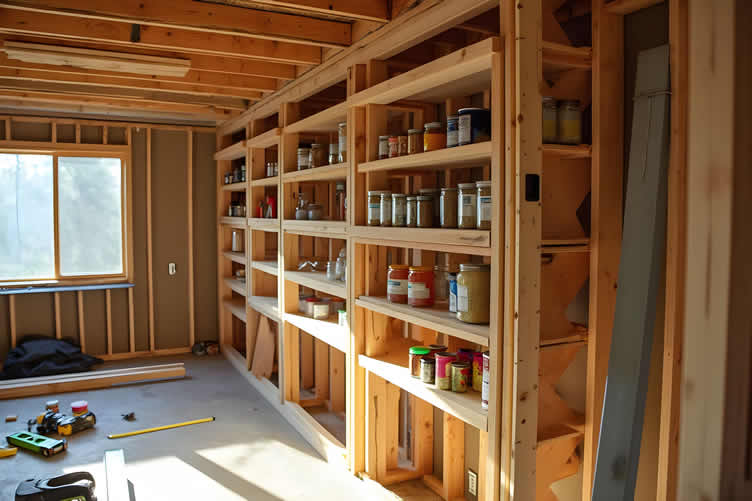
building a home food storage system is vital for emergency preparedness and financial security

air-tight sealing is the best way to preserve frozen food
- Quick scroll to section content …
Resilient Food Supply
(from the summary table below)
Section Details Challenge Droughts impact communities worldwide, disrupting water resources, food production, and household budgets. Prolonged droughts cause reduced crop yields, leading to increased grocery prices and fresh produce shortages. Preparedness Steps Planning ahead reduces stress when facing drought-related pressures. Building a resilient food supply and managing water usage effectively can enhance individual and community preparedness. Planning Need Description Examples Benefits Pantry Staples Shelf-stable foods that can withstand variable conditions Canned vegetables, dried beans, rice, rolled oats, pasta, nut butters Long shelf life and nutrient-rich sources of nourishment Frozen Foods Fruits and vegetables preserved for longer durations with retained nutrition Frozen berries, vegetables, and seasonal produce Maintains nutritional value and substitutes for fresh produce Gradual Procurement Incremental purchase of extra food staples Stocking stable goods over time with sales and discounts Cost-effective method for building food reserves Rotation Strategies Food management technique to reduce waste and maintain freshness First-In-First-Out system (FIFO), labeling dates on stored goods Prevents spoilage and ensures no food goes unused Balanced Planning Focus on nutrient-dense options to sustain health Proteins, carbohydrates, healthy fats, vitamins, shelf-stable milk Ensures access to balanced and nourishing meals 
copyright image by 123rf.com
Why Have Home Food Storage?
Home food storage is an essential step in fostering security and resilience for your family in uncertain times.
It ensures that you are prepared to weather disruptions, whether they arise from natural disasters, economic shifts, or supply chain issues.
By maintaining a well-stocked pantry, you can reduce stress, avoid last-minute shortages, and provide nourishment for your loved ones during emergencies.
Beyond practicality, having food storage also promotes mindful consumption and resourcefulness in your daily life.
view ideas: comprehensive food storage guide(new win)
-
Scroll up to directory … or scroll to next section protecting your family …
-
-
SHARE IT ..! Someone in your network might benefit from this insightful post about drought preparedness. Feel free to share it on Facebook, X (formally Twitter), LinkedIn, or Pinterest!


-
-
4th Review: Protecting Family from Drought-Related Risks
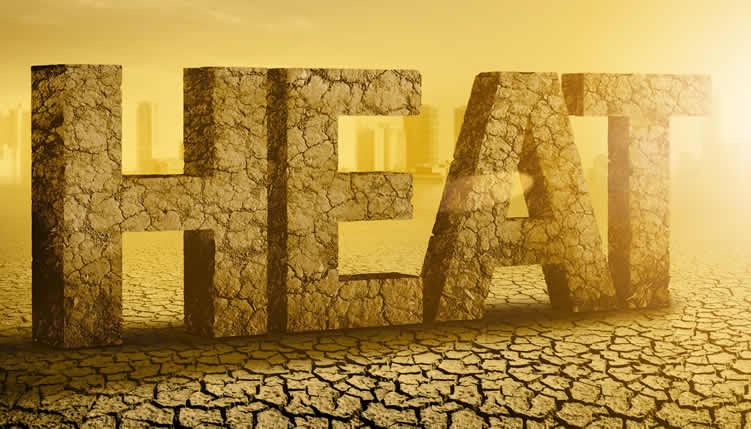
The intense heat that often accompanies prolonged dry spells can take a physical, emotional, and financial toll on your household.
Preparing for these conditions is essential to safeguard your family’s well-being, protect your property, and ensure a sustainable quality of life, even during challenging times.
By taking proactive steps to mitigate the risks associated with droughts, you can build resilience and reduce the vulnerabilities that come with water shortages and rising temperatures.
copyright image by 123rf.com
Effective drought preparedness requires careful planning and implementing strategies that address immediate and long-term needs. This guide provides practical, expert-backed advice to help you navigate drought-related risks with confidence.
From protecting your family against the physical effects of extreme heat to safeguarding your home and landscape, this comprehensive resource will equip you with the knowledge and tools necessary to adapt in the face of dry conditions.
-
Making Cooling Strategies a Core Part of Your Household Plan
Extreme heat can lead to dangerous health conditions such as heat exhaustion and heat stroke, particularly for young children, the elderly, and individuals with preexisting health conditions.
To help keep temperatures in your home within a comfortable range, prioritize cooling solutions such as:
- Utilizing fans and air circulation:
Ceiling fans, portable fans, and exhaust systems can help maintain airflow, making indoor spaces feel cooler. - Drawing curtains and using automated window treatments:
Keep blinds or thermal curtains drawn during peak sunlight hours to block heat and retain a cooler indoor environment. Automated curtain systems can be programmed for seasonal optimization, reducing heat gain with minimal effort. - Installing a smart thermostat:
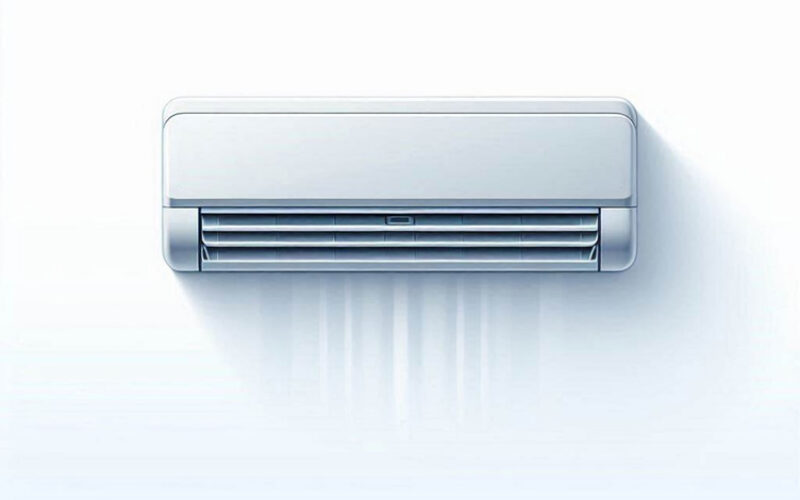
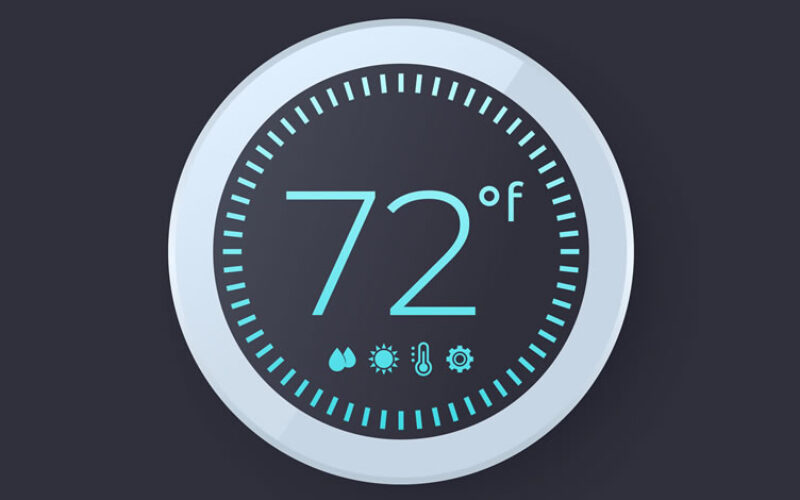
A smart thermostat allows you to regulate indoor temperatures efficiently by programming temperature adjustments based on daily usage patterns, ensuring your home remains cool without excessive energy use.
- Utilizing fans and air circulation:
-
Reducing Fire Risks in Dry Landscapes
Dry vegetation and high temperatures significantly increase the likelihood of wildfires, which can spread rapidly and endanger your home and community.
Mitigate this risk by maintaining a defensible space around your property through these measures:
- Mowing your lawn and clearing brush regularly:
Overgrown grass and dense vegetation can become fire hazards if left unattended. Keep these areas trimmed to reduce fuel for potential fires. - Removing dead vegetation and debris:
Fallen leaves, branches, and dry plant material should be cleared away from your property to further minimize fire risk. - Cleaning gutters and roof areas:
Ensure that gutters and rooflines are free of leaves and debris, as these can be ignited by stray sparks or embers during wildfires. - Covering backyard pools or water features:
Use pool covers to minimize water loss from evaporation while reducing the accumulation of debris that could create additional maintenance issues during dry periods.
By implementing these practical strategies, your family can remain safe and comfortable while reducing vulnerability to the challenges that drought conditions present.
Each small step contributes to a larger goal of preparedness, helping you protect your loved ones and create a more resilient household.
For additional information and guidance, consult experts like the National Integrated Drought Information System (NIDIS), which offers valuable drought resources suited to your specific region.

ceiling fans are a decorative way to help keep your house cool

to prevent gutter fires from dry leaves and brush, consider installing a gutter guard system
- Mowing your lawn and clearing brush regularly:
- Quick scroll to section content …
Topic Description Strategies Protecting Your Family from Drought-Related Risks The intense heat and dry conditions of droughts can affect households physically, emotionally, and financially.
Preparing for these conditions is crucial to ensuring your family’s safety, protecting property, and maintaining quality of life during challenging times.
Proactive planning is key to mitigating risks, building resilience, and reducing vulnerabilities associated with water shortages and rising temperatures. Making Cooling Strategies a Core Part of Your Household Plan Extreme heat poses serious health risks, especially for vulnerable individuals like children, the elderly, and those with preexisting conditions.
Managing indoor temperatures effectively is essential to ensuring comfort and safety.
Examples of cooling strategies include utilizing ceiling or portable fans, drawing curtains during sunny hours, and installing smart thermostats to efficiently regulate temperature. Reducing Fire Risks in Dry Landscapes Dry vegetation combined with high temperatures increases wildfire risk, posing a danger to homes and communities.
Maintaining defensible space around your property is critical.
Mitigation strategies involve clearing brush, removing dead vegetation, cleaning gutters, and using pool covers to minimize evaporation and debris accumulation. Resources for Further Guidance Expert organizations like the National Integrated Drought Information System (NIDIS) offer valuable advice and resources tailored to specific regions to help families prepare for drought conditions. Consulting experts ensures access to practical, region-specific strategies for effective drought preparedness. 
copyright image by 123rf.com
Protecting Your Home from Fire Hazards
While dry brush outside your home poses a significant fire risk, it’s equally important to address potential hazards within.
Faulty wiring, unattended candles, overheating appliances, and blocked vents can all spark dangerous situations.
Regularly inspecting these elements and ensuring you have working smoke detectors and fire extinguishers can safeguard your family.
A little prevention today makes all the difference in keeping your home safe.
view ideas: essential fire safety tips(new win)
-
Scroll up to directory … or scroll to next section addressing potential power outages …
-
-

-
-
5th Review: Preparing for Electricity Shortages or Brown-Outs
Drought conditions can have far-reaching effects on communities, infrastructure, and quality of life.
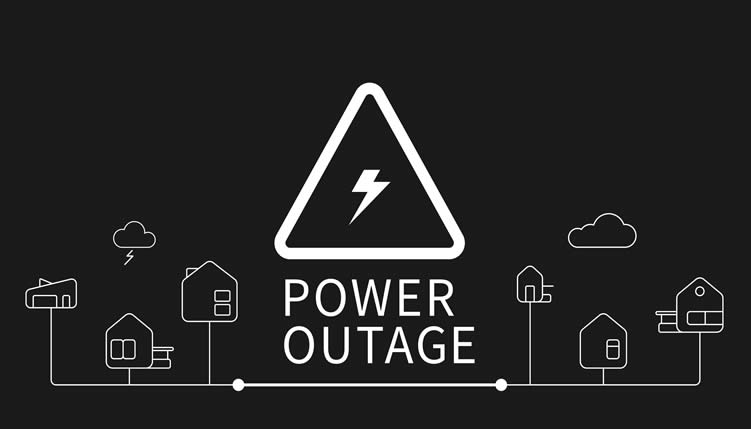
One significant impact is on power availability, particularly in regions where electricity is generated by hydroelectric dams that depend on sufficient water levels to operate.
copyright image by 123rf.com
Planning for and mitigating potential power outages during droughts is an essential step in ensuring your household remains safe, comfortable, and functional.
This guide will provide actionable strategies to help you prepare for electricity shortages and ensure your energy consumption is as efficient as possible.
-
Upgrade to Energy-Efficient Lighting
Switching to energy-efficient light bulbs, such as LED bulbs, is a simple yet effective way to reduce electricity consumption.
LED bulbs use up to 75% less energy than traditional incandescent lighting, emitting the same level of brightness while lasting significantly longer. This not only decreases your energy use but can also help lower utility bills over time.
-
Implement Smart Plug or Switch Technologies
Smart plugs and smart switches allow you to control and monitor the electricity usage of appliances remotely or on a timer. These devices can identify energy-intensive appliances and shut them off when not in use, preventing unnecessary energy consumption.
Many of these devices integrate seamlessly with smartphone apps, making it easier than ever to manage your energy usage efficiently.
-
Invest in Backup Power Solutions
For critical appliances like refrigerators, which preserve your food supply, having a reliable backup power source is invaluable.
Portable generators can provide temporary power for essential devices during outages, while whole-house generators offer a more robust solution for prolonged disruptions. Ensure your generator is well-maintained and keep extra fuel on hand in case of emergencies.
-
Consider Solar Energy Systems with Battery Backups
Adopting renewable energy solutions, like installing residential solar panels with battery backups, can significantly enhance your capacity to withstand power shortages. Solar energy systems can generate electricity during the day, reducing dependency on the grid.
Battery backups store excess energy for use during prolonged outages, giving you both cost savings and energy resilience in the long run. Be sure to have these systems installed by certified professionals to maximize efficiency and reliability.
-
Reduce Your Overall Energy Usage
Be mindful of electricity consumption habits in your household by unplugging unused devices, utilizing energy-efficient appliances, and optimizing thermostat settings.
Simple changes, like running large appliances during off-peak hours, can help alleviate strain on the energy grid, particularly during droughts.
By implementing these strategies, you can fortify your home against the challenges of drought-related power disruptions.
These steps not only enhance your resilience but also contribute to long-term sustainability.
For further information on these solutions, consult reputable sources such as the U.S. Department of Energy (energy.gov) or trusted energy efficiency organizations.

switching your home’s lighting to LEDs is an efficient way to lower your energy consumption
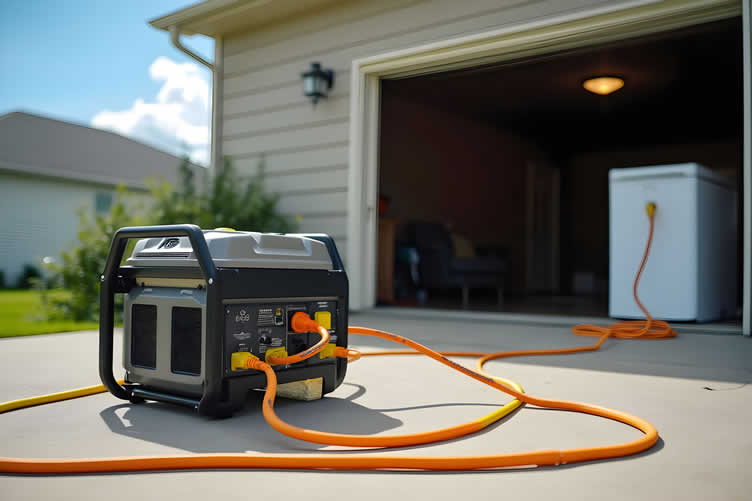
a portable generator is essential for preserving freezer contents during power outages
- Quick scroll to section content …
Topic Details Actionable Steps Impact of Electricity Shortages Drought conditions significantly affect power availability, especially in areas relying on hydroelectric dams that require adequate water levels. Plan for potential power outages to maintain safety and comfort within your household. Energy-Efficient Lighting LED bulbs use up to 75% less energy compared to incandescent lighting while lasting much longer. Switch to energy-efficient light bulbs for reduced consumption and lower utility bills. Smart Technologies Smart plugs and switches allow for remote and scheduled control of appliance energy usage. Integrate smart devices to monitor and manage electricity consumption effectively. Backup Power Solutions Generators, whether portable or whole-house, provide essential power during outages. Maintain backup power systems and store extra fuel for emergencies. Solar Energy Systems Solar panels with battery backups can generate and store electricity, reducing grid dependency. Install residential solar energy systems for energy resilience and cost savings. Reducing Energy Usage Optimizing household energy habits, like unplugging unused appliances, can alleviate grid strain. Adopt energy-efficient practices and consider using large appliances during off-peak hours for sustainability. Further Resources Reputable sources like the U.S. Department of Energy (energy.gov) provide additional guidance. Consult trustworthy organizations for expert advice on energy efficiency and sustainability. 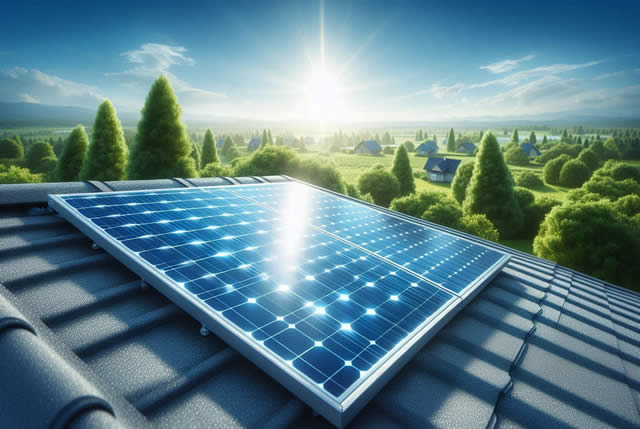
copyright image by 123rf.com
The Reliability of Solar Power
Solar power with a backup battery offers a reliable way to protect your home during brownouts and blackouts.
By harnessing energy from the sun, these systems provide a consistent power supply even when the grid fails.
The backup battery stores excess solar energy generated during the day, giving you power at night or during emergencies.
This approach reduces your reliance on traditional energy sources and provides a sustainable solution to keep your essential devices running.
view ideas: installing a solar energy system(new win)
-
Scroll up to directory … or scroll to final section addresssing "drought preparedness …
-
-

-
-
6th Review: Community Engagement
… and regulatory compliance
Navigating a drought requires concerted effort from individuals, communities, and governments. Drought conditions affect not only water availability but also energy supplies, food security, and wildfire risks.
By taking proactive steps and following local guidelines, we can responsibly manage resources and build resilience during these challenging periods.

copyright image by 123rf.com
By taking proactive steps and following local guidelines, we can responsibly manage resources and build resilience during these challenging periods.
This guide is designed to provide you with actionable strategies and insights to prepare your home and community for drought conditions.
By adhering to recommended practices and maintaining open communication with your neighbors and local authorities, you will play a key role in sustaining vital resources and ensuring community safety.
-
Mandatory Water Restrictions
Mandatory water restrictions are often enacted by local governments during drought conditions to ensure equitable access to water for essential needs.
It’s important to stay informed about these guidelines by regularly checking updates from your local water authority or city government websites.
Common restrictions may limit the times and durations for outdoor watering, ban non-essential watering activities (such as power washing driveways), or enforce specific water usage caps.
Failing to follow these restrictions could lead to fines or penalties, but more critically, it could endanger the collective water supply that everyone relies on. By adhering to these rules, you’re actively contributing to your community’s water resilience.
-
Register for Emergency Alert Systems
Signing up for local emergency notification systems is a critical step in preparing for changing drought conditions or related emergencies like wildfires.
Many local governments and utilities provide free services that send alerts via text, email, and phone calls to keep residents informed about water supply updates, fire risks, or emergency evacuations.
FEMA’s Integrated Public Alert and Warning System (IPAWS) is one reliable resource, while municipal governments may offer their own local systems. Staying connected ensures you can respond quickly to evolving situations.
-
Reduce Wildfire Risks in Dry Landscapes
Dry conditions significantly increase the risk of wildfires, so adopting preventative measures is essential. Keep your lawn mowed and clear of dry vegetation, as overgrown grass and brush act as fuel for flames.
Regularly inspect gutters and rooftops, clearing out any dead leaves or debris that might spark or sustain a fire.
Familiarize yourself with daily fire hazard ratings provided by your state or local forest services, and avoid any activities that could inadvertently ignite a fire, such as outdoor burning or using machinery that produces heat or sparks.
Engage your neighbors in wildfire prevention efforts, fostering a sense of shared responsibility. Discuss ways to conserve water collectively and responsibly manage fire risks in your community.
-
Community Conversations About Water Conservation
Water conservation extends beyond individual actions. Collaborating with your neighbors can amplify efforts and build a culture of mindfulness around resource use.
Share tips on reducing household water consumption, such as installing low-flow fixtures, upgrading to high-efficiency appliances, or reusing graywater for irrigation.
Host or attend community meetings to discuss strategies for collectively minimizing water usage. These conversations can foster a sense of unity while ensuring everyone is aligned in achieving conservation goals.
By taking proactive measures, staying informed, and engaging with your community, you can significantly contribute to mitigating the impacts of droughts on individuals and shared resources alike.
For further educational resources on drought preparedness, consult organizations like the National Drought Mitigation Center (drought.unl.edu) or the Environmental Protection Agency (epa.gov).

create a sustainable home that provides comfort, regardless of the circumstances.

check your local building codes to ensure home upgrades are safe and compliant
- Quick scroll to section content …
Topic Description Actionable Steps Community Engagement and Regulatory Compliance During a drought, individuals, communities, and governments must work together to effectively manage resources.
Droughts impact water availability, energy, food security, and wildfire risks.
Proactive measures and adhering to local guidelines are essential to build resilience.
Prepare your home and community for drought conditions by following local guidelines, maintaining communication with neighbors and authorities, and responsibly managing shared resources. Mandatory Water Restrictions Local governments implement restrictions during droughts to ensure equitable water access.
Guidelines often limit outdoor watering times, ban non-essential activities, and enforce water usage caps.
Failing to comply risks penalties and threatens community water supplies.
Stay informed via local water authority sources, follow restrictions, and take active steps to conserve water in your daily activities to help sustain the community’s water resources. Register for Emergency Alert Systems Emergency notification systems keep residents updated on water supply changes, fire risks, and evacuations.
These alerts are provided through text, email, and calls, ensuring swift responses to emergencies.
Sign up for services like FEMA’s IPAWS or local government and utility alert systems to stay connected and prepared during drought or wildfire-related emergencies. Reduce Wildfire Risks in Dry Landscapes Dry conditions elevate wildfire risks. Preventative measures like clearing dry vegetation, maintaining clean gutters, and monitoring fire hazard ratings are critical for safety. Mow lawns, clear debris, avoid sparks from machinery, and foster wildfire prevention efforts in the community.
Refer to credible resources like NIFC or the U.S. Fire Administration for guidelines.
Community Conversations About Water Conservation Water conservation benefits from collective efforts. Sharing tips and collaborating with neighbors builds a resource-conscious community and ensures alignment in conservation goals. Exchange ideas like using low-flow fixtures, conserving graywater, and hosting community meetings for collective solutions.
Refer to resources like the National Drought Mitigation Center for more information.
AI generated image by 123rf.com
Importance of a 72-Hour Emergency Kit
Emergencies like storms, earthquakes, power outages, or public health crises can happen suddenly. A well-stocked 72-hour emergency kit is a crucial resource during these critical moments.
It should contain essentials like water, non-perishable food, first aid supplies, and basic tools to help you and your family stay safe and self-sufficient.
Having a kit prepared provides security and peace of mind, ensuring you’re ready for any situation.
view ideas: when your home isn’t safe(new win)
Needing Some Help?
While most of these drought-preparedness tips are DIY projects, requiring little more than family communication, water conservation tactics, food storage preparation, and landscape maintenance, some changes may require professional help.
If you are considering major home upgrades to make your home more sustainable, you may need to hire a contractor. These projects could include:
- Installing a whole-house filtration or greywater system
- Upgrading or building a food storage pantry or cold room
- Setting up a rooftop solar panel with a battery backup system
- Installing a whole-house generating system
These larger projects often require the expertise of a plumber, electrician, or other contractor.
To find a reliable professional, ask neighbors for references or use online services like Angi to find available contractors in your area.
LetsRenovate has partnered with HomeAdvisor(Angie)™, a renowned provider of highly-rated, carefully-vetted local contractors. Start your search here by choosing the type of contractor you need and entering your zip code to find local professionals.

copyright image by 123rf.com
But Wait!
Before you start looking for a home sustainability contractor, we highly recommend downloading our evaluation worksheet.
This resource will help you objectively compare and assess potential candidates, considering key factors like pricing, licensing, and references.

Evaluation Sheet
File Type:-
Scroll up to directory … or scroll to conclusion and references …
-
-
-
Conclusion
… a proactive approach to drought preparedness and resilience
Caring for your family through a widespread environmental challenge requires patience, foresight, and a gentle commitment to changing daily habits.
By consciously reducing your water footprint, maintaining a robust emergency pantry, and adapting your home to handle intense heat, you create a deeply resilient environment for the people you love most.
These thoughtful preparations do more than just lower your utility bills; they provide enduring comfort and security when the world outside feels unpredictable.
Resource Citations
- Drought.gov
- Whole Building Design Guide (WBDg.org)
- American Red Cross
- Penn State Extension
- Massachusetts State Drought Safety Tips
- Colorado State University Agricultural Research
- Redfin Drought Preparation Guide
-
Quick scroll to more interior home utility management ideas …
-
ideas to view and compare from the photo above
book: drought preparednesswater storage containersdrip irrigation system
- What comments can you share about any
drought preparedness that you would recommend?



Calendar For:
Home Maintenance
File Type:
… view our sharing links below for a quick "share the knowledge"

Find Energy Efficient Services Insulation Windows-Insulation Ducts & Vents Thermostats Solar Installation Skylights Home Automation Generators Home Automation Electrial Wiring Networks/Phone Computers/ Media Home Security Alarms top-rated, pre-screened local contractors FREE: download contractor selection enter zip code – powered by HomeAdvisor ™
Quick Contractor Guides selecting negotiating working with inspecting

Cover image credit: drought preparedness by 123rf.com
end of post … please share it!
 |
did you find drought preparedness analysis helpful? If so, please share the article with your friends and family! |
Nice pic idea? Leave us a quick comment below.
And please share this pic idea within your social networks.