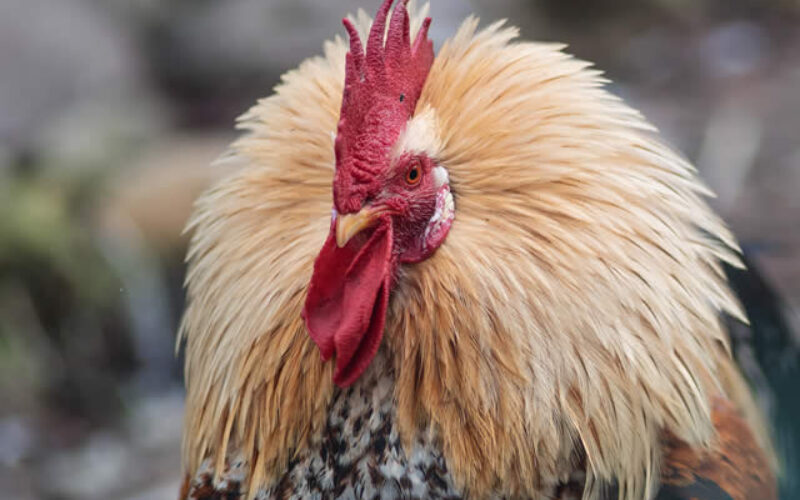
first “how to build a chick run with coop” idea


copyright image by envato.com
Giving Your Chickens a Roaming Run With Safety
Notes:
You have been thinking of building a chicken run for your chickens to keep them safe and offer them a space to enjoy the fresh air but don’t know where to start? Look no further – we brought to you a step by step guide on how to build a chicken run from scratch with just a few supplies.
To start your own project, just follow the instructions below:
-
- —— begin first topic ——
-
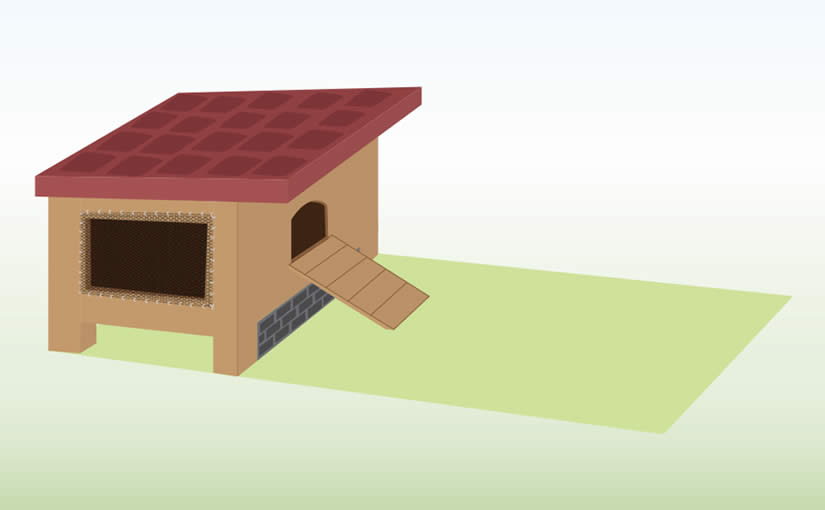
1st:Plan the Structure:
The very first step is to start planning the structure thoroughly. The chicken run’s size should be at least 1 square meter per chicken and it will have to be attached to the coop in order for the chickens to have free and safe access to it.
-
copyright image by stock image
-
Quik scroll to topic side note …
-
1st:Why Raise Chickens:
Not everybody can raise chickens – your community or association may not allow it. But for those living in areas were chickens are allowed, it might be something you might want to consider.
The price of eggs and chicken cuts have gone up in price these past few months. Eggs prices have raised about 20% or more since last year; wholesale boneless chicken breasts averages $3.73 per pound, the highest price over a 14-year tracking trend.
copyright image by envato.com
These inflationary prices are due mainly to supply chain shortages, increased feeding costs, and bird-related diseases that have impacted chicken egg farms.
So having a chicken coop can help your family reduce cost for eggs and chicken meats. You will also benefit in learning the self-preservation tactics that may be needed in the future.
However, the question that needs to be answered is how much savings can you expect over a period of time when you considered the space, protection, and feed that will be required. Not the mention around-the-clock care that will be required.
- —— next topic ——
-
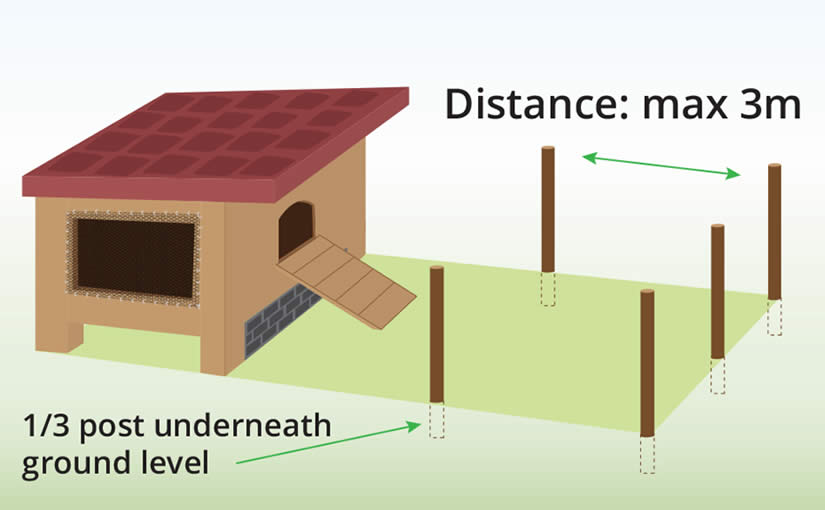
2nd:Position The Posts:
Your second step should be to position the posts. In order to do that, dig some holes for your fence posts at even distances of about 2 meters at the perimeter of the area.
- Make sure two posts will be closer together where you are going to place the gate later.
-
copyright image by stock image
- Hammer the posts at least 30 centimeters deep into the ground. You can use gravel or concrete to set the posts in the soil and to make them sturdier.
-
Quik scroll to topic side notes …
-
Deciding On Chicken Coops:
If your decision is yes in raising backyard chickens, the first thing you need is a chicken coop. The coop functions like a mini-chicken house where they will lay eggs and perch at night to sleep.
The coop also functions as a protective barrier from outside predators. You want your chickens to feel safe to reduce stress for productive egg laying or growth making.

copyright image by envato.com
What is needed for a DIY chicken coop:
- First is a location that provides security, sunlight, and free from flooding.
- Unfinished plywood or other wood material for the overall structure and flooring.
- Wired mesh fencing around the chick run and coop to keep chickens within a certain area for protection.
- Exit door(s) with secure latches to allow chicken to roam freely during the day and to be secured from predators at night.
- Nesting boxes for laying eggs and perches for overnight sleeping.
- Ventilation to prevent the spread of diseases.
- Electricity for night lighting and warmth during cold winter months.
- —— next topic ——
-
3rd:Attach the Chicken Wire:
Now that you have your posts in place, attach the chicken wire to the posts with staples. Ensure that the mesh is stapled at every 15 centimeters and it’s secured to the posts, allowing just a little room for movement.
- Don’t forget to attach the chicken wire to the coop as well.
-

copyright image by stock image
-
Quik scroll to topic side notes …
-
Types of Chickens to Buy:
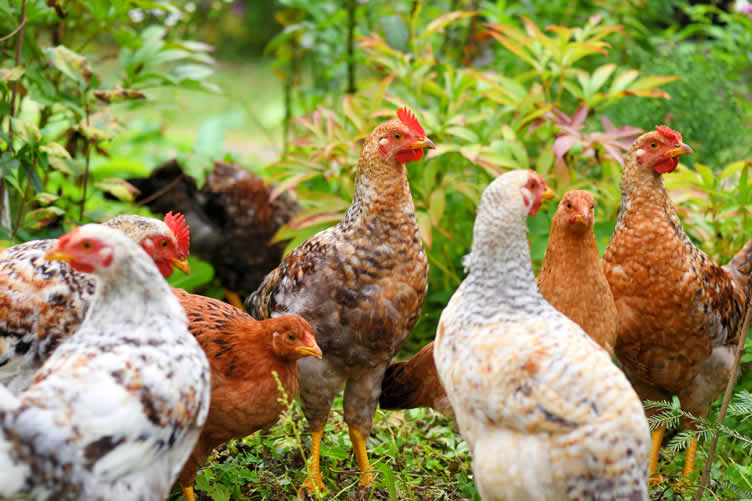
There are hundreds of chicken breeds from around the world. Some chicken breeds are best for meat breeding; others are for laying eggs.
Of course, it’s the female chicken that lays the eggs. The average egg-laying period is about 2-3 years. After which, the chicken is sent to slaughter.
copyright image by envato.com
If you plan to raise chicks to replenish your flock, then you will need a rooster and an incubator for separating and caring the eggs for hatching.
Some of the best breeds for egg laying and meat production include the following:
google images: Egg Laying Chickens - —— next topic ——
-
4th:Add a Gate:
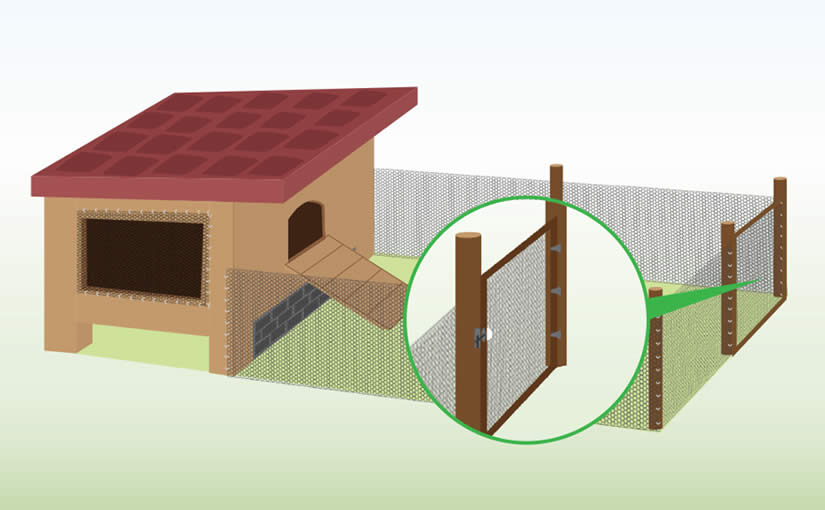
Now is the time to add the gate to the chicken run. You can make your own gate by building a wooden frame and attaching chicken wire to it using staples.
-
copyright image by stock image
- Hang the gate with three gate hinges. Then attach a latch on the outside of the gate, but make sure to create a hole beside the latch to be able to reach it from the inside as well.
- You can also get a pre-made gate that matches your project, which you can just attach to the posts.
-
Quik scroll to topic side notes …
-
How to Care for Chickens:
Just like any kind of pet that we have, you need to feed, supply water, give them protection, and make sure they remain healthy and stress free in order to achieve the need you want.
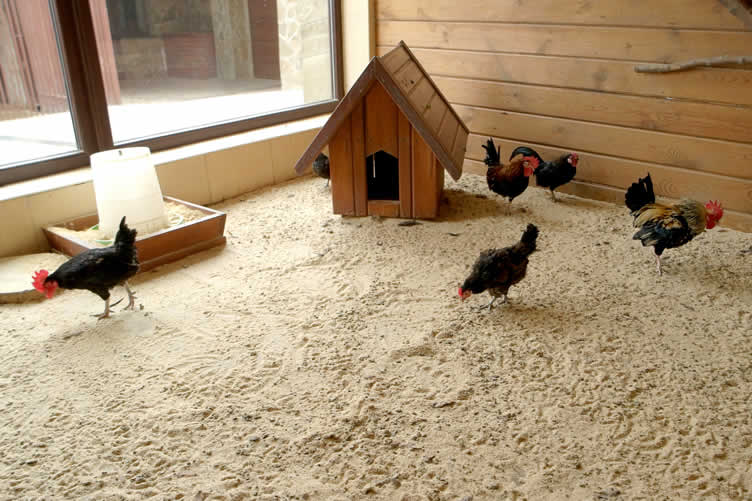
Providing them a nice coop and and a place to roam is a must for any healthy chicken breed. Additional steps involve keeping the coop and roaming area clean, make sure the chickens are safe from predators, and more importantly, isolate sick chickens from the herd to prevent diseases from spreading to the entire group.
copyright image by envato.com
The key care ingredients include:
- Shelter:
A nicely designed coop that protects the chickens from rain, harsh sunshine, winter cold, and more importantly, from predators such as raccoons, foxes, hawks, squirrels, cats, and other night-time prowlers that can kill and/or destroys the eggs you are hoping to collect the next day. - The coop requires mesh wire tightly secured around the perimeter and roof and floor area of the coop to keep predators out. You might likewise consider motion sensor lights or alarms that startles predators that approach the area.
- Food and Water:
Chickens will eat almost anything – including certain table scraps. That will give them some variety in their diet. But most times, you will feed chickens with nutrient-rich pellets and other calcium-rich feed for best egg production. - Make sure the food is placed in food troughs with secure fittings to avoid mice and other small rodents that chicken coops seam to attract.
- Chickens need plenty of water to avoid dehydration. You might consider an automatic food and water dispensers especially during hot summer days and/or when you plan to be away for extended periods.
- Sickness:
Like all animals, chickens can get parasites, worms, and other air-borne diseases that can wipe out the entire flock. You need to study up on avoiding illness with access to medicines and other cures in the event of symptoms among one or more chickens. - You should have available a vet who specializes in chickens in the event you need professional help. Not all local vets care for chickens. So you may need to search online for vets who you can call when needed.
- Shelter:
- —— next topic ——
-
5th:Make a Frame For The Roof:
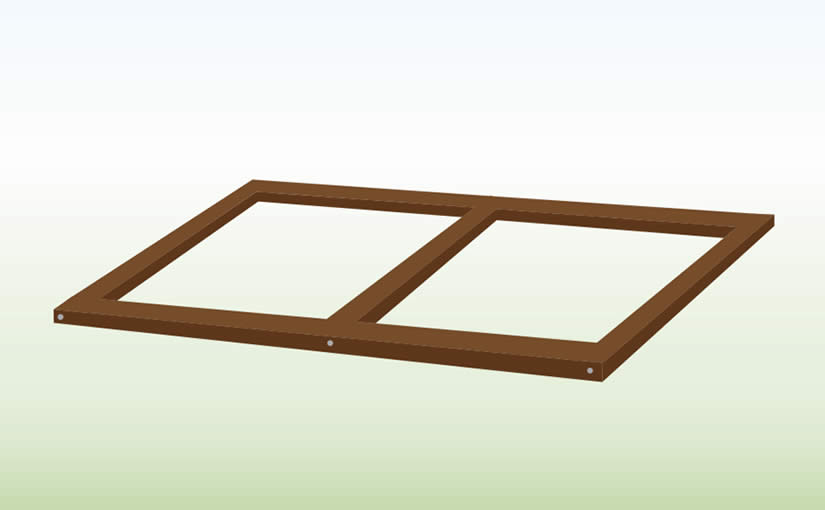
To keep your chickens safe, the next step is to build the frame for the top of the chicken run.
-
copyright image by stock image
- Take a saw and cut the wooden planks to size. The minimum amount should be four pieces but you can make it sturdier by using more planks. Join the planks with nails and/or screws.
-
Quik scroll to topic side notes …
-
About Collecting Eggs:
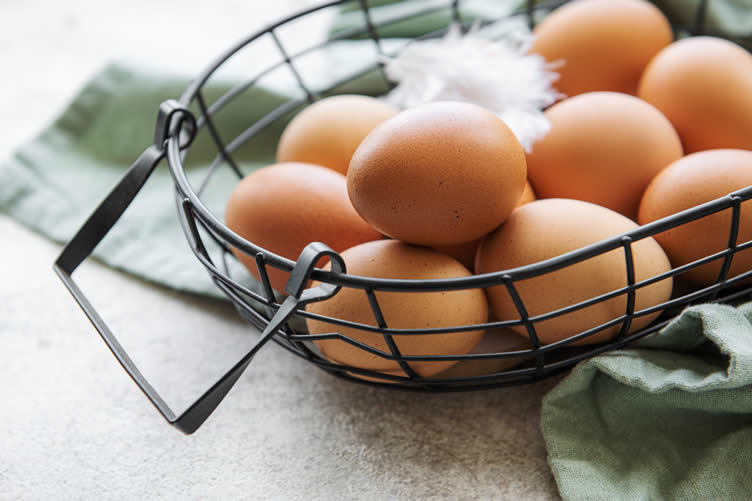
The purpose of having egg-laying chickens is the collection of eggs – sometime twice each day. Depending on the number of chickens you have, the collection may be more than you can consume. So invite your neighbors or friends to share in the bounty. You may need to use their services later on.
Make sure the chicken coop is clean and conducive to nesting. Each chicken nesting area needs to be spacious enough for the chickens to nest comfortably. Use hay or wood shavings to form the nest that is plush enough to protect the egg and for easy collection.
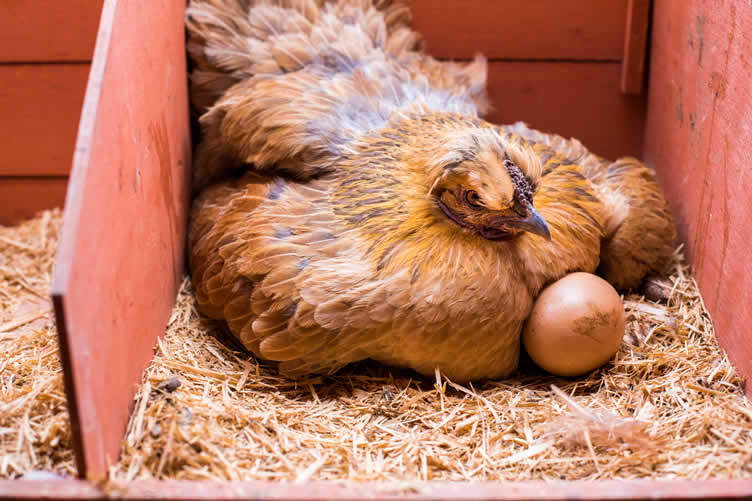
copyright image by envato.com
You may need to collect the eggs twice each morning – early and mid-morning. And there may be another collection late afternoon and into the early evening. Examine the eggs for any cracks or broken shells; these eggs should be discarded.
This collective period is a daily routine. If you are going away on vacation or an extended weekend, this is when your neighbors or friends can be called upon to make the collection for their own use.
Or you can simply let the eggs remain in the nest during your absence to be discarded when you return.
- —— next topic ——
-
6th:Make the Roof Secure:
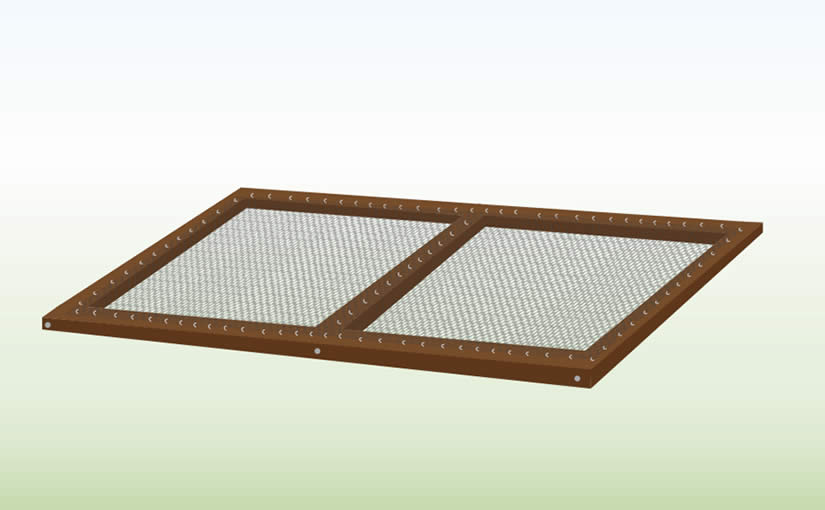
Now that you have built the frame for the top of the run, attach the chicken wire to it. Use staples at approx. 15 centimeter distances. Make sure to also staple the mesh to the middle planks if you have any.
-
copyright image by stock image
- content
-
Quik scroll to topic side notes …
-
Where to Place and How To Clean Chicken Coops:
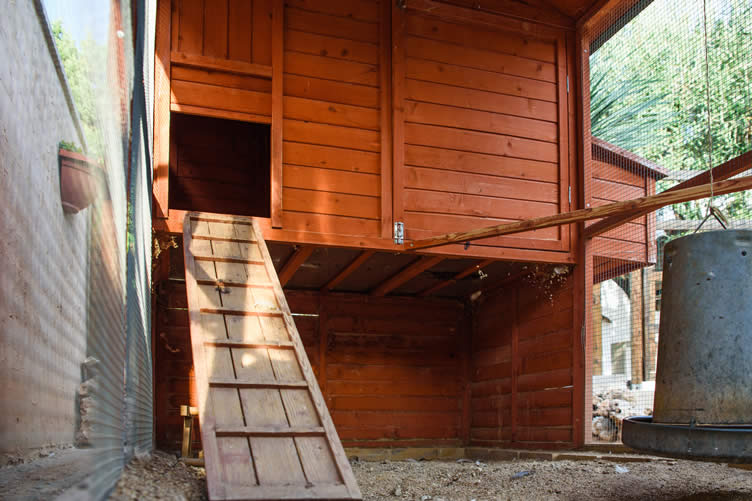
Chickens prefer the morning sun shine and plenty of from the hot afternoon sun. So the best location is an area that gets morning to noon-day sunshine and then shade from a tree or other structure during the afternoon.
You also want to locate the coop on a solid, level ground at an elevated position to allow good drainage away from the coop. You want to avoid any flooding that can result into a messy cleanup and unhappy chickens.
Also if you are going to provide any electrical sources to the coop, you need to locate in an area where electrical wiring sources can be easily provided.
copyright image by envato.com
Food and water must be administered daily. Having automated feeding and watering troughs will reduce daily maintenance and allow week-end getaways.
Chicken coops should be cleaned out weekly to remove chicken droppings and other debris. A thorough disinfectant cleaning must be done every 6 months for best hygiene
- —— next topic ——
-
7th:Make Sure Your Chickens Have Some Shade:
If there is no natural shade around the run, you should add a layer of shade netting to a section of the roof of the enclosure, to protect your chickens from direct sunlight.
-

copyright image by stock image
- You can attach the shade netting to the mesh with cable ties or to the frame with staples.
-
Quik scroll to topic side notes …
-
How to Protect Your Chickens:
The #1 danger to chickens and their eggs are predators such as fox, coyote, cats, hawks, snakes, raccoons, squirrels, and the list can vary depending where your coop is located.
The #2 danger is disease and other sickness that can spread quickly to all chickens.
copyright image by envato.com
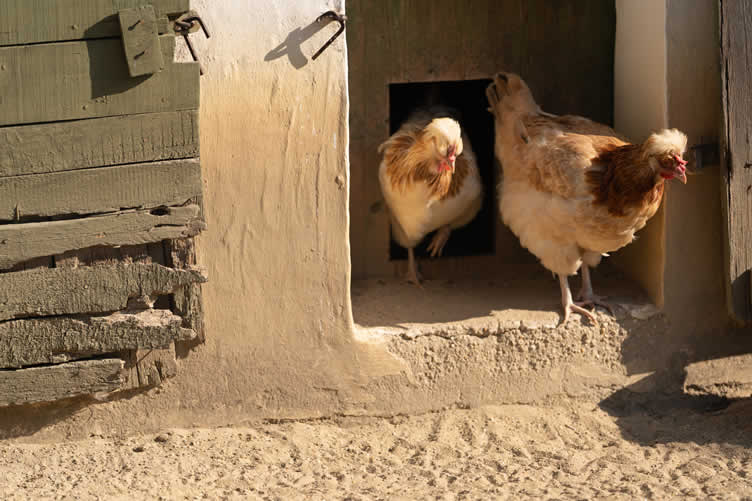
As mentioned above, you need to provide the barrier protection from predators. This will include a mesh wire around the entire perimeter of the coup, the chicken run, roof and even the floor to keep burrowing animals out. You may want to install web cams for recording and identifying the type of predator who may be eying the coop.
Another step is make sure your chickens are safely inside the coup at night with locked doors, windows and other access points.
As for diseases and other sickness, make sure to regularly clean the coop and chicken run to remove droppings and other items that can spread diseases. Likewise, become familiar with types of symptoms that may be displayed in order to keep your flock safe from a sick chicken.
google resources: How to Protect ChickensProtect Chickens from Predators view – Tips: Keeping Chickens Safe view – Guide to Sick Chicken Symptoms view – Prevent and Treat Common Diseases view Protect Chickens youtube – Install a Predator Apron youtube – Protect Chickens From Hawks youtube – Common Diseases Backyard Poultry youtube – Treat Common Chicken Diseases youtube - —— next topic ——
-
8th:Attach the Roof and You’re Done:
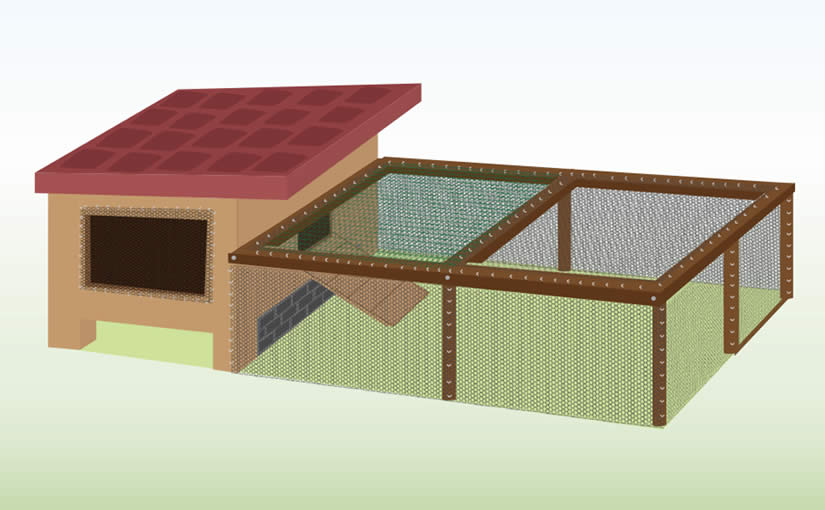
As a last step, attach the roof to the run by fixing the frame to the posts and the coop with nails and/or screws.
-
copyright image by stock image
- That’s it, the new spacious chicken run is ready for your poultry to roam around in and enjoy their time in the fresh air.
-
Quik scroll to topic side notes …
-
Need a Rooster?
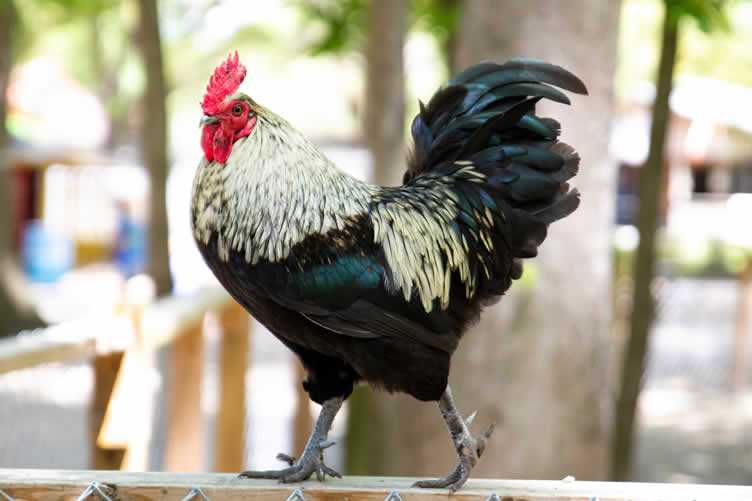
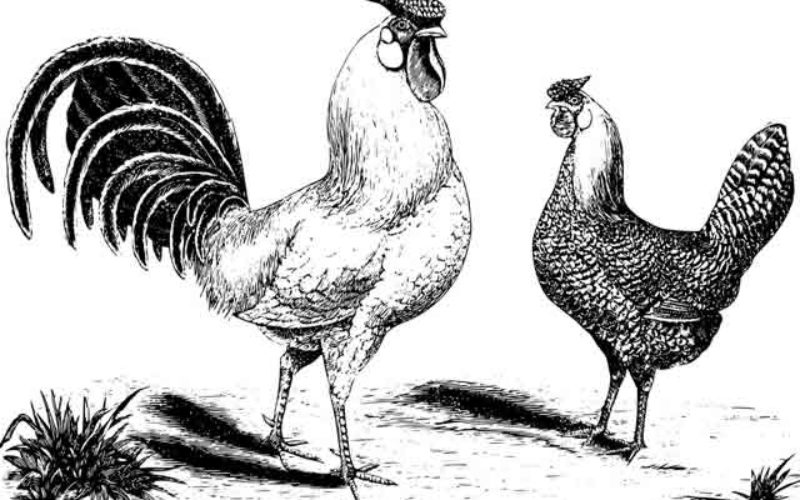
Hens don’t need a rooster to lay eggs; all eggs are infertile and won’t develop into chicks. However, if there is a rooster in the coup, then the eggs will be fertilized. But you can still collect eggs daily and keep them in a cool place prior to use to keep them from hatching.
copyright image by envato.com
So why would you want a rooster? The best reason is for the purpose of raising chicks. Most egg-laying hens only last about 2 years before they are unable to lay eggs. So upcoming hen chicks could easily replace these older chickens.
Plus, roosters can help keep order within the flock to avoid hens from pecking at each other. They also can sound alarm if they sense danger and in some cases, protect the flock and chicks from predators.
One of the biggest cons or plus, is the morning call when the day dawn is breaking – and the many other calls during the day. Roosters can be a bit noisy that may upset neighbors and nearby communities.
-
Quik scroll to more outbuilding related suggestions …

-
ideas to view and compare from the photo above
chicken coops-automatic chicken feeder coop predator protection
- What comments can you share about
how to build an chicken run and coop?
what else to care for?

backyard farm

cooking chicken


backyard with the coop

Find Outbuilding Services Gazebos Play Equipment Outbuildings Fences Sheds Retaining Walls top-rated, pre-screened local contractors FREE: download contractor selection enter zip code – powered by HomeAdvisor ™
Quick Contractor Guides selecting negotiating working with inspecting

Cover image credit: how to build a chicken run by envato.com
end of post … please share it!
Other Animal Control
 links open new win
or simply search by entering pest control item or other gardening need

Nice pic idea? Leave us a quick comment below.
And please share this pic idea within your social networks.