Summary Outline –
These landscape principles have guided professional landscape architects for generations, and they work just as well for a weekend warrior tackling the front yard.
According to the University of Florida IFAS Extension (2025), a harmonious outdoor composition is achieved through proportion, order, repetition, and unity. When you apply these ideas thoughtfully, your yard transforms from a collection of plants into a unified, welcoming retreat.
In this guide, we’ll walk through 12 essential landscaping principles, grouped into three practical segments: visual structure and layout, cohesion and flow, and practical environmental integration.
Each principle includes a clear example so you can picture exactly how to apply it at home.
- post content … analysis/ landscape principles

first “set of landscape principles” idea
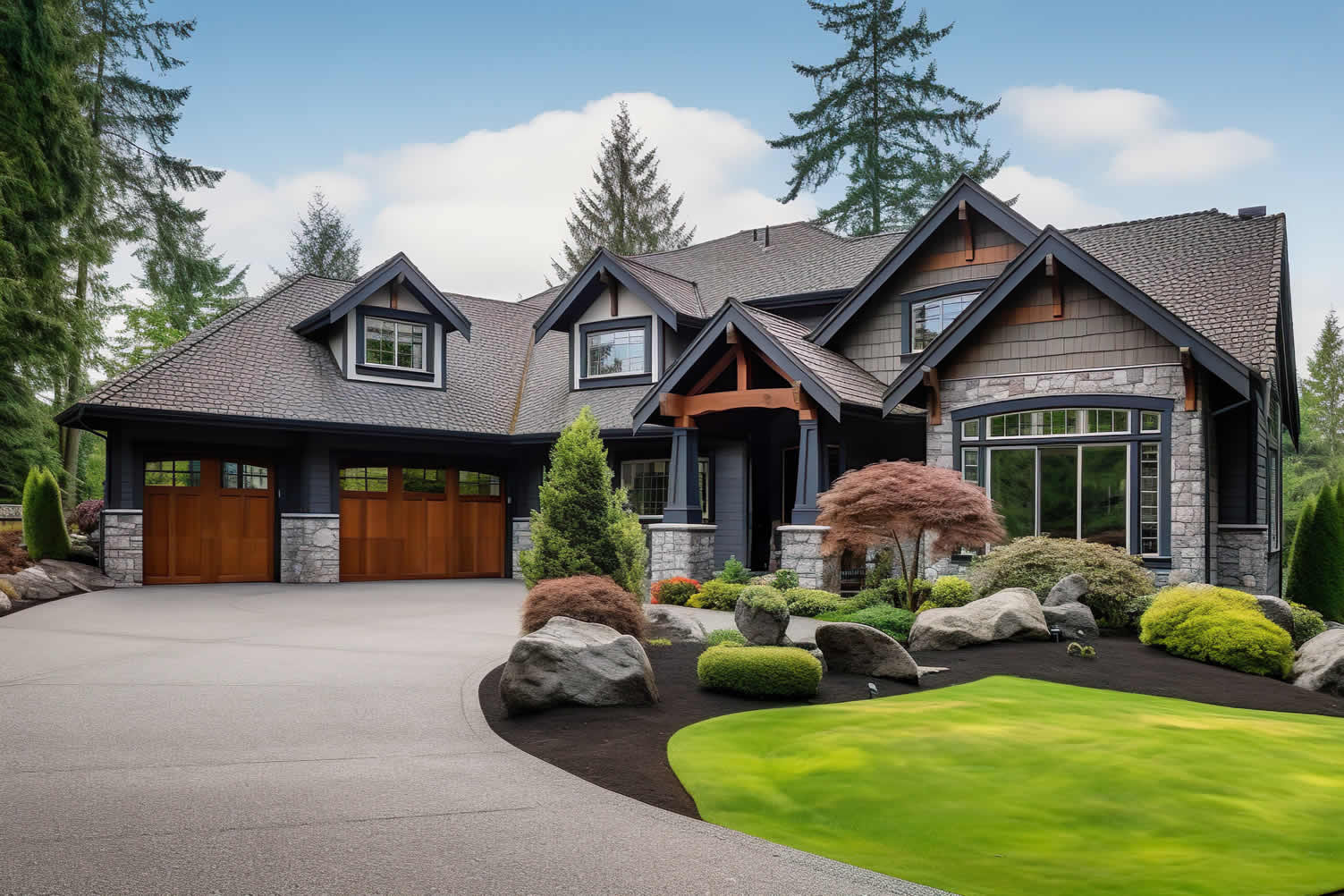

copyright image by 123rf.com
Segment 1: Visual Structure & Layout
4 layout principles … [ balance – scale – lines – focal point ]
Notes:
-
The foundation of any truly memorable landscape begins with its “bones”—the fundamental structural decisions that guide your eye and shape how you experience the space.
Think of these as the underlying framework that supports every other element in your garden. Just as a house needs a solid frame, your yard needs a clear visual structure.
These first four principles are essential for establishing that framework, creating a sense of order and purpose before a single flower is planted.
-
Quick scroll to visual structure & layout principles …
-
Achieving Balance
Balance refers to the equal distribution of visual weight across your yard. There are two ways to achieve it, and the right choice depends on your home’s style.
Symmetrical balance creates mirror-image layouts that feel formal and orderly, making it ideal for traditional or colonial-style homes. Picture two identical boxwood hedges flanking a front door, with matching planters on each side.
Symmetrical Balance Example Image Matching flower beds Two identical flower beds lining the sides of a path to enhance symmetry and aesthetic. view Identical outdoor lighting Two matching light fixtures placed symmetrically at the entrance of a driveway for both visual appeal and functionality. view A pair of symmetrical seating areas Two seating arrangements with matching furniture placed opposite each other to create balance on a patio. view Two evenly spaced trees Two trees planted at equal distances on either side of the main entrance to create a framed look. view Balanced rows of shrubs or hedges Symmetrical rows of shrubs or hedges positioned along both edges of a pathway for a tidy, balanced appearance. view Asymmetrical balance, on the other hand, uses different shapes and sizes that carry equal visual weight for a more relaxed, natural feel.
For example, a large flowering shrub on one side of a path might be balanced by a cluster of three smaller perennials and a decorative boulder on the other.
Choose symmetry if you value structure and formality; choose asymmetry if you prefer an organic, casual look.
Asymmetrical Balance Example Image Pair plants of varying sizes to frame a doorway. A tall, colorful potted plant on one side of a doorway with a grouping of smaller pots in varying heights on the other. view Balance furniture arrangements on a patio. A wide garden bench on one side of a patio with a cozy setup of a bistro table and two chairs on the opposite side. view Use focal points with contrasting features in a yard. A large, dramatic tree as a focal point on one side of the yard, offset with clusters of flowering shrubs and ornamental grasses on the other. view Create symmetry with water features and floral designs. A round, decorative fountain in a corner of the space and a curved garden bed filled with blooms in complementing colors on the opposite side. view Contrast sculptures with lush vegetation along a path. A tall sculptural feature on one side of a garden path, with a mix of layered, low-growing ground covers and flowering plants across from it. view [ view diagram: balance in landscape design ]
[ images: samples of landscape balance ]

-
Considering Scale
Scale, or proportion, means matching the size of your plants and hardscaping to your house and to each other. Getting this wrong is one of the most common landscaping mistakes.
A massive oak tree planted right next to a small ranch home will eventually swallow the house visually, making it feel cramped and overshadowed.
Instead, match your plant choices to your home’s footprint. A modest one-story house pairs beautifully with a dwarf Japanese maple near the entry, while a grand two-story home can support larger specimen trees without looking out of balance.
Always think about how a plant’s mature size relates to the structures around it.
Scale and Proportion Example Image Choose low-growing shrubs or ground-covers for planting under windows to maintain unobstructed views. Low-growing juniper or creeping thyme under a bay window. view Incorporate taller hedges or vertical elements like arborvitae to frame the corners of the house and add height proportionally. Tall arborvitae shrubs on the corners of a home. view Use wide garden beds or layered plantings to visually balance a larger home or expansive facade. Wide garden beds with mixed perennials and shrubs in front of a large building. view Add small ornamental trees, like a crabapple or redbud, to complement the scale of a cozy courtyard or patio area. A blooming redbud tree in a courtyard. view Select climbing plants or trellises to accent blank walls on larger structures without them feeling overwhelming. Ivy climbing a trellis against a blank wall. view Combine oversized planters with bold foliage near large entrances, ensuring appropriately scaled decor for grand entryways. Large planters with monstera or fiddle-leaf figs at an entrance. view [ view diagram: scale in landscape ]
[ images: scale and proportion ]
-
Guiding Lines
Lines direct how the eye—and the body—moves through a landscape. They are one of the most powerful tools for setting mood.
Straight lines, such as a rectangular paver walkway leading directly to the front door, create a formal, deliberate atmosphere. They feel crisp and controlled.
Curved lines do the opposite. A winding stone pathway that gently bends toward a hidden garden bench invites exploration and feels soft and organic.
Curved bed edges and meandering walkways slow the pace and add a sense of discovery. Use straight lines for formal spaces and curves when you want a relaxed, natural rhythm.
Using Lines Examples of Straight Lines Image Linear pathways used in landscaping Pathways made of concrete or pavers that create a straight, clean design view Rectangular garden beds Garden beds designed with sharp, straight edges for a geometric aesthetic view Fencing or hedges aligned in straight rows Fences or hedges placed in straight and orderly rows view Decking layouts with parallel planks Decking built with planks arranged in straight, parallel lines view Patios with geometric alignment Patio designs that feature geometrically aligned layouts view Examples of Curved Lines Meandering pathways Stone or gravel pathways that curve and flow through the landscape view Rounded, flowing garden beds Garden beds shaped with smooth, curving edges view Circular seating or fire pit areas Outdoor seating spaces or fire pits designed with circular forms view Arched trellises or pergolas Trellises or pergolas designed with arching lines for visual interest view Undulating water features Examples include streams or ponds with flowing, natural curves view [ view diagram: using lines in landscape design ]
[ images: sample of lining ]
-
Establishing a Focal Point
A focal point gives the eye somewhere to land. Without one, a landscape can feel busy and direction-less. Focalization is the practice of creating a single, central point of interest that draws attention the moment someone arrives.
This anchor might be an ornamental tree with striking fall color, a bubbling water feature, a sculpture, or a dramatic specimen plant.
For instance, a Japanese maple positioned at the bend of a curved path naturally pulls the viewer’s gaze and gives the whole design a clear sense of purpose. One strong focal point per view is usually enough—too many compete for attention and cancel each other out.
Feature Description Image Install a decorative fountain or pond as a water feature centerpiece. view Use a statue or sculpture to create an artistic focal point. view Plant eye-catching specimen trees, such as magnolias or Japanese maples, in prominent locations. view Create a vibrant flower bed with seasonal blooms that draw the eye. view Incorporate outdoor lighting to highlight a particular tree, plant, or structure at night. view Add a pergola or gazebo for architectural interest and functionality. view Arrange potted plants of varying heights around a seating area to create visual depth. view Use a unique pathway design, such as stepping stones or mosaics, to subtly direct attention. view Construct a raised garden bed or tiered planting area to add dimensional interest. view [ view diagram: establishing focal point ]
[ images: types of focal points ]
Principle Description Examples Visual Structure & Layout The foundation of memorable landscapes, focusing on creating a clear and organized framework to support all other design elements. - Establish a sense of order and purpose before planting.
- Use strong structural elements to guide the eye.
Balance Achieving equal visual weight through symmetrical or asymmetrical designs based on style preferences and creating harmony within the landscape. - Symmetry for formal, traditional looks like identical hedges or symmetrical seating areas.
- Asymmetry for relaxed designs using varying elements, such as diverse plant groupings or decorative features.
Scale Matching plant and hardscape proportions to the size of the house and surrounding environment to ensure visual balance and harmony. - Small homes suit lower, smaller plantings like dwarf trees or ground covers.
- Larger homes benefit from grander choices like specimen trees or wide beds.
Lines Using straight or curved lines to influence the movement and mood in a space, creating either a formal or natural feel. - Straight lines like pathways for a crisp and formal atmosphere.
- Curved lines for a relaxed, exploratory experience with meandering paths or flowing edges.
Focal Point Introducing a central feature to capture attention and provide direction within the design, preventing a cluttered look. - Install key features like fountains, specimen plants, or sculptures.
- Use outdoor lighting and pathways to enhance focal points.


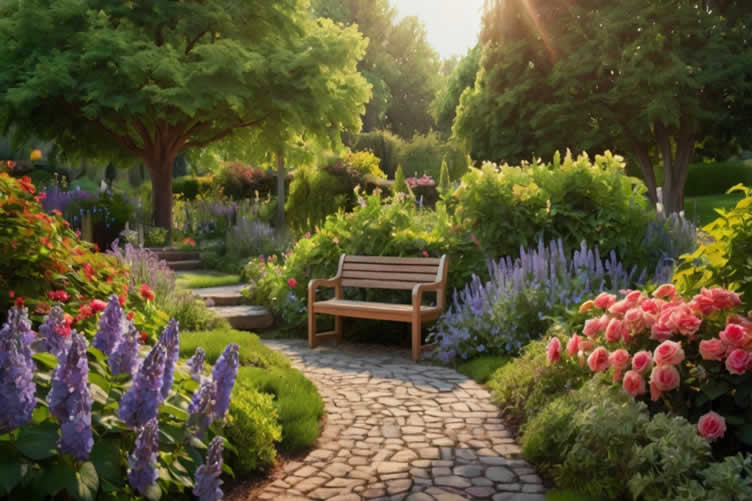
copyright image by 123rf.com
Address Key Principles of Landscaping
Beautifully arranged stone garden paths effortlessly address key landscape principles such as balance, lines, and focal points.
These paths guide the eye through your outdoor space, creating a sense of direction and purpose while tying together different elements of your yard.

Whether leading to a water feature, a seating area, or a floral bed, stone paths act as both functional walkways and visually striking design features.
By incorporating materials and patterns that complement your home’s style, you can craft a cohesive and inviting landscape that exudes charm and sophistication.
view ideas: Create a Stone Garden Path(new win)
-
Scroll up to directory … or scroll to the 2nd segment of landscape principles …


Tackling home upgrades and fulfilling all your home improvement needs …

… save this curated directory of ideas for future reference.

… remodeling decisions

second “photo remodeling” idea
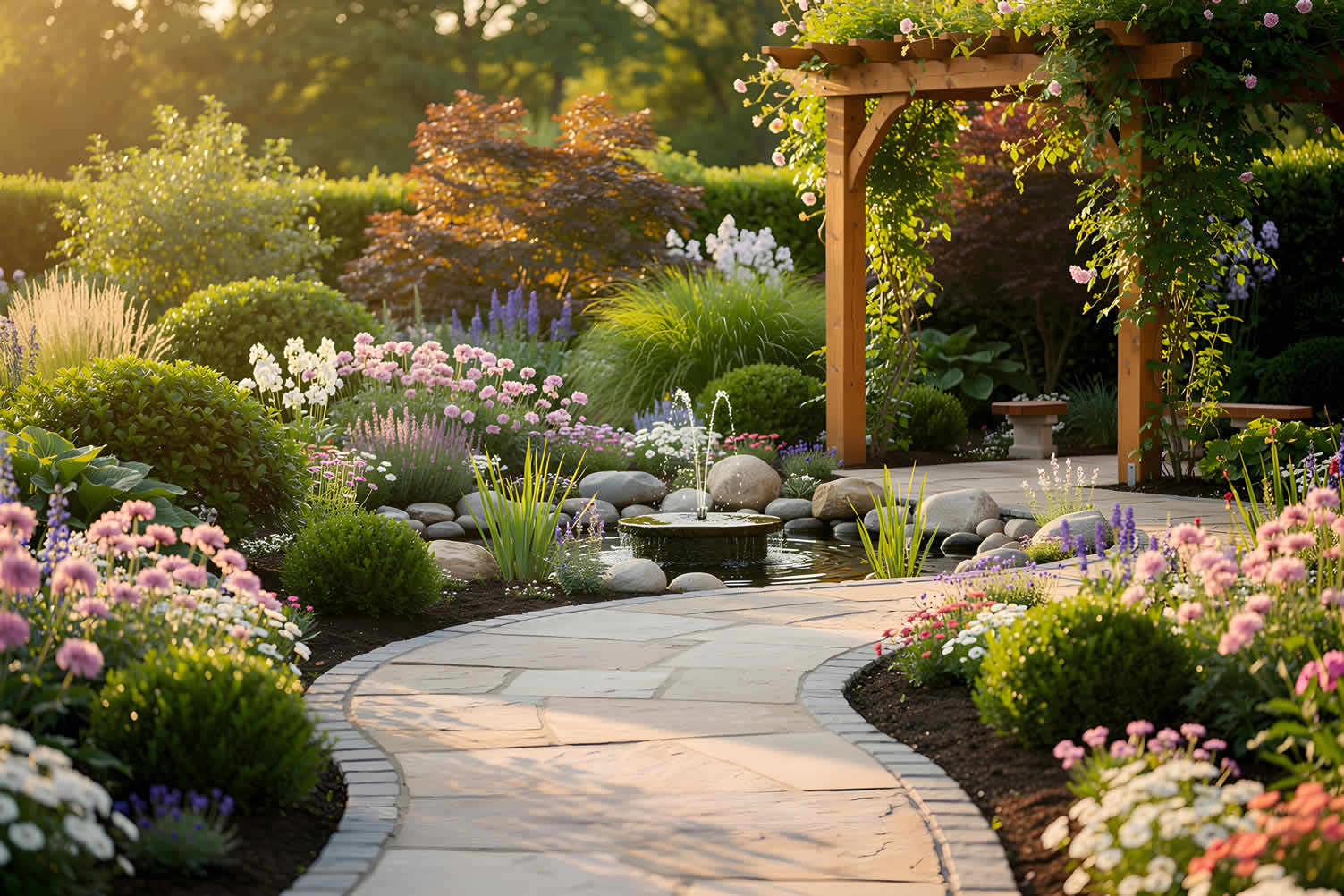
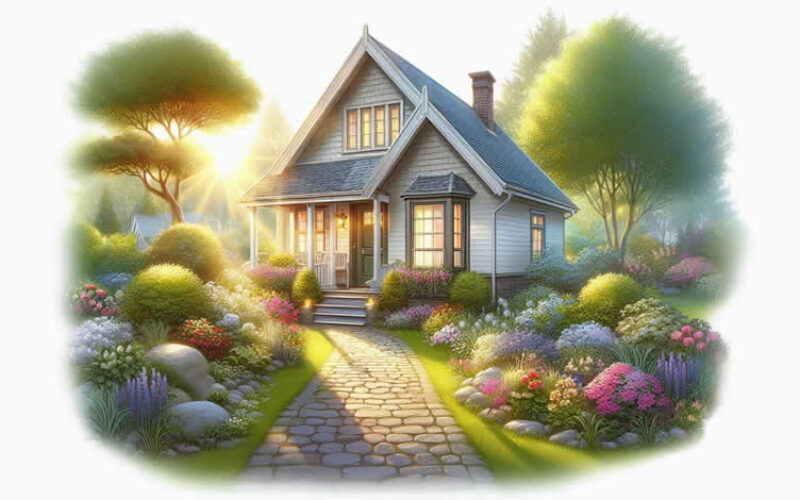
AI generated image by 123rf.com
Section 2: Cohesion & Flow
4 cohesion & flow principles … [ unity – simplicity – repetition – layered plantings ]
Notes:
-
Once you’ve established the basic structure of your garden, the next set of design principles is all about tying everything together into a beautiful, harmonious whole.
Cohesion is the secret ingredient that transforms what could be a random assortment of plants and features into a thoughtfully designed, intentional landscape. It ensures your yard feels unified and flows naturally from one area to the next.
-
Quick scroll to cohesion & flow principles …
-
Creating Unity
Unity ensures that every element in your landscape complements the others under a single, consistent theme. It’s the thread that connects the front yard to the back, the patio to the flower beds, and the plants to the house itself.
One of the easiest ways to build unity is to select hardscape materials that echo the colors or textures of your home’s architecture.
If your house features warm red brick, a brick or terracotta-toned paver patio will feel like a natural extension. A repeated color palette across your plantings reinforces this sense of harmony, making the whole property feel intentional and complete.
Creating Unity Example Image Use matching or complementary materials for pathways, patios, and retaining walls that reflect your home’s exterior finishes. For instance, if your home has a brick facade, use brick pavers for pathways. view Incorporate a consistent color palette across flowers, shrubs, and trees to create visual harmony. Utilize shades of pink and white across flowering plants and shrubs for cohesion. view Repetition of specific plants or design elements, such as similar planters or decorative stones, throughout the space. Repeat terracotta planters or arrange river rocks as a unifying element in the garden. view Create symmetry by mirroring garden beds, hedges, or other landscape features on either side of a walkway or focal point. Design garden beds on each side of a fountain with identical roses and hedges. view Utilize a single type of edging material to define flower beds, walkways, and lawn areas. Opt for wooden edging along both pathways and flower beds for a unified appearance. view Carry architectural features, such as arches or pergolas, into your outdoor structures to create a seamless blend from indoors to out. Extend the design of your home’s arched windows into a garden pergola structure. view Use lighting elements with a cohesive style or finish to tie various areas of the property together. Install metallic solar lights that match your outdoor wall sconces. view [ view diagram: creating unity and flow ]
[ images: unity and flow ]
-
Embracing Simplicity
It’s tempting to fill your cart with one of every plant variety at the garden center. Resist that urge. Simplicity is the principle of restraint, and it’s what keeps a garden from looking cluttered or chaotic.
A practical rule is to limit your primary plant selection to between 5 and 10 varieties. This focused palette creates a calm, cohesive look and is far easier to maintain.
According to the University of Florida IFAS Extension (2025), simplicity is the foundation of unity in landscape design. Fewer, well-chosen plants almost always outperform a crowded jumble of dozens.
Embrace Simplicity Example Image Opt for native plants that thrive in your local climate, reducing maintenance and ensuring a natural harmony with the environment. Choosing native wildflowers or drought-tolerant plants like succulents. view Create a focal point, such as a single striking tree or a well-placed garden sculpture, to anchor the design. A blooming magnolia tree or a minimalist garden sculpture. view Use a limited color palette for flowers and foliage to establish a unified and visually appealing aesthetic. A combination of white, purple, and green flowering plants. view Incorporate clean, defined lines in hardscaping elements like pathways, borders, and garden beds for an organized appearance. Stone pathways and clearly edged garden beds. view Minimize lawn space by integrating low-maintenance ground covers or mulched areas, which simplify upkeep. Using clover ground cover or bark mulch for open spaces. view Group plants with similar water and sunlight needs together to streamline care and optimize growth conditions. Planting succulents together in sunny, dry areas. view Choose timeless, durable materials for hardscaping to maintain visual consistency and reduce the need for frequent updates. Using stone or concrete for pathways and retaining walls. view Avoid overdecorating with too many ornaments or garden features, allowing natural elements to take center stage. Limiting decor to a single birdbath or a few lanterns. view [ view diagram: landscape design simplicity ]
[ images: landscape simplicity ]
-
Utilizing Repetition
Repetition creates rhythm. By repeating similar colors, plant types, textures, or materials at regular intervals, you establish an orderly flow that naturally connects separate areas of the yard.
For example, planting the same ornamental grass at even spacing along a border carries the eye smoothly from one end to the other.
Repeating a signature flowering shrub in both the front and back yards links the two spaces into one continuous design. Repetition is the rhythm of a landscape—just be careful not to overdo it, or the effect can become monotonous.
Utilize Repetition Example Image Use matching pavers or stonework for walkways and patios to create a cohesive hardscaping theme. Coordinate the material of the walkway with patio surfaces for a seamless outdoor design. view Plant rows of the same flowering annuals along pathways or driveways for a vibrant and unified look. Line driveways with colorful, uniform flowerbeds for added curb appeal. view Incorporate identical planters with consistent plants on either side of an entryway or porch for a classic and symmetrical appeal. Position matching planters with similar greenery flanking the front door. view Repeat patterns of hedges or trimmed shrubs as borders to structure and define outdoor spaces. Use manicured boxwood hedges to frame garden beds or pathways for a polished look. view Utilize the same type of trellis or garden arch at different points in the yard to guide visual flow. Install matching trellises as decorative accents to connect various sections of your yard. view Place identical water features, such as fountains or small pond elements, in separate garden areas to echo the design. Position similar fountains in opposite garden corners for harmonious symmetry. view [ view diagram: repetition in landscape ]
[ images: landscape repetition ]
-
Graduating Plantings
Graduating your plantings, sometimes called transition or layering, means changing heights, textures, or colors progressively rather than abruptly. This technique adds depth and dimension to your beds.
According to The Detroit News (2025), layering plants at different heights adds both dimension and drama to a landscape.
The classic approach is to layer beds by height: place the tallest plants at the back, medium shrubs in the middle, and low ground-covers at the front. From a window or the street, this creates a full, lush look where every plant is visible.
Gradual transitions in color and texture also help the eye move comfortably through the space instead of jumping from one extreme to another.
Graduated Plantings Example Image Tall Layer Ornamental grasses like Maiden Grass or flowering shrubs such as Hydrangeas. view Medium Layer Perennials like Coneflowers, Peonies, or Lavender for a pop of color and pleasant fragrance. view Low Layer Ground-covers like Creeping Thyme, Sedum, or Hostas to fill in gaps and add lush greenery. view Accent Layer Small accent plants like Heuchera or decorative annuals to introduce seasonal variety and extra texture. view Edging Border plants like Boxwoods or low-growing Marigolds to create clean, defined edges and highlight the overall design. view [ view diagram: layered landscape design ]
[ images: landscape layering ideas ]
Design Principle Description Examples Cohesion & Flow Tying different elements of the landscape together into a harmonious and unified design. Creates a seamless flow between various areas of the yard. – Use matching or complementary materials for pathways and patios. – Incorporate a consistent color palette across flowers, shrubs, and trees. – Repeat design elements such as planters or decorative stones throughout the space. Creating Unity Ensures all elements coordinate to reflect a single, consistent theme, enhancing integration between house and landscape. – Select hardscape materials that reflect the house’s architecture. – Mirror garden beds or hedges for symmetrical design. – Use lighting with cohesive styles to tie different areas together. Embracing Simplicity Restraint in design choices to avoid clutter and create a calm, cohesive look. Simplifies maintenance and enhances visual appeal. – Limit plant palette to 5-10 main varieties. – Use native plants that thrive locally for natural harmony. – Incorporate clean lines in pathways and borders. Utilizing Repetition Repeating colors, textures, or materials to create rhythm and connection throughout the yard. – Plant rows of the same flowers along walkways. – Use identical planters and plants at entryways. – Repeat patterns of hedges to define spaces. Graduating Plantings Layering plants by height, color, and texture to add depth, dimension, and visual interest to garden beds. – Tall layer with ornamental grasses or shrubs. – Medium layer with colorful perennials like Coneflowers. – Low layer with ground-covers such as Creeping Thyme. 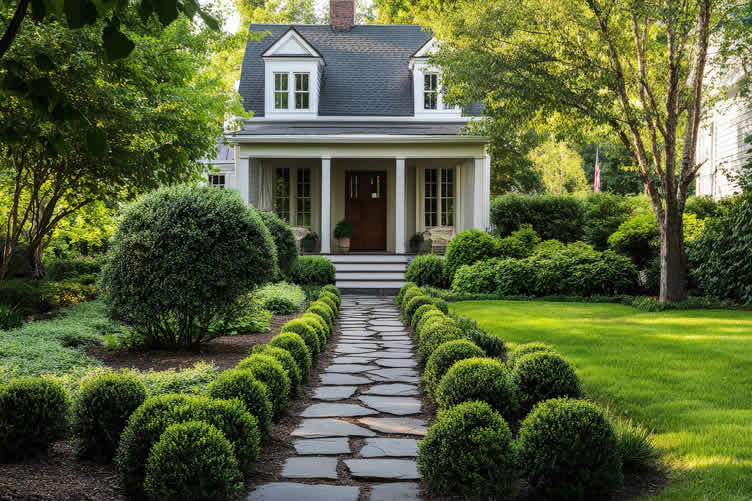
copyright image by 123rf.com
Using Graduated Plantings
When planning your garden, the choice between annual and perennial flowers is key. Annuals offer vibrant, seasonal color but must be replanted each year.
Perennials, on the other hand, return every season with less effort, though their blooming periods can be shorter.

Balancing these two plant types helps create a dynamic garden that meets your maintenance needs and aesthetic goals.
view ideas: Understanding Perennial and Annual Flowers(new win)
-
Sunny Perennial Pics
Part-Sun Perennials
Scroll up to directory … or scroll to the 3rd segment of landscape principles …
SHARE IT ..! Someone in your network might benefit from this insightful post about understanding landscape principles. Feel free to share it on Facebook, X (formally Twitter), LinkedIn, or Pinterest!



Download this PDF for a concise summary of everything you need to know about …?

… home remodeling – improvement – repair
May We Suggest Other Photo Remodeling Ideas About
“Interior Design Guidelines …” (new win)



third “photo remodeling” idea
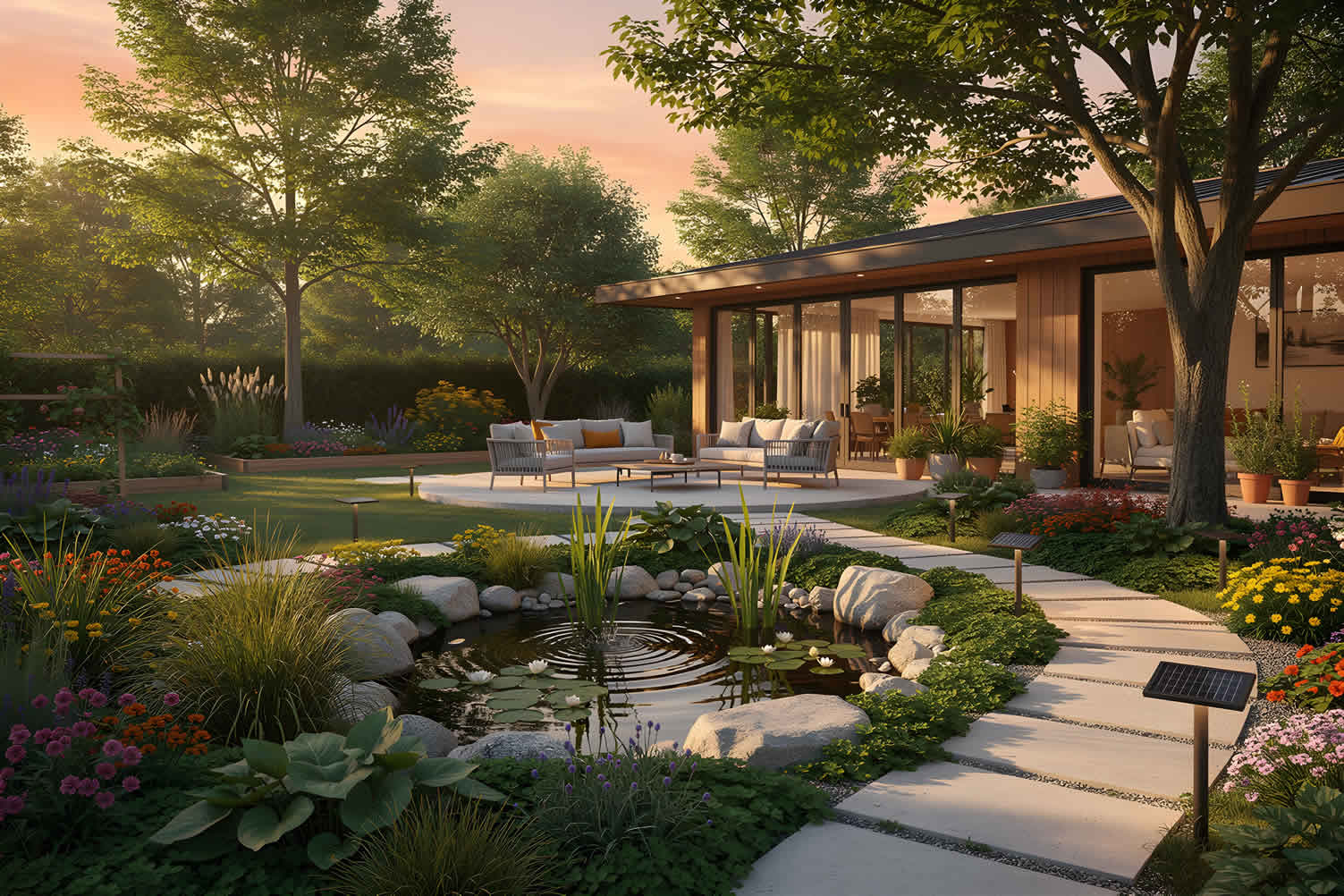
AI generated image by 123rf.com
Section 3: Practical & Environmental Integration
4 integration principles … [ inside out – zoning – plant needs – future growth ]
Notes:
-
A beautiful landscape is more than just a pretty picture; it must also be a livable, sustainable extension of your home. A truly successful design works in harmony with both your daily life and the natural environment.
These final principles will help ensure your garden is not only visually stunning but also functions beautifully, considering how you use your space and the unique conditions of your site.
-
Quick scroll to practical & environmental notes …
-
Designing from the Inside Out
Your landscape isn’t just for passersby—it’s for you. Designing from the inside out means planning your outdoor space around the views from the windows you look through most often, such as the kitchen sink or a living room picture window.
Imagine aligning a flowering dogwood directly with your kitchen window so you enjoy its blooms every morning while making coffee.
This approach connects how your house looks to the world with how the world looks from inside your house. It’s a simple shift in perspective that dramatically improves daily enjoyment of your yard.
Feature Description Example Image Position a birdbath or fountain in direct line with your living room window to create a serene, dynamic focal point. Place a stone fountain or decorative birdbath centrally visible from the living room. view Frame your dining room window with climbing roses or wisteria to add texture and seasonal color. Use trellises to guide climbing roses or wisteria around the window frame. view Plant a small Japanese maple outside your study window for year-round visual interest with its vibrant leaves and graceful shape. Choose a Japanese maple species with eye-catching foliage and plant it near the window. view Create a layered garden bed with perennials and ornamental grasses near your bedroom window for a lush, calming view. Combine plants like lavender, hostas, and fountain grass for a visually pleasing garden bed. view Install a trellis or pergola with cascading vines, visible from your kitchen window, to enhance both shade and greenery. Use vines like morning glory or ivy to adorn a trellis or pergola outside the kitchen. view Arrange a seating area or fire pit within sightlines of your patio doors to invite relaxation and outdoor gatherings. Place outdoor chairs around a small fire pit or create a cozy seating arrangement near the patio. view Line your view with native wildflowers to attract butterflies and birds, promoting a lively, eco-friendly scene. Plant flowers like coneflowers or black-eyed Susans to create a vibrant habitat. view Use tall hedges or sculptural shrubs near secondary windows to add privacy without sacrificing style. Opt for plants like boxwood or arborvitae for an appealing and functional privacy screen. view [ view diagram: window view design ]
[ images: window view yard landscaping ]
-
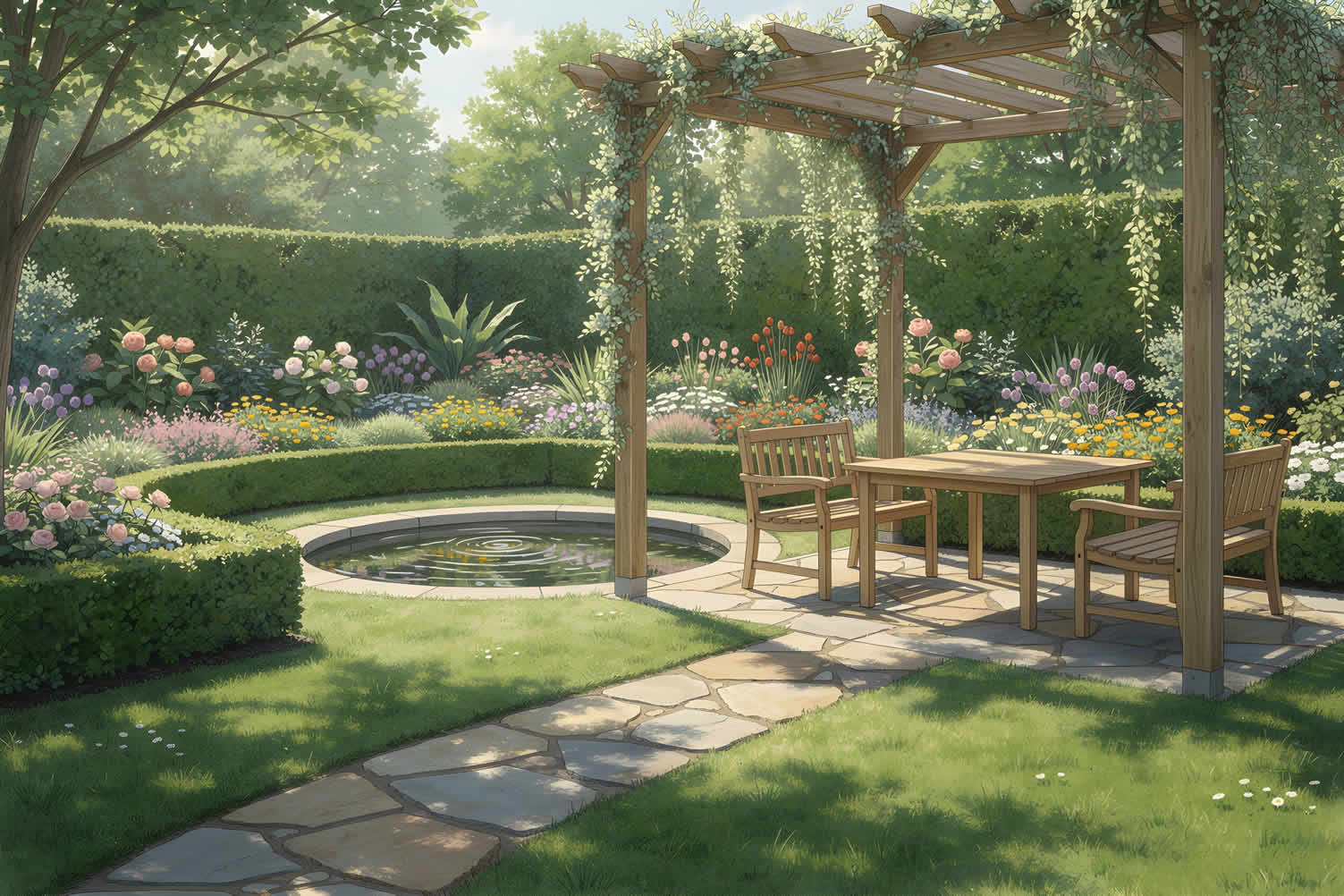
Strategic Zoning
Strategic zoning divides your yard into clear areas based on function and on plant needs. On the functional side, you might carve out distinct zones for entertaining, children’s play, vegetable gardening, and quiet privacy.
On the environmental side, a powerful technique is hydrozoning—grouping plants with similar water, sun, and soil requirements together.
As LoveYourLandscape (2025) explains, hydrozoning clusters plants by their needs to conserve water and improve plant health.
Place drought-tolerant succulents in a hot, sunny, dry zone, and reserve a shady, damp corner for moisture-loving ferns. This makes irrigation more efficient and keeps every plant thriving.
Feature Description Example Image Relaxation Zones Design cozy seating areas with shade-providing trees or pergolas to create a calm space for reading or unwinding. view Entertaining Zones Allocate open, flat spaces for patios or decks, ideal for hosting barbecues and outdoor gatherings. view Play Zones Dedicate soft, grassy areas or spaces with play equipment for children to safely enjoy outdoor activities. view Vegetable Gardens Strategically place vegetable beds in sunny areas to maximize growth potential while keeping them accessible for maintenance. view Pollinator Habitats Incorporate native flowering plants in sunny locations to attract bees, butterflies, and other beneficial pollinators. view Water Features Create tranquil water features, such as fountains or ponds, in quiet zones to enhance relaxation and promote biodiversity. view Privacy Screens Plant tall hedges or install trellises with climbing plants to create secluded spaces or block unwanted views. view Hydrozoned Plant Areas Establish zones for drought-tolerant plants like succulents and cacti, and separate areas for moisture-loving species like ferns or hydrangeas. view [ view diagram: landscape yard zoning ]
[ images: landscape garden zoning ]
-
Considering Plant Needs
Even the most beautiful design will fail if plants are placed where they can’t thrive. Environmental awareness means matching each plant to its specific requirements for sunlight, moisture, and soil type before you put a shovel in the ground.
A sun-loving lavender planted in deep shade will struggle and look sparse, while a hosta baked by full afternoon sun will scorch.
Take time to observe how light moves across your yard throughout the day and to test your soil’s drainage and pH.
Choosing the right plant for the right place is the single best way to reduce maintenance and prevent disappointment.
Feature Description Example Image Plants that thrive in shaded areas with limited sunlight. Ferns, hostas, impatiens view Plants that require full sun exposure for 6 or more hours daily. Lavender, roses, succulents view Plants suitable for areas with consistently moist or boggy soil. Canna lilies, water irises, marsh marigolds view Plants that excel in areas with minimal watering needs and dry conditions. Sedum, sage, ornamental grasses view Plants that prefer soil with lower pH levels for optimal growth. Rhododendrons, azaleas, blueberries view Plants that require well-drained soil to prevent root rot. Lavender, thyme, yarrow view [ view diagram: landscape plant needs ]
[ images: landscape plant maintenance chart ]
-
Planning for Growth
Plants are not static—they grow, sometimes far larger than the tidy specimens you bring home from the nursery. Planning for growth means researching the mature size of every tree and shrub before planting.
A small shrub tucked against your foundation may look perfect today, but if its mature width is 10 feet, it will eventually crowd the house, block windows, and require constant pruning.
Space that shrub at least 5 feet from the foundation to give it room to fill in. Accounting for mature dimensions now saves you years of frustration and costly removals later.
Feature Description Example Image Evergreen that grows up to 50 feet tall and 15 feet wide, requiring ample space to thrive without overwhelming surrounding plants. Leyland Cypress view Known for its expansive canopy, this tree can reach 75 feet in height and 45 feet in width, making it ideal for large, open spaces. Red Oak Tree view Often used for hedging, boxwood shrubs can grow up to 6 feet tall and wide depending on the variety. Boxwood Shrubs view These flowering shrubs can grow 4 to 6 feet tall and wide, and proper spacing ensures their blooms remain a stunning focal point. Hydrangeas view A beautiful accent tree that may grow up to 25 feet tall with a similar spread, requiring careful placement. Japanese Maple view This ornamental tree often grows between 15 and 25 feet tall, requiring consideration of nearby walkways and structures. Crepe Myrtle view [ view diagram: landscape tree full height ]
[ diagram: landscape shrub full height ]
Category Description Example Practical & Environmental Integration A beautiful landscape is not just aesthetic but should also serve as a sustainable and functional extension of your home, harmonizing with daily life and natural surroundings. Positioning plants and features to complement both lifestyle and the environment. Designing from the Inside Out Plan outdoor spaces around the views from your home’s most used windows, connecting interior and exterior perspectives for enhanced enjoyment. Aligning a flowering dogwood with kitchen windows for a beautiful morning view. Strategic Zoning Divide your yard into distinct areas based on function and plant requirements, such as hydrozoning to conserve water and enhance plant health. Grouping drought-tolerant succulents in sunny areas and moisture-loving ferns in shady corners. Considering Plant Needs Match plants to their specific sunlight, moisture, and soil needs to ensure optimal growth and low maintenance landscapes. Shade-loving ferns in cool areas and sun-loving lavender in areas with maximum light exposure. Planning for Growth Research the mature size of trees and shrubs before planting to avoid crowding and ensure proper space for development. Spacing Japanese Maple trees appropriately to accommodate their 25-foot mature width. 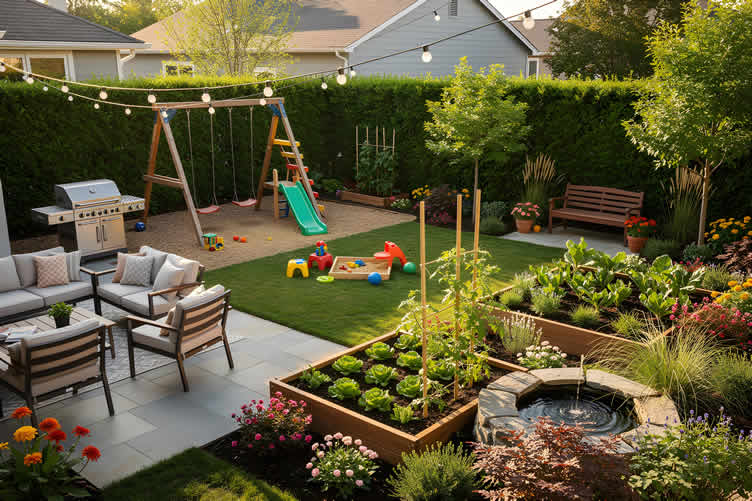
AI generated image by 123rf.com
Designing the Perfect Backyard
A backyard play zone is a wonderful way to encourage outdoor fun and family time.
These spaces can be tailored to any yard, offering a safe environment for children to explore, exercise, and imagine.
Whether you add swings, slides, climbing walls, or a sandbox, the possibilities are endless.

Thoughtful design and durable materials will ensure the play area fits your family’s needs and provides years of enjoyment.
An engaging play zone not only transforms your yard but also promotes a healthy, active lifestyle for everyone.
view ideas: Family Play Zone(new win)
-
Sporting
Lawn Games
Scroll up to directory … or scroll to next section addressing key FAQs …

Budgeting Worksheet For Costing Landscape Needs and Home Improvement Decisions
 File Type (excel)
Are there any other interesting topics that might have been overlooked but could offer valuable insights …?


Find Yard n’ Garden Services Landscape Design Landscape Maintenance Sprinkler Systems Water Features Outbuildings Play Equipment Retaining Walls Fences Decks Patio Spas & Hot Tubs Swimming Pools Tree & Shrubs Pest Control Metal Work Steps & Walkways top-rated, pre-screened local contractors FREE: download contractor selection enter zip code – powered by HomeAdvisor ™
Quick Contractor Guides selecting negotiating working with inspecting

fourth “photo remodeling” idea
AI generated image by 123rf.com
Section 4: Frequently Asked Questions
Notes:
-
We understand that embarking on a landscaping project can feel overwhelming, which is why we’ve gathered some of the most common questions about key landscape principles.
These FAQs are designed to provide clarity, guidance, and helpful advice to ensure you approach your outdoor transformation with confidence.
-
What Are The Most Important Landscaping Principles?
The four core landscaping principles are unity, balance, scale, and simplicity. Unity ties your design together under one theme, balance distributes visual weight evenly, scale matches plant and structure sizes to your home, and simplicity keeps the space from feeling cluttered.
Master these four first, then layer in repetition, focal points, and proper plant placement.
-
How Many Plant Varieties Should I Use?
For most home landscapes, limit your primary plant selection to between 5 and 10 varieties. A focused palette creates a calm, cohesive look and is much easier to maintain than a garden crowded with dozens of different species.
You can still add seasonal accents, but keeping your core plant list short prevents a chaotic appearance.
-
Should I Plant In Even Or Odd Numbers?
Plant shrubs and perennials in odd-numbered groups, such as 3, 5, or 7. Odd numbers look more natural and mirror how plants grow in the wild, while even-numbered groupings can appear stiff and artificial.
This simple "rule of odds" instantly makes plant clusters feel more organic and visually pleasing.
-
What Type of Plants Are Best for Beginners?
If you’re new to landscaping, start with hardy, low-maintenance plants such as native species, drought-tolerant perennials, or evergreen shrubs.
These plants are more forgiving, adaptable to a range of conditions, and require less water and care, making them ideal for building confidence as you learn.
-
When Is the Best Time to Start a Landscaping Project?
The best time to begin landscaping depends on your region and the type of work you’re planning. For planting, spring and fall are excellent, as cooler temperatures and regular rainfall help plants establish roots.
Hardscaping projects can proceed in drier seasons, avoiding weather delays. Researching your climate ensures your project gets off to the right start.
-
How Do I Avoid Common Landscaping Mistakes?
The most common mistakes are ignoring scale, overcrowding plants, and choosing plants that don’t suit your site. Avoid them by matching plant sizes to your home, researching each plant’s mature dimensions before planting, and grouping plants by their sunlight and water needs.
Spacing plants correctly and limiting your variety count also go a long way.
-
How Can I Maximize Curb Appeal On a Budget?
Focus on high-impact yet affordable updates, such as adding fresh mulch, trimming overgrown bushes, and planting colorful flowers near your entryway.
Repairing or cleaning up pathways and adding solar lighting can also enhance your home’s exterior without requiring a large investment. Small changes often result in noticeable transformations.
-
Do I Need To Hire A Professional Landscaper?
Not necessarily. These principles are designed to be approachable for beginners, and many homeowners successfully redesign their yards themselves.
Consider hiring a professional if you’re dealing with major grading, drainage issues, complex hardscaping, or simply want expert guidance for a large project. For smaller, phased improvements, a confident DIY approach works well.
-
Summarize the 12 Landscaping Principles?
Here’s a quick summary of the key landscaping principles discussed in this post.
-
Visual Structure & Layout
- Achieving Balance
Balance is about distributing visual weight evenly across your landscape, whether through symmetrical designs that mirror each side or asymmetrical styles that use varying shapes and features while maintaining harmony. - Considering Scale
Scale ensures plants and hardscaping are proportionate to your home and each other, avoiding designs that visually overwhelm or underwhelm your space. - Guiding Lines
Lines direct how eyes and visitors move through your yard, from straight, formal walkways to soft, curved paths that encourage exploration. - Establishing a Focal Point
Focal points, such as a dramatic tree or water feature, draw the eye and anchor your design, giving logical purpose to any view in your yard.
- Achieving Balance
-
Cohesion & Flow
- Creating Unity
Unity connects all elements under a consistent theme, often achieved by matching colors, materials, and landscaping to architectural features or recurring hues. - Embracing Simplicity
Simplicity focuses on a limited variety of plants, materials, or colors, creating a calm and cohesive design rather than visual clutter. - Utilizing Repetition
Repetition uses recurring patterns, textures, or colors to link different areas of the yard and establish a natural rhythm. - Graduating Plantings
Graduation layers plants by height, texture, or color for a sense of depth and smooth transitions within garden beds.
- Creating Unity
-
Practical & Environmental Integration
- Designing from the Inside Out
Plan landscapes around the views from your most-used indoor spaces, aligning focal features with windows to maximize enjoyment indoors and out. - Strategic Zoning
Divide outdoor space into functional zones, such as entertainment, gardening, and relaxing areas, or environmental zones based on plant needs. - Considering Plant Needs
Match plant placement to their specific sunlight, moisture, and soil requirements to ensure thriving plants with less maintenance. - Planning for Growth
Account for mature plant size before planting to avoid overcrowded or disproportionate designs as plants grow.
- Designing from the Inside Out
-
Environmental Subset
- Encouraging Biodiversity
Incorporate a variety of plants to attract wildlife, promote pollination, and create a dynamic, resilient landscape. - Water Management
Implement sustainable practices such as hydrozoning or rain gardens to conserve water, reduce runoff, and support plant health. - Using Seasonal Interest
Select plants that offer year-round appeal, such as spring flowers, summer greenery, fall foliage, and winter structure or evergreens. - Prioritizing Eco-Friendly Practices
Choose native plants, sustainable materials, and environmentally conscious techniques to create landscapes that benefit both your family and the planet.
- Encouraging Biodiversity
-
Question Answer What Are The Most Important Landscaping Principles? The four core landscaping principles are unity, balance, scale, and simplicity.
Unity ties your design together under one theme, balance distributes visual weight evenly, scale matches plant and structure sizes to your home, and simplicity keeps the space from feeling cluttered.
Master these four first, then layer in repetition, focal points, and proper plant placement.
How Many Plant Varieties Should I Use? For most home landscapes, limit your primary plant selection to between 5 and 10 varieties.
A focused palette creates a calm, cohesive look and is much easier to maintain than a garden crowded with dozens of different species.
You can still add seasonal accents, but keeping your core plant list short prevents a chaotic appearance.
Should I Plant In Even Or Odd Numbers? Plant shrubs and perennials in odd-numbered groups, such as 3, 5, or 7.
Odd numbers look more natural and mirror how plants grow in the wild, while even-numbered groupings can appear stiff and artificial.
This simple “rule of odds” instantly makes plant clusters feel more organic and visually pleasing.
What Type of Plants Are Best for Beginners? If you’re new to landscaping, start with hardy, low-maintenance plants such as native species, drought-tolerant perennials, or evergreen shrubs.
These plants are more forgiving, adaptable to a range of conditions, and require less water and care, making them ideal for building confidence as you learn.
When Is the Best Time to Start a Landscaping Project? The best time to begin landscaping depends on your region and the type of work you’re planning.
For planting, spring and fall are excellent, as cooler temperatures and regular rainfall help plants establish roots.
Hardscaping projects can proceed in drier seasons, avoiding weather delays. Researching your climate ensures your project gets off to the right start.
How Do I Avoid Common Landscaping Mistakes? The most common mistakes are ignoring scale, overcrowding plants, and choosing plants that don’t suit your site.
Avoid them by matching plant sizes to your home, researching each plant’s mature dimensions before planting, and grouping plants by their sunlight and water needs.
Spacing plants correctly and limiting your variety count also go a long way.
How Can I Maximize Curb Appeal On a Budget? Focus on high-impact yet affordable updates, such as adding fresh mulch, trimming overgrown bushes, and planting colorful flowers near your entryway.
Repairing or cleaning up pathways and adding solar lighting can also enhance your home’s exterior without requiring a large investment.
Small changes often result in noticeable transformations.
Do I Need To Hire A Professional Landscaper? Not necessarily. These principles are designed to be approachable for beginners, and many homeowners successfully redesign their yards themselves.
Consider hiring a professional if you’re dealing with major grading, drainage issues, complex hardscaping, or simply want expert guidance for a large project.
For smaller, phased improvements, a confident DIY approach works well.
Landscaping Principles Summary Visual Structure & Layout
Balance distributes visual weight evenly. Scale ensures proportionate design. Lines guide the flow of visitors and views, while focal points anchor the layout with dramatic or purposeful features.Cohesion & Flow
Unity aligns all elements under a consistent theme using matching colors, materials, or features. Simplicity reduces clutter by limiting varieties, creating calm and consistency.Practical Integration
Divide outdoor space into functional zones. Plant placement should match sunlight, water, and soil requirements. Planning for growth by accounting for mature sizes ensures proper spacing and avoids overcrowding.Eco-Friendly Practices (subset)
Divide outdoor space into functional zones. Plant placement should match sunlight, water, and soil requirements. Planning for growth by accounting for mature sizes ensures proper spacing and avoids overcrowding.
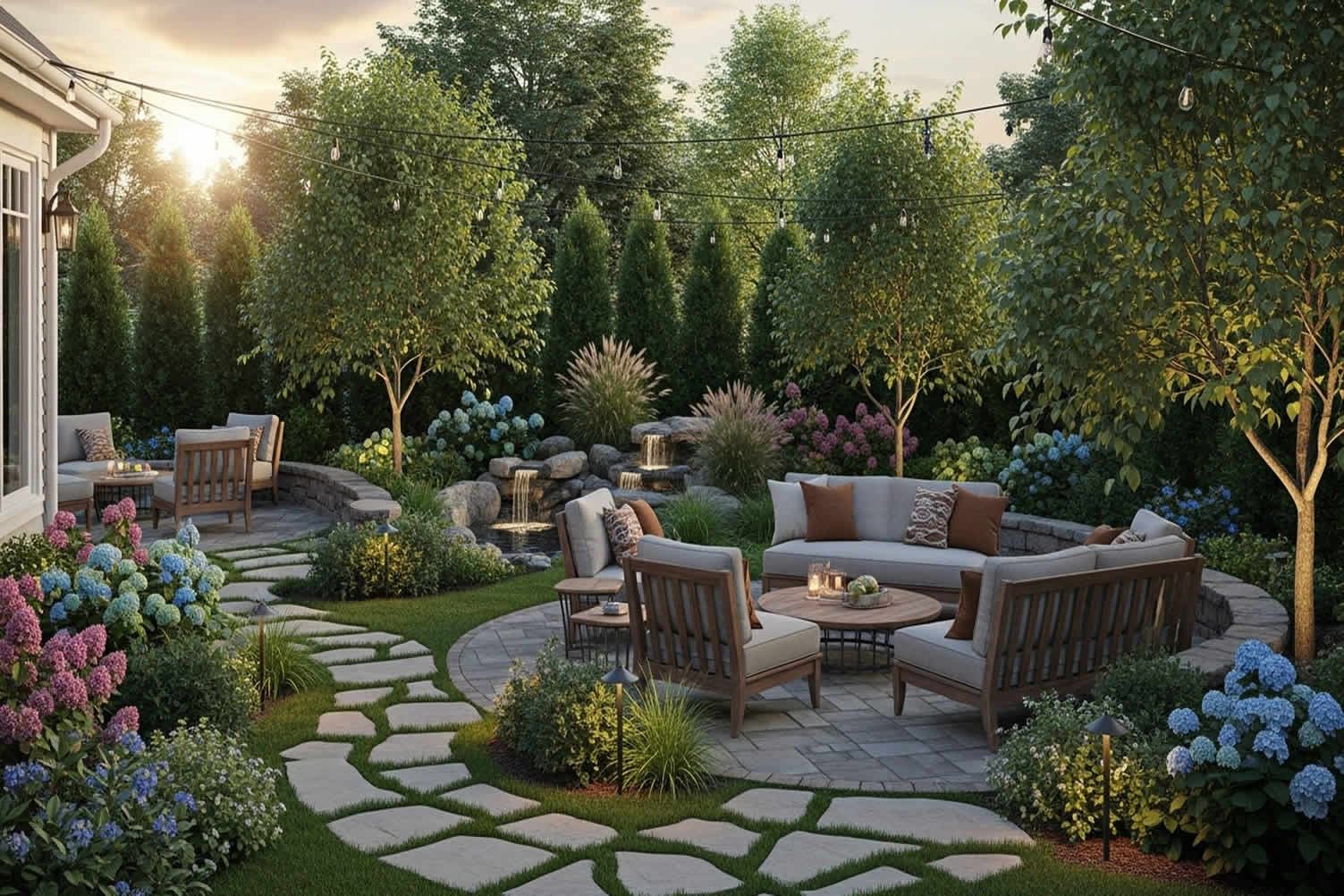
AI generated image by 123rf.com
The Hidden Network Beneath Your Garden
Beneath your garden’s surface lies an extraordinary system shaping your plants’ health and vitality.
This is the mycorrhizal network (or common mycorrhizal network, CMN), an intricate web of fungal threads connecting plant roots.
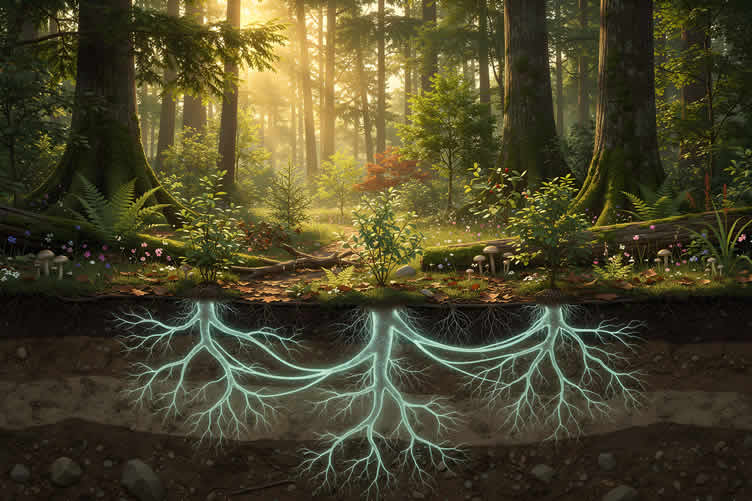
Functioning like a natural internet, it allows them to exchange nutrients, water, and essential signals, creating a thriving, interconnected ecosystem and challenging traditional views on gardening.
view ideas: Hidden Intelligence: Mycorrhizal Network(new win)
-
Scroll up to directory … or scroll to next section why you many need professional help …
Download this PDF for a concise summary of everything you need to know about …?
fifth and last “photo remodeling” idea

AI generated image by 123rf.com
Section 5: Why Use a Professional Landscape Designer or Contractor?
Notes:
-
Hiring a professional landscape designer or contractor can take your outdoor space from ordinary to extraordinary.
These experts have the knowledge, experience, and resources to create outdoor environments that are both functional and visually stunning.
Here’s how they can help:
- Custom Design Plans:
Tailored designs that align with your home’s aesthetic, your personal preferences, and the principles of balance, proportion, and harmony in landscaping. - Expert Knowledge:
Insight into plants, materials, and structural elements that thrive in your local environment and suit your needs. - Budget Guidance:
Assistance in creating a realistic budget while maximizing the value of your investment. - Project Management:
Coordinating every step of the project, from initial designs to the final implementation, saving you time and stress. - Sustainable Solutions:
Recommendations for eco-friendly landscaping elements such as water-efficient irrigation, native plants, and permeable hardscapes. - Long-Term Maintenance Plans:
Advice on how to care for your new landscape to ensure it flourishes for years to come.
You can find a qualified landscape designer or contractor through several avenues, including:
- Trusted recommendations from friends, family, or neighbors who have recently completed landscaping projects.
- Online directories like the Association of Professional Landscape Designers (APLD) or the National Association of Landscape Professionals (NALP).
- Reviews on reputable home improvement websites, such as Houzz or Angi (formerly Angie’s List).
- Local garden centers or nurseries, which often have connections to experienced professionals.
By partnering with a landscape designer or contractor, you’ll create a personalized outdoor oasis that enhances your home’s curb appeal and provides lasting enjoyment.
LetsRenovate has partnered with HomeAdvisor™, a renowned provider of highly-rated, carefully-vetted local landscape and yard n’ garden contractors. Start your search here by choosing the type of service you need and entering your zip code to find local professionals.
Why Contractor Description Benefits Custom Design Plans Tailored designs that align with your home’s aesthetic, personal preferences, and landscaping principles such as balance, proportion, and harmony. Creates a cohesive and visually appealing outdoor space reflecting your vision and style. Expert Knowledge Insights into plants, materials, and structural elements suited to your local environment and individual needs. Ensures the use of appropriate and lasting solutions for your environment. Budget Guidance Helps to establish a realistic budget while maximizing the value of the investment. Enables smarter financial planning without compromising quality. Project Management Coordinates every step of the project, from initial designs to final implementation, saving you time and stress. Streamlines the entire process for a more efficient and stress-free experience. Sustainable Solutions Includes eco-friendly recommendations like water-efficient irrigation, native plants, and permeable hardscapes. Promotes environmentally responsible landscaping practices. Long-Term Maintenance Plans Provides advice on caring for your new landscape to ensure its health and longevity. Supports long-term beauty and functionality of your outdoor space. Finding Professionals Qualified professionals can be sourced through trusted recommendations, professional associations like APLD or NALP, online reviews, or local garden centers. Helps locate reliable experts who align with your project needs and expectations. 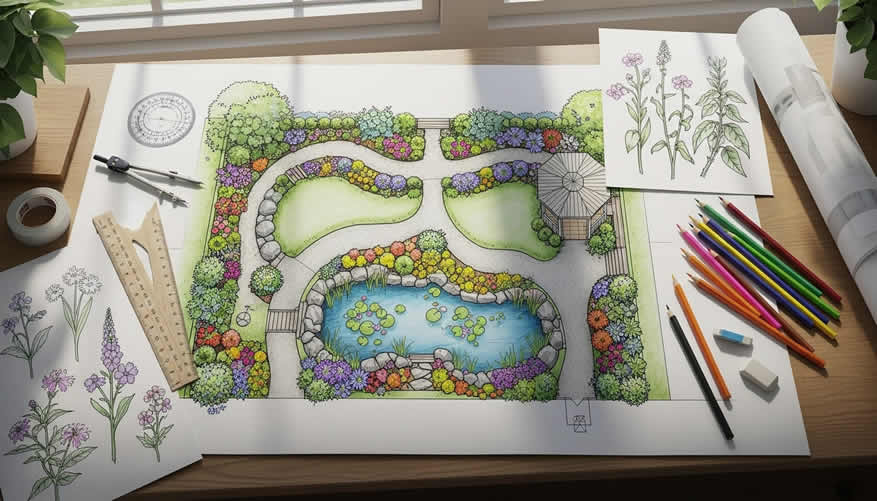
copyright image by 123rf.com
But Wait!
To help with your search for an outdoor landscape contractor, we highly recommend downloading our evaluation worksheet.
This resource will guide you in objectively ranking and assessing potential candidates by considering key factors like pricing, licensing, and referrals.

Evaluation Sheet
File Type: - Custom Design Plans:
-
Conclusion:
… your dream landscape awaits
Creating your dream yard doesn’t require a landscape architecture degree—just a willingness to apply these principles one step at a time.
Start by assessing your space, focusing on balance, scale, lines, and a strong focal point. Then, weave everything together with unity, simplicity, and repetition.
Finally, ground your design in reality by planning views, zoning for function, choosing the right plants, and leaving room for them to grow.
You don’t have to tackle it all at once. Pick one area, like a focal point or a flower bed, and build from there. Each intentional change brings you closer to the welcoming retreat you envision.
With these 12 principles as your guide, your dream landscape is well within reach.
-
ideas to view and compare from the information discussed above
book: landscape designtech: design softwarelandscape lighting
- What comments can you share about
the right landscape principles?

Scroll up to directory … or scroll to more home exterior related topics …

Calendar For:
Home Maintenance
File Type:
… view our sharing links below for a quick "share the knowledge"
Cover image credit: landscape principles by 123rf.com
end of post … please share it!
 |
did you find the review of the types of landscape principles helpful? If so, please share the article with your friends and family! |
Nice pic idea? Leave us a quick comment below.
And please share this pic idea within your social networks.