Summary Outline –
The benefits of ceiling fans extend beyond their primary function of air movement. They contribute to improved air quality, reduced energy bills, and enhanced interior design appeal.
However, like any home improvement decision, ceiling fans come with considerations that homeowners should evaluate before installation.
This comprehensive review explores everything you need to know about ceiling fans, from their mechanical operation to installation requirements, helping you make an informed decision for your home’s comfort needs.
- post content … analysis/ why ceiling fans reviews
- 1st: Understanding How Home Ceiling Fans Work
- 2nd: Benefits of Installing Home Ceiling Fans
- 3rd: Types of Home Ceiling Fans
- 4th: Decorative Styles of Home Ceiling Fans
- 5th: Other Issues to Consider for Home Ceiling Fans
- 6th: Potential Drawbacks
- 7th: Step-by-Step Ceiling Fan Installation Guide
- 8th: How to Maintain Your Ceiling Fan
- conclusion
- other home structural topics

-
- —— begin first topic ——
-
1st review: Understanding How Home Ceiling Fans Work
Ceiling fans are a quintessential addition to modern homes, offering a blend of functionality, energy efficiency, and aesthetic appeal. To make the most of this versatile appliance, it is essential to understand how they operate, both mechanically and in terms of their impact on your home’s environment.
By demystifying the technology behind ceiling fans, homeowners can make informed choices tailored to their specific needs.
[ view images/summary table: how ceiling fans work ]
-
The Mechanical Operation of Ceiling Fans
At the core of every ceiling fan is an electric motor, responsible for converting electrical energy into mechanical motion. The motor drives the fan blades, which are pitched at a specific angle to manage airflow effectively.
When the fan is turned on, electricity powers the motor’s rotor, creating rotational force that spins the blades. This rotation displaces air in the room, creating a breeze that enhances cooling.
Most modern fans use alternating current (AC) motors, although some advanced models utilize direct current (DC) motors, which tend to be quieter and more energy-efficient.
The speed and direction of the fan can be controlled using a wall switch, remote control, or smart device applications, depending on the model.
The ability to reverse blade direction is another key feature of ceiling fans, allowing them to provide cooling airflow in the summer and redistribute warm air during the winter. This versatility not only improves comfort but also promotes energy savings year-round.
-
Factors Influencing Airflow
Properly distributed airflow is a product of several factors, including the size and design of the blades, the fan’s speed settings, and the height and location of the fan installation.
Larger blades or those designed with aerodynamic features tend to move air more efficiently, making them suitable for larger rooms or spaces with higher ceilings. The fan’s rotational speed has a direct impact on how much air is circulated.
However, ensuring that the blades are clean and properly angled is equally critical, as dirt or improper settings can disrupt optimal performance.
Ceiling fans do not actually lower the temperature of a room but instead create a wind-chill effect by circulating air, making the occupants feel cooler. This perceived cooling effect reduces the reliance on air conditioning, thereby lowering energy consumption and utility bills.
-
Smart Features and Innovations
Recent advancements in technology have revolutionized the functionality of ceiling fans. Many modern designs now include features such as integrated LED lighting, smart home compatibility, and motion sensors for automated operation.
Bluetooth and Wi-Fi connectivity allow users to adjust settings remotely through their smartphones or smart home systems, adding convenience and energy efficiency to their operation.
Additionally, energy-efficient models often bear certifications like ENERGY STAR, assuring homeowners of their reduced environmental impact.
One intriguing innovation is the introduction of aerodynamic sculptured blades, which not only improve airflow management but also add to the fan’s aesthetic, making it a design-forward feature in home decor. These enhancements ensure that ceiling fans remain as much about functionality as they are about style.
-
Maintenance and Longevity
A well-maintained ceiling fan can last for years, providing consistent performance. Regular cleaning of the blades, checking for loose screws or connections, and ensuring the motor and other electrical components are in good condition are vital steps to maintaining their efficiency and safety.
Furthermore, advancements in durable materials for blades and motors have made fans more resistant to wear and tear.
Professional installation is also key to optimizing a fan’s performance. An improperly installed fan may wobble, produce noise, or fail to deliver adequate airflow, diminishing its functionality and longevity.
Hiring a licensed electrician or consulting the manufacturer’s instructions ensures that both safety and efficiency standards are met.
Referencing and Citations:
- Energy Star. (n.d.). Ceiling Fans. Retrieved from https://www.energystar.gov/
- Home Depot. (2023). How Ceiling Fans Work. Retrieved from https://www.homedepot.com/c/how-to-install-ceiling-fans
- Hunter Fan Company. (n.d.). How to Choose the Right Ceiling Fan. Retrieved from https://www.hunterfan.com/
Aspect Details Purpose Ceiling fans blend functionality, energy efficiency, and aesthetic appeal, offering comfort and promoting energy savings. Mechanical Operation Driven by an electric motor, blades with specific pitches move air to create a breeze. AC motors are common, but DC motors offer quieter, energy-efficient alternatives. Features Speed and direction control allow seasonal adjustments for cooling in summer and redistributing warm air in winter. Airflow Factors Blade size, design, speed settings, and proper installation influence airflow efficiency. Fans create a wind-chill effect rather than reducing room temperature. Smart Features Modern fans include LED lighting, smart home compatibility, motion sensors, and Wi-Fi/Bluetooth for remote operation and added convenience. Innovations Aerodynamic sculptured blades enhance airflow and aesthetic appeal, with ENERGY STAR certifications ensuring energy efficiency. Maintenance Regular blade cleaning, motor care, and professional installation ensure optimal performance, prevent noise or wobbling, and extend lifespan. 

copyright image by 123rf.com
[ view diagram: anatomy ceiling fan ]
[ youtube: How Does a Ceiling Fan Work? ]
-
Scroll up to directory … or scroll to next section “why ceiling fans for the home …”

-
-
2nd review: Benefits of Installing Home Ceiling Fans
Ceiling fans are not just functional cooling devices; they are versatile, cost-effective solutions that can improve indoor comfort, energy efficiency, and aesthetic value.
Whether you are looking to enhance your home’s airflow or add a stylish feature to your living space, ceiling fans offer a myriad of advantages that cater to modern home improvement needs.
[ view images/summary table: benefits of ceiling fans ]
-
Improved Energy Efficiency
Ceiling fans play a crucial role in improving energy efficiency in your home. Unlike air conditioning systems, which consume significant electricity, ceiling fans operate at a fraction of the energy cost.
During warmer months, they create a cooling effect by circulating air, reducing the need to lower the thermostat. Conversely, in colder months, many ceiling fans feature a reverse setting that redistributes warm air trapped near the ceiling, optimizing heating systems.
This bi-directional functionality not only reduces energy consumption but also translates to noticeable savings on utility bills.
Studies indicate that incorporating fans can lower cooling costs by up to 30% and heating costs by 15% when used effectively.
-
Enhanced Comfort
Home ceiling fans immediately contribute to enhanced comfort in any room they occupy. They create a gentle, natural breeze that can help alleviate the discomfort of stagnant air. This air circulation prevents hot spots during summer and enhances room temperament during winter.
Many modern ceiling fans allow speed adjustments to cater to a family’s desired comfort levels, ensuring a tailored indoor environment. Additionally, fans operate in a manner that minimizes noise, offering a tranquil and soothing airflow that promotes relaxation.
-
Stylish and Versatile Design
Ceiling fans have evolved beyond their utilitarian origins, becoming design focal points in modern homes. Manufacturers offer a wide selection ranging from minimalist contemporary designs to ornate traditional models, ensuring compatibility with any decor style.
Fans made with quality materials like polished wood, brushed metal, or composite blades can complement living rooms, bedrooms, and outdoor patios alike.
The ability to select features such as integrated lighting or customizable colors makes ceiling fans both functional and aesthetic upgrades your space can benefit from.
-
Improved Air Quality
Beyond cooling or heating benefits, ceiling fans also contribute to improved indoor air quality. By keeping air in constant circulation, they help minimize the buildup of allergens, humidity, and odors, making your home a healthier environment to live in.
This is particularly advantageous in homes with limited ventilation or in regions with fluctuating weather conditions. Clean and breathable air is essential for family health, and the addition of a fan can play a supportive role in maintaining it.
-
Cost-Effective Cooling
When it comes to managing home expenses, ceiling fans present an affordable solution, both during installation and in long-term operational costs. Installation is generally less expensive than centralized air systems, and maintenance is minimal compared to more complex HVAC equipment.
Modern energy-efficient models further cut down electricity usage, proving ceiling fans to be an excellent budget-conscious choice for comfort and utility.
Proper use of ceiling fans offers an environmentally friendly alternative for climate control while enhancing everyday living environments. When paired strategically with air conditioners or heaters, they can reduce energy strain and minimize your household’s carbon footprint.
Homeowners investing in ceiling fans not only witness immediate benefits but also contribute to long-term sustainability and property value.
References:
- U.S. Department of Energy, "Energy-Efficient Fans and Ventilation Systems." Accessed October 2023. https://www.energy.gov.
- American Society of Heating, Refrigerating and Air-Conditioning Engineers (ASHRAE), "Airflow and Energy Efficiency Standards."
- Energy Star, "Ceiling Fans with Light Kits and Efficiency Standards." https://www.energystar.gov.
- Architectural Digest, "The Best Ceiling Fans for Every Room," 2023 Edition.
Benefit Description Improved Energy Efficiency Ceiling fans consume less electricity than air conditioning systems and can reduce cooling costs by up to 30% and heating costs by 15%. They offer bi-directional functionality for year-round energy savings. Enhanced Comfort Fans provide a gentle breeze to prevent stagnant air, enhance comfort, and ensure a tailored indoor environment with adjustable speed options. They operate quietly for relaxation. Stylish and Versatile Design Modern ceiling fans serve as design focal points, with styles ranging from contemporary to traditional. Features like integrated lighting and customizable colors blend functionality with aesthetics. Improved Air Quality Ceiling fans promote air circulation, reducing allergens, humidity, and odors, thus supporting a healthier indoor environment. They are particularly useful in spaces with limited ventilation. Cost-Effective Cooling Ceiling fans are affordable to install and maintain, with energy-efficient models offering long-term operational cost savings. They provide an eco-friendly alternative for climate control. 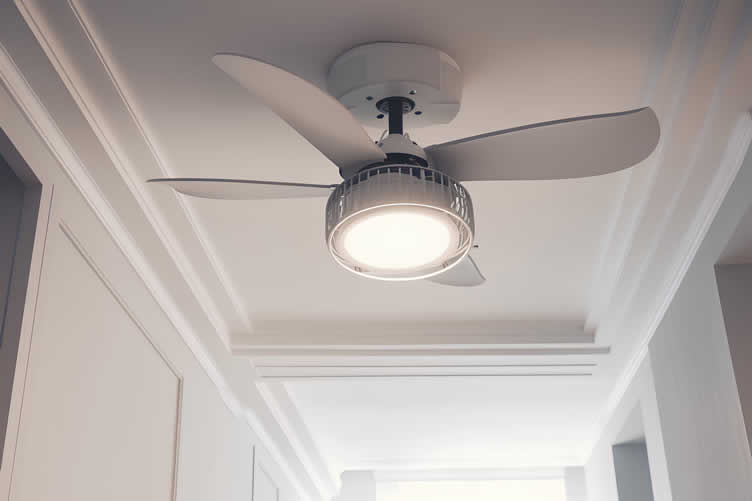
copyright image by 123rf.com
[ view diagram: how do ceiling fans cool ]
[ youtube: Ceiling Fan Direction | Summer Vs. Winter ]
-
Scroll up to directory … or scroll to next section “why ceiling fans for the home …”
-
-
3rd review: Types of Home Ceiling Fans
Ceiling fans come in a variety of styles and functionalities to suit different spaces and specific needs throughout your home. From enhancing aesthetic value to improving comfort and energy efficiency, selecting the right type of ceiling fan is crucial.
This guide provides an authoritative look at the main categories of ceiling fans, helping you make a well-informed choice based on your space, preferences, and practical considerations.
[ view images/summary tables: types ceiling fans ]
-
Standard Ceiling Fans
Standard ceiling fans are the most common type found in residential homes. Designed for rooms with standard ceiling heights (typically between 8 to 10 feet), these fans include a downrod that ensures optimal airflow.
They are highly versatile and come in a wide array of styles, finishes, and blade combinations, making them an excellent option for both functionality and decor.
Many standard models include integrated lighting fixtures, combining illumination and air circulation in a single device. Advanced models may also come equipped with features like remote controls, smart home compatibility, and energy-efficient motors.
standard fans -
Hugger Ceiling Fans (Low-Profile Fans)
Hugger ceiling fans, often referred to as low-profile fans, are specially designed for spaces with low ceilings where traditional fans might not be suitable. These fans are mounted flush to the ceiling, eliminating the need for a downrod to save on vertical space.
While their proximity to the ceiling slightly reduces airflow efficiency compared to standard fans, hugger fans still provide effective circulation in small or compact rooms. Their sleek and unobtrusive design seamlessly blends with any decor, making them ideal for bedrooms, small living areas, or hallways.
hugger fans -
Dual-Motor Ceiling Fans
Dual-motor ceiling fans are a sophisticated option designed for homeowners seeking both style and functionality. These fans feature two adjustable motors, each connected to a set of fan blades, allowing for targeted airflow in different directions.
The innovative design makes dual-motor fans perfect for larger spaces such as open-concept living rooms, great rooms, or outdoor patios. With their bold and modern appearance, they are also a decorative statement piece that complements contemporary and industrial design aesthetics.
dual motor -
Outdoor Ceiling Fans
Outdoor ceiling fans are constructed to withstand the elements, making them suitable for patios, porches, and other semi-outdoor spaces. These fans are made with weather-resistant and durable materials such as stainless steel or robust plastic, ensuring they can endure humidity, rain, and even salty sea air in coastal regions.
Many outdoor ceiling fans are rated either damp or wet, differentiating their level of resilience to various environmental conditions. When chosen thoughtfully, an outdoor ceiling fan can enhance the comfort of an alfresco space while seamlessly complementing its style.
outdoor fans -
Industrial Ceiling Fans
Industrial ceiling fans are equipped to handle significant airflow demands in large or commercial spaces such as warehouses, workshops, and high-ceiling residential lofts. These fans feature powerful motors and long, slim blades designed to move air efficiently over expansive areas.
Unlike decorative fans, industrial ceiling fans prioritize utility over aesthetics, although some modern designs now incorporate both elements. Despite their simple appearance, they serve a critical role in regulating temperatures and improving air circulation in larger structures.
industrial -
Designer Ceiling Fans
For those who view ceiling fans as an integral part of their home decor, designer ceiling fans offer a perfect blend of functionality and eye-catching style. These fans often feature unique shapes, finishes, and artistic craftsmanship, making them as much a statement piece as a practical appliance.
Designer fans are typically found in high-end spaces where aesthetics play a pivotal role. They are available in a range of materials, from carved wood to polished metals, ensuring they align beautifully with modern, rustic, or eclectic room designs.
see below -
Other Ceiling Fan Types
Other specialized ceiling fan options include energy-efficient models certified by Energy Star, compact fans for small spaces, and smart ceiling fans integrated with advanced technology like voice control or scheduling features.
Customizable fans are also available for those who need adaptable designs, allowing you to choose specific blade lengths, colors, or even bespoke materials.
References:
- Energy Star. "Ceiling Fan Buying Guide." U.S. Environmental Protection Agency, 2023.
- Smith, Anthony. "Choosing the Right Ceiling Fan for Your Home." Home Values Report, 2022.
- Coastal Home Concepts. "Weather-Resistant Outdoor Ceiling Fans." Journal of Patio Design, 2023.
- Jones, Michelle. "The Evolution of Designer Ceiling Fans." Interior Trends Weekly, 2023.
Type of Ceiling Fan Description Key Features Best For Standard Ceiling Fans The most common type, designed for rooms with standard ceiling heights (8-10 feet). Versatile styles, integrated lighting, remote controls, smart home compatibility, energy-efficient motors. General residential spaces. Hugger Ceiling Fans (Low-Profile Fans) Designed for low-ceiling spaces by mounting flush to the ceiling. Sleek design, space-saving, effective circulation in compact areas. Bedrooms, small living areas, hallways. Dual-Motor Ceiling Fans Feature two adjustable motors for customizable airflow in multiple directions. Bold design, modern aesthetics, suitable for large spaces. Open-concept living rooms, patios, great rooms. Outdoor Ceiling Fans Built with weather-resistant materials for outdoor or semi-outdoor spaces. Durable construction, damp/wet ratings, enhances alfresco comfort. Patios, porches, coastal areas. Commercial Ceiling Fans Powerful fans designed for large spaces or industrial applications. High-performance motors, long slim blades, efficient air circulation. Warehouses, workshops, high-ceiling lofts. Designer Ceiling Fans Combines functionality with creative and artistic design aesthetics. Unique shapes, high-end materials, visually striking. Luxury or eclectic spaces where design matters. Other Ceiling Fans Includes energy-efficient, compact, and smart fan models. Energy Star certified, voice control, customizable blade lengths and colors. Small spaces, tech-savvy or energy-conscious homes. 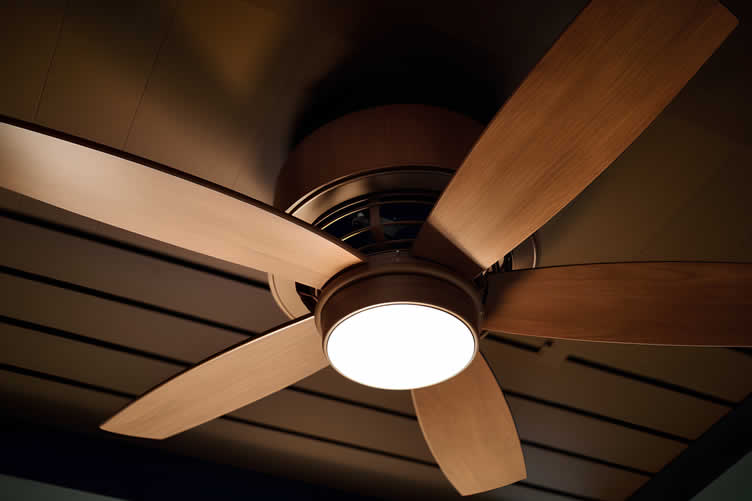
copyright image by 123rf.com
[ view diagram: about energy star ceiling fan ]
[ pinterest: types ceiling fans ]
-
Scroll up to directory … or scroll to next section “why ceiling fans for the home …”
-
-
4th review:Decorative Styles of Home Ceiling Fans
Ceiling fans are not merely functional appliances; they play a pivotal role in defining the aesthetic tone of a room. From sleek, modern designs to elegant traditional styles, today’s ceiling fans are as varied as the homes they complement.
Choosing the right decorative fan style can enhance not only the airflow in your space but also its overall character and visual harmony. Below, we explore the wide range of styles available to suit every design preference and living environment.
[ view images/summary tables: ceiling fan styles ]
-
Modern Ceiling Fans
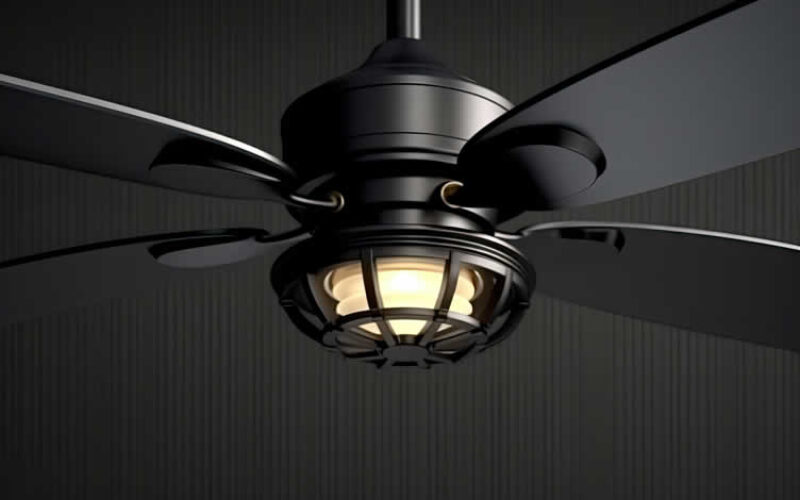
Modern ceiling fans are characterized by minimalist designs, clean lines, and neutral color palettes. They often feature sleek materials like brushed nickel, stainless steel, or matte black finishes that prioritize functionality while maintaining visual appeal.
These fans frequently include innovative technologies, such as integrated LED lighting and remote controls, emphasizing both performance and style. Modern ceiling fans are perfect for contemporary interiors, providing a polished and sophisticated look that aligns with current design trends.
modern style -
Traditional Ceiling Fans
Traditional ceiling fans evoke timeless elegance, often incorporating classic materials and decorative flourishes. They frequently include intricately designed wood or bronze finishes, ornate blades, and elegant light fixtures.
These fans are ideal for homes with traditional, colonial, or Victorian interiors, as they seamlessly blend functionality with a sense of historical charm. Traditional ceiling fans often feature rich, warm tones that enhance the cozy atmosphere of living rooms, dining areas, or bedrooms.
traditional style -
Farmhouse and Rustic Ceiling Fans
Rustic or farmhouse ceiling fans bring a touch of countryside charm into your home. These fans are usually made with woodgrain accents, rustic hardware, and weathered finishes, such as distressed oak or galvanized steel.
Perfectly paired with farmhouse or rustic decor, these fans add warmth and character to spaces with exposed beams or natural textures. Whether installed in a kitchen or a gathering space, these fans create a welcoming environment that feels both vintage-inspired and hand-crafted.
farmhouse style -
Industrial Ceiling Fans
Industrial ceiling fans take inspiration from warehouse and factory aesthetics, combining raw, robust designs with high-performance capabilities. Often crafted from durable materials like metal or steel, these fans feature oversized blades and minimalist structures.
Industrial ceiling fans are best suited for large open spaces, including lofts or commercial settings, where their bold designs and high airflow efficiency make a significant impact.
industrial style -
Coastal and Boho Ceiling Fans
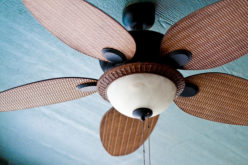
Coastal and boho ceiling fans appeal to free-spirited designs with lightweight, breezy aesthetics. Coastal fans typically incorporate natural materials like rattan, bamboo, or wicker, often complemented by soft, neutral finishes reminiscent of beachside retreats.
Meanwhile, boho designs lean into eclectic artistic expressions, showcasing intricate patterns or whimsical motifs. These fans are a perfect addition to sunrooms, patios, or bedrooms, creating serene, vacation-like atmospheres within the home.
coastal style -
Chandelier Ceiling Fans (Fandeliers)
Blending the functionality of a ceiling fan with the elegance of a chandelier, fandeliers offer a luxurious option for high-end interiors. These fans often feature sparkling crystals, polished metals, and intricate detailing that transform air-flowing devices into statement pieces.
Ideal for dining rooms, foyers, or grand living spaces, chandelier ceiling fans offer both practicality and opulence, elevating the sense of glamour in any room.
fanderier -
Bladeless Ceiling Fans
Bladeless ceiling fans are technological marvels ideal for those seeking innovation and futuristic designs. These fans use advanced airflow mechanisms to distribute air evenly without visible blades, ensuring safety and a quieter operation.
Their sleek, ultra-modern appearance makes them a fitting choice for contemporary homes or minimalist spaces where subtlety and quiet performance are desired.
bladeless -
Unique and Artistic Designs
Homeowners looking for one-of-a-kind pieces can explore ceiling fans with unique and artistic designs. These fans incorporate abstract or non-traditional shapes, custom colors, and avant-garde materials to make a bold statement.
From sculptural forms to asymmetrical blade arrangements, artistic ceiling fans offer a distinctive aesthetic for those wishing to make their decor as original as it is functional.
unique -
Other Notable Styles
Beyond the commonly recognized categories, there are ceiling fans designed for specific themes or special functions, such as retro-inspired fans featuring vintage detailing or eco-friendly fans crafted from sustainable materials.
These styles cater to specialized preferences and can provide unique solutions for niche requirements, ensuring there is a perfect fan for every room and every vision.
References:
- Energy Star Program (www.energystar.gov)
- U.S. Department of Energy – Energy Efficiency and Renewable Energy (www.energy.gov)
- The American Lighting Association Standards and Recommendations for Ceiling Fans
- Modern Fan Company – Design Innovations (www.modernfan.com)
- Consumer Reports – Guide to Ceiling Fans
Feature Options Description Size & Blade Options - 29-36 inches
- 36-42 inches
- 44-50 inches
- 52-60 inches
- 60+ inches
Sizes vary based on room dimensions. Smaller sizes suit compact spaces, while larger sizes are optimal for expansive rooms. Mounting Type - Standard Downrod
- Flush Mount (Hugger)
- Angled Mount
- Dual Mount
- Extended Downrod
Different mounting options fit ceiling heights and slopes, ensuring stability and functionality across various setups. Fans with Lighting - Modern Minimalist
- Industrial Chic
- Vintage Lantern
- Art Deco
- Rustic Farmhouse
- Crystal Accents
- Tropical Style
- Customizable Shades
Lighting-integrated fans that serve as dual-purpose fixtures, offering various designs from sleek LEDs to decorative vintage options. Control Options - Remote Controls
- Wall-Mounted Panels
- Smart Home Integration
- Pull Chains
- Timer Settings
- Motion Sensors
Control systems vary from traditional pull chains to advanced smart home integrations for convenience and efficiency. Motor Type - AC Motors
- DC Motors
- Standard Motors
- High-Torque Motors
- Smart Motors
- Wet-Rated Motors
Motor types define performance, energy efficiency, and durability, catering to both indoor and outdoor needs. Energy Star Certified - High-efficiency motors
- Aerodynamic blades
- Energy-saving LED lighting options
Fans designed to meet energy efficiency standards, reducing electricity consumption and utility costs. Indoor/Outdoor Rating - Indoor
- Damp-Rated
- Wet-Rated
Fans categorized for indoor use or specific outdoor conditions like humidity or direct water exposure. Bladeless Designs - Air Intake
- Internal Mechanism
- Air Amplification
Bladeless fans offer sleek, quiet, and safe alternatives to traditional options, ideal for minimalist homes. Unique Designs - Vintage
- Minimalist
- Outdoor-Grade
- Industrial-Style
- Tropical-Themed
- LED-Integrated
- Chandelier
- Art-Inspired
Designed with style in mind, these fans act as both functional and decorative centerpieces for any room. 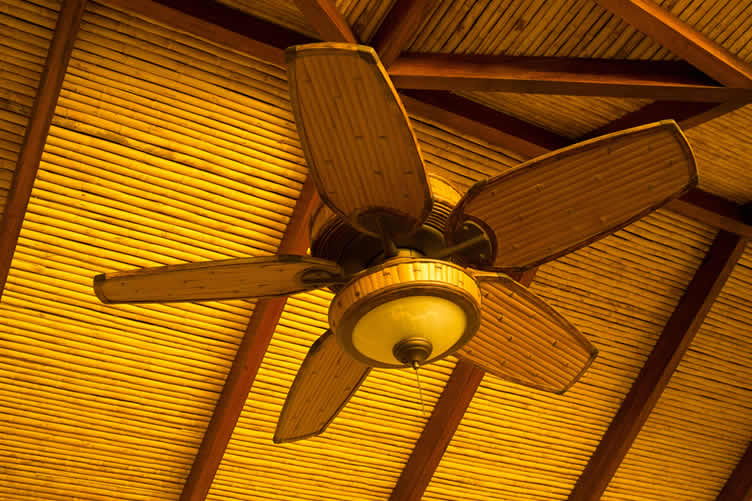
copyright image by 123rf.com
-
Scroll up to directory … or scroll to next section “why ceiling fans for the home …”
-
-
5th review:Other Issues to Consider for Home Ceiling Fans
When selecting a ceiling fan, homeowners often focus on size, design, and functionality. However, there are several other vital considerations that shouldn’t be overlooked. These can significantly impact the fan’s performance, energy efficiency, and suitability for your living space.
Below are some essential factors to evaluate when choosing the perfect ceiling fan for your home.
[ view images/summary table: other considerations ]
-
Lighting Needs
Ceiling fans with built-in light fixtures can serve as a dual-purpose solution for both air circulation and illumination. However, it’s important to assess the brightness levels, bulb compatibility, and whether the lighting incorporates dimming features.
Depending on the room’s purpose, brighter lighting may be needed in kitchens or offices, whereas softer ambient lighting may work best in living rooms or bedrooms. Always ensure that the light fixture is compatible with energy-efficient bulb options, such as LED, to optimize performance and reduce electricity costs.
-
Lighting Bulb Specifications
For those living in North America, ceiling fan lights should support E26 standard base bulbs, while European homeowners will need compatibility with E27 bases. Checking bulb specifications ensures the lights suit your regional requirements while preventing unnecessary replacements.
The choice of bulb type is equally crucial, with LEDs being strongly recommended for their energy efficiency, longevity, and reduced heat output. Smart bulbs can also be integrated for enhanced control options and personalized lighting preferences.
-
Control Options
Modern ceiling fans offer a variety of control mechanisms, combining traditional features with cutting-edge smart technology. Fans with smart capabilities can be controlled through apps or smart home devices, allowing users to schedule operations, adjust speeds, or even change directions remotely.
Additionally, traditional methods such as pull chains and wall-mounted controls provide reliable, easy access. When selecting a fan, choose one that offers both smart and traditional control options.
This ensures it suits your preferred control style while providing the flexibility to adapt to future technological upgrades.
-
Mounting Type
The height and design of the ceiling play a critical role in determining the fan’s mounting style. For low ceilings under 8 feet, flush-mounted fans offer unobtrusive and practical solutions.
If your ceilings are standard height (around 8 feet), a short downrod mount can provide the ideal balance. For higher ceilings exceeding 9 feet or sloped designs, extended downrods or angled mounts are necessary to properly position the fan for optimal air circulation.
Choosing the incorrect mount height can lead to reduced airflow and diminished performance, so confirming the right fit is essential.
-
Blade Material
The material of the fan blades affects both the aesthetic and functional aspects of the ceiling fan. Wood blades provide a classic, warm look but may be less durable in humid environments.
Metal blades are sleek and modern, offering greater longevity and easier maintenance. Acrylic or plastic blades are lightweight and moisture-resistant, making them a suitable choice for outdoor or bathroom installations.
Evaluating blade material based on room conditions and style preferences ensures both durability and visual appeal.
-
Noise Level
A quiet ceiling fan is an absolute must for bedrooms, living spaces, or home offices where peace and focus are priorities. Fans equipped with high-quality, precision-engineered motors tend to operate more quietly and efficiently.
Investing in fans specifically advertised for their silent operation can significantly enhance your comfort and satisfaction, especially in environments that require minimal disturbance.
-
Reversible Option
For year-round functionality, consider fans with reversible motors. This feature allows the blades to rotate clockwise or counterclockwise, depending on the season. During warmer months, fans running counterclockwise create a cooling breeze.
Conversely, in colder months, switching to a clockwise direction redistributes warm air trapped near the ceiling, improving overall heating efficiency and reducing energy costs.
-
Budget and Warranty
Balancing cost, quality, and functionality is critical when selecting a ceiling fan. While budget-friendly options may save upfront costs, investing in fans made from durable materials with energy-efficient motors will pay off in the long term.
Review the manufacturer’s warranty to ensure protection against defects and assess their reputation for customer service. A strong warranty offers peace of mind, particularly for high-cost models.
-
Additional Considerations
Ensure that professional installation services are available if needed, especially for complex setups like angled or extended mounts. Finally, check the overall energy consumption ratings to maintain a sustainable and cost-efficient home environment.
References:
- U.S. Department of Energy. (2023). Energy-efficient ceiling fans. Energy.gov
- Home Depot Buying Guide. (2023). Ceiling fan buying guide. Home Depot.
- Hunter Fan Company. (2023). How to choose the right ceiling fan for your space. HunterFan.com
- Energy Star. (2023). Energy Star-qualified fans and lighting. EnergyStar.gov
Factor Details Lighting Needs Consider brightness, bulb compatibility, dimming features, and energy-efficient options like LED bulbs. Choose brighter lighting for kitchens/offices and softer lighting for living rooms/bedrooms. Lighting Bulb Specifications Ensure compatibility with regional bulb standards (E26 for North America, E27 for Europe). LEDs are recommended for efficiency, longevity, and lower heat output. Smart bulbs provide advanced control. Control Options Options include pull chains, wall-mounted controls, and smart technology for remote adjustments via apps or smart devices. Select controls that suit your style and are future-ready. Mounting Type Choose the correct mounting style based on ceiling height and design. Flush mounts for low ceilings, short downrods for standard ceilings, and extended/angled mounts for high or sloped ceilings. Blade Material Wood blades provide warmth but are less moisture-resistant. Metal blades are durable and modern. Acrylic/plastic blades are lightweight, moisture-resistant, and ideal for outdoor or humid spaces. Noise Level Quiet fans with high-quality motors are essential for bedrooms, offices, or living spaces where minimal noise is important. Look for fans marketed for silent operation. Reversible Option Fans with reversible motors allow seasonal functionality. Counterclockwise rotation cools in summer, while clockwise rotation redistributes warm air in winter. Budget and Warranty Balance cost with quality and functionality. Consider fans with durable materials and energy-efficient motors. Ensure the manufacturer offers a strong warranty and reliable customer service. Additional Considerations Check availability of professional installation for complex setups. Evaluate energy consumption ratings to ensure sustainability and cost-efficiency. 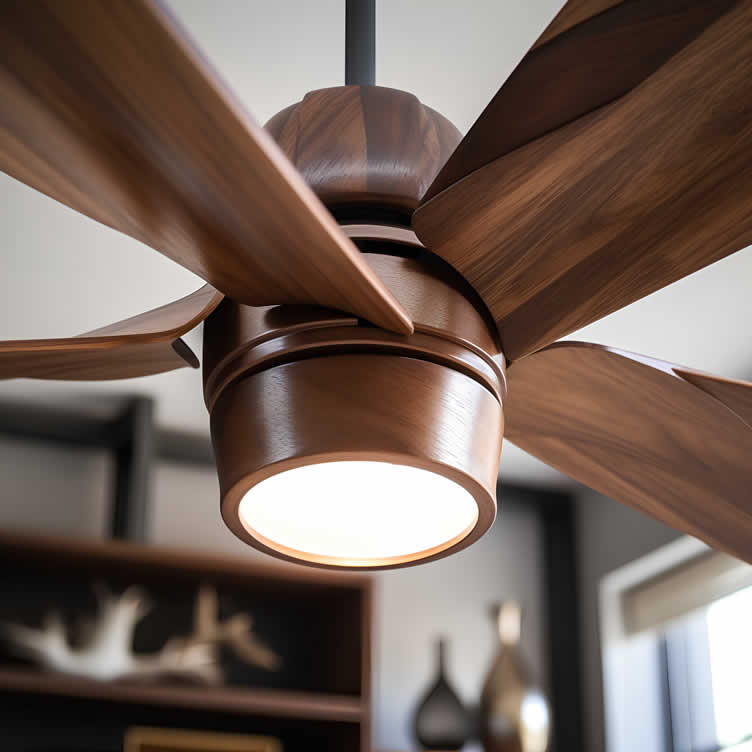
copyright image by 123rf.com
-
Scroll up to directory … or scroll to next section “why ceiling fans for the home …”
-
-
6th review: Potential Drawbacks
When selecting ceiling fans for your living spaces, it’s essential to factor in not just the benefits but also the potential drawbacks that may influence your decision.
While ceiling fans are efficient, stylish, and often elevate a room’s ambiance, various considerations should be addressed to ensure they are the ideal choice for your needs.
Below, we discuss some challenges that homeowners might encounter and ways to approach them effectively.
[ view images/summary table: potential drawbacks ]
-
Implementation Complexity (Electrical Connections)
Installing a ceiling fan requires proper wiring and electrical connections, which might be complex for those unfamiliar with DIY electrical work. Incorrect installation can lead to safety hazards, including electrical shorts or the fan wobbling during operation.
For those without prior experience in electrical projects, hiring a licensed electrician may be necessary, adding to the overall cost.
It’s worth consulting installation guides thoroughly, and choosing fans with detailed manuals or considering products by manufacturers that offer professional installation services can minimize these challenges.
-
Ceiling Height Limitations
Ceiling fans work best in spaces with standard ceiling heights, generally between 8 to 10 feet. For rooms with extremely high, sloped, or lower ceilings, adjustments such as downrods, flush mounts, or angling brackets may be required to maintain functionality and safety.
However, these adjustments may limit the fan designs available or increase costs. Homeowners should measure ceiling heights carefully and understand what configurations work best for their specific rooms before making a purchase.
Building codes typically require minimum seven-foot clearance between fan blades and floor surfaces to prevent contact injuries.
Rooms with eight-foot ceilings leave limited space for standard ceiling fans with downrods, necessitating flush-mount options that may provide less effective air circulation than properly positioned standard fans.
-
Maintenance Requirements
Ceiling fans demand regular maintenance to ensure optimized performance and longevity. Dust, dirt, and debris can collect on the fan blades, reducing efficiency and circulating allergens throughout the room.
Cleaning often entails the use of ladders, especially for ceiling fans in higher spaces, which might not suit everyone’s needs. Motor maintenance and occasional inspections for loose components might also contribute to long-term upkeep.
-
Aesthetic Integration with Existing Interior Décor Theme
While ceiling fans now come in a wide range of styles, finding a design that fits seamlessly with your interior décor theme can sometimes prove challenging. Overly ornate or modern designs may clash with traditional interiors, while minimalist fans might appear out of place in elaborately decorated spaces.
It’s important to balance functionality with style by selecting fan designs that complement your space without compromising the aesthetic appeal of your home.
-
Seasonal Storage for Outdoor Fans
Outdoor ceiling fans are a popular choice for patios, porches, and verandas, but these additions often require seasonal adjustments. Storing fans during colder months—or protecting them with covers—ensures that they remain in good condition.
However, dismounting an outdoor fan for storage might be inconvenient, requiring professional assistance or ample storage space to safeguard the hardware.
-
Other Considerations
Additional drawbacks, such as noise levels and energy consumption, may also come into play. Older or budget models of ceiling fans may produce noise during operation, which might be disruptive in quiet spaces like bedrooms or home offices.
Furthermore, while generally cost-efficient, fans should be paired with energy-saving bulbs (if integrated) to avoid higher electricity bills. Homeowners should evaluate product specifications to mitigate potential disappointments and meet their long-term usability goals.
References:
- Energy Star. (2023). "Guidance on Ceiling Fan Selection and Installation." U.S. Department of Energy. Retrieved from energystar.gov
- Home Improvement Institute. (2023). "Factors to Consider When Installing Ceiling Fans."
- Johnson, R. (2022). "Best Practices for Ceiling Fan Maintenance and Care." Interior Design Weekly. Retrieved from interiordesignweekly.com
Potential Drawback Description Solution/Recommendation Implementation Complexity (Electrical Connections) Installing ceiling fans may involve complex wiring and electrical work, posing safety risks if done incorrectly. Hire a licensed electrician or opt for products offering professional installation services. Refer to detailed installation manuals. Ceiling Height Limitations Rooms with high, sloped, or low ceilings may require additional adjustments like downrods or flush mounts, which can increase costs or limit design options. Measure ceiling height carefully and ensure compliance with building codes. Consider room-specific configurations for optimal performance. Maintenance Requirements Regular cleaning of fan blades and motor maintenance are necessary to ensure performance and minimize circulating allergens. Schedule routine cleaning and inspections. Use easy-to-reach ladders for high ceiling fans, or hire professional cleaning services if needed. Aesthetic Integration with Décor Matching the fan style with existing interior themes can be challenging, as some designs may clash with the room’s aesthetic. Select fans that balance functionality and style to complement your space. Explore a variety of designs to find the best fit. Seasonal Storage for Outdoor Fans Outdoor fans may require seasonal storage or protection to avoid weather-related damage, which can be inconvenient. Use protective covers or dismount the fan for storage during off-seasons. Allocate sufficient space for safe storage. Noise Levels Older or budget models may produce disruptive noises, particularly in quiet spaces like bedrooms or home offices. Opt for high-quality, low-noise fans and check product specifications for sound ratings before purchase. Energy Consumption Ceiling fans may contribute to higher electricity bills, especially if paired with inefficient lighting. Choose energy-saving bulbs or Energy Star-rated models to enhance efficiency and reduce electricity costs. 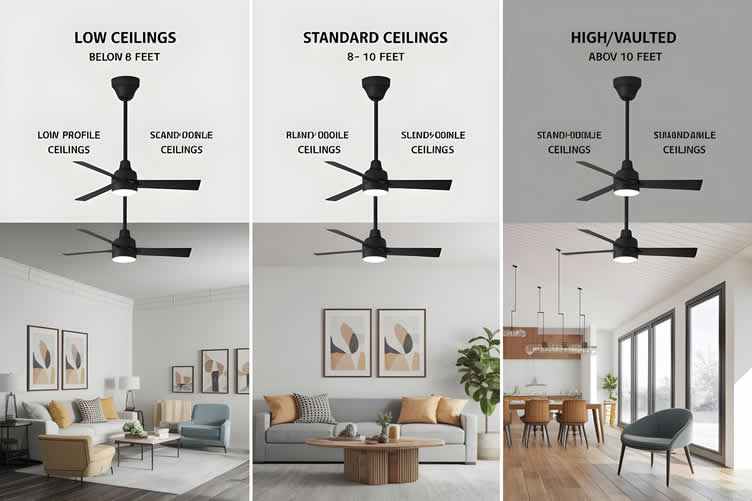
AI generated image by 123rf.com
[ view diagram: selecting ceiling fan diagram ]
[ youtube: How to Troubleshoot Your Ceiling Fan ]
-
Scroll up to directory … or scroll to next section “why ceiling fans for the home …”
-
-
7th review: Step-by-Step Ceiling Fan Installation Guide
Proper ceiling fan installation begins with thorough preparation and safety precautions that ensure successful completion without injury or damage.
This comprehensive process requires attention to electrical safety, structural support, and precise assembly techniques that result in safe, effective operation.
[ view images/summary table: installation steps ]
-
Pre-Installation Planning and Safety
Turn off electrical power at the circuit breaker serving the installation location, then verify power disconnection using a voltage tester before beginning work. Gather necessary tools including a drill, wire strippers, electrical tester, ladder, and appropriate fasteners for your ceiling type.
Review local electrical codes and permit requirements, as some jurisdictions require professional installation or electrical permits for ceiling fan projects.
Examine existing ceiling structure to ensure adequate support for ceiling fan weight and operational forces. Standard ceiling fans require mounting to structural elements capable of supporting at least 50 pounds, typically ceiling joists or properly installed electrical boxes rated for fan installation.
Remove existing light fixtures carefully, preserving wire connections and noting wire colors and connections for later reference.
-
Mounting Assembly Installation
Install the ceiling fan mounting bracket according to manufacturer specifications, ensuring secure attachment to structural elements. Most modern ceiling fans include mounting systems designed for easy installation while providing robust support during operation.
Position the mounting bracket to align properly with electrical box locations and ensure level installation that prevents operational vibration.
Thread electrical wires through mounting assembly components before securing brackets to ceiling surfaces. This preparation step prevents the need to manipulate wires around installed hardware and reduces the risk of wire damage during assembly.
Verify that mounting hardware remains level and secure before proceeding to motor installation steps.
-
Motor and Blade Assembly
Attach the ceiling fan motor housing to mounting hardware according to manufacturer instructions, ensuring proper engagement of safety features that prevent accidental disconnection.
Connect electrical wires using appropriate wire nuts, matching wire colors according to standard electrical conventions: black to black (hot), white to white (neutral), and green or bare copper to ground connections.
Install fan blades individually, verifying that each blade attaches securely and maintains proper alignment with adjacent blades. Uneven blade installation creates operational imbalance that causes vibration, noise, and premature wear on motor components.
Use manufacturer-provided hardware exclusively, as generic fasteners may not provide adequate support or proper fit.
-
Final Testing and Adjustment
Restore electrical power and test ceiling fan operation at all speed settings, observing for unusual noise, vibration, or irregular operation that indicates installation problems. Quality installations produce smooth, quiet operation across all speed ranges without noticeable vibration or wobbling motion.
Verify that reversing switches function properly and that any included lighting components operate correctly. Test remote control functions if applicable, ensuring proper pairing between remote units and fan receivers.
Make final adjustments to blade positions or mounting hardware as needed to achieve optimal performance and appearance.
References:
- Smith, J. (2020). Home Wiring and Electrical Systems for Beginners. New York, NY: HomeTech Publishing.
- National Electrical Code (NEC). (2022). Electrical Installations and Safety Standards.
- Williams, L. & Hayes, M. (2019). DIY Home Improvement Handbook. Chicago, IL: Creative Living Press.
- U.S. Consumer Product Safety Commission (CPSC). (2021). Home Electrical Safety Handbook.
- Hunter Fan Company. (2023). Ceiling Fan Installation Guide. Retrieved from https://www.hunterfan.com.
- Doe, A. (2018). Balancing and Troubleshooting for Ceiling Fans. Springfield, MA: Reliable Parts Unlimited.
- Home Depot. (n.d.). Ceiling Fan Installation Tips and Tools. Retrieved October 2023, from https://www.homedepot.com.
Step Description Pre-Installation Planning and Safety Turn off electrical power at the circuit breaker, confirm using a voltage tester. Gather tools such as a drill, wire strippers, ladder, and proper fasteners. Check local electrical codes and ensure the ceiling structure can support at least 50 pounds. Carefully remove existing fixtures, noting wire connections. Mounting Assembly Installation Secure the mounting bracket to structural elements, aligning with the electrical box and ensuring level installation. Thread wires through mounting components before securing them. Verify all hardware is level and secure prior to proceeding. Motor and Blade Assembly Attach the motor housing to the mounting hardware, using safety features to prevent disconnection. Connect wires (black to black, white to white, green/bare to ground). Securely attach blades, ensuring proper alignment to avoid imbalance and vibration. Use manufacturer’s hardware only. Final Testing and Adjustment Restore power and test fan operation at all speeds, ensuring smooth and quiet performance. Check reversing switches and lighting components. Test remote controls if applicable, and adjust blade positions or mounting hardware for optimal operation. 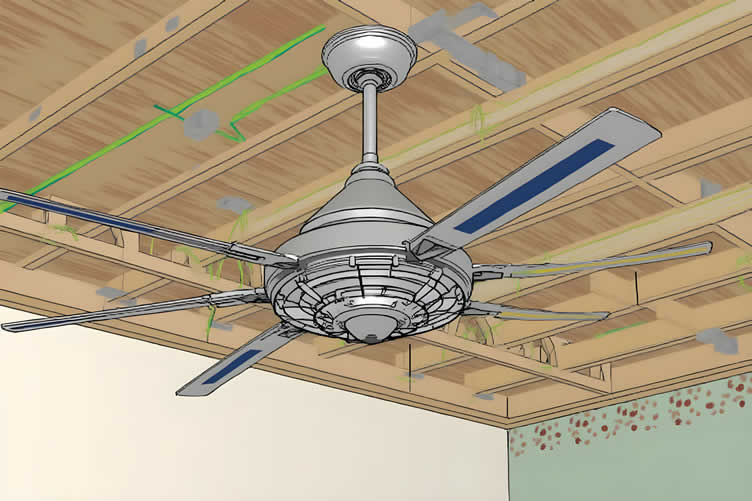
AI generated image by 123rf.com
Maybe You Need Professional Help
When installing a ceiling fan, ensuring proper installation and adherence to electrical codes is critical for safety and functionality.
Certified electrical contractors or experienced handymen trained in ceiling fan installation not only guarantee compliance with local building codes but also help avoid potential hazards such as electrical fires or improper operation.
By hiring a professional, you secure the longevity of your fan’s performance while protecting your household from accidents caused by amateur installations.
-
How to Choose the Right Handyman or Electrical Contractor
Selecting the right professional for your ceiling fan installation involves a few essential considerations:
- Certification and Licensing:
Verify that the contractor or handyman is certified and holds the necessary licenses for electrical work in your area. This ensures they are familiar with and adhere to local building codes. - Experience with Ceiling Fans:
Choose someone with specific experience in installing and troubleshooting ceiling fans. This expertise ensures they understand the unique electrical and structural requirements of these installations. - Customer Reviews and Testimonials:
Look for reviews online or ask for references from previous customers. Positive feedback and successful installations are strong indicators of reliability and quality. - Budget Transparency:
A trustworthy professional provides transparent pricing, including any additional costs for parts or materials, so there are no surprises during or after the project. - Communication and Professionalism:
Good communication is essential to ensure you’re informed about the process and any potential challenges. Look for contractors who are approachable, patient, and willing to answer your questions.
By prioritizing these factors, you can confidently choose a professional who will provide a safe and high-quality ceiling fan installation, helping to enhance your home’s comfort and functionality.
- Certification and Licensing:
LetsRenovate has partnered with HomeAdvisor™, a renowned provider of highly-rated, carefully-vetted electrical contractors. Start your search here by entering your zip code to find local professionals.

AI generated image by 123rf.com
But Wait!
Before beginning your search for electrical or handyman services, we highly recommend downloading and using this evaluation worksheet.
This valuable tool allows you to objectively assess and rank potential contractors by focusing on key factors like pricing, licensing, and references.

Evaluation Sheet
File Type:
-
Scroll up to directory … or scroll to next section “why ceiling fans for the home …”
-
-
8th review: How to Maintain Your Ceiling Fan
Ceiling fans are essential fixtures in many homes, offering energy-efficient cooling and comfort throughout the year. To ensure your ceiling fan continues to operate efficiently and lasts for years to come, regular maintenance is a must.
Below, we discuss crucial maintenance tasks and their importance in keeping your ceiling fan in top condition.
[ view images/summary table: fan maintenance ]
-
Regular Cleaning
Dust and dirt can quickly accumulate on fan blades, creating an unsightly appearance and reducing the fan’s efficiency. To maintain optimal performance, clean the blades and other components regularly.
Use a microfiber cloth or a soft brush to gently remove dust, and follow with a damp cloth to wipe away any remaining grime. For tougher buildup, a mild cleaning solution made from water and dish soap can be used.
Keeping the fan clean also prevents debris from being dispersed throughout the room when the fan is in operation.
-
Blade Balancing
Unbalanced blades can lead to wobbling, noise, and wear on the motor over time. Periodically inspect the ceiling fan for balance. If you notice any wobbling or vibrations, use a blade balancing kit or similar tools to correct the issue.
Balanced blades not only extend the life of the fan but also ensure quiet operation and prevent long-term structural damage to the fixture.
-
Tighten Screws and Hardware
The continuous motion of a ceiling fan can cause screws and hardware to loosen over time. Inspect all screws, bolts, and brackets regularly to ensure they remain secure. Pay close attention to the screws on the blade brackets and the mounting hardware connecting the fan to the ceiling.
Tightening these components will help minimize vibrations, reduce noise, and prevent potential safety hazards caused by loose parts.
-
Lubricate Moving Parts (if necessary)
Some ceiling fan models require lubrication to ensure smooth operation (most modern fans use sealed bearings and don’t require lubrication, but older models may need occasional oiling).
Check your manufacturer’s guidelines to determine if lubrication is needed for your specific fan. If required, use a light machine oil or a fan-specific lubricant to grease the moving components.
Proper lubrication reduces friction, prevents overheating, and promotes a longer lifespan for the fan motor.
-
Check Motor and Electrical Components
The motor is the heart of your ceiling fan, and its performance is critical. Periodically inspect the motor housing for signs of wear, overheating, or unusual noises.
Additionally, check the wiring and electrical connections to ensure they are secure and in good condition. If you notice any issues, it’s best to consult a qualified electrician or ceiling fan specialist to address the problems and maintain safety.
-
Reverse Fan Direction Seasonally
Ceiling fans are designed to offer year-round comfort by operating in two directions. During warmer months, the blades should rotate counterclockwise to create a cooling breeze.
For colder months, switch the direction to clockwise, which helps circulate warm air trapped near the ceiling. Remember to adjust the fan’s direction seasonally to maximize energy efficiency and comfort in your home.
-
Inspect and Test Controls
Inspect the fan’s controls, whether they are remote-operated, wall-mounted, or pull-chain mechanisms. Ensure the controls are functioning correctly and respond promptly.
Replace batteries in remotes as needed and address any wiring issues in wall-mounted controls to maintain ease of use and avoid interruptions in operation.
-
Routine Inspections
A thorough inspection of your ceiling fan can help identify and address minor issues before they become major problems. Look for signs of wear, such as frayed wires, bent blades, or unusual noises during operation.
Perform a thorough inspection each season. Include cleaning, hardware tightening, blade balancing, testing rotation direction, and checking for any operational issues.
-
Other Considerations
When conducting maintenance, always follow your manufacturer’s specific guidelines for parts and cleaning. If your fan is older or showing significant signs of wear, consider replacing it with a more energy-efficient model.
Modern ceiling fans often come with advanced features such as LED lighting, smart controls, or energy-saving designs that further enhance your home’s comfort.
Referencing and Citations
Maintenance Task Description Importance Regular Cleaning Remove dust and dirt from fan blades and components using a microfiber cloth or mild cleaning solution. Improves efficiency, maintains a clean appearance, and prevents debris dispersion. Blade Balancing Use blade balancing kits to correct wobbling or vibrations caused by unbalanced blades. Ensures quiet operation, extends fan lifespan, and avoids structural damage. Tighten Screws and Hardware Inspect and secure screws, bolts, and brackets regularly. Minimizes noise, reduces vibrations, and prevents safety hazards. Lubricate Moving Parts Oil moving parts if the fan model requires lubrication (check manufacturer guidelines). Reduces friction and overheating, promoting a longer motor lifespan. Check Motor and Electrical Components Inspect motor housing, wiring, and electrical connections for wear or issues. Maintains performance and ensures safety. Consult a professional if needed. Reverse Fan Direction Seasonally Set blades counterclockwise in summer for cooling and clockwise in winter for warmth. Maximizes energy efficiency and provides year-round comfort. Inspect and Test Controls Test remote, wall, or pull-chain controls for proper functionality. Maintains ease of use and prevents operation interruptions. Routine Inspections Check for frayed wires, bent blades, and unusual noises each season. Identifies minor issues early, preventing major problems later. Other Considerations Follow manufacturer guidelines and replace older fans with energy-efficient models if needed. Enhances comfort, saves energy, and incorporates modern features like smart controls. 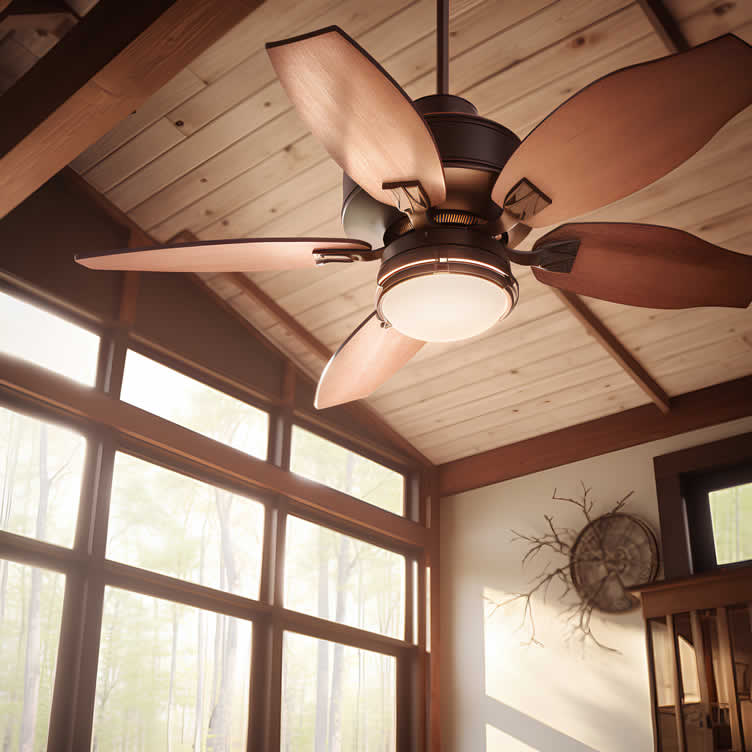
copyright image by 123rf.com
[ youtube: How To Balance a Ceiling Fan ]
[ amazon: microfiber cloth ]
-
Scroll up to directory … or scroll to conclusion
-
-
Conclusion
Ceiling fans represent valuable investments for homeowners seeking energy-efficient cooling solutions that provide year-round benefits while enhancing interior design appeal. The combination of reduced energy costs, improved comfort, and aesthetic enhancement makes ceiling fan installation an attractive option for many residential applications.
Understanding the various types of ceiling fans, installation requirements, and operational benefits enables informed decision-making that matches specific home needs and personal preferences.
Whether you choose DIY ceiling fan installation or professional service, investing time in understanding ceiling fan options and requirements pays dividends in improved home comfort and reduced energy costs.
The wide variety of ceiling fan styles, sizes, and features available ensures that suitable options exist for virtually any residential application, making these fixtures valuable additions to comprehensive home comfort strategies.
-
Quick scroll to more home structurual topics …
-
ideas to view and compare from the photo above
- What comments can you share about
the ceiling fans that you have installed?

addressing why ceiling fans are a great investment and other home improvement needs …

… grab this directory of ideas for future use



Download this PDF for a concise summary of all you need to know about …?



… for a home ceiling fan


Budgeting Worksheet For Costing Home Remodeling and Home Improvement Decisions
 File Type (excel)



… remodeling decisions
Download this PDF for a concise summary of all you need to know about …?
SHARE IT ..! You might have someone in your social network who could find this informative post "why ceiling fans are a good investment" valuable. Feel free to share it on Facebook, X (formally Twitter), LinkedIn, or Pinterest!


… home remodeling – improvement


… view illustration “becoming a bank”
get the size dimensions for any home remodeling project …
… for functionality, aesthetics, and adhering to building codes

Download this PDF for a concise summary of all you need to know about …?

Calendar For:
Home Maintenance
File Type:


… view our sharing links below for a quick "share the knowledge"
Find Handyman Services (opens new win) Handyman Carpentry Electrical Plumbing top-rated, pre-screened local contractors FREE: download contractor selection enter zip code – powered by HomeAdvisor ™
Quick Contractor Guides selecting negotiating working with inspecting

Cover image credit: why ceiling fans by 123rf.com
end of post … please share it!
 |
did you find this ceiling fan analysis helpful? If so, please share the article with your friends and family! |
Nice pic idea? Leave us a quick comment below.
And please share this pic idea within your social networks.