Summary Outline –
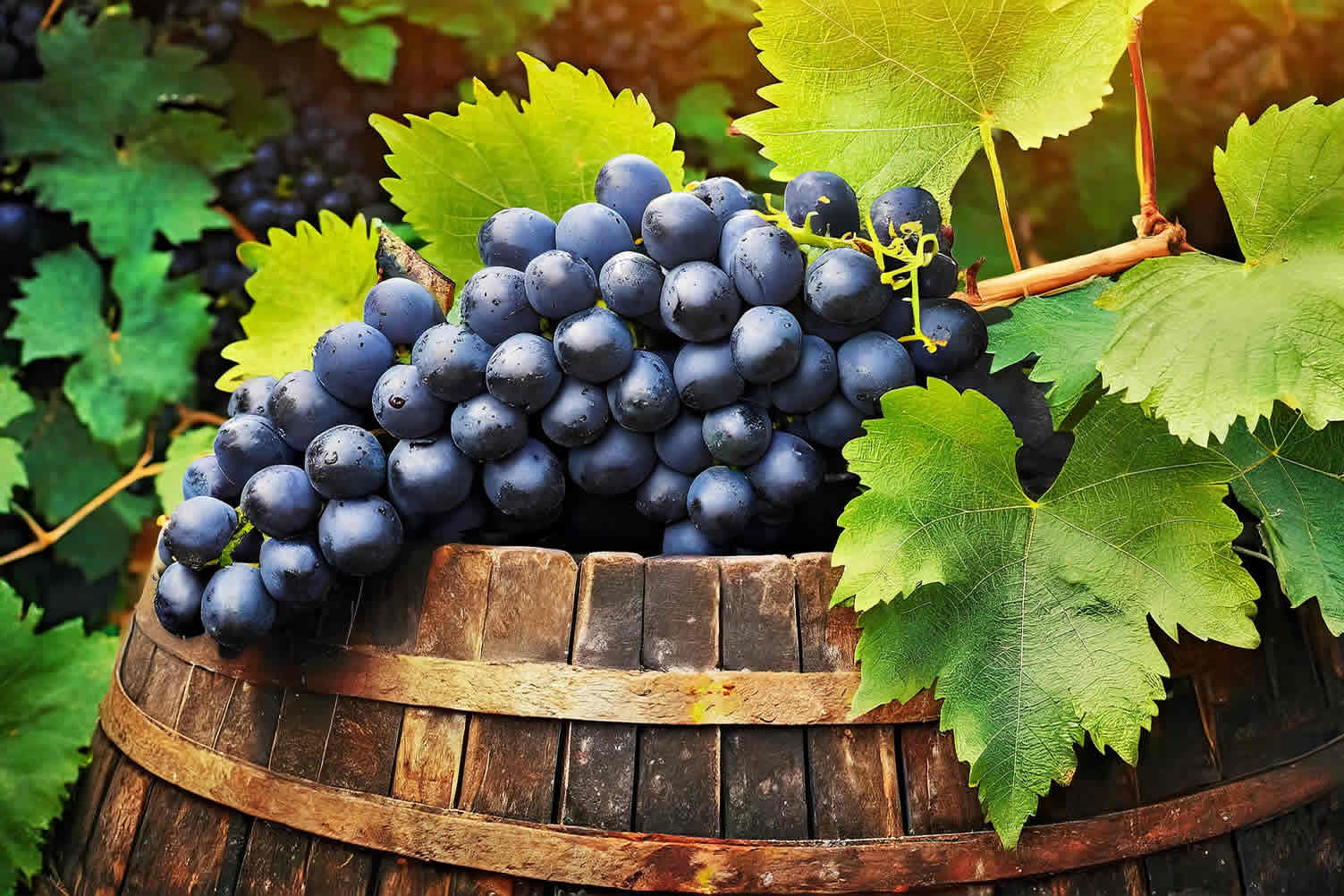
Growing grapes at home can transform your garden into a flourishing vineyard, and using wine barrels as planters adds a rustic charm while providing an ideal environment for your grapevines to thrive.
These barrels not only look aesthetically pleasing but also have the perfect depth and drainage properties for healthy grape growth.
Whether you’re a wine enthusiast or simply enjoy having fresh fruits in your backyard, growing grapes in wine barrels is a fun and rewarding experience that allows you to engage with nature in a unique way.
Summary of Site Content
1st Grape Tip: [view tip]
… we begin this analysis, “From Vine to Vineyard,” by first exploring the art of grape growing. This includes understanding various types of grapes, cultivation techniques, ideal growing climates, and more.
2nd Grape Tip: [view tip]
… the second section explores the cultivation of growing grapes in wine barrels by selecting the appropriate barrel type, size, and texture.
3rd Grape Tip: [view tip]
… moving on, the third section dives into the various types of grape varieties in barrels, considering the growing climate of your location, the available space, and your intended usage.
4th Grape Tip: [view tip]
… the fourth section gets into the planting and caring for your barrel grapevines. We cover the 3Ps, maintenance, and troubleshooting common grapevine issues.
5th Grape Tip: [view tip]
… the fifth and end-of-season section covers harvesting your grapes, whether for table use or winemaking. It includes a discussion on how to harvest, preserve, and transform your grapes into wine.
6th Grape Tip: [view tip]
… the sixth and final section explores the potential expansion from barrel cultivation to establishing an orchard, where grapes can be sold or transformed into a winemaking business.
In this guide, we’ll take you through the simple steps of preparing, planting, and caring for grapevines in wine barrels. From selecting the right grape varieties that suit your climate to ensuring proper soil conditions, we’ll cover it all.
Additionally, we’ll provide tips on maintaining the optimal water levels, pruning techniques to maximize yield, and pest control methods to keep your grapevines healthy.
With a little patience and dedication, you can enjoy a bountiful harvest of homegrown grapes, perfect for making your own wine or enjoying fresh off the vine.
- post content
- Grape Tip 1: The Art of Grape Growing
- Grape Tip 2: Selecting the Right Growing Barrels
- Grape Tip 3: Selecting Grape Varieties
- Grape Tip 4: Planting and Caring for Grapevines
- Grape Tip 5: Harvesting and Enjoying Homegrown Grapes
- Grape Tip 6: Expanding Your Cultivation: From Barrels to Orchards

-
Quick scroll to first topic about growing grapes in wine barrels …

first “growing grapes in wine barrels” idea

copyright image by 123rf.com
Grape Tip 1: The Art of Grape Growing
Notes:
-
Grape growing, also known as viticulture, is an agricultural practice with a rich history dating back thousands of years. It involves the careful cultivation of grapevines to produce fruit that is primarily used for winemaking, but also for fresh consumption and dried products like raisins.
The process of growing grapes requires understanding various factors including climate, soil quality, and vine care techniques. Successful viticulture relies on selecting the right grape varieties suited to the local environment and implementing proper vineyard management practices.
This includes tasks such as pruning, pest control, and irrigation to ensure the health and productivity of the vines. As the global demand for quality grapes continues to rise, viticulture remains an important and evolving field within agriculture.
-
Quick scroll to “art of grape growing” side notes …
-
-
1st: Types of Grapes
Grapes are incredibly versatile fruits that come in various types, each suited for different uses including fresh consumption, juicing, winemaking, and other purposes like drying into raisins.
-
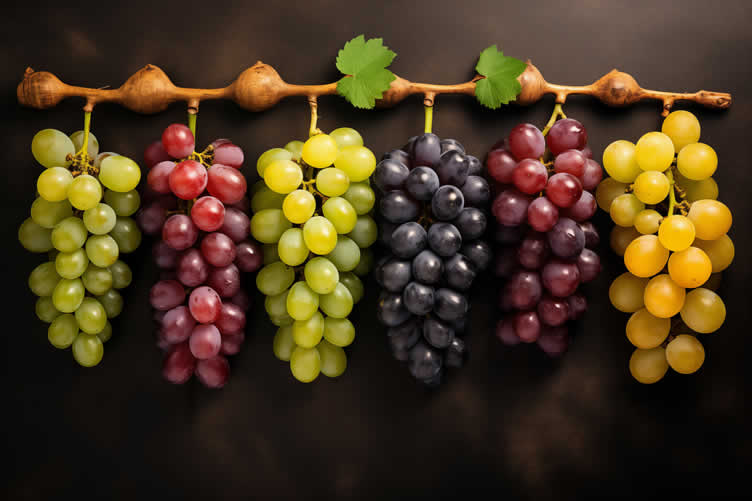
Table Grapes
Table grapes are cultivated for fresh consumption and are known for their larger size, crisp texture, and sweet flavor.
Varieties such as Thompson Seedless, Red Globe, and Concord are popular choices. Table grapes are typically seedless, making them convenient to eat, and they come in a range of colors including green, red, and black.
-
Juice Grapes
Juice grapes are specifically grown for making grape juice and other beverages. These grapes tend to be sweeter and juicier compared to table grapes.
Concord is a well-known variety used extensively in the production of grape juice, providing a bold, sweet flavor and a deep purple color.
-
Wine Grapes
Wine grapes are smaller and have thicker skins compared to other types of grapes, making them ideal for producing wine. They contain more sugar and tannins, crucial for the fermentation process.
Red wine grape varieties include Cabernet Sauvignon, Merlot, and Pinot Noir, while Chardonnay, Sauvignon Blanc, and Riesling are popular for white wines.
Each of these varieties contributes unique flavors and aromas to their respective wines.
-
Raisin Grapes
Certain types of grapes are grown explicitly for drying into raisins. These grapes have a high sugar content and natural acidity, which are essential for producing quality dried fruits.
The Thompson Seedless grape is one of the most widely used varieties for raisin production due to its thin skin and sweet flavor. Raisins are a versatile ingredient used in baking, cooking, and as a snack.
-
American Grapes vs. European Grapes
When comparing American grapes to European grapes, several key differences and similarities emerge. American grapes, primarily from species like Vitis labrusca, tend to have a more robust and foxy flavor, which can be somewhat musky.
They are often used in juices, jellies, and for fresh consumption. The most notable American grape is the Concord, well-regarded for its intense color and flavor.
In contrast, European grapes, mainly derived from the Vitis vinifera species, are generally preferred for winemaking and table grapes due to their more refined flavors and diverse varieties.
European grapes encompass a wide range of flavors, from the deep, complex notes of red varieties like Cabernet Sauvignon and Merlot to the crisp, aromatic qualities of white varieties like Sauvignon Blanc and Riesling. These grapes often have thinner skins and less pronounced tannins compared to their American counterparts.
Overall, while American grapes are cherished for their robust and unique flavors suitable for non-alcoholic beverages and fresh eating, European grapes are celebrated for their contribution to fine wines and their broad spectrum of delicate flavors.
Both types play crucial roles in their respective markets and offer distinct culinary and gastronomic experiences.
copyright image by 123rf.com

-
-
2nd: Nutritional Value of Grapes
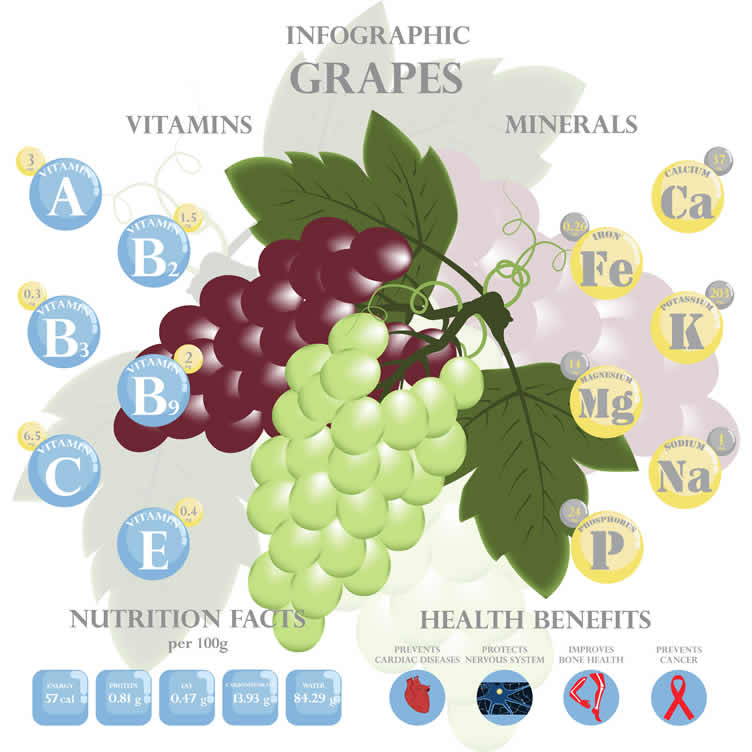
Grapes are not only delicious but also packed with a variety of essential nutrients, making them a healthy addition to any diet. A single serving of grapes, typically about one cup, provides a substantial source of vitamins and minerals, notably Vitamin C and Vitamin K.
-
Vitamin C is a powerful antioxidant that supports the immune system, aids in repairing tissues, and enhances iron absorption, while Vitamin K is crucial for blood clotting and bone health.
-
Grapes are also rich in antioxidants, particularly flavonoids and resveratrol, which have been extensively studied for their potential health benefits. These antioxidants help combat oxidative stress and may reduce the risk of chronic diseases such as heart disease, diabetes, and certain types of cancer.
-
Additionally, grapes offer a good amount of dietary fiber, which is essential for digestive health. This fiber aids in maintaining regular bowel movements and can help in lowering cholesterol levels.
-
Moreover, grapes contain small amounts of other vital nutrients such as potassium, which assists in muscle contractions and maintaining normal blood pressure, and B vitamins, which play a role in energy production and the maintenance of a healthy nervous system.
Despite being sweet and succulent, grapes have a moderate glycemic index, making them a suitable snack even for those managing their blood sugar levels. Overall, the nutritional profile of grapes makes them a highly beneficial fruit to incorporate into a balanced diet.
copyright image by 123rf.com
[ view diagram: nutritional value of grapes ]
[ youtube: grape benefits ]
-
-
3rd: The Hobby of Growing Grapes
Growing grapes is a rewarding hobby that combines the joy of gardening with the potential to produce delicious fruit and even homemade wine. This pastime requires a blend of horticultural skills and patience, as grapevines can take several years to mature and bear fruit.
A successful grape grower must understand the intricacies of soil preparation, choosing the right grape varieties for their climate, and the art of pruning vines to encourage optimal growth and fruit production.
Note the essential skills for growing grapes:
- Knowledge of Soil and Climate:
Grapevines thrive in well-drained soil with a slightly acidic to neutral pH. Growers must be adept at testing soil and adjusting its properties to create ideal growing conditions. Additionally, understanding the local climate helps in selecting the right grape varieties that can withstand specific weather patterns and temperatures. - Pruning Techniques:
Pruning is crucial for controlling the growth of the grapevine, ensuring it receives enough sunlight and air circulation, which prevents disease and promotes fruit production. Mastery of various pruning methods, such as cane pruning and spur pruning, is essential for maintaining healthy vines. - Pest and Disease Management:
Grapevines are susceptible to a variety of pests and diseases. A skilled grower must be able to identify signs of trouble early and implement integrated pest management strategies to protect their crop. - Irrigation and Fertilization:
Proper watering and fertilization are vital for the vine’s health. Understanding the water needs of grapevines at different growth stages and applying the right type and amount of fertilizer ensures robust growth and quality fruit.
Starting a grape-growing hobby can be a gratifying endeavor, offering a deep connection with nature and, eventually, the satisfaction of enjoying homegrown grapes or wine.
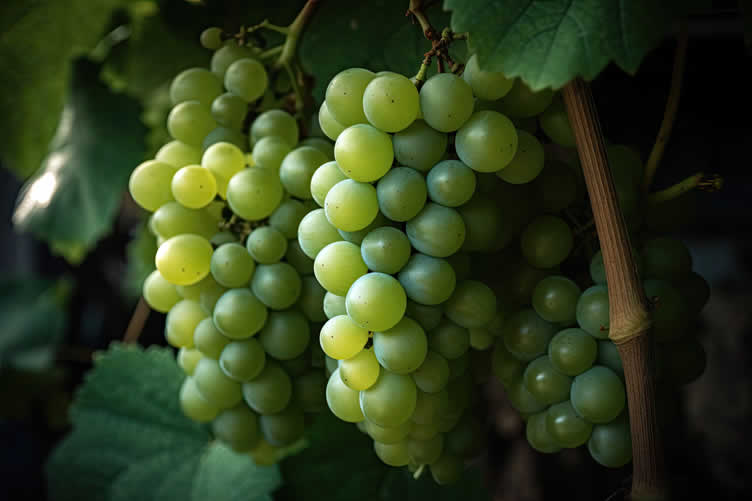
copyright image by 123rf.com
[ view diagram: understanding soil ]
[ youtube: soil is a living organism ]
- Knowledge of Soil and Climate:
-
4th: Best Climates for Growing Grapes
The ideal climate for growing grapes, whether for eating or winemaking, is one that provides a balance of sunlight, temperature, and moisture. The most renowned grape-growing regions typically feature a Mediterranean climate, characterized by warm, dry summers and mild, wet winters.
These conditions help grapes develop the necessary sugar content and acidity balance essential for high-quality fruit and wine.
-
Grapes thrive in regions where there are consistent daytime temperatures between 77-86 degrees Fahrenheit (25-30 degrees Celsius) during the growing season. Cool nights are equally important, as they allow the grapes to maintain their acidity levels, contributing to the overall flavor profile.
-
Additionally, adequate rainfall and well-drained soil are crucial to prevent root rot and ensure proper vine development.
-
Microclimates also play a significant role in grape cultivation. For instance, coastal areas benefit from the moderating effects of nearby bodies of water, which can prevent extreme temperature fluctuations and reduce the risk of frost damage.
-
Similarly, hilly or mountainous terrains can create unique pockets of favorable growing conditions through variations in elevation and sun exposure.
In summary, the best climates for grape cultivation are those that offer a harmonious blend of moderate temperatures, ample sunlight, and balanced moisture levels, with Mediterranean climates setting the gold standard for producing both table grapes and exceptional wines.
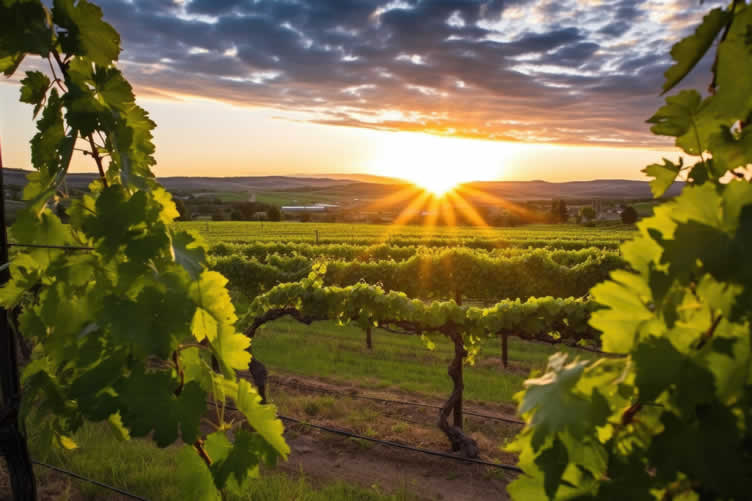
copyright image by 123rf.com
[ youtube: growing grapes in colder climates ]
[ youtube: best grapes for desert climates ]
-
-
5th: Ideal Locations for Growing Grapes
When seeking ideal locations for grape cultivation, several factors must be taken into account to ensure optimal growth and fruit quality. Here are some places where grapes can be cultivated, ranging from expansive orchards to individual wooden barrels.
-
Grape Orchards
Grape orchards are specifically designed to cultivate grapes on a large scale, often for commercial winemaking or table grape production. These orchards are typically located in regions with ideal climatic conditions that support robust grapevine growth.
They usually feature rows of vines supported by trellises, allowing for optimized sun exposure and efficient harvesting. Grape orchards provide a controlled environment where factors such as soil composition, irrigation, and pest management can be meticulously managed to enhance fruit quality.
[ youtube: grape farming (complete guide) ]
-
Home Gardens
For those with a passion for gardening, growing grapes at home can be a rewarding endeavor. A sunny spot in your garden with well-drained soil and adequate space for vines to spread is essential. Home gardeners can choose from a variety of grape species, selecting ones that are best suited to their local climate.
Growing grapes in a garden allows for a hands-on approach and the opportunity to enjoy fresh fruit straight from the vine. It’s important to provide sturdy support structures like arbors or pergolas to help manage vine growth in a home setting.
[ youtube: starting a backyard vineyard ]
-
Vertical Gardens
Vertical gardens offer an innovative solution for grape cultivation, especially in urban areas with limited space. By using structures like walls, trellises, or plant frames, grapevines can grow upwards, maximizing space. This method conserves ground area and improves air circulation, reducing the risk of fungal diseases.
Vertical gardening also allows easy pruning and harvesting, making it practical for both commercial growers and hobbyists. Additionally, vertical gardens create attractive green walls, adding aesthetic value to gardens, patios, and terraces. With proper planning, vertical gardens can yield a healthy grape harvest even in small spaces.
[ pinterest: vertical grape garden ]
-
Hydroponic Systems
Hydroponic systems offer a modern approach to grape cultivation by eliminating the need for soil. In these systems, grapevines grow in a nutrient-rich water solution, providing all essential minerals. This method allows precise control over nutrients, water, and pH, leading to faster growth and potentially higher yields.
Hydroponic setups, like nutrient film technique (NFT), deep water culture (DWC), or aeroponics, each offer unique benefits. One primary advantage is water efficiency, significantly reducing wastage compared to traditional soil methods.
Additionally, hydroponics can be adapted for indoor cultivation, allowing year-round grape growth regardless of outdoor weather. This innovative method enables high-quality grape production even in areas with poor soil or limited space.
[ diagram: DIY hydroponic grapes ]
-
Wine Barrels
An alternative and intriguing method of grape cultivation involves planting vines in large wooden, wine barrels. This approach is particularly suitable for urban environments or small spaces such as patios or balconies.
Wine barrels offer excellent drainage and can be moved to capture optimal sunlight and protect from adverse weather conditions. This method allows for a small-scale but highly controllable environment, making it possible to grow grapes even in less traditional settings.
[ see information below: start with: selecting wine barrels ]
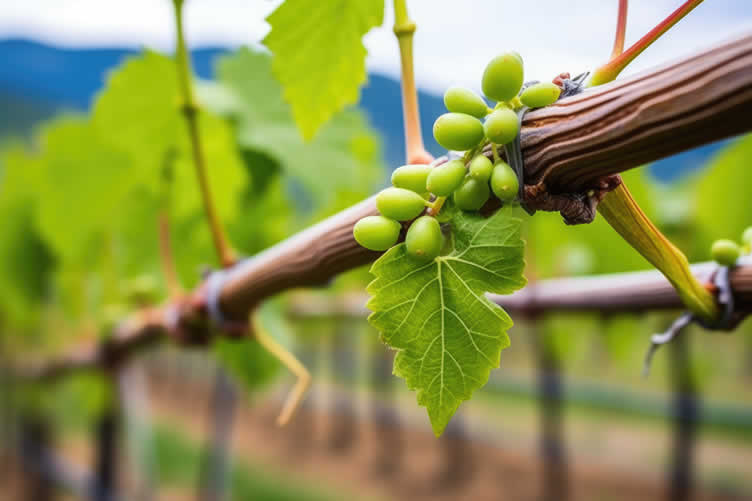
copyright image by 123rf.com
[ pinterest: growing grapes in a wood barrel ]
[ youtube: growing grapes in a containers ]
-
-
-
ideas to view and compare from the information discussed above
Scroll up to directory … or scroll to next section about growing grapes in wine barrels …

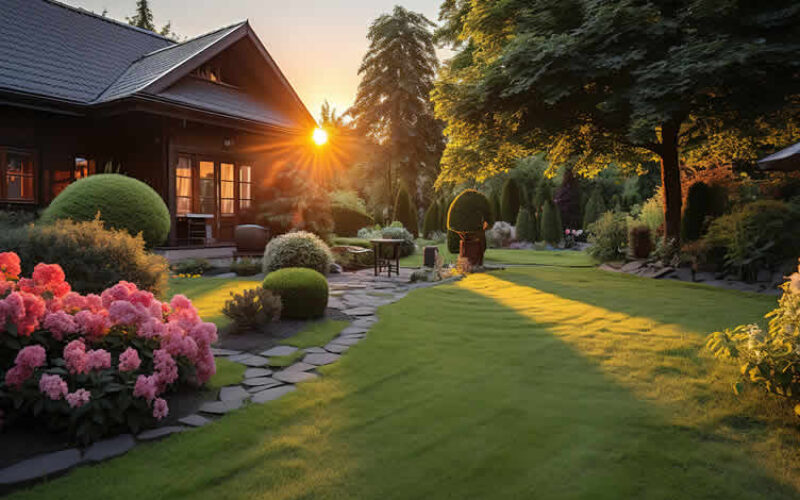



using barrels for your grape cultivation

second “photo remodeling” idea
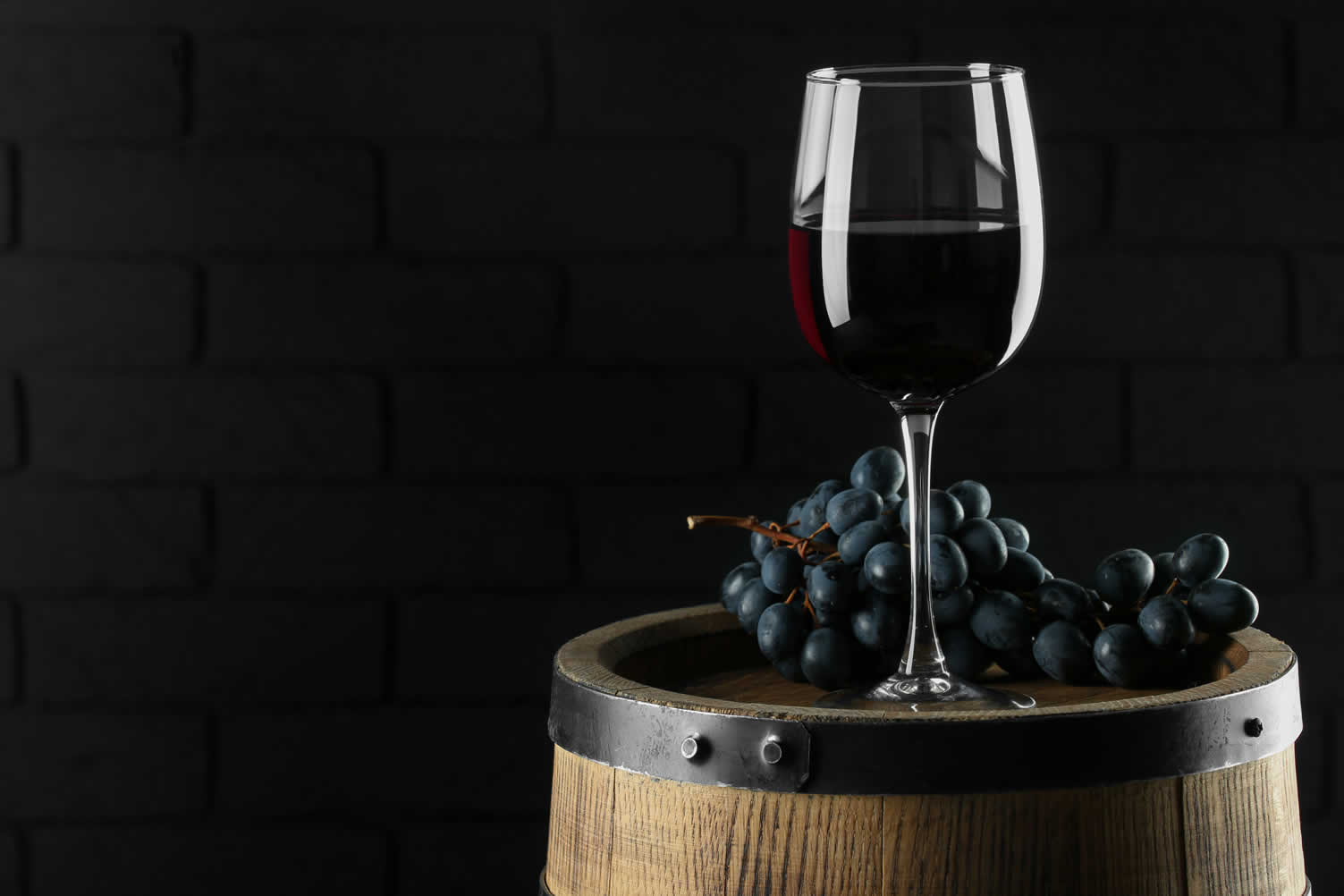
copyright image by 123rf.com
Grape Tip 2: Selecting the Right Growing Barrels
Notes:
-
Growing grapes in wood barrels is a unique and effective method for those looking to cultivate grapevines in limited spaces. This approach not only allows for optimal growing conditions but also adds a rustic charm to your home garden or patio.
Each growing barrel possesses unique characteristics and considerations, and comes in a variety of sizes, shapes, and materials.
To ensure optimal growing conditions for your plants, it’s crucial to consider the size, texture, and drainage when choosing wine barrels for grape cultivation.
-
Selecting the Right Size of Barrel
Choosing the right barrel is crucial for successful grape cultivation. Wine barrels for sale are available in various sizes, from tiny tabletop configurations to large, conventional barrels.
The size of the barrel will determine how much soil is available for root development and how many grapevines you may plant. Larger barrels can accommodate more root development and a wider variety of grapevines,
Look for large barrels, preferably those used previously for wine or whiskey, as they are designed to withstand moisture and offer excellent durability.
Ensure the barrel can hold at least 30-50 gallons, providing ample space for root growth. Smaller barrels, however, may be more prevalent and ideal for individual plants or more modest settings.
-
Optimal Wood Type
Wood barrels are famous for grape cultivation due to their familiar appearance, durability, and ability to control temperature and soil wetness. The type of wood used in the barrel can significantly impact the growth of grapevines.
Oak barrels are highly recommended due to their robustness and excellent drainage properties. The natural tannins in oak can help in discouraging the growth of harmful fungi and bacteria, creating a healthier environment for the grapevines.
-
Preparing the Barrel
Before planting, the barrel must be adequately prepared to ensure the health of your plants. Start by drilling several drainage holes at the bottom and sides to prevent water logging, which can lead to root rot.
Additionally, consider lining the bottom with a layer of gravel or small stones to further enhance drainage. Lastly, fill the barrel with high-quality potting soil suitable for the plants you intend to grow.
-
-
Quick scroll to “selecting wood barrels” side notes …
-
-
1st: Wood Barrel Types: Pros and Cons
Growing grapes in wood barrels can be a rewarding endeavor, but the success of this method largely depends on the type of barrel you choose. Different types of wooden barrels come with unique properties that can impact the growth and health of your grapevines.
Below, we explore various types of wood barrels, their characteristics, and the advantages and disadvantages associated with each.
-
Oak Barrels
Oak barrels are the most popular choice for grape cultivation due to their robustness and excellent drainage properties. The natural tannins in oak help discourage harmful fungi and bacteria, creating a healthier environment for grapevines.
Pros:
- Robust and durable
- Excellent drainage properties
- Natural anti-fungal and antibacterial properties
- Aesthetic appeal
Cons:
- Relatively expensive compared to other wood types
- Heavy and can be difficult to move once filled
-
Redwood Barrels
Redwood barrels are another excellent choice for grapevines. Known for their resistance to decay and rot, redwood barrels provide a long-lasting growing environment for your plants.
Pros:
- Naturally resistant to decay and pests
- Lightweight compared to oak, easier to move
- Long-lasting if properly maintained
Cons:
- Can be quite expensive
- Requires regular maintenance to preserve its properties
-
Cedar Barrels
Cedar barrels offer both durability and a pleasant fragrance, making them a unique choice for grape cultivation. Cedar wood has natural preservatives that protect against insects and rot.
Pros:
- Naturally resistant to rot and pests
- Aromatic, which can deter some pests
- Moderate weight, easier to handle
Cons:
- Can be less durable than oak and redwood
- May require more frequent maintenance
-
Pine Barrels
Pine barrels are often more affordable and easily accessible. However, they may not offer the same level of durability as other wood types.
Pros:
- More affordable compared to cedar, oak, and redwood
- Lighter, making them easier to move
Cons:
- Less durable, prone to rotting and decay
- May need frequent replacements
-
Chestnut Barrels
Chestnut barrels are occasionally used for grape cultivation due to their good drainage and durability. This type of wood is also resistant to pests and diseases.
Pros:
- Good drainage properties
- Durable and long-lasting
- Resistant to pests and diseases
Cons:
- Not as readily available, can be hard to source
- Can be expensive
In conclusion, selecting the right type of wood barrel for grape cultivation depends on multiple factors, including your budget, the specific requirements of your grapevines, and the level of maintenance you are willing to commit to.
Each type offers unique advantages that can contribute to a thriving home vineyard.
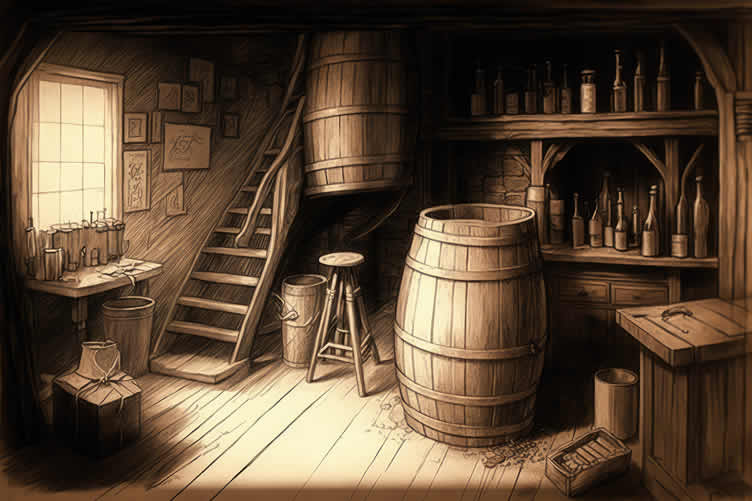
copyright image by 123rf.com
[ view diagram: understanding wine barrels ]
[ youtube: how oak barrels are made ]
-
-
2nd: Determining Barrel Size
Choosing the appropriate size for your grape cultivation barrels is crucial for the health and productivity of your grapevines. The size of the barrel not only influences the quantity of grapes you can grow but also affects water retention, root development, and overall plant health.
Here’s a breakdown of various sizes and their uses to help you make an informed decision.
-
Small Barrels (5-10 gallons)
Small barrels are ideal for gardeners with limited space, such as balconies, patios, or small backyard setups. These barrels are perfect for growing a few grapevines for personal use or as a hobby.
Pros:
- Easy to handle and move
- Suitable for small spaces
- Require less soil and water
Cons:
- Limited root space, which can restrict plant growth
- Requires more frequent watering and feeding
-
Medium Barrels (15-30 gallons)
Medium-sized barrels offer a balanced option for those who have slightly more space and want to grow a moderate number of grapevines. These barrels can accommodate the growth of vines more comfortably without taking up too much space.
Pros:
- More root space for healthier vines
- Better water retention than small barrels
- Suitable for semi-professional gardeners
Cons:
- Heavier and more challenging to move
- Requires a moderate amount of soil and water
-
Large Barrels (35+ gallons)
Large barrels are best suited for serious growers who aim to produce larger quantities of grapes. These barrels provide ample space for root expansion and robust vine growth, making them ideal for a more professional setup or a home vineyard.
Pros:
- Maximum root space for optimal growth
- Superior water retention and stability
- Can support several grapevines simultaneously
Cons:
- Very heavy and difficult to move once filled
- Requires significant amounts of soil and water
- More expensive and may need more maintenance
In summary, the size of the barrel you choose for grape cultivation will depend on your specific needs, space limitations, and the level of commitment you are willing to offer.
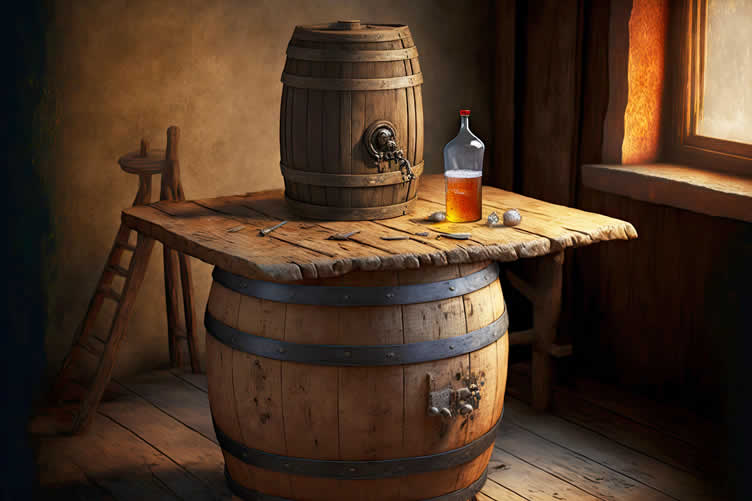
copyright image by 123rf.com
[ view diagram: wine barrels sizes ]
[ youtube: container gardening for beginners ]
-
-
-
ideas to view and compare from the information discussed above
Scroll up to directory … or scroll to next section about growing grapes in wine barrels …

addressing growing grapes in wine barrels and other home n’ garden needs …

… grab this directory of ideas for future use



May We Suggest Other Photo Remodeling Ideas About
“Working in the Garden …” (new win)



third “photo remodeling” idea
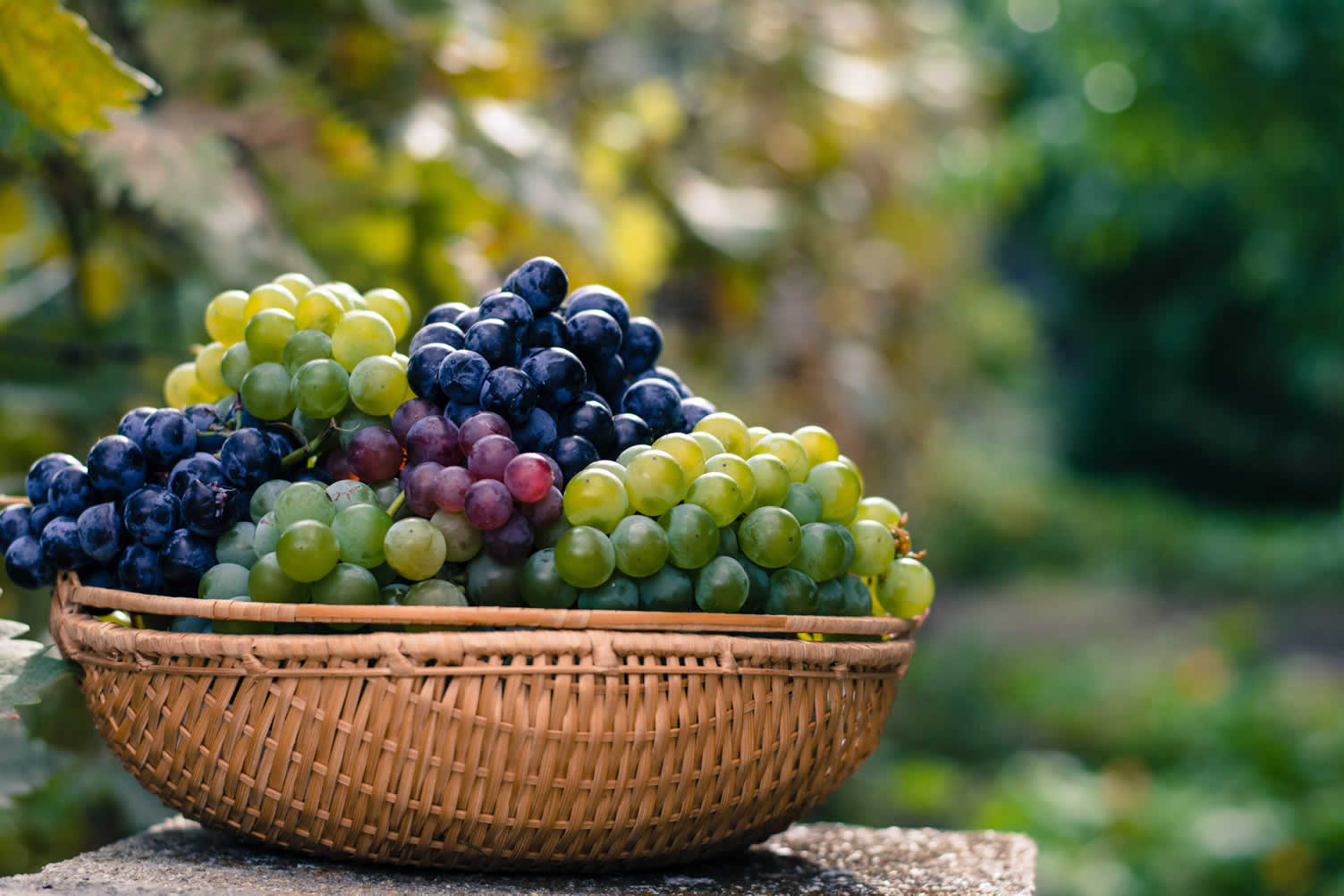
copyright image by 123rf.com
Grape Tip 3: Selecting Grape Varieties
Notes:
-
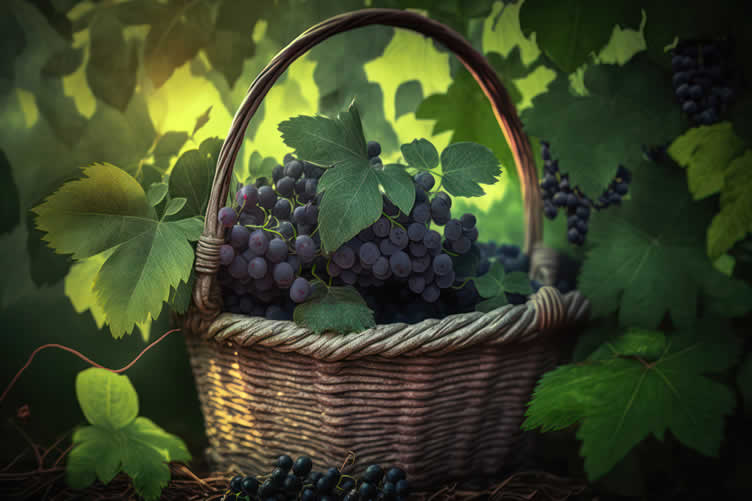
There are a few important things to consider while selecting grape varietals for your homemade grape plantation: the surrounding conditions, such as climate and soil type, available space for vine growth, and the intended usage of the grapes, whether for fresh consumption, winemaking, or other products.
Additionally, it’s essential to research the specific care requirements and disease resistance of each varietal to ensure a successful and fruitful harvest.
-
Quick scroll to “selecting grape type” side notes …
-
-
1st: Selecting By Surrounding Conditions
Growing the right type of grapes is crucial for the success of your vineyard, especially when it comes to adapting to the specific soil, climate, and environmental conditions of your location.
Choosing the appropriate grape variety can influence not only the resilience and health of your vines but also the quality and flavor profile of the wine you produce.
Here’s a detailed look at the types of grapes best suited for different climates and regions.
-
Grapes for Cold Climates
For regions that experience cold winters and shorter growing seasons, it’s essential to select grape varieties that are cold-hardy and can withstand frost. Varietals like Concord, Cabernet Franc, and Chardonnay are excellent choices.
- Concord grapes are known for their exceptional cold tolerance and are commonly used in juice production
- Cabernet Franc can endure lower temperatures and still produce high-quality red wines.
- Chardonnay, a versatile white grape, can also thrive in cooler climates, offering a crisp and vibrant wine profile.
-
Grapes for Temperate Climates
Temperate climates, characterized by moderate temperatures and ample rainfall, offer a diverse range of grape-growing possibilities. Varieties like Merlot, Pinot Noir, and Sauvignon Blanc flourish in these conditions.
- Merlot is a widely popular red grape known for its soft tannins and fruity flavors, making it ideal for balanced wines.
- Pinot Noir, another red grape, is delicate and requires precise growing conditions, but it can produce exquisite wines with complex flavors in temperate climates.
- Sauvignon Blanc thrives in this environment too, producing fresh and aromatic white wines.
-
Grapes for Warm Climates
Warm climates present unique challenges such as higher temperatures and potential drought conditions. However, specific grape varieties are well-suited to these environments. Zinfandel, Syrah, and Viognier are excellent examples.
- Zinfandel, a robust red grape, can withstand high heat and still produce rich, full-bodied wines.
- Syrah, known for its hearty nature, can produce deeply colored and flavorful wines in warm conditions.
- Viognier, a white grape, thrives in the heat, yielding wines with lush, aromatic profiles.
-
Grapes for Mediterranean Climates
Mediterranean climates, with hot, dry summers and mild, wet winters, are ideal for varieties that require plenty of sunshine. Grenache, Tempranillo, and Albariño are particularly well-suited for these regions.
- Grenache, a red grape, excels in dry conditions and produces wines with vibrant berry flavors and spice.
- Tempranillo, another red variety, thrives under the hot sun and contributes to rich, full-bodied wines with a complex flavor profile.
- Albariño, a white grape, is resilient to heat and dryness, producing crisp and aromatic white wines perfect for warm climates.
copyright image by 123rf.com
[ youtube: 15 best type of grapes ]
[ youtube: how to grow climates in any climate ]
-
-
2nd: Choosing Based On Space and Minimal Maintenance
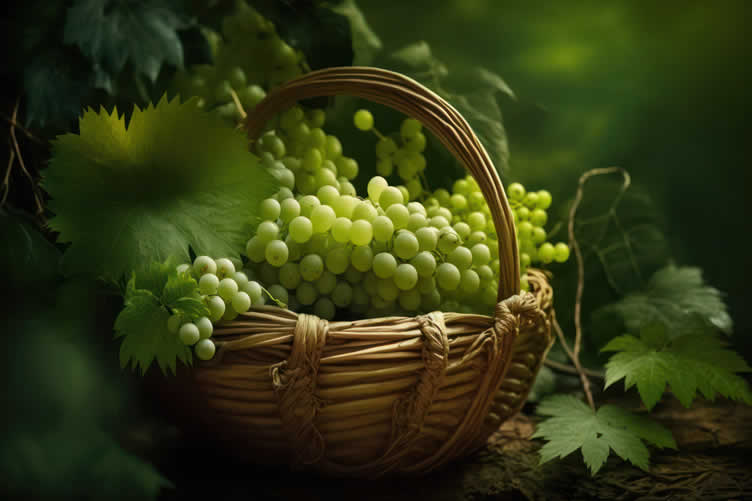
When space is a premium and you seek grape varieties that require less upkeep, it is vital to select types specifically adapted to these conditions.
These grape varieties are not only space-efficient but also thrive with minimal pruning and care, making them perfect for smaller vineyards or amateur growers looking for lower maintenance options.
-
Pixie
Pixie grapes are an excellent choice for those with limited growing space. This dwarf variety is well-suited for container gardening, allowing growers to cultivate grapes on patios, balconies, or small gardens.
Pixies are minimal-pruning plants and require very little space to thrive. Despite their small size, they produce a surprisingly high yield of sweet and fragrant grapes, making them an ideal choice for compact growing areas.
-
Muscat of Alexandria
Muscat of Alexandria is a versatile and resilient grape variety that adapts well to confined spaces. Known for its aromatic and sweet berries, this variety can be grown successfully in smaller plots with restricted sunlight exposure.
The vines tend to be vigorous but can be kept in check with light pruning, making them a good option for growers who wish to minimize maintenance. Additionally, Muscat of Alexandria plants are relatively drought-tolerant, which further reduces the need for intensive care.
-
Pinot Noir
Pinot Noir is another excellent variety for limited spaces, known for its ability to produce high-quality wines. This grape is particularly valued for its delicate bouquet and complex flavors.
Though traditionally grown in sprawling vineyards, certain clones of Pinot Noir are available that are better suited for smaller gardens. These varieties often have compact growth habits and can be managed with minimal intervention.
Regular pruning is recommended to keep the vines healthy and productive, though the maintenance required is still lower compared to other traditional wine grape varieties.
copyright image by 123rf.com
-
-
3rd: Types Grapes Based on Intended Usage
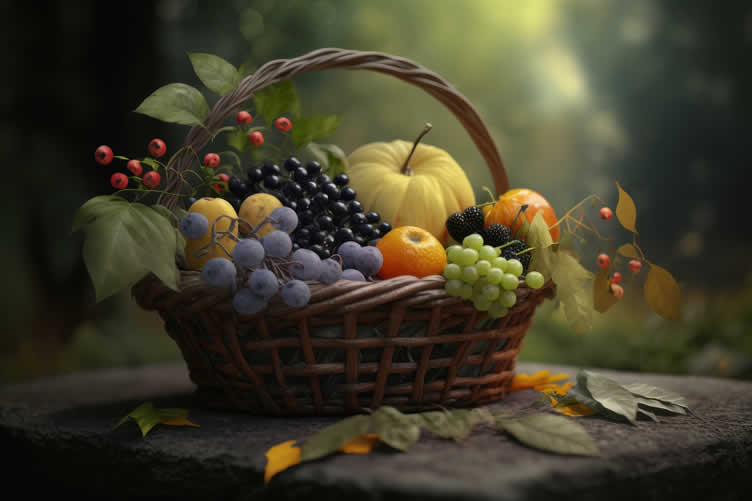
When deciding which types of grapes to cultivate, it is essential to consider your intended usage, whether it be for winemaking, table consumption, or other culinary uses. Different grape varieties offer unique characteristics, flavors, and qualities that make them ideal for specific purposes.
Below are some recommendations and detailed descriptions to help guide your selection based on your goals and preferences.
-
Grapes for Winemaking
Cultivating grapes for winemaking requires selecting varieties that produce high-quality wine renowned for their flavors and aromatic profiles. Here are some popular choices:
- Merlot:
Known for its soft, rich flavor with hints of cherry and chocolate, Merlot is a versatile wine grape. It ripens early, making it an excellent option for regions with shorter growing seasons. - Zinfandel:
This grape produces robust, full-bodied wines with deep red fruit flavors and spicy notes. Zinfandel thrives in warmer climates and requires careful management to prevent over-ripening. - Syrah:
Syrah grapes result in deeply colored wines with rich flavors of dark berries, plums, and spices. They are well-suited for warmer regions and benefit from controlled pruning to manage vigor.
- Merlot:
-
Table Grapes
Table grapes are cultivated for fresh consumption and should be sweet, juicy, and pleasant to eat. Here are some top choices:
- Thompson Seedless:
This widely popular table grape is beloved for its sweet flavor and seedless nature. It has thin skin and a crisp texture, making it perfect for snacking and salads. - Rosy Fire:
Known for its bright reddish-pink skin and sweet, juicy flesh, Rosy Fire is highly favored for its beauty and taste. It is suitable for fresh eating and can also be used in desserts. - Dim Muscat:
Characterized by its musky aroma and sweet, complex flavor, Dim Muscat is a versatile table grape that can be enjoyed fresh or used in cooking to add natural sweetness.
- Thompson Seedless:
-
Culinary Grapes
For culinary enthusiasts, certain grape varieties offer unique flavors and textures that can enhance dishes and recipes. Consider the following options:
- Concord:
Concord grapes have a distinctive sweet and tart flavor with a robust aroma, making them ideal for making jam, juice, and jelly. They have thick skins and seeds, which contribute to their rich taste. - Red Globe:
These grapes are large, juicy, and have a crisp texture, making them perfect for using in various culinary applications such as salads, garnishes, and baked goods. Their vibrant red color adds visual appeal. - Muscat Blanc:
Known for its intense aroma and sweet flavor with floral notes, Muscat Blanc can be used in both savory and sweet dishes, adding a unique depth to sauces, desserts, and beverages.
- Concord:
copyright image by 123rf.com
[ pinterest: best table grapes to grow ]
[ youtube: wine 101: best grape varieties ]
-
-
-
ideas to view and compare from the information discussed above
Scroll up to directory … or scroll to next section about growing grapes in wine barrels …
SHARE IT ..! You might have someone in your social network who could find this informative post on growing grapes in wine barrels at home valuable. Feel free to share it on Facebook, Twitter, LinkedIn, or Pinterest!


postion-prepare-and plant your grape barrels
fourth “photo remodeling” idea
copyright image by 123rf.com
Grape Tip 4: Planting and Caring for Grapevines
Notes:
-
Planting and caring for grapevines in homegrown wine barrels involves both science and artistry, requiring careful attention to detail and a deep understanding of the requirements of these delicate plants.
It demands knowledge of soil composition, climate conditions, and the ideal watering schedules to ensure optimal growth. Additionally, one must master the techniques of pruning and pest management to maintain the health and productivity of the vines.
This meticulous process ultimately contributes to the creation of high-quality, flavorful wines that embody the essence of homegrown craftsmanship.
-
Quick scroll to “grapevine planting and caring” side notes …
-
-
1st: The 3Ps: Position-Preparing-Planting
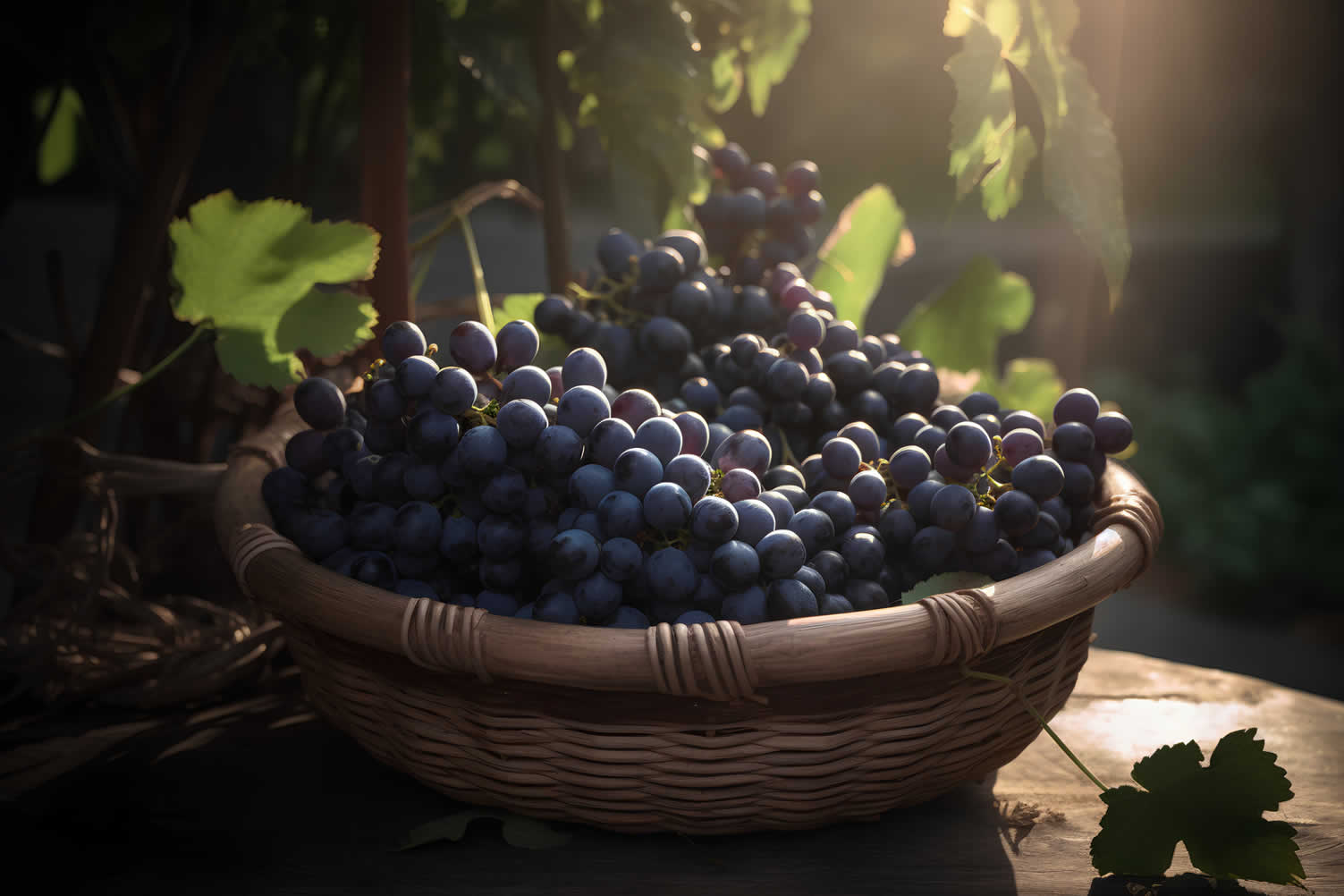
Embarking on the journey of grape cultivation requires meticulous planning and execution. The foundation of successful grape-growing can be summarized in the 3Ps: Positioning, Preparing, and Planting.
These steps are crucial in ensuring that your grapevines thrive and produce high-quality fruits.
-
Positioning
Positioning the barrel is key to the successful growth of grapevines. To ensure optimal growth, place the barrel in a location that receives at least 6-8 hours of direct sunlight each day.
Additionally, make sure the area is well-ventilated and protected from strong winds, which can damage the delicate vines.
Optimal soil conditions and regular watering are also crucial, so consider adding a layer of mulch to retain moisture and regulate soil temperature.
-
Preparing the Barrel for Planting
- Select the Right Barrel:
Choose a high-quality wine barrel, ensuring it is clean and free from any harmful residues. A barrel width of at least 24 inches is ideal for providing sufficient space for the grapevines to grow and thrive. - Create Drainage Holes:
Using a drill, create several drainage holes at the bottom of the barrel. This step is critical to prevent waterlogging and ensure proper drainage. - Add a Layer of Gravel:
Place a 2-3 inch layer of gravel or small stones at the bottom of the barrel. The gravel layer helps facilitate drainage and prevents the roots from sitting in standing water. - Prepare the Soil Mixture:
Combine high-quality potting soil with organic compost in a ratio of 3:1. This mixture provides the necessary nutrients and retains just the right amount of moisture.
- Select the Right Barrel:
-
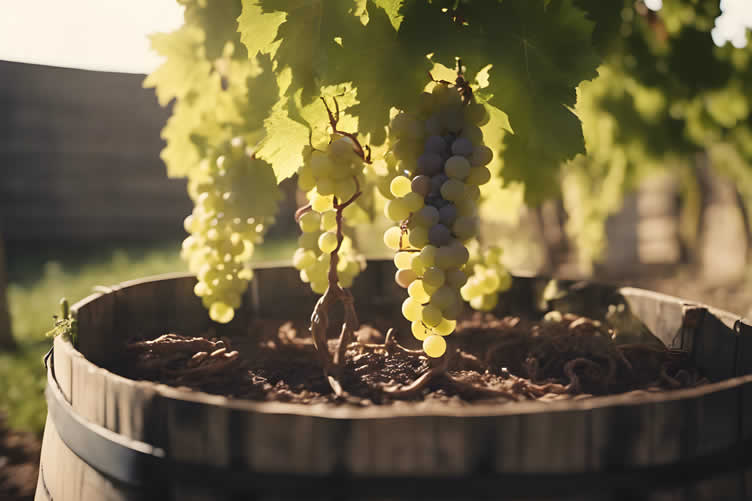
Planting the Selected Grape Vine
- Purchase Your Grape Plant:
Select healthy, disease-free grapevines from a reputable nursery - Soak the Roots:
Before planting, soak the grape vine roots in water for a few hours to hydrate them thoroughly. - Place the Soil Mixture in the Barrel:
Fill the barrel with the prepared soil mixture, leaving a small space at the top to accommodate the grapevine. - Plant the Grape Vine:
Create a small hole in the center of the soil and gently place the grapevine in it, ensuring the roots are evenly spaced and packed down with soil, pressing firmly to eliminate any examine pockets. - Water the Vine:
Water the newly planted grapevine thoroughly, ensuring the soil is evenly moist but not saturated. - Provide Support:
Insert a sturdy trellis or support stake into the barrel to help guide the vine as it grows. This support is essential to train the vine and promote healthy growth.
- Purchase Your Grape Plant:
AI generated image by 123rf.com
[ pinterest: growing grapes for beginners ]
[ youtube: how to grow grapes, complete guide ]
-
-
2nd: Supporting Grape Cultivation in a Barrel
Proper support is vital for the healthy growth and development of grapevines, particularly when cultivated in a barrel.
Grapevines are climbing plants that require a structure to cling to as they grow, which not only aids in their upward growth but also ensures that they receive adequate sunlight and air circulation. Below are some tips to effectively support your grapevine:
-
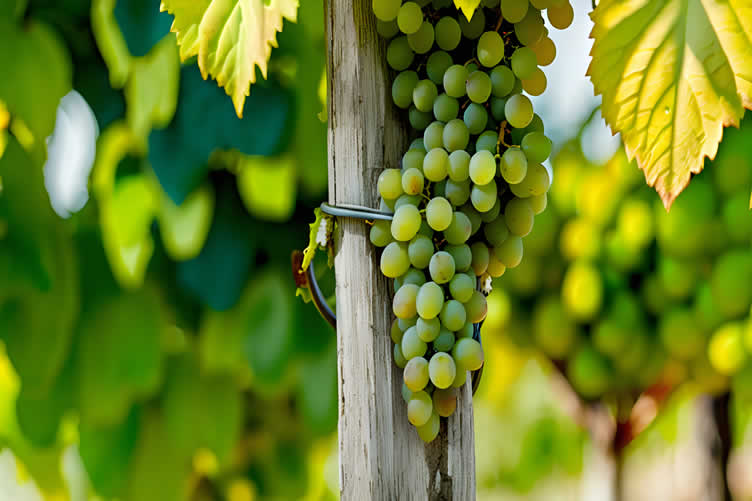
Choose the Right Support Structure:
Opt for a sturdy, weather-resistant structure such as a trellis, arbor, or simple support stake. The support should be able to withstand the weight of the vine as it grows and bears fruit. -
Position the Support Correctly:
Place the support structure in the barrel at the time of planting to avoid damaging the roots later. Ensure that it is securely positioned to provide stable support to the growing vine. -
Train the Vine:
As the grapevine starts to grow, gently guide the young shoots toward the support structure. Use soft ties, such as garden twine or fabric strips, to attach the shoots to the structure. Avoid using materials that could cut into the vine. -
Prune Regularly:
Regular pruning is essential to encourage healthy growth and fruit production. Remove any dead or diseased wood, and trim back excess growth to maintain the desired shape and structure of the vine. -
Reinforcement:
As your grapevines grow, reinforce them by positioning them against a lattice or other support structure to facilitate vertical turns and encourage growth. -
Monitor for Pests and Diseases:
Keeping an eye out for pests and diseases is crucial. Regularly inspect your grapevine for signs of issues and take prompt action if needed to protect the plant and its supports.
copyright image by 123rf.com
[ pinterest: supporting grape vines ]
[ youtube: training grape vines ]
-
-
3rd: Care and Maintenance of Grape Cultivation in a Barrel
Cultivating grapevines in a barrel requires consistent care and maintenance to ensure vigorous growth and a bountiful harvest.
Below are essential tips to help you manage and maintain your grapevine:
-
Watering
Grapevines need deep watering to establish strong roots. Ensure the soil remains evenly moist but not waterlogged. During dry spells, increase the frequency of watering to compensate for the lack of natural rainfall. -
Fertilization
Apply a balanced fertilizer during the growing season to provide essential nutrients. Opt for slow-release granular fertilizers or organic compost. Avoid over-fertilizing, as this can lead to excessive foliage growth at the expense of fruit production. -
Mulching
Use organic mulch, such as straw or compost, around the base of the grapevine to retain soil moisture, suppress weeds, and regulate soil temperature. Ensure that the mulch does not come into direct contact with the grapevine trunk to prevent rot. -
Pest and Disease Management
Regularly inspect your grapevine for pests such as aphids, spider mites, and grape leafhoppers. Use organic or chemical controls as necessary. Implement cultural practices, such as removing fallen leaves and debris, to minimize disease risk. -
Sunlight
Place the barrel in a location where the grapevine receives at least six to eight hours of direct sunlight daily. Adequate sunlight is vital for photosynthesis and fruit production. -
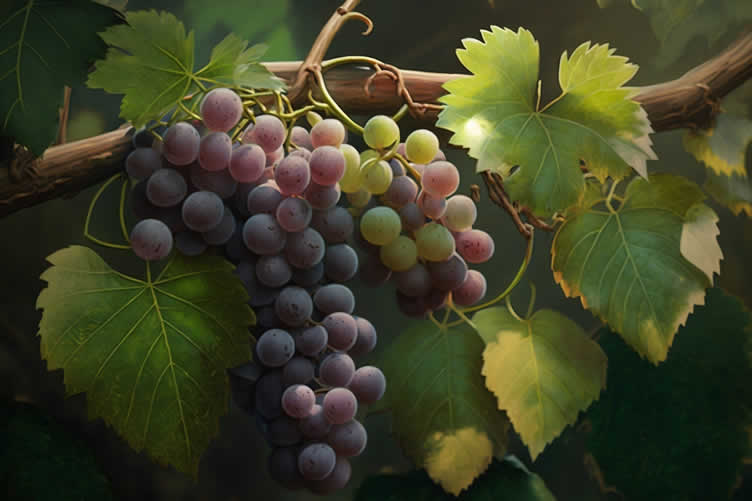
Harvesting
Monitor the ripeness of the grapes by checking for color change and tasting the fruit. Harvest the grapes using sharp pruning shears, cutting the clusters cleanly from the vine to avoid damage.
copyright image by 123rf.com
[ youtube: grape vine growing tips ]
[ youtube: pruning grape vines ]
-
-
4th: Common Issues in Grapevine Cultivation
Grapevine cultivation, even in a barrel, can present several challenges that may hinder the growth and fruit production of the plant. Understanding the common issues and their remedies is essential for maintaining a healthy and productive grapevine.
-
Pests
One of the most common problems in grapevine cultivation is the presence of pests such as aphids, spider mites, and grape leafhoppers. These pests can cause significant damage by feeding on the sap and foliage, leading to weakened plants and reduced yields.
-
Remedy:
Regularly inspect your grapevine for signs of pest infestation. Utilize organic insecticidal soaps or neem oil to manage minor infestations. For severe cases, appropriate chemical controls may be necessary.Additionally, introducing beneficial insects like ladybugs can help naturally keep pest populations in check.
-
-
Protection Against Predators
Grapevines are often targeted by various predators such as birds, squirrels, and other small animals that can damage or consume the fruits and foliage.
-
Remedy:
To protect your grapevine from these predators, you can install bird netting or erect physical barriers such as fencing around the plants. Employing scare devices like reflective tape, pinwheels, or decoys can also help deter birds.Additionally, securing the base of your grapevine with wire mesh can help prevent ground-dwelling animals like squirrels from accessing the plant. Regularly check and maintain these protective measures to ensure they remain effective.
-
-
Environmental Stress
Grapevines are also susceptible to environmental stress factors such as extreme temperatures, inadequate water supply, and nutrient deficiencies. These conditions can stunt growth and negatively impact fruit production.
-
Remedy:
Ensure consistent watering, especially during dry periods, and employ mulching to retain soil moisture. Utilize a balanced fertilizer to address nutrient deficiencies and monitor soil conditions regularly.Provide temporary shade during extremely hot weather to protect the plant from heat stress.
-
-
Diseases
Grapevines are susceptible to a variety of diseases, including powdery mildew, downy mildew, and botrytis bunch rot. These diseases can affect the leaves, stems, and fruit, causing discoloration, wilting, and decay.
-
Remedy:
To prevent disease, ensure good air circulation around the grapevine by proper pruning and spacing. Use fungicidal sprays as a preventive measure during wet and humid conditions.Remove and dispose of any infected plant material promptly to prevent the spread of disease.
-
-
Nutrient Deficiencies
A lack of essential nutrients can manifest in various forms, such as yellowing leaves (chlorosis), poor fruit set, and stunted growth. Common nutrient deficiencies in grapevines include nitrogen, potassium, and magnesium.
-
Remedy:
Conduct a soil test to determine the exact nutrient profile of your planting medium. Supplement the soil with balanced fertilizers containing the necessary nutrients.Organic compost can also provide a slow-release source of nutrition. Monitor the plant’s response and adjust the feeding regimen accordingly.
-
-
Watering Problems
Both overwatering and underwatering can cause serious issues for grapevines. Overwatering can lead to root rot and fungal diseases, while underwatering can stress the plant and result in poor fruit development.
-
Remedy:
Maintain consistent moisture in the soil by watering deeply but infrequently. Ensure the barrel has adequate drainage to prevent water from stagnating. During dry spells, increase the frequency of watering while monitoring the soil’s moisture content.
-
-
Sunlight Deficiency
Insufficient sunlight can hinder the grapevine’s ability to photosynthesize, resulting in poor growth and fruit production. Grapevines require full sun to thrive and produce high-quality grapes.
-
Remedy:
Position the barrel in an area where the grapevine receives at least six to eight hours of direct sunlight each day. If natural sunlight is limited, consider using grow lights to supplement the light requirements during critical growth periods.
-
copyright image by 123rf.com
[ youtube: vineyard black rot fungal disease and treatment ]
[ youtube search: protecting grapevines from predators ]
-
-
-
ideas to view and compare from the information discussed above
Scroll up to directory … or scroll to next section about growing grapes in wine barrels …
maintaining a vineyard and landscape garden

Budgeting Worksheet For Costing Wine Barrels and Other Garden and Home Improvement Needs
 File Type (excel)



remodeling decisions
fifth “photo remodeling” idea
copyright image by 123rf.com
Grape Tip 5: Harvesting and Enjoying Homegrown Grapes
Notes:
-
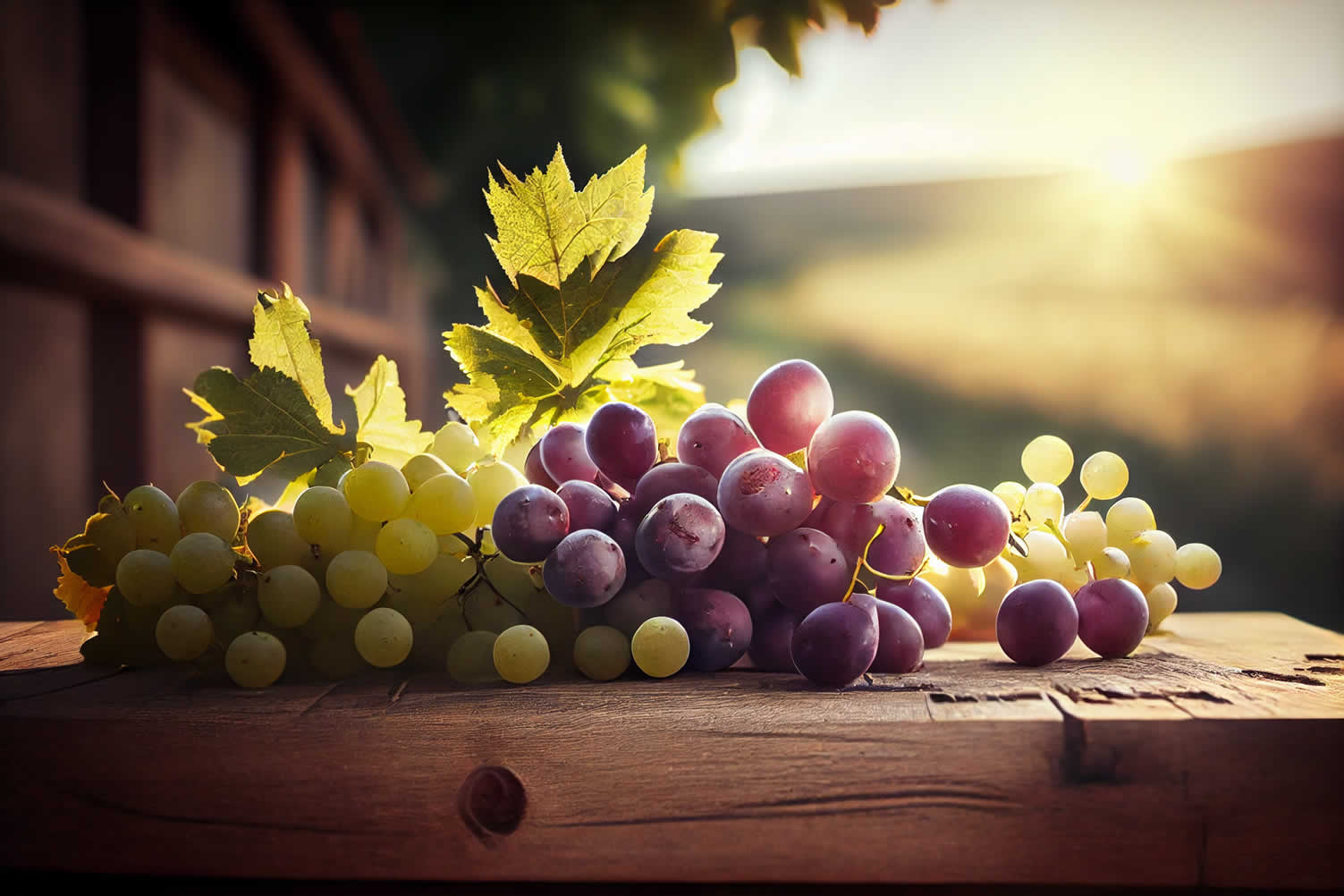
The snapshot of the harvest, the culmination of extended periods of meticulous labor and thoughtful planning, is a highly anticipated event for domestic wine growers. When the grapes reach their peak maturity, typically in early fall, it marks the perfect moment to commence the rewarding process of sharing your local bounty with others.
Harvesting grapes is an art that requires precision and perseverance to ensure each bunch reaches its peak quality. After picking, you can enjoy the grapes fresh off the vine as a healthy snack or use them to create a variety of delicious treats.
Incorporate fresh grapes into salads, desserts, or cheese platters. Alternatively, crush them to extract juice for homemade jam, popsicles, or salad dressings.
-
Quick scroll to “grape harvesting” side notes …
-
-
1st: Harvesting Grapes Cultivated in Barrels
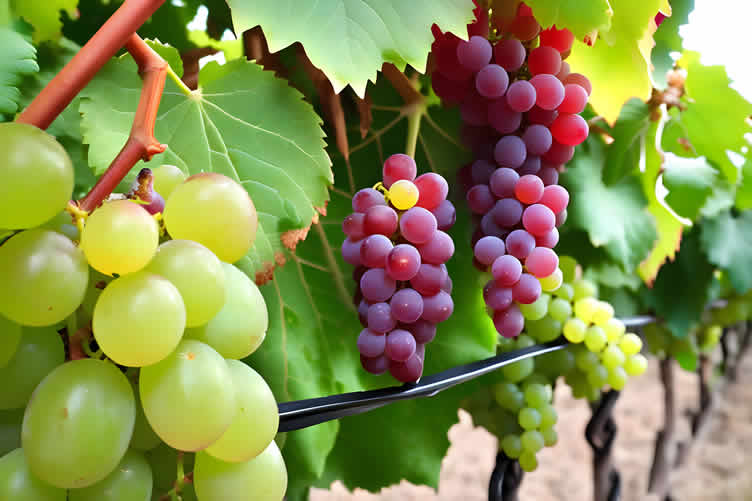
Harvesting grapes grown in barrels is an exciting and rewarding process, marking the culmination of months of meticulous care and attention. This method requires precise timing and proper techniques to ensure the best yields and highest quality grapes.
The following steps will guide you through the process of harvesting your barrel-grown grapes.
-
Step 1: Determine the Ripeness of the Grapes
The first crucial step in the harvesting process is to assess the ripeness of your grapes. This can be done by testing both the sugar content and acidity levels. Using a refractometer, measure the Brix level, which indicates the sugar content, aiming for a range that suits your specific grape variety.
Additionally, taste the grapes for sweetness and check for uniform color and firmness across the cluster.
-
Step 2: Prepare the Necessary Tools
Once ripeness is confirmed, prepare for the harvest by gathering essential tools. You’ll need sharp pruning shears, clean collection bins, and gloves to protect your hands.
Ensuring your tools are sanitized will help prevent the spread of any diseases or contaminants to your vines or fruit.
-
Step 3: Harvest the Grapes
Carefully cut the grape clusters from the vine using the pruning shears, avoiding any damage to the plant or remaining fruit. Handle the clusters gently to prevent bruising.
Place the harvested grapes into the collection bins, ensuring they are not piled too high to avoid crushing the lower layers.
-
Step 4: Sort and Inspect the Harvest
After collecting your grapes, sort through the harvest to remove any damaged, unripe, or diseased fruit. This step is essential to maintain the quality and purity of your final product, whether you are using the grapes for fresh consumption, juicing, or winemaking.
-
Step 5: Clean and Store the Grapes
Once sorted, rinse the grapes in clean water to remove dirt and debris. If you’re planning to store them before use, place the grapes in a cool, dry environment.
For those making wine, it’s often beneficial to start the fermentation process soon after harvesting to ensure the best flavor and quality.
-
Step 6: Post-Harvest Vine Care
After the grapes are harvested, give your grapevines some post-harvest care. Remove any remaining clusters, prune the vines to maintain shape and health, and address any pest or disease issues that may have arisen during the growing season.
This care will help ensure that your vines remain healthy and productive for the next growing season.
copyright image by 123rf.com
[ view diagram: when to harvest grapes ]
[ youtube: harvesting 11 lbs grapes from backyard ]
-
-
2nd: Handling and Storing Grapes
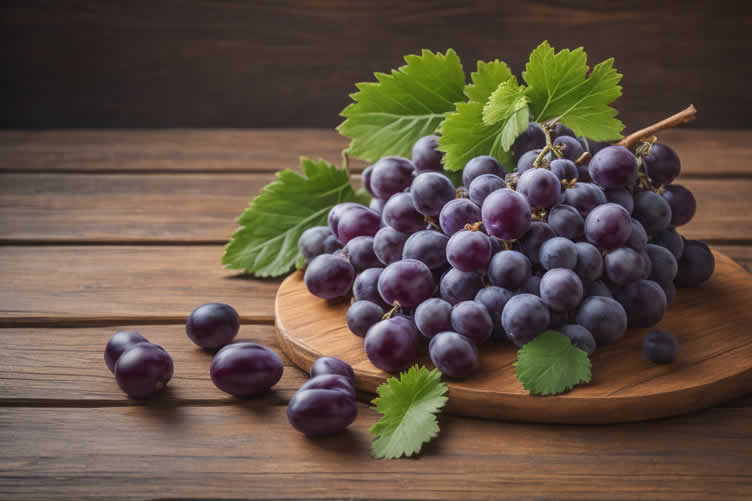
Handling and storing harvested grapes for eating requires meticulous attention to preserve their freshness, flavor, and nutritional benefits. Properly cared for, grapes can last for an extended period, ensuring that you enjoy them at their best.
Here’s a comprehensive guide to handling and storing grapes for maximum freshness and longevity.
-
Cleaning and Preparing Grapes
Before storing grapes, it’s vital to clean them thoroughly. Start by sorting through the grapes to remove any that are damaged or moldy.
Rinse the grapes under cold running water to wash away dirt, pesticides, and other residues. Gently pat them dry with a paper towel or let them air dry completely, as moisture can expedite spoilage.
-
Short-Term Storage
For short-term storage, place the cleaned and dried grapes in a plastic or glass container. Loosely cover the container with a lid or plastic wrap, allowing some ventilation to keep the grapes from becoming overly moist.
Store the container in the refrigerator, ideally in the crisper drawer where the humidity is higher. Grapes stored this way can retain their freshness for up to a week.
-
Long-Term Storage
If you need to store grapes for a longer period, freezing them is an excellent option. Spread the grapes in a single layer on a baking sheet and place them in the freezer.
Once fully frozen, transfer the grapes to a resealable plastic bag or airtight container. Frozen grapes can generally be stored for up to a year without substantial loss of quality. They make for a refreshing snack straight from the freezer or can be used in smoothies and desserts.
-
Additional Tips for Longevity
To extend the lifespan of your grapes further, consider using ethylene gas absorbers in your storage containers. Grapes produce ethylene gas, which can accelerate spoilage.
These absorbers can help in reducing the concentration of ethylene gas, thus prolonging the freshness of the grapes. Additionally, avoid washing grapes until you’re ready to eat them, as residual moisture can hasten spoilage.
copyright image by 123rf.com
[ view diagram: grapes 101 – selecting and storing grapes ]
[ youtube: best ways to preserve grapes ]
-
-
3rd: Introduction to Home Winemaking
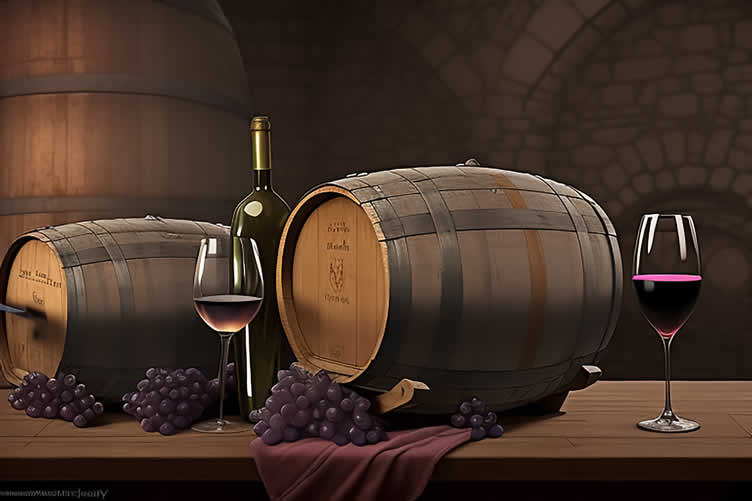
Home winemaking is a rewarding and fulfilling hobby that allows you to experience the entire process from vine to glass.
Growing grapes in barrels provides an accessible way to cultivate grapevines, even in limited spaces such as patios or small gardens. The final step in this journey is transforming your harvested grapes into wine, a process both exciting and meticulous.
Below, we outline the steps to follow for crafting your own wine at home.
-
Step 1: Crush the Grapes
The first step in winemaking is to crush the harvested grapes. This can be done by hand, using a fruit crusher, or even stomping them the old-fashioned way.
The purpose of crushing is to break the grape skins and release the juice, which is essential for fermentation. Place the crushed grapes, along with their skins, seeds, and stems, into a fermentation vessel.
-
Step 2: Primary Fermentation
During primary fermentation, the grape juice begins to ferment, transforming sugar into alcohol and carbon dioxide. Add yeast to your crushed grape mixture to kickstart this process.
Cover the vessel with a clean cloth to allow gases to escape while keeping contaminants out. Stir the mixture daily and maintain a temperature between 60-70°F (15-21°C). This step usually takes about one to two weeks.
-
Step 3: Press the Wine
Once primary fermentation is complete, it’s time to press the wine to separate the juice from the grape solids. You can use a hand-crank presser or any pressing method available to you.
Collect the liquid into a secondary fermentation vessel, such as a glass carboy, ensuring to leave the sediment behind.
-
Step 4: Secondary Fermentation
Transfer the wine into clean, airtight containers and fit them with airlocks. This secondary fermentation process is slower and helps to refine the wine’s flavors.
Store the wine in a cool, dark place at a consistent temperature, allowing it to ferment for another few weeks to a few months, depending on the type of wine you are making.
-
Step 5: Racking the Wine
Racking involves transferring the wine from one container to another (from tank to barrel or barrel to barrel) to remove sediment that has settled at the bottom. This process should be done carefully to avoid disturbing the sediment.
Racking promotes clarity and improves the taste of the wine. Repeat this process every few months until the wine no longer produces sediment.
-
Step 6: Bottling the Wine
Once secondary fermentation and racking are complete, and you are satisfied with the clarity and taste, it’s time to bottle your wine. Sterilize your bottles and fill them with wine, leaving a small gap at the top.
Cork the bottles securely and label them with the date and type of wine. Store the bottled wine in a horizontal position in a cool, dark place to age.
-
Step 7: Aging and Enjoying Your Wine
The aging process allows the wine to develop its full flavor profile. Some wines may require only a few months of aging, while others benefit from several years in the bottle.
Taste your wine periodically to determine the ideal aging period for your preference. Once aged to perfection, your homemade wine is ready to be enjoyed. Whether you celebrate with friends or savor it on a quiet evening, the culmination of your efforts is sure to be a delight.
copyright image by 123rf.com
[ view diagram: making home wine ]
[ youtube: making homemade wine from scratch ]
-
-
-
ideas to view and compare from the information discussed above
Scroll up to directory … or scroll to next section about growing grapes in wine barrels …
below for …
garden planting and maintenance services

Calendar For:
Home Maintenance
File Type:


Find Yard Maintenance Services Lawn Maintenance Sprinkler Systems Pest Control Tree & Shrubs top-rated, pre-screened local contractors FREE: download contractor selection enter zip code – powered by HomeAdvisor ™
Quick Contractor Guides selecting negotiating working with inspecting

sixth and last “photo remodeling” idea

copyright image by 123rf.com
Grape Tip 6: Expanding Your Cultivation: From Barrels to Orchards
Notes:
-
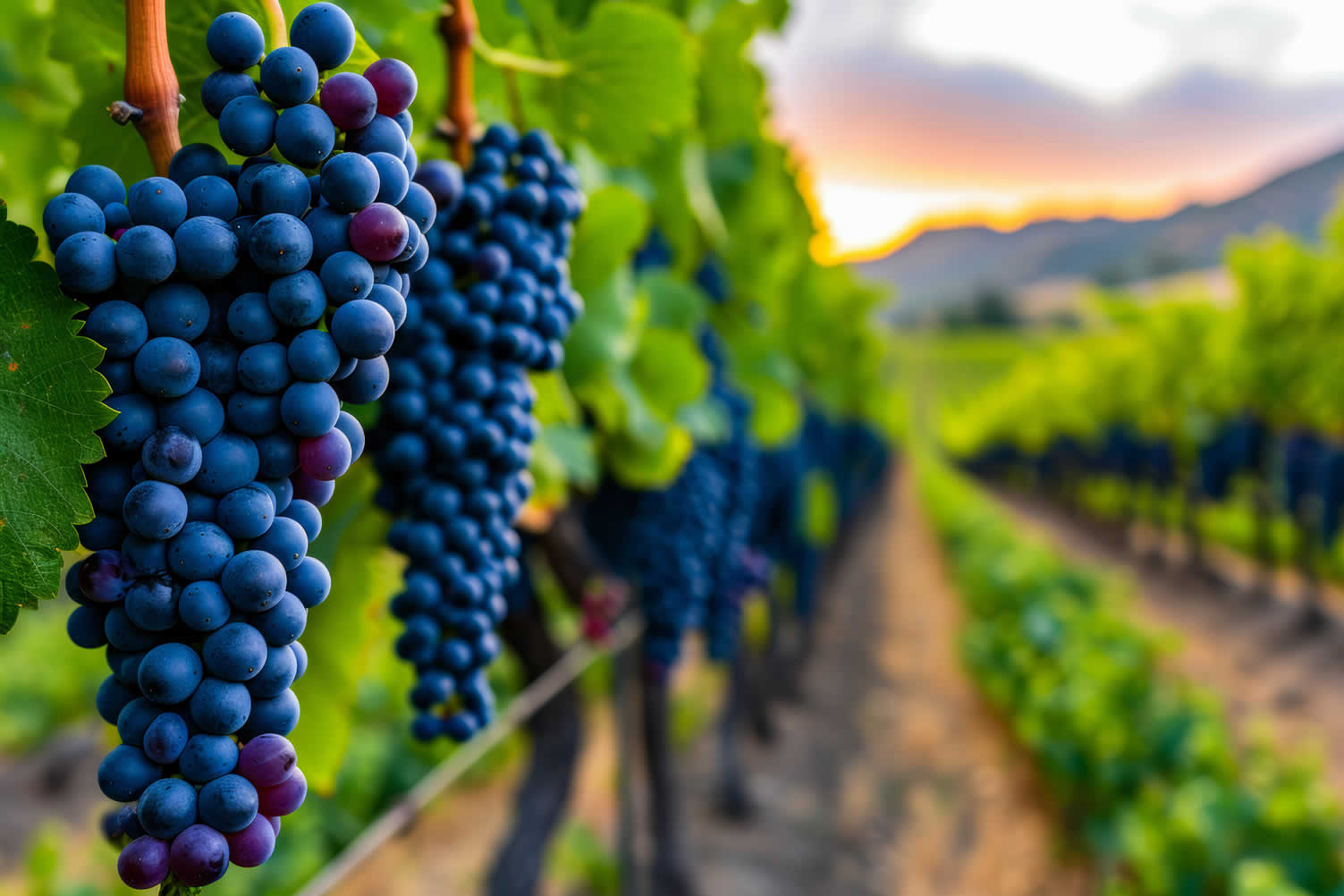
Transitioning from barrel grape cultivation to a full-scale orchard is an exciting and rewarding venture. Expanding your cultivation efforts not only increases your overall yield but also opens up opportunities for new grape varieties and innovative cultivation techniques.
With careful planning, proper site selection, and the right management practices, you can transform a small-scale operation into a thriving orchard.
Here, we will provide you with detailed information and guidelines to help you successfully expand your grape cultivation into an orchard. This will include selecting the right grape varieties, preparing your land, planting strategies, irrigation systems, pest control measures, and ongoing vineyard management practices essential for a flourishing orchard.
-
Quirk scroll to topic "expanding wine production" side notes …
-
-
1st: Setting Up a Grape Orchard Operation
Establishing a successful grape orchard requires meticulous planning and execution. From selecting the optimal location to implementing effective management practices, each step plays a vital role in ensuring a bountiful harvest.
In this comprehensive review, we’ll walk you through the essential aspects of setting up a grape orchard operation, providing detailed insights into each critical area.
-
Preparing the Land
Properly preparing the land is a crucial step to ensure the successful establishment and growth of your grapevines. Start by selecting a site with well-drained soil and good sun exposure, as grapevines thrive in locations that receive at least six to eight hours of direct sunlight per day.
Conduct a soil test to determine the nutrient levels and pH balance of your soil. Grape vines prefer a slightly acidic to neutral pH range of 5.5 to 7.0. If your soil does not meet these requirements, consider amending it with lime to raise the pH or sulfur to lower it.
Clear the area of any weeds, grass, and debris to minimize competition for nutrients and water. Deep cultivation or plowing is recommended to break up compacted soil layers and promote root penetration.
This process also allows you to incorporate organic matter, such as compost or well-rotted manure, which improves soil fertility, structure, and moisture retention.
Finally, consider implementing erosion control measures, such as planting cover crops or constructing terraces on sloped terrain, to protect the soil and maintain its integrity.
[ youtube: planning a view vineyard ]
-
Planting Strategies
Once the land is prepared, implementing effective planting strategies is crucial for the successful growth of your grapevines. Begin by choosing the right planting time; early spring, just after the last frost, is ideal for most regions. This allows the young plants to establish roots before the heat of summer.
When you are ready to plant, dig holes that are large enough to comfortably accommodate the root system of each grapevine. Space each hole about six to ten feet apart, depending on the grape variety and the trellis system you plan to use. This spacing ensures that the grapevines have enough room to grow and receive adequate air circulation, reducing the risk of disease.
Before placing the grapevines into the holes, it’s beneficial to soak the roots in water for a few hours to ensure they are well-hydrated. Position each vine so that the root crown is level with the soil surface, and then backfill the hole with soil, gently firming it around the roots to remove air pockets.
Water the newly planted grapevines thoroughly to settle the soil around the roots and provide initial moisture. Applying a layer of mulch around the base of each vine can help retain soil moisture and suppress weed growth. Be mindful not to apply mulch directly against the vine stems, as this can promote rot.
Regularly monitor the vines for signs of stress or disease, and adjust your care routine as needed to ensure vigorous growth.
[ youtube: planting grapes ]
-
Building Support Systems
Constructing a robust support system for your grapevines is essential to promote healthy growth and maximize fruit production. Trellises are the most common support structures used in grape orchards. They help manage vine growth, optimize sunlight exposure, and ease harvesting.
Begin by selecting durable materials such as wood or metal for the trellis posts, ensuring they are properly treated to withstand weather conditions. Install the posts in rows, spacing them 15 to 20 feet apart, and anchor them securely into the ground.
Run high-tensile wire or galvanized steel wire horizontally between the posts, typically at heights of 2.5 to 3 feet for the first wire and 5 to 6 feet for the upper wire.
Training the vines to grow along these wires encourages better air circulation and exposes the grape clusters to ample sunlight, reducing the risk of disease and promoting even ripening. During the first year, tie the young vines loosely to the lower wire and guide them upward as they grow.
Pruning also plays a critical role in maintaining the desired structure and ensuring the grapevines remain productive. Regularly inspect the trellis for tension and stability, and make adjustments as needed to provide consistent support for your grapevines.
[ youtube: how to build a grape vine trellis ]
-
Irrigation Systems
Implementing an effective irrigation system is crucial for maintaining the health and productivity of your grapevines. Consistent and adequate water supply ensures that the vines have the necessary hydration to support growth and fruit production.
There are several types of irrigation systems to consider, each with its benefits and drawbacks.
-
Drip Irrigation
Drip irrigation is widely regarded as one of the most efficient methods for watering grapevines. This system delivers water directly to the root zone through a network of tubing and emitters, minimizing waste and evaporation.
Drip irrigation allows for precise control over the amount and frequency of water application, making it easier to meet the specific needs of your vineyard. Moreover, this system reduces the risk of fungal diseases by keeping the foliage dry.
-
Overhead Sprinkler Systems
Overhead sprinkler systems distribute water through a network of pipes and sprinklers positioned above the grapevines. While this method can cover large areas and be used for frost protection, it is generally less efficient than drip irrigation.
Water is often lost to evaporation and wind drift, and the wetting of foliage can promote disease. However, overhead systems are relatively easy to install and can be suitable for larger vineyards with appropriate management practices.
-
Surface Irrigation
Surface irrigation, including furrow and basin methods, involves applying water directly to the soil surface and allowing it to infiltrate the root zone. This traditional method is less expensive to install but requires more water and can lead to uneven distribution if the soil has varying infiltration rates.
Additionally, surface irrigation can lead to waterlogging and root diseases, particularly in vineyards with heavy soils.
-
Choosing the Right System
Selecting the appropriate irrigation system for your vineyard depends on several factors, including the size of the vineyard, soil type, water availability, and budget. It’s essential to evaluate the water needs of your grapevines throughout the growing season and choose a system that can deliver consistent and efficient irrigation.
[ youtube: drip irrigation in grapes orchard ]
-
copyright image by 123rf.com
-
Implementing Smart Technology
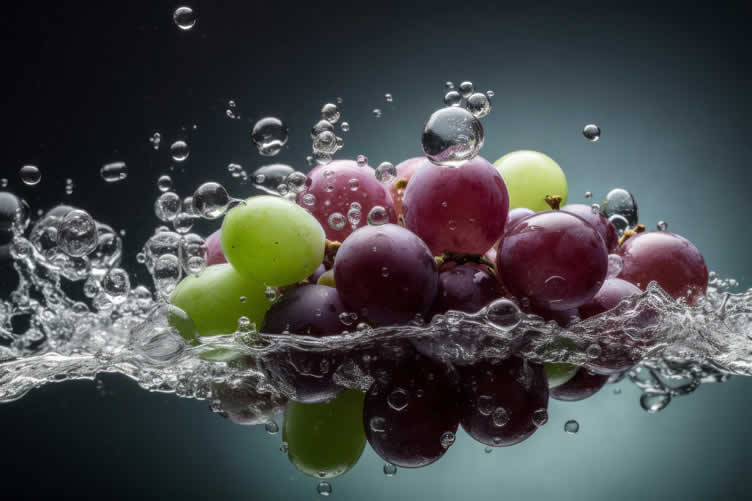
Incorporating smart technology into your vineyard irrigation system can significantly enhance water use efficiency and overall vineyard management. Smart irrigation controllers, which use weather data and soil moisture sensors, can automatically adjust watering schedules to align with current environmental conditions.
This precision helps prevent overwatering and ensures that grapevines receive the optimal amount of water for their growth stages.
Moreover, advanced drip irrigation systems can be integrated with remote monitoring capabilities, allowing vineyard managers to oversee and control irrigation operations through mobile devices or computers. Automated alerts can notify managers of system malfunctions or leaks, enabling prompt intervention and minimizing water waste.
Additionally, using data analytics and artificial intelligence, smart irrigation systems can predict water needs based on historical data, crop stages, and weather forecasts.
This proactive approach supports sustainability and can lead to healthier grapevines and better quality harvests.
[ youtube: using technology & data to drive sustainable agriculture ]
-
Pest, Rodent, and Bird Control Measures
Effective pest, rodent, and bird control is crucial for maintaining the health and productivity of your vineyard. These intruders can significantly damage grapevines, leading to reduced yields and inferior fruit quality. Implementing an integrated pest management (IPM) strategy is essential to mitigate these risks.
-
Disease Control
Disease management is crucial for maintaining healthy grapevines and ensuring high-quality fruit production. Regular inspection of vineyards for signs of common diseases, such as powdery mildew, downy mildew, and botrytis bunch rot, enables early detection and treatment.
Cultural practices, including proper pruning and canopy management, enhance air circulation and sunlight penetration, reducing the likelihood of disease. The use of disease-resistant grape varieties can further mitigate risk.
When necessary, fungicides may be applied, but they should be used in a targeted and balanced manner to prevent resistance development and minimize environmental impact.
Integrating these practices within an IPM framework ensures sustainable disease control and preserves the overall health of the vineyard ecosystem.
-
Pest Control
Regular monitoring is the first step in pest control, allowing you to identify potential threats early. Biological control methods, including the introduction of beneficial insects like ladybugs and parasitoid wasps, can naturally manage pest populations.
Chemical controls, such as insecticides, should be used judiciously and as a last resort to avoid harming non-target species and beneficial organisms.
-
Rodent Control
Rodents can cause substantial damage to grapevines by gnawing on roots and stems. Effective rodent control strategies include habitat modification to reduce shelter areas, such as mowing grass and removing debris.
Traps and rodenticides can also be used, but care must be taken to ensure these measures do not pose risks to other wildlife or pets. Encouraging natural predators like owls and hawks can provide an additional layer of rodent control.
-
Bird Control
Birds can peck at grape clusters, leading to significant crop loss and quality degradation. Netting is one of the most effective physical barriers to protect grape clusters from bird damage.
Reflective tapes, scare devices, and sonic deterrents can also be implemented to discourage birds from entering the vineyard. However, these methods are often most effective when used in combination, as birds can become accustomed to a single deterrent over time.
[ youtube search: disease and pest control ]
-
-
Ongoing Vineyard Management Practices:
Maintaining a productive and healthy vineyard requires continuous and meticulous management practices throughout the growing season. Regular monitoring of vine health and soil conditions is essential to promptly address any emerging issues.
Pruning is a crucial practice not only for shaping the grapevines but also for encouraging optimal fruit production and air circulation, which can reduce disease incidence.
Irrigation management is another vital aspect, ensuring that vines receive adequate water without promoting excessive vegetative growth or waterlogging, both of which can stress the plants and affect fruit quality.
Mulching and cover cropping help in preserving soil moisture, preventing erosion, and enhancing soil fertility through organic matter addition.
Additionally, nutrient management is key to fostering vine growth and fruit development. Soil tests and leaf analyses should guide the application of fertilizers, ensuring that vines receive balanced nutrition. Integrated use of organic and inorganic fertilizers can help maintain soil health and fertility.
Canopy management practices, such as leaf thinning and shoot positioning, ensure that the grape clusters receive sufficient sunlight and airflow, which is crucial for ripening and disease control.
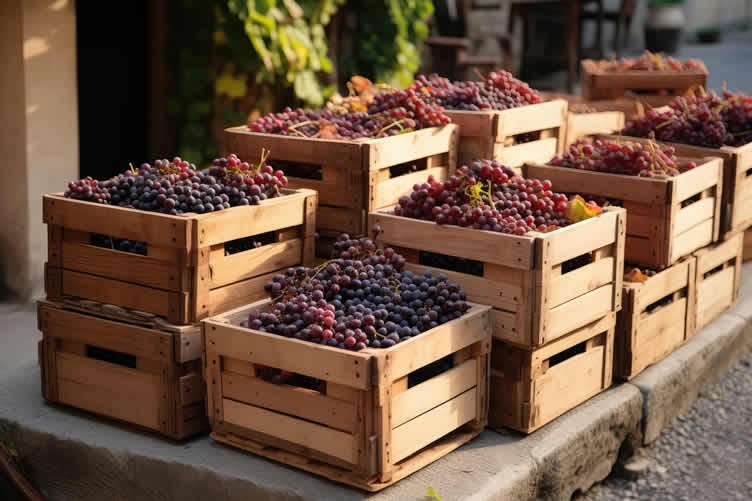
Harvesting decisions are also pivotal and should be based on regular monitoring of sugar levels, acidity, and tannin development to pick grapes at their peak maturity for optimal wine quality.
By incorporating these ongoing management practices into your vineyard routine, you can create a thriving environment conducive to producing high-quality grapes and ensure the long-term success and sustainability of your vineyard.
[ youtube: vineyard management and care ]
copyright image by 123rf.com
-
-
2nd: Getting Help to Set Up Your Vineyard
Embarking on the journey of establishing a vineyard and wine-making business is an ambitious and rewarding endeavor, but it often requires expert advice and comprehensive planning.
Consulting with viticulturists and oenologists can provide invaluable insights into selecting the right grape varieties for your region, optimizing vineyard layout, and managing soil health. These professionals can also assist in identifying potential site challenges and advising on suitable pest and disease management approaches.
In addition to expert consultations, joining local or regional winegrower associations can be highly beneficial. These organizations offer resources such as workshops, seminars, and networking opportunities with other growers.
Such connections can facilitate the exchange of knowledge and experiences, helping you stay informed about industry trends and best practices.
LetsRenovate has partnered with HomeAdvisor™, a renowned provider of highly-rated, carefully-vetted local contractors. Start your search here by choosing the type of contractor you need and entering your zip code to find local professionals.
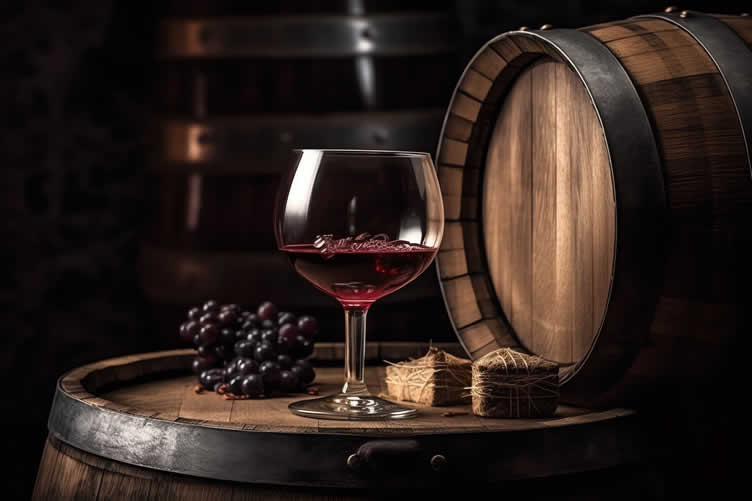
A critical component of a successful wine-making business is the establishment of a functional wine cellar. This space is essential not only for the production phase but also for storing and aging your wine.
Consider investing in climate control systems to maintain optimal temperature and humidity levels, as these factors significantly impact the quality and longevity of your wine. Collaborating with cellar design experts can ensure that your wine storage solutions meet industry standards and enhance operational efficiency.
By leveraging professional advice and support networks, aspiring vineyard owners can navigate the complexities of viticulture and wine production efficiently, setting their ventures up for long-term success.
copyright image by 123rf.com
But Wait!
Before commencing the search and evaluation of professional help, it is highly advisable to download and utilize this comprehensive worksheet. Doing so will equip you with all the necessary information and tools to make informed decisions, thereby streamlining the entire process.
This resource will facilitate the impartial ranking and evaluation of potential services, considering crucial factors such as pricing.

Evaluation Sheet
File Type:
-
-
FINAL REMARKS
Growing grapes in wine barrels on-site offers a smart and delightful way to experience the joys of viticulture, even in limited spaces or climates. By selecting the right wine barrels, grape varieties, and cultivating techniques, contract holders can nurture robust grapevines that produce exceptional fruits for fresh consumption, preservation, or winemaking.
Whether you’re an experienced gardener looking to diversify your crop or a wine enthusiast eager to explore winemaking from vine to bottle, transforming your deck or patio into a mini grape vineyard can be a gratifying venture that excites the senses and ignites the imagination.
Let’s raise a glass to the advancement of home grape vineyards and wish that your homegrown grapes bring prosperity and joy to your table for many harvests to come!
-
ideas to view and compare from the information discussed above
- What comments can you share about
growing grapes in wine barrels?
Scroll up to directory … or scroll to more yard n’ garden-related topics …

plan the specifications you need for setting up …

… grape vineyard and other home improvement and remodeling decisions
view illustration “becoming a bank”


home remodeling – improvement – repair
AI generated image credit: growing grapes in wine barrels by 123rf.com
end of post … please share it!
 |
did you find how growing grapes in wine barrels analysis helpful? If so, please share the article with your friends and family! |
Nice pic idea? Leave us a quick comment below.
And please share this pic idea within your social networks.