copyright image by Pixabay | Pixabay
What to know about nasturtium –
Notes:
-
About nasturtiums:
Nasturtiums are mostly grown from seed as a half-hardy annual and both single and double varieties. It comes in a range of forms and colors including cream, yellow, orange and red, solid in color or striped and often with a dark blotch at the base of the petals.
- It is vigorous and easily grown and does well in sun. It thrives in poor soil and dry conditions, whereas in rich soil it tends to produce much leafy growth and few flowers. Some varieties adopt a bush form while others scramble over and through other plants and are useful for planting in awkward spots or for covering fences and trellises.
- REFERENCE: information lifted from wikipedia
INFO: nasturtium: a favorite old-fashioned flower -
Where to grow:
Nasturtiums are easy to grow from seed in sunny areas – but they can tolerate some shade. They are perfect for ground cover, filling up spots, covering awkward garden spots, and for hanging baskets. The leaf of the nasturtium is edible and contains vitamin C and other nutrients. Many gardeners use the leaf as peppering flavor for a salad and in other meals.
- Nasturtiums can survive a mild winter and can return the following season. The flower grow best in poorer soils that don’t need fertilizer. Nasturtiums grown in fertile soil will produce more leaf than flower. That may be your purpose if plan to harvest the nasturtium leaf.
- INFO: how to plant, grow, and care for nasturtium flowers
INFO: health benefits of nasturtium -
Garden Planning:
use nasturtiums as ground covers, in containers, and as climbers up against a fence or other object. They prefer full sun (4-6 hours), but will do well in partial shady area that get intermittent sun.
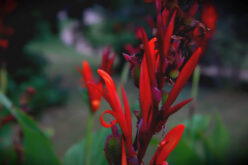
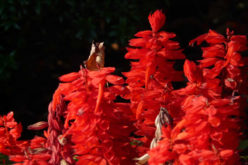
- The flower colors are red, salmon, orange, white and yellow. The nasturtium leaf is round and broad shape.
- Nasturtiums prefer cooler climates – they don’t do well under extreme hot condition. They can survive a light frost – and can survive the winter in mild climates. However, a heavy frost will take out the plant – the need to replant in the spring for next seasonal growth.
- INFO: nasturtium garden ideas
INFO: garden planning for nasturtiums
INFO: how to care for nasturtiums in winter -
Care and Harvesting:
you can easily collect seed from the nasturtium flower for storage and planting the next season. As noted, nasturtiums are east to grow. Simply seed in the early spring for transplanting to the garden after the final spring frost.
- The entire nasturtium plant is edible. So you can harvest the leaf and flower during the season for dishes and salads.
- INFO: how to harvest nasturtium seeds
INFO: nasturtium receipes -
Summary:
Light: sun
Soil: well drained and moist
Height: 6-12 inches, 1 to 3 feet
Width: 12-18 inches feet
Flower: red, orange, white, pink, yellow
Foliage: blue/green
Season: summer and fall blooms until first deep frost
Features: low maintenance, good for containers, attracts birds
Benefits: deer resistant, drought tolerant
Propagation: seed, stem cuttings
Zones: 9, 10
INFO: view growing zones - What comments can you share?


Part-Sun Annuals
 links open new win
or simply search by entering annual flower name or other remodeling need
Find Landscaping/Maintenance Landscape Design Landscape Maintenance Pest Control Sprinkler Systems Tree & Shrubs Water Features top-rated, pre-screened local contractors FREE: download contractor selection enter zip code – powered by HomeAdvisor ™


planning your summer flower garden:
other related garden landscaping:
planting Vegetable Gardenyummy fruit orchardusing Ornamental Grasseslandscaping with shrubstypes of shade trees

Cover image credit: creeping nasturtuim by Pixabay
end of post … please share it!
Nice pic idea? Leave us a quick comment below.
And please share this pic idea within your social networks.