Summary Outline –
Understanding the science behind this natural phenomenon, knowing where and when to find the most spectacular displays, and learning how to create your own autumn showcase can deepen your appreciation for this remarkable seasonal transition.
Whether you’re planning a fall foliage road trip, considering which trees to plant in your landscape, or simply curious about the magic happening in your backyard, this comprehensive guide will help you navigate the fascinating world of autumn colors.
From the biochemical processes that create these stunning hues to practical tips for maintaining your trees for optimal color display, you’ll discover everything needed to fully appreciate and participate in nature’s annual celebration.
- post content … analysis/ fall foliage guide
- 1st: Why Trees Change Colors
- 2nd: Types of Trees with Vibrant Fall Colors
- 3rd: Best Regions in the US for Fall Foliage
- 4th: Planting Your Own Colorful Show
- 5th: Maintaining Your Trees for Best Color
- 6th: Find Landscaping Help
- conclusion
- other yard n’ garden topics

-
- —— begin first topic ——
-
1st TERM: Why Trees Change Colors
The vibrant transformation of deciduous trees in autumn is one of nature’s most breathtaking phenomena. Each fall, as lush green canopies transition to brilliant shades of red, orange, and yellow, a complex series of scientific processes quietly unfolds.
This transformation is not only a visual delight but also a powerful example of how nature adapts to environmental changes. To truly appreciate this beautiful display, it’s essential to understand the science behind it.
[ view summary table: why color change ]
-
The Role of Chlorophyll and Its Decline
Throughout spring and summer, chlorophyll is the primary pigment responsible for a tree’s green foliage. Chlorophyll plays a critical role in photosynthesis, allowing trees to convert sunlight into energy.
However, as daylight becomes shorter and temperatures drop in the fall, trees begin to prepare for winter by conserving their energy. During this process, chlorophyll production dramatically slows and eventually halts, causing the green color of the leaves to fade.
This decrease in chlorophyll reveals the other pigments that have been present in the leaves all along, giving rise to the diverse palette of autumn colors.
-
Unveiling Carotenoids and Xanthophylls
When chlorophyll breaks down, pigments such as carotenoids and xanthophylls become more visible. These pigments are responsible for the captivating yellows and oranges often associated with species like birches, hickories, and sugar maples.
Carotenoids and xanthophylls maintain stability even as chlorophyll diminishes, ensuring that the sunny hues of autumn leaves brighten the landscape.
Unlike some other pigments, these compounds are present in leaves year-round, hidden by the dominance of chlorophyll during the growing season.
-
Anthocyanins and the Red Spectacle
The striking reds and purples of autumn leaves result from anthocyanins, pigments that trees produce specifically in the fall. Unlike carotenoids, anthocyanins are not consistently present.
They are synthesized as a response to certain environmental factors, such as sunny days followed by cool nights.
The production of anthocyanins may serve to protect leaves from excessive sunlight or help trees recover any remaining nutrients before shedding their foliage.
Species like red maples, sumacs, and dogwoods exhibit particularly vivid reds, making them some of the most iconic contributors to autumn landscapes.
-
The Influence of Environmental Conditions
Environmental factors play a crucial role in the intensity and duration of fall colors. Temperature, light, and soil moisture all impact pigment production.
Cool, but not freezing, nighttime temperatures combined with sunny days promote the highest production of anthocyanins, leading to more vibrant reds.
On the other hand, drought stress or unseasonably warm fall weather can dull these colors. The timing of leaf transformation can vary each year depending on these conditions, making each autumn unique.
-
The Adaptive Function of Leaf Drop
The dramatic color change in leaves serves as a precursor to their eventual drop—a crucial adaptation for deciduous trees to survive winter. By shedding their leaves, trees reduce water loss and avoid damage from heavy snow loads.
The pigments we admire in autumn are part of a strategic process that allows trees to reclaim valuable nutrients, such as nitrogen and phosphorus, before discarding their foliage.
This efficient recycling system ensures the tree’s health and vitality into the next growing season.
References:
- "Why Do Leaves Change Color in the Fall?" U.S. Forest Service, https://www.fs.usda.gov.
- Hoch, Günter. "Leaf Pigments and the Autumn Colors," Journal of Plant Growth Regulation, vol. 16, no. 4, 1997, pp. 282-296.
- Lee, David W., "Anthocyanins in Autumn Leaves," Advances in Botanical Research, vol. 37, 2002, pp. 147-163.
- "Chlorophyll and Plant Pigments," American Society of Plant Biologists, https://aspb.org/
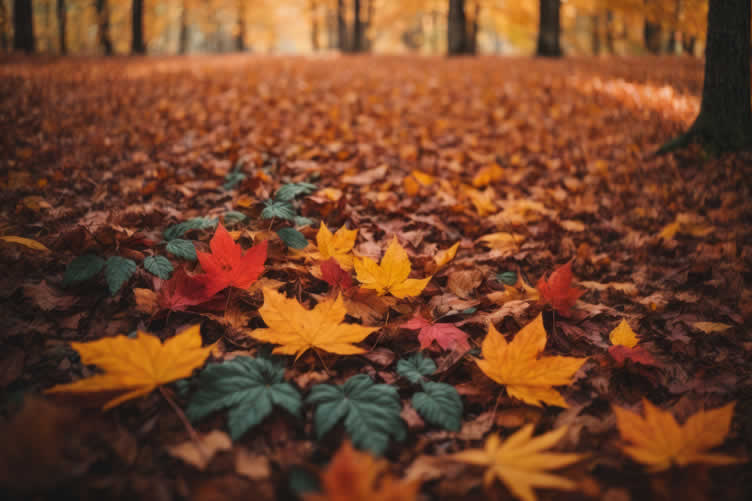
Process/Component Description Impact Chlorophyll Decline Chlorophyll, which gives leaves their green color, breaks down in the fall as trees conserve energy and prepare for winter. Reveals other pigments like carotenoids, leading to the appearance of vibrant fall colors. Carotenoids & Xanthophylls These pigments produce yellow and orange hues and remain stable even when chlorophyll fades. Brightens landscapes with sunny tones, especially in species like birches, hickories, and sugar maples. Anthocyanins Produced in response to environmental factors, these pigments create red and purple shades. Contributes to striking red hues in species like red maples and dogwoods, offering a protective function for leaves. Environmental Conditions Factors like temperature, sunlight, and soil moisture influence pigment intensity and leaf transformation. Determines the vibrancy of autumn colors, varying year to year based on conditions. Leaf Drop After changing color, leaves are shed to prevent water loss and protect trees in winter. Ensures nutrient recycling and tree health for the next growing season. 

copyright image by 123rf.com
[ view diagram: how chlorophyll in trees work ]
[ youtube: Real Reason Leaves Change Color In the Fall ]
-
Scroll up to directory … or scroll to next section about this fall foliage guide …

-
-
2nd TERM: Types of Trees with Vibrant Fall Colors
Selecting the right tree species can transform your landscape into a breathtaking tapestry of autumn hues. Each species offers unique attributes, from vibrant reds to golden yellows, that can be strategically combined to extend and diversify your fall foliage experience.
Here, we unpack some of the most captivating tree species renowned for their lively autumn displays and the characteristics that make them stand out.
[ view images/summary table: types of trees ]
-
Sugar Maple (Acer saccharum)[ view]
Known as the quintessential symbol of fall, the sugar maple delivers one of the most dazzling autumn color shows. Its leaves transition through a striking spectrum of yellow, orange, and fiery red, often appearing as though the tree is aflame.
Preferring well-drained, fertile soil and thriving in both urban and rural environments, sugar maples are an excellent choice for homeowners seeking consistent, brilliant fall hues.
-
Red Maple (Acer rubrum)[ view]
The red maple brings versatility and adaptability to any fall landscape. Its foliage transforms into deep crimson, gold, or even orange tones, often appearing earlier than other species in the season.
Red maples tolerate various soil types, from boggy lowlands to drier uplands, making them a widely accessible species for diverse environmental conditions. Their bold, vibrant reds are often the hallmark of northeastern fall scenery.
-
Birch (Betula spp.)[ view]
Birch trees, with their graceful, slender trunks and vibrant yellow foliage, add an elegant, understated beauty to fall landscapes. Their golden leaves seem to shimmer as they catch the sunlight, creating a luminous effect that contrasts wonderfully with the tree’s white bark.
Birch trees thrive in cool, moist environments and are particularly well-suited to regions with ample sunlight.
-
Black Tupelo (Nyssa sylvatica)[ view]
A standout for its striking, multi-colored foliage, the black tupelo offers a brilliant blend of dark purple, red, orange, and yellow leaves, often appearing simultaneously.
This species is a robust choice for wetter soils and is particularly valued for its wildlife benefits, offering nectar in the spring and a food source for birds. Its bold autumn palette and glossy leaves make it a landscape favorite.
-
Sassafras (Sassafras albidum)[ view]
Sassafras trees are unique in that their leaves can take on multiple shapes (oval, mitten-shaped, or three-lobed) on the same tree, creating a dynamic texture.
Their autumn colors range from brilliant orange to red, with occasional hints of purple, resulting in a uniquely vibrant display. Known for their aromatic bark, sassafras trees also impart a sensory experience beyond their visual appeal.
-
Ginkgo (Ginkgo biloba)[ view]
Often referred to as a "living fossil," the ginkgo tree is celebrated for its fan-shaped leaves that turn a radiant, buttery yellow as fall progresses. Ginkgo trees are extremely hardy, disease-resistant, and well-suited for urban landscaping.
When their leaves fall, they often drop all at once, creating a golden carpet beneath the tree, making them a spectacular focal point in any garden.
-
Oak (Quercus spp. – Scarlet and Red)[ view]
Oaks, particularly scarlet and red varieties, are notable for their deep and rich ruby hues that often linger late into the season. These stately trees offer a bold statement in larger landscapes and pair beautifully with species showcasing lighter autumn tones.
Oak trees are durable and long-lived, making them an investment in both beauty and future generations.
-
Hickory (Carya spp.)[ view]
Hickory trees contribute warm golden tones to the autumn palette, often complementing the more vivid reds and oranges of other species. Their sturdy trunks and brilliant yellow leaves make them a striking addition to rustic or expansive landscapes.
Hickories thrive in rich, well-drained soils and are a favorite among those seeking both aesthetics and durability.
-
Quaking Aspen (Populus tremuloides)[ view]
Quaking aspens bring life and motion to fall foliage displays, with their delicate, round leaves fluttering in even the slightest breeze. These trees showcase a spectrum of bright yellows and shimmering gold, creating a luminous effect.
Aspens are particularly dominant in mountainous regions, where their vibrant colors contrast against rugged backdrops.
-
Sweetgum (Liquidambar styraciflua)[ view]
Known for their intricate, star-shaped leaves, sweetgum trees deliver a remarkable variety of fall colors, from crimson red to orange, yellow, and sometimes even purple.
This remarkable spectrum often appears on the same tree, producing an impressionistic effect reminiscent of a painter’s palette. Sweetgum trees thrive in moist climates and provide exceptional shade during summer months.
-
Crape Myrtle (Lagerstroemia indica)[ view]
Though often celebrated for their stunning summer blooms, crape myrtles do not disappoint in autumn. They offer a rich range of deep reds and oranges during fall, with peeling bark that provides additional winter interest.
Perfectly suited to warmer climates, crape myrtles are a versatile choice for year-round beauty.
-
Dogwood (Cornus florida)[ view]
Dogwoods are beloved for their scarlet fall leaves and vivid red berries, which attract birds and add a touch of wildlife interest.
They excel as small ornamental trees, fitting perfectly into compact spaces or along garden borders. Their dark, textured bark makes them striking even after their leaves have fallen.
-
Beech (Fagus spp.)[ view]
Beech trees bring an understated elegance to fall foliage with their golden-bronze leaves that often persist through the winter months.
Their smooth, gray bark adds year-round visual appeal, making them a classic choice for more formal or wooded landscapes. Beech trees thrive in well-drained soils and are long-lived additions to a property.
-
Other Notable Species[ see below]
Other notable options for vibrant autumn displays include the Japanese maple (Acer palmatum) with its lacey red foliage and the sumac tree (Rhus spp.) known for its bright red, sherbet-orange tones.
Cherry trees (Prunus spp.) also provide a subtle blend of yellows and reds, serving as gentle accents in landscaped gardens.
References:
- Dirr, M. (2009). Manual of Woody Landscape Plants. Stipes Publishing.
- Gilman, E. F., & Watson, D. G. (2006). US Forest Service Fact Sheets. U.S. Department of Agriculture.
- Leopold, D. J. (2005). Native Plants of the Northeast. Timber Press.
- University of Vermont Extension. (2021). “Fall Foliage Tree Guide.”
- Missouri Botanical Garden. (n.d.). “Trees for Fall Color.” Accessed October 2023.
Tree Species Fall Color Key Characteristics Ideal Conditions Sugar Maple (Acer saccharum) Yellow, Orange, Fiery Red Quintessential fall tree; brilliant, consistent hues Well-drained, fertile soil; urban and rural adaptability Red Maple (Acer rubrum) Deep Crimson, Gold, Orange Versatile and adaptable; early-season foliage Varied soil types; tolerates boggy and dry areas Birch (Betula spp.) Vibrant Yellow Elegant; shimmering golden leaves with white bark Cool, moist environments; ample sunlight Black Tupelo (Nyssa sylvatica) Purple, Red, Orange, Yellow Multi-colored foliage; attracts wildlife Wetter soils; robust and durable Sassafras (Sassafras albidum) Orange, Red, Purple Unique leaf shapes; aromatic bark Well-drained soils; diverse sensory appeal Ginkgo (Ginkgo biloba) Radiant Yellow Hardy, pest-resistant; fan-shaped leaves Urban landscaping; tolerates pollution Oak (Quercus spp. – Scarlet and Red) Deep Ruby Bold, stately trees; late-season colors Rich, well-drained soil; long-lived Hickory (Carya spp.) Golden Yellow Sturdy trunks; complements reds and oranges Rich, well-drained soil Quaking Aspen (Populus tremuloides) Bright Yellow, Gold Fluttering leaves; luminous effect Mountainous regions; cool climates Sweetgum (Liquidambar styraciflua) Crimson, Orange, Yellow, Purple Star-shaped leaves; painter’s palette effect Moist climates Crape Myrtle (Lagerstroemia indica) Deep Red, Orange Rich fall colors; peeling bark Warm climates; year-round interest Dogwood (Cornus florida) Scarlet Red Ornamental; red berries for wildlife Compact spaces; well-drained soils Beech (Fagus spp.) Golden Bronze Understated elegance; smooth gray bark Well-drained soils; formal landscapes Japanese Maple (Acer palmatum) Lacey Red Fine-textured autumn foliage Partial sunlight; rich soils Sumac (Rhus spp.) Bright Red, Sherbet Orange Vivid tones; striking accents Well-drained soil; sunny locations Cherry Trees (Prunus spp.) Yellow, Red Gentle accents; subtle autumn hues Moist but well-drained soil 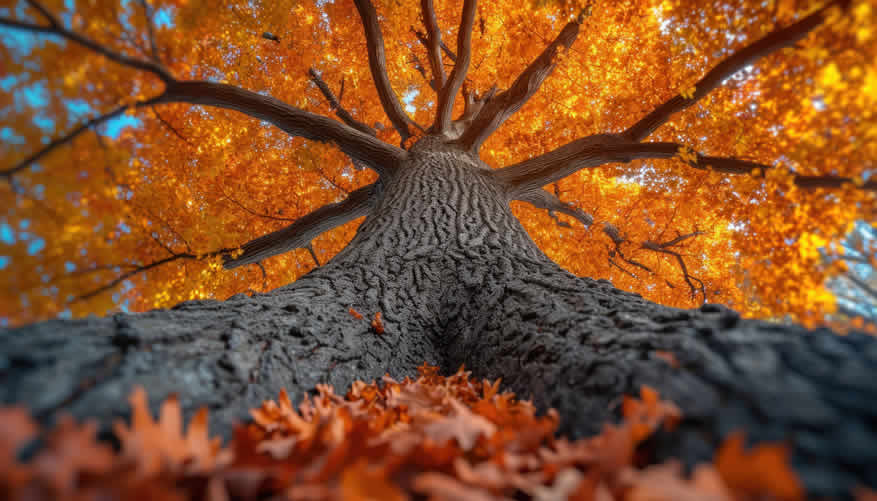
copyright image by 123rf.com
-
Scroll up to directory … or scroll to next section about this fall foliage guide …
-
-
3rd TERM: Best Regions in the US for Fall Foliage
The United States offers an incredible diversity of fall foliage displays, each shaped by the region’s climate, topography, and tree species. From vibrant maple forests in the Northeast to golden aspens in the Rockies, the changing leaves create breathtaking canvases that attract visitors from around the world.
Understanding these regional variations, including their distinct timing and unique colors, can help you plan the perfect autumn escape.
[ view images/summary table: fall foliage regions ]
-
The Northeast[ view]
The Northeast is arguably the most famous region for fall foliage, celebrated for its dense forests and picturesque landscapes. States like Vermont, New Hampshire, and Maine transform into a sea of fiery reds, bright oranges, and golden yellows during peak foliage season, typically late September to mid-October.
Maples dominate the scenery, with their vibrant red and orange hues, complemented by oaks and birches that add depth to the palette. Popular destinations include New Hampshire’s White Mountains and Vermont’s Route 100, often referred to as the "quintessential foliage drive."
The unique blend of cool climate, mountainous terrain, and rich, acidic soils make the Northeast a wonderland of crimson and gold each fall.
-
The Southeast[ view]
The Southeast offers a subtler, yet equally enchanting, autumnal display. Areas like the Blue Ridge Parkway in North Carolina and Virginia provide panoramic views of soft yellows, deep reds, and rusty oranges, especially from late October to early November.
While the elevations are lower than other regions, this area boasts an outstanding diversity of deciduous trees, such as sugar maples, hickories, and tulip poplars.
The long, winding drives and occasional misty mornings create a mystical atmosphere that enhances the viewing experience. The Southeast’s combination of mild climate and rolling hills gives this region its charm and appeal for those seeking a warmer autumn escape.
-
The Midwest[ view]
Wide-open spaces and sparkling waterways define the Midwest’s fall foliage scene. States like Michigan, Wisconsin, and Minnesota offer postcard-worthy views from late September to late October.
The hardwood forests surrounding Lake Superior and Lake Michigan create dramatic contrasts of gold and copper against the deep blue water. Popular spots like the Upper Peninsula in Michigan and Door County in Wisconsin are especially known for vibrant sugar maples and aspens.
Cool nights and nutrient-rich soils contribute to the brilliant colors, while miles of hiking trails and scenic byways allow visitors to immerse themselves in the heart of this autumnal beauty.
-
The Rockies[ view]
The Rocky Mountains boast an entirely different but no less spectacular fall foliage display. Beginning in mid-September, this region becomes a tapestry of golden hues as vast aspen groves transform into shimmering fields of yellow.
Colorado is particularly well-known for its breathtaking views, with prime locations including Rocky Mountain National Park and the San Juan Skyway.
The high altitudes and dry climate create vivid contrasts between the glowing aspens and the rugged evergreen pines that dot the mountain landscapes. For those who prefer vibrant golds over reds and oranges, the Rockies provide an unmatched autumn spectacle.
-
The Pacific Northwest[ view]
Known for its evergreen rainforests, the Pacific Northwest surprises many with its autumn brilliance. States like Oregon and Washington showcase vivid yellows and oranges among their bigleaf maples, alders, and cottonwoods.
One standout location is the Columbia River Gorge, where dramatic cliffs meet colorful, cascading foliage. The Pacific Northwest’s cool, moist climate also encourages a longer foliage season, often from mid-October to early November.
This region’s combination of waterfalls, expansive forests, and fiery autumn colors creates a truly unique setting for leaf-peeping enthusiasts.
-
The Southwest[ view]
Although lesser-known for fall foliage, the Southwest offers unique and dramatic displays of color. Bright golden aspens mingle with rich red desert cliffs in states like Arizona and New Mexico, where higher elevations experience fall bursts from late September to mid-October.
Popular destinations include Sedona’s Oak Creek Canyon and New Mexico’s Carson National Forest, where the interplay of colors contrasts beautifully with the rugged desert terrain. The arid climate and stark geological features make the Southwest an unexpected but unforgettable option for experiencing autumn.
-
California[ view]
California’s diverse ecosystems allow for spectacular fall foliage across several regions. The Eastern Sierra is a standout area, where quaking aspens blanket alpine valleys in gold and orange contrasts, typically peaking in early October.
Yosemite National Park, with its stunning granite cliffs, becomes even more enchanting as dogwoods and black oaks showcase subtle crimson and amber hues. Up north, the Shasta Cascade region provides a longer foliage season, featuring vibrant maples and alders in festive autumn colors.
Whether in the mountains or along river valleys, California proves that its beauty extends well beyond summer.
For those looking to chase the magic of fall foliage, timing and location are key. Each region offers something unique, from the fiery maples of New England to the golden aspens of the Rockies and beyond.
Exploring these regions not only provides an opportunity to appreciate nature’s artistry but also creates unforgettable memories set against the vivid backdrop of autumn leaves.
References:
- U.S. Forest Service. "Understanding Fall Colors in Trees."
- National Park Service. "Autumn Foliage Viewing Locations."
- New England Today. "2023 Fall Foliage Forecast."
- American Forests. "The Science Behind Fall Foliage."
- The Weather Channel. "Peak Fall Foliage Predictions Across the U.S."
Region Highlights Peak Season Popular Destinations Northeast Vibrant maples in fiery reds, bright oranges, and golden yellows. Late September to Mid-October White Mountains (New Hampshire), Route 100 (Vermont) Southeast Diverse tree species with soft yellows, deep reds, and rusty oranges. Late October to Early November Blue Ridge Parkway (North Carolina and Virginia) Midwest Hardwood forests with dramatic gold and copper against blue lakes. Late September to Late October Upper Peninsula (Michigan), Door County (Wisconsin) Rockies Golden aspen groves set against rugged evergreen pines. Mid-September Rocky Mountain National Park, San Juan Skyway (Colorado) Pacific Northwest Bigleaf maples, alders, and cottonwoods with vivid yellows and oranges. Mid-October to Early November Columbia River Gorge (Oregon and Washington) Southwest Golden aspens contrasting red desert cliffs. Late September to Mid-October Oak Creek Canyon (Arizona), Carson National Forest (New Mexico) California Quaking aspens and diverse foliage across alpine valleys. Early October Eastern Sierra, Yosemite National Park 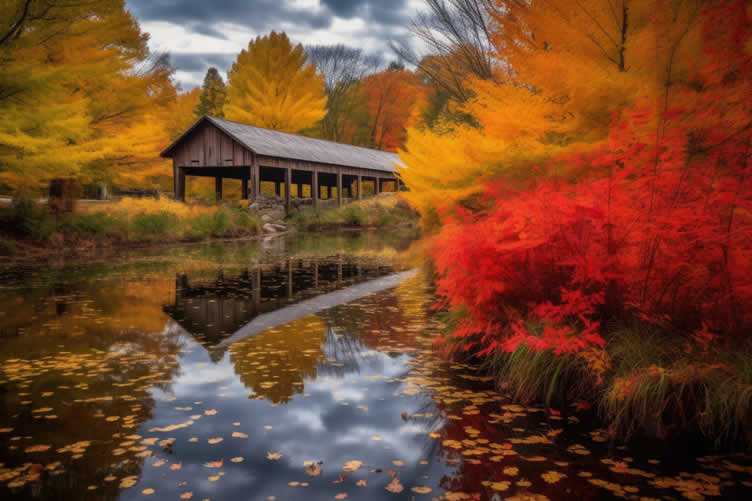
copyright image by 123rf.com
[ youtube: New England Road Trip – Fall Foliage ]
[ youtube: Blue Ridge Parkway During Fall Peak Colors ]
-
Scroll up to directory … or scroll to next section about this fall foliage guide …
-
-
4th TERM: Planting Your Own Colorful Show
Creating a breathtaking fall foliage display in your own landscape is both an art and a science. With the right combination of species selection and a deep understanding of local growing conditions, you can transform your yard into a vivid tapestry of crimson, gold, and orange hues.
To achieve the most impact, it’s essential to choose trees that thrive in your specific region while considering factors such as soil type, moisture availability, and your climate’s seasonal characteristics.
Thoughtful planning ensures that your fall foliage display not only reaches its full potential but also enhances the overall beauty and value of your home.
[ view summary table: planting requirements ]
-
Understanding Planting Requirements for Fall Foliage Trees
The key to a successful fall foliage display lies in choosing trees that align with your region’s growing patterns. Select species that are hardy in your climate zone and compatible with the soil conditions in your yard.
Trees like sugar maples and red maples are beloved for their vibrant colors, but they require well-drained soil and consistent moisture to flourish.
For drier climates, consider species like Rocky Mountain aspens or honey locusts, which are more tolerant of limited rainfall and sandy soils.
Researching the needs of individual species can help ensure long-term success and reduce the risk of losing trees to improper conditions.
Spacing and placement are equally important when planting fall foliage trees. Take time to understand the mature size and growth habits of each species. Trees should have enough space to grow without crowding one another, which allows their crowns to develop fully and ensures optimal sunlight exposure.
Poor spacing can lead to uneven growth and reduce the vibrant autumn colors you are hoping to achieve.
-
Choosing the Right Trees for Regional Climate Patterns
Climate plays a crucial role in determining both the success of your fall foliage display and the intensity of the colors produced.
Cooler climates tend to produce more vivid colors due to crisp autumn nights that stimulate pigment development in leaves.
Regions with hot, dry weather in the fall may require trees that can withstand these conditions while still producing vibrant hues. Species like ginkgo trees, known for their bright yellow leaves, and crepe myrtles, which show a mix of fiery red and orange tones, perform well in such regions.
If you live in an area prone to drought, focusing on native or drought-tolerant species is critical.
Southeastern regions might benefit from planting southern red oaks or black gums, while western states might experiment with ornamental sumacs that produce striking, fiery red foliage and thrive in arid environments.
Consulting local cooperative extension services or an arborist can help guide you on the best species to suit your area’s unique climate.
-
Timing and Seasonal Coordination
When planting for fall foliage, timing and seasonal awareness are vital. Plant new trees either in early spring or autumn to give their root systems time to establish before facing stress from extreme heat or cold.
Autumn planting is particularly advantageous in many climates, as cooler temperatures and consistent rainfall promote stable root development. Regular watering during the first few years is essential, especially for young trees, as they adapt to their new environment.
For a cohesive and artistic display, consider how various species’ color changes overlap. For example, combining trees that turn gold earlier in the season—like birches and aspens—with species that shift to red and orange later on—such as maples and oaks—can extend the vibrancy of your yard across several weeks.
Adding supporting shrub layers that offer complementary hues, such as burning bush or sumac, brings depth and dimension to your planting scheme.
-
Ensuring Longevity and Care
Proper care and maintenance will protect your fall foliage display for years to come. Regular mulching around the base of trees helps retain soil moisture, prevent weeds, and regulate temperature fluctuations.
Pruning should be performed during a tree’s dormant season to encourage healthy growth and maintain its shape while addressing any structural issues that could affect the tree’s longevity.
Additionally, using slow-release fertilizers designed for woody plants ensures trees receive nutrients needed to thrive without encouraging excessive growth.
Monitoring your trees for signs of pests or disease is equally important, as these issues can quickly impair their health and diminish their aesthetic vibrancy.
Consulting with certified arborists or local extension services for guidance on pest control and disease prevention can provide you with peace of mind and protect your investment in your landscape.
-
Transforming Your Landscape one Tree at a Time
By thoughtfully selecting trees that align with your local conditions and planting them with care, you can create an awe-inspiring autumn display in your own backyard.
A blend of vibrant species, well-timed planting, and dedicated maintenance will bring yearly joy as your trees burst into a symphony of color, establishing your yard as an inviting sanctuary of seasonal beauty.
References:
- Dirr, M. A. (2009). Manual of Woody Landscape Plants. Stipes Publishing.
- United States Department of Agriculture. (2023). Plant Hardiness Zones Map. Retrieved from https://planthardiness.ars.usda.gov
- Michigan State University Extension. (2023). Proper Tree Selection and Planting Practices. Retrieved from https://www.canr.msu.edu
Aspect Details Examples Tips Species Selection Choose trees that thrive in your region and match soil and climate conditions. Sugar maples, red maples, Rocky Mountain aspens, honey locusts. Research specific needs of each species before planting. Spacing & Placement Ensure trees have enough space to grow fully with proper sunlight exposure. – Account for mature size and growth habits of each tree species. Climate Considerations Plant species suited to your regional climate and weather patterns. Ginkgo trees, crepe myrtles, southern red oaks, black gums. Consult local extension services or arborists for advice. Timing & Seasonal Coordination Plant trees in early spring or autumn for stable root development. Birches, aspens, maples, oaks, burning bush for layering. Combine early and late-color-changing species for extended vibrancy. Care & Maintenance Regular mulching, pruning, and fertilizing ensure tree health and longevity. – Monitor for pests and diseases; consult arborists for proper care. 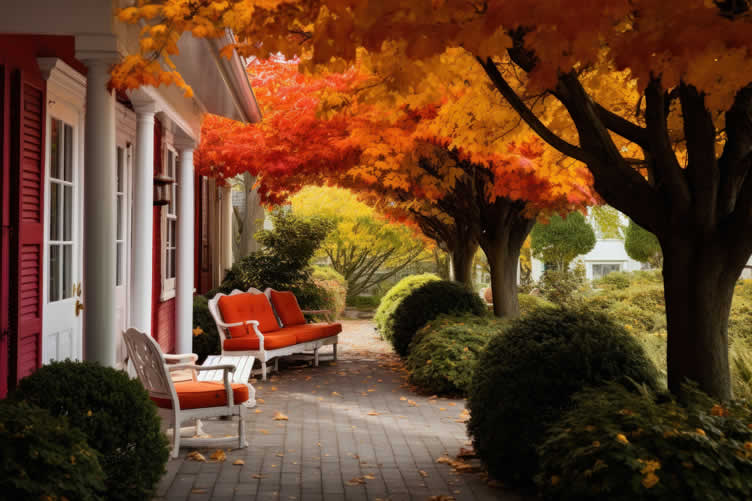
copyright image by 123rf.com
-
Scroll up to directory … or scroll to next section about this fall foliage guide …
-
-
5th TERM: Maintaining Your Trees for Best Color
Proper tree maintenance is essential for achieving vibrant and lasting fall color. Healthy trees, nurtured correctly throughout the growing season, can produce those bright bursts of crimson, gold, and orange that make autumn landscapes so captivating.
By understanding the science of pigment production and the role of specific care practices, you can strategically manage your trees to enhance their fall displays.
Below, we will explore planting requirements for fall foliage trees, along with targeted strategies to optimize their seasonal beauty.
[ view summary table: tree maintenance ]
-
Planting Requirements for Fall Foliage Trees
The foundation for breathtaking fall color begins with the right choice of tree species and proper planting practices. Tree species vary significantly in their autumn displays, with some offering fiery reds, while others provide golden yellows or deep burgundy tones.
Select tree varieties that are both known for their vibrant fall color and suited to your specific growing region. Native species often perform best as they are naturally adapted to local soil types, precipitation levels, and climate conditions.
Examples include sugar maples in the Northeast or serviceberries in the Midwest, whereas aspens and quaking birches thrive in higher elevations of the Rocky Mountains.
When planting, consider the location, soil type, and sunlight availability. Fall foliage trees typically require well-draining soil that is rich in organic matter to support healthy root systems.
Test your soil’s pH and nutrient levels to ensure compatibility with your selected species, and amend the soil as necessary.
Trees should be placed in a position that allows them to receive adequate sunlight, as most trees rely on sunlight energy to fuel pigment production, which directly impacts the vibrancy of fall leaves.
Avoid overcrowding trees or planting in shaded areas where they may struggle to develop optimal photosynthesis cycles.
-
Fertilization and Soil Management
Fertilizing your trees correctly is another critical component in achieving vivid fall displays. Trees absorb essential nutrients like nitrogen, phosphorus, and potassium through their roots to sustain overall health and growth.
Nitrogen promotes green foliage during the growing season but must be balanced carefully to avoid excessive growth that impairs fall color transitions. Phosphorus supports healthy root development and aids in energy storage, which becomes essential as the growing season winds down.
Apply fertilizers in the spring or late summer to ensure your trees have sufficient nutrients as they prepare for dormancy.
Maintaining soil health is equally important. Trees thrive in soils rich in organic matter, so add compost or well-rotted manure to improve fertility and retain moisture.
Mulching around the base of your trees not only moderates soil temperature and conserves water but also provides a steady breakdown of nutrients as it decomposes.
However, avoid piling mulch too high near the tree trunk to prevent issues with root rot or pest infestations.
-
Pruning and Pest Control for Leaf Health
Pruning helps your trees maintain strong, healthy structures, which contribute to vibrant foliage. Remove any dead or diseased branches during the dormant season to facilitate air circulation and light penetration through the canopy.
If left unchecked, rotting or damaged branches can draw energy away from the rest of the tree and reduce leaf density, diminishing the overall fall color display.
Pest and disease management also play vital roles in maintaining tree health. Aphids, fungal infections, and leaf-mining insects can damage leaves or interrupt the flow of essential nutrients within the tree.
During the growing season, monitor your trees regularly for signs of pest activity, and address any issues promptly using appropriate treatments such as horticultural oils or natural predatory insects when possible.
Prevention through good cultural practices—such as proper spacing, watering, and soil care—is always preferred, as it creates an environment less conducive to pests and disease.
-
The Role of Watering and Climate
Consistent watering throughout the growing season influences the quality of a tree’s health and, by extension, its autumn display. While many tree species are drought-tolerant, insufficient moisture can result in stressed trees with reduced pigment production in their leaves.
Water deeply around the root zone during dry periods to ensure hydration reaches lower soil layers, particularly during heat waves or times of low precipitation. A stressed tree prioritizes its survival over aesthetic considerations, which can lead to early leaf drop or subdued colors.
Climate also plays a significant role in fall foliage outcomes. Sudden temperature drops at the end of the growing season, coupled with sunny days and cool nights, often intensify red and purple pigments caused by anthocyanin production.
Conversely, extended warm spells or droughts during autumn can dull leaf color and reduce the intensity of seasonal displays. While gardeners cannot alter weather patterns, choosing resilient tree species that tolerate local climate variations minimizes the risks of suboptimal coloration.
-
Looking Ahead to Next Season
Proper care practices implemented now ensure your trees are set up for success in future fall seasons. By understanding the influences of soil health, fertilization, watering, pruning, and pest management, you can take a proactive approach to maximize fall beauty year after year.
Healthy, well-maintained trees reward your efforts not only with outstanding autumn hues but also with increased property value and personal satisfaction.
A thriving landscape begins with meticulous care, so invest in your trees today for a vibrant tomorrow.
References:
- USDA Forest Service. "Fall Colors Science." www.fs.usda.gov.
- Arbor Day Foundation. "Tree Care Tips & Techniques." www.arborday.org.
- Dirr, Michael A. Manual of Woody Landscape Plants. Stipes Publishing, 2009.
- Moore, Gerry. "Practical Best Practices for Tree Health." Journal of Arboriculture, vol. 46, no. 3, 2020.
Care Practice Key Actions Benefits Planting Requirements – Choose species suited to the region
– Ensure well-draining, nutrient-rich soil
– Provide adequate sunlight
– Avoid overcrowding trees– Supports healthy root development
– Promotes optimal photosynthesis
– Enhances vibrancy of fall foliageFertilization & Soil Management – Apply balanced fertilizers in spring/late summer
– Use compost or organic matter
– Mulch around the tree base (avoid piling near trunk)– Improves tree vigor and pigment production
– Sustains soil fertility and moisture
– Reduces risk of root rotPruning & Pest Control – Prune dead or diseased branches
– Monitor for pests and signs of disease
– Use horticultural oils or natural predators– Encourages a healthy tree structure
– Enhances air circulation and light penetration
– Protects and optimizes foliage healthWatering & Climate – Water deeply during dry spells
– Ensure sufficient hydration in heat-waves
– Use drought-resistant species for variable climates– Prevents stress and early leaf drop
– Supports vibrant pigment production
– Maintains foliage consistency during climate shifts
copyright image by 123rf.com
-
Scroll up to directory … or scroll to next section about this fall foliage guide …
-
-
6th TERM: Getting Landscaping Help
… for a stunning fall foliage display
Transforming your landscape into an autumnal masterpiece begins with the thoughtful addition of plants and trees known for their brilliant fall foliage.
Partnering with an experienced landscaping expert ensures that your personal landscape achieves a visually breathtaking and cohesive look—while also aligning with your preferences, property conditions, and budget.
From selecting the right plant species to ensuring long-term growth and care, professional guidance can make the difference between a good yard and an exceptional one.
[ view summary table: what landscapers offer ]
-
The Expertise of Plant Selection for Brilliant Fall Colors
A landscaping professional brings detailed knowledge of plant species that thrive in your local climate and deliver fiery autumn hues.
Depending on the space, they may recommend iconic fall foliage trees like maples, oaks, or sweetgums, which produce bold reds, oranges, and yellows.
For smaller properties or low-maintenance needs, shrubs like burning bush or sumac can create colorful accents. Experts tailor their plant choices based on growing conditions such as soil type, sunlight exposure, and water availability.
They also blend species with varying peak color timing to ensure a long-lasting seasonal display rather than fleeting beauty.
-
Designing for Texture, Depth, and Complementary Features
Beyond fall foliage, landscaping professionals incorporate additional elements to create balance and harmony in your outdoor space.
Evergreens, ornamental grasses, and perennials with contrasting colors and textures can anchor the design and help fall colors pop. For example, pairing bright yellow foliage with deep green conifers or purple asters enhances depth and variety.
Professionals use carefully planned layers and thoughtful plant spacing to create a visually appealing flow throughout the landscape, ensuring that every area offers a unique perspective.
-
Integrating Hardscapes to Enhance Fall Displays
Creating an awe-inspiring fall landscape often involves integrating hardscape features, such as stone pathways, patios, or retaining walls, which not only provide functionality but also complement the natural elements.
A landscaping professional can help you choose materials that highlight the warm tones of autumn while ensuring durability and sustainability.
For instance, a slate walkway bordered by fiery red shrubs or a cozy fire pit surrounded by fall-blooming flowers creates focal points that enhance seasonal enjoyment while increasing the usable space in your yard.
-
Long-Term Care and Seasonal Maintenance Planning
The value of a professional landscaping expert extends beyond design and installation. They can also provide insights into long-term care, ensuring healthy growth and sustained beauty year after year.
Proper pruning, fertilization schedules, and irrigation adjustments are all essential for maintaining vibrant fall foliage. Experts may offer tailored maintenance plans or guidance on how to prepare plants for the growing season ahead.
Whether through hiring recurring services or learning best practices from a professional, this knowledge ensures maximum impact from your landscape investments.
-
Collaboration and Personalization for Your Dream Landscape
One of the biggest benefits of working with a landscaping expert is their ability to align with your personal vision and preferences.
Whether you dream of a bold and dramatic yard filled with blazing reds and oranges or prefer a subtle, tranquil arrangement of golden tones, they will tailor their design to meet your goals.
Professionals take the time to listen, assess your property’s unique features, and incorporate your lifestyle needs, ensuring the result aligns with both aesthetic expectations and practical usage.
-
The Environmental Benefits of Expertly Planned Fall Landscapes
Investing in a fall foliage display doesn’t just provide visual appeal; it also offers critical environmental benefits.
Trees and shrubs that change color in autumn help improve air quality, reduce stormwater runoff, and provide habitat for wildlife preparing for winter.
A thoughtfully curated landscape enhances these benefits, contributing to the health of your local ecosystem. With professional guidance, you can select native species or drought-resistant plants that support sustainability while achieving the seasonal effect you desire.
-
Citing Professional Sources and Guidance
Consulting a landscaping expert guarantees not only aesthetic beauty but also ecological responsibility and efficiency.
For more information on creating vibrant fall foliage displays, refer to experts like the American Society of Landscape Architects (www.asla.org), local agricultural extension offices, or plant nurseries with certified horticulturalists.
Each of these trusted resources offers region-specific guidance to ensure the success of your landscaping project.
By collaborating with a professional and exploring authoritative platforms, you can create a landscape that becomes a perennial source of enjoyment and pride.
Your investment in trusted expertise will not only beautify your personal space but also enrich the natural environment for years to come.
LetsRenovate has partnered with HomeAdvisor™, a renowned provider of highly-rated, carefully-vetted local landscape contractors.
Start your search here by choosing the type of landscape contractor you need and entering your zip code to find local professionals.
Key Aspect Details Benefits Plant Selection Professionals recommend trees like maples, oaks, or shrubs like burning bush for stunning fall foliage tailored to soil, sunlight, and water conditions. Ensures vibrant, long-lasting fall colors. Design Elements Integrates foliage with complementary features like evergreens, grasses, and perennials for depth and balance. Creates visually appealing, layered landscapes. Hardscape Integration Includes features like stone pathways, fire pits, or retaining walls to complement natural elements. Enhances usability and seasonal enjoyment. Maintenance Planning Offers pruning, fertilization, and irrigation schedules for sustained plant health. Ensures longevity and vibrant foliage year after year. Environmental Impact Focuses on native or drought-resistant plants to support ecosystems. Improves air quality, reduces runoff, and provides habitats. 
copyright image by 123rf.com
But Wait!
Before beginning your search for landscape contractors, download this evaluation worksheet to guide your assessment.
This tool helps you objectively compare contractors based on key factors like pricing, licensing, and referrals.

Evaluation Sheet
File Type:
-
Scroll up to directory … or scroll to conclusion …
-
-
Conclusion
Fall foliage is one of nature’s most spectacular displays, enriching our connection to the natural world. By understanding the science behind autumn colors, knowing where and when to find the best displays, and learning how to create and maintain your own, you can fully participate in this seasonal celebration.
This guide provides foundational knowledge and practical strategies for enhancing these experiences through thoughtful tree selection and proper care.
Creating spectacular fall displays requires patience, as many trees take years or even decades to reach their full color potential, but the investment pays dividends through enhanced property values, increased wildlife habitat, and seasonal enjoyment.
Observe local displays, consider citizen science, and share your knowledge to deepen appreciation for these natural cycles and adaptations.
-
Quick scroll to more interior yard n’ garden ideas …
-
ideas to view and compare from the photo above
book: fall foliage bookbook: landscape designstakes for trees
- What comments can you share about our
fall foliage guide? Was it helpful?

Tackling home upgrades and fulfilling all your home improvement needs …

… save this curated directory of ideas for future reference.



… remodeling decisions


Download this PDF for a concise summary of all you need to know about …?





Budgeting Worksheet For Costing Home Remodeling and Home Improvement Decisions
 File Type (excel)
Are there any other interesting topics that might have been overlooked but could offer valuable insights …?





Calendar For:
Home Maintenance
File Type:



… view illustration “becoming a bank”
… view our sharing links below for a quick "share the knowledge"
Find Yard n’ Garden Services Landscape Design Sprinkler Systems Metal Work Water Features Gazebos Play Equipment Outbuildings Fences top-rated, pre-screened local contractors FREE: download contractor selection enter zip code – powered by HomeAdvisor ™
Quick Contractor Guides selecting negotiating working with inspecting

Cover image credit: fall foliage guide by 123rf.com
end of post … please share it!
 |
did you find fall foliage guide helpful? If so, please share the article with your friends and family! |
Nice pic idea? Leave us a quick comment below.
And please share this pic idea within your social networks.