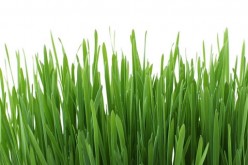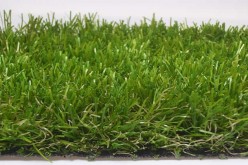
Fall aeration and seeding offer a practical solution that transforms these struggling spaces into thriving, healthy lawns that become the envy of your neighborhood. Rather than fighting against nature’s cycles, these proven techniques work harmoniously with seasonal patterns to restore your lawn’s natural vitality.
Your lawn endures significant stress throughout the growing season, from scorching summer heat to constant foot traffic. Fall presents the perfect opportunity to address these accumulated challenges and set the foundation for a spectacular lawn come spring.
Understanding when and how to properly aerate and seed can mean the difference between another year of lawn disappointment and achieving the lush, green carpet you’ve always envisioned.
- post content
- Understanding the Need for Fall Aeration and Seeding
- The Benefits of Aeration and Seeding
- Step-by-Step Guide to Fall Aeration and Seeding
- Timing is Everything: When to Aerate and Seed
- Expert Tips for a Successful Lawn Transformation
- Frequently Asked Questions
- Creating Your Path to Lawn Success
- view table:content summary
- view key:collective notes
Understanding the Need for Fall Aeration and Seeding
The changing seasons create distinct opportunities for lawn recovery and growth. Fall conditions align perfectly with your grass’s natural growth patterns, making this season ideal for addressing common lawn problems that develop throughout the year.
-
The Impact of Summer on Your Lawn
Summer weather creates a perfect storm of stressors that leave lawns struggling to survive. Intense heat forces grass into survival mode, slowing growth and weakening root systems. Extended periods of drought or inconsistent watering compound these problems, creating brown patches and thinning areas that invite weeds and pests.
High foot traffic from outdoor activities compacts the soil, reducing the space between soil particles and limiting the flow of air, water, and nutrients to grass roots. According to the University of Minnesota Extension, soil compaction can reduce water infiltration by up to 95%, essentially suffocating your lawn from below.
Children’s play areas, pet runs, and frequently used pathways develop the most severe compaction. Clay soils are particularly susceptible to this problem, as their naturally dense structure becomes even more compressed under pressure.
-
Why Fall is the Ideal Time for Recovery
Cool-season grasses experience a natural growth surge during fall months. As temperatures drop into the 60-75°F range, grass plants shift their energy from surviving heat stress to developing robust root systems. This biological timing makes fall the optimal window for lawn improvement projects.
Increased moisture from autumn rains and morning dew creates ideal conditions for seed germination. Seeds need consistent moisture to sprout successfully, and fall’s naturally higher humidity levels reduce the need for constant irrigation. The Iowa State University Extension notes that fall-seeded grasses have a 90% higher establishment rate compared to spring seeding.
Cooler temperatures also mean less competition from annual weeds, which typically germinate in warm spring conditions. Your new grass seedlings can establish themselves without fighting for resources against aggressive weed species.


The Benefits of Aeration and Seeding
Combining fall aeration with seeding creates a synergistic effect that addresses multiple lawn problems simultaneously. These complementary practices work together to restore your lawn’s health and appearance more effectively than either technique alone.
-
Improved Soil Health
Aeration directly addresses soil compaction by creating small holes that allow air, water, and nutrients to penetrate deeper into the root zone. Core aeration, which removes small plugs of soil, provides the most significant benefits by creating permanent channels for improved drainage and root expansion.
The holes created during aeration also provide excellent contact points for seeds, fertilizer, and organic matter. Research from Penn State Extension shows that aerated lawns absorb water 30% more efficiently than non-aerated areas, reducing runoff and maximizing the effectiveness of irrigation and rainfall.
Improved soil structure encourages beneficial microbial activity that breaks down organic matter and releases nutrients in forms grass roots can readily absorb. This natural process reduces the need for synthetic fertilizers while promoting long-term soil health.
-
Enhanced Seed Germination
Seeding fills in bare spots and thickens existing grass coverage, creating a denser lawn that naturally crowds out weeds. The holes created during aeration provide perfect seed beds with excellent soil-to-seed contact, dramatically improving germination rates.
New grass varieties often offer improved disease resistance and drought tolerance compared to older lawn sections. Overseeding with these improved cultivars gradually upgrades your entire lawn’s resilience and appearance over time.
Dense grass coverage also improves your lawn’s ability to compete with weeds for sunlight, water, and nutrients. The University of Massachusetts Extension reports that lawns with 85% or greater grass coverage experience 70% fewer weed problems than thin, patchy lawns.
-
Weed and Pest Resistance
Healthy, thick lawns naturally resist weed infestations and pest problems. Dense grass coverage shades the soil surface, preventing weed seeds from receiving the sunlight they need to germinate. Established grass roots also create a competitive environment that makes it difficult for weeds to establish themselves.
Strong grass plants produce natural compounds that can inhibit the growth of certain weed species through a process called allelopathy. Additionally, healthy lawns support beneficial insects and microorganisms that help control harmful pests naturally.
Reducing weed populations through improved grass density decreases the need for herbicide applications, creating a safer environment for families, pets, and beneficial wildlife.
Step-by-Step Guide to Fall Aeration and Seeding
Proper technique ensures maximum benefits from your fall aeration and seeding efforts. Following proven methods helps you avoid common mistakes that can reduce the effectiveness of these important lawn care practices.
-
Preparing Your Lawn
Begin by mowing your lawn shorter than usual, cutting grass to approximately 2 inches in height. This shorter length makes aeration easier and ensures better seed-to-soil contact during seeding. Remove any debris, leaves, or thatch buildup that could interfere with the aeration process.
Conduct a soil test to determine your lawn’s pH level and nutrient needs. Most grass species prefer soil pH between 6.0 and 7.0 for optimal nutrient uptake. Soil testing kits are available at garden centers, or you can send samples to your local cooperative extension office for detailed analysis.
Mark any underground utilities, sprinkler lines, or shallow drainage systems to avoid damage during aeration. Most utility companies provide free marking services that identify buried lines and cables.
-
Aeration Techniques
Core aeration removes small plugs of soil, creating holes approximately 2-4 inches deep and ¾ inch in diameter. This method provides superior results compared to spike aeration, which can actually increase soil compaction around the holes by compressing soil particles.
Rent a core aerator from your local equipment rental store, as these machines are specifically designed for this task. Walk-behind models work well for most residential lawns, while larger properties may benefit from self-propelled units.
Make two passes over your lawn in perpendicular directions to ensure thorough coverage. The soil should be slightly moist but not waterlogged for best results. Avoid aerating during drought conditions or when soil is saturated from recent rainfall.
-
Seeding Strategies
Choose grass seed varieties that match your existing lawn and local growing conditions. Cool-season areas benefit from tall fescue, perennial ryegrass, or fine fescue blends, while warm-season regions should focus on Bermuda grass, Zoysia, or St. Augustine varieties.
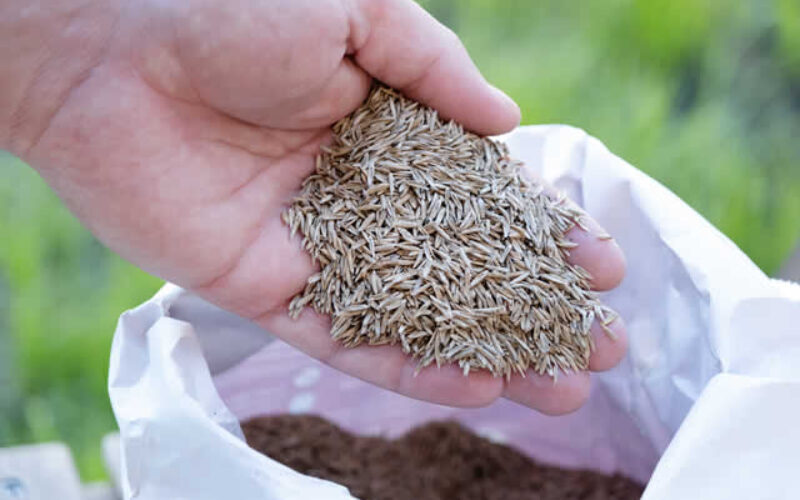
Apply seeds using a broadcast spreader for even distribution, following package recommendations for application rates. Generally, plan to use 2-4 pounds of seed per 1,000 square feet for overseeding existing lawns, or 4-6 pounds per 1,000 square feet for establishing new lawn areas.
Lightly rake seeded areas to ensure good seed-to-soil contact without burying seeds too deeply. Most grass seeds need light to germinate properly and should remain near the soil surface.
-
Post-Seeding Care
Water newly seeded areas lightly and frequently to maintain consistent soil moisture without creating soggy conditions. Seeds typically require moisture several times daily during the first two weeks, then gradually transition to deeper, less frequent watering as grass establishes.
Apply a thin layer of straw mulch over seeded areas to retain moisture and protect seeds from birds and weather extremes. Use approximately one bale of straw per 1,000 square feet, ensuring you can still see about 50% of the soil surface through the mulch.
Avoid walking on newly seeded areas for at least 4-6 weeks to prevent soil compaction and seed displacement. Post temporary barriers or signs to remind family members and visitors to use alternate routes.

Enhancing Outdoor Spaces with Ornamental Grasses in Landscape Design
Ornamental grasses have become a popular choice in landscape design due to their versatility, low maintenance, and year-round appeal. They come in a wide range of sizes, colors, and textures, making them suitable for a variety of design styles.
Timing is Everything: When to Aerate and Seed
Successful fall aeration and seeding depends heavily on timing these activities to align with local climate patterns and grass growth cycles. Understanding regional differences and weather patterns helps you choose the optimal window for maximum results.
-
Regional Considerations
Northern regions typically benefit from fall aeration and seeding between late August and mid-September. This timing allows new grass 6-8 weeks to establish before winter dormancy begins. Areas with harsh winters need earlier seeding to ensure adequate root development before freezing temperatures arrive.
Southern regions have a longer fall growing season, extending the ideal seeding window into October or even early November in warm climates. However, areas that experience sudden temperature drops should complete seeding by early October to ensure establishment before winter stress.
Mid-Atlantic and transitional zones often provide the most flexible timing, with successful seeding possible from early September through early October. These regions should monitor local weather forecasts to avoid seeding immediately before extended hot spells or early cold snaps.
-
Weather Patterns
Monitor long-term weather forecasts before scheduling your aeration and seeding project. Ideal conditions include several weeks of moderate temperatures with regular moisture from rainfall or irrigation. Avoid periods when temperatures are expected to exceed 80°F for extended periods, as heat stress can prevent successful seed germination.
Plan your project to take advantage of expected rainfall, but avoid aerating when soil is saturated or during active storm systems. Soil should be moist enough to allow easy core penetration but firm enough to support equipment without creating ruts or compaction.
Consider your region’s typical first frost date when planning seed timing. Most grass species need 6-8 weeks of active growth before winter dormancy to establish sufficient root systems for spring survival.
Expert Tips for a Successful Lawn Transformation
Professional lawn care specialists employ specific techniques and timing strategies that consistently produce superior results. Incorporating these proven methods into your fall aeration and seeding project significantly improves your chances of achieving a thick, healthy lawn.


Start with realistic expectations based on your lawn’s current condition and local growing environment. Severely damaged lawns may require multiple seasons of treatment to achieve optimal results, while moderately stressed lawns often show dramatic improvement within one growing season.
Consider hiring professionals for soil testing and initial assessment if your lawn has persistent problems.
Certified turfgrass specialists can identify underlying issues such as drainage problems, disease, or soil chemistry imbalances that may require specific solutions beyond basic aeration and seeding.
Document your lawn’s progress with photos taken at regular intervals throughout the establishment period. This visual record helps you evaluate the effectiveness of your techniques and identify areas that may need additional attention in future seasons.
Frequently Asked Questions
How often should I aerate my lawn?
Most lawns benefit from annual aeration, especially those with heavy clay soil or high foot traffic. Sandy soils or lawns with minimal compaction may only need aeration every 2-3 years.
Can I aerate and seed on the same day?
Yes, combining these activities on the same day produces excellent results. The holes created during aeration provide ideal conditions for seed germination and establishment.
What happens if it doesn’t rain after seeding?
Consistent moisture is critical for seed germination. If natural rainfall is insufficient, you’ll need to provide supplemental irrigation 2-3 times daily to maintain soil moisture without overwatering.
How long before I can mow new grass?
Wait until new grass reaches 3-4 inches in height before the first mowing, typically 3-4 weeks after germination. Use a sharp mower blade and never remove more than one-third of the grass height.
other related analysis of interest: (new win)
Create a Stone Garden Path That Blends Beauty and Functionality
Creating Your Path to Lawn Success
Fall aeration and seeding represent one of the most effective investments you can make in your lawn’s long-term health and beauty. These complementary practices address the root causes of common lawn problems while working with nature’s seasonal rhythms to maximize results.
Remember that successful lawn transformation requires patience and consistent care. New grass seedlings need time to develop the robust root systems that will support thick, resilient growth in coming seasons.
Your dedication to proper timing, technique, and follow-up care during this critical establishment period determines your lawn’s success for years to come.
Start planning your fall aeration and seeding project now by assessing your lawn’s current condition and gathering the necessary tools and materials.
With proper preparation and execution, you’ll be well on your way to achieving the lush, healthy lawn that enhances your home’s beauty and provides a source of pride for your family.
| Activity | Optimal Timing | Key Benefits | Success Rate |
|---|---|---|---|
| Fall Aeration | Late August – Mid September | Reduces soil compaction by 95% | 30% improved water absorption |
| Fall Seeding | September – Early October | 90% higher establishment vs spring | 70% fewer weed problems |
| Post-Care Period | 4-8 weeks after seeding | Root development for winter survival | 85% grass coverage target |
| Regional Variations | Adjust by 2-4 weeks | Climate-specific optimization | Varies by zone |
Find Yard Maintenance Services Lawn Maintenance Sprinkler Systems Pest Control Tree & Shrubs top-rated, pre-screened local contractors FREE: download contractor selection enter zip code – powered by HomeAdvisor ™


Image credit: by envato.com
end of post … please share it!
| more photo remodeling |
Jump Over to Our Photo Analysis Center for Ideas on
"Renovating Home"
|__________________________________________________________|
home remodeling surprise
find out where it might go - new win


Helpful article? Leave us a quick comment below.
And please share this article within your social networks.