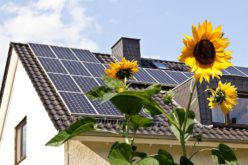
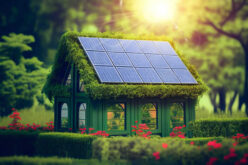
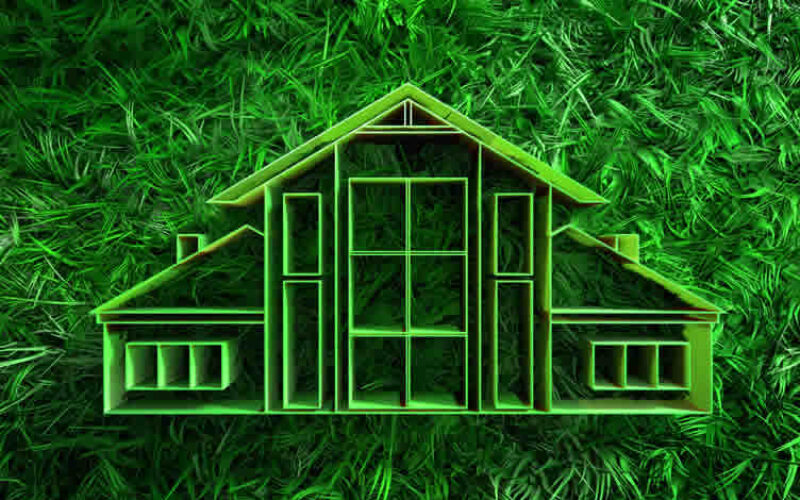
first “eco-friendly homes” idea
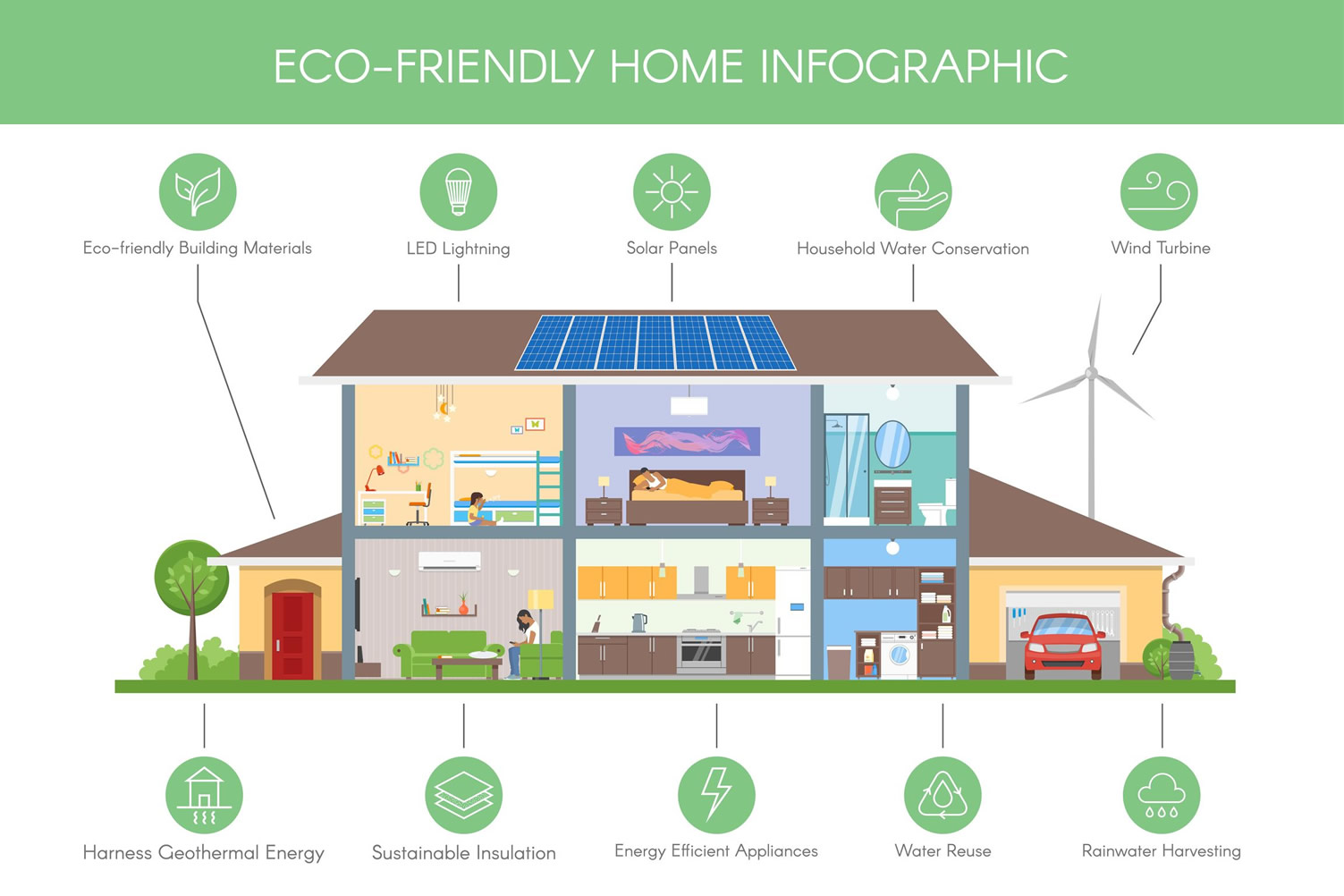

copyright image by https://123rf.com/
What Can You Do for Your Home Dwelling?
Notes:
-
Modifying our home living is one of the best ways to make an impact on the environment. It is within our homes where we consume electricity, use water, and live our lives in comfort with lighting, heating, cooling, refrigeration, electronics and other great inventions that make living in these times one of the greatest advancements in human history.
Transforming how we live at home is one of the most impactful ways to support the environment. Our homes are where we consume electricity, use water, and enjoy modern comforts—lighting, heating, cooling, refrigeration, electronics, and other innovations that have made this era one of the most advanced in human history.
However, these conveniences come at a cost. The demand for an easy lifestyle relies heavily on external resources: fossil fuels for electricity, deforestation for exotic materials, and excessive packaging that often ends up polluting landfills and oceans.
Living sustainably doesn’t mean turning back the clock. Instead, it encourages us to move forward, replacing high-energy habits with eco-friendly alternatives—allowing us to maintain our quality of life while becoming more self-sufficient and mindful of our impact.
Let’s explore some innovative eco-living ideas for your home. By adopting a few of these changes, you can reduce energy use, cut costs, and contribute to a healthier planet:
-
Eco-friendly Building Materials
Eco-friendly building materials are designed to minimize environmental impact while conserving energy. Made from renewable, non-toxic resources, they offer a sustainable solution for construction.
While they’re an excellent choice for new builds, what about existing homes? How can they benefit from these innovative materials?
-
When it comes to existing homes, opportunities for eco-friendly updates are often limited to major projects like replacing the roof or siding, building an addition, or undertaking significant renovations.
However, with a bit of research and thoughtful planning, you can choose sustainable, eco-friendly materials to incorporate into your remodeling efforts, making your home both greener and more efficient.
- MORE INFO (new win): Employing Sustainable Materials
-
LED Lighting
LED lights offer an energy-efficient alternative to traditional light bulbs, saving up to 90% of energy while delivering the same level of brightness. By replacing your old incandescent or CFL bulbs with LEDs, you can significantly cut down on energy consumption and reduce waste.
-
With LED prices dropping considerably, making the switch is now more affordable than ever, providing a quick return on investment.
-
Today’s LEDs come in a variety of creative styles, shapes, and colors, perfectly replicating the look of traditional bulbs for overhead lighting, bathroom vanities, and more.
They deliver the same brightness while using just 1/6th of the electricity and last far longer than conventional bulbs, making them a smart, cost-effective, and sustainable lighting solution.
- MORE INFO (new win): Transitioning to LED Lighting
VIEW CHART (new win): Comparing Energy Efficient Light Bulbs -
Solar Panels
Solar panels are an excellent way to reduce your reliance on the urban power grid while conserving fossil fuel resources. As the only energy-generating system you can install directly on your roof, they offer a practical solution to lowering your household’s energy consumption.
-
You can choose between traditional solar panels or newer solar shingles, which seamlessly blend with your roof’s appearance. Depending on your location and sunlight exposure, either option can generate enough energy to power your home—and even allow you to sell excess energy back to the grid.
-
The decision ultimately comes down to cost and return on investment (ROI). Be sure to check with your local electric provider and government authorities, as many offer rebates and incentives for solar installations.
These programs can make this eco-friendly upgrade not only affordable but also a smart financial investment with a positive ROI.
- MORE INFO (new win): Installing Solar Panels
VIEW ALL TOPICS: view all topics on solar power -
Household Water Conservation
Using water-saving devices is a simple yet effective way to reduce both water and energy consumption, making it an ideal solution for households—especially larger ones.
- Start by installing water-efficient fixtures on your showers and faucets. These devices limit water flow and usage time, helping to prevent unnecessary waste.
-
Next, consider using a dishwasher instead of washing dishes by hand. A fully loaded, energy-efficient dishwasher uses only about one-fifth of the water required for handwashing, saving resources and time. Upgrading to water-efficient toilets is another impactful step to conserve water.
-
It’s also a good idea to conduct a water conservation audit in your home and yard. Check for leaks, replace faulty spigots, and adopt simple habits like turning off the faucet while brushing your teeth. Small changes like these can make a big difference without compromising your quality of life.
- MORE INFO (new win): Implementing Water Conservation Strategies
MORE INFO (new win): Revolutionizing Home Water Use: The Rise of Smart Toilets -
Wind Turbine
Wind turbines are an efficient way to generate electricity using renewable energy, contributing to environmental preservation. However, their effectiveness depends on the size of the turbine; larger turbines are needed to produce sufficient electricity for consumption.
-
Typically, wind turbines fall into two categories: stand-alone turbines placed in open fields or medium-sized turbines mounted securely to the ground and attached to homes. These turbines perform best in open, windy areas where airflow is unobstructed.
-
For many, solar energy may be the more practical option, depending on the location. In suburban neighborhoods with limited space, solar panels are often the ideal choice. Conversely, if you live in a rural area with expansive open land, wind turbines could be a viable solution.
For those fortunate enough to live along the coast, where both ample sunlight and steady winds are common, you might consider using both solar panels and wind turbines to power your home effectively.
-
Before moving forward with wind turbine installation, check your local regulations. Some areas restrict turbines due to concerns about noise or potential impacts on wildlife, such as birds. By evaluating your environment and local guidelines, you can select the energy solution that best fits your needs.
- MORE INFO (new win): On Windy Days – How to Enjoy, Harness and Protect
-
Harness Geothermal Energy
Geothermal energy offers an eco-friendly way to heat and cool your home while preserving natural resources and causing no harm to the environment. However, investing in a geothermal system can be a significant decision, especially if you’re planning to sell your home in the near future, as the return on investment may vary.
On the other hand, if you’re building or purchasing a forever home, this could be a smart long-term investment, reducing your reliance on fossil fuels and lowering HVAC costs.
-
Now, imagine pairing a geothermal system with solar panels. Together, they could transform your home into a completely energy-efficient, sustainable haven.
-
Heating and cooling account for the largest portion of a home’s energy usage, so reducing HVAC energy demands with geothermal technology could free up solar power to meet the rest of your home’s energy needs.
You might even generate surplus energy to sell back to the grid—an ideal win-win solution for anyone planning a new build or committing to a forever home.
- MORE INFO (new win): Consider Geothermal Energy
VIEW IMAGE (new win): Diagram of a Geothermal Heating System -
Sustainable Insulation
Proper insulation is essential for maintaining energy efficiency and keeping your home at a comfortable temperature. Insulation, including energy-efficient windows and doors, plays a critical role in minimizing energy loss and reducing utility costs.
-
To get started, we recommend conducting a home energy audit. Whether you choose to do it yourself or hire a professional, an energy audit evaluates your current insulation, identifying areas where energy efficiency can be improved. This assessment also examines windows, doors, seals, and other potential points of energy loss.
-
Based on the audit results, you can determine the necessary upgrades, such as installing improved insulation, replacing outdated windows or doors, and implementing additional energy-saving measures. These changes can significantly enhance your home’s energy efficiency while lowering your environmental footprint and utility bills.
- MORE INFO (new win): Improving Insulation and Weatherization
VIEW OUR TOPIC (new win): How to Make Sure Your Old Home Stays Well Insulated -
Energy Efficient Appliances
Energy-efficient appliances are a game changer for reducing resource consumption and minimizing greenhouse gas emissions—without sacrificing performance. Many of these modern devices are also Wi-Fi enabled, offering enhanced control and convenience.
-
Examples of energy-efficient appliances include refrigerators that use less energy to keep food fresh, washing machines that conserve water while delivering a deep clean, and dryers that require less heat to get the job done. These innovations are designed to consume less electricity while maintaining high functionality.
-
By replacing outdated, inefficient appliances with eco-friendly, energy-efficient models, you can make a meaningful impact. Look for products with the Energy Star certification, a trusted indicator that the appliance is designed to reduce energy usage without compromising performance.
- MORE INFO (new win): Use Energy-Efficient Appliances
-
Water Reuse
Reusing wastewater is an effective way to conserve water in both urban and rural households. Repurposed water can be used for tasks like soaking clothes, watering plants, washing cars, and flushing toilets, significantly reducing overall consumption.
-
Water is a valuable resource—and in many parts of the world, it’s increasingly scarce. By reusing and reducing water usage, we can minimize waste and help preserve this essential resource for future generations.
- MORE INFO (new win): Water Conservation Strategies Using Greywater System
-
Rainwater Harvesting
Installing a rainwater harvesting system can reduce water consumption by up to 30%, depending on your area’s annual rainfall. It’s one of the simplest and most energy-efficient ways to conserve water.
-
Consider how much rainwater flows off your roof each year. By setting up a collection system, you can store and, with proper treatment, use this water for showering, flushing toilets, and irrigating your landscape. It’s a practical and sustainable solution to make the most of a natural resource.
- MORE INFO (new win): Collecting Rainwater and Runoff Water
MORE INFO (new win): Designing A Better Yard Drainage System -
Quik scroll to next topic about eco living at home …

Download this PDF for a concise summary of all you need to know about …?


May We Suggest Other Photo Remodeling Ideas About
“Making Your Home Eco-Friendly and More

Find Energy Efficient Services Insulation Windows-Insulation Ducts & Vents Thermostats Roof Installation Skylights Home Automation Generators top-rated, pre-screened local contractors FREE: download contractor selection enter zip code – powered by HomeAdvisor ™
Quick Contractor Guides selecting negotiating working with inspecting

Cover image credit: eco friendly homes by envato.com
end of post … please share it!
or simply search by entering green home item or other remodeling need

Nice pic idea? Leave us a quick comment below.
And please share this pic idea within your social networks.