With their wilder aesthetic and emphasis on biodiversity, these designs redefine beauty in a way that connects your space to the surrounding environment.
This post will guide you through understanding naturalistic designs, their many benefits, practical tips for incorporating them into your space, and the challenges you may face. Bring nature closer to home, create a haven for wildlife, and craft a garden that thrives with life.
What Are Naturalistic Landscapes?
Naturalistic designs focus on mimicking the organic flow of nature rather than forcing a rigid, structured look. Unlike traditional landscapes with geometric patterns, well-defined borders, and perfectly symmetrical arrangements, naturalistic designs are all about blending form with function in a way that feels effortless and free.
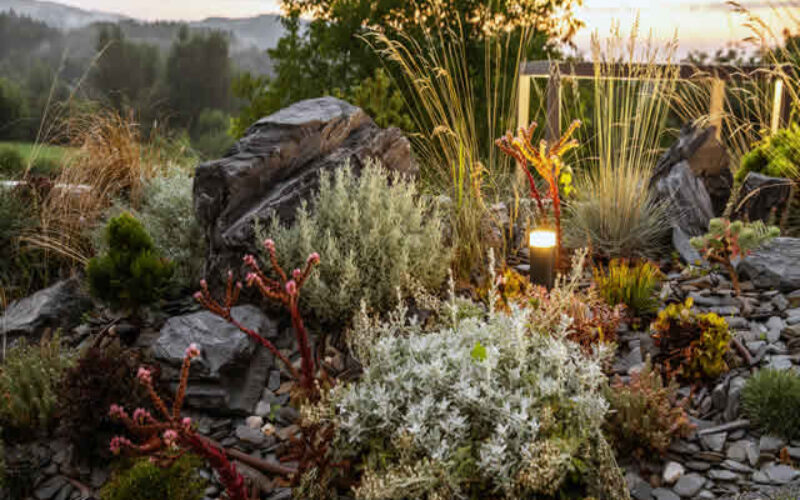
These gardens often feature native plants, wildflowers, grasses, and trees that thrive naturally in the local environment. Paths meander rather than being straight; there are secluded corners where plants grow untamed. The result is a sense of harmony, inviting flora and fauna to coexist.

Naturalistic designs are not about neglect; they involve thoughtful planning to create an environment that embraces the chaotic beauty of nature while maintaining underlying functionality.
This style truly cares for biodiversity and gives back to the ecosystem as much as you enjoy the aesthetics.

Why Choose a Naturalistic Landscape?
Opting for a naturalistic garden comes with numerous rewards for both you and the environment. One standout benefit is the improved biodiversity.
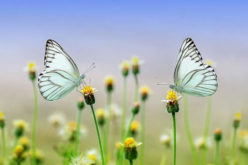
By choosing native plants and creating a more hospitable habitat, you invite pollinators like bees, butterflies, and birds into your garden. These visitors play a vital role in local ecosystems and even enhance crop yields for those venturing into edible gardening.
Another major advantage is the reduced maintenance. While traditional gardens may demand constant pruning, fertilizing, and pest control, naturalistic landscapes are more self-sustaining. Plants adapted to local conditions require less water and fewer chemical inputs, making this approach not only eco-friendly but also cost-effective over time.
Lastly, naturalistic designs align with the principles of sustainable gardening. They help manage water run-off, reduce soil erosion, and often make use of renewable gardening materials like mulch and compost. These gardens also offer a psychological benefit; their untamed nature creates spaces for relaxation and reconnection with the natural world, an increasingly rare luxury in today’s urbanized lifestyles.
How to Incorporate Naturalistic Features into Your Landscape
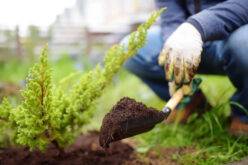
Transitioning towards naturalistic gardening doesn’t have to mean starting from scratch. You can make small yet impactful changes to integrate these ideas gradually. Start by introducing native plants. Research your local flora to find species that thrive in your region’s climate and soil and consider replacing exotic, high-maintenance plants with these resilient alternatives.
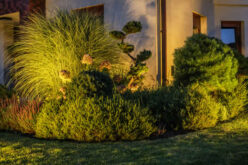
Another key element is to design plant groupings that mimic natural ecosystems. Layer your garden by combining ground cover with perennials, shrubs, and trees, so they work together to retain moisture, shade the soil, and promote healthy biodiversity dynamics. You could even include meadow-style patches with grasses interspersed with wildflowers to emulate prairies or open grasslands.
Consider letting go of traditional lawns. Replace mowed grass with no-mow varieties or turn unused lawn areas into meadows. Paths, meanwhile, can be replaced with soft, natural materials like gravel, wood chips, or steppingstones instead of hard concrete.
Water features can also enhance the appeal of your naturalistic garden. Something as modest as a birdbath or a small pond provides a watering source for wildlife and instantly boosts biodiversity. These features, when combined with trees or shrubs for shelter, create a complete ecosystem that keeps your landscape vibrant and full of life.
Designing with purpose is key—focus on creating calm, inviting spaces while simultaneously planting with ecological benefits in mind.
Success Stories to Inspire You
Naturalistic landscapes are popping up in home gardens, public spaces, and even urban areas as part of a global push toward greener living. Imagine a backyard in Colorado transformed by native grasses and wildflowers that reduced sprinkler use by 60%. Or a suburban garden in Florida thriving with lush pollinator plants like milkweed and salvia that invited the return of monarch butterflies after years of absence.
Community parks designed with naturalistic principles show a similar trend. The High Line in New York City, for example, transformed an old railway track into an urban natural oasis. The park integrates local plants and encourages biodiversity, offering a place for wildlife to coexist with busy urban dwellers.
These stories illustrate that even small naturalistic projects can leave a lasting positive impact, demonstrating that this approach isn’t just beautiful—it’s beneficial for ecosystems large and small.
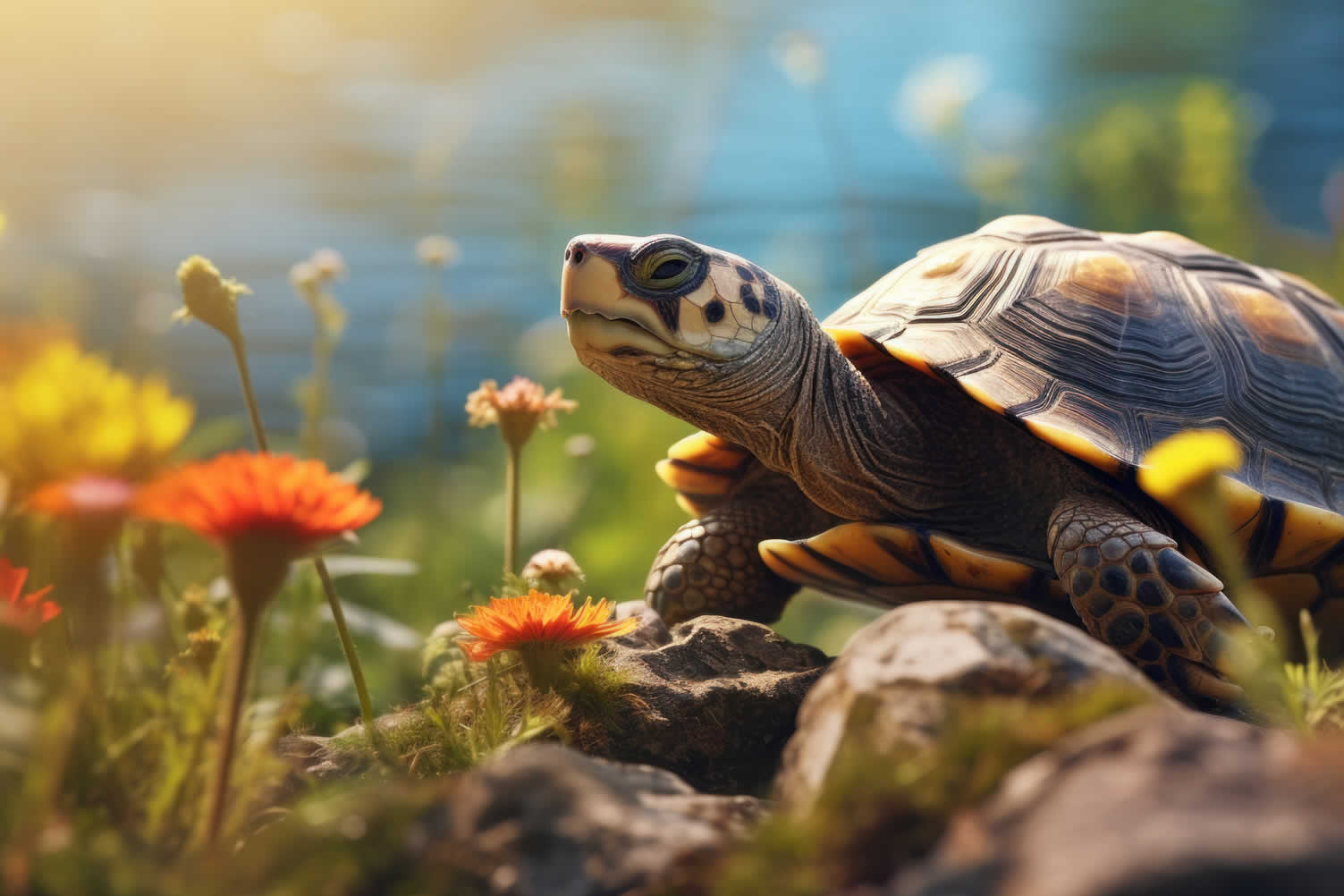
Backyard Wildlife: How to Invite, Control, and Remove When Necessary
From understanding the diverse species that can enrich your personal ecosystem to tailor-making a landscape that beckons the wild into a harmonious existence with your living space – each tip here is neatly segmented to guide both novices and seasoned nature enthusiasts alike.
Addressing Challenges in Naturalistic Designs
While these gardens can work wonders, transitioning to a naturalistic style may present unique challenges. A common concern is that the untrimmed appearance may come off as too “wild” or unkempt for some neighbors or homeowners’ associations. Solving this is a matter of balance; delineate some areas with clearly defined edges or neat pathways to counteract the softer, wilder elements.
Pests may also rise as a concern. However, choosing native plants means fewer pest infestations, as these species are naturally equipped to coexist with local insects. Additionally, attracting birds or introducing beneficial insects like ladybugs helps keep pest populations in check.
Climate considerations may require experimenting with combinations of drought-tolerant plants, involved irrigation systems, or raised beds. Be patient, as any naturalistic garden evolves over time, and use trial and error to refine what works best for your needs.
Lastly, education can empower you through these challenges. Learning from local gardening clubs, naturalists, or online platforms can provide the resources and community support you need to overcome hurdles.
Bring the Wild to Your Doorstep
Naturalistic landscapes present a fresh, eco-conscious approach to home gardening, offering aesthetic, ecological, and psychological rewards. They allow a deeper connection between your environment and the surrounding ecosystem while reducing maintenance and giving wildlife a lifeline in increasingly developed areas.
This spring, consider swapping out the manicured look for something wilder and more vibrant. Whether you start with a single native plant section or go all in by creating an untamed wildflower meadow, your efforts can create ripples that affect ecosystems far beyond your garden gate.
Transform your landscape into a Biodiversity Garden that thrives, inspires, and supports our planet. Happy gardening!
other related analysis of interest: (new win)
Sustainable Interior Design Ideas for a More Eco-Friendly Home
Find Yard n’ Garden Services Landscape Design Sprinkler Systems Metal Work Water Features Gazebos Play Equipment Outbuildings Fences top-rated, pre-screened local contractors FREE: download contractor selection enter zip code – powered by HomeAdvisor ™


Image credit: naturalistic landscapes by envato.com
end of post … please share it!
| more photo remodeling |
Jump Over to Our Photo Analysis Center for Ideas on
"Renovating Home"
|__________________________________________________________|
home remodeling surprise
find out where it might go - new win


Helpful article? Leave us a quick comment below.
And please share this article within your social networks.