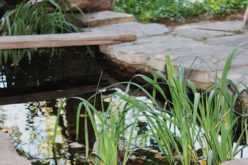
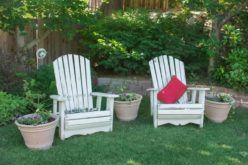
These gardens are not only beautiful and rewarding to maintain, but also play a crucial role in supporting the environment.
By designing a sanctuary that attracts bees, butterflies, and birds, you contribute to the health of your local ecosystem while enjoying a vibrant and dynamic garden space.
Understanding Pollinators
Pollinators are the unsung heroes of our ecosystems. They are animals that help plants reproduce by transferring pollen from one flower to another. This process is vital for producing fruits, vegetables, flowers, and seeds. Bees, butterflies, and birds are some of the most common and effective pollinators.
Unfortunately, pollinator populations are in decline. Habitat loss, pesticide use, climate change, and diseases have all contributed to this alarming trend.
The decline of pollinators affects food production and biodiversity, creating a ripple effect throughout ecosystems. By creating a pollinator-friendly garden, you can play an essential role in reversing this trend and supporting these important creatures.

Designing Your Pollinator-Friendly Garden
The foundation of any successful pollinator-friendly garden lies in thoughtful and strategic design. Here are some key elements to consider when planning your space:
-
Selecting the Right Plants
Choosing the right plants is critical when crafting a space that attracts pollinators.
Native plants, which are naturally adapted to the local climate and soil, are an excellent choice as they often provide the best nectar and pollen sources. Additionally, they tend to require less water and maintenance.
For a garden that attracts a variety of pollinators, include plants with diverse shapes, colors, and bloom times. For example:
- Bees are drawn to lavender, sunflowers, and salvia.
- Butterflies love coneflowers, zinnias, and butterfly bushes.
- Birds favor plants that bear seeds, berries, or nuts, such as sunflowers, elderberries, and viburnums.
By selecting a variety of plants, you’ll create an enticing environment that provides year-round resources for pollinators.
-
Creating a Welcoming Habitat
To truly support pollinators, your garden must offer more than just plants. Providing water sources and nesting sites can make a significant difference in attracting and supporting pollinators.
For bees, consider adding a shallow dish of water with small stones for them to land on while they drink. You could also install bee houses or leave undisturbed patches of soil for ground-nesting species. Avoid using pesticides or herbicides, as these chemicals can be harmful to pollinators.
Birds will appreciate bird baths, which can double as focal points in your garden. Offering dense shrubs or birdhouses for nesting can also encourage birds to call your garden home.
-
Garden Layout and Design
How you arrange your garden can impact its success as a pollinator haven. Plant flowers in clusters rather than spreading them out, as this makes it easier for pollinators to locate and feed on them efficiently.
Ensure your garden has pathways and seating areas so you can relax and observe the wildlife it attracts. Take note of practical considerations like sunlight, soil type, and drainage when planning your layout, as these factors will influence which plants thrive in your space.
Specific Design Ideas
Tailoring your garden to the specific needs of bees, butterflies, and birds can make it even more effective. Here are some ideas:
-
Bee-Friendly Garden
Bees are incredibly important pollinators. A bee-friendly garden includes plants that provide nectar and pollen, such as lavender, borage, and snapdragons.
Adding a bee house or leaving patches of bare soil will offer nesting opportunities for solitary bees. Bees are especially drawn to blue, purple, and white flowers, so consider incorporating these colors into your design.
-
Butterfly Garden
Butterflies have dual needs when it comes to gardens. Caterpillars need host plants to feed on, while adult butterflies require nectar-rich flowers.
Milkweed, for example, serves as both a host and nectar plant for monarch butterflies. Consider adding butterfly bushes, phlox, and lantanas to create a garden that supports every stage of a butterfly’s life cycle.
-
Bird Garden
To attract birds, focus on plants that provide food such as seeds, berries, and nuts. Examples include black-eyed Susans, sunflowers, and hibiscus.
Birdhouses and dense shrubs can provide safe nesting areas, while a clean bird bath or water feature offers a place for them to drink and preen.

Understanding Perennial and Annual Flower Plantings
In the world of gardening, the choice between planting annuals and perennials can drastically shape the aesthetic and functional aspects of your garden.
Part-Sun Annuals
Maintaining Your Pollinator-Friendly Garden
Once your garden is established, proper maintenance will ensure it continues to thrive and attract pollinators. Here are some key practices:
-
Watering and Fertilizing
Regular watering, especially during dry spells, will keep your plants healthy and productive. Opt for organic fertilizers to avoid harming pollinators while nourishing your garden.
-
Pruning and Deadheading
Prune plants to encourage more blooms and extend their flowering season. Deadhead spent flowers to prevent seed production and encourage continued blooming. This practice keeps your garden looking tidy while enhancing its resources for pollinators.
-
Pest and Disease Control
Keep an eye out for pests or diseases that may harm your plants. Natural pest control methods, such as introducing beneficial insects like ladybugs or using organic pesticides, can help protect your plants without posing a risk to pollinators.
Supporting a Flourishing Garden Ecosystem
A pollinator-friendly garden not only benefits bees, butterflies, and birds but also enriches your gardening experience. By prioritizing native plants, providing essential resources, and maintaining your space with care, you create a haven that thrives with life and beauty.
Whether you’re an experienced gardener or just starting out, this type of garden offers endless rewards. Take action today by planning your own pollinator-friendly garden and making a difference. With the right design and ongoing care, you can cultivate a thriving ecosystem that celebrates nature’s diversity.
other related analysis of interest: (new win)
Spring is Almost Here! It’s Time to Grow Your Own Vegetables
Find Landscaping/Maintenance Landscape Design Landscape Maintenance Pest Control Sprinkler Systems Tree & Shrubs Water Features top-rated, pre-screened local contractors FREE: download contractor selection enter zip code – powered by HomeAdvisor ™


Image credit: pollinator-friendly garden by envato.com
end of post … please share it!
| more photo remodeling |
Jump Over to Our Photo Analysis Center for Ideas on
"Renovating Home"
|__________________________________________________________|
home remodeling surprise
find out where it might go - new win


Helpful article? Leave us a quick comment below.
And please share this article within your social networks.