Summary Outline –
The simplest way to solve this dilemma is to understand the core differences between the four major flooring types available today: Luxury Vinyl Plank, solid hardwood, laminate, and engineered wood.
By evaluating these materials based on their durability, installation costs, and specific best uses, you can confidently select a floor that perfectly supports your family’s lifestyle and budget.
Your Foundation For A Beautiful Home
Every home has unique needs, and understanding your specific environment is the first step toward a successful project.
High-traffic areas with kids and pets demand extreme resilience, while quiet, formal dining rooms might prioritize classic beauty over heavy-duty wear.
Your budget also plays a critical role, as material costs and professional installation fees can vary widely.
Current trending flooring materials balance beautiful aesthetics with functional durability . As we explore these options together, keep your specific household challenges in mind.
- Do you need moisture resistance for a basement or kitchen?
- Are you looking for a budget-friendly weekend project?
- Or are you preparing to invest in a lifelong architectural feature?
Answering these questions will naturally guide you toward the perfect material.
Flooring is one of the most significant investments you will make in your home, setting the tone for your entire living space.
With so many options available at major retailers, picking the right material requires balancing aesthetic appeal with functional durability.
- post content … analysis/ choosing the perfect floor
- 1st: Luxury Vinyl Plank: The Modern Marvel
- 2nd: Hardwood Flooring: Timeless Elegance
- 3rd: laminate Flooring: The Affordable All-Rounder
- 4th: Engineered Wood: The Stable Sibling
- 5th: Making Your Flooring Decision
- conclusion
- other home structural topics

-
- —— begin first topic ——
-
1st TERM: Luxury Vinyl Plank: The Modern Marvel
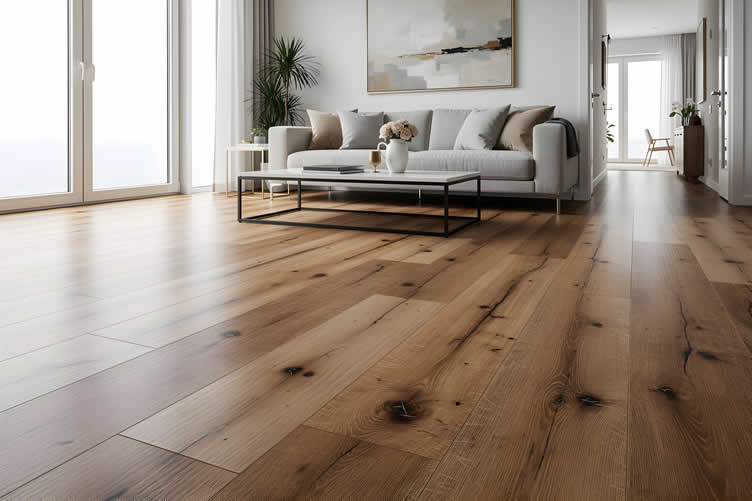
Luxury Vinyl Plank, commonly known as LVP, remains the dominant choice for families dealing with high-traffic and moisture-prone areas. This innovative material offers the realistic look of natural wood while providing a deeply practical solution for busy households.
High-quality options are frequently cited for their realistic embossing and extreme durability, bringing peace of mind to parents and pet owners alike.
LVP’s main advantage is that it’s completely waterproof, making it resistant to scratches and dents. You can typically install it over existing sub-floors with minimal prep.
AI generated image by 123rf.com

It’s important to remember, however, that LVP is made from non-biodegradable PVC and can’t be refinished like real wood. Cheaper options may have weak locking systems, so choosing a reputable brand is a smart investment.
When it comes to your budget, LVP is remarkably accommodating. Material costs generally range from $2 to $7 per square foot, with labor adding another $2 to $3 per square foot.
Since it often uses a click-lock floating system, LVP is highly DIY-friendly, allowing you to save on installation costs. Top brands frequently offer lifetime residential warranties, providing excellent long-term security for your home.
Summary Review
-
Pros
LVP boasts numerous benefits that cater to the demands of contemporary living, making it a preferred flooring material for many modern homes.
- Moisture Resistance:
It resists water damage, making it ideal for bathrooms, kitchens, and basements. - Durability:
Highly durable, LVP withstands scratches and wear, essential for homes with kids and pets. - Realistic Appearance:
Its realistic wood or stone finishes rival the appearance of natural materials. - Budget-Friendly:
Offers a luxury look without the premium price tag. - Comfort:
Softer underfoot compared to traditional wood or tile. - Sound Dampening:
Reduces noise, creating a quieter home environment. - Easy Installation:
DIY-friendly click-lock systems simplify the setup process.
- Moisture Resistance:
-
Cons
While Luxury Vinyl Plank (LVP) offers many compelling advantages that make it an attractive flooring option, it’s wise to consider a few potential drawbacks before making a final decision for your home.
- Vulnerability to Extreme Heat:
Prolonged exposure to high heat can warp the material. - Non-Authentic Material:
Although it looks like wood or stone, it is still synthetic. - Environmental Concerns:
Vinyl production may have environmental impacts compared to natural materials. - Surface Prone to Fading:
Direct and prolonged sunlight can lead to discoloration over time.
- Vulnerability to Extreme Heat:
-
Types
Luxury vinyl plank flooring comes in several distinct forms, each with its own unique characteristics. This variety allows homeowners to select the option that best suits their specific needs, preferences, and the demands of their living space.
- Glue-Down:
Provides a secure and permanent solution, ideal for high-traffic zones. - Click-Lock:
Features interlocking planks for easy and floating installations. - Loose Lay:
Uses friction to hold planks in place and often requires limited adhesives. - Rigid Core:
Includes a stone-plastic or wood-plastic composite core for enhanced stability.
- Glue-Down:
-
Installation
The variety of LVP installation methods offers remarkable flexibility, making it an accessible option for homeowners with varying levels of DIY expertise. Whether you’re a seasoned renovator or a first-timer, there’s a method that fits your skill set and project needs.
- DIY-Friendly:
Click-lock systems require minimal tools and no prior flooring experience. - Surface Preparation:
Requires a smooth, clean sub-floor to ensure proper adhesion. - Glue-Down Applications:
May require professional installation for optimal results. - Time Efficiency:
Can often be installed quickly, reducing project downtime.
- DIY-Friendly:
-
Durability
Luxury Vinyl Plank (LVP) flooring is renowned for its exceptional durability, making it an excellent long-term investment for any home, especially those with high-traffic areas. Its robust construction ensures it can stand up to the daily rigors of a busy household.
- Wear Layers:
High-quality planks feature robust wear layers that resist scratches, dents, and scuffs. - Waterproof Capabilities:
100% waterproof construction prevents issues from spills and leaks. - Impact-Resistant:
Resilient against the demands of heavy furniture and foot traffic.
- Wear Layers:
-
Maintenance
Maintaining luxury vinyl plank flooring is refreshingly straightforward, which is a major reason why it’s such a popular choice for busy families and anyone with an active lifestyle.
- Cleaning:
Requires only regular sweeping and occasional damp mopping. - Stain Resistance:
Naturally guards against stains from common household spills. - Protective Measures:
Adding felt pads under furniture helps prevent scratching.
- Cleaning:
-
Other
Beyond its durability and easy upkeep, there are several other features that make luxury vinyl plank flooring an outstanding option for a wide range of different lifestyles and household needs.
- Safety:
Slip-resistant finishes enhance safety, particularly in moisture-prone areas. - Customization:
Offers a wide range of colors, patterns, and plank sizes. - Warranty Options:
Leading brands typically provide extended warranties for peace of mind. - Eco-Friendly Choices:
Some manufacturers produce LVP with recyclable or low-VOC materials to minimize environmental impact.
- Safety:
-
Costs
When it comes to your budget, luxury vinyl plank (LVP) flooring is a versatile and cost-effective choice.
- Material Costs:
LVP typically costs between $2 to $7 per square foot, making it a budget-conscious option for a variety of households. - Labor Costs:
Professional installation generally adds $2 to $3 per square foot, but significant savings can be achieved with a DIY approach. - DIY Potential:
Designed with a click-lock floating system, LVP is highly DIY-friendly, allowing you to handle installation yourself if you’re feeling adventurous. - Long-Term Value:
Many top brands offer lifetime residential warranties, providing excellent long-term security and peace of mind for your investment.
By balancing aesthetic appeal with long-term functionality, LVP remains a trusted flooring choice for homeowners seeking affordable and stylish solutions.
Its versatility ensures a seamless fit across a wide variety of home improvement needs, reinforcing its popularity year after year. Sources and further detailed guides can provide additional support for selecting the perfect LVP for your lifestyle.
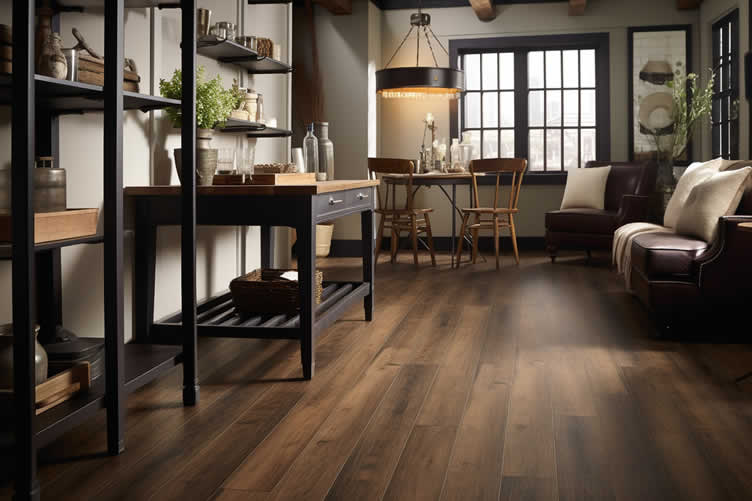
LVP offers a versatile and stylish solution that fits various lifestyles and preferences
upgrading your door hardware offers a simple yet practical solution to match any LVP floor style
- Material Costs:
- Quick scroll to section content …
Category Description Details Definition Luxury Vinyl Plank (LVP) A flooring material that mimics the look of natural wood or stone while offering enhanced durability and waterproof capabilities. Pros Moisture Resistance Ideal for bathrooms, kitchens, and basements, as it resists water and prevents damage. Durability Highly resistant to scratches, dents, and wear, making it well-suited for households with kids and pets. Realistic Appearance Features realistic wood or stone finishes, providing a luxury look without the premium price. Cons Environmental Concerns LVP production involves PVC, a non-biodegradable material, raising questions about environmental impacts. Fading Issues Prolonged exposure to direct sunlight can cause surface discoloration over time. Types Glue-Down Offers a secure, permanent installation suitable for high-traffic areas. Click-Lock Features interlocking planks, making it highly DIY-friendly and easy to install. Rigid Core Includes a composite core (stone-plastic or wood-plastic) for additional stability. Installation DIY-Friendly Minimal tools required with click-lock systems, making it accessible even for beginners. Professional Application Glue-down applications may require professional expertise for optimal results. Costs Material Costs Ranges from $2 to $7 per square foot. Labor Costs Professional installation adds $2 to $3 per square foot, but DIY methods can save cost. Long-Term Value Top brands often include lifetime residential warranties, adding significant long-term value to your flooring choice. 

AI generated
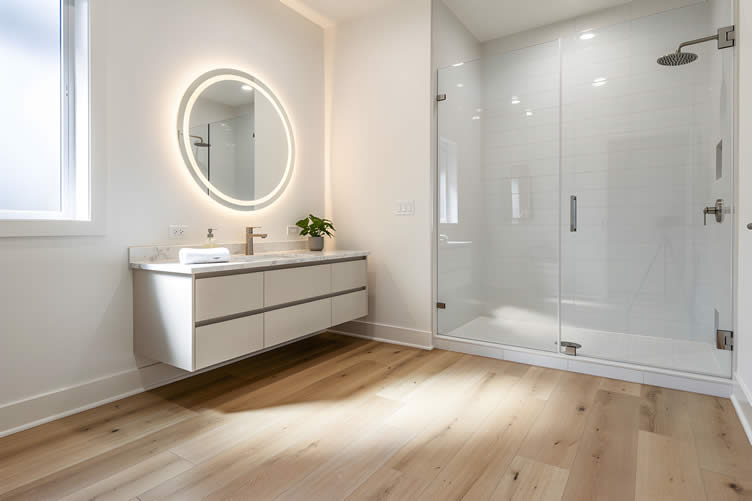 image by 123rf.com
Transform Your Bathroom Elegance
Luxury plank vinyl (LPV) flooring is an ideal choice for bathrooms, where moisture resistance is key.
Designed to handle dampness without sacrificing style, LPV offers a variety of designs to suit any decor.
For a complete transformation, consider pairing your new LPV flooring with an updated shower.
This combination creates a cohesive, polished space that is both functional and beautiful, whether you choose a sleek glass enclosure or textured tiles.
view ideas: perfect shower enclosure(new win)

-
Scroll up to directory … or scroll to next "choosing the perfect floor" section: hardwood …

-
… remodeling decisions

-
-
2nd TERM: Hardwood Flooring: Timeless Elegance
Solid hardwood remains the traditional gold standard for home interiors, offering an unmatched warmth and character that instantly elevates any room.
Walking across a real wood floor provides a distinct feeling of permanence and quality that synthetic materials strive to replicate. If you want to create a rich, inviting atmosphere, hardwood is a beautiful investment.
Choosing hardwood can significantly increase your home’s resale value, often providing an excellent return on investment. A well-maintained solid wood floor can easily last between 50 and 100 years.
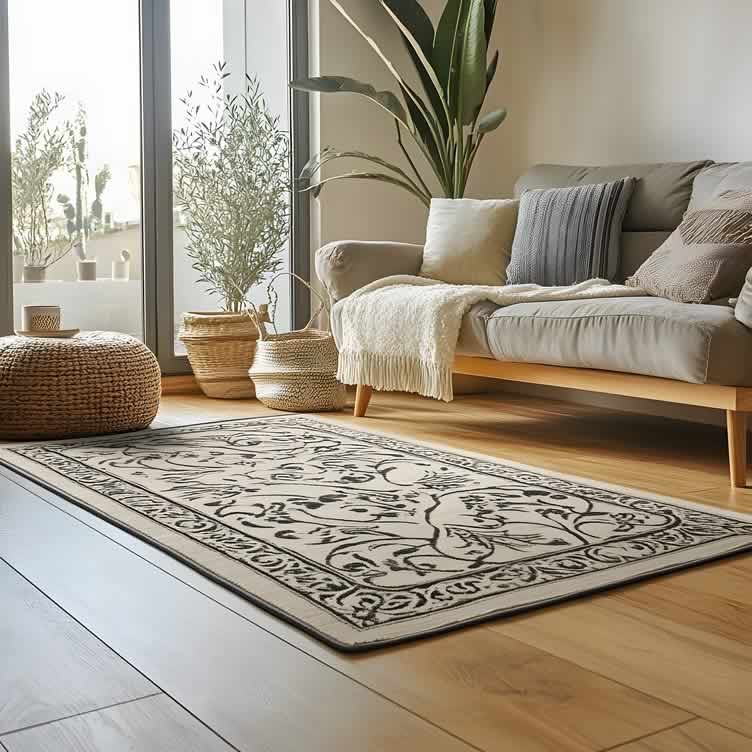
copyright image by 123rf.com
On the other hand, it’s highly susceptible to moisture damage, so you should avoid installing it in basements or bathrooms. Hardwood also requires a substantial upfront cost and is prone to scratches from pet claws or heavy furniture.
Hardwood flooring requires careful budgeting, with materials ranging from $4 to $15 per square foot. Professional installation, which involves nailing or stapling planks to a sub-floor, adds another $5 to $10 per square foot.
Despite the high upfront cost, hardwood’s longevity makes it a sustainable choice because it can be fully sanded and refinished multiple times.
Summary Review
-
Pros
Hardwood flooring comes with numerous benefits that make it a desirable choice for many homeowners.
- Timeless Appeal:
Hardwood floors never go out of style and complement a wide range of home decor styles. - Durability:
With proper care, solid hardwood can last for decades or even a lifetime. - Refinishing Capability:
Hardwood can be sanded and refinished multiple times to refresh its appearance and remove signs of wear. - Enhanced Home Value:
Hardwood often increases property resale value due to its high desirability. - Variety of Styles:
Comes in a wide range of wood species, finishes, and plank sizes to suit any aesthetic.
- Timeless Appeal:
-
Cons
While hardwood flooring offers many advantages, there are a few drawbacks to consider.
- Cost:
Hardwood is more expensive compared to synthetic materials or carpet, both in material and installation. - Susceptibility to Moisture:
Not ideal for areas prone to high humidity or standing water, such as bathrooms or basements. - Scratches and Dents:
More prone to damage from heavy furniture, pet claws, and high-traffic areas. - Maintenance Needs:
Regular upkeep, cleaning, and occasional refinishing are required to maintain its appearance. - Noisy:
May produce creaking sounds if improperly installed or maintained.
- Cost:
-
Types
Hardwood flooring comes in several types, each offering unique characteristics suited for different needs and preferences.
- Solid Hardwood:
Made from a single piece of wood, it can be sanded and refinished multiple times. - Engineered Hardwood:
Consists of a veneer of real wood glued to layers of plywood; more stable in humid conditions. - Exotic Woods:
Includes wood like Brazilian Cherry or Teak, offering distinct grains and colors but often at a premium cost. - Pre-Finished vs. Unfinished:
Pre-finished floors deliver convenience, while unfinished allows for a custom finish after installation.
- Solid Hardwood:
-
Installation
Proper installation is critical to ensure the longevity and durability of hardwood flooring.
- Nail Down:
Most common for solid wood, requiring a wooden sub-floor for attachment. - Glue Down:
Used for engineered wood to adhere directly to a concrete or wood sub-floor - Floating:
Planks are clicked together without attachment to the sub-floor, ideal for engineered hardwood. - Professional Installation Recommended:
Due to the complexity and precision involved, expert installers are often necessary.
- Nail Down:
-
Durability
Hardwood flooring is renowned for its strength but can vary depending on factors such as species and finish.
- Strong Wood Species:
Red Oak, White Oak, and Hickory are known for their hardness and resistance to wear. - Wear Layer (for engineered wood): Higher-quality options come with a thicker wood layer, prolonging their lifespan.
- Finishes Enhance Durability:
Protective coatings like polyurethane help guard against scratches, moisture, and wear.
- Strong Wood Species:
-
Maintenance
Regular maintenance goes a long way in preserving the beauty of hardwood flooring.
- Cleaning:
Use a damp mop and hardwood-specific cleaning products; avoid excessive water. - Protective Measures:
Use rugs and furniture pads to prevent scratches and wear in high-traffic areas. - Periodic Refinishing:
Sanding and refinishing every 7-10 years can restore the floor’s original look.
- Cleaning:
-
Other
Other considerations can influence your hardwood flooring choice, depending on specific needs or preferences.
- Eco-Friendly Options:
Look for FSC-certified wood sourced from sustainable forests. - Allergy-Friendly:
Unlike carpet, hardwood does not trap allergens, making it friendly for allergy sufferers. - Color Aging:
Some wood types develop a richer hue over time due to natural oxidation and sunlight.
- Eco-Friendly Options:
-
Costs
Hardwood flooring is a premium investment with costs that vary depending on the type of wood and installation needs.
- Material Costs:
Range from $4 to $15 per square foot, depending on species and finish. - Installation Costs:
Typically add $5 to $10 per square foot for professional services. - Additional Costs:
Includes underlayment, vapor barriers, and tools, which can increase the overall budget. - Long-Term Value:
Despite high initial costs, hardwood’s longevity and impact on home value often outweigh its price over time.
Hardwood flooring is a timeless and valuable choice for homeowners seeking elegance, durability, and a lasting investment in their homes.
By understanding the options, benefits, and considerations, you can make an informed decision that aligns with your style and needs.
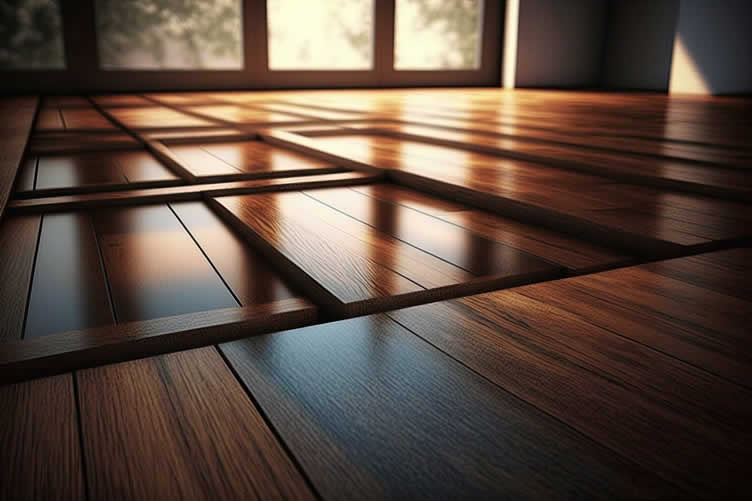
exotic hardwoods like Brazilian cherry, mahogany, and teak bring a touch of luxury to any space
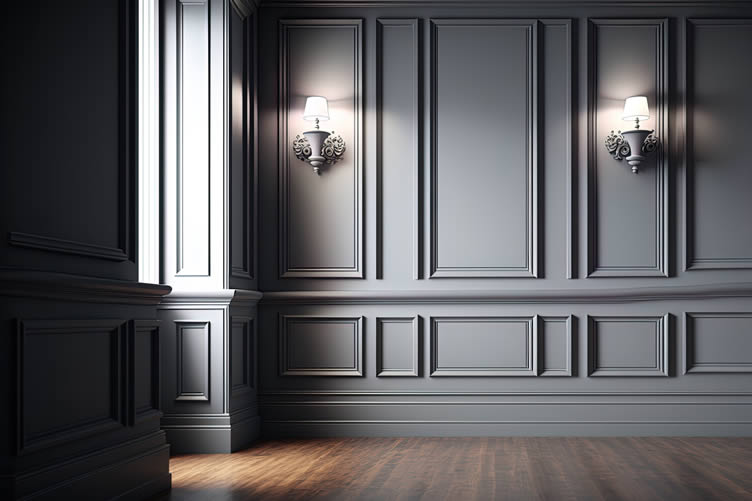
moldings and trim are essential design elements that pair well with hardwood flooring
- Material Costs:
- Quick scroll to section content …
Category Details Pros Hardwood floors offer timeless appeal, complementing various home decor styles. They are highly durable, lasting for decades with proper care.
Solid hardwood can be sanded and refinished multiple times, refreshing its appearance. These floors increase property resale value and come in numerous styles, including different wood species, finishes, and plank sizes.
Cons Hardwood flooring is expensive in terms of both material and installation. It is not suitable for high-moisture areas and can be susceptible to scratches and dents in high-traffic zones or from heavy furniture.
Regular maintenance and refinishing are required, and improperly installed floors may produce creaking sounds.
Types Options include solid hardwood, made from a single piece of wood and allowing multiple refinishes, and engineered hardwood, which has a real wood veneer over layers of plywood for stability in humid conditions.
Exotic woods, such as Brazilian Cherry and Teak, offer unique grains and colors at a higher cost. Pre-finished floors provide convenience, while unfinished options allow customization after installation.
Installation Common installation methods include nail-down, glue-down, and floating techniques. Nail-down is primarily used for solid wood, while glue-down works for engineered wood on various sub-floors
Floating involves clicking planks together without attaching them to the sub-floor Professional installation is recommended due to the complexity and precision required.
Durability Hardwood floors are strong, with species like Red Oak, White Oak, and Hickory being particularly resistant to wear.
Engineered wood with a thicker wear layer ensures longevity, and protective finishes such as polyurethane guard against scratches, moisture, and general wear.
Maintenance Regular cleaning with hardwood-specific products and avoiding excessive water help preserve floors.
Rugs and furniture pads protect from scratches, and periodic refinishing every 7-10 years restores their appearance. Proper upkeep maintains the beauty and functionality of the flooring.
Other Considerations Eco-conscious homeowners can choose FSC-certified woods from sustainable sources. Hardwood floors are allergy-friendly as they do not trap allergens like carpets.
Some wood types naturally develop a richer color over time due to sunlight and oxidation.
Costs Material costs range from $4 to $15 per square foot based on wood type and finish. Installation typically costs an additional $5 to $10 per square foot.
Other expenses, such as underlayment and vapor barriers, can increase the budget. However, hardwood floors are a long-term investment that enhances home value significantly.
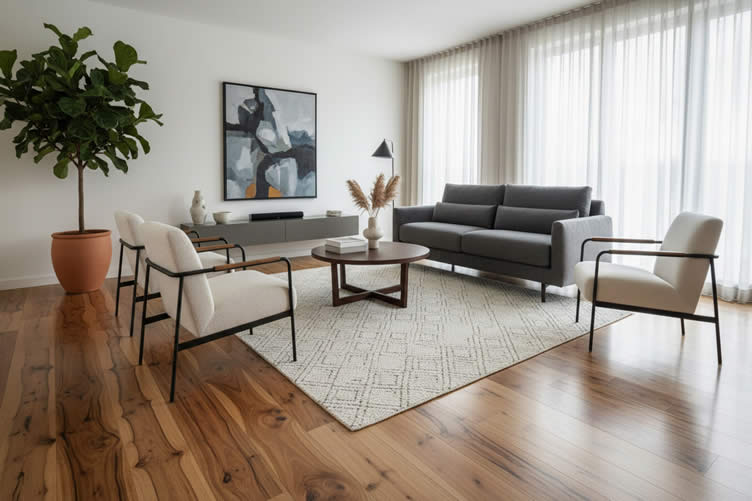
AI generated image by 123rf.com
Looking for an Elegant Living Room?
Begin your design by selecting beautiful hardwood flooring as the foundation for your space.
Hardwood not only exudes timeless charm but also provides exceptional durability, making it a practical and stylish choice for any home.
Pair this with a thoughtfully developed living room design that blends comfort, functionality, and aesthetic appeal.
From sleek, modern furniture to cozy accent pieces, every element contributes to creating a warm and inviting ambiance that reflects your personal style while enhancing your home’s overall charm.
view ideas: stunning living room design(new win)
-
Scroll up to directory … or scroll to next "choosing the perfect floor" section: laminate …
-
-

Tackling home upgrades such as "choosing the perfect floor" and other home improvement needs …
… save this curated directory of ideas for future reference.


-
-
3rd TERM: Laminate Flooring: The Affordable All-Rounder
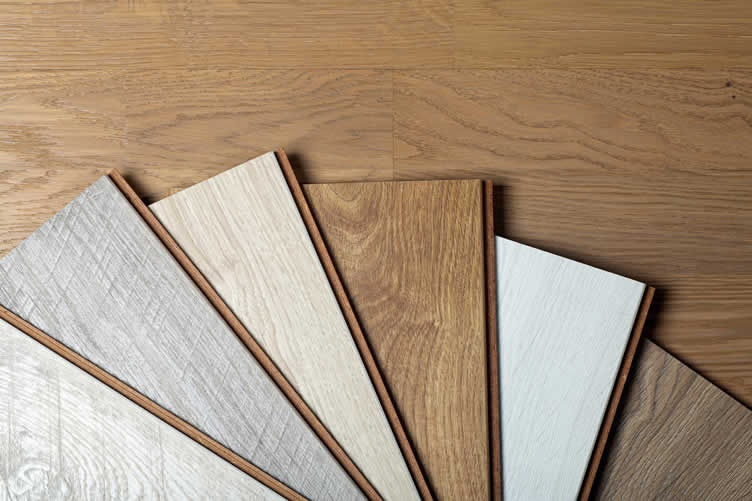
Laminate flooring has seen a massive resurgence recently, thanks to greatly improved core materials that offer far better topical water resistance than the older versions you might remember.
It provides a highly accessible way to achieve the look of premium wood without stretching your renovation budget to the breaking point.
This affordable material boasts a highly scratch-resistant surface, making it an excellent choice for active families. In some cases, modern laminate can even look more like real wood than LVP.
copyright image by 123rf.com
However, you do need to be careful about spills, as its fiberboard core can swell if water gets into the seams. It’s also important to remember that laminate can’t be refinished; if it gets damaged, it must be replaced.
Laminate is incredibly gentle on your wallet, costing just $1 to $4 per square foot for materials. Labor costs are also low, matching LVP at around $2 to $3 per square foot.
The simple click-lock floating installation makes it another great option for confident DIYers. While its 15- to 25-year lifespan is shorter than real wood, its durability makes it a smart choice for updating your family spaces.
Summary Review
-
Pros
Laminate flooring brings considerable advantages to any home improvement project. Here’s why it’s worth considering:
- Affordable pricing:
A budget-friendly alternative to hardwood, delivering a similar appearance at a fraction of the cost. - Realistic aesthetics:
Modern designs closely mimic wood, stone, or tile patterns. - Simple installation:
Click-lock systems enable DIYers to easily install without professional help. - Durability:
Resistant to scratches, dents, and fading – ideal for busy households with kids or pets. - Low-maintenance:
Requires only basic cleaning to maintain its appearance. - Eco-friendly options:
Many laminate products are made from recycled materials.
- Affordable pricing:
-
Cons
While laminate flooring offers numerous benefits, there are some limitations to consider:
- Moisture sensitivity:
Extended exposure to water can lead to warping or damage, especially in older models. - Sound issues:
Without underlayment or padding, footsteps may sound hollow or loud. - Resurfacing not possible:
Unlike hardwood, laminate cannot be sanded or refinished once damaged. - Low resale value:
May not add as much value as more premium options like hardwood.
- Moisture sensitivity:
-
Types
Laminate flooring comes in various styles and finishes to meet differing needs:
- High-pressure laminate (HPL):
Offers superior durability and scratch resistance, ideal for high-traffic areas. - Direct-pressure laminate (DPL):
More budget-friendly and suitable for standard residential use. - Textured laminate:
Mimics the feel of real wood with embossed designs. - Water-resistant laminate:
Features advanced core technology for enhanced water resistance in areas like kitchens or bathrooms.
- High-pressure laminate (HPL):
-
Installation
Installing laminate is a straightforward process ideal for DIY enthusiasts:
- Preparation:
Ensure sub-floor is level, clean, and dry before starting. - Click-lock design:
Modern laminate uses interlocking mechanisms, making installation fast and glue-free. - Floating floor system:
Laminate is not nailed or glued down, enabling replacement with ease if needed. - Underlayment use:
A foam or cork underlayment can reduce noise and provide moisture protection.
- Preparation:
-
Durability
Laminate flooring is designed to stand up to daily wear and tear:
- Scratch resistance:
Its wear layer effectively protects against furniture movement and pet claws. - Fade resistance:
Maintains appearance even in direct sunlight, unlike certain natural materials. - Lifespan:
Typically lasts between 15 to 25 years, dependent on product quality and care.
- Scratch resistance:
-
Maintenance
Keeping laminate floors looking great is simple with regular upkeep:
- Cleaning:
Sweep and use a slightly damp mop or laminate-safe cleaners; avoid excessive water exposure. - Preventive care:
Use felt pads on furniture and entrance mats to minimize scratches and debris. - Repairs:
Although individual planks can be replaced, significant damage may require broader replacement.
- Cleaning:
-
Other Considerations
Before selecting laminate flooring, take note of additional factors:
- Environmental impact:
Many brands are certified for low-VOC emissions, promoting a healthier indoor environment. - Texture options:
Choose finishes (satin, matte, or gloss) aligned with your design and maintenance preferences. - Compatibility:
Not ideal for areas with consistently high moisture, such as saunas or heavy-use bathrooms.
- Environmental impact:
-
Costs
Laminate flooring is an economical choice, making it accessible for a range of budgets:
- Material costs:
Generally range from $1 to $5 per square foot, depending on quality and style. - Installation costs:
If opting for professional installation, expect an additional $2-$3 per square foot. - Long-term value:
Though initial costs are low, its inability to be refinished may lead to eventual replacement expenses.
Laminate flooring offers a practical and stylish way to transform your living spaces, balancing aesthetics, performance, and budget.
Whether you’re tackling a DIY project or enlisting professional help, laminate continues to be one of the most versatile choices for modern home improvement innovations.
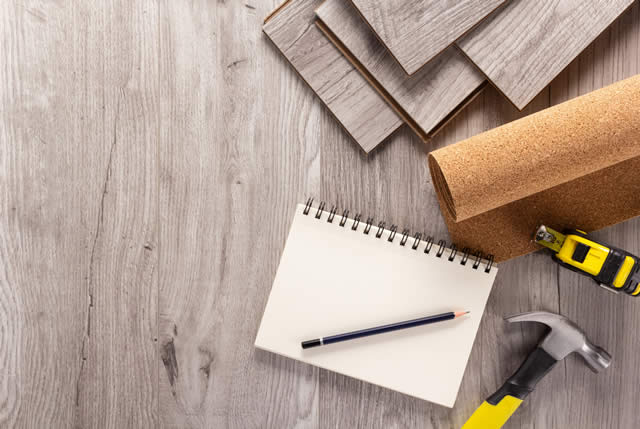
installing laminate flooring (amazon) requires the right tools to achieve a perfect look
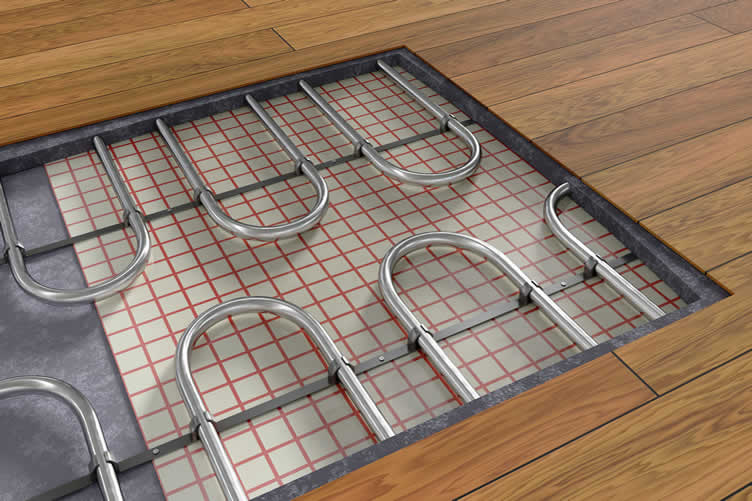
thinking about changing your flooring? You might want to consider underfloor heating as an option
- Material costs:
- Quick scroll to section content …
Feature Description Details Introduction Affordable Style and Durability Laminate flooring offers a budget-friendly way to achieve the look of premium wood, enhanced by modern core materials providing better water resistance and durability. Pros Key Benefits Affordable pricing, realistic aesthetics, simple installation, durability, low maintenance, and eco-friendly options make laminate flooring an attractive choice. Cons Limitations Laminate flooring is sensitive to moisture, can produce sound issues without underlayment, cannot be resurfaced, and has relatively lower resale value compared to hardwood. Types Variety of Options Includes high-pressure laminate (HPL) for durability, direct-pressure laminate (DPL) for cost-efficiency, textured designs for realistic looks, and water-resistant options for high-moisture areas. Installation DIY-Friendly Process Requires preparation of sub-floor, utilizes click-lock systems for easy assembly, adopts a floating floor system, and may involve underlayment for noise and moisture protection. Durability Performance Features Scratch and fade-resistant layers ensure long-lasting performance, with typical lifespan ranging from 15 to 25 years, depending on quality and care. Maintenance Care and Upkeep Easy to clean with sweeping and laminate-safe cleaners; preventive care, like using felt pads and entrance mats, reduces damage, while individual plank replacement handles minor repairs. Considerations Additional Notes Environmental certifications ensure low-VOC emissions, various texture options are available, but laminate floors may not be well-suited for consistently moist areas. Costs Affordability Material costs range from $1 to $5 per square foot, with professional installation costing around $2-$3 per square foot; low initial costs are balanced by eventual replacement needs. 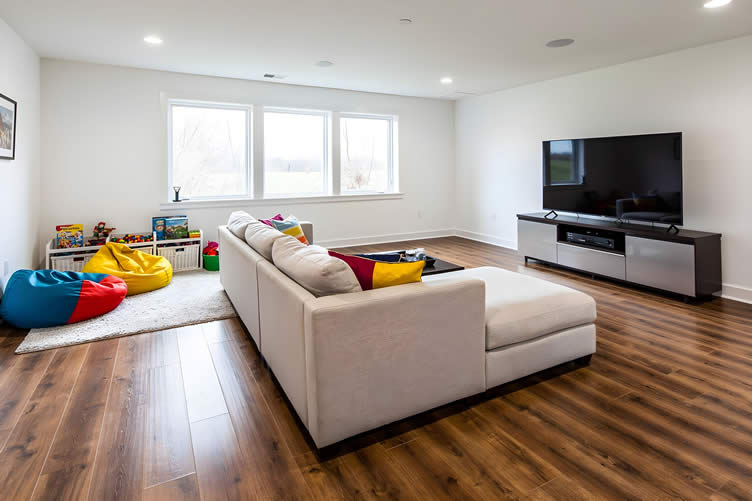
AI generated image by 123rf.com
Remodel Your Rec Space
Laminate flooring’s durability, style, and affordability make it ideal for high-traffic areas like recreation rooms, home theaters, and play areas.
Its scratch-resistant surface holds up to daily activities, and a wide variety of finishes ensures it can match any aesthetic.
Since laminate is also easy to clean, it’s perfect for spaces where messes are common.
These features make it a practical, stylish, and cost-effective choice for creating inviting spaces for the entire family.
view ideas: for your recreation room(new win)
-
Scroll up to directory … or scroll to next "choosing the perfect floor" section: engineered wood …
-
-

Outline the specific requirements needed for making …

… key home improvement and remodeling decisions


SHARE IT ..! Someone in your network might benefit from this insightful post about choosing the perfect floor. Feel free to share it on Facebook, X (formally Twitter), LinkedIn, or Pinterest!


-
-
4th TERM: Engineered Wood: The Stable Sibling
Engineered wood acts as a beautiful hybrid, providing the authentic feel and rich grain of real wood alongside the structural stability of a layered core.
It gives you the best of both worlds, allowing you to enjoy natural beauty in areas where solid hardwood might warp or buckle.
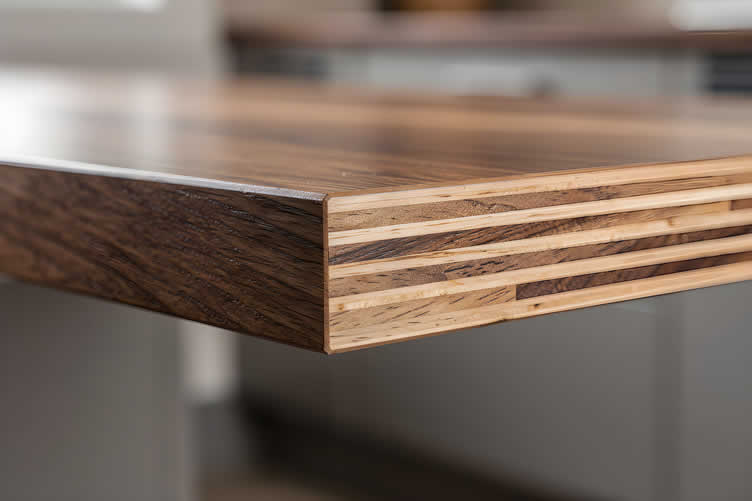
Engineered wood has a real wood veneer over a multi-layered core, making it more dimensionally stable than solid wood. This structure makes it a reliable choice for areas with fluctuating humidity, like kitchens or basements.
AI generated image by 123rf.com
However, since the top layer is genuine wood, it still needs protection from scratches. Depending on the veneer’s thickness, it can only be sanded and refinished a limited number of times.
Engineered wood falls between LVP and solid hardwood in terms of cost. Materials typically run from $3 to $12 per square foot, with labor costing an additional $3 to $8 per square foot.
The installation process is wonderfully versatile—these floors can be nailed, glued, or floated, depending on your sub-floor With a lifespan of 20 to 40 years, engineered wood is a solid, grounding addition to your sanctuary.
Summary Review
-
Pros
Engineered wood offers many benefits that make it a popular choice for homeowners.
- Authentic Wood Look:
It uses real wood veneer, providing the same natural look and feel as solid hardwood. - Moisture Resistance:
The layered construction resists moisture better than solid wood, making it suitable for kitchens, basements, and bathrooms. - Affordability:
Typically more budget-friendly than solid hardwood, while still delivering premium aesthetics. - Eco-Friendly Options:
Uses less hardwood, contributing to more sustainable practices. - Ease of Installation:
Various installation methods, including floating floors, which can be quicker and simpler than traditional hardwood installation. - Wide Variety:
Available in numerous wood species, finishes, and plank styles to suit diverse design needs.
- Authentic Wood Look:
-
Cons
Despite its benefits, there are a few drawbacks to consider.
- Refinishing Limits:
Most engineered wood can only be sanded and refinished once or twice due to a thinner veneer layer. - Potential for Wear:
Low-quality options may wear or chip over time, particularly in high-traffic areas. - Moisture Limitations:
While more resistant than solid wood, excessive exposure to water can still cause damage. - Cost Compared to Alternatives:
Priced higher than laminate or vinyl, requiring careful consideration for budget-conscious buyers.
- Refinishing Limits:
-
Types
Engineered wood flooring comes in multiple variations to align with different needs and preferences.
- Plywood Core:
Offers stability and longevity by reducing expansion and contraction. - High-Density Fiberboard (HDF) Core:
Provides enhanced durability and resistance to dents or scratches. - Three-Layer Engineered Wood:
A budget-friendly option with simplified construction for less demanding environments. - Multi-Layer Engineered Wood:
Features more layers for added moisture and dimensional stability.
- Plywood Core:
-
Installation
Engineered wood offers flexibility in installation methods depending on your tools, space, and preference.
- Nail-Down:
Secures boards firmly to a wooden sub-floor; ideal for permanence. - Glue-Down:
Adheres directly to the sub-floor for additional stability and noise reduction. - Floating Floors:
Simple click-lock technology allows boards to interlock and “float” above the underlayment. - Staple-Down:
A variation of nail-down installation, offering a secure fit with staples over a wooden sub-floor
- Nail-Down:
-
Durability
Engineered wood is built to last, offering years of comfort and function when properly cared for.
- Long Lifespan:
High-quality engineered wood can last 20–40 years. - Resistant to Warping:
Layered core structure prevents warping, even in areas with variable humidity. - Scratch Resistance:
Durable finishes, such as aluminum oxide coatings, improve resistance to everyday wear and tear.
- Long Lifespan:
-
Maintenance
Maintaining engineered wood is simple and keeps it looking gorgeous for years.
- Cleaning:
Dust and sweep regularly using a soft-bristle broom or microfiber mop. - Avoid Excess Moisture:
Use a damp cloth for spills and avoid soaking the surface. - Protective Measures:
Use felt pads on furniture and rugs in high-traffic areas to reduce scratching. - Refinishing:
Sanding and refinishing (if possible) can restore small surface imperfections.
- Cleaning:
-
Other Considerations
Engineered wood offers flexibility but requires some planning before installation.
- Underlayment:
Certain installations may need an underlayment for sound reduction or insulation. - Acclimation:
Allow flooring to acclimate to room temperature and humidity before installation. - UV Resistance:
Prolonged sunlight exposure may fade colors; use shades or UV-resistant treatments for protection.
- Underlayment:
-
Costs
The cost of engineered wood can vary greatly depending on quality and additional installation factors.
- Material Range:
Typically priced between $3 and $12 per square foot, depending on wood species and veneer thickness. - Installation Costs:
Labor costs range from $3 to $8 per square foot, influenced by the complexity of the job and location. - Longevity Value:
Offers a cost-effective alternative to solid hardwood given its durability and moisture resistance.
Engineered wood combines long-term value, authentic aesthetics, and practical performance to meet the demands of nearly any home improvement project.
With proper care and consideration, it can transform your living spaces into a stylish and comfortable retreat that will stand the test of time.

you find do’s and don’ts with engineered wood maintenance – see what they are
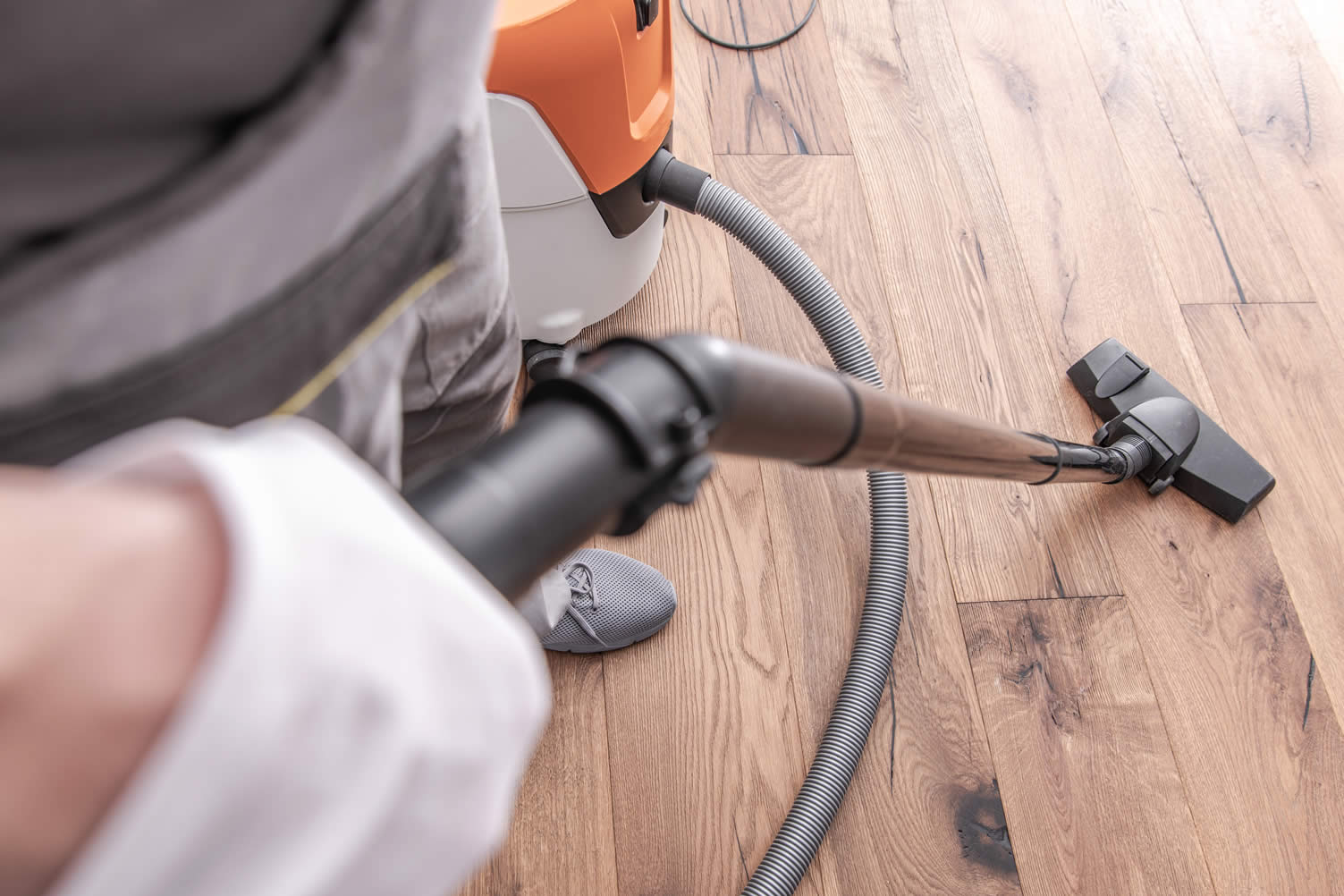
canister vacuums (amazon) are the best cleaning machines for both hardwood and engineered wood flooring.
- Material Range:
- Quick scroll to section content …
Category Description Details Overview Engineered wood offers a balance of beauty and stability. It features a real wood veneer over a layered core, providing natural aesthetics while resisting warping or buckling in areas with fluctuating humidity. Pros Key advantages of engineered wood. Includes authentic wood look, moisture resistance, affordability, eco-friendliness, versatile installation methods, and wide variety of options. Cons Potential drawbacks of engineered wood. Refinishing limitations, potential for wear in low-quality materials, vulnerability to excessive moisture, and higher cost compared to some alternatives. Types Variations in engineered wood construction. Includes plywood core, HDF core, three-layer construction, and multi-layer construction for enhanced stability and durability. Installation Installation methods for engineered wood. Methods include nail-down, glue-down, floating floors, and staple-down, providing flexibility based on preferences and sub-floor types. Durability Engineered wood’s longevity and resistance. Durable with a lifespan of 20–40 years, resistant to warping, and enhanced scratch resistance with durable finishes. Maintenance Steps to maintain the elegance of engineered wood. Regular dusting, avoiding excess moisture, using protective measures, and refinishing when possible ensure long-lasting beauty. Costs Pricing information for materials and labor. Material cost ranges from $3 to $12 per square foot, with installation adding $3 to $8 per square foot. Offers a cost-effective alternative to solid hardwood. 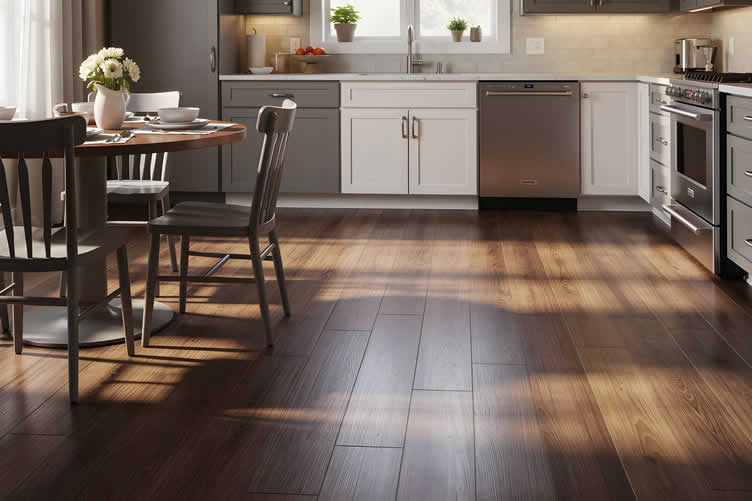
AI generated image by 123rf.com
Efficient and Functional Workspace
Engineered wood is an excellent choice for adding warmth and elegance to specific areas of the kitchen.
It works best in low-moisture zones, such as dining nooks or areas away from the sink and dishwasher, where exposure to water is minimal.
Its durability and resistance to temperature changes make it ideal for creating a cozy atmosphere underfoot while maintaining a stylish look.
Consider placing rugs or mats in high-traffic spots to protect the flooring and extend its lifespan.
view ideas: kitchen organization tips(new win)
-
Scroll up to directory … or scroll to last "choosing the perfect floor" section: making the choice …
-
-
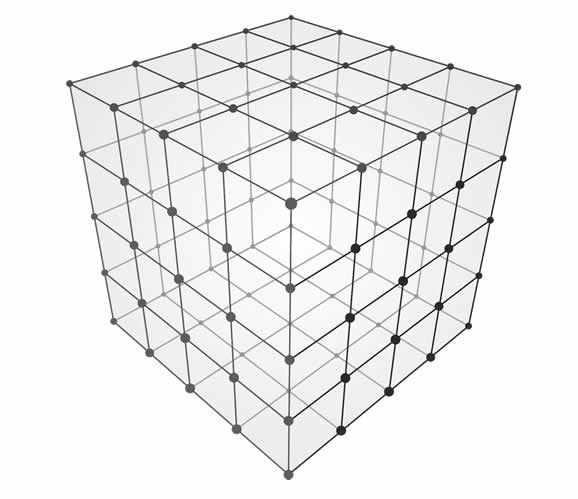
Easily determine the dimensions you need for any home remodeling project …
… ensuring functionality, visual appeal, and compliance with building codes.


-
-
5th TERM: Making Your Flooring Decision
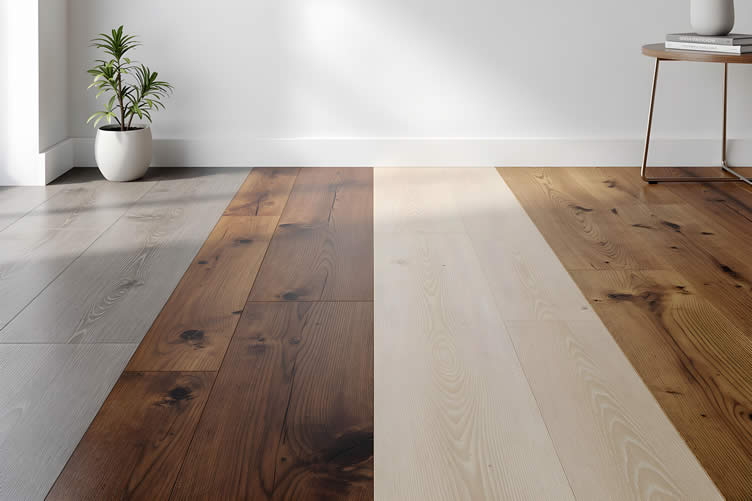
Evaluating these four flooring options side-by-side (luxury vinyl, hardwood, laminate, engineer wood) reveals that the perfect floor truly depends on the specific room and your family’s daily habits.
If you need ultimate peace of mind against spills and muddy paws, LVP stands out as the undeniable champion. It handles the chaos of life with grace, allowing you to relax rather than constantly police your floors.
AI generated image by 123rf.com
For those seeking to maximize their property value while enjoying authentic, timeless beauty, solid hardwood or engineered wood will provide that deep satisfaction.
Hardwood shines in living rooms and bedrooms, while engineered wood safely brings that same natural elegance into slightly trickier environments.
If your budget is tight but you still desire a fresh, resilient update, laminate offers a wonderful compromise that will beautifully refresh your space.
Best Floors for Each Room
-
Living Room
A centerpiece of comfort and design, the living room benefits from flooring that is both inviting and practical.
- Hardwood
- Offers timeless elegance and unmatched natural beauty.
- Durable and long-lasting for rooms with moderate foot traffic.
- Ideal for showcasing rugs and accent furniture.
- Engineered Wood
- Provides the look of hardwood with added resistance to moisture and temperature changes.
- Perfect for homes with fluctuating humidity.
- Laminate
- Cost-effective option with high scratch resistance for busy households.
- Available in a variety of styles, perfect for adapting to any decor.
- Luxury Vinyl Plank (LVP)
- Mimics wood or tile for a sophisticated yet durable surface.
- Soft underfoot and highly resistant to wear, pet claws, and spills.
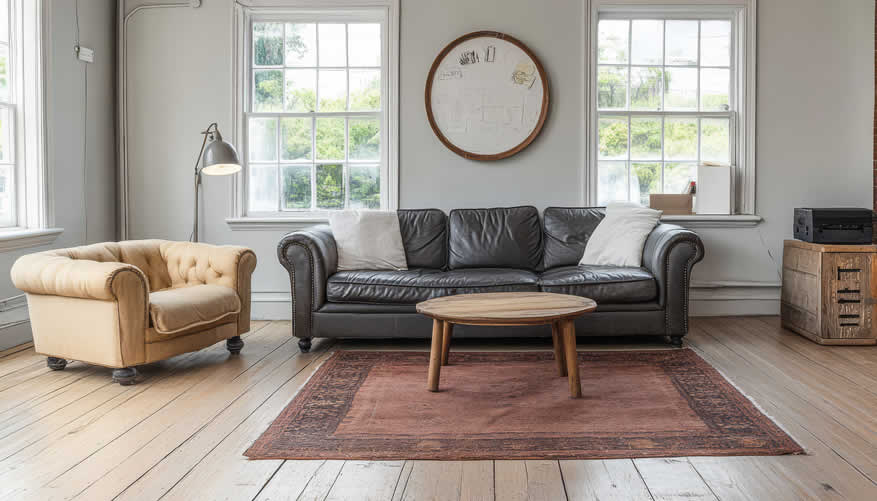
hardwood flooring pairs perfectly with stately furniture and bold wall decor
- Hardwood
-
Kitchen
With constant spills and food-related messes, kitchen flooring must be easy to clean and resistant to moisture.
- Luxury Vinyl Plank (LVP)
- Waterproof and stain-resistant, making cleanups effortless.
- Textured options reduce slipperiness caused by water and oil.
- Engineered Wood
- Resists moderate moisture levels while adding warmth and style.
- A great choice for open-concept kitchen-living spaces.
- Laminate
- Affordable with water-resistant coatings for lightly-trafficked kitchens.
- Easy installation for quick updates.
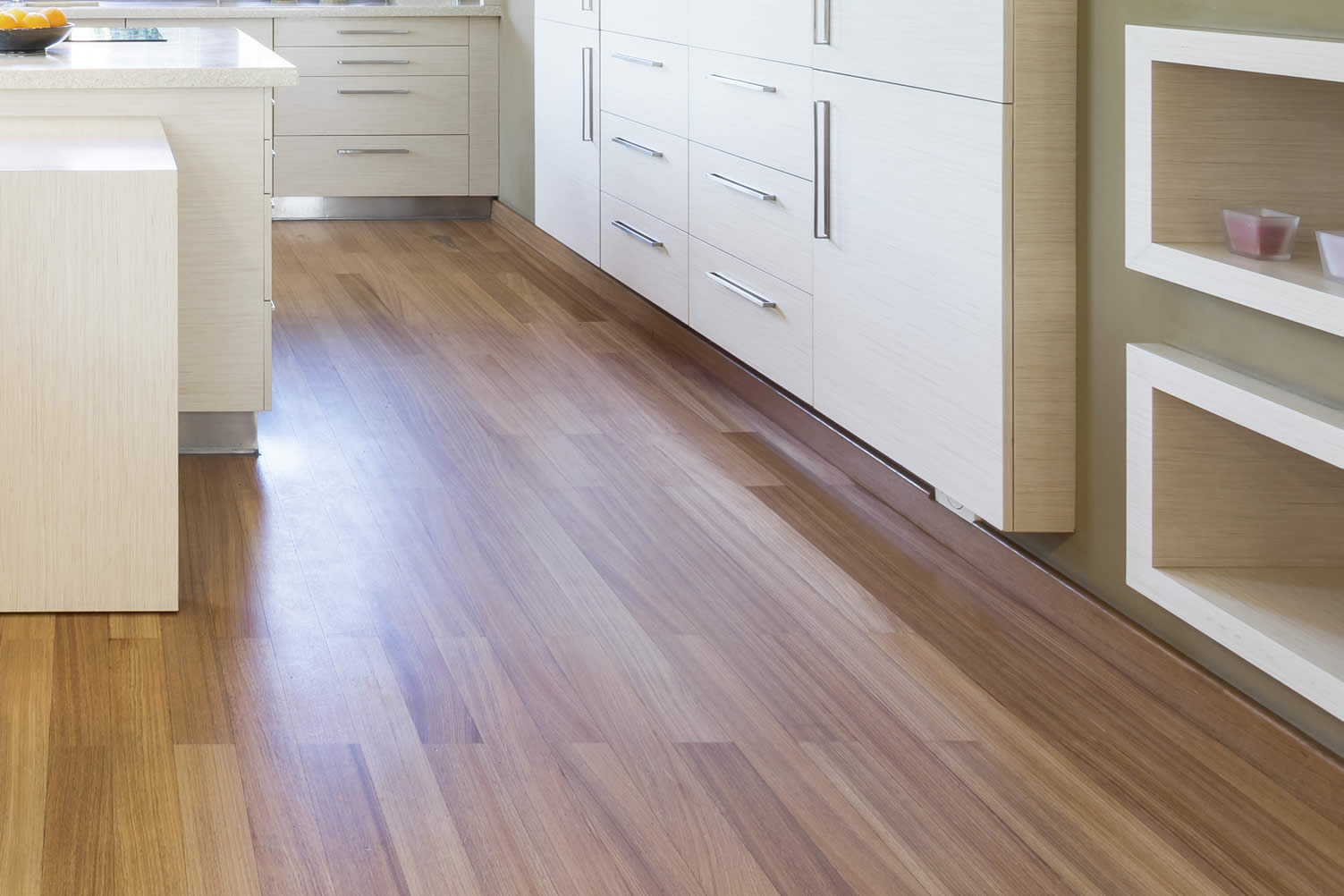
luxury vinyl plank is the best choice for areas around the kitchen sink and food prep zones
- Luxury Vinyl Plank (LVP)
-
Bedroom
Bedrooms thrive on comfort, making warmth and coziness key flooring considerations.
- Hardwood
- Provides a calming natural aesthetic ideal for restful spaces.
- Can be complemented with area rugs for added softness.
- Engineered Wood
- Offers the same aesthetic as hardwood with enhanced durability.
- More resistant to the occasional beverage spill or humidity.
- Luxury Vinyl Plank (LVP)
- Highly durable and ideal for homes with kids or pets.
- Comfortable underfoot with noise-reducing qualities.
- Carpet(Alternative Option)
- Adds unmatched softness and insulation for ultimate comfort.
- Available in eco-friendly options for an environmentally conscious choice.
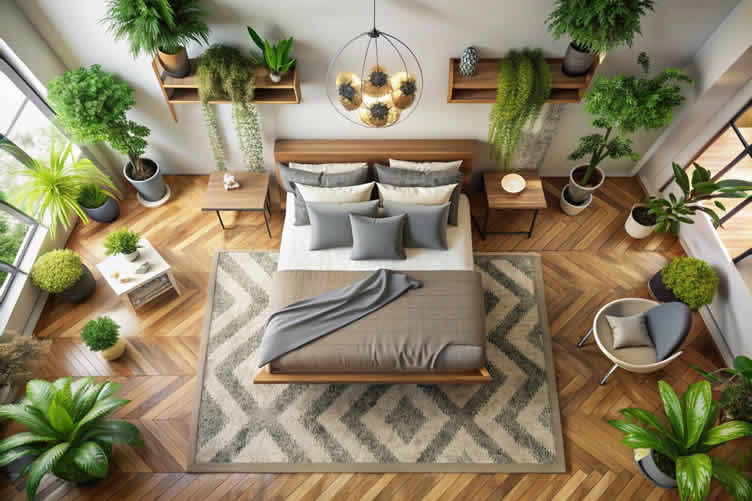
engineered wood offers versatile design options to match your bedroom’s style
- Hardwood
-
Bathroom
Moisture resistance and durability are non-negotiable for bathroom floors.
- Luxury Vinyl Plank (LVP)
- 100% waterproof, making it the top choice for bathrooms.
- Non-slip finishes and a vast range of styles ensure safety and aesthetic appeal.
- Porcelain or Ceramic Tile(Alternative Option)
- Best for high-moisture environments with excellent durability and water resistance.
- Engineered Wood
- Suitable for half-baths or powder rooms where humidity is less prevalent.
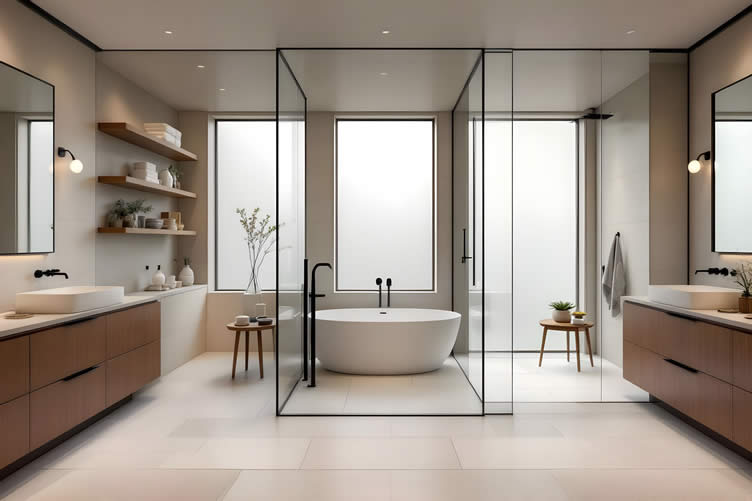
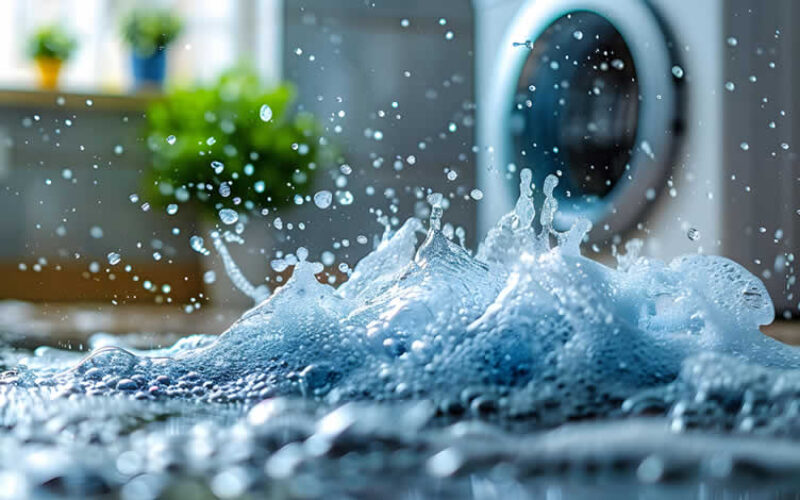
bathrooms are notorious for water spillage from showers, bathtubs, and sinks
- Luxury Vinyl Plank (LVP)
-
Recreation Room
Multipurpose and often high-traffic, recreation room floors must prioritize resilience and versatility.
- Luxury Vinyl Plank (LVP)
- Withstands heavy furniture, foot traffic, and occasional spills.
- Affordable and available in designs that blend with contemporary or casual themes.
- Laminate
- Scratch-resistant and great for game tables or hobby activities.
- A low-cost option for expansive spaces.
- Carpet Tiles(Alternative Option)
- Highly functional for kids’ playrooms with cushioning and soundproofing benefits.
- Easy to replace individual tiles if damaged.

for areas with heavy foot traffic, luxury vinyl tile and laminate are excellent choices
- Luxury Vinyl Plank (LVP)
-
Budget Considerations
When cost is a primary concern, focus on materials that balance affordability with durability.
- Laminate
- Provides the look of wood or stone on a budget.
- Quick to install, potentially reducing labor costs.
- Luxury Vinyl Plank (LVP)
- An excellent mid-tier investment that combines aesthetics, durability, and affordability.
- Tile(Alternative Option)
- Ceramic tiles offer a budget-conscious, durable solution for kitchens and bathrooms.
- Laminate
-
Other Factors to Consider
Each household is unique, and additional considerations might play a role in choosing your flooring.
- Pet-Friendly Floors
- Materials like Luxury Vinyl Plank and Laminate resist scratching and staining caused by pets.
- Eco-Friendly Choices
- Bamboo flooring offers a sustainable, durable option with natural beauty.
- Cork flooring provides eco-conscious insulation and comfort underfoot.
- Allergy-Friendly Floors
- Hardwood, Engineered Wood, and Luxury Vinyl Plank are easy to clean, reducing allergens like dust and dander.
- Resale Value
- Hardwood and Engineered Wood rank highest in appealing to potential buyers and increasing home value.
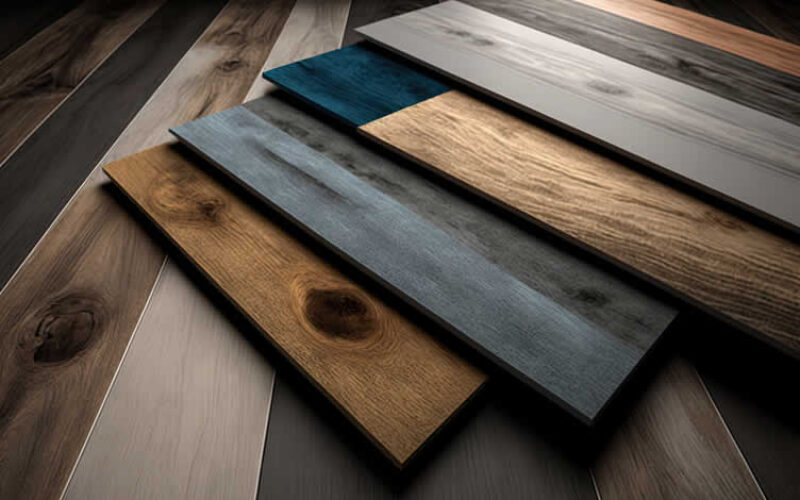
By considering these options and evaluating the specific needs of each room, you can confidently select a flooring material that not only enhances your home’s aesthetic but also aligns with your lifestyle and budget priorities.
- Pet-Friendly Floors
- Quick scroll to section content …
Making Flooring Choices
(from the summary table below)
google imagesliving room view – hardwood view – engineered wood view – laminate view – luxury vinyl plank view kitchen view – luxury vinyl plank view – engineered wood view – laminate view – tile (alternative) view bedroom view – hardwood view – engineered wood view – luxury vinyl plank view – carpet (alternative) view bathroom view – luxury vinyl plank view – tile (alternative) view – laminate view – engineered wood view recreation room view – luxury vinyl plank view – laminate view – carpet (alternative) view eco-friendly options view – bamboo flooring view – cork flooring view – natural teak view – reclaimed wood view – hempwood view Room Recommended Flooring Key Benefits Living Room Hardwood, Engineered Wood, Laminate, Luxury Vinyl Plank (LVP) Hardwood offers timeless elegance, is durable, and pairs beautifully with rugs. Engineered wood provides the aesthetic of hardwood but resists moisture and temperature changes better. Laminate is cost-effective, scratch-resistant, and adaptable to various decor styles. LVP mimics wood or tile while being soft, durable, and resistant to pet claws and spills. Kitchen Luxury Vinyl Plank (LVP), Engineered Wood, Laminate LVP is waterproof, stain-resistant, and easy to clean, with textured options to reduce slipperiness. Engineered wood resists moisture while adding warmth and complements open-concept spaces. Laminate is an affordable choice with water-resistant coatings. Bedroom Hardwood, Engineered Wood, Luxury Vinyl Plank (LVP), Carpet Hardwood offers a calming, natural aesthetic and pairs well with area rugs. Engineered wood provides similar aesthetics with added durability. LVP is durable, noise-reducing, and comfortable underfoot. Carpet adds unmatched softness and insulation and comes in eco-friendly options. Bathroom Luxury Vinyl Plank (LVP), Porcelain/Ceramic Tile, Engineered Wood LVP is 100% waterproof and non-slip, making it ideal for bathrooms. Porcelain or ceramic tile is highly durable and water-resistant. Engineered wood is a suitable option for half-baths or powder rooms with lower humidity. Recreation Room Luxury Vinyl Plank (LVP), Laminate, Carpet Tiles LVP withstands heavy furniture, high traffic, and spills, while blending with contemporary themes. Laminate is scratch-resistant and budget-friendly, perfect for game activities. Carpet tiles are functional for playrooms with cushioning and easy tile replacement if damaged. Budget Considerations Laminate, Luxury Vinyl Plank (LVP), Tile Laminate balances affordability with a wood or stone appearance and easy installation. LVP provides mid-tier durability, aesthetics, and affordability. Ceramic tiles offer a durable and budget-friendly solution for kitchens and bathrooms. Other Factors Pet-Friendly, Eco-Friendly, Allergy-Friendly, Resale Value LVP and Laminate resist pet scratches and stains. Eco-conscious options include bamboo and cork flooring. Hardwood, Engineered Wood, and LVP are easy to clean, reducing allergens. Hardwood and Engineered Wood contribute the most to resale value. 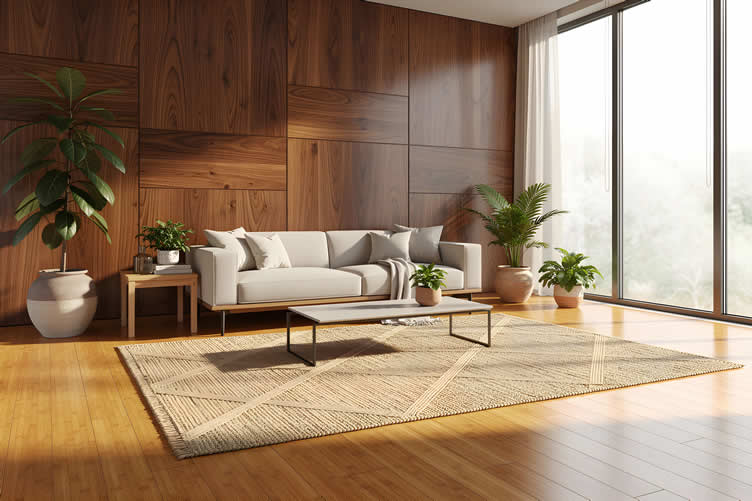
copyright image by 123rf.com
Eco-Friendly Home
If you’re considering ways to make your home more sustainable, eco-friendly flooring options are a fantastic place to start.
Modern green flooring choices, such as bamboo, cork, reclaimed wood, and sustainably sourced hardwood, offer both style and durability with minimal environmental impact.
These materials are not only renewable but also come in a variety of finishes to suit any design aesthetic.
Investing in eco-conscious flooring is a great way to reduce your carbon footprint while enhancing the natural beauty and value of your home.
view ideas: sustainable flooring options(new win)
Choosing the Right Flooring Contractor
When embarking on a flooring project, the type of flooring you select is only one piece of the puzzle.
While some installations can be tackled as DIY projects, others require the expertise of a professional flooring contractor to ensure they are completed safely, efficiently, and up to the highest quality standards.
Understanding when to hire a professional and what to look for can make all the difference in achieving a flawless finish in your home.
Regardless of the type of flooring you choose—whether it’s hardwood, tile, laminate, or carpet—a professional flooring contractor can be a valuable resource when the project involves specialized skills, tools, or techniques.
From leveling surfaces to precise measurements, contractors bring a wealth of experience that ensures a durable and stunning result.
-
What a Flooring Contractor Can Offer
- Expert Knowledge:
Contractors have in-depth knowledge of different flooring materials and how they perform in various environments. - Precision Installation:
With professional tools and techniques, contractors ensure clean cuts, secure placements, and seamless finishes. - Time Efficiency:
Hiring a contractor can save you considerable time, especially for complex projects. - Problem-Solving Skills:
Experienced professionals can troubleshoot potential issues, such as subfloor damage or uneven surfaces, before installation. - High-Quality Results:
Their expertise minimizes the risk of costly mistakes, delivering a polished, professional look that adds value to your home.
A flooring contractor’s experience often translates into peace of mind, knowing that your project is in skilled hands.
With repairs and replacements being expensive in the long run, the upfront investment in a professional can provide lasting benefits for both your budget and home value.
- Expert Knowledge:
-
How to Find an Experienced Flooring Contractor
- Ask for Referrals:
Reach out to friends, family, or neighbors who have recently completed flooring projects for recommendations. - Check Online Reviews:
Look at customer reviews and ratings on trusted platforms like Google, Yelp, or the Better Business Bureau. - Verify Credentials:
Ensure the contractor is licensed, bonded, and insured for your specific project requirements. - Request Portfolios:
Ask for examples of their previous work to assess the quality and style of their installations. - Get Multiple Estimates:
Compare quotes from several contractors to gauge pricing, timelines, and services offered.
By carefully selecting and vetting a flooring contractor, you set the stage for a successful project that not only enhances your home’s aesthetic but also meets your long-term needs for durability and style.
Whether you’re revamping a single room or tackling a whole-home renovation, professional guidance can make your flooring endeavor a smooth and satisfying experience.
- Ask for Referrals:
LetsRenovate has partnered with HomeAdvisor™, a renowned provider of highly-rated, carefully-vetted local flooring contractors. Start your search here by choosing the type of flooring contractor you need and entering your zip code to find local professionals.
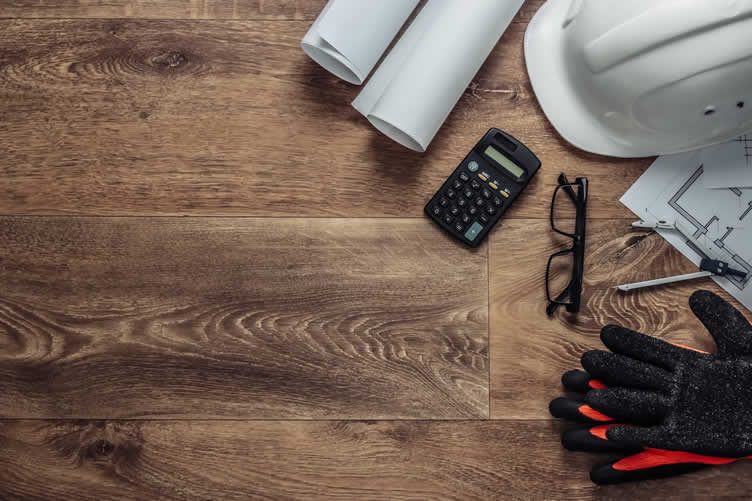
AI generated image by 123rf.com
But Wait!
To make your search for a flooring contractor easier, we recommend using this evaluation worksheet.
It will help you objectively compare potential contractors by looking at key factors like pricing, licensing, and references.

Evaluation Sheet
File Type:-
Scroll up to directory … or scroll to conclusion and references …
-
-
-
Conclusion
… laying the groundwork
Transforming your home should be a joyful experience, not a source of constant stress.
By carefully considering the durability, moisture resistance, and cost of LVP, solid hardwood, laminate, and engineered wood, you are well on your way to creating a space that looks gorgeous and functions perfectly for your lifestyle.
We encourage you to bring home samples, walk on them, and see how they look in your unique lighting before making your final choice.
Resource Citations
- https://www.cuindependent.com
- https://scherflooringservices.com
- https://modernize.com
- https://www.federalcarpetandflooring.com
- https://rusticwoodfloorsupply.com
- https://homeguide.com
- https://dgfloors.com
- https://flacksflooring.com
- https://www.angi.com
- https://romerohardwoodfloor.com
- https://www.decorilla.com
-
Quick scroll to more home structural ideas …
-
ideas to view and compare from the photo above
- What comments can you share about
choosing the perfect floor your home rooms?

… home remodeling – improvement – repair

Download this PDF for a concise summary of everything you need to know about …?

Calendar For:
Home Maintenance
File Type:
… view our sharing links below for a quick "share the knowledge"
Find Flooring Services Brick & Stone Concrete Carpet Hardwood Laminates & Vinyl Tile top-rated, pre-screened local contractors FREE: download contractor selection enter zip code – powered by HomeAdvisor ™
Quick Contractor Guides selecting negotiating working with inspecting

Cover image credit: choosing the perfect floor by 123rf.com
end of post … please share it!
 |
did you find the “choosing the perfect floor” analysis helpful? If so, please share the article with your friends and family! |
Nice pic idea? Leave us a quick comment below.
And please share this pic idea within your social networks.