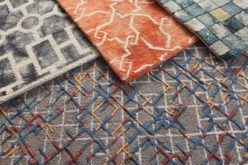
Summary Outline –
Quick Answer:
Carpet flooring is making a strong comeback in 2025–2026, reclaiming its place in bedrooms, basements, stairs, home theaters, and closets. Driven by a renewed desire for warmth, comfort, and sound insulation, today’s carpet options offer improved durability, stain resistance, and eco-friendly materials that make them smarter than ever.
The numbers support what many homeowners are already feeling. According to Engineered Floors, the global carpets and rugs market is projected to grow at a compound annual growth rate of 2.3% through 2027, reaching 5.4 billion square meters.
That’s not a blip. That’s a sustained shift in consumer preference driven by a genuine desire for comfort, warmth, and spaces that feel lived-in rather than staged.
Design culture has played its part too. Vogue confirmed in 2025 that wall-to-wall colorful carpet is officially back, tied to the maximalist design movement sweeping interior spaces.
Simultaneously, a report from Forbes cited Thumbtack design trends expert Kendra Sinclair, who noted that nearly two-thirds of homeowners who spent over $20,000 on renovations in 2025 focused heavily on how their spaces looked and felt—not just aesthetically, but physically underfoot.
Modern carpet is a different product from what many remember. Today’s options include hypoallergenic fibers, built-in stain resistance, eco-friendly recycled materials, and performance coatings designed for households with kids and pets.
The old objections—allergens, staining, dated aesthetics—have largely been answered by manufacturing innovation.
This guide breaks down the five rooms where carpet continues to outperform every other flooring option, and explains exactly why—backed by the materials science, acoustic research, and design reasoning that support each choice.
- post content … analysis/ where carpet floors are popular
- 1st: Bedrooms: Your Personal Sanctuary
- 2nd: Basements: Comfort Below Ground
- 3rd: Stairs and Hallways: Navigating with Style and Safety
- 4th: Home Theater Rooms: The Ultimate Cinematic Experience
- 5th: Closets: A Touch of Luxury Underfoot
- 6th: Why Carpet Is Making a Comeback
- 7th: Who Will Lay Your Carpet?

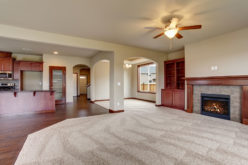
first “carpet floors” idea

AI generated image by 123rf.com
Section 1: Bedrooms: Your Personal Sanctuary
Notes:
-
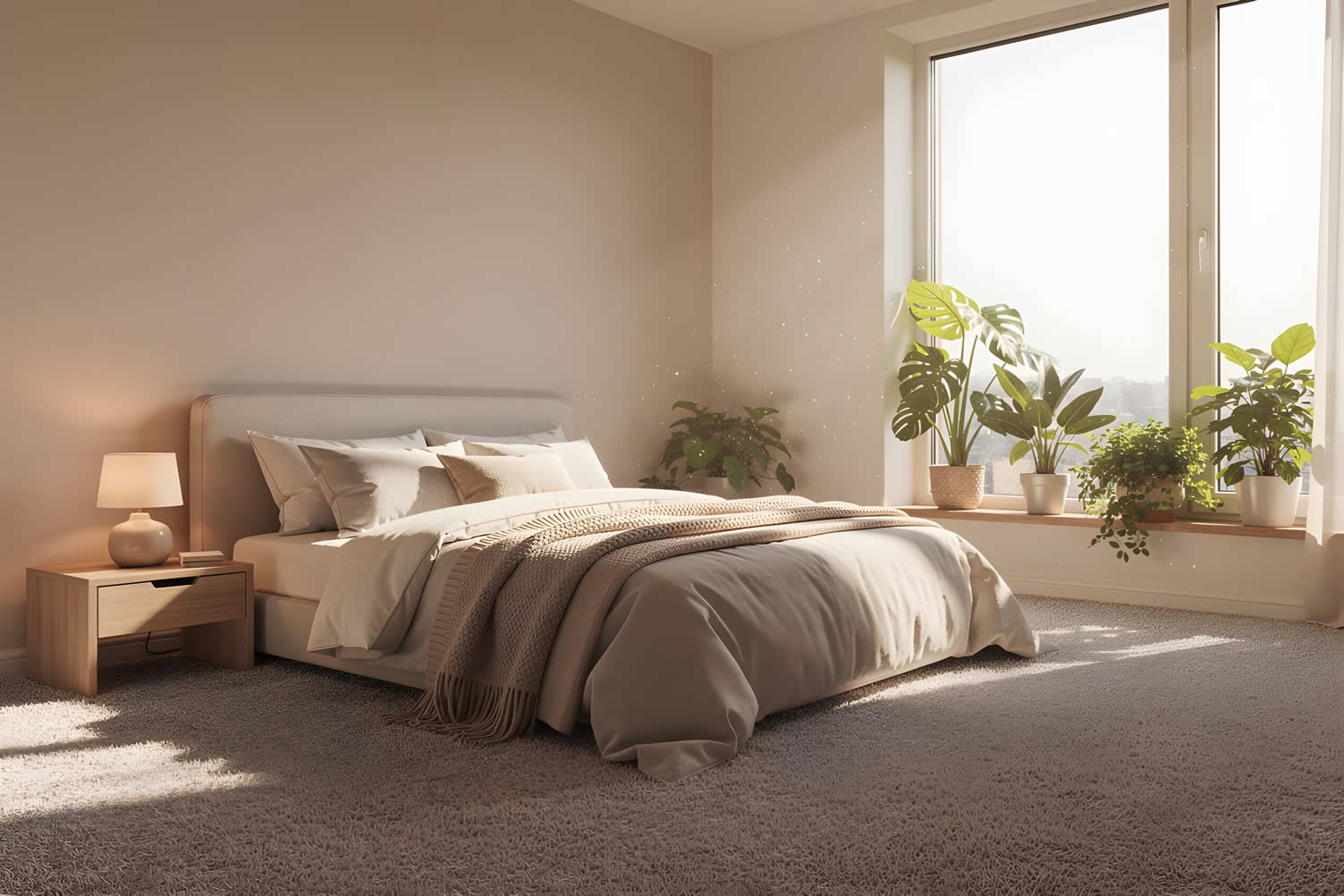
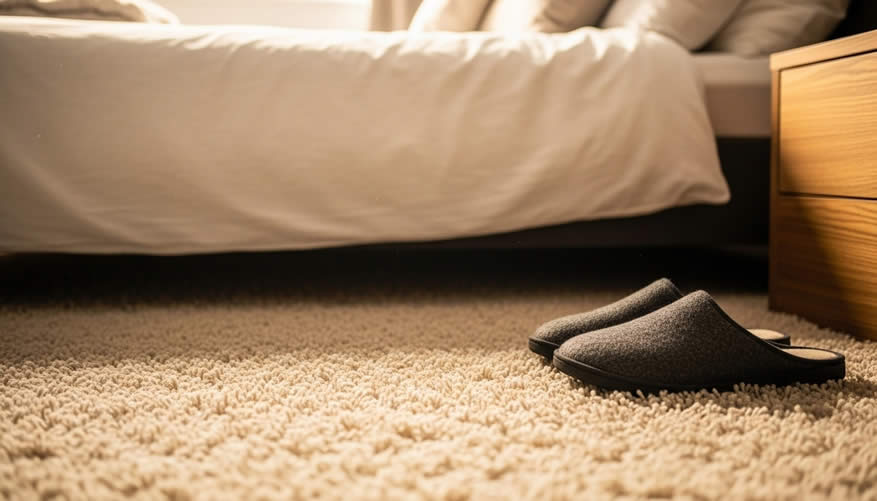
Few rooms benefit from carpet more than the bedroom. The moment you step out of bed in the morning sets the tone for everything that follows—and stepping onto cold hardwood or tile is a small but daily discomfort that carpet eliminates entirely.
Bedrooms are low-traffic, low-spill environments, which means the typical drawbacks of carpet matter far less here. What matters most is softness, warmth, and the creation of a restful atmosphere.
High-pile and plush styles like Saxony and velvet carpet dominate bedroom recommendations in 2025 and 2026, with nature-inspired tones (warm beige, misty gray, earthy greens) leading color trends.
Soft pastels—dusty rose, muted sage, pale blue—are gaining ground as homeowners reintroduce color into personal spaces.
-
Best Carpet Material for Bedrooms
- Polyester — Exceptionally soft, budget-friendly, vibrant color options, and naturally stain-resistant. Ideal for bedrooms because foot traffic is low, minimizing its tendency to flatten over time. Average cost: $1.50–$4.00 per sq ft.
- Wool — The luxury standard. Naturally soft, durable, flame-resistant, and excellent for temperature regulation. Best for those prioritizing a premium, long-lasting bedroom environment. Average cost: $5.00–$12.00 per sq ft.
- Triexta (SmartStrand) — Combines polyester-level softness with superior resilience and built-in stain resistance, making it ideal for bedrooms in family homes. Average cost: $3.00–$6.00 per sq ft.
-
Pros of Carpet in Bedrooms
- Creates a warm, soft, and immediately comfortable underfoot experience upon waking
- Provides thermal insulation, keeping rooms warmer without increasing heating costs
- Absorbs sound, reducing noise from footsteps and creating a quieter, more restful space
- Cushions falls, adding a meaningful safety benefit for children and elderly family members
- Available in an extensive range of colors, textures, and pile heights to suit any design aesthetic
- Creates a cozy, sanctuary-like atmosphere that hard floors struggle to replicate
-
Cons of Carpet in Bedrooms
- Requires regular vacuuming to prevent dust and allergen buildup, particularly in homes with allergy sufferers
- Can harbor allergens, dust mites, and pet dander if maintenance lapses
- High-pile styles can flatten over time in areas of repeated use, such as beside the bed
- Not ideal for bedrooms with heavy furniture that is frequently rearranged, as indentations can form
- Professional deep cleaning recommended every 12–18 months to maintain appearance and hygiene
- Not ideal for rooms with large pets that shed heavily without consistent maintenance
Category Description Details Bedrooms Overview Your Personal Sanctuary Bedrooms benefit from carpet due to the comfort it provides, eliminating the daily discomfort of stepping onto cold hardwood or tile.
Low-traffic and low-spill environments make bedrooms ideal for carpets with a focus on softness, warmth, and creating a restful atmosphere.
Popular styles include high-pile and plush options like Saxony and velvet, with nature-inspired tones such as warm beige, misty gray, and earthy greens dominating trends.
Soft pastels such as dusty rose, muted sage, and pale blue are also gaining traction.
Best Carpet Materials Polyester Exceptionally soft, budget-friendly, vibrant color options, and naturally stain-resistant.
Ideal for bedrooms with low foot traffic, minimizing the tendency to flatten over time. Average cost: $1.50–$4.00 per sq ft.
Wool The luxury standard. Naturally soft, durable, flame-resistant, and excellent for temperature regulation.
Perfect for those prioritizing a premium, long-lasting feel. Average cost: $5.00–$12.00 per sq ft.
Triexta (SmartStrand) Combines polyester-level softness with superior resilience and built-in stain resistance, making it ideal for bedrooms in family homes. Average cost: $3.00–$6.00 per sq ft. Pros of Carpet Advantages Creates a warm and comfortable underfoot experience, provides thermal insulation, absorbs sound, cushions falls for safety, and is available in a variety of colors and textures. It helps create a cozy and peaceful atmosphere. Cons of Carpet Disadvantages Requires frequent vacuuming to prevent allergen buildup, can harbor dust and pet dander, may flatten in high-use areas, and is not ideal for rooms with heavy furniture.
Professional cleaning is recommended every 12–18 months.


copyright image by 123rf.com
-
The Purpose of Bedrooms
Bedrooms are sanctuaries designed to promote restful sleep, which is vital for overall health and well-being.
However, when sleepless nights become a challenge, it’s essential to explore strategies to create a sleep-friendly environment.
Simple changes like selecting calming decor, using blackout curtains, maintaining a comfortable room temperature, and eliminating distractions can pave the way for deeper, healthier rest.
Thoughtfully designed bedrooms not only enhance sleep quality but also contribute to a peaceful, rejuvenating retreat within your home.
view ideas: Why Can’t I Sleep? (new win)


Scroll up to directory … or scroll to next section about carpet floors …


second “photo remodeling” idea
AI generated image by 123rf.com
Section 2: Basements: Comfort Below Ground
Notes:
-
Basements present a unique flooring challenge. Concrete sub-floors stay cool, hold residual moisture, and create environments that feel cold and unwelcoming without the right treatment.
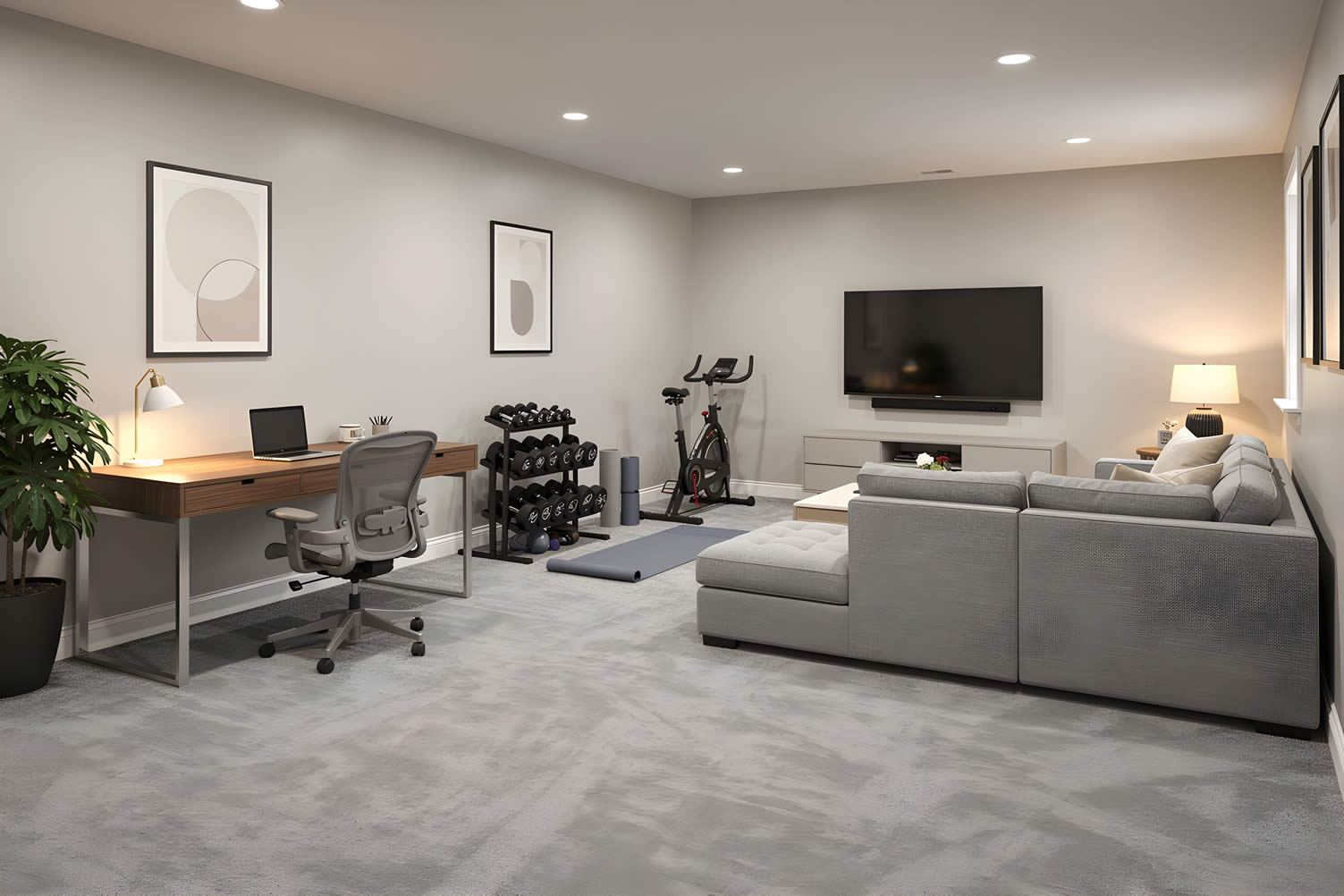
Carpet transforms a basement from a utility space into a warm, functional living area—a home office, gym, media room, or guest suite.
The key is choosing the right carpet for below-grade conditions. Moisture resistance is non-negotiable.
Natural fibers like wool absorb humidity and create ideal conditions for mold growth in basements, making synthetic fiber selection critical.
-
Best Carpet Material for Basements
- Nylon — The most durable synthetic fiber, nylon resists crushing, stands up to heavy foot traffic, and performs well in basements used as home gyms, game rooms, or entertainment spaces. Moisture-resistant and stain-protective coatings are widely available. Average cost: $2.00–$6.00 per sq ft.
- Triexta (SmartStrand by Mohawk) — Built-in stain resistance that won’t wear off over time, plus strong moisture performance for below-grade environments. Soft and resilient, making it ideal for finished basements. Average cost: $3.00–$6.00 per sq ft.
- Polyester — A more budget-conscious option for dry basement environments. Soft, stain-resistant, and available in many colors. Best paired with a quality, breathable carpet pad. Average cost: $1.50–$4.00 per sq ft.
- Carpet Tiles — Not a fiber type but a construction format worth noting. Interlocking carpet tiles are an excellent basement solution because individual tiles can be replaced if moisture damage occurs without replacing the entire floor.
- Avoid Wool in basements — Wool’s natural moisture absorption makes it unsuitable for concrete basement floors, regardless of how dry the space appears.
-
Pros of Carpet in Basements
- Adds immediate warmth to cold concrete floors, significantly improving livability
- Reduces noise transfer, important in basements used for entertainment or exercise
- Transforms underutilized basement space into functional, comfortable living areas
- Carpet tiles offer easy removal and replacement if a section sustains moisture damage
- Insulates against cold rising from the slab, reducing heating demands
- Lower-cost fiber options keep renovation budgets manageable
-
Cons of Carpet in Basements
- Moisture vulnerability remains the primary concern; requires vapor barrier installation and regular moisture monitoring
- Mold and mildew can develop under the carpet pad if the floor is not properly prepared
- Requires a dehumidifier in humid climates to maintain humidity below 50% (Carpet Concepts, 2026)
- Flooding or significant water intrusion will typically require carpet replacement
- Plush or high-pile styles trap moisture and are not recommended for below-grade installation
- Spills take longer to dry on basement carpet due to naturally cooler temperatures and limited airflow
Category Description Details Challenges of Basements Flooring and Environment Basements often have concrete sub-floors that stay cool, hold moisture, and can feel unwelcoming. Proper treatment, such as the use of carpet, transforms the space into a functional living area. Best Carpet Material for Basements Nylon Durable, resists crushing, ideal for home gyms and entertainment spaces. Moisture-resistant and stain-protective. Average cost: $2.00–$6.00 per sq ft. Triexta (SmartStrand by Mohawk) Soft, resilient, with built-in stain resistance and strong moisture performance. Ideal for finished basements. Average cost: $3.00–$6.00 per sq ft. Polyester Budget-friendly, soft, stain-resistant, available in many colors. Best with a breathable carpet pad. Average cost: $1.50–$4.00 per sq ft. Carpet Tiles Interlocking tiles are an excellent solution for basements. Individual tiles are replaceable if moisture damage occurs. Avoid wool in basements due to natural moisture absorption. Pros of Carpet in Basements Advantages Adds warmth, reduces noise, transforms underutilized spaces, and insulates against cold. Carpet tiles enable easy replacement of damaged sections, with lower-cost fiber options available for budget-conscious projects. Cons of Carpet in Basements Disadvantages Moisture vulnerability requires vapor barriers and regular monitoring. Mold, mildew, and water damage may develop, necessitating a dehumidifier and additional flooding precautions. Spills take longer to dry due to cooler temperatures. 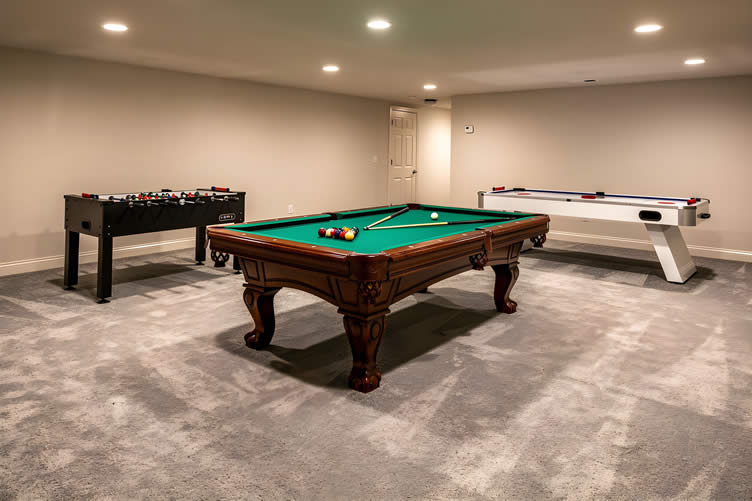
copyright image by 123rf.com
-
Troubleshooting Your Leaky Basement
Moisture is a common concern when carpeting a basement, as its below-ground position naturally encourages dampness.
Before laying any carpet, it’s important to address this head-on.
Check for leaks or seepage around foundation walls and floors, then install a vapor barrier, improve ventilation, and consider running a dehumidifier to keep things dry.
Choosing moisture-resistant carpet materials adds another layer of protection, helping your basement stay comfortable and looking great for years to come.
view ideas: Prevent Moisture Damage (new win)
Scroll up to directory … or scroll to next section about carpet floors …

Tackling carpet floors and other flooring and home improvement needs …

… save this curated directory of ideas for future reference.

May We Suggest Other Photo Remodeling Ideas About
“Working In the Garden …” (new win)



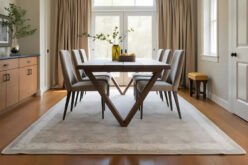
third “photo remodeling” idea
AI generated image by 123rf.com
Section 3: Stairs and Hallways: Navigating with Style and Safety
Notes:
-
Stairs and hallways are the most high-traffic areas in any home, and they are also among the most dangerous. Hard flooring on stairs—particularly smooth hardwood or tile—creates a slip hazard that carpet directly addresses.
Beyond safety, carpet on stairs and in hallways reduces the constant noise of foot traffic, a benefit that becomes especially apparent in multi-story homes.
Aesthetically, patterned carpets in hallways and on staircases are among the strongest design trends of 2025. Geometric prints, herringbone textures, and subtle tone-on-tone designs are being used to elevate transitional spaces that were previously overlooked.
-
Best Carpet Material for Stairs and Hallways
- Nylon — The top recommendation for stairs and hallways due to its exceptional durability, resilience under constant foot traffic, and resistance to crushing. Nylon bounces back from compression that would flatten softer fibers over time. Average cost: $2.00–$6.00 per sq ft.
- Berber (Loop Pile) — A tight, looped construction that resists matting and wear. Berber provides excellent traction and holds its appearance well in high-traffic areas. Best in neutral tones that conceal dirt and wear between cleanings. Note: avoid in homes with cats, as loops can snag on claws.
- Wool — offers natural resilience and a classic, polished look, particularly as a stair runner over hardwood; higher cost but excellent long-term performance in formal settings
- Low-Pile, Dense Weave — Regardless of fiber, a low-pile, densely woven carpet is the structural requirement for stairs. It dries faster, resists compression, and maintains its surface integrity far longer than plush options.
- Avoid polyester on stairs—it flattens quickly under concentrated pressure and shows wear faster at tread edges.
-
Pros of Carpet on Stairs and Hallways
- Provides critical traction and grip, significantly reducing slip-and-fall risk on staircases
- Cushions impact from falls, reducing injury severity particularly for children and elderly residents
- Absorbs footstep noise throughout the home, creating a noticeably quieter living environment
- Patterned and textured options serve as a design feature in transitional spaces
- Protects the underlying hardwood or structural stair material from wear
-
Cons of Carpet on Stairs and Hallways
- High foot traffic causes carpet to wear faster in these areas than anywhere else in the home
- Stair installation is more technically demanding and labor-intensive than flat-floor installation, increasing professional installation costs
- Padding must be thin and dense (no more than 7/16 inch), adding a specific material requirement
- Stains are harder to address on stairs due to their angle and constrained access
- Loop-pile options like Berber can snag on pet claws, creating visible damage over time
- Cleaning spills on carpeted stairs is more difficult than on flat surfaces
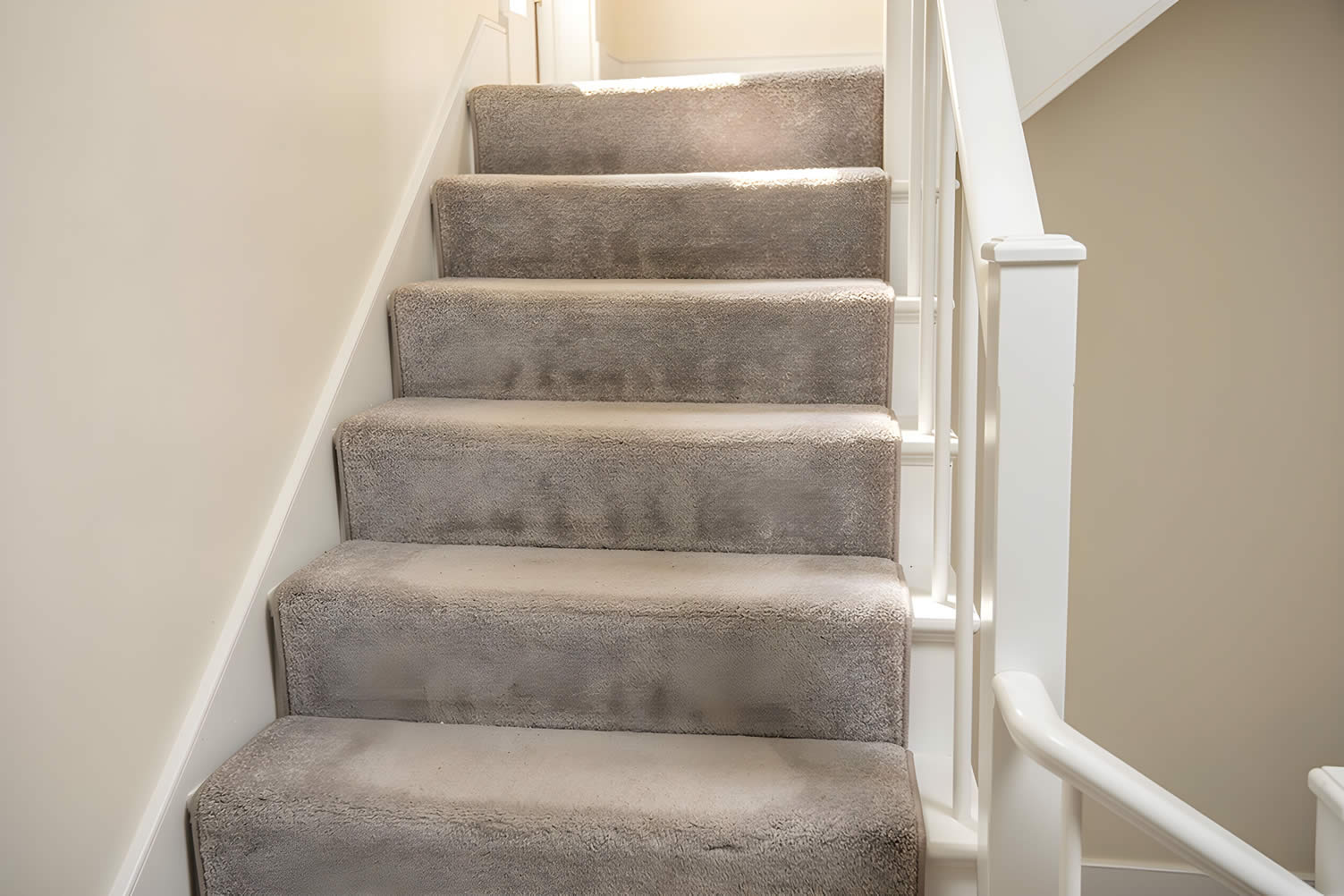
Category Description Details Overview Stairs and Hallways Stairs and hallways are high-traffic and potentially hazardous areas in a home. Carpet provides traction, reduces noise, and enhances safety, especially on hard flooring like hardwood or tile. Popular designs for 2025 include patterned carpets with geometric prints, herringbone textures, and tone-on-tone styles. Best Carpet Material Nylon Exceptional durability and resilience under foot traffic. It resists crushing and retains form over time. Average cost ranges from $2.00 to $6.00 per square foot. Berber (Loop Pile) Tight, looped construction resistant to wear and matting. Offers good traction and conceals dirt. Best for neutral tones but not recommended in homes with cats due to potential snagging. Wool Provides natural resilience with a polished appearance, ideal as a stair runner. Higher cost but excellent longevity in formal settings. Low-Pile, Dense Weave Essential structural requirement for stairs. Dries quickly, resists compression, and maintains surface integrity. Polyester is not recommended as it flattens faster and shows wear. Pros Carpet Benefits Provides traction and reduces slip-and-fall risk. Softens impact from falls, decreases household noise, enhances design with patterns, and protects stair material from wear. Cons Challenges with Carpet High traffic accelerates wear. Stair installation is labor-intensive, increasing cost. Padding must be thin and dense, and stains are harder to clean. Loop-pile carpets may snag on pet claws. 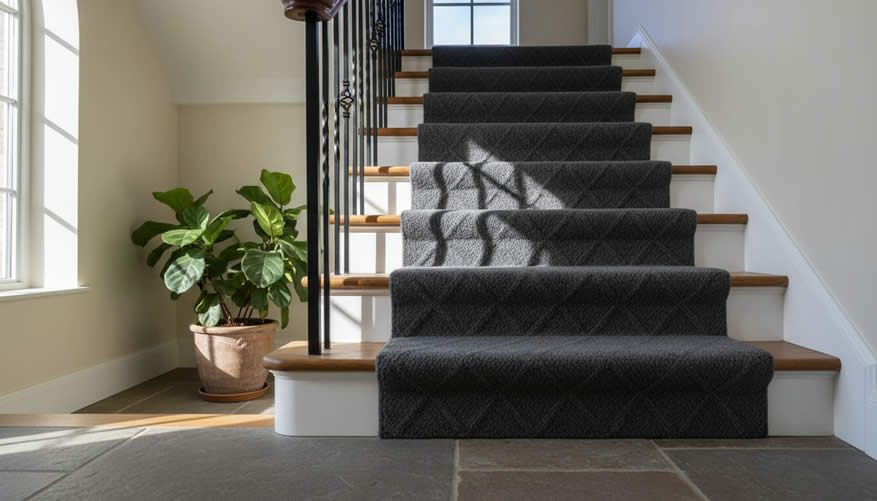
copyright image by 123rf.com
-
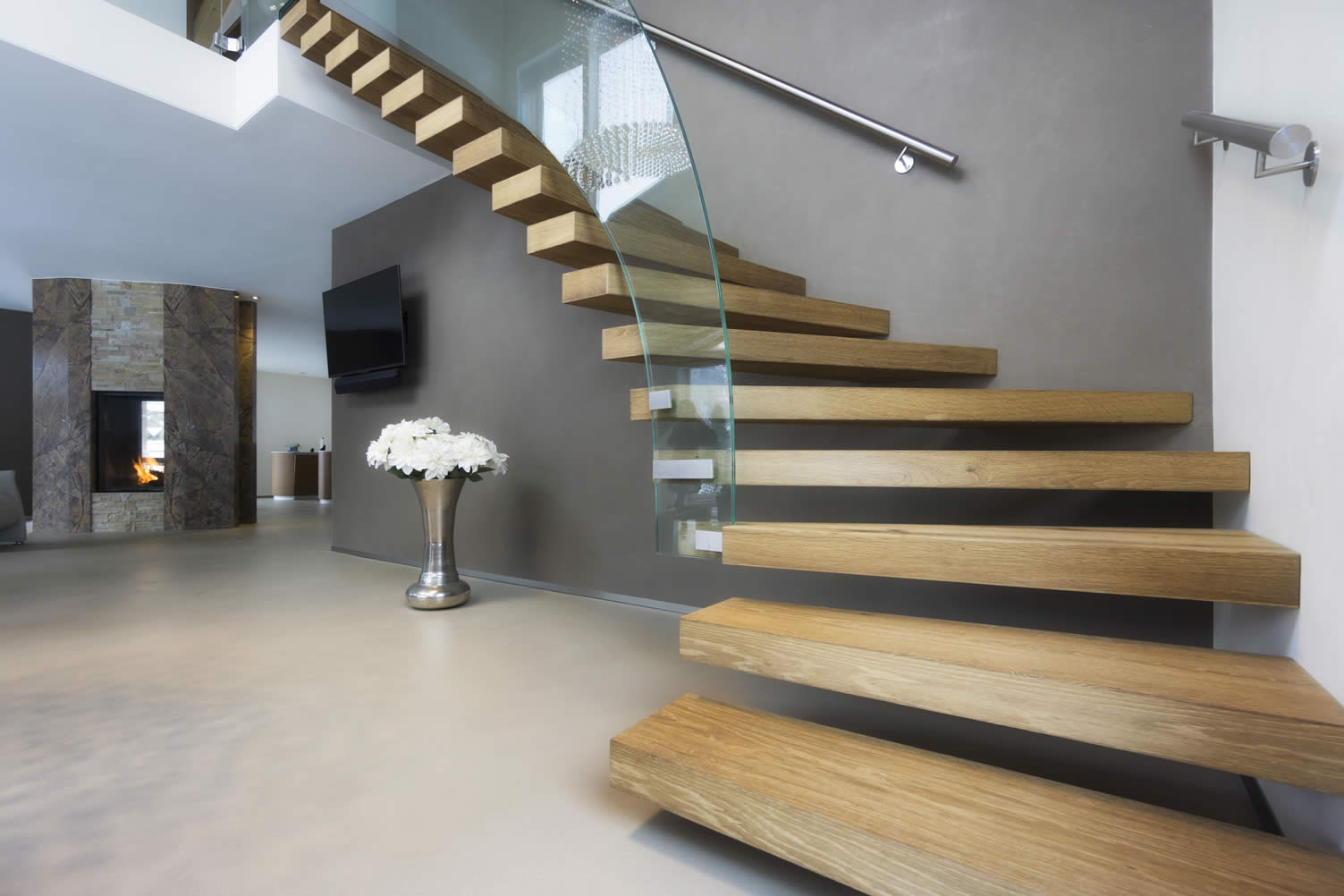
Modern Stairway Styles
While modern stairways often gravitate toward sleek wooden finishes for a minimalist or contemporary aesthetic, carpeted stairs offer unique advantages that deserve consideration.
Beyond the aesthetic appeal, carpeting enhances safety by providing a non-slip surface and reduces noise, creating a quieter and more comfortable home environment.
If you’re aiming to strike a balance between style and practicality, consider blending carpet with modern design elements, such as neutral tones or geometric patterns, to maintain your desired look while enjoying the benefits of a softer, cozier staircase.
view ideas: something to keep as is (new win)
Scroll up to directory … or scroll to next section about carpet floors …
fourth “photo remodeling” idea

AI generated image by 123rf.com
Section 4: Home Theater Rooms: The Ultimate Cinematic Experience
Notes:
-
Home theater rooms represent the single strongest use case for carpet in the entire home. The acoustic science is unambiguous: carpet floors outperform every other flooring material for sound absorption.
A typical carpet has a Noise Reduction Coefficient (NRC) of between 0.7 and 0.9. By comparison, most hard flooring materials—hardwood, tile, and vinyl—measure at 0.3 or below. That difference is audible.
Hard surfaces cause sound waves to reflect off the floor, creating echo and reverberation that muddles dialogue and diminishes the precision of a surround-sound system.
Carpet converts sound wave energy into heat rather than reflecting it back into the room. The result is cleaner audio, sharper dialogue, and a more immersive cinematic experience. For home theaters, this isn’t a comfort preference—it’s an acoustic requirement.
Beyond acoustics, darker carpet tones reduce light reflection from the screen, improving contrast and overall video quality. The cushioned surface also supports extended viewing sessions, reducing fatigue for those sitting on the floor during movie nights.
-
Best Carpet Material for Home Theater Rooms
- Wool — The premium choice for home theaters. Wool delivers the highest natural sound absorption of any carpet fiber, along with a luxurious feel and durability. Its dense structure absorbs a wide frequency range, supporting both bass-heavy action sequences and subtle dialogue. Average cost: $5.00–$12.00 per sq ft.
- Nylon — The most practical choice for high-use theaters. Nylon’s durability holds up under heavy furniture, frequent seating rearrangements, and the food and drink traffic that naturally occurs during movie nights. Pairs well with stain-resistant treatments. Average cost: $2.00–$6.00 per sq ft.
- Polyester — A budget-conscious option offering good stain resistance, which matters in a room where snacks and beverages are common. Available in the deep, rich colors (charcoal, navy, dark burgundy) that optimize home theater environments. Average cost: $1.50–$4.00 per sq ft.
-
Pros of Carpet in Home Theater Rooms
- Delivers an NRC of 0.7–0.9, compared to hard flooring’s 0.3 or below, producing measurably better acoustic performance
- Absorbs sound waves and converts them to heat, eliminating echo and reverberation that distort audio clarity
- Dark carpet tones reduce light reflection, improving screen contrast and video quality
- Provides comfort during extended viewing sessions, including cushioned seating on the floor
- Creates a cohesive, cinematic atmosphere that enhances the overall entertainment experience
- Dense padding beneath carpet adds a secondary layer of sound absorption and insulation
-
Cons of Carpet in Home Theater Rooms
- Spills from food and beverages during movie viewing require prompt treatment to prevent permanent staining
- Regular professional cleaning is necessary to maintain appearance in what becomes a high-use, enclosed space
- Dark carpet tones, while acoustically and visually ideal, may show lint, pet hair, and lighter debris more visibly
- Installation in fully enclosed rooms with heavy furniture can increase labor complexity and cost
- Premium wool options carry a higher upfront cost and require more careful maintenance
Category Description Details Home Theater Rooms The Ultimate Cinematic Experience Home theater rooms benefit greatly from carpet due to its superior acoustic properties. Carpet has a Noise Reduction Coefficient (NRC) of 0.7 to 0.9, compared to 0.3 or below for hard flooring materials like hardwood, tile, and vinyl. Carpet floors reduces echo, enhances dialogue clarity, and improves surround-sound system precision. Darker tones diminish light reflection for better video quality, while providing comfort for extended viewing sessions. Best Carpet Material Options for Home Theater Rooms Wool offers premium sound absorption and durability with a cost of $5.00–$12.00 per sq ft. Nylon is resilient and handles heavy use at $2.00–$6.00 per sq ft. Polyester is an affordable option with stain resistance, priced at $1.50–$4.00 per sq ft. Pros of Carpet Advantages in Home Theater Rooms Carpet delivers superior acoustic performance with an NRC of 0.7–0.9, absorbs sound waves to eliminate echo, reduces light reflection to improve video quality, and enhances comfort for extended viewing. It also creates a cohesive and immersive cinematic atmosphere. Cons of Carpet Challenges in Home Theater Rooms Spills require prompt cleaning to avoid stains, professional cleaning is needed for maintenance, dark tones show debris more visibly, installation in enclosed spaces can be complex, and premium wool options have higher initial costs and require careful upkeep. 
copyright image by 123rf.com
-
The Perfect Pairing
Creating the ultimate home theater experience goes beyond technology—your seating and flooring are just as important.
A plush carpet enhances acoustics by reducing echoes while creating a warm, inviting atmosphere.
To complete the look, choose seating that prioritizes comfort with cushioning and ergonomic support, and ensure its design complements your carpet’s style.
Whether you prefer leather recliners or oversized fabric loungers, coordinating texture and color thoughtfully can turn your home theater into a true sanctuary.
view ideas: Home Theater Seating Ideas (new win)

Scroll up to directory … or scroll to next section about carpet floors …
Download this PDF for a concise summary of everything you need to know about …?

fifth “photo remodeling” idea

AI generated image by 123rf.com
Section 5: Closets: A Touch of Luxury Underfoot
Notes:
-
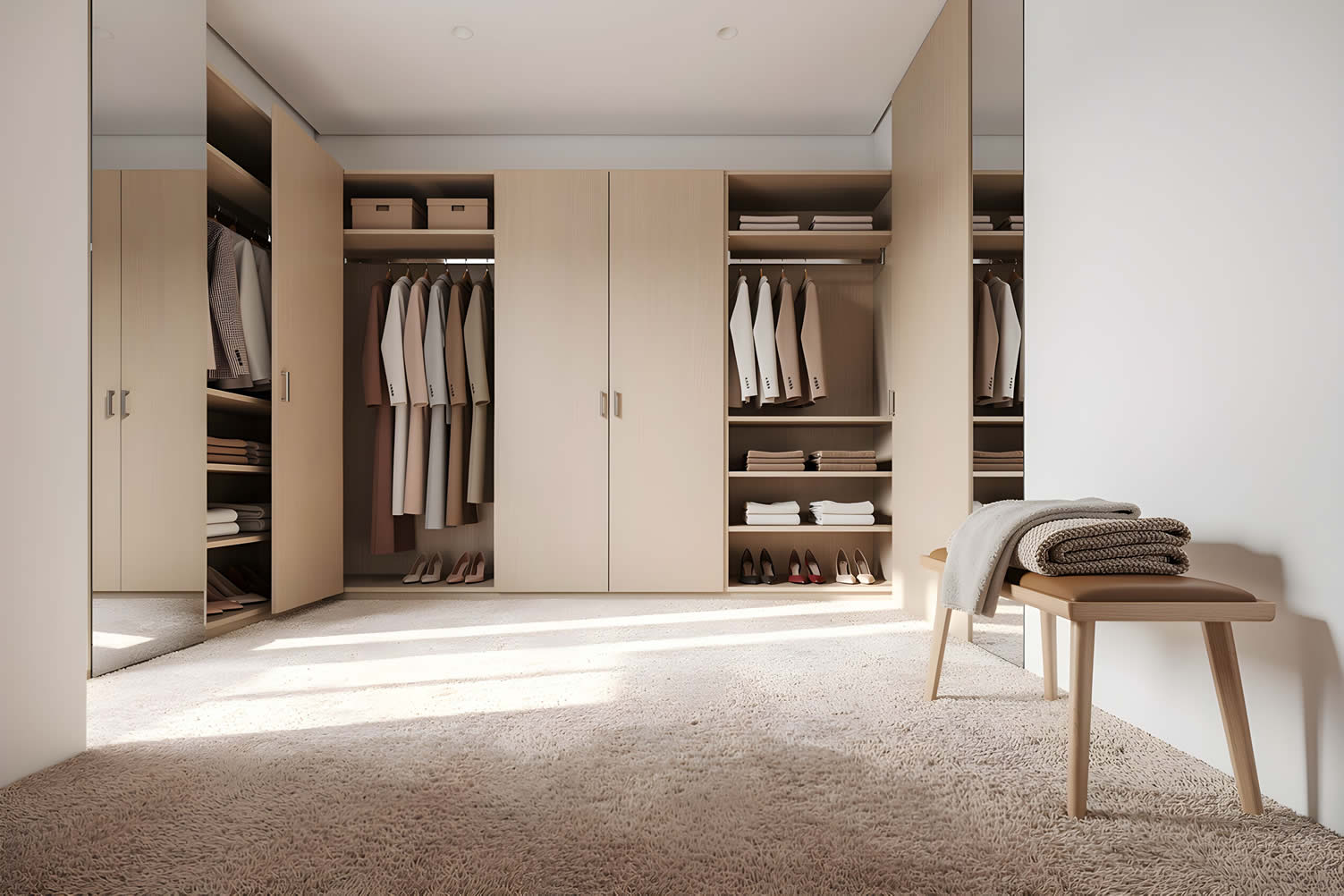
Closets are often the last space homeowners think about when choosing flooring—and one of the most rewarding spaces to get right.
Whether it’s a standard reach-in closet or a large walk-in wardrobe, carpet transforms the act of getting dressed from a routine task into a genuinely pleasant experience. Stepping barefoot onto soft carpet while selecting an outfit is a small luxury that costs very little to implement.
For open closets and walk-in wardrobes, carpet creates visual and tactile continuity with the bedroom, reinforcing the sense of a unified, cohesive personal space.
It also provides a cushioned surface that reduces the impact of dropped items—a practical benefit for spaces where shoes, accessories, and hangers are in constant motion.
-
Best Carpet Material for Closets
- Polyester — Soft, affordable, and available in neutral tones that complement most bedroom and wardrobe aesthetics. Ideal for closets where traffic is light and comfort is the primary concern. Average cost: $1.50–$4.00 per sq ft.
- Wool — For luxury walk-in wardrobes where the flooring is a deliberate design feature, wool delivers both a premium feel and natural durability. Its natural fiber composition also means it doesn’t off-gas chemicals into the enclosed space. Average cost: $5.00–$12.00 per sq ft.
- Low-pile options — In closets with rolling storage carts, shoe racks, or frequent movement of furniture, a lower-pile carpet maintains its surface more effectively and allows storage elements to move more smoothly.
-
Pros of Carpet in Closets
- Delivers a soft, cushioned surface for barefoot use while dressing—one of the most immediately appreciated comfort upgrades in a home
- Protects dropped items (shoes, hangers, fragile accessories) from hard-surface impact damage
- Reduces static electricity, which is beneficial around clothing and electronics
- Contributes to a quiet, contained environment within the closet, supporting the restful atmosphere of the adjacent bedroom
- Creates a seamless, unified aesthetic between the bedroom and open wardrobe or walk-in wardrobe space
- Adds warmth and luxury to a space that is used daily but rarely receives design attention
-
Cons of Carpet in Closets
- Enclosed closet spaces with limited airflow can accumulate dust more quickly, requiring more frequent vacuuming to maintain cleanliness around stored clothing
- Vacuuming a closet thoroughly is more cumbersome than cleaning hard flooring, particularly around shelving systems
- In walk-in wardrobes with shoe storage, dirt and debris from footwear can transfer to the carpet surface
- Moisture from damp shoes or clothing stored on the floor can transfer to carpet and cause odor or mildew over time
- Rolling storage carts and heavy furniture movement can compress or snag carpet fibers over time
- Wool and premium options add cost to a space that many homeowners initially budget minimally
Category Description Details Closets A Touch of Luxury Underfoot Closets are often overlooked when choosing flooring, but they can be transformed into luxurious spaces. Carpet provides a soft, cushioned surface that enhances the daily experience of getting dressed, whether for standard reach-in closets or spacious walk-in wardrobes. It adds visual continuity with adjacent bedrooms and practicality for minimizing item damage. Best Carpet Material for Closets Polyester Soft, affordable, and available in neutral tones. Ideal for light-traffic closets focused on comfort. Average cost is $1.50–$4.00 per sq ft. Wool Perfect for luxury walk-in wardrobes, offering a premium feel and durability. Wool is a natural fiber and avoids chemical off-gassing. Average cost is $5.00–$12.00 per sq ft. Low-Pile Options Best for spaces with rolling storage carts or frequent furniture movement. Low-pile carpets maintain surfaces effectively and allow smoother movements. Pros of Carpet in Closets Comfort and Practicality Provides a soft surface for dressing barefoot, protects dropped items, reduces static electricity, and adds warmth and quietness to the closet space. Aesthetic Benefits Creates a seamless design link between the bedroom and wardrobe area, elevating the overall luxury and functionality of daily-used spaces. Cons of Carpet in Closets Maintenance Dust accumulates quickly in enclosed spaces, vacuuming is more cumbersome, and dirt or moisture from shoes can affect cleanliness and odor. Durability Concerns Carpet fibers can compress or snag over time with heavy furniture and movement. Wool and premium options can also add significant costs. 
copyright image by 123rf.com
-
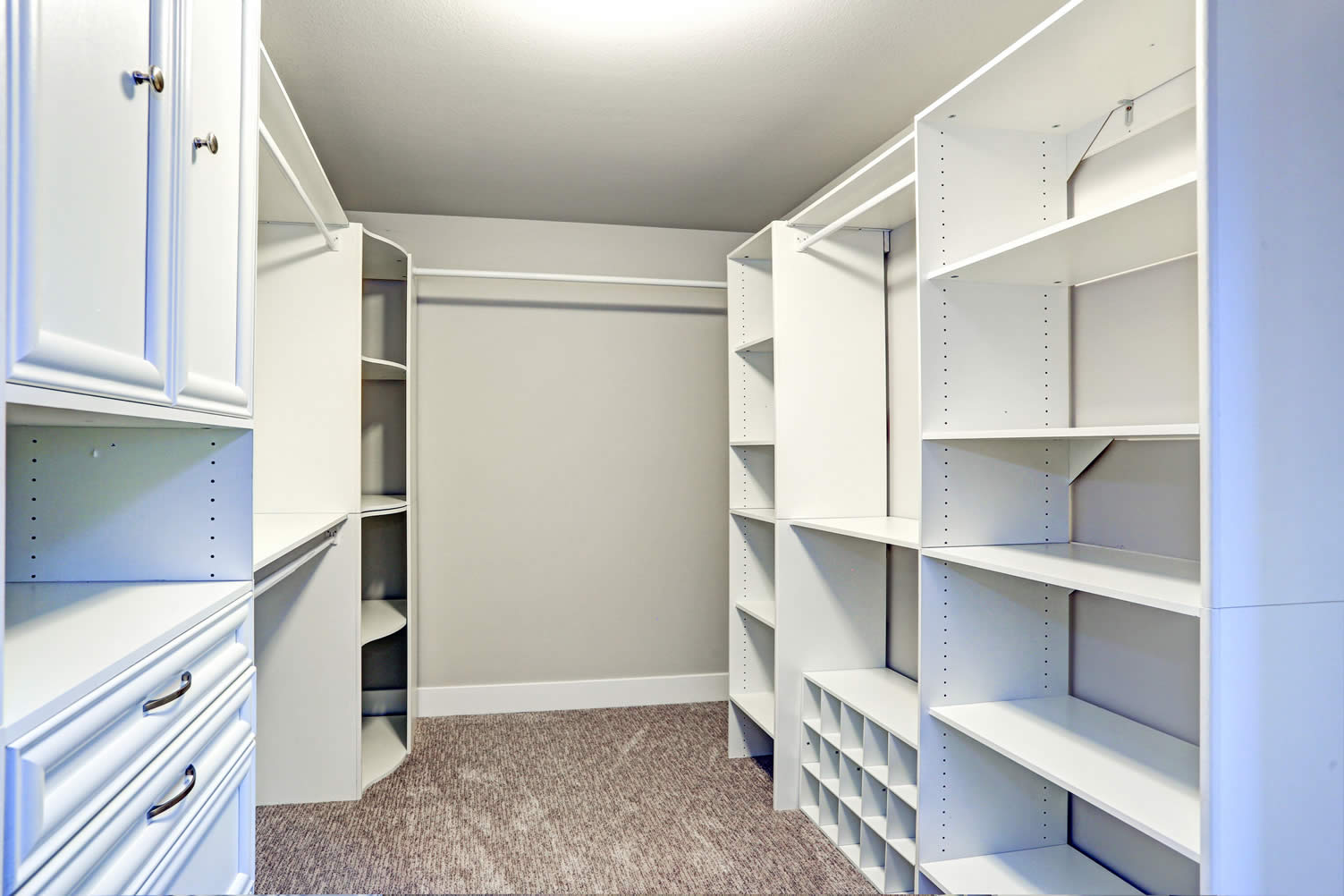
It’s All About Closet Systems
Closets, whether spacious walk-ins or compact reach-ins, often serve as catch-all storage areas in a home.
A modular closet system is the ultimate solution to keep everything organized and accessible.
These systems are customizable, allowing you to create compartments, shelving, and hanging areas tailored to your needs and wardrobe.
By incorporating adjustable components, a modular system ensures every inch of your closet is optimized, making it easier to maintain a tidy and clutter-free space while showcasing your style and functionality.
view ideas: make it organized and tidy (new win)
Scroll up to directory … or scroll to next section about carpet floors …
SHARE IT ..! Someone in your network might benefit from this insightful post about why carpet floors. Feel free to share it on Facebook, X (formally Twitter), LinkedIn, or Pinterest!



Budgeting Worksheet For Costing Home Remodeling and Home Improvement Decisions
 File Type (excel)
sixth “photo remodeling” idea

AI generated image by 123rf.com
Section 6: Why Carpet Is Making a Comeback
Notes:
-
Post-pandemic life shifted how people relate to their homes. Spaces once used strictly for sleep or storage became multipurpose environments where comfort took priority.
Remote work, extended family time, and heightened awareness of sensory experience in the home all pointed toward softer surfaces.
Carpet delivers on four fronts that hard flooring simply cannot match: thermal insulation, acoustic absorption, underfoot cushioning, and fall safety. In a multi-story home, carpet can meaningfully reduce noise transfer between floors. In colder climates, it adds measurable insulation to slab and sub-floor spaces.
For households with elderly residents or young children, its cushioned surface reduces injury risk from slips and falls. These aren’t trivial benefits—they are functional advantages that translate directly into day-to-day quality of life.
The design evolution matters too. Plush textures, earthy tones, bold geometric patterns, and custom colorways have replaced the beige builder-grade carpet of decades past. Today’s homeowner can choose carpet as a deliberate design statement, not a default.
Here are some frequently asked questions about choosing the best carpet for each room in your home.
-
Is carpet floors coming back in style?
Yes. Carpet is experiencing a measurable resurgence in 2025–2026, driven by a homeowner preference shift toward warmth, comfort, and sound absorption.
According to Engineered Floors (2024), the global carpets and rugs market is projected to grow at 2.3% annually through 2027. Designers are embracing carpet particularly in bedrooms, home theaters, and stairs, where its functional benefits are most pronounced.
-
What is the most durable carpet fiber for high-traffic areas?
Nylon is the most durable synthetic carpet fiber for high-traffic areas, including stairs, hallways, and home gyms. It resists crushing, holds its shape under repeated pressure, and offers strong stain resistance when solution-dyed.
Triexta is a close second, offering built-in stain resistance and good resilience at a slightly softer feel. Polyester is best suited to lower-traffic areas like bedrooms or closets.
-
Can you put carpet in a basement?
Yes, with the right preparation. The most important steps are testing the concrete slab for moisture, installing a vapor barrier, and selecting synthetic low-pile fibers—nylon, triexta, or polyester—that resist water and dry quickly.
Wool is not recommended for basements due to its tendency to absorb moisture and develop mold. Carpet tiles are a particularly smart choice for basement installations because damaged sections can be replaced individually.
-
What type of carpet is safest for stairs?
Low-pile nylon carpet with a face weight of at least 35 to 50 ounces per square yard is the safest and most practical choice for stairs.
The pile height should be under half an inch—around three-eighths of an inch is the recommended sweet spot—to maintain traction and prevent folding at stair edges. Loop pile (Berber) and textured cut pile are preferred construction styles.
High-pile and plush carpet should always be avoided on stairs, as they can shift and create trip hazards.
-
Does carpet improve acoustics in a home theater?
Yes, significantly. Carpet absorbs sound, reduces echo, and prevents audio from bouncing off hard surfaces—all of which improve the clarity of your home theater’s audio system.
Dense padding beneath the carpet provides additional sound insulation and reduces noise transfer to adjacent rooms. Darker carpet colors also reduce light reflection, which can improve perceived picture contrast during viewing.
Wool offers the best sound absorption of any carpet fiber, though nylon and polyester perform well in this application too.
-
Is carpet a good choice for closets?
Carpet is a practical and comfortable choice for closets, particularly walk-in dressing areas. Low-pile polyester or nylon works well, providing a soft surface underfoot, reducing static electricity, and protecting stored items at floor level.
High-pile styles should be avoided in closets, as they collect dust more readily in enclosed spaces and can make it harder to slide storage bins. Adequate ventilation is important to prevent moisture buildup from damp shoes or clothing.
-
Is carpet a good option for families with kids and pets?
Carpet can be an excellent choice for families with children and pets, as it provides a soft, cushioned surface for play and helps reduce noise in busy households.
Selecting a stain-resistant carpet, such as one made from nylon or treated with stain protection, ensures durability and easier cleaning.
Additionally, opting for darker or patterned colors can help hide minor stains or fur, making maintenance manageable while keeping your home looking polished and inviting.
-
Is carpet a good option for allergy sufferers?
Carpet can still be a viable option for allergy sufferers if chosen and maintained properly. Look for carpets made from hypoallergenic materials and those with low VOC (volatile organic compound) emissions to improve indoor air quality.
Regular vacuuming with a HEPA filter and professional cleaning can also help remove allergens such as dust, pollen, and pet dander, allowing you to enjoy the comfort of carpet without compromising your health.
Question Answer Additional Insights Is carpet flooring coming back in style? Yes. Carpet is experiencing a measurable resurgence in 2025–2026, driven by a homeowner preference shift toward warmth, comfort, and sound absorption. According to Engineered Floors (2024), the global carpets and rugs market is projected to grow at 2.3% annually through 2027. Carpet is particularly popular in bedrooms, home theaters, and stairs. What is the most durable carpet fiber for high-traffic areas? Nylon is the most durable synthetic carpet fiber for high-traffic areas due to its resistance to crushing, shape retention, and stain resistance. Triexta is a strong alternative offering built-in stain resistance and good resilience, while polyester is better suited for lower-traffic areas like bedrooms. Can you put carpet in a basement? Yes, provided the right preparation steps are taken, such as moisture testing, installing a vapor barrier, and selecting synthetic low-pile fibers. Carpet tiles are recommended for easy replacement. Wool is not advised due to its tendency to absorb moisture and develop mold. What type of carpet is safest for stairs? Low-pile nylon carpet with a face weight between 35 to 50 ounces per square yard is the safest and most practical choice for stairs. Loop pile (Berber) and textured cut pile are preferred styles, while high-pile and plush options should be avoided for safety reasons. Does carpet improve acoustics in a home theater? Yes, carpet significantly improves acoustics by absorbing sound, reducing echo, and preventing audio from bouncing off hard surfaces. Dense padding beneath the carpet adds further sound insulation, and darker carpet colors enhance picture contrast by reducing light reflection. Is carpet a good choice for closets? Carpet is practical for closets, especially walk-in dressing areas, providing a soft surface underfoot while reducing static electricity. Low-pile polyester or nylon is recommended, while high-pile styles should be avoided due to dust accumulation and storage difficulties. Is carpet a good option for families with kids and pets? Carpet is excellent for families with children and pets due to its soft, cushioned surface and noise reduction properties. Stain-resistant carpets in darker or patterned colors help manage maintenance and improve durability. Is carpet a good option for allergy sufferers? Yes, if chosen and maintained properly. Look for hypoallergenic materials and carpets with low VOC emissions. Regular vacuuming with a HEPA filter and professional cleaning can help reduce allergens like dust, pollen, and pet dander. 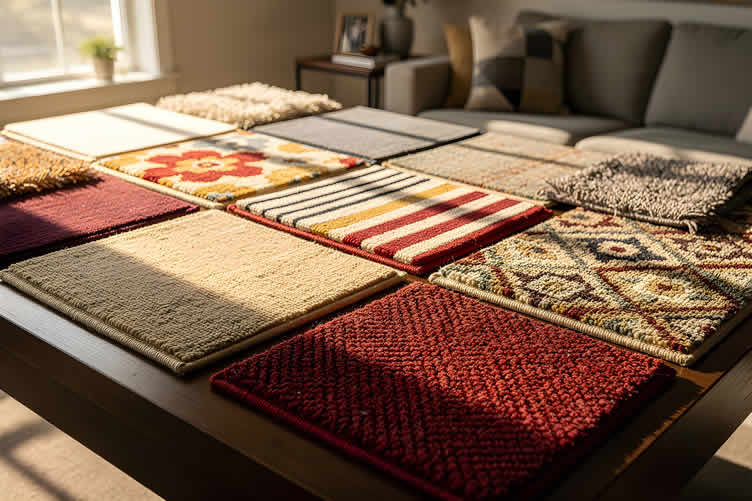
copyright image by 123rf.com
-
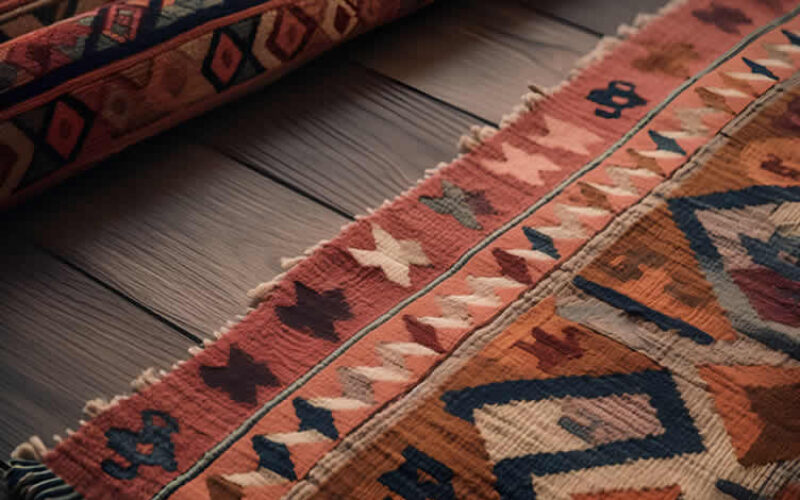
Thinking of Having Carpet?
When considering carpet for your home, one of the most important factors to keep in mind is its upkeep.
With modern vacuum systems, regular DIY cleaning becomes a breeze, allowing you to keep dirt, dust, and allergens at bay.
However, to truly preserve your carpet’s appearance and longevity, periodic professional cleaning is essential.
This deeper, specialized cleaning not only lifts embedded debris but also revitalizes the fibers, ensuring your carpeting stays fresh, vibrant, and functional for years to come.
view ideas: Secrets of Carpet Cleaning (infographic) (new win)
Scroll up to directory … or scroll to next section about carpet floors …
Find Flooring Services Brick & Stone Concrete Carpet Hardwood Laminates & Vinyl Tile top-rated, pre-screened local contractors FREE: download contractor selection enter zip code – powered by HomeAdvisor ™
Quick Contractor Guides selecting negotiating working with inspecting

seventh “photo remodeling” idea
AI generated image by 123rf.com
Section 7: Who Will Lay Your Carpet?
Notes:
-
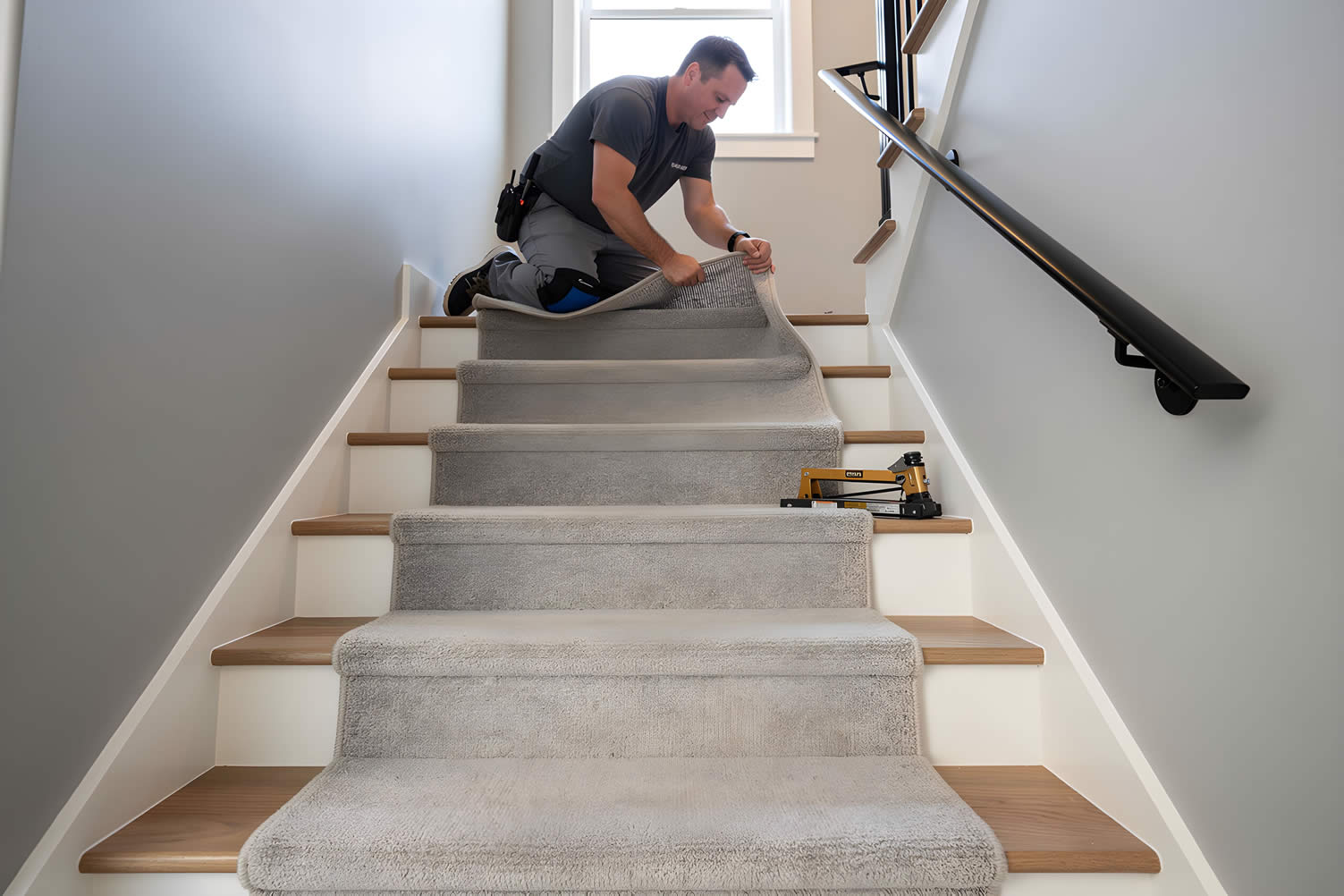
When it comes to carpet installation, the choice of who lays your carpet can make all the difference in both the durability and appearance of your flooring.
While certain DIY projects can make sense in other areas of home improvement, having a professional carpet layer is often the best option, particularly for spaces like bedrooms, basements, and stairs.
These areas often require precise measurements, careful handling of seams, and expert techniques to ensure the carpet not only looks great but also stays securely in place over time.
-
Why a Professional Carpet Layer is the Right Choice
Professional carpet layers bring specialized skills and tools to the table that most homeowners don’t have access to.
Here’s what they typically offer:
- Precision Measuring and Cutting:
Professionals can measure and cut carpets with remarkable accuracy, ensuring no materials are wasted and fitting is seamless. - Power Stretching Tools:
They use advanced tools, like power stretchers, that prevent wrinkles or buckling, ensuring a smooth and durable finish. - Proper Seam Alignment:
Experts know how to handle seams effectively so they’re virtually invisible and prevent fraying over time. - Sub-floor Preparation:
Professionals ensure the sub-floor is clean, level, and ready for installation, which is essential for the longevity of the carpet. - Quick and Efficient Work:
With experience and expertise, professionals can execute the job efficiently without sacrificing quality.
- Precision Measuring and Cutting:
-
How to Find the Best Carpet Installer
Selecting the right carpet installer can feel overwhelming, but these tips can help streamline your search for a dependable contractor:
- Check Reviews and Testimonials:
Look for online reviews or ask friends and neighbors for recommendations based on their experience. - Verify Licensing and Certifications:
Ensure the contractor has the necessary qualifications, insurance, and certifications for the job. - Portfolio of Past Work:
Ask to see examples of their prior projects or request references to confirm the quality of their work. - Request Multiple Quotes:
Gather estimates from at least three contractors to compare pricing and services before making a decision. - Look for Guarantees:
Choose an installer who offers a warranty or guarantee on their work for added peace of mind.
- Check Reviews and Testimonials:
-
Estimated Cost of Carpet Installation
The cost of carpet installation can vary depending on room size, carpet type, and labor charges. On average, you can expect the following (for materials, padding, and labor combined):
- Bedrooms:
$4.50 to $10.00 per square foot - Basements:
$4.00 to $12.00 per square foot, due to added prep work needed in these spaces - Stairs:
$15 to $45 per step, as they require precise cutting and more labor
Investing in a professional installer ensures your flooring project is completed to the highest standard, giving you a comfortable, polished result that will last for years.
- Bedrooms:
LetsRenovate has partnered with HomeAdvisor (Angi)™, a renowned provider of highly-rated, carefully-vetted carpet flooring contractors. Start your search here by choosing the type of carpet contractor you need and entering your zip code to find local professionals.
Topic Details Cost Estimates (if applicable) Who Will Lay Your Carpet? Choosing the right carpet installer impacts the durability and appearance of your flooring. Professional carpet layers are particularly suitable for spaces like bedrooms, basements, and stairs, requiring precise measurements, careful seam alignment, and expert techniques. N/A Why a Professional Carpet Layer is the Right Choice Professional layers offer precision measuring, power stretching tools, proper seam alignment, sub-floor preparation, and efficient work. Their specialized tools and skills ensure high-quality results. N/A How to Find the Best Carpet Installer You can evaluate carpet installers by checking reviews, verifying licensing, reviewing portfolios of past work, requesting multiple quotes, and ensuring guarantees or warranties on their work. N/A Estimated Cost of Carpet Installation The cost varies depending on room size, carpet type, and labor. It includes materials, padding, and labor combined. Bedrooms: $4.50 to $10.00 per square foot
Basements: $4.00 to $12.00 per square foot
Stairs: $15 to $45 per step
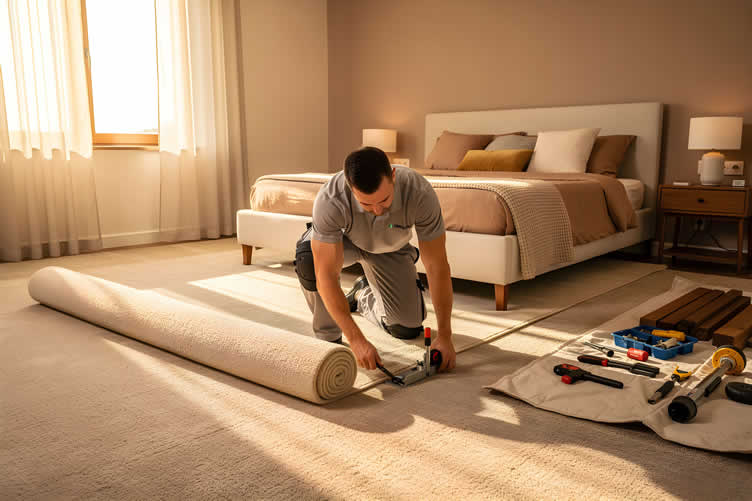
copyright image by 123rf.com
-
-
Conclusion:
… the enduring appeal of carpet
Carpet’s resurgence isn’t nostalgia—it’s a rational response to what homeowners truly need from their floors: warmth, quiet, safety, and comfort. Hard surfaces offer durability and visual cleanliness, but in the rooms where daily life unfolds most intimately, carpet consistently delivers on the metrics that matter most.
The five rooms covered in this guide—bedrooms, basements, stairs and hallways, home theater rooms, and closets—are spaces where carpet’s functional advantages align perfectly with how they’re used.
Choosing the right fiber, preparing the sub-floor correctly, and selecting a style that balances aesthetics with practicality will result in flooring that improves daily life for years to come.
If you’re planning a renovation, evaluate your rooms one by one. Bedrooms and home theaters are often the easiest decisions, while basements and stairs require more careful material selection.
Closets offer the highest comfort return for the lowest investment. Approached thoughtfully, carpet isn’t just a flooring choice—it’s a quality-of-life upgrade.
References
- Engineered Floors. (December 1, 2024). Carpet’s 2025 Comeback: Embracing the Latest Flooring Trends for Your Home. https://www.engineeredfloors.com/news/carpets-2025-comeback/
- Carpets & More. (June 24, 2025). Why Carpet Flooring Is Making a Stylish Comeback in 2025. https://www.carpetsandmore.com/blog/articles/why-carpet-flooring-is-making-a-stylish-comeback-in-2025
- Cornerstone Flooring Brokers. (2026). 2026 Bedroom Carpet Trends for Modern Home Designs. https://www.cornerstoneflooringbrokers.com/about-us/blog/articles/top-bedroom-carpet-trends
- Floor Crafters DFW. (May 26, 2025). 6 Carpet Flooring Trends in 2025 (Styles, Colors & Ideas). https://floorcraftersdfw.com/carpet-flooring-trends-2025/
- Bloomsburg Carpet. (2025). Mastering Home Theater Carpeting: The Art of Sound and Comfort. https://bloomsburgcarpet.com/blog/blog-home-theater-carpeting/
- Arendal Sound. (2025). Choosing the Perfect Carpet for Your Home Theater. https://arendalsound.com/guide/choosing-the-perfect-carpet-for-your-home-theater/
- Carpet Exchange. (2025). Best Carpet for Basements: Moisture-Resistant and Mold-Proof Options. https://carpetexchange.com/flooring-school/best-carpet-for-basements
- Beno’s Flooring. (September 18, 2025). The Perfect Flooring for Bedrooms with Open Closets and Walk-In Wardrobes. https://www.benosflooring.com/blog/articles/the-perfect-flooring-for-bedrooms-with-open-closets-and-walk-in-wardrobes
- Williams, T. (December 18, 2024). Home Interior Design Trend Alert: 2025 Is the Homebody Era. Forbes. https://www.forbes.com/sites/terriwilliams/2024/12/18/home-interior-design-trend-alert-2025-is-the-homebody-era/
-
ideas to view and compare from the information discussed above
- What comments can you share about
carpet floors?
But Wait!
Before you start searching for the perfect carpet installer, we invite you to download our handy evaluation worksheet.
This simple tool will help you easily compare different contractors, keeping track of important details like pricing, licensing, and references.

Evaluation Sheet
File Type:
Scroll up to directory … or scroll to more home structural-related topics …

Calendar For:
Home Maintenance
File Type:
view illustration “becoming a bank”

… view our sharing links below for a quick "share the knowledge"
Cover image credit: carpet floors by 123rf.com
end of post … please share it!
 |
did you find the review of the types of carpet floors helpful? If so, please share the article with your friends and family! |
Nice pic idea? Leave us a quick comment below.
And please share this pic idea within your social networks.