Summary Outline –
Theft and larceny are becoming increasingly common in communities across the country, leaving homeowners worried about how to protect their loved ones, valuables, and personal information.
From home burglaries and car break-ins to identity theft and online scams, no one is fully immune to these risks. Criminals are becoming more sophisticated, using both physical tactics and digital tools to exploit vulnerabilities.
However, understanding these threats and taking proactive steps toward theft prevention can significantly reduce your chances of becoming a victim.
This analysis provides actionable tips, including securing your home with proper locks and surveillance systems, safeguarding your personal and financial information online, and developing habits that minimize risk, such as not sharing sensitive details publicly.
By implementing these measures, you can better protect your home, your identity, and your financial assets, giving you and your family the peace of mind you deserve.

-
Quick scroll to first topic about avoiding home theft …

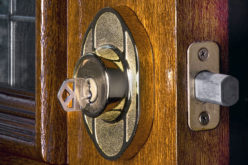
first “avoiding home theft” idea


copyright image by 123rf.com
Avoid Theft Tip 1: Types of Theft Every Homeowner Should Understand
Notes:
-
To effectively protect yourself, it’s important to understand the different types of theft and how each can impact your life.
Physical theft involves the unauthorized taking or damaging of property. This could include burglaries, vehicle thefts, or even porch pirating, where packages are stolen from your doorstep. While physical theft is often easier to notice, crimes like identity and financial theft can be equally, if not more, devastating.
Identity theft occurs when someone illegally obtains and uses your personal information, such as your Social Security number or driver’s license, to commit fraud. This can lead to unauthorized charges, loans opened in your name, or even damage to your credit score.
Financial theft, which often overlaps with identity theft, occurs when your financial assets such as bank accounts, credit cards, or even your home title fall into the wrong hands. Knowing the various types of theft is the first step toward addressing them effectively.
-
Quick scroll to “types of theft” side notes …
-
-
1st: Latest Crime Statistics Related to Personal Theft
Understanding the prevalence of personal theft crimes can help individuals take proactive steps to safeguard their valuables and identities.
Recent data reveals startling trends in various types of theft, shedding light on the challenges individuals face and underlining the importance of preventive measures to protect against such crimes.
Below is a breakdown of the most common types of personal theft crimes with statistical insights.
-
Home Burglaries
Home burglaries remain a significant concern, with an estimated 1.1 million reported burglaries across the United States in the past year. Roughly 56% of these incidents involved forced entry, with an average loss of $2,600 per burglary.
To avoid theft, homeowners are encouraged to install security systems, use sturdy locks, and ensure their homes appear occupied even when they are not.
-
Common Larceny
Larceny, which includes thefts such as stolen bikes, shoplifting, or stealing unattended valuables, accounts for the largest category of property crimes. Recent reports show over 4.5 million cases of larceny, with the average loss valued around $1,200 per incident.
To mitigate risks, individuals should always secure their belongings, avoid leaving valuables in plain view, and remain vigilant in public spaces.
-
Identity Theft
Identity theft has seen a sharp increase fueled by the rise of digital transactions and online activity. Reports indicate over 1.4 million cases of identity fraud in the last year, costing victims billions of dollars.
To avoid theft of personal information, individuals should use strong passwords, monitor their financial accounts regularly, and avoid sharing sensitive information on insecure websites.
-
Financial Theft (Credit Cards, Home Title Theft)
Financial theft specifically targeting credit cards and home titles is on the rise, with nearly 393,000 reports of credit card fraud in the past year. Home title theft, though less common, has grown as cybercriminals exploit vulnerabilities in online systems to commit this financially devastating crime.
To protect against these threats, individuals should monitor bank statements, consider title insurance, and freeze their credit to limit unauthorized account openings.
-
Other Types of Theft
Other forms of theft, such as car theft or package theft, have also seen troubling increases. Over 722,000 vehicles were reported stolen last year, underscoring the importance of locking vehicles and parking in secure, well-lit areas.
Meanwhile, the rise in online shopping has contributed to "porch piracy," with millions of packages stolen annually.
To avoid theft of deliveries, consider scheduling packages for times you are home or using secure delivery lockers.
By staying informed of these statistics and taking appropriate preventive measures, individuals can significantly reduce their risk of falling victim to these crimes. Educating oneself and remaining vigilant are key steps in combating personal theft.

copyright image by 123rf.com
[ view diagrams: latest burglary statistics in us ]
[ view diagrams: latest crime statistics ]

-
-
2nd: The Probability of Theft
The probability of becoming a victim of theft in the United States varies by type, circumstance, and location, but the overall concern remains a pressing issue for many citizens.
From home burglaries to identity theft, these crimes impact millions each year, influencing the way people protect themselves and their belongings. Understanding the risks associated with different types of theft can help individuals make informed decisions about prevention strategies.
[ see below: resources ]
-
Home Burglaries
Home burglaries are one of the most common forms of theft in the United States. According to statistics, around 2.5 million burglaries occur annually, with over half of these incidents being home invasions.
Most burglaries happen during the day when homes are unoccupied, and they often target easily accessible properties.
In 2023, there were approximately 839,563 reported cases of residential burglaries, representing 52.8% of all burglary offenses. This translates to about:
- One burglary every 25.7 seconds.
- Approximately 2,300 burglaries per day.
- Homes in urban areas are almost three times as likely to be targeted compared to rural homes.
- Homes without a security system are 300% more likely to be broken into.
- 83% of potential burglars check for the presence of an alarm system before attempting a break-in.
- 34% of burglars enter through the front door.
-
Common Larceny
Larceny, which includes offenses such as pickpocketing, shoplifting, and purse snatching, is another prevalent form of theft. This type of crime accounts for the majority of property thefts in the U.S., with millions of reported cases each year.
Larceny typically occurs in crowded public areas or unattended spaces, where valuables are not closely monitored. Preventative measures like keeping personal items secured and being vigilant in public can help reduce the risk.
- The property crime rate, which includes larceny-theft, was 102.2 per 1,000 households in 2023. This rate remained relatively stable compared to 2022, suggesting that the likelihood of experiencing property crime, including larceny, has not changed significantly in the short term.
- Urban areas have a much higher risk, with a property victimization rate of 192.3 per 1,000 households in 2023.
- Homes in urban areas are nearly three times as likely to be targeted compared to rural homes.
-
Identity Theft
Identity theft has become increasingly common in the digital age. Each year, millions of Americans fall victim to this crime, which involves the unauthorized use of someone’s personal information for financial gain.
Common tactics include fishing scams, data breaches, and stolen credit card numbers. Protecting sensitive information with strong passwords, monitoring financial accounts regularly, and being cautious with sharing personal details online are critical steps to combating identity theft.
- 33% of Americans (approximately 110 million people) have been victims of identity theft.
- In 2025, the FTC received 1.4 million identity theft reports out of 5.7 million total fraud cases.
- A new identity theft case occurs every 22 seconds, with total losses exceeding $10.2 billion annually.
-
Other Forms of Theft
Other less common but still notable types of theft include vehicle theft and workplace theft. Vehicle theft, although declining in recent years, still affects hundreds of thousands of Americans annually.
Workplace theft, which ranges from the stealing of office supplies to embezzlement, can disrupt business and personal finances. Preventive actions, such as using GPS tracking for vehicles or enhanced security protocols in workplaces, can help address these issues.
By understanding these different types of theft and their probabilities, individuals can adopt more targeted preventive measures. Staying informed and taking proactive steps are key to safeguarding oneself and one’s belongings in the United States.
copyright image by 123rf.com
-
-
-
ideas to view and compare from the information discussed above
book: home security guidesecurity locks for doorssecurity locks for windows
Scroll up to directory … or scroll to next section about avoiding home theft …




second “photo remodeling” idea
copyright image by 123rf.com
Avoid Theft Tip 2: Home Burglaries and Break-Ins
Notes:
-
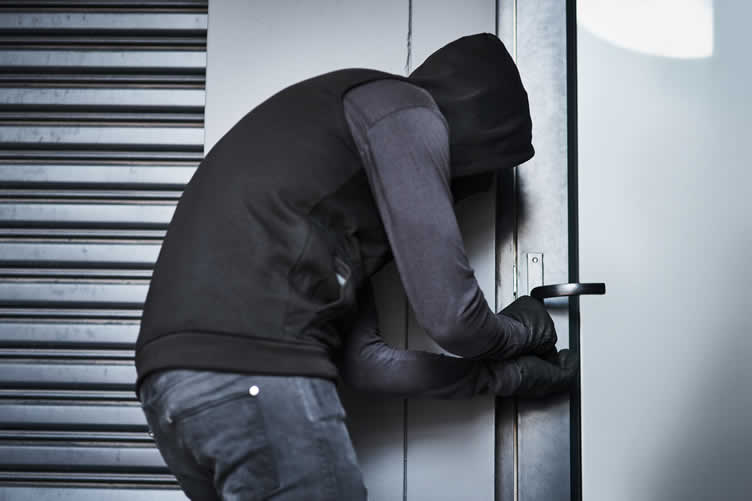
Home burglaries and break-ins refer to unauthorized entry into a residential property with the intent to commit theft, vandalism, or other crimes. These incidents often result in the theft of personal valuables, property damage, and emotional distress for homeowners and their families.
According to law enforcement data, many home burglaries occur during the daytime when the occupants are at work or school, making it easier for criminals to target unoccupied homes. Common entry points include unlocked doors, windows, or garages, as well as other vulnerable areas of the property.
-
Quick scroll to “home burglary” side notes …
-
-
1st: How Thieves Stake Out a Home for Burglary
Burglars often carefully plan their crimes by observing potential targets to identify vulnerabilities. By staking out a neighborhood or individual property, they gather critical information that helps ensure a quick and undetected entry.
Understanding the tactics employed by thieves can help homeowners reinforce their defenses and reduce the likelihood of becoming a victim.
-
Monitoring Daily Routines
One of the most common strategies used by burglars is observing the daily routines of homeowners. Thieves watch for patterns, such as when residents leave for work, school, or errands, enabling them to identify times when the property is likely unoccupied.
They may also pay attention to the presence of maintenance workers, delivery drivers, or other visitors who could temporarily provide distractions.
-
Checking for Security Measures
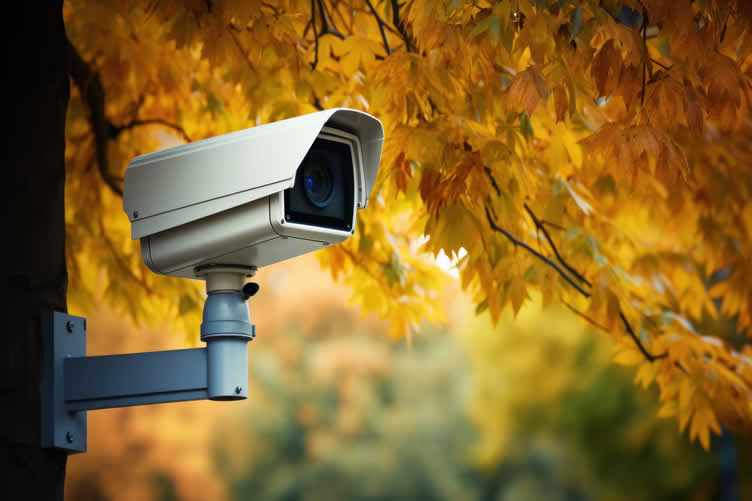
Thieves often assess the level of security in place at a target home. This includes looking for visible cameras, alarm systems, or signs warning of surveillance and security patrols.
They may also check for reinforced doors, secure locks, and other devices that could delay or hinder their ability to break in. Poorly lit areas or overgrown landscaping that provides cover can make a property more appealing to burglars.
-
Scouting the Neighborhood
Before selecting a specific home, burglars may drive or walk through a neighborhood to look for potential targets.
During these "reconnaissance" trips, they look for homes that appear vacant, are in a quiet area, or provide easy access points, such as open windows or poorly secured garages.
They may take note of valuables left in plain sight, such as expensive cars, electronics, or package deliveries left on porches.
-
Using Social Engineering
Some burglars employ deceptive tactics to gather information directly from residents.
For instance, they may pose as salespeople, surveyors, or utility workers to approach the property and assess security while speaking with the occupants. Others might knock on doors under false pretenses to verify whether anyone is home.
By recognizing these tactics, homeowners can take proactive steps to safeguard their property, such as varying daily routines, improving security measures, and being vigilant toward unfamiliar activity in their neighborhood.

copyright image by 123rf.com
[ youtube: Inside the Mind of a Thief ]
[ youtube: Ex-Burglar’s Tips on How to Protect Your Home ]
-
-
2nd: Key Home Entry Points for Burglars
Burglars often rely on accessing specific entry points of a home to carry out their crimes. Understanding these vulnerable areas can help homeowners take the necessary precautions to fortify their property.
By identifying the most commonly exploited entry points, homeowners can prioritize security improvements and reduce the likelihood of a burglary.
-
[1] Front Door
Surprisingly, the front door is the most used entry point for burglars. Many intruders simply walk through a front door that has been left unlocked or is easily forced open. A lack of proper locks or reinforced hardware makes this entry point particularly vulnerable.
Installing deadbolt locks, smart doorbells with cameras, and strong strike plates can greatly reduce the risk of unauthorized entry.
-
[2] First-Floor Windows
First-floor windows are another popular access point due to their ease of reach and often minimal security measures. Burglars may slide open unlocked windows or break the glass to enter.
To improve security, homeowners should consider using sturdy locks, window security film, or even window sensors connected to a home security system.
-
[3] Back Door
The back door is often less visible from the street, making it an appealing option for intruders. Similar to front doors, back doors can be compromised if they are not equipped with secure locks or if they are routinely left unlocked.
Reinforcing sliding glass doors with a security bar or installing additional locks can deter burglars from targeting this area.
-
[4] Garage Door
Garages are favored by burglars not only because they can provide direct access to the home but also because they are often neglected in terms of security. Weak garage door openers, unlocked side doors, or unsecured interior doors leading into the home can be exploited.
Utilizing a robust garage door opener, securing any access points with additional locks, and always closing the garage when not in use are effective preventive measures.
-
[5] Basement Windows or Doors
Although used less frequently, basement windows or doors still present opportunities for entry, particularly in homes with older hardware or secluded basements. These entry points are often overlooked during security checks.
Installing window well covers, upgrading locks, and ensuring proper lighting around these areas can help eliminate this vulnerability.
copyright image by 123rf.com
[ youtube: How Organized Burglary Rings Actually Work ]
[ youtube: 7+ Tricks Burglars Don’t Want You To Know ]
-
-
3rd: How to Protect Your Home from Burglary
Safeguarding your home from burglary requires a combination of awareness, preparation, and strategic security measures. Burglars often seek out homes that appear vulnerable, but implementing practical solutions can make your property significantly less attractive to potential intruders.
Below, we outline some key strategies homeowners can use to enhance their home security.
-
Install a Home Security System
A robust home security system is one of the best defenses against burglary. Modern systems include features such as motion detectors, cameras, alarms, and even smart sensors that send alerts to your phone.
Choose a system that fits your needs, whether it’s a basic alarm or a fully monitored setup. Visible cameras and signage indicating the presence of an alarm system can also act as deterrents for would-be intruders.
-
Reinforce Doors and Windows
Doors and windows are common entry points for burglars, making it essential to reinforce them. Use deadbolt locks on all exterior doors, and consider upgrading to smart locks for added security.
Install window locks or bars, and use reinforced glass or security film to make windows harder to break. Additionally, ensure your door frames are sturdy and invest in a peephole or doorbell camera to monitor visitors.
-
Enhance Outdoor Lighting
Well-lit exteriors can deter burglars who prefer to work under the cover of darkness. Install motion-sensor lights around the perimeter of your home, especially near entrances, driveways, and blind spots.
Solar-powered or energy-efficient lighting options are cost-effective and environmentally friendly ways to keep your property illuminated during nighttime hours.
-
Maintain a Lived-In Appearance
An unoccupied home can be a target, so create the illusion of activity even when you’re away. Use timers for lights and electronics, such as TVs or radios, to mimic someone being at home.
Arrange for a neighbor or friend to collect your mail or packages to avoid giving away that the house is empty. Keeping your lawn maintained also signals regular occupancy.
-
Secure Valuables and Limit Visibility
Avoid leaving valuables like expensive electronics, jewelry, or cash in plain sight of windows. Use curtains or blinds to obscure interior views, especially in rooms where high-value items are kept.
For additional protection, store your most important valuables in a fireproof and tamper-resistant safe that is securely bolted to the ground.
copyright image by 123rf.com
-
-
4th: High-Tech Gadgets to Protect Your Home
Modern technology offers a variety of gadgets designed to enhance home security and deter potential burglars. These devices combine functionality with convenience, making it easier than ever to safeguard your home whether you’re at work, running errands, or on vacation.
Below are some highly effective gadgets you can consider for increased home protection.
-
Smart Doorbell Cameras
A smart doorbell camera allows you to monitor your front door in real-time via a mobile app. Equipped with motion detection, night vision, and two-way audio, these devices alert you instantly when someone approaches your door.
Not only can you see who’s there, but you can also communicate with visitors, whether you’re home or away. Many models also record footage, which can be valuable evidence in the event of suspicious activity.
-
Motion-Activated Security Lights
Burglars prefer areas that are dark and offer concealment, which is why motion-activated security lights can act as a powerful deterrent.
These lights automatically illuminate when motion is detected, startling intruders and reducing the likelihood of a break-in. Available in solar-powered or wired models, they are an energy-efficient and cost-effective addition to your home’s exterior defenses.
-
Smart Locks
Smart locks eliminate the need for traditional keys by offering alternative entry methods such as fingerprint scans, keypads, or smartphone controls.
Many models allow you to lock and unlock your doors remotely and even grant temporary access to guests or service providers. With automatic notifications and tamper alerts, smart locks provide an added layer of security and convenience.
-
Glass Break Detectors
Glass break detectors are designed to recognize the sound frequency of breaking glass and immediately trigger an alarm when such a sound is detected.
Installing these sensors near windows and glass doors can help ensure that intruders are deterred in case they attempt forced entry through these vulnerable points.
When integrated with a home security system, these detectors can notify you and law enforcement of a potential breach.
-
Fake TV Light Simulator
An innovative yet simple gadget to use as a burglar deterrent is a fake TV light simulator. These small devices mimic the flickering glow of a television, creating the illusion that someone is home watching TV.
They are energy-efficient and can be set to operate on timers, making it appear as though your house is occupied even when it’s not.
-
Barking Dog Alarm
Another effective burglar deterrent is a barking dog alarm gadget. These devices are designed to emit realistic barking sounds when motion is detected, giving the impression that a protective dog is inside the home.
The loud and aggressive barking can startle potential intruders and discourage them from attempting a break-in.
Many of these gadgets are equipped with radar sensors, allowing them to detect motion through doors or walls, making them particularly versatile for enhanced home security.

copyright image by 123rf.com
[ amazon: smart doorbell camera ]
[ amazon: barking door sensor alarm ]
-
-
5th: The Importance of Neighborhood Watch Programs
A neighborhood watch program is a community-driven initiative that plays a crucial role in reducing home break-ins and promoting safety within residential areas. By fostering collaboration and vigilance among neighbors, these programs create a united front against criminal activity.
The presence of an active neighborhood watch often discourages potential intruders while building trust and communication within the community.
Below are key aspects of how neighborhood watch programs can work effectively to prevent home break-ins.
-
Building Community Awareness
A successful neighborhood watch starts with awareness. This involves educating residents about the importance of vigilance and teaching them how to identify suspicious behavior.
Meetings and workshops can be conducted to share tips on recognizing potential threats and understanding crime patterns specific to the area. When neighbors are informed and alert, it becomes much harder for criminals to go unnoticed.
-
Establishing Communication Channels
Efficient communication between residents is essential for a neighborhood watch to succeed. Setting up dedicated messaging groups, phone trees, or even mobile applications allows neighbors to quickly share alerts and updates about unusual activities or potential threats.
These channels ensure timely information dissemination, helping residents take precautionary measures while alerting local law enforcement as needed.
-
Enhancing Visibility and Surveillance
Neighborhood watch programs can encourage residents to enhance the visibility of their properties by maintaining well-lit areas and trimming overgrown landscaping.
Additionally, participants may organize regular patrols to monitor the neighborhood, especially during late hours or when residents are away. The presence of vigilant patrollers can deter criminals considering a break-in.
-
Collaborating with Local Authorities
Strong ties with local law enforcement strengthen neighborhood watch efforts. Police officers can guide residents on preventive measures, provide crime statistics, and support their activities with resources or training.
This collaboration fosters a sense of shared responsibility between the community and law enforcement, helping to reduce crime rates effectively.
-
Fostering a Sense of Community
Beyond crime prevention, neighborhood watch programs help build lasting relationships among residents. When people feel connected to their community, they’re more likely to look out for one another, creating a supportive environment that benefits everyone.
Regular social events or public safety initiatives can promote unity and encourage participation in the program.
copyright image by 123rf.com
[ youtube: Ultimate Guide Neighborhood Watch ]
[ amazon: neighborhood watch signs ]
-
-
-
ideas to view and compare from the information discussed above
sliding door security barsecure garage door openerwindow security film
Scroll up to directory … or scroll to next section about avoiding home theft …

addressing what to do to avoid theft and other home management needs …

… grab this directory of ideas for future use




get the size dimensions for any home remodeling project …

… for functionality, aesthetics, and adhering to building codes
May We Suggest Other Photo Remodeling Ideas About
“Doing Some Home Improvements …” (new win)



third “photo remodeling” idea
copyright image by 123rf.com
Avoid Theft Tip 3: Understanding Home Property Larceny
Notes:
-
Home property larceny, often referred to as theft, is defined as the unlawful taking of personal property with the intent to permanently deprive the rightful owner of it. Unlike burglary, which often involves unlawful entry into a property, larceny specifically focuses on the act of stealing without necessarily trespassing.
This type of crime can include anything from stolen packages left on doorsteps to the theft of valuable items from outdoor spaces like lawns, garages, or sheds.
-
Quick scroll to “property larceny” side notes …
-
-
1st: Types of Common Home and Property Larceny
Larceny can take many forms, reflecting the variety of ways in which personal property can be unlawfully taken. Understanding the different types of home and property larceny can help individuals recognize potential risks and take preventive measures to safeguard their belongings.
Below are some common categories of larceny often committed in residential areas, each with its own specific characteristics.
-
Package Theft
Package theft, also known as "porch piracy," involves stealing deliveries left on doorsteps or porches, typically by couriers. This form of larceny has become increasingly common with the rise of online shopping.
Thieves often target homes where packages are visibly left unattended, relying on quick, opportunistic grabs to avoid detection.
-
Vehicle-Related Theft
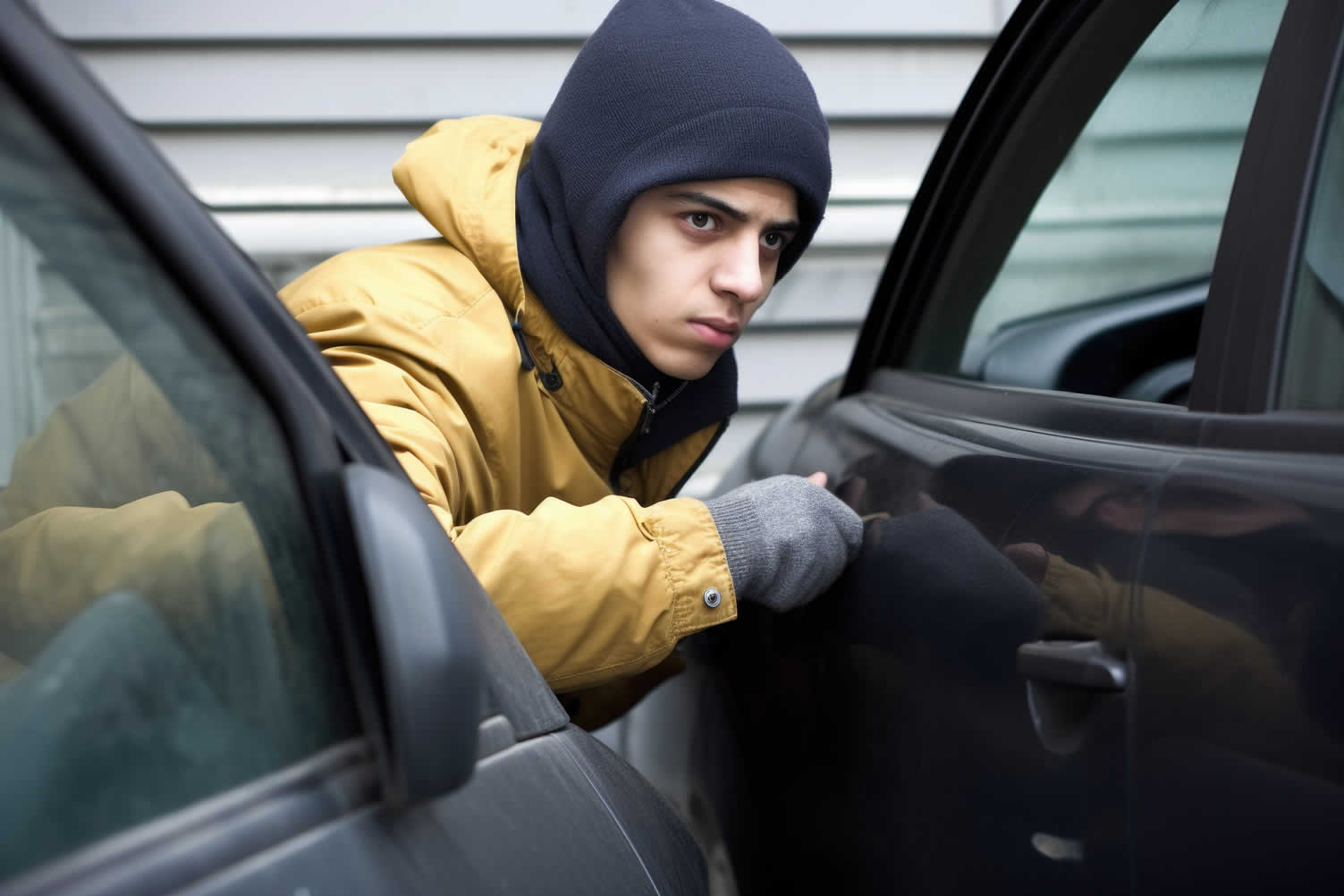
This type of larceny involves stealing items from parked vehicles, including cars left in driveways or on the street. Commonly stolen items include electronics, wallets, tools, and even small personal possessions like sunglasses.
The crime does not require breaking into the vehicle forcibly, as thieves often exploit unlocked doors or open windows to access valuables.
-
Outdoor Equipment Theft
Theft of outdoor equipment is another prevalent form of larceny. Items like lawnmowers, bicycles, gardening tools, grills, or sports gear left unsecured in yards, garages, or sheds can easily become targets.
Thieves often exploit the lack of proper security measures to steal these items, viewing them as easily resellable assets.
-
Petty Theft of Decorations or Accessories
Sometimes even small, seemingly inconsequential items like garden decorations, house signs, or seasonal ornaments fall victim to larceny. Such thefts, though minor in value compared to other forms of larceny, can leave homeowners feeling violated by the loss of personal touches around their property.
Each of these types of larceny highlights the diverse ways perpetrators may unlawfully target household items. By staying vigilant and taking proactive measures, residents can reduce the risk of falling victim to these criminal acts.
copyright image by 123rf.com
[ youtube: How to avoid porch pirates ]
[ youtube: 12 Home Security Gadgets That Are Next Level ]
-
-
2nd: Tactics to Avoid Home and Property Larceny
Protecting your home and property from larceny requires a combination of vigilance, strategic planning, and the use of modern security solutions. By implementing effective preventive tactics, homeowners can minimize the risks of theft and safeguard their belongings.
Below are practical measures you can take to enhance the security of your property.
-
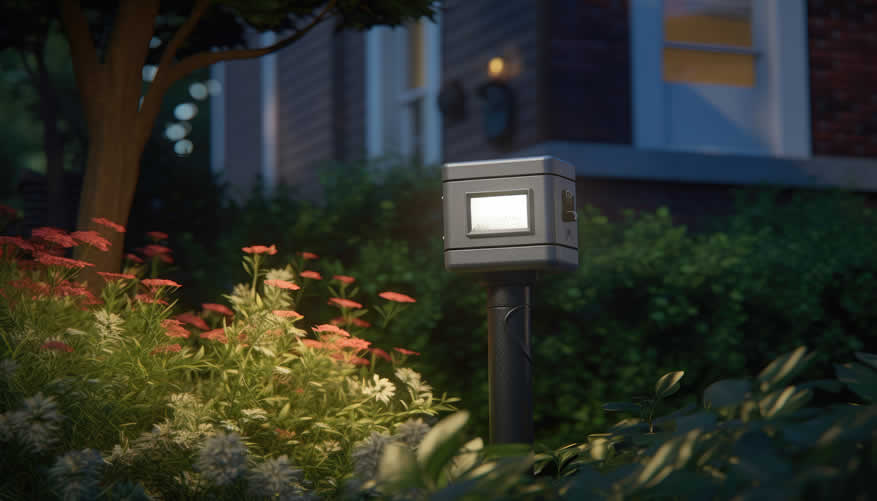
Keep Your Property Well-Lit
Thieves often target dimly lit areas where they can remain undetected. Installing motion-activated outdoor lighting around entry points, driveways, and backyards can greatly discourage unauthorized activity. Solar-powered lights offer an energy-efficient way to ensure your property remains illuminated year-round.
-
Limit Visibility of Valuables
Keeping expensive items out of plain sight is another effective strategy. Avoid leaving valuable tools, bicycles, or recreational equipment in your yard or driveway. Use curtains or blinds to block views into your garage or shed, preventing would-be burglars from spotting valuables.
-
Secure Your Belongings
Locking up items such as bicycles, lawn mowers, cooking grills, and other valuables is crucial to deterring theft. Use sturdy locks and secure storage options like sheds or garages to keep these items safe.
For added security, consider tethering bicycles or grills with heavy-duty chains and locks to fixed structures. Keeping your belongings locked and out of easy reach significantly reduces the risk of unauthorized access.
-
Install a Recording Smart Doorbell
A recording smart doorbell is an excellent tool to deter porch piracy. These devices not only allow you to see and communicate with visitors at your door but also capture video footage of any activity. This added layer of surveillance can discourage potential thieves, as they are less likely to target homes equipped with visible security cameras.
Look for smart doorbells with motion detection, high-definition recording, and cloud storage options to ensure clear evidence in case of an incident. Additionally, many of these systems can send real-time notifications to your smartphone, keeping you informed no matter where you are.
-
Keep Your Automobiles Secured
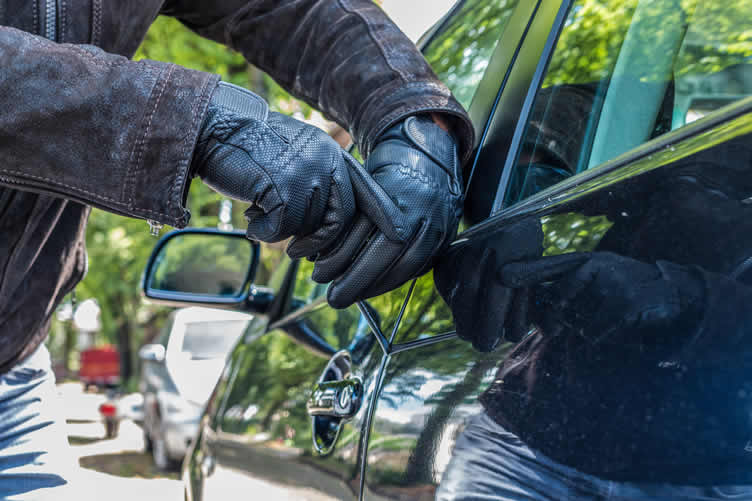
Always secure your vehicle by locking the doors and activating any installed security systems, whether it’s parked in your driveway or on the street. Remove valuables from view to avoid attracting attention, and consider adding extra layers of protection like car alarms or steering wheel locks.
-
Build a Strong Community Network
Getting to know your neighbors and forming a community watch program can add an extra layer of security. Having neighbors look out for each other increases the chances of spotting and reporting suspicious activity in the neighborhood promptly. Sharing tips and resources within the community can bolster overall safety.
-
Use Smart Delivery Solutions
Package theft is an increasingly common issue, especially with the rise of online shopping. To prevent this, consider using secure package lockers, delivery safes, or requesting packages to be delivered to a trusted neighbor or a pickup location. Smart doorbells with cameras can also notify you when a package is delivered.
By consistently applying these tactics, homeowners can create a safer environment and significantly reduce the risk of falling victim to larceny.
copyright image by 123rf.com
-
-
3rd: Protect Your Automobile from Theft
Automobiles parked in driveways or along curb-sides are often easy targets for thieves, particularly in areas with little surveillance or at night. Taking proactive steps to secure your vehicle can help deter potential theft and provide you with peace of mind.
Below are key preventive tactics that can keep your car safe from thieves.
-
Install a High-Quality Car Alarm System
A car alarm system is one of the most effective deterrents against theft. Modern alarm systems often include features like motion sensors, shock detection, and loud alarms that draw attention to any unauthorized attempt to enter the vehicle. Ensure your alarm system is fully operational and visible to deter criminals.
-
Use a Steering Wheel Lock
A visible steering wheel lock is a simple yet highly effective tool to prevent car theft. Thieves typically avoid vehicles with these devices as they require additional effort and time to circumvent, increasing the likelihood of being caught.
-
Park in Well-Lit Areas
Always park your car in well-lit areas with clear visibility from nearby homes or buildings. Bright lighting reduces opportunities for thieves to operate unnoticed and makes your car less appealing as a target compared to those parked in dark or obscured areas. Consider installing motion-activated lights if your driveway lacks sufficient illumination.
-
Deploy Security Cameras
Installing security cameras that cover your driveway or curbside can act as a powerful deterrent. Thieves are less likely to target a vehicle if they know they may be recorded. Choose cameras with nighttime recording capabilities and link them to your smartphone for instant alerts if suspicious activity is detected.
-
Remove Valuables from the Car
Leaving valuables in plain sight can attract opportunistic thieves. Always take items such as electronics, wallets, or bags with you when leaving your vehicle or store them in the trunk if necessary. An empty-looking car reduces the incentive for someone to break in.
-
Enable the Car’s Immobilizer or Kill Switch
For added protection, install an immobilizer or kill switch system. These devices prevent the engine from being started without the proper key or sequence, making it extremely difficult for thieves to steal the vehicle, even if they manage to break into it.
By implementing these preventive measures, you can keep your automobile safer and significantly lower the risk of theft. Simple strategies combined with modern security technology go a long way in protecting your investment.
copyright image by 123rf.com
[ amazon: steering wheel lock ]
[ amazon: anti theft auto alarm ]
-
-
-
ideas to view and compare from the information discussed above

Scroll up to directory … or scroll to next section about avoiding home theft …
SHARE IT ..! You might have someone in your social network who could find this informative post about what to do to avoid theft valuable. Feel free to share it on Facebook, X (formally Twitter), LinkedIn, or Pinterest!





fourth “photo remodeling” idea

copyright image by 123rf.com
Avoid Theft Tip 4: Safeguarding You from Identity Theft
Notes:
-
Identity theft is an increasingly serious concern in today’s digital age, as cybercriminals continue to find new ways to exploit personal data for malicious purposes. From fishing scams and data breaches to stolen credit card information, the methods used to steal identities are becoming more sophisticated.
Protecting your sensitive information requires not only caution but also proactive measures. Staying informed and vigilant is key to reducing the risk of falling victim to identity theft.
-
Quick scroll to “identity theft” side notes …
-
-
1st: The Danger of Identity Theft and Its Consequences
Identity theft is a pervasive issue with serious implications for individuals worldwide. When a malicious actor gains unauthorized access to your personal or financial information, the repercussions can extend far beyond immediate monetary losses.
Understanding the possible outcomes and how identity theft can impact various areas of your life is critical to appreciating the importance of prevention.
-
Financial Losses
One of the most immediate and tangible effects of identity theft is financial damage. Thieves often use stolen information to make unauthorized purchases, open fraudulent accounts, or withdraw money from your existing accounts.
Restoring your finances after such an attack can take a considerable amount of time and effort, especially if the theft results in overdrafts, debt accumulation, or a damaged credit score.
-
Damage to Your Credit
Identity theft can wreak havoc on your credit report. Criminals may open credit cards, take out loans, or rack up unpaid bills in your name before you even realize what has happened.
This fraudulent activity can lead to a plummeting credit score, which may take years to rebuild. Poor credit can affect your ability to secure loans, rent housing, or even find employment in some cases.
-
Emotional and Psychological Impact
Identity theft often leaves victims feeling stressed, vulnerable, and even violated. The process of recovering from identity theft is typically lengthy and frustrating, involving countless hours spent filing reports, disputing charges, and managing financial institutions.
For many, the emotional toll—ranging from anxiety to a loss of trust—can be just as damaging as the financial consequences.
-
Legal and Administrative Challenges
Dealing with fraud can be a legal nightmare. Victims often find themselves entangled in complex bureaucracy as they attempt to prove their innocence and regain control of stolen identities.
Resolving disputes with creditors, banks, and authorities can significantly disrupt daily life and require substantial legal or professional assistance.
-
Risk to Your Reputation
Identity theft doesn’t only have financial consequences; it can also harm your personal and professional reputation.
For example, if someone uses your identity to commit crimes or engage in unethical activities, it can tarnish your record, leading to misunderstandings with employers, friends, or others who rely on your credibility. Cleaning up your reputation after such damage can be a prolonged and challenging ordeal.
By comprehensively understanding how identity theft can disturb various facets of life, individuals can better appreciate the need for proactive measures to protect their personal and financial information.

copyright image by 123rf.com
[ view diagram: ID theft diagram ]
[ youtube: Identity Theft: What You Need to Know ]
-
-
2nd: Safeguarding Personal Information from Identity Theft
Identity theft remains one of the most pervasive threats in the digital era. Cybercriminals employ an array of techniques to gain access to personal information, often leaving victims dealing with significant financial and emotional consequences.
To protect yourself, it is crucial to implement strategies that can prevent data breaches, secure your online presence, and reduce vulnerability. Below are effective safeguards that every individual should adopt.
-
Use Strong and Unique Passwords
Creating strong, unique passwords for all your accounts is a critical step in defending against identity theft. Avoid using easily guessable passwords like birth dates, common words, or repetitive sequences. Instead, use a combination of uppercase and lowercase letters, numbers, and symbols.
Additionally, consider using a password manager to securely generate and store unique passwords for each account, ensuring you never reuse the same password across multiple platforms.
-
Enable Two-Factor Authentication
Two-factor authentication (2FA) adds an extra layer of security to your accounts by requiring two forms of identification before granting access.
This may involve entering a password and then confirming your identity through a code sent to your phone or email, or through an authenticator app.
By enabling 2FA, even if a cybercriminal manages to obtain your password, they are unlikely to bypass the second verification step.
-
Be Cautious of Fishing Scams
Fishing scams are a common tactic used to trick individuals into revealing personal information. These scams often come in the form of fraudulent emails, text messages, or phone calls that appear to originate from legitimate sources.
Always verify the authenticity of messages before clicking on links or sharing sensitive information. When in doubt, reach out to the organization directly using verified contact information from their official website.
-
Monitor Financial Statements and Credit Reports
Regularly reviewing your financial statements and credit reports is essential for spotting unauthorized transactions or accounts opened in your name. Many banks and credit institutions offer free fraud alerts and tools to help monitor suspicious activity.
Set up account notifications to immediately receive updates on withdrawals or purchases beyond a certain threshold. Early detection can help mitigate the damage caused by identity theft.
-
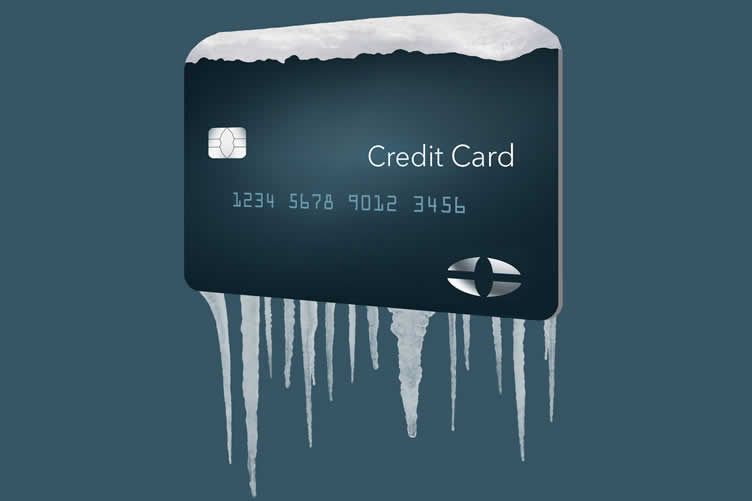
Freeze Your Credit
Freezing your credit is an effective way to protect yourself against identity theft and unauthorized credit activity. When you freeze your credit, creditors and lenders cannot access your credit reports, making it difficult for fraudsters to open new accounts in your name.
You can request a credit freeze through major credit bureaus like Equifax, Experian, and TransUnion, and it is a free service.
Keep in mind that you can temporarily lift or remove the freeze whenever you need to apply for credit. Taking this proactive step provides an extra layer of security for your personal and financial information.
-
Secure Your Devices and Networks
Ensure that your devices are equipped with up-to-date anti-virus software and firewalls to protect against malware and cyberattacks. Avoid using public Wi-Fi networks for sensitive transactions, as these are often unencrypted and vulnerable to hacking.
If connecting to public Wi-Fi is unavoidable, use a virtual private network (VPN) to encrypt your data and safeguard your online activity.
-
Limit Sharing Personal Information
Be mindful of the personal information you share online, especially on social media platforms.
Social media posts containing details like your location, birthdays, or other identifiers can inadvertently provide cybercriminals with information useful for exploiting your accounts. Update your privacy settings to control who can view your content and limit exposure of sensitive details.
copyright image by 123rf.com
[ youtube: 1 Simple Step to STOP Identity Theft ]
[ amazon: id theft protection wallet ]
-
-
3rd: How to Recover from Identity Theft
Identity theft can be a distressing experience, but taking the right steps quickly can mitigate the damage and help you regain control. Knowing how to respond effectively is critical to protecting your financial and personal well-being.
The following steps provide a clear path to recovering from identity theft and minimizing potential long-term consequences.
-
Report the Identity Theft
The first step to recovering from identity theft is to report the incident to the Federal Trade Commission (FTC) through their IdentityTheft.gov website. This resource guides you through crafting a personalized recovery plan and generating an Identity Theft Report.
Additionally, file a police report with your local law enforcement agency, as this documentation may be necessary when disputing fraudulent charges or accounts.
-
Place a Fraud Alert on Your Credit File
Contact one of the three major credit reporting agencies—Equifax, Experian, or TransUnion—to place a fraud alert on your credit file. This alert notifies creditors to take extra measures to verify your identity before opening new accounts.
Once you notify one agency, they are required to inform the other two. A fraud alert is free and lasts for one year, but you can request an extended alert if needed.
-
Review Your Credit Reports
Obtain copies of your credit reports from AnnualCreditReport.com to examine them for unauthorized or suspicious activity.
Look for unfamiliar accounts, inaccurate personal information, or inquiries you did not initiate. Taking prompt action to identify and dispute these errors is essential to mitigating long-term consequences.
-
Dispute Fraudulent Charges or Accounts
Contact the companies where fraud occurred to report the issue and dispute unauthorized charges or accounts. Provide copies of your Identity Theft Report and any necessary documentation to support your case.
Request that the fraudulent accounts be closed or charges removed and keep a record of all communication for future reference.
-
Secure Your Accounts
Update the passwords and security questions on your online accounts, prioritizing financial and email accounts. Choose strong, unique passwords and enable multi-factor authentication (MFA) wherever possible. This adds a critical extra layer of protection to prevent further unauthorized access.
-
Consider a Credit Freeze
If you suspect significant financial damage from identity theft, consider placing a credit freeze on your files with all three major credit reporting agencies. A credit freeze prevents creditors from accessing your credit report, effectively halting the creation of new accounts.
While this is a powerful preventative measure, it will not affect your ability to use existing credit cards or accounts.
-
Monitor Your Accounts Moving Forward
Vigilance is key after dealing with identity theft. Regularly monitor your bank statements, credit reports, and investment accounts for signs of unusual activity.
Consider enrolling in credit monitoring or identity protection services to receive alerts about changes to your credit file in real time, allowing you to act quickly if problems arise again.

copyright image by 123rf.com
[ youtube: What To Do If Your Identity Is STOLEN ]
[ youtube: Best Identity Theft Protection Services ]
-
-
-
ideas to view and compare from the information discussed above
Scroll up to directory … or scroll to next section about avoiding home theft …

Budgeting Worksheet For Costing Home Remodeling and Home Improvement Decisions
 File Type (excel)



plan the specifications you need for making …
… key home improvement and remodeling decisions
… home remodeling – improvement – repair

Find Home Security Services Home Security Alarms Home Automation Generators Networks/Phone Computers/ Media top-rated, pre-screened local contractors FREE: download contractor selection enter zip code – powered by HomeAdvisor ™
Quick Contractor Guides selecting negotiating working with inspecting

fifth and last “photo remodeling” idea


copyright image by 123rf.com
Avoid Theft Tip 5: Securing Your Financial Assets
Notes:
-
Protecting your financial assets is a crucial step in safeguarding your personal and economic well-being. With the rising prevalence of cybercrime, fraud, and identity theft, taking proactive measures to secure your finances has never been more important.
By implementing strong practices and leveraging available tools, you can minimize risks and ensure greater peace of mind when managing your financial resources. The sections below will outline key strategies to help you protect your financial assets effectively.
-
Quirk scroll to topic "securing financial assets" side notes …
-
-
1st: Tips for Securing Your Financial Assets
Maintaining the security of your financial assets involves vigilance, knowledge, and the implementation of robust protective measures. Below, you’ll find crucial strategies segmented by asset type, along with actionable advice on what to do to avoid theft and safeguard your hard-earned resources.
-
Securing Your Bank Accounts
To protect your bank accounts, prioritize creating strong, unique passwords and updating them regularly. Enable two-factor authentication (2FA) on your accounts whenever possible, as this adds an additional layer of protection.
Monitor your account activity closely by reviewing bank statements and enabling alerts for suspicious transactions. Be cautious when sharing sensitive information, and avoid conducting financial transactions on unsecured public Wi-Fi networks.
-
Protecting Your Credit Cards
One of the most effective ways to avoid credit card theft is to use digital wallets, which encrypt payment information, reducing the risk of exposure. Regularly review your credit card statements and utilize spending alerts to identify and address unauthorized charges promptly.
Additionally, consider freezing your credit if you suspect your information has been compromised to prevent new accounts from being opened fraudulently.
-
Securing Your Investment Accounts
To avoid theft in your investment accounts, ensure they are protected by a strong, complex password and two-factor authentication. Regularly monitor your account’s activity for any unauthorized trades or withdrawals.
Work only with reputable brokers or financial advisors, and periodically review the security policies of your investment platform to ensure their measures align with industry standards.
-
Protecting Retirement Accounts
Retirement accounts can be a significant target for financial fraud due to their long-term nature. Protect these assets by enabling strong account authentications and regularly reviewing your account for inaccuracies or unexpected changes.
Avoid sharing account details over the phone or email, and work directly with your plan administrator on critical updates. Be wary of fishing attempts promising higher returns or changes to your plan, as these are common tactics used to steal personal information.
-
Additional Precautions for Other Financial Assets
For other financial assets, such as safe deposit boxes or peer-to-peer payment apps, ensure their security by using appropriate safeguards. For safe deposit boxes, keep an accurate inventory and use fireproof and theft-resistant boxes at secure banks.
When using payment apps, only transact with trusted parties, and enable in-app security settings to prevent unauthorized transactions. By staying informed and cautious, you can minimize risks effectively.
By being proactive and consistent in implementing these measures, you can better protect yourself and your financial future from the rising threats of theft and fraud.

copyright image by 123rf.com
[ view file: financial budgeting (excel file) ]
[ amazon: 2-factor authentication ]
-
-
2nd: What is Home Title Theft?
Home title theft, also known as deed fraud, occurs when criminals gain unauthorized access to your property title, forge documents to transfer ownership, and potentially use it to secure loans or sell your property without your knowledge.
This type of fraud can have severe financial and legal consequences, leaving property owners to contend with debt or legal disputes.
Since the title acts as proof of ownership for your home, any fraudulent activity involving it can jeopardize your most valuable asset.
-
Monitor Your Title Regularly
Keeping a close eye on your property title is one of the simplest ways to detect fraudulent activities early. You can periodically check your title records through local property offices or online databases to confirm no unauthorized changes have been made.
Many counties also offer alert systems that notify you if there are updates or filings linked to your property.
-
Use a Title Protection Service
Consider subscribing to title protection services that monitor your title for unusual activity. These services alert you to potential fraud attempts and provide support if you need to contest any changes.
While these services may not prevent theft entirely, they offer an added layer of oversight and can expedite your response to fraudulent activity.
-
Secure Physical and Digital Documents
Ensure that your property’s title documents are stored securely to prevent unauthorized access. For physical copies, consider using a fireproof safe.
Digital copies should be encrypted and stored in secure cloud storage with strong passwords. Avoid sharing sensitive documents casually or over unsecured channels to reduce the risk of theft.
-
Beware of Scams and Fishing Attempts
Fraudsters commonly use scams or fishing techniques to gain access to crucial documents. Be cautious of unsolicited emails, calls, or messages claiming to need your personal or property-related information.
Always verify the source before sharing any details and consult with trusted professionals for property-related inquiries.
-
Consider Title Insurance
Investing in an owner’s title insurance policy can provide financial protection if title theft occurs. Title insurance may cover legal fees and losses associated with disputes over ownership.
Speak with your insurance provider to understand the extent of coverage and whether it is appropriate for your needs.
By taking these proactive measures, you can reduce the risk of home title theft and safeguard your property’s ownership. Protecting your title is a critical component of ensuring long-term security and financial stability.

copyright image by 123rf.com
[ view diagram: home title theft ]
[ youtube: Deed Theft or Home Title Fraud [Is It Real?] ]
-
-
3rd: Best Methods to Protect Sensitive Information
Protecting your financial sensitive information is essential in an era where data breaches and identity theft are on the rise. Safeguarding your personal and financial data not only ensures your peace of mind but also prevents costly financial losses and potential legal complications.
Below are some of the best methods that you can adopt to protect your financial information effectively.
-
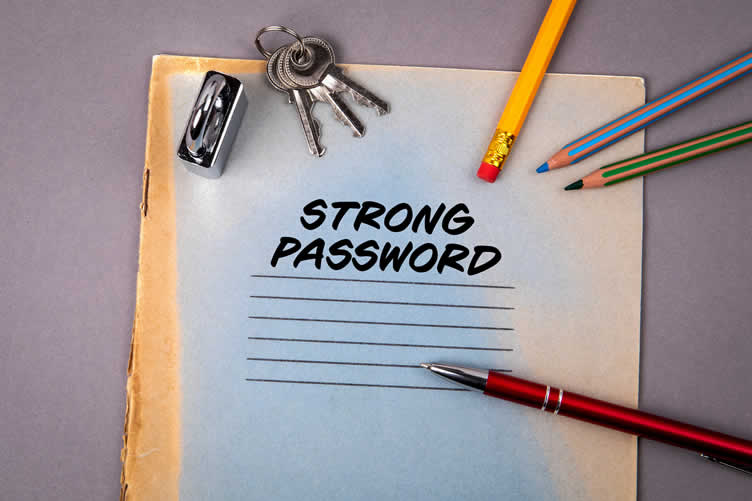
Use Strong and Unique Passwords
Creating strong, unique passwords for all of your financial accounts is one of the foundational steps to bolster security. Use a combination of uppercase and lowercase letters, numbers, and special characters to ensure your password is difficult to guess.
Avoid reusing the same password across multiple platforms. Consider using a reputable password manager to generate and store complex passwords securely.
-
Enable Two-Factor Authentication (2FA)
Two-factor authentication provides an additional layer of security for your financial accounts. By requiring both your password and a verification code sent to your mobile device or email, 2FA makes it more difficult for cybercriminals to access your accounts.
Enable 2FA wherever available, especially for online banking, credit card accounts, and payment platforms.
-
Monitor Financial Statements Regularly
Reviewing your bank and credit card statements regularly enables you to identify unauthorized transactions or suspicious activity promptly. Set up alerts through your bank or financial institution to notify you of significant transactions or unusual account activity, so you can act quickly if necessary.
-
Shred Sensitive Documents
Financial documents such as bank statements, tax forms, and credit card bills often contain sensitive information. Shredding these documents before disposal prevents thieves from retrieving your data from the trash.
Use a cross-cut shredder for added security.
-
Avoid Public Wi-Fi for Financial Transactions
Public Wi-Fi networks are often unsecured and present significant risks for transmitting financial data. When accessing your financial accounts or making online transactions, use a secure, private network or a Virtual Private Network (VPN).
A VPN encrypts your internet connection, ensuring your data stays protected from hackers on public networks.
-
Keep Software and Devices Updated
Outdated software and operating systems can have vulnerabilities that cybercriminals exploit. Regularly update the software on your computers, smartphones, and other devices to ensure you’re protected by the latest security patches.
Install reputable anti-virus and anti-malware software for an additional layer of defense.
-
Be Cautious with Fishing Scams
Fishing schemes often target financial information through deceptive emails or messages. Avoid clicking on links or opening attachments from unknown sources.
Always verify the legitimacy of emails or requests, especially those claiming to be from banks or financial institutions. When in doubt, contact the organization directly using verified contact details.
-
Use Credit Monitoring Services
Enrolling in credit monitoring services enables you to track changes to your credit report and receive alerts about new inquiries or accounts. This helps you catch signs of identity theft early and take immediate action.
Many credit monitoring services also offer identity theft protection and assistance in recovering from fraudulent activity.
copyright image by 123rf.com
[ youtube: Protect Your Financial Information ]
[ youtube: ways to monitor your financial information ]
-
-
-
Conclusion: Staying One Step Ahead
Becoming a victim of any kind of theft can be a deeply unsettling experience, but by taking proactive measures, you can significantly reduce your risk.
Whether it’s reinforcing the security of your home, safeguarding your personal information, protecting your financial assets, or engaging with your local community, theft prevention is all about preparation. No single strategy offers total protection, but together, these steps build a robust defense against would-be criminals.
Never underestimate the importance of being vigilant, staying informed, and acting early. Protecting what matters most doesn’t just offer peace of mind—it’s an investment in your ongoing safety and well-being.
-
ideas to view and compare from the information discussed above
- What comments can you share about
avoiding home theft?
Scroll up to directory … or scroll to more home utility-related topics …
view illustration “becoming a bank”




Calendar For:
Home Maintenance
File Type:
… view our sharing links below for a quick "share the knowledge"
Cover image credit: avoiding home theft by 123rf.com
end of post … please share it!
 |
did you find how avoiding home theft analysis helpful? If so, please share the article with your friends and family! |
Nice pic idea? Leave us a quick comment below.
And please share this pic idea within your social networks.