Summary Outline –
Your master bedroom should be more than just a place to sleep. It’s a personal retreat, a sanctuary where you can escape the hustle and bustle of daily life. Whether you’re a homeowner, an interior designer, or a DIY enthusiast, this guide will walk you through the process of transforming your master bedroom from mundane to magnificent.
The importance of a well-designed master bedroom cannot be overstated. It’s the first thing you see in the morning and the last at night.
Summary of Site Content
1st Bedroom Tip: [view tip]
… begin your bedroom transformation by determining if you aim for a major makeover or a minor upgrade. This decision should be based on your needs, budget, and the available space.
2nd Bedroom Tip: [view tip]
… if the decision involves a major makeover, incorporating a bathroom remodeling plan requires several initial steps. These include examining design considerations, determining any structural modifications, defining bedroom specifications, and preparing everything necessary to kickstart the project.
3rd Bedroom Tip: [view tip]
… if the decision is to undertake a simple upgrade, the third section examines every possible change you can implement. This includes repainting walls, replacing flooring and lighting, rearranging the layout, substituting pieces of furniture, among other ideas for transforming your bedroom.
4th Bedroom Tip: [view tip]
… the fourth section introduces considerations for enhancing the bedroom’s comfort, including the use of natural materials, ergonomic design, and personalized comfort features like a dedicated reading and relaxation nook.
5th Bedroom Tip: [view tip]
… the fifth section emphasizes the paramount importance of incorporating bedroom design elements that promote better sleep during the planning phase. It offers a comprehensive overview of effective strategies for achieving improved rest through thoughtful bedroom makeovers.
6th Bedroom Tip: [view tip]
… the sixth and final phase is the initiation stage, where we get into a detailed, step-by-step look at the bedroom makeover plan. This plan can range from a complete remodel to a simple upgrade or anything in between.
A master bedroom that has been thoughtfully crafted not only has the power to elevate your mood and enhance the quality of your sleep but also acts as a sanctuary that mirrors your unique personal style.
By carefully selecting the type or renovation or upgrade, working with the right colors, lighting, and furniture, you can transform this space into a tranquil haven that promotes relaxation and reflects your individuality and sleep, making it a crucial element of home design.
- post content
- Bedroom Tip 1: Major Makeover vs. Simple Rearrangement
- Bedroom Tip 2: Planning a Major Bedroom Remodel
- Bedroom Tip 3: Opting for Simple Upgrades and Rearrangement
- Bedroom Tip 4: The Importance of Comfort in Your Bedroom Renewal
- Bedroom Tip 5: Understanding Sleep: The Foundation of Wellness
- Bedroom Tip 6: Getting Started

-
Quick scroll to first topic about master bedroom makeover ideas …

first “master bedroom makeover ideas” idea


copyright image by 123rf.com
Bedroom Tip 1: Major Makeover vs. Simple Rearrangement
Weighing Your Options
Notes:
-
Deciding between a total bedroom transformation and a modest rearrangement depends largely on your objectives, budget, and the current state of your space.
A major makeover might include knocking down walls, purchasing new furniture, or changing the room’s layout, requiring a more substantial investment of time and resources.
Conversely, a simple rearrangement can breathe new life into your bedroom with minimal expense, creatively utilizing existing furnishings and decor to revitalize the space with perhaps a new paint job or other element to give your bedroom and new look.
-
Quick scroll to “deciding type of bedroom makeover” side notes …
-
-
1st: Looking at Your Objectives for Bedroom Renewal
Before you on the type of bedroom makeover, it’s crucial to clearly define what you aim to achieve. Your objectives can range from desiring a more aesthetically pleasing environment to needing functional improvements that aid in better sleep or increased storage.
Setting clear goals will help guide your decisions throughout the renewal process, ensuring that every change contributes towards your vision for the space.
-
Enhancing Aesthetic Appeal
For many, the primary goal of a bedroom makeover is to enhance the room’s visual appeal. This could involve injecting personal style through color schemes, textures, and decorative elements or modernizing outdated interiors.
The desire for a more beautiful space can motivate changes in lighting, bedding, wall art, and even minor architectural modifications.
-
Improving Functionality
Another common objective is to make the bedroom more functional. This may encompass optimizing the layout for better flow, increasing storage solutions, or incorporating multi-functional furniture to make the space work harder, especially in smaller quarters.
Improving functionality can also mean introducing smarter lighting options, upgrading window treatments for better light control and privacy, or even soundproofing for a more serene environment.
-
Boosting Comfort and Quality of Sleep
A core function of the bedroom is to serve as a conducive environment for rest. Objectives may include enhancing the comfort of your bed through high-quality mattresses and bedding, optimizing the temperature and ventilation for a soothing atmosphere, or deploying calming color palettes and textures that encourage relaxation and sound sleep.
[ see topic below: measuring sleep quality ]
-
Adding Personal Touches
Finally, incorporating personal touches to reflect your unique taste and interests could be a key objective. This might mean displaying cherished mementos, showcasing a collection of art, or creating a dedicated nook for reading or relaxation that truly makes the bedroom your own sanctuary.
By assessing your priorities and desired outcomes, you can approach your bedroom makeover with a focused plan that aligns with your personal needs and lifestyle.
copyright image by 123rf.com

-
-
2nd: Considering Your Budget
When planning a bedroom redesign, understanding the financial investment required for a major makeover compared to a simple rearrangement is crucial. The budget will significantly influence the scope of changes you can implement, from extensive renovations to cost-effective decorative updates.
-
Major Makeover Budget Considerations
A comprehensive bedroom makeover can involve structural changes, such as moving walls, updating flooring, or customizing built-in closets, alongside purchasing new furniture and high-end decor.
These modifications typically require a larger budget, ranging from several thousand to tens of thousands of dollars, depending on the complexity and quality of materials selected. Professional design and contractor services may also increase the project cost.
[ see topic below: establishing the budget and cost information ]
-
Simple Rearrangement Budget Considerations
For those looking to refresh their bedroom without a significant financial outlay, a simple rearrangement can be a smart alternative. This approach focuses on utilizing existing furniture and decor in new ways, perhaps adding a few key pieces or a fresh coat of paint.
The cost for a simple rearrangement often ranges from a few hundred to a couple of thousand dollars, considerably less than a full-scale renovation, while still offering a noticeable impact on the room’s aesthetics and functionality.

copyright image by 123rf.com
-
-
3rd: Assessing the Current Available Space
Before making any design decisions, it’s essential to evaluate the existing space. This involves not just considering the physical dimensions of the room but also understanding how the space is used.
Determining factors such as natural light, storage needs, and traffic flow within the room can greatly influence both the design and functionality of your bedroom. This step is critical in ensuring that any changes, whether it’s a major remodel or a simple upgrade, align with your lifestyle and enhance your living environment.
-
Space Considerations for a Major Remodel
In a major remodel scenario, the assessment of the current space can open up possibilities for significant alterations. This might include knocking down walls to create a more open and airy environment, adding windows or skylights to increase natural light, or reconfiguring the layout for better functionality.
The goal is to address not just aesthetic preferences but also to improve the quality of living by making the space more practical and comfortable. With more extensive changes, the consideration for how space is utilized becomes a foundational element of planning, ensuring that the remodel meets both current and future needs.
-
Space Considerations for a Simple Upgrade
When focusing on a simple upgrade, the evaluation of the available space revolves around maximizing its potential without structural changes. This could involve repositioning furniture to enhance room flow or decluttering and organizing to create a sense of spaciousness.
Small adjustments, like the strategic placement of mirrors to reflect more light or the use of color to make the room appear larger, can significantly transform the space.
Understanding the room’s current limitations and strengths is key to making informed choices that uplift the room’s aesthetics and functionality without a hefty investment.

copyright image by 123rf.com
-
-
-
ideas to view and compare from the information discussed above
Scroll up to directory … or scroll to next section about master bedroom makeover ideas …

second “photo remodeling” idea

copyright image by 123rf.com
Bedroom Tip 2: Planning a Major Bedroom Remodel
Notes:
-
A major bedroom remodel offers an exhilarating chance to transform your space into a personal sanctuary that not only fosters relaxation but also mirrors your unique taste and style.
A thorough bedroom renovation, which involves meticulous planning and detailed execution, has the potential to completely transform your living space into a haven of comfort and style. This process not only requires a keen eye for design but also a deep understanding of your personal needs and preferences to create a space that truly reflects your personality.
Here’s how to approach it:
-
Quick scroll to “planning bedroom remodel” side notes …
- 1st: Finding Design Inspiration for a Bedroom Remodel
- 2nd: Structural Changes for a Bedroom Remodel
- 3rd: Planning Your Specifications
- 4th: Establishing the Budget
- 5th: Developing an Architectural Plan
- 6th: Finding the Right Contractor
- 7th: Understanding Permits and Building Codes
- shop ideas
- next topic: Opting for Simple Upgrades and Rearrangement
-
-
1st: Finding Design Inspiration for a Bedroom Remodel
Finding the right design inspiration is a critical step in a bedroom remodel. It’s about discovering a style that not only appeals to your aesthetic taste but also promotes comfort and peace.
Start by browsing home decor magazines, websites, and social media platforms like Pinterest and Instagram, which are treasure troves of creative ideas and latest trends. Visiting showrooms and design expos can also spark inspiration, allowing you to see and feel different textures and layouts in person.
Remember, the goal is to create a space that feels personal and comfortable for you, so keep an open mind and mix elements from various styles to achieve your ideal bedroom design.
Types of Design Styles to Consider:
-
Modern Minimalist:
In modern minimalist bedroom design, the "less is more" philosophy emphasizes simplicity and functionality. A monochromatic palette of white, gray, and black offers a calm atmosphere.
Furniture with clean lines fulfills multiple purposes, enhancing efficiency. Natural light is a focus, while decor is kept to a minimum—perhaps a single artwork or a few plants to introduce warmth.
Textures such as linen, wool, or organic cotton add depth. This minimalist approach declutters the space and mind, promoting tranquility and focus.
[ view ideas: modern minimalist ]
-
Bohemian Chic:
Bohemian Chic features a vibrant mix of colors, patterns, and textures, adding personality and warmth to the space. Moving away from minimalism, it embraces a maximalist, creative, and adventurous decor.
Layered rugs, colorful textiles, and various throw pillows create a cozy atmosphere. Wood, rattan, and plants add an earthy, relaxed vibe. The style mixes vintage and handmade items, making each bedroom unique and visually captivating.
[ view ideas: bohemian chic ]
-
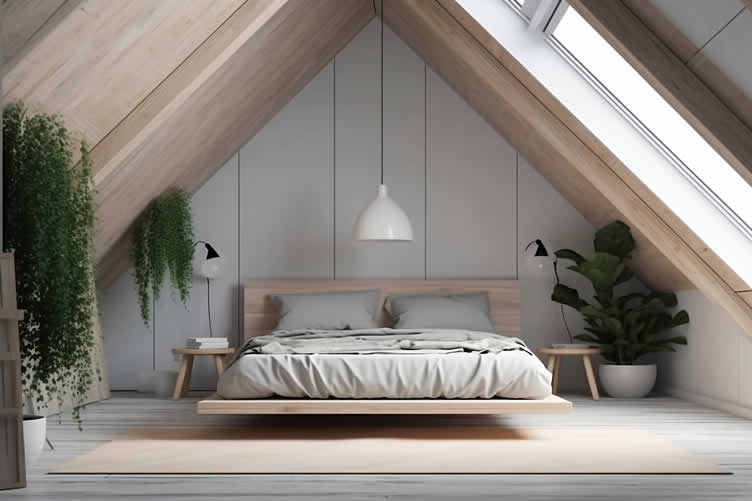
Scandinavian:
Scandinavian bedroom design focuses on functionality and simplicity, offering a sophisticated mix of comfort and elegance. The color scheme features soft, muted tones—whites, beiges, and light woods—to create a calm, bright atmosphere.
Furniture is minimal but functional, with clean lines and natural materials like wood, leather, and wool. The design emphasizes natural light and a minimalist decor approach, highlighting cozy textiles and indoor plants for warmth and vitality.
This style fosters a peaceful, airy space that captures the essence of Nordic living.
[ view ideas: scandinavian ]
-
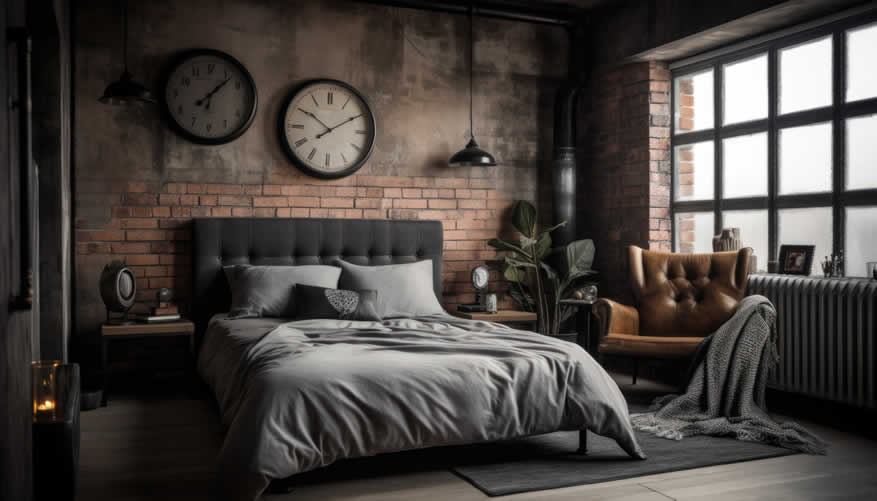
Industrial:
Industrial design features raw textures and a stylish edge for a cool, loft vibe. It’s marked by exposed brick, concrete floors, and visible pipes or beams, creating a rugged look. The style includes metal accents and dark colors like grays and deep blues.
Furniture is minimalist and functional, often vintage or recycled. Statement lighting, like metallic pendant lights or floor lamps, and simple decor, such as metal art or a wooden shelf, finish the look, making the space feel spacious yet cozy.
[ view ideas: industrial ]
-
Traditional:
Traditional bedroom design features classic, comforting styles that offer elegance and a sense of warmth. It includes rich wood finishes, ornate details, and luxurious fabrics. The color scheme consists of deep, warm tones such as burgundy, navy, and forest green, complemented by softer hues like cream or light blue.
Furniture pieces are large and detailed, including poster beds and upholstered headboards. Plush textiles like silk, velvet, or damask add luxury, while classic art, decorative lamps, and heirloom pieces add personality, making the space timeless and welcoming.
[ view ideas: traditional ]
-
Contemporary:
Contemporary combines modern sleekness with comfort for a fresh look. It focuses on simplicity and texture, favoring a neutral palette with bold accents. Furniture features clean lines and often uses sustainable materials.
Statement art or photography adds a personal touch, with textured fabrics in bedding and window treatments adding warmth. Lighting is crucial, mixing ambient, task, and accent lighting to improve both functionality and mood.
[ view ideas: contemporary ]
-
Rustic:
Rustic design blends country cottage warmth with cozy, natural elements. It showcases raw textures such as reclaimed wood, stone, and iron for a natural ambiance. The color scheme features earthy tones like browns, greens, and beiges, complementing the natural materials.
Furniture is simple, sturdy, and functional, often appearing handmade. Soft, durable fabrics like wool, linen, or cotton add warmth, while vintage art, handmade quilts, and rustic lighting enhance the inviting atmosphere.
[ view ideas: rustic ]
-
Glam:
Glam bedroom designs emphasize luxury, aiming for sophistication. They include shiny finishes, like mirrored furniture and metallic accents in gold, silver, or chrome. The color palette features bold blacks, whites, and jewel tones like emerald or sapphire.
Luxurious fabrics such as velvet or silk and high-thread-count linens add to the plush atmosphere. Crystal chandeliers and decorative elements like plush pillows and faux fur rugs turn the bedroom into a lavish retreat.
[ view ideas: glam ]
-
Coastal:
Coastal design brings a serene and breezy feel, echoing the seaside. It uses soft whites, blues, and sandy neutrals for a beachy vibe. Light wood, wicker, or rattan furniture adds to the airy feel, while lightweight fabrics like linen or cotton enhance the relaxed atmosphere.
Nautical accents such as seashells, driftwood, and sea glass complete the coastal theme, making the space feel like a tranquil escape.
[ view ideas: coastal ]
copyright image by 123rf.com
-
-
2nd: Structural Changes for a Bedroom Remodel
When contemplating a bedroom remodel, considering structural changes can significantly transform the space. These alterations can range from simple modifications to more extensive reconstructions, enhancing both the functionality and aesthetics of the room.
Before undertaking any structural changes, it’s essential to consult with professionals to ensure the integrity of your space and compliance with local building codes. Here are some structural changes to consider:
-
Walls
- Removing Walls:
To create an open-plan feel or expand the bedroom, removing non-load-bearing walls can dramatically change the space’s layout. - Adding Walls:
For creating additional rooms or defined areas within a large bedroom, such as a walk-in closet or an en-suite bathroom.
- Removing Walls:
-
Windows and Doors
- Enlarging Windows:
Larger windows or installing a bay window can increase natural light and enhance views, making the room feel more spacious and connected to the outdoors. - New Door Placement:
Relocating the door can improve flow and functionality within the space or add privacy to en-suite areas.
- Enlarging Windows:
-
Built-in Storage
- Closet Expansion or Addition:
Increasing closet space or adding new ones can provide more storage solutions and help keep the bedroom organized. - Custom Shelving and Cabinetry:
Built-in shelves or cabinets can utilize otherwise wasted space, offering unique storage and display opportunities.
- Closet Expansion or Addition:
-
Ceiling Alterations
- Raised Ceilings:
Where structurally possible, raising the room’s ceiling can create a sense of openness and luxury. - Adding Skylights or Ceiling Windows:
Introducing natural light from above can brighten up the space and make it appear larger.
- Raised Ceilings:
-
Flooring
- Underfloor Heating:
Adding underfloor heating provides a comfortable, even warmth throughout the room and can be a luxurious upgrade, especially in cooler climates.
- Underfloor Heating:
By considering these structural changes, your bedroom remodel can not only enhance the room’s aesthetic appeal but also its functionality, making it a more pleasant and efficient space to live in.

copyright image by 123rf.com
-
-
3rd: Planning Your Specifications
The success of your bedroom remodeling project largely hinges on the precision of your specifications that your want. This involves detailing the quality and types of materials to be used, the finishes desired, and the standards to which the work should be completed.
Specifications should include everything from the type of flooring, the paint colors or wallpaper patterns, to the styles of fixtures and fittings. By defining these elements upfront, you safeguard your vision, ensuring that the end result aligns with your expectations.
This step also aids contractors in providing accurate quotes and reduces the risk of disputes during the remodeling process, as every expectation has been clearly set out from the beginning.
Follow the steps outlined below to plan the specifications of your bathroom remodel. You can refer to the information in the sections below as indicated to create your specifications plan.
(Please note: each internal link scrolls to reference information below – you can return to this section by clicking: specification planning.)
- Identify Your Needs and Wants:
Start by making a list of what you require from your remodeled bedroom. This could range from more storage space to better lighting. Understand which aspects are must-haves and which are nice-to-haves.[ download PDF file: specification planning sheets ]
- Set a Budget:
Begin by establishing a clear budget for your remodel. Determining how much you are willing to invest upfront will greatly influence the types of materials and features you can incorporate. A well-defined budget helps guide your decisions, ensuring you make the most out of what you can afford while avoiding financial stress.[ see topic below: establishing the budget ]
- Choose a Color Scheme:
When choosing the colors for the walls, ceiling, and trim, it’s crucial to take into account the mood you aim to establish within the space. Consider how the colors will complement each other and the effect they will have under both natural and artificial lighting. Think about whether you want the room to feel cozy and intimate, airy and bright, or sophisticated and formal.[ see topic below: repainting bedroom walls ]
- Select Flooring Material:
When choosing flooring materials, it’s important to consider several factors such as the aesthetic appeal, tactile feel, and long-term durability. The options available in the market are varied and include natural hardwood, carpet, laminate, and tile flooring.[ see topic below: change out the flooring ]
- Pick Fixtures and Fittings:
When choosing the finishing touches for your new bedroom, be sure to select fixtures that add the right ambiance, window treatments that enhance privacy and style, and door knobs that match the room’s aesthetic. These elements should complement each other and the overall design of the space to create a cohesive and inviting atmosphere.[ see topic below: refresh your linens and other ]
- Choose Furniture and Decor:
When planning your space, you need to decide whether you’ll utilize existing furniture or invest in new pieces. Additionally, think about incorporating artwork and decorative items to add a personal touch to the area. This could involve selecting pieces that reflect your style or interests, thereby making the space feel more unique and inviting.[ see topic below: getting new bedroom furniture ]
- Outline Lighting Requirements:
When planning your lighting, it’s important to address both functional and ambient lighting needs. For activities that require focus, such as reading, consider incorporating task lighting with direct, bright light. Meanwhile, for creating a relaxing atmosphere, soft, indirect lights can provide a calming effect, ideal for unwinding after a long day.[ see topic below: upgrading your lighting ]
- Identify Bedroom Storage Needs:
Evaluate the required storage solutions to maintain a clutter-free and organized space. Consider built-in closets for clothes, under-bed storage boxes for seasonal items, and multi-functional furniture pieces such as ottomans or beds with built-in drawers. Incorporate shelving units for books and decorative items, and don’t forget to allocate space for a nightstand with adequate storage for bedside essentials.[ see topic below: introduce low-effort organization solutions ]
- Detail the Layout:
Begin by drawing a rough sketch of the bedroom layout, carefully positioning the bed as the focal point. Around it, strategically place storage solutions like wardrobes and drawers, and consider the placement of other essential furniture pieces to maximize functionality and flow in the space.[ see topic below: rearranging bedroom furniture for a fresh look ]
- Consider Comfort:
Prioritize comfort by selecting ergonomic furniture, plush bedding, and accommodating room temperatures. Think about the types of mattresses and pillows that will ensure a good night’s sleep and consider incorporating climate control solutions or fans for optimal room temperature.[ see topic below: the importance of comfort ]
- Optimize for Sleep Quality:
Integrate elements that promote restful sleep, such as blackout curtains or shades to minimize external light. Consider the use of sound insulation materials or white noise machines to buffer against outside noise. Select colors that are soothing and conducive to relaxation, and explore the potential for scent diffusion with calming aromas like lavender, which can enhance sleep quality.[ see topic below: understanding sleep ]
- Specify Material Quality:
When planning each aspect of the remodel, it is crucial to clearly specify the desired quality level of materials you intend to use. This involves finding a balance between cost, durability, and aesthetic appeal. Consider not just the immediate expense but also how well these materials will stand up over time and how they will contribute to the overall look and feel of the completed space.[ view post: materials for a remodel that can add value ]
- Document Everything:
Gather all your preferences and specifications and compile them into a well-organized document. This step is vital for effectively communicating your vision to contractors, as it ensures that all quotes you receive are based on uniform expectations. By doing this, you can avoid misunderstandings and ensure that everyone involved has a clear understanding of the project’s requirements.[ see topic: specification planning ]

copyright image by 123rf.com
- Identify Your Needs and Wants:
-
4th: Establishing the Budget
Creating a realistic budget is crucial in planning a bedroom remodel. It ensures that the project stays within financial means while achieving the desired outcome.
Start by listing all the potential costs associated with the remodel, including both materials and labor. Remember to factor in a contingency fund of around 10-20% for unexpected expenses.
Researching average costs for similar projects in your area can provide a rough estimate to guide your budgeting process.
-
Types of Budgeting Items and Estimates
- Labor Costs:
The largest expense in most remodeling projects. Expect to allocate 40-60% of your budget to professional services, including carpentry, electrical, and plumbing work. - Materials:
Costs can vary widely based on quality and style. For flooring, prices may range from $2 to $15 per square foot for standard materials, while high-end options can exceed $30 per square foot. - Furniture and Decor:
Depending on tastes and needs, this can range from a few hundred dollars for basic pieces to several thousand for luxury or custom items. - Permits and Inspections:
Local regulations may require permits for structural, electrical, or plumbing changes. Costs vary by location but can add several hundred dollars to the project. - Structural Changes:
Depending on the complexity, adding walls or enlarging windows can cost between $1,000 and $10,000 or more. - Built-in Storage Solutions:
Custom shelving and cabinetry can range from $1,000 to $5,000, depending on the design and materials used. - Ceiling and Lighting:
Raising ceilings or adding skylights might cost between $500 and $3,000, not including any required structural modifications. - Flooring:
Including underfloor heating might add $5 to $15 per square foot to the standard flooring costs. - Contingency Fund:
Reserve 10-20% of your total budget to cover unexpected expenses that arise during the remodel.
By itemizing these expenses and researching local costs, you can establish a detailed and realistic budget for your bedroom remodel, ensuring that you achieve the desired improvements without unexpected financial strain.
[ see above: specification planning ]
- Labor Costs:

copyright image by 123rf.com
To effectively manage your budget and stay on track with your bedroom remodeling project, it is beneficial to have a budgeting worksheet that works alongside your specification plan.
Below is a sample budget worksheet:
| Item
| Estimated Cost
| Actual Cost
| Difference
|| ——– | —————— | ————— | ————– |
| Materials | | | |
| Labor | | | |
| Permits and Inspections | | | |
| Contingency Fund | | | |
| Total
| | | |This worksheet will allow you to record the estimated cost of each component and then input the actual cost as you go along, therefore, making it easier to spot any discrepancies and adjust your plan accordingly.

Budgeting Worksheet
File Type:
[ view diagram: bedroom remodel costs chart ]
[ view outside source: cost to remodel a bedroom ]
-
-
5th: Developing an Architectural Plan
Before commencing any physical changes, obtaining a professional architectural plan is a critical step in the bedroom remodeling process.
An architectural plan provides a precise blueprint of your intended renovations, detailing the spatial layout, structural alterations, electrical and plumbing updates, and aesthetic considerations. This blueprint serves not only as a roadmap for your project but also as a crucial tool in managing your budget efficiently.
-
Expense Management
A detailed architectural plan helps in pinpointing the exact modifications needed, allowing for an accurate estimation of the required materials, labor, and overall costs. It lays out the scope of the project in clear terms, minimizing the risk of unforeseen expenses and scope creep.
Additionally, having a set plan facilitates better negotiations with contractors, as you can clearly specify what is expected, potentially avoiding the costs associated with mis-communications or unnecessary changes.
-
Finding Professional Help
An architectural plan can also guide you in selecting the right professionals for the job. By clearly delineating the tasks that need to be accomplished, you can identify the experts best suited for each aspect of your remodel – be it a carpenter for custom-built storage solutions or an electrician for the lighting design.
It also provides a sound basis for comparing bids and ensuring that all proposals cover the same scope of work, ensuring that you get the best value for your investment.
-
Incorporate The Specification
Once the specifications for the bedroom remodel have been defined, incorporating these details into the architectural plan becomes crucial for translating concepts into reality.
The architectural plan should clearly depict the layout and dimensions of the room, indicating the placement of furniture, storage solutions, and any built-in features. Detailed drawings can represent ergonomic considerations, like the positioning of the bed for optimal room flow and the incorporation of lighting to enhance sleep quality.
Specifications for materials—such as the types of fabrics, flooring, and window treatments—should be annotated to ensure aesthetic and functional requirements are met. Additionally, the plan should outline electrical outlets and fixture placements in accordance with lighting and technology needs.
Architectural plans that incorporate these detailed specifications become comprehensive roadmaps, guiding contractors and designers in achieving the envisioned remodel with precision and alignment to the homeowner’s goals.
[ see above: specification planning ]
[ view diagram: master bedroom architectural plans ]
[ youtube: architectural design process explained ]
-
-
6th: Finding the Right Contractor
Selecting the right contractor is crucial for the success of your bedroom remodel design. Begin by seeking recommendations from friends, family, or online platforms that specialize in home renovations.
Once you have a list of potential contractors, evaluate their credentials by looking into their licensure and insurance coverage. It’s also wise to review their portfolio of past projects to assess their quality of work and expertise specifically in bedroom renovations.
Before making your final decision, request bids from multiple contractors to compare costs, time-lines, and understand the scope of what they propose. Importantly, have a face-to-face meeting if possible, to gauge their professionalism and ensure they understand your vision for the project.
LetsRenovate has partnered with HomeAdvisor™, a renowned provider of highly-rated, carefully-vetted local contractors. Start your search here by choosing the type of contractor you need and entering your zip code to find local professionals.

copyright image by 123rf.com
But Wait!
Before starting the search and evaluation process for contractors, it is highly recommended to download and utilize this comprehensive worksheet. This will help ensure that you have all the necessary information and tools at your disposal to make informed decisions and streamline the entire process.
This resource will assist in impartially ranking and evaluating potential contractors, taking into consideration essential factors such as pricing,

Evaluation Sheet
File Type:
-
Assessing DIY Opportunities
To potentially reduce costs, consider what parts of your bedroom remodel can be undertaken as DIY projects. Simple tasks such as painting, minor decorative enhancements, or even installing floating shelves can be done without professional help, saving you labor costs.
However, it’s critical to be realistic about your skill level and the time commitment required. Evaluate which tasks are within your capabilities and which are better left to professionals to ensure the quality of the work is not compromised.
Remember, tackling some aspects of a remodel on your own not only saves money but also adds a personal touch to your space.
-
-
7th: Understanding Permits and Building Codes
Before commencing your bedroom remodel, it’s imperative to understand the legal and regulatory requirements that might affect your project. Many municipalities require permits for construction activities that alter the structure or the electrical, plumbing, and HVAC systems of your home.
Securing these permits (usually done by the contractor) ensures that your project adheres to safety standards and building codes, protecting you and future occupants of the space.
If you live in a community governed by a Homeowners’ Association (HOA), you’ll also need to check the HOA’s guidelines and secure approval before starting your remodel. HOA guidelines can be quite specific, covering aspects from exterior paint colors to the type of window coverings allowed, and are enforced to maintain uniformity and possibly impact your project’s scope.
Additionally, familiarize yourself with local building codes, as these regulations define the standards for construction and remodeling within your area.
Compliance with building codes not only ensures the safety and durability of your project but also avoids costly fines and the need to redo work that does not meet standards.
Partnering with knowledgeable contractors who are up-to-date with these requirements can simplify this process, allowing you to focus on the design aspects of your remodel.
copyright image by 123rf.com
-
-
ideas to view and compare from the information discussed above

Scroll up to directory … or scroll to next section about master bedroom makeover ideas …



 … grab this directory of ideas
making bed n’ bath decisions








upgrading your master bedroom

May We Suggest Other Photo Remodeling Ideas About
“The Master Bathroom …” (new win)


third “photo remodeling” idea

copyright image by 123rf.com
Bedroom Tip 3: Opting for Simple Upgrades and Rearrangement
Notes:
-
Not every bedroom makeover requires a complete overhaul. In many cases, minor adjustments and a fresh layout can inject new vitality into your living area, revitalizing it with minimal effort and expense.
By simply rearranging the furniture, adding a few new decorative pieces, or changing the color scheme with some new bedding or curtains, you can transform your bedroom into a refreshing sanctuary.
These small changes can significantly impact the overall feel of the room, making it feel brand new without the need for a substantial financial commitment.
Here are steps to consider for a cost-effective refresh:
-
Quick scroll to “simple bedroom upgrades” side notes …
- 1st: Repainting Your Bedroom Walls
- 2nd: Use Wallpaper as a Simple Upgrade
- 3rd: Upgrading Bedroom Lighting
- 4th: Change Out the Flooring
- 5th: Rearranging Bedroom Furniture for a Fresh Look
- 6th: Getting New Bedroom Furniture
- 7th: Refresh Your Linens and Other for a Simple Upgrade
- 8th: Introduce Low-Effort Organization Solutions
- 9th: Personalize with Art and Photographs
- shop ideas
- next topic: Importance of Comfort in Your Bedroom Renewal
-
-
1st: Repainting Your Bedroom Walls
Repainting your bedroom walls can be a powerful yet simple way to transform the ambiance of your space. This upgrade does not require a substantial investment but can significantly alter the room’s perception, mood, and style.
When selecting new paint colors, it’s essential to consider the psychological effects colors have on our mood and sleep quality.
-
Neutral Tones for a Calm Environment:
Soft, neutral tones like beige, light gray, and white can create a sense of calm and serenity in a bedroom. They serve as a versatile backdrop that can easily match any furniture style and bedding, making the room feel more spacious and tranquil.
-
Cool Shades for Relaxation:
Blue, lavender, and gentle greens are known for their calming effect. These colors can help reduce stress and promote a peaceful atmosphere, ideal for relaxation and sleep.
-
Warm Colors for a Cozy Ambiance:
Warm shades such as soft yellows, pinks, and earthy tones can add warmth and coziness to your bedroom. However, it’s crucial to choose muted versions of these colors to avoid overwhelming the space and disturbing the peaceful environment conducive to rest.
-
Best Paint Colors for Better Sleep
When it comes to enhancing sleep quality through interior design, the color palette of your bedroom plays a pivotal role. Selecting the best paint colors for sleep involves understanding the subtle psychological cues that colors send to our brain, encouraging relaxation, comfort, and deep restfulness.
- Soft Blue:
Known for its calming qualities, soft blue mimics the sky and sea, promoting relaxation and tranquility. [ view ] - Sage Green:
This earthy tone is gentle on the eyes and helps to reduce stress, creating a restful sanctuary.[ view ] - Light Lavender:
A soft lavender tone can add a touch of serenity without the chilly vibe that sometimes comes with blue shades.[ view ] - Pale Yellow:
A muted, soft yellow brings a subtle cheerfulness to a room, conducive to relaxation and a positive mood.[ view ] - Cool Gray:
Provides a neutral, soothing backdrop that’s versatile and calming, making it easier to fall asleep.[ view ] - Off-White:
Avoid stark white; instead, opt for creamy or pearl shades that soften the room’s feel and encourage relaxation.[ view ]
By carefully selecting paint colors for your bedroom walls, you can create a personal haven that reflects your style while promoting a restful night’s sleep.
Remember, the right color not only transforms the space visually but also influences your mood and well-being.
[ see above: specification planning ]
- Soft Blue:

copyright image by 123rf.com
Bathroom Paint Colors
google imagesReds view ideas Oranges view ideas Yellows view ideas Greens view ideas Blues view ideas Purples view ideas Browns view ideas Grays view ideas Tans view ideas Whites view ideas -
-
2nd: Use Wallpaper as a Simple Upgrade
Adding wallpaper to an accent wall in your bedroom can significantly enhance the room’s aesthetic and mood. This simple upgrade allows for creative expression through patterns, textures, and colors, ultimately bringing a unique and personal touch to your space.
The choice of wallpaper can complement the paint colors, tying the room’s design together with a focal point that captivates and soothes. The types of wallpaper that work well n bedrooms include;
- Floral Patterns:
Soft, floral designs can introduce nature’s tranquility into your bedroom, creating a restful and inviting environment. Choose muted colors that harmonize with your room’s palette to maintain a serene atmosphere.[ view ] - Geometric Shapes:
For a more modern and sophisticated look, geometric patterns can add depth and interest to your accent wall without overwhelming the space. Opt for designs with gentle curves or minimalistic shapes to keep the room feeling peaceful. [ view ] - Textured Wallpaper:
Adding a textured wallpaper can introduce a tactile element to your bedroom, enhancing the cozy factor. Look for subtle textures that add depth without dominating the room’s design. [ view ] - Metallic Accents:
Wallpapers with metallic touches can add a hint of glamour and sophistication to your bedroom. Select wallpapers with soft metallic patterns that catch the light, creating a serene and slightly luxurious feel. [ view ] - Nature-Inspired Prints:
Bring the calming effect of nature indoors with wallpapers featuring trees, leaves, or landscapes. This can help in creating a serene sanctuary that promotes relaxation and connectivity to the outdoors. [ view ]
When selecting wallpaper for your accent wall, it’s critical to consider the overall color scheme and theme of your bedroom to ensure a cohesive look.
Additionally, the right wallpaper can not only elevate the room’s style but also influence your mood and well-being, contributing to a more restful sleep.
[ see above: specification planning ]

copyright image by 123rf.com
Abstract Wall Paper
viewing amazonAnimal Wallpaper
viewing amazonBotanical Wallpaper
viewing amazonChildren Wallpaper
viewing amazonGeometric Wallpaper
viewing amazonIllustration Wallpaper
viewing amazon - Floral Patterns:
-
3rd: Upgrading Bedroom Lighting
A simple yet effective way to enhance the ambiance and aesthetic of your bedroom is by changing out the lighting. Lighting plays a pivotal role in defining the room’s atmosphere, influencing not only the space’s functionality but also its mood.
A well-thought-out lighting plan can transform your bedroom into a cozy, relaxing retreat where every light source serves a purpose, from setting the right mood to focusing on tasks.
-
Ambient Lighting
Ambient lighting, or general lighting, provides the overall illumination of your bedroom. It’s the foundational layer that ensures the space is comfortably lit.
Ceiling-mounted or recessed fixtures that distribute light evenly can create a soft, diffuse glow that fills the room. Choosing LED lights with a warm color temperature can add to the coziness and inviting nature of the bedroom.
[ view ideas: ambient lighting ]
-
Task Lighting
Task lighting is all about functionality, designed to illuminate specific activities like reading or working. Bedside lamps with adjustable arms or wall-mounted reading lights are perfect for this, offering focused illumination that reduces strain on the eyes.
Opt for fixtures that allow you to control the brightness and direction of the light to tailor the lighting to your specific needs.
[ view ideas: task lighting ]
-
Accent Lighting
Accent lighting adds drama and interest to a bedroom, drawing attention to architectural features, art, or other focal points. It’s used sparingly compared to ambient and task lighting.
Track lighting or wall-mounted fixtures can be directed at the items you wish to highlight, adding depth and dimension to the room. Using a dimmer with accent lights can also help in adjusting the mood of the bedroom effortlessly.
[ view ideas: accent lighting ]
-
Decorative Lighting
Decorative lighting serves as both a light source and a piece of art, adding beauty and personality to your bedroom. Chandeliers, pendant lights, or stylish floor lamps can serve as the room’s centerpiece, reflecting your personal style.
When selecting decorative lighting, consider the scale of the piece in relation to your bedroom’s size to maintain balance and harmony.
[ view ideas: decorative lighting ]
-
Ceiling Fan with Lights
Combining functionality with style, a ceiling fan with lights serves the dual purpose of air circulation and illumination. This option is perfect for maintaining comfort in your bedroom while providing a central light source.
Modern ceiling fans come in a variety of designs, from sleek and contemporary to more traditional looks, with adjustable lighting options to suit your ambiance needs.
[ view ideas: ceiling fans lighting ]
Select a fan with a remote control for added convenience, allowing you to adjust both the fan speed and light settings without having to leave your bed.
[ see above: specification planning ]

copyright image by 123rf.com
-
-
4th: Change Out the Flooring
One of the most impactful yet often overlooked ways to transform a bedroom is by changing out the flooring. The right flooring can significantly affect the room’s overall look, feel, and comfort level, providing both aesthetic and functional benefits.
Upgrading your bedroom flooring is an excellent opportunity to refresh your space, add value to your home, and tailor your sanctuary to better reflect your personal style and needs.
-
Hardwood Flooring
Hardwood floors are a timeless choice that brings warmth, elegance, and a natural feel to any bedroom. Available in a variety of species, stains, and finishes, hardwood flooring can be tailored to suit a wide range of décor styles, from classic to contemporary.
Besides its aesthetic appeal, hardwood is durable and long-lasting, though it requires some maintenance to keep it looking its best.
-
Carpeting
For those who prioritize comfort and warmth underfoot, carpeting is an ideal option for bedrooms. It not only offers a cozy, soft texture but also provides sound insulation and improved indoor air quality by trapping allergens in its fibers.
With countless colors, patterns, and textures available, carpeting allows for endless personalization options to match any bedroom theme or color scheme.
-
Laminate Flooring
Laminate flooring offers the beauty of hardwood or stone at a fraction of the cost, making it a budget-friendly option for bedroom upgrades. It’s also incredibly durable and resistant to scratches, stains, and fading, an excellent choice for rooms with high foot traffic or exposure to sunlight.
The ease of installation and minimal maintenance requirements further add to laminate’s appeal for bedroom renovations.
-
Luxury Vinyl Plank (LVP)
Luxury Vinyl Plank (LVP) flooring provides a versatile and resilient option for bedrooms, mimicking the look of hardwood, stone, or ceramic tiles with incredible accuracy. Waterproof, durable, and comfortable underfoot, LVP is suitable for bedrooms that might be prone to spills or moisture, such as those in basement levels.
Its ease of maintenance and installation makes LVP an attractive choice for homeowners looking for a hassle-free flooring upgrade.
Incorporating a new flooring type into your bedroom can dramatically change the space’s overall ambiance and functionality. When selecting a flooring material, consider factors such as durability, comfort, maintenance, and how well it complements your bedroom’s existing décor and lighting scheme.
With the right choice, your bedroom can transform into an even more inviting and enjoyable retreat.
[ see above: specification planning ]

copyright image by 123rf.com
-
-
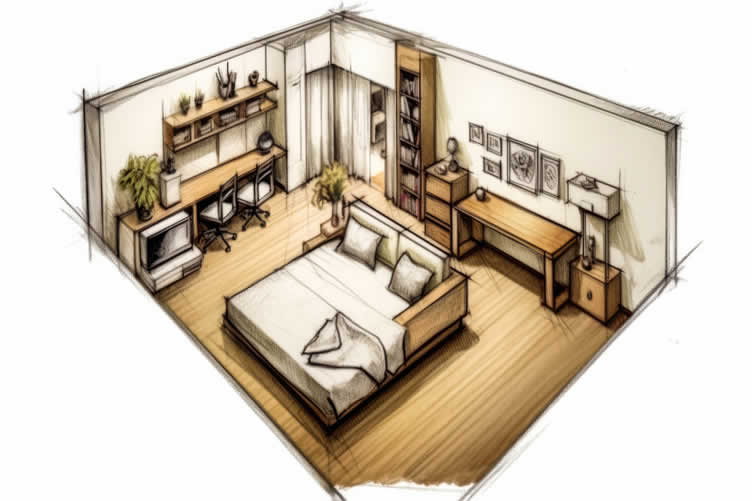
5th: Rearranging Bedroom Furniture for a Fresh Look
Rearranging the furniture in your bedroom is an effective way to give your space a fresh look without the need for purchasing new items. This simple change can significantly affect how the room feels and functions, making it feel like a new space.
When considering rearranging your bedroom furniture, here are some types to consider:
-
Focus on the Bed Position
The bed is typically the largest piece of furniture in the bedroom and its placement can redefine your space. Consider positioning your bed against the room’s focal wall or under a window for natural light.
Ensure there’s enough space to move around and that the bed is accessible from both sides to enhance functionality and flow.
-
Create a Reading Nook or Workspace
If you have extra space, designate a corner for a reading nook or a small workspace. Reposition a comfortable chair and a side table or a small desk near a light source.
This not only maximizes the use of your space but also adds an element of personalization to your bedroom.
-
Optimize Storage with Strategic Placement
Rethink where you place dressers, wardrobes, or shelves to optimize storage and reduce clutter. Sometimes, placing a dresser in a closet or using a tall but narrow wardrobe can free up a significant amount of space.
This rearrangement can make the room feel larger and more organized.
-
Enhance Movement and Flow
Ensure that the arrangement of your furniture allows for easy movement within the room. Avoid blocking pathways to the door, closet, or bathroom. A good flow can significantly improve the room’s comfort and functionality, making it feel more spacious and welcoming.
-
Experiment with Angles
Positioning furniture at an angle, especially in corners, can add a dynamic element to your bedroom design. It can break up the monotony of straight lines and give your room a more interesting and cozy appearance. This approach works well with smaller pieces like accent chairs or side tables.
[ see above: specification planning ]
copyright image by 123rf.com
[ pinterest: rearrange bedroom tips ]
[ pinterest: bedroom layout ideas ]
-
-
6th: Getting New Bedroom Furniture
A simple yet effective way to upgrade your bedroom without a complete overhaul is by replacing specific pieces of furniture. This targeted approach can significantly impact the room’s aesthetics and functionality.
When considering furniture updates, focus on pieces that are either outdated or no longer meet your needs. Selecting modern, versatile pieces can refresh your space and make it more comfortable and inviting.
-
Beds and Headboards
Upgrading your bed or headboard can be a game-changer for your bedroom’s appearance and comfort. Consider a platform bed for a sleek, modern look, or an upholstered headboard for added texture and warmth.
These changes can serve as the focal point of the room and set the tone for additional decor updates.
-
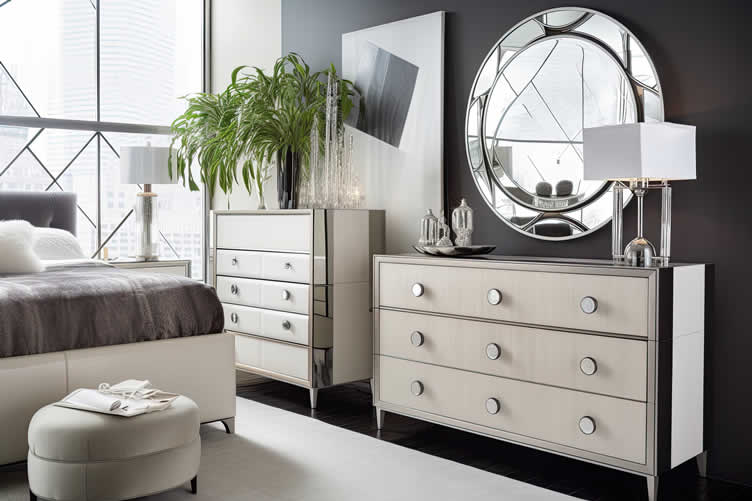
Dressers and Nightstands
Replacing dressers and nightstands is an excellent opportunity to increase storage space while enhancing the room’s style. Opt for pieces that complement your new or existing bed and headboard in material and color.
Look for designs with unique hardware or finishes to add a personal touch and visual interest to your bedroom.
-
Accent Chairs and Ottomans
Adding or replacing an accent chair or ottoman can introduce a new element of comfort and design to your bedroom. Choose a piece that reflects your personal style and fits the room’s size without overcrowding it.
This can create a cozy reading nook or simply offer an additional seating option.
-
Mirrors and Artwork
Lastly, consider updating mirrors and artwork as part of your furniture upgrade. These elements can dramatically affect the room’s light and perceived space, making it appear larger and more inviting.
Select pieces that complement the overall design theme and color scheme of your bedroom.
By thoughtfully replacing specific pieces of bedroom furniture, you can achieve a significant transformation with minimal effort.
Each new addition should not only serve a functional purpose but also contribute to the overall aesthetics, creating a harmonious and rejuvenated space.
[ see above: specification planning ]
copyright image by 123rf.com
-
-
7th: Refresh Your Linens and Other for a Simple Upgrade
Refreshing your bed linens and curtains is a quick and cost-effective way to upgrade your bedroom’s ambiance. Opting for new textures, colors, and patterns can dramatically change the aesthetic of your space, making it feel fresh and rejuvenated.
When selecting new bed linens, consider opting for materials that offer comfort and durability, such as Egyptian cotton or bamboo fabric. These materials not only feel luxurious against the skin but also ensure longevity and ease of care.
For curtains, choose fabrics that complement your bedroom’s color scheme while providing the desired functionality, whether it’s to block out light for better sleep or to allow natural light to gently wake you in the morning.
-
Choosing Bed Linens
When it comes to bed linens, the material is key for both comfort and the overall look of your bedroom. For a soft, breathable feel, 100% cotton is always a classic choice, particularly higher thread counts which offer more durability and a smoother texture.
Linen sets are another great option, providing a laid-back, natural aesthetic that gets softer with each wash. For an eco-friendly choice, consider lyocell or bamboo sheets, known for their sustainability and moisture-wicking properties that ensure a comfortable night’s sleep even during warmer seasons.
-
Selecting the Right Curtains
Your curtains play a dual role in both the functionality and style of your bedroom. For those sensitive to light early in the morning, blackout curtains can be a game-changer, providing a dark, serene environment conducive to restful sleep.
If privacy isn’t a major concern and you prefer softer, natural light, opting for sheer or light-filtering curtains can add a breezy, open feel to your space. Style-wise, consider curtains that either match your wall color for a cohesive look or choose a bold pattern or color to make a statement and add depth to your decor.
-
Updating Door Knobs
Switching out old door knobs for new ones is a simple yet impactful way to upgrade your bedroom’s aesthetic. Whether you’re drawn to modern, sleek designs or prefer the classic elegance of vintage styles, the right door knob can add a touch of personal flair to your space.
Besides style, consider the functionality – from privacy locks for en suite bathrooms to easy-grip knobs for accessibility. Door knobs made from durable materials like solid brass or stainless steel not only offer longevity but can also complement your room’s overall design theme.
[ see above: specification planning ]

copyright image by 123rf.com
-
-
8th: Introduce Low-Effort Organization Solutions
To further reduce clutter and enhance the functionality of your bedroom, consider incorporating low-effort organization solutions. These strategies require minimal investment but can offer maximum efficiency in keeping your space tidy and clutter-free.
-
First Thing – Declutter
One of the foundational steps in achieving a serene and orderly bedroom is to begin with decluttering. This process involves evaluating your belongings and deciding what to keep, discard, or donate.
By minimizing excess items and focusing on essentials, you create a more spacious and tranquil environment. This initial step not only paves the way for more effective organization but also contributes to a more relaxing and inviting atmosphere in your bedroom.
-
Utilize Under-Bed Storage
Maximizing the space under your bed is a simple yet effective way to increase storage capacity. Utilize storage bins or drawers specifically designed for under-bed use.
This hidden storage solution is perfect for seasonal clothing, extra bedding, or rarely used items, keeping them out of sight yet easily accessible.
[ view amazon: underbed storage ]
-
Implement Drawer Dividers
Drawer dividers can transform messy drawers into well-organized storage areas. By segmenting drawers into smaller sections, you can designate specific spots for different categories of items, such as accessories, socks, or undergarments. This not only makes finding things easier but also helps maintain order inside your drawers.
[ view amazon: clothes drawer organizer ]
-
Add Over-the-Door Organizers
Over-the-door organizers are an excellent way to utilize often overlooked storage space. These organizers can hold a variety of items, from shoes and accessories to crafting supplies or beauty products.
Opting for clear pockets allows you to easily see and access what you need, minimizing the time spent searching for items.
[ view amazon: over-the-door organizer ]
-
Incorporate a Cube Organizer
A cube organizer is a versatile addition to any bedroom, offering both functionality and aesthetics. Available in various sizes and configurations, it can be used to store books, display decorative items, or organize clothing and accessories.
By selecting bins or baskets to fit inside the cubes, you can hide away clutter while keeping your belongings categorized and within reach.
[ view amazon: cube organizer ]
-
Leverage Baskets and Bins for a Cohesive Look
Integrating baskets and bins into your bedroom can significantly improve both its appearance and functionality. Choose containers that complement your room’s decor for a seamless aesthetic. These storage solutions are ideal for grouping similar items together, making it easier to maintain a tidy and organized environment.
Baskets can be placed on shelves or inside closets to hold everything from extra pillows and blankets to personal items, helping to reduce clutter and keep surfaces clean and inviting.
[ view amazon: storage baskets ]
-
Implement Closet Systems for Maximum Efficiency
For those looking to maximize bedroom storage, implementing a closet system can transform a chaotic closet into an organizational haven. Closet systems come in a variety of designs, from custom-built solutions to adjustable modular units, allowing for a personalized approach to organization.
They can include a mix of hanging space, shelves, and drawers, providing a designated spot for every item, from clothing and shoes to accessories.
[ view amazon: clothes systems ]
By implementing these simple organizational upgrades, you can significantly reduce clutter in your bedroom, making it a more serene and productive space.
These strategies complement the furniture rearrangement ideas by further optimizing storage and enhancing the overall functionality and appearance of the room.
[ see above: specification planning ]

copyright image by 123rf.com
[ view images: bedroom organization hacks ]
[ pinterest: organization for bedroom ]
-
-
9th: Personalize with Art and Photographs
Adding personal touches is a crucial step in transforming your bedroom from a standard space into a personalized sanctuary. Incorporating art and photographs that resonate with your personality can significantly alter the ambiance of your room.
Whether it’s artwork you admire or personal photographs that evoke happy memories, displaying these items on your walls can add a layer of warmth and personalization.
-
Select Meaningful Artwork
Choose art pieces that reflect your interests, travel adventures, or artistic tastes. Artwork can serve as a focal point in your bedroom, influencing the room’s color scheme and aesthetic. It’s not just about filling empty walls but about creating an environment that truly reflects your identity.
-
Display Personal Photographs
Photographs have the power to transform a room by adding a story to every glance. Consider creating a photo wall or using stylish frames to showcase memorable moments from your life. This personal touch not only beautifies the space but also keeps your cherished memories close.

copyright image by 123rf.com
-
-
-
ideas to view and compare from the information discussed above
Scroll up to directory … or scroll to next section about master bedroom makeover ideas …




SHARE IT ..! You might have someone in your social network who could find this master bedroom makeover ideas valuable. Feel free to share it on Facebook, Twitter, LinkedIn, or Pinterest!




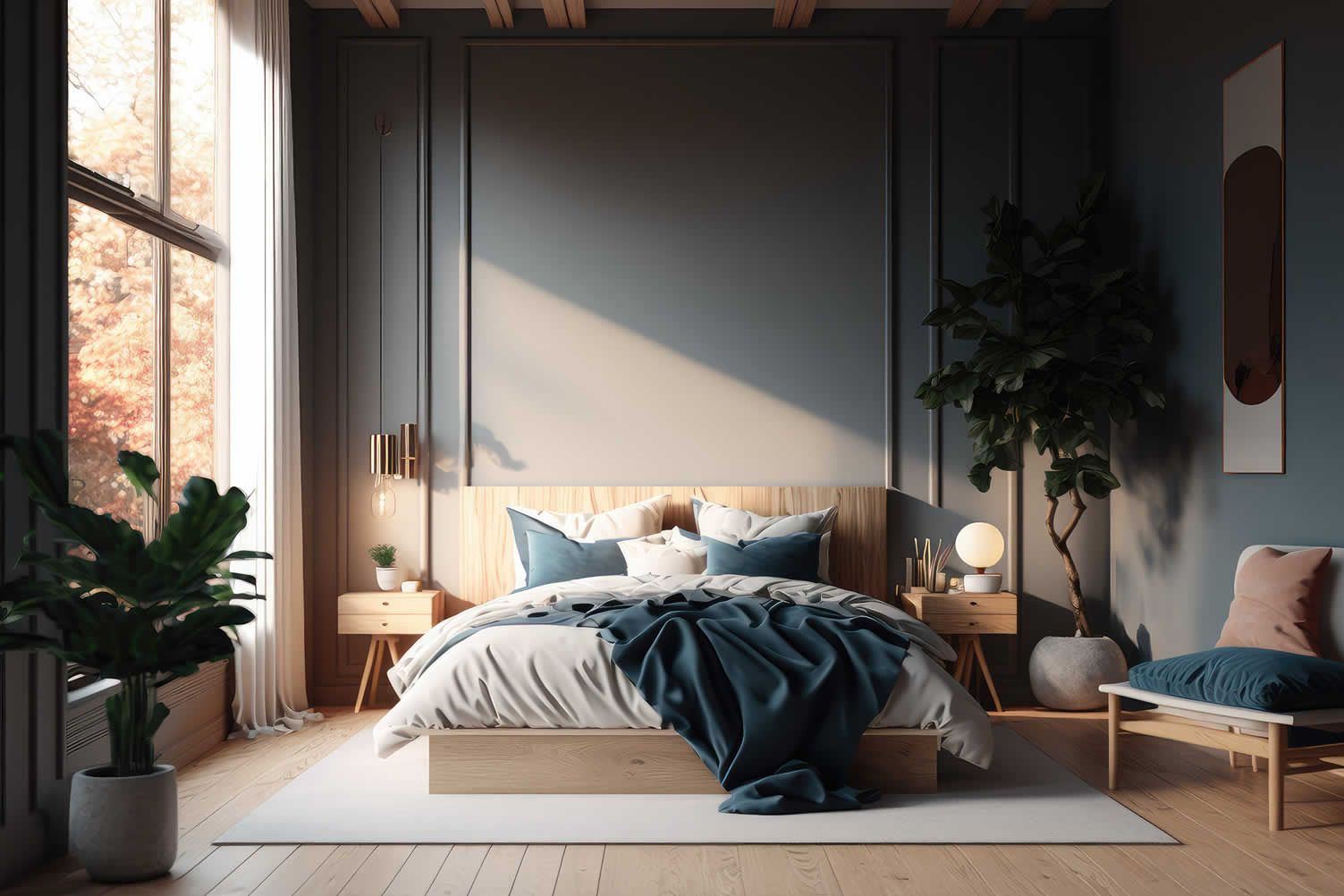
your bedroom furniture needs




fourth “photo remodeling” idea
copyright image by 123rf.com
Bedroom Tip 4: The Importance of Comfort in Your Bedroom Renewal
Notes:
-
Creating a haven of comfort in your bedroom is not just about aesthetic appeal but also about cultivating an atmosphere that promotes rest and rejuvenation. The role of comfort in your bedroom renewal cannot be overstated—after all, this is where you begin and end each day.
In the sections that follow, we’ll explore essential considerations to maximize comfort in your redesigned space. From selecting the right mattress to adjusting lighting for a serene ambiance, every detail contributes to the transformation of your bedroom into a peaceful retreat.
-
Crafting Your Comfort Oasis
Your bedroom isn’t just a place to sleep; it’s a sanctuary where you seek comfort and tranquility after a long day. Thus, when planning your bedroom renovation, prioritizing comfort is as crucial as the aesthetic appeal. Think of your bedroom as a retreat that calms your senses and rejuvenates your spirit.
Engage in comfort-driven design concepts focusing on aspects like ergonomic furniture, quality of materials, and the psychological impact of color palettes. Incorporating elements such as a plush, supportive mattress, luxuriously soft bedding sets, and ergonomic pillows can significantly enhance the comfort level.
Additionally, personalized comforts, like a reading nook with a cozy armchair or a meditation corner, can transform your bedroom into a versatile space for relaxation and peace.
-
Materials Matter
Choose materials that evoke warmth and comfort. Natural materials like wood, cotton, wool, and linen bring a sense of calm and grounding. They’re not only tactilely pleasing but also contribute to a healthier indoor environment.
For flooring, soft, warm materials underfoot like thick carpets or rugs can add comfort and warmth to your bedroom.
-
Color Comfort
Color plays a pivotal role in setting the mood of your bedroom. Soft, calming colors like pale blues, greens, and warm neutrals can help create a restful environment. These hues are known for their ability to lower stress levels and promote relaxation before bedtime.
-
Ergonomic Design
Functionality and ease of use should guide the selection and arrangement of furniture. Choose furniture that supports your body comfortably and layout your room in a way that promotes easy movement and accessibility.
An ergonomic approach to your bedroom design not only adds to the comfort but also enhances the overall living experience.
-
Personalized Comfort
Finally, consider the unique elements that bring you comfort. Whether it’s incorporating a specific style of lighting that sets the right tone, adding a sound system for soft music, or ensuring the room is scent-enhanced with natural fragrances, these personalized touches make your bedroom truly your own comfort zone.
[ see above: specification planning ]
-
-
Quick scroll to “bedroom comforting tips” side notes …
-
-
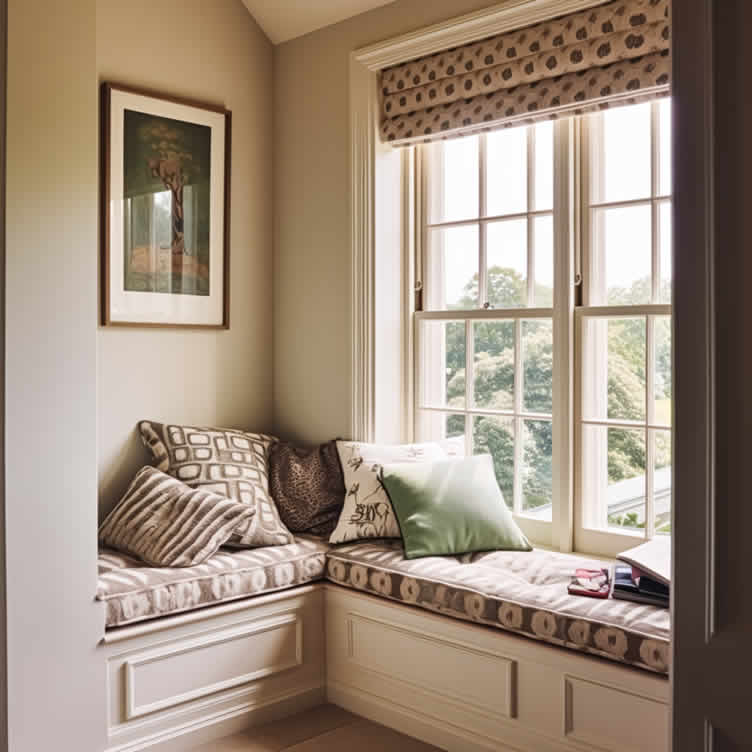
1st: Creating Your “Personal” Window Nook
A window nook provides a serene spot to relax and soak in natural light while enjoying your favorite book or simply daydreaming. Setting up a seating and reading nook next to a window not only maximizes the use of natural light but also offers an inviting retreat within your bedroom.
Here’s how to create your personal oasis.
-
Selecting the Right Seating
The centerpiece of your nook will be comfortable seating. Consider a plush armchair or a chaise lounge that supports your posture while inviting relaxation. Look for furniture with soft, durable fabric that feels good against your skin and complements your room’s color scheme.
-
Enhance with Textiles
Add layers of comfort with textiles. Throw pillows can provide additional back support and an opportunity for color and pattern. A soft, woven throw blanket ensures warmth on cooler days and adds a cozy, tactile element to your nook.
-
Lighting for Ambiance
Good lighting is crucial. A combination of natural light during the day and a warm, adjustable reading lamp for evenings creates a perfect ambiance. Choose a lamp that complements your decor and provides focused light to avoid eye strain.
-
Incorporating a Side Table
A small side table is a practical addition to your nook. It serves as a place to rest a cup of tea, your current read, or a pair of glasses. Select a table that is easily accessible from your seat and offers enough surface area for your essentials.
-
Personal Touches
Finally, personalize your window nook to reflect your personality and interests. Whether it’s a vase of fresh flowers, a collection of your favorite books on the side table, or artwork that inspires you, these personal touches make the space truly yours and enhance its comfort and appeal.
copyright image by 123rf.com
[ view images: bedroom reading nook ]
[ pinterest: setting up a reading nook ]
-
-
2nd: Organizing Your Closet Space
Creating a serene bedroom retreat also means having an organized and accessible closet space. An intricate closet system can transform a cluttered wardrobe into a streamlined sanctuary, ensuring every item has its place.
By incorporating smart closet solutions, you foster not only ease of access but also enhance the comfort and functionality of your bedroom.
-
Modular Closet Systems
Modular systems are the pinnacle of customizability in closet organization. They allow you to mix and match components such as shelves, hanging rods, drawers, and baskets to fit your storage needs precisely.
A well-designed modular system can adapt to seasonal wardrobe changes and evolve with your lifestyle, ensuring longevity and satisfaction.
-
Wire Closet Systems
Wire systems offer durability and ventilation for your clothes, preventing moisture and mustiness. They’re relatively easy to install and can be adjusted or expanded with minimal effort.
This type of system is ideal for those who prefer visibility of their items and a more open, airy arrangement in their closet space.
-
Wooden Closet Systems
For a touch of elegance and warmth in your bedroom, wooden closet systems provide both style and functionality. They often feature a combination of hanging space, drawers, and shelves in various configurations.
Wood systems can be custom-built to fit any closet size and are perfect for creating a cohesive look with other wooden furniture in your bedroom.
By selecting a closet system that aligns with your space, storage needs, and aesthetic preferences, you can significantly enhance the comfort and organization of your bedroom. Remember, an orderly bedroom contributes to a peaceful mind and a restorative retreat.

copyright image by 123rf.com
-
-
-
ideas to view and compare from the information discussed above
Scroll up to directory … or scroll to next section about master bedroom makeover ideas …




fifth “photo remodeling” idea

copyright image by 123rf.com
Bedroom Tip 5: Understanding Sleep: The Foundation of Wellness
Notes:
-
Before we explore how to optimize your bedroom design, it’s crucial to understand the facets of sleep. Sleep occurs in cycles, encompassing various stages from light to deep (REM) sleep. Each phase plays a distinct role in physical restoration, memory consolidation, and emotional regulation.
A disruption in these cycles can impair cognitive function, affect mood, and weaken the immune system, underscoring the necessity of uninterrupted, quality rest.
Creating a bedroom environment that caters to your physiological and psychological needs is crucial in achieving optimal sleep health.
[ see above: specification planning ]
-
Quick scroll to “better sleep” side notes …
- 1st: Choosing the Right Mattress
- 2nd: Best Pillow and Bedding for Better Sleep
- 3rd: The Role of Ambiance: Setting the Scene for Slumber
- 4th: The Importance of a Clutter-Free Space
- 5th: Limiting Blue Light Exposure Before Bedtime
- 6th: Leveraging Smart Home Technology
- shop ideas
- next topic: Getting Started
-
-
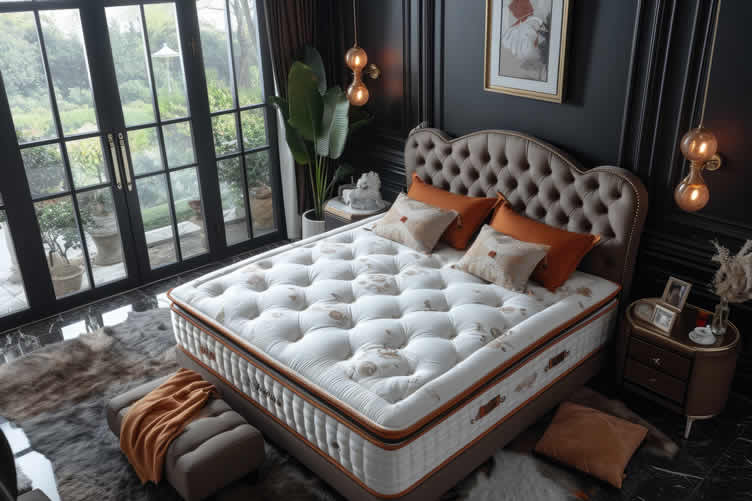
1st: Choosing the Right Mattress
The bed is the centerpiece of any bedroom, and its composition is pivotal in determining sleep quality. A mattress that provides adequate support aligns the spine and relieves pressure points, while pillows should complement your sleeping position to avoid neck strain.
Choosing the right mattress involves considering your sleep position, comfort preferences, and any specific health concerns.
Side sleepers often benefit from softer mattresses that relieve pressure on hips and shoulders, whereas stomach and back sleepers may need firmer support to align the spine properly.
Additionally, those with allergies or sensitivities should look for hypoallergenic materials like natural latex or organic fabrics. Taking the time to test mattresses in-store or utilizing trial periods offered by many companies can also help ensure you make the right choice for your sleep health.
When selecting the perfect mattress, understanding the different types available is essential. Here’s a brief overview:
- Innerspring Mattresses:
Known for their firm support, these mattresses are constructed with coil springs. Ideal for those who need solid back support. - Memory Foam Mattresses:
These contour to the shape of your body, offering pressure relief and support. Best for side sleepers and those with joint pain. - Latex Mattresses:
Durable and eco-friendly, latex mattresses provide a firmer, bouncy feel. Suitable for sleepers looking for comfort without the deep contouring of memory foam. - Hybrid Mattresses:
Combining innerspring coils with layers of foam or latex, hybrids offer a balance of support and comfort. A versatile option that suits most sleeping styles. - Adjustable Air Mattresses:
Allow you to adjust the firmness to your liking, making them ideal for couples with different preferences.
copyright image by 123rf.com
- Innerspring Mattresses:
-
2nd: Best Pillow and Bedding for Better Sleep
After selecting the perfect mattress, the next step towards achieving optimal sleep comfort is choosing the right pillow. A good pillow not only complements the mattress but also supports the neck and spine alignment, crucial for restorative sleep and avoiding aches and pains.
The ideal pillow depends on your sleeping position, material preference, and any specific needs such as hypoallergenic qualities or temperature regulation. Here are some common types of pillows to consider:
- Memory Foam Pillows:
Adaptable and supportive, memory foam pillows mold to the shape of your head and neck, offering targeted support and reducing pressure points. - Feather Pillows:
Soft and luxurious, feather pillows offer a traditional feel with a high level of pliability and excellent head and neck support. - Latex Pillows:
Firm and supportive, latex pillows are durable, naturally hypoallergenic, and resistant to dust mites, ideal for allergy sufferers. - Down Pillows:
Made from the soft, fine feathers found under the tougher exterior feathers of ducks or geese, down pillows are extremely soft, lightweight, and offer gentle, enveloping comfort. - Polyester Pillows:
A cost-effective option, polyester pillows are lightweight and soft but may lack the longevity and support of other materials. - Buckwheat Pillows:
Filled with natural buckwheat hulls, these pillows are adjustable, breathable, and provide excellent neck and head support, making them ideal for those looking for a firmer, customizable option.
Choosing the right pillow involves considering the firmness, material, and your individual sleep needs for the best comfort and support combination.
Similarly, opting for bedding crafted from breathable, natural fibers like cotton or bamboo can significantly enhance sleeping comfort. These materials help in regulating body temperature throughout the night, ensuring a restful sleep by preventing overheating or excessive sweating.

copyright image by 123rf.com
- Memory Foam Pillows:
-
3rd: The Role of Ambiance: Setting the Scene for Slumber
The ambiance of a bedroom plays a crucial role, as it can either invite a sense of restfulness or actively stave it off. Elements such as lighting, color scheme, and sleep temperature can significantly influence the room’s overall feel, impacting how relaxed one feels in the space.
-
Minimum Lighting
Light exposure is a critical factor in regulating our circadian rhythms, which are essentially our internal biological clocks that dictate our sleep-wake cycles.
Thus, to support our natural sleep patterns, minimizing exposure to artificial light in the evenings and incorporating the use of blackout curtains in the bedroom can be highly beneficial.
These measures help to signal to the body that it is time to wind down and prepare for sleep, creating an optimal environment for a restful night.
-
Room Color
Color schemes play a significant role in influencing mood and promoting relaxation. Specifically, hues such as blue, green, and lavender are renowned for their calming effect. These colors can help create a serene atmosphere, making them ideal choices for spaces designed for rest and relaxation.
Their soothing properties are attributed to their association with natural elements like the sky, water, and flora, which can help reduce stress and enhance overall well-being.
-
Sleeping Temperature
Lastly, maintaining an optimal room temperature of around 65 degrees Fahrenheit (18.3 degrees Celsius) fosters the right conditions for deep sleep. Additionally, the utilization of ceiling fans can play a pivotal role in achieving the ideal room temperature for sleep.
By circulating air, ceiling fans can help lower the temperature in warmer months. Conversely, adjusting the fan’s direction can distribute warm air during cooler periods, providing a cost-effective method to fine-tune the room’s comfort level without significantly impacting energy usage.

copyright image by 123rf.com
-
-
4th: The Importance of a Clutter-Free Space
A clutter-free and organized bedroom plays a critical role in enhancing sleep quality. Clutter can lead to increased stress and anxiety, two significant barriers to a good night’s rest.
By creating an environment that is tidy and orderly, individuals can promote a sense of peace and tranquility conducive to falling asleep more quickly and enjoying a deeper, more uninterrupted sleep.
Investing time to declutter the space, organizing personal items in a way that minimizes chaos, and adopting minimalist principles can significantly contribute to a more restful bedroom atmosphere.
Furthermore, the act of decluttering not only clears the physical space but also has a cathartic effect on the mind, reducing mental clutter and paving the way for a more relaxed state that is ideal for slumber.

copyright image by 123rf.com
[ pinterest: declutter bedroom ]
[ youtube: declutter to sleep better ]
-
5th: Limiting Blue Light Exposure Before Bedtime
The pervasive use of electronic devices before bedtime has been linked to difficulties in falling asleep, largely due to the blue light these devices emit. Blue light is known to suppress the production of melatonin, a hormone responsible for regulating sleep cycles.
Limiting exposure to blue light in the evening can significantly enhance the quality of sleep. This can be achieved by establishing a digital curfew, opting to turn off all screens at least an hour before bed. Alternatively, the use of blue light filtering features on smartphones, tablets, and computers can also mitigate the impact on melatonin production.
Implementing these strategies promotes a more natural winding down process, enabling the body to prepare for a restful night’s sleep more effectively. Incorporating reading a book or practicing relaxation techniques instead of screen time can further support this transition towards a state conducive to sleep.

copyright image by 123rf.com
[ pinterest: 12 things that stop a good night’s sleep ]
[ youtube: how does blue light & other light affect sleep ]
-
6th: Leveraging Smart Home Technology
Smart home technology can significantly contribute to creating an optimal comfort and sleep environment by simplifying the process of preparing your living space for the night.
With the ability to turn off lights, lock outside doors, and activate security features from the comfort of your bed, these advancements offer not only convenience but also peace of mind. Such functionalities can be controlled through a smartphone or a voice-activated home assistant, enabling the user to manage their home’s security and lighting without needing to leave their bed.
This eliminates the stress of remembering whether doors were locked or lights were turned off, which can often be a source of anxiety that disrupts sleep.
Additionally, the ability to adjust the home’s environment to a more restful state without physical effort encourages a more relaxed transition to sleep, further enhancing the quality of rest obtained.
By integrating these smart home technologies into the bedtime routine, individuals can create a more conducive sleep environment, supporting both physical and mental well-being.
-
Lighting Control
Smart lighting systems enable you to adjust the brightness and color temperature of your bedroom lights with mere voice commands or the tap of a smartphone. By setting personalized scenes or using adaptive lighting that adjusts according to the time of day, you can create an ambiance that naturally supports your sleep-wake cycle.
-
Temperature Regulation
A smart thermostat integrated into your bedroom’s home automation system can ensure your sleeping environment is always at the optimal temperature. These systems can learn your preferences and adjust automatically, or you can control them remotely, so your bedroom is always the perfect, cozy temperature when it’s time to rest.
-
Automated Blinds and Curtains
Automated window treatments offer both convenience and energy efficiency. Set schedules for your blinds or curtains to open and close at specific times, mimicking the natural light cycle to assist with a gentle wake-up in the morning and fostering deeper sleep by ensuring your room is dark and peaceful at night.
-
Sound Management
Smart speakers and sound systems can be used to play white noise or soothing ambient sounds that mask outside noise, creating a calm atmosphere conducive to sleep. You can also set routines that gradually lower volume as you drift off to sleep, ensuring a seamless transition into quiet.
-
Security Integration for Peace of Mind
Adding to the convenience and control of your bedroom’s environment, smart home systems can also extend their functionality to security, including the ability to lock up downstairs with ease. Integrated security systems enable you to manage locks on doors and windows from your smartphone or voice control device, ensuring your home is secure with just a few taps or voice commands.
This feature not only adds an extra layer of security but also offers peace of mind, making it easier to relax and fall asleep, knowing your home is safely locked up for the night.
-
Media Control
With smart home technology, managing the entertainment in your bedroom has never been easier. Through voice commands or your smartphone, you can control your television, streaming devices, and even smart projectors. This means you can easily choose what to watch or listen to without having to leave the comfort of your bed.
Schedule your devices to turn off after a certain time to ensure that your sleep isn’t disturbed, making your bedroom not just a place for rest, but also an optimized personal entertainment space.

copyright image by 123rf.com
-
-
-
ideas to view and compare from the information discussed above
Scroll up to directory … or scroll to next section about master bedroom makeover ideas …
below for …
home remodeling services


home automation devices for better sleep

Calendar For:
Home Maintenance
File Type:


Find Home Remodeling Services Additions Major Remodels Minor Remodels Disability Needs Plumbing Drain Clearing Appliances Electrical top-rated, pre-screened local contractors FREE: download contractor selection enter zip code – powered by HomeAdvisor ™
Quick Contractor Guides selecting negotiating working with inspecting

sixth and last “photo remodeling” idea


copyright image by 123rf.com
Bedroom Tip 6: Getting Started
Notes:
-
Initiating a bathroom remodel can be as exciting as it is daunting, but with the right approach, it transforms into a rewarding project. Before you demolish a single tile, thorough planning and preparation are key to ensuring a smooth process and successful outcome.
- Understand what you want to achieve. Is it more space, modern fixtures, or just an aesthetic update?
- Set a realistic budget to guide your decisions on materials, labor, and unexpected expenses.
- Consider hiring a designer or a contractor, especially for extensive remodels.
- Research and select materials that blend style, durability, and cost-effectiveness.
- Establish a timeline that accounts for all phases of the remodel.
Remember, a well-planned remodel not only enhances the beauty and functionality of your bathroom but also boosts your home’s overall value.
-
Quirk scroll to topic "about getting started" side notes …
-
-
1st: Step-By-Step Planning
Follow this detailed guide for a bedroom remodel that encompasses the elements discussed previously.
This strategy aids in formulating the necessary steps for a bedroom makeover, including determining requirements, planning specifications, engaging a professional contractor and/or interior designer, and overseeing the project’s budget and management.
Step 1: Analyze Numbers for "Bedroom Remodel or Upgrade"Before you start any bedroom remodeling project, run some financial numbers to determine whether the makeover is a smart investment.
For example, tearing out walls, expanding the bedroom space, adding larger windows with skylights, and any other major structural changes.
The numbers include the estimated costs, home value assessment, financing costs, and other related calculations.
Review these cost-related expenses for remodeling vs. buying a new home.
links to internal page (opens new win)

analyze the numbers estimate the cost of your project get your home value Step 2: Collect "Bedroom Makeover" IdeasThe 2nd step for planning a bedroom remodel or upgrade is deciding what you would like to do.
Will it be a –
- expanding the current space,
- rearranging the current setup,
- buying new furniture,
- changing out the flooring and lighting,
- converting the area for better sleep
- or something else.
Start collecting ideas by referencing our collection of bedroom analysis: view directory
Step 3: Plan Needed "Bedroom Remodeling" SpecsStep 3 is sketching your ideas on paper (or digitally) and developing the spec plan.
The spec plan determines what type of bedroom changes to make as it relates to structural changes, flooring, lighting, furniture, sleep enhancements, and more. It will also contain the product specifications for each bedroom element.
You will use the spec plan and architectural design to bid the project out to a contractor.
links to internal page (opens new win)
developing the spec plan sketch remodeling plan design considerations Step 4: Find "Bedroom Remodel" ContractorStep 4 is finding and negotiating the contract with a bedroom makeover contractor and/or interior designer.
Give your bedroom makeover ideas and specs to a contractor for review and bid analysis. Use the local network (aligned with HomeAdvisor) to find the right contractor for your project.
Review guides for contractor selection and negotiation.
links to internal page (opens new win)
search home office contractors search home interior contractors selecting your contractor checklist contractor negotiations contractor evaluation form Step 5: Financing "Bedroom Remodel" ProjectStep 5 is arranging financing once you selected the contractor and finalized the contract for your project.
Using the equity value in your home is one of the best financing option for making bedroom upgrades. Start with a home equity line of credit or use the bank equity program.
Other options may include cash-out refinancing, personal savings, and/or financing from home improvement contractors.
links to internal page (opens new win)
financing options getting qualified for financing negotiate rates Step 6: Manage the ProjectStep 6 is where the project begins.
It starts with setting up the sleep area, removing everything that needs to be replaced, installing electrical and other connections, putting in the final touches, etc.
It also means working with the contractor, managing the project, and getting the bedroom makeover project inspected before releasing any funds.
links to internal page (opens new win)
working with the contractor managing remodeling project about a home project inspections find home inspector -
2nd: Getting Professional Help
Remember, a well-planned remodel not only enhances the beauty and functionality of your bathroom but also boosts your home’s overall value.
When considering a bedroom makeover, whether it involves a full-scale remodel or selective upgrades, enlisting professional assistance can make a significant difference in the project’s success.
Experienced interior designers can provide guidance on maximizing space, selecting color schemes, and choosing furnishings that reflect your personal style while ensuring functionality.
If structural changes are involved, hiring a licensed contractor or specialized subcontractors is crucial for electrical work, plumbing, or construction to comply with building codes and safety standards.
Additionally, professionals can offer innovative solutions and materials that might not be readily available to the average homeowner, helping to create a unique and personalized bedroom space.
Engaging experts not only helps in avoiding costly mistakes but also ensures that the project is completed efficiently and to a high standard.
LetsRenovate has partnered with HomeAdvisor™, a renowned provider of highly-rated, carefully-vetted local contractors. Start your search here by choosing the type of contractor you need and entering your zip code to find local professionals.

copyright image by 123rf.com
But Wait!
Before starting your contractor search and evaluation, it’s recommended to download and use this detailed worksheet. This ensures you have all the necessary information and tools to make informed decisions, making the process simpler and more efficient.
Evaluation Sheet
File Type: -
3rd: DIY Bedroom Makeover Tips
Tackling a bedroom makeover on your own can be a rewarding project, allowing for personal creativity and potentially saving on costs. Here are some DIY tips to transform your bedroom:
- Painting:
A fresh coat of paint can dramatically change the look and feel of your bedroom. Choose colors that reflect your style and enhance relaxation, such as soft pastels or rich, soothing tones. - Furniture Upcycling:
Before buying new furniture, consider re-purposing or updating what you already have. Simple changes like new knobs on dressers or a different stain on wood pieces can make a big difference. - Soft Furnishings:
Update your bedding, curtains, and throw pillows to add color, texture, and warmth. These elements can be easily changed to refresh the room’s look without a significant investment. - Lighting:
Replace old fixtures or add new sources of light, such as bedside lamps or string lights, to create a cozy and inviting atmosphere. Consider dimmer switches for overhead lighting to control the room’s ambiance. - Decor and Accessories:
Personal touches through artwork, photos, or keepsakes can make your bedroom feel uniquely yours. Creating a gallery wall or displaying items on floating shelves can add character and interest to the space.
By carefully planning and applying some elbow grease, you can achieve a stunning bedroom makeover that reflects your style and meets your needs, all the while staying within budget and possibly learning new skills along the way.
However, for tasks requiring professional assistance, like replacing the flooring or enlarging the space, you can choose from a list of qualified professionals who can help without committing to a full remodel.

copyright image by twenty20.com
- Painting:
-
-
FINAL REMARKS
A master bedroom makeover, whether through a comprehensive overhaul or a strategic refresh, carries the potential to significantly enhance your home’s value and your quality of life. It’s an investment in your personal sanctuary, promising improved relaxation, sleep, and overall well-being.
We’d love to hear from you! If you’ve embarked on a bedroom makeover journey, share your story with us. Or, if you’re seeking to start your project and need guidance, don’t hesitate to reach out for professional advice. Your ultimate bedroom transformation awaits!
-
ideas to view and compare from the information discussed above
book: remodeling for dummiescurtains for bedroomdresser tv stand
- What comments can you share about
master bedroom makeover ideas?
Scroll up to directory … or scroll to more bed n’ bath topics …
view illustration “becoming a bank”
home remodeling – improvement – repair
Cover image credit: master bedroom makeover ideas by 123rf.com
end of post … please share it!
 |
did you find this master bedroom makeover ideas analysis helpful? If so, please share the article with your friends and family! |
Nice pic idea? Leave us a quick comment below.
And please share this pic idea within your social networks.