Summary Outline –
An organized kitchen is the heart of a well-managed home. It’s the place where meals are made, gatherings begin, and creativity often flourishes. But without proper organization, it can quickly turn into a chaotic space that complicates your daily routines.
When your kitchen is clutter-free and efficiently laid out, it not only makes cooking and cleaning easier, but can also save you time and lower stress levels.
This guide will show you how to optimize your kitchen area for better functionality. From assessing your layout to maintaining an organized space, these practical strategies will help transform your kitchen into a place you enjoy spending time in.
- post content
- Organize Tip 1: Assessing Your Current Kitchen Space
- Organize Tip 2: Kitchen Pantry Uses and Organization
- Organize Tip 3: Organizing Kitchen Base and Wall-Mounted Cabinets
- Organize Tip 4: Kitchen Drawer and Pull-Out Cabinets
- Organize Tip 5: More Kitchen Organize Tips
- Organize Tip 6: Maintaining Your Kitchen Organization

-
Quick scroll to first topic about kitchen organization tips …

first “kitchen organization tips” idea
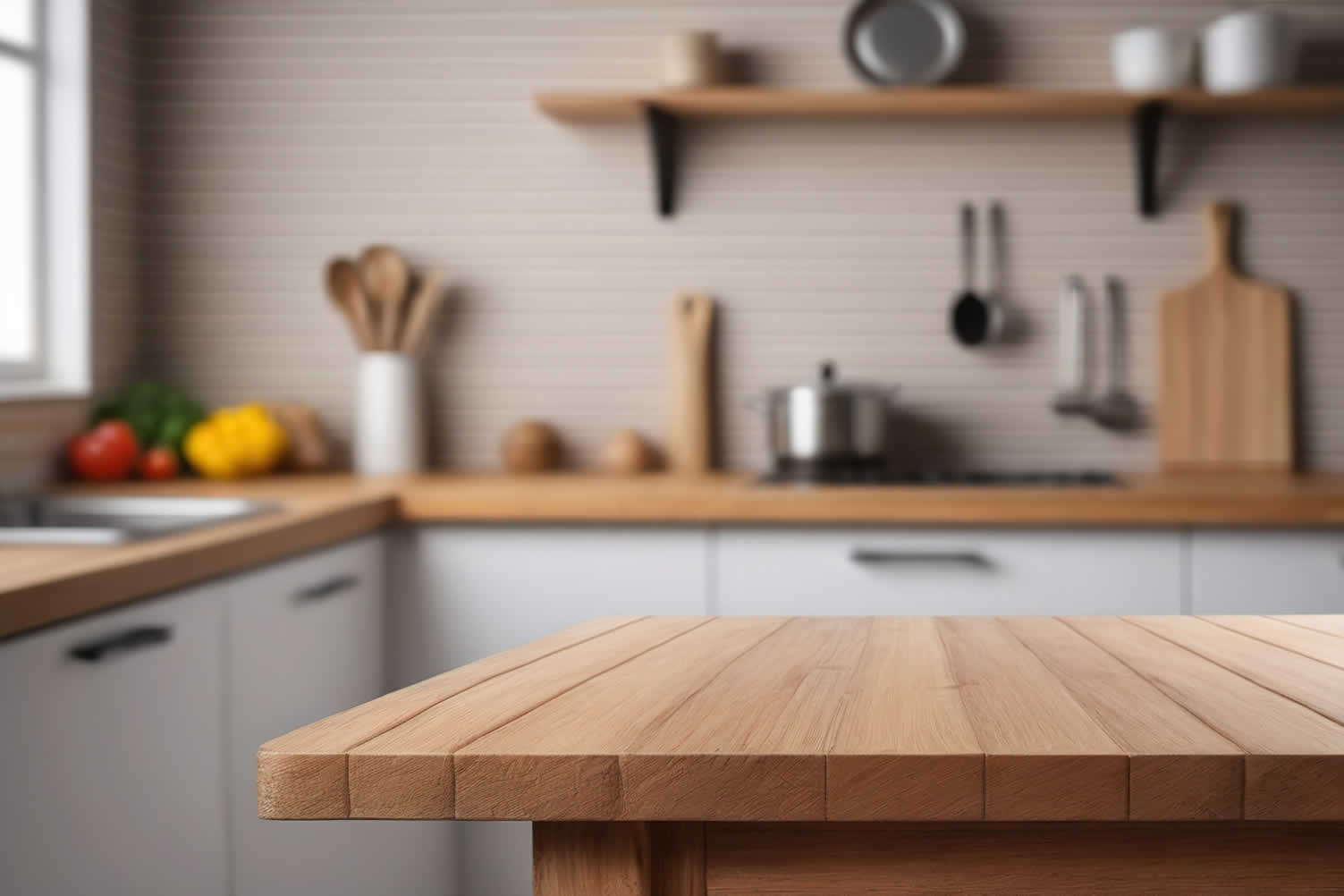

copyright image by 123rf.com
Organize Tip 1: Assessing Your Current Kitchen Space
Notes:
-
Before you can organize your kitchen effectively, it’s important to begin by evaluating your current kitchen layout. Take a moment to consider how the space is being used and identify which areas work well and which could use improvement.
Look at factors such as the placement of your appliances, countertop space, and accessibility of your storage areas. Are your frequently used items easily reachable? Are certain sections overly cluttered or underutilized? By closely examining your layout, you can pinpoint the specific areas that need adjustment to better suit your daily routines.
Once you’ve assessed your layout, think about different types of organization systems that could enhance the flow of your kitchen. For instance, utilizing drawer dividers, shelf risers, or pull-out cabinets can make it easier to store and access your items.
We’ll explore these types of organizational solutions further below, but understanding your current space is the first critical step to creating a more functional and streamlined kitchen.
-
Quick scroll to “kitchen space assessment” side notes …
-
-
1st: Rethinking Your Kitchen Layout
Every kitchen is unique, but certain principles can guide you toward an efficient layout. Start by identifying the different work zones in your kitchen. These typically include preparation areas, the cooking zone, storage space, and the cleaning zone.
A well-organized kitchen layout can transform the way you cook and interact with your space. Whether you love to experiment with recipes, entertain guests, or prepare meals with minimal effort, thoughtful zoning can help streamline your daily tasks.
Below, we’ll explore how to rethink your kitchen layout with specific zones, ensuring optimal flow and better kitchen organization.
-
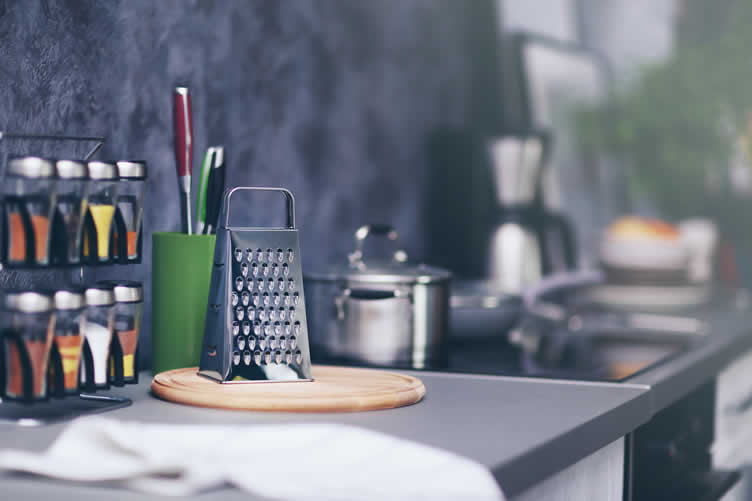
Cooking Zone
The cooking zone is the heart of any kitchen, encompassing the stove, oven, microwave, and nearby storage for pots, pans, and utensils. Position this zone for easy access to essential cooking tools and ingredients like spices and oils to keep your workflow seamless.
By keeping frequently used items within arm’s reach, you can minimize disruption and maximize efficiency during meal preparation.
-
Baking Zone
For avid bakers, a dedicated baking zone can make all the difference. This area should include your stand mixer, baking sheets, measuring cups, mixing bowls, and a designated workspace, such as a smooth countertop.
Organize ingredients like flour, sugar, and baking powder in clear, labeled containers for quick access. Good kitchen organization in this zone will save you time and make baking an even more enjoyable experience.
-
Drink Zone
The drink zone is perfect for those who want a separate station for their morning coffee, evening tea, or entertaining guests. Equip this area with a coffee maker, mugs, glasses, and a collection of beverages.
Consider adding a mini-fridge for chilled drinks or an electric kettle for flexibility. This organization creates a hub that’s convenient for both daily use and hosting.
-
Prep Zone
The prep zone is your workspace for chopping, slicing, and assembling meals. Ideally located between the fridge and the cooking zone, this area should have ample counter space and access to knives, cutting boards, and mixing utensils.
Adding a pull-out trash or compost bin nearby can help keep this space clean and efficient while you work.
-
Cleaning Zone
The cleaning zone centers around the sink, dishwasher, and storage for cleaning supplies. Keep dish soap, sponges, towels, and dishwasher pods neatly stored nearby for easy access.
Organizing this area thoughtfully can simplify post-meal cleanup and maintain the overall functionality of your kitchen.
By creating distinct zones that suit your needs, you can optimize the flow of your kitchen and enhance its usability. Effective kitchen organization ensures that everything has its place, making both cooking and cleanup an effortless and enjoyable process.
copyright image by 123rf.com
[ view diagram: kitchen zones and layouts ]
[ images: kitchen zoning ideas ]

-
-
2nd: Kitchen Storage and Organization Elements
A well-organized kitchen is the heart of any home, bringing efficiency and simplicity to daily tasks. Thoughtfully designed storage solutions not only enhance the aesthetic appeal of your kitchen but also contribute to a more streamlined and enjoyable cooking experience.
Below, we will explore various kitchen organization elements, from pantry spaces to versatile racks, offering practical descriptions of how each contributes to functionality and order.
-
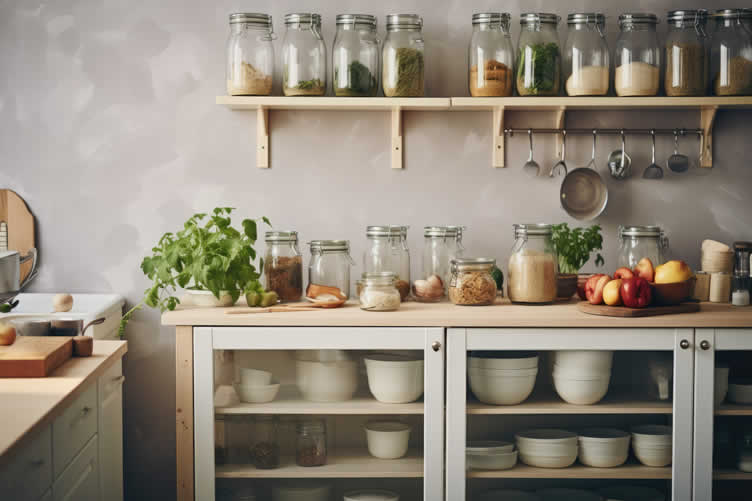
Kitchen Pantry and Standing Cabinets
The kitchen pantry serves as a dedicated space to store dry goods, canned items, and bulk supplies. With adjustable shelves and custom dividers, it provides ample room to keep everything neatly arranged and easy to locate.
Standing cabinets complement this by offering additional vertical storage, perfect for housing larger items like small appliances or oversized cookware while maintaining accessibility.
[ see topic below: kitchen pantry organization tips ]
-
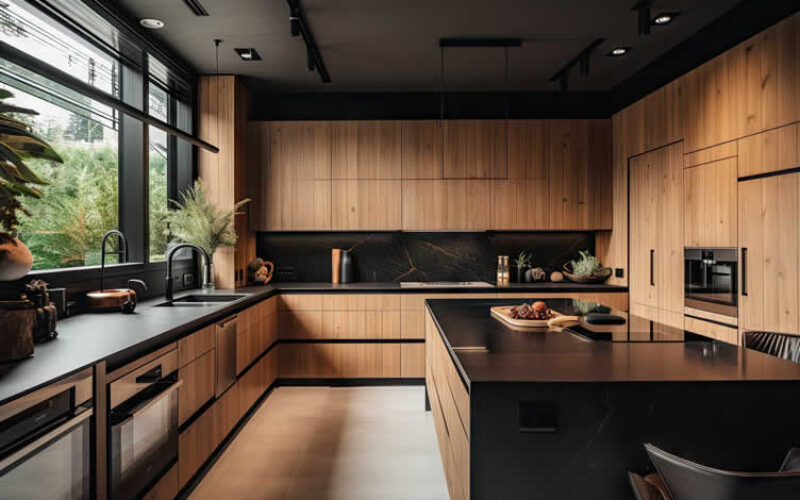
Base and Wall Cabinets
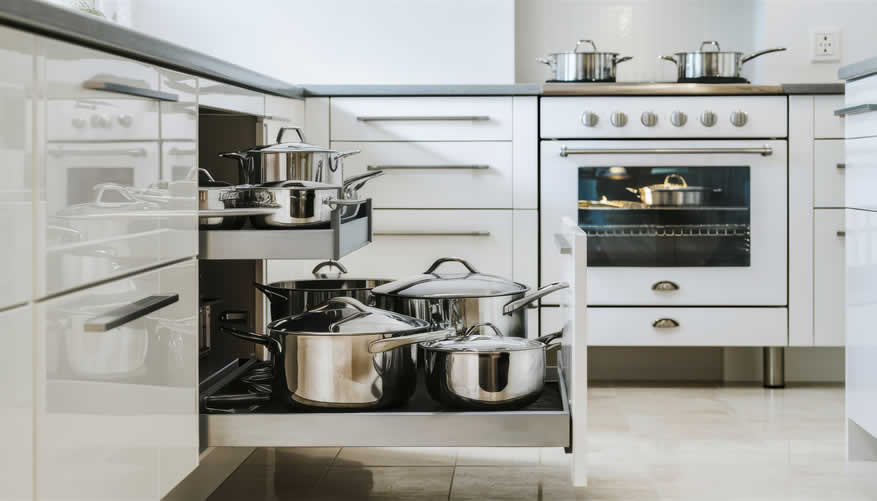
Base and wall cabinets form the backbone of kitchen storage. Base cabinets are ideal for storing heavier items, such as pots and pans, and often include pull-out trays to access contents effortlessly.
Wall cabinets, mounted above countertops, provide a convenient place for dishes, glassware, and smaller everyday essentials, keeping the work area clutter-free and optimized for food preparation.
[ see topic below: base and wall cabinet organization tips ]
-
Cabinet Drawers and Pull-Out Cabinets
Cabinet drawers are indispensable for organizing smaller kitchen tools, utensils, and cutlery. With dividers and compartments, they ensure each item has its place, avoiding messy clutter.
Pull-out cabinets are innovative solutions for making the most out of deep storage spaces. These are especially useful in storing cleaning supplies or spice jars that might otherwise get lost in the back.
[ see topic below: cabinet drawers and pull-out organization tips ]
-
Counter and Wall-Mounted Organizers
Counter organizers, such as utensil holders and spice racks, keep frequently used items within arm’s reach, promoting efficiency while cooking.
Similarly, wall-mounted organizers offer flexible storage options, from magnetic knife strips to hooks for hanging kitchen tools and mugs. These smart solutions free up valuable counter space and keep everything neatly arranged.
[ see topic below: counter and mounted organization tips ]
-
Shelves and Racks
Open shelves and racks blend functionality with style, providing visible storage for cookbooks, bowls, or decorative pieces.
Adjustable racks inside cabinets also enhance interior organization, offering additional levels for stacking plates or cups. Both options make use of vertical space while helping to maintain an organized and accessible kitchen.
[ see topic below: shelf and rack organization tips ]
-
Other
Additional kitchen organization elements, such as under-sink storage or corner shelf systems, play an important role in maximizing every inch of space. Rotating trays (or lazy susans) are perfect for making hard-to-reach areas functional.
From hooks to bins, these thoughtful solutions cater to specific needs, ensuring every item has a designated spot and your kitchen remains as efficient as possible.
[ see topic below: other (expanding options) organization tips ]
copyright image by 123rf.com
[ view diagram: kitchen cabinetry diagram ]
[ youtube: corner cabinet magic: 6 genius solutions ]
-
-
3rd: Innovative Smart Kitchen Organization to Consider
Smart kitchen organization has revolutionized the way we use and manage our kitchen spaces. Modern advancements in technology have introduced solutions that streamline tasks, save time, and optimize storage like never before.
By incorporating innovative tools and smart systems, you can create a highly functional and efficient kitchen that caters to both practical needs and aesthetic preferences. Below are some segmented ideas that highlight the potential of smart kitchen organization.
-
Smart Storage Solutions
Smart cabinets and drawers equipped with motion sensors and LED lighting provide enhanced visibility and accessibility. These systems light up automatically when opened, ensuring no item goes unnoticed.
Additionally, adjustable smart shelving allows you to adapt storage spaces for varying item heights, perfect for storing appliances, utensils, and pantry essentials with flexibility.
-
Automated Pantry Systems
Automated pantries integrate advanced tracking technologies, such as RFID or barcode scanners, to monitor inventory. These systems can notify you when supplies are running low or when items are reaching expiration.
Paired with a smartphone app, an automated pantry ensures you stay on top of your grocery and meal prep needs effortlessly.
-
Smart Waste Management
High-tech trash and recycling systems help streamline waste separation and disposal. Automated smart bins can detect recyclable materials and sort them accordingly, while odor-sealing designs ensure a clean and fresh kitchen environment.
Some models even provide reminders for trash collection schedules or when the bin is full.
-
Digital Meal Prep Assistants
Smart kitchen assistants, integrated with appliances or standalone devices, make meal preparation hassle-free. These systems can suggest recipes based on ingredients currently available, guide you through step-by-step instructions, and even sync with smart ovens or cooktops to ensure perfectly timed cooking.
-
Intelligent Appliance Integration
Many modern kitchen appliances feature smart connectivity, allowing them to be controlled remotely via mobile apps. For instance, smart refrigerators not only keep your produce fresh but also include touchscreen displays for meal planning, weather updates, and even family messages.
Connected coffee machines, slow cookers, and microwaves can be preprogrammed or adjusted remotely to save time and energy.
By incorporating these innovative solutions into your kitchen, you can enjoy a seamless blend of functionality and technological sophistication. Smart kitchen organization not only optimizes storage and workflow but also adds convenience and modernity to your home.
copyright image by 123rf.com
[ pinterest: innovative smart kitchen organization ]
[ youtube: smart kitchen design and storage ideas ]
-
-
-
ideas to view and compare from the information discussed above
Scroll up to directory … or scroll to next section about kitchen organization tips …



… view below for kitchen cabinetry organization



second “photo remodeling” idea
copyright image by 123rf.com
Organize Tip 2: Kitchen Pantry Uses and Organization
Notes:
-
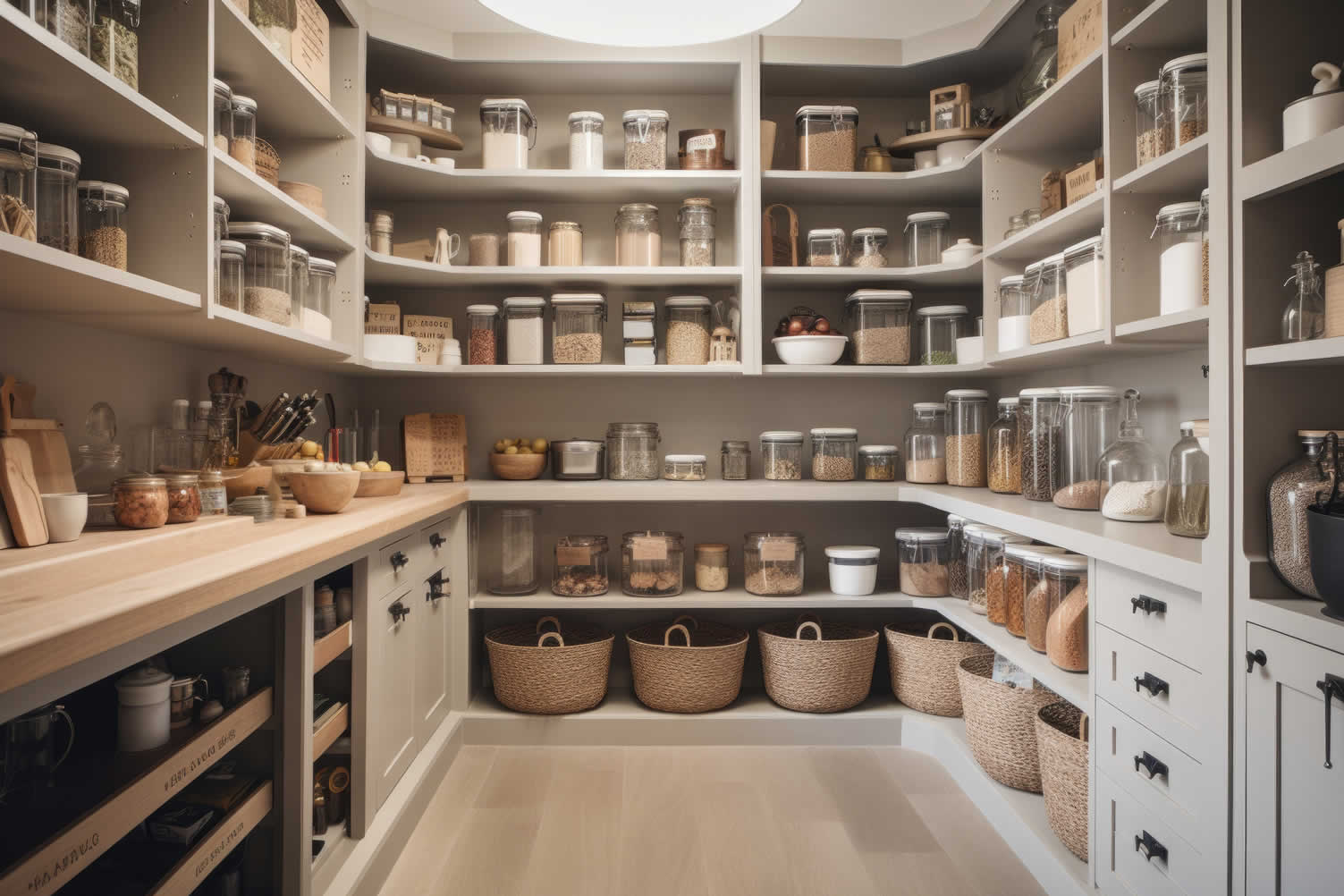
A well-designed kitchen pantry serves as the central point of organization and efficiency in any modern kitchen. It is more than just a storage space—it is a purposeful area that simplifies meal prep, reduces waste, and keeps everything you need within reach.
Whether you have a small cabinet or a walk-in pantry, understanding how to maximize this space can transform the way you cook, shop, and maintain your kitchen. Below, we explore the essential functions of a kitchen pantry and provide practical tips to organize it effectively.
-
Quick scroll to “kitchen pantry organization” side notes …
-
-
1st: The Purpose and Uses of a Kitchen Pantry
The kitchen pantry is a multipurpose storage area designed to house dry goods, canned foods, spices, and occasionally small appliances. Its primary purpose is to provide a dedicated space for essentials, reducing countertop clutter and making meal preparation more efficient.
By storing staples such as grains, pasta, oils, and baking supplies, it ensures that you always have the ingredients you need on hand. In addition, an organized pantry helps prevent over-purchasing by allowing you to see everything at a glance, minimizing food waste and saving money.
A pantry can also serve as a designated spot for meal planning and snack storage. Families often use the pantry to stock quick, nutritious snacks for children or arrange items by meal types for easier access during busy evenings.
With proper organization, the pantry can become a central hub that supports your cooking habits and lifestyle.
-
Organization Tips for Your Kitchen Pantry
Creating an organized kitchen pantry requires thoughtful planning and simple strategies. Here are some practical tips to help you make the most out of your pantry space:
[ view samples: pantry organization tips ]
-
Group Similar Items Together
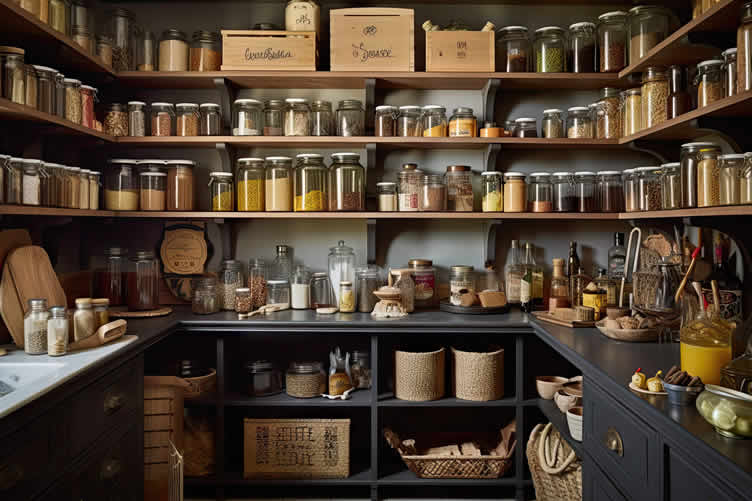
Arrange items in clear categories, such as baking supplies, snacks, cooking oils, or canned goods, to keep your pantry organized and efficient. Grouping similar items together not only makes it easier to quickly locate what you need but also helps maintain a consistent system for restocking.
For example, keep flour, sugar, and baking powder in one section, while placing chips, granola bars, and cookies in another. This method not only saves time during meal prep but also ensures you never accidentally run out of essential ingredients.
-
Utilize Clear Storage Containers
Invest in clear, airtight storage containers to keep your food items fresh, organized, and free from pests while reducing visual clutter in your pantry or kitchen. These durable containers are perfect for storing a variety of items like grains, pasta, snacks, and even baking essentials such as flour and sugar.
Their transparent design allows you to quickly see what’s inside, making it easier to find what you need and keep track of your inventory. Plus, their stackable nature can help save precious storage space, giving your kitchen a neat and streamlined look.
-
Label Everything
Use labels to mark containers, jars, and shelves clearly and consistently. This simple step helps everyone in the household easily identify where items belong, making it quicker to find what you need and put things back in their proper place.
Over time, this system promotes organization and prevents clutter from building up, ensuring your space stays tidy and functional.
-
Take Advantage of Vertical Space
Install adjustable shelves, risers, and over-the-door racks to make the most of every inch of your pantry. Adjustable shelves let you customize the space to fit items of different sizes, while risers help you easily see and access items at the back.
Over-the-door racks are perfect for storing spices, snacks, or smaller pantry essentials, freeing up shelf space. By maximizing vertical storage and keeping everything organized, you can make even a small pantry feel spacious, functional, and easy to navigate.
-
Rotate Stock Regularly
Adopt a “first in, first out” rule to keep your pantry organized and reduce food waste. When restocking, place newer items behind older ones so the older products are used first. Take a few minutes each week to check expiration dates and ensure that no items are forgotten at the back of the shelves.
Regularly rotating your stock not only prevents food spoilage but also helps you stay on top of what you have, making meal planning and grocery shopping easier. A well-maintained pantry means fresher ingredients and less waste in the long run!
-
Add Pull-Out Bins and Baskets
Use bins or baskets for items like snacks, fruits, or even pantry staples to make access easier and keep your space organized. These containers are especially helpful for households with kids who need quick grab-and-go options, making it simpler for them to find what they need without rummaging through shelves.
Plus, clearly labeled or transparent bins can help everyone easily identify the contents and restock when supplies start running low. This small change can save time and reduce clutter in your kitchen.
-
Utility Pantry Door Space
Another efficient way to maximize kitchen storage is by utilizing the inside of pantry doors. This often-overlooked space can be transformed with the addition of hooks, racks, or small shelves to hold items like measuring spoons, pot lids, or even spice jars.
Adhesive or screw-in options make it easy to customize the setup based on your needs. By keeping frequently used items in these convenient spots, you can free up shelf and counter space, making your kitchen more organized and functional.
-
copyright image by 123rf.com
[ pinterest: kitchen pantry organization ideas ]
[ amazon: kitchen pantry organizers and storage ]
-
-
2nd: Stand-Alone Kitchen Cabinets
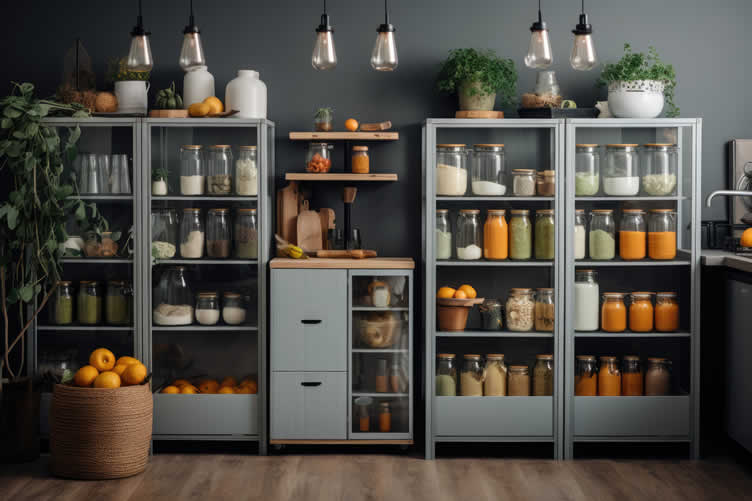
A stand-alone kitchen cabinet can be an excellent solution for those who lack a built-in pantry or have limited pantry space. These versatile pieces of furniture not only enhance storage capacity but also allow you to customize your kitchen organization according to your needs.
Available in various sizes, styles, and colors, stand-alone kitchen cabinets can fit seamlessly into any kitchen design while offering convenient and functional storage.
-
Maximizing Space with a Stand-Alone Kitchen Cabinet
For kitchens without a dedicated pantry, a stand-alone cabinet can serve as a primary storage hub for non-perishables, spices, or even small appliances. Choose a cabinet with adjustable shelves to accommodate items of different heights, such as cereal boxes, jars, and containers.
Opt for a model with both open shelves and closed cabinets to strike a balance between easy access and keeping clutter hidden.
[ view ideas: free standing cabinets ]
-
Stand-Alone Kitchen Cabinets Complement a Small Pantry
If you have a small pantry, a stand-alone cabinet can act as an extension, providing extra room for overflow items. Designate specific sections of the cabinet for items that don’t fit in your pantry, like baking supplies, canned goods, or larger kitchen gadgets.
By strategically organizing between the pantry and cabinet, you can create a cohesive and functional system.
-
Alternative Placement for Stand-Alone Kitchen Cabinets
If your kitchen lacks the space to accommodate a stand-alone cabinet, consider placing it in another area of your home. Options such as a dining room, hallway, or even a utility room can provide the necessary storage while keeping items organized and easily accessible.
This approach allows you to maximize your available kitchen space while still benefiting from the additional storage capacity that a stand-alone cabinet offers.
-
Organization Tips for Stand-Alone Kitchen Cabinets
Proper organization is key to making the most of your stand-alone kitchen cabinets. With a thoughtful approach, you can ensure your cabinets remain tidy, functional, and easy to access. Whether you’re storing pantry staples, cookware, or specialty items, implementing smart strategies can help you optimize space and maintain order.
Below are some practical tips to keep your stand-alone kitchen cabinets well-organized and efficient.
-
Label Bins and Containers:
Assign clear and descriptive labels to all bins or jars stored in your stand-alone cabinet. Use durable, easy-to-read labels that specify the contents, such as "Flour," "Sugar," or "Snacks."
This not only makes it faster and more convenient to locate items but also helps maintain an organized and clutter-free cabinet, ensuring everything has its designated place.
-
Group Similar Items Together:
Divide the shelves into specific categories—for example, snacks, canned goods, baking supplies, or spices—to keep everything in order and make items easier to find.
Group similar items together and consider labeling each section so you can quickly locate what you need while keeping the space tidy and organized.
-
Use Lazy Susans or Shelf Risers:
For deep shelves, consider using a lazy Susan to make the most of hidden spaces and keep frequently used items within easy reach. This rotating organizer is perfect for storing spices, condiments, or small jars that might otherwise get lost in the back.
Shelf risers are also incredibly helpful for maximizing vertical storage by adding an extra layer of space, making it easier to stack and organize items like plates, bowls, or canned goods. These simple tools ensure no space goes to waste, helping you stay organized and make better use of your storage areas.
-
Rotate Stock Regularly:
To prevent food from expiring, make it a habit to rotate items in your cabinet periodically. Place older products at the front where they are more visible and easier to access, while putting newer items toward the back.
This simple practice helps ensure that older items are used first, reducing waste and saving money in the long run. Don’t forget to check expiration dates regularly as you organize!
-
Optimize Door Storage:
If your cabinet has doors, take advantage of this often-overlooked space by using adhesive hooks or racks to hang lightweight items. Measuring spoons, pot holders, or spice sachets can be neatly organized and easily accessible.
This simple trick not only saves valuable drawer or counter space but also helps keep your kitchen tidy and functional.
-
copyright image by 123rf.com
[ pinterest: free standing kitchen cabinets ]
[ amazon: free standing kitchen cabinet ]
-
-
-
ideas to view and compare from the information discussed above
Scroll up to directory … or scroll to next section about kitchen organization tips …

addressing kitchen organization tips and other home improvement needs …

… grab this directory of ideas for future use



… remodeling decisions
May We Suggest Other Photo Remodeling Ideas About
“Other Interior Home Needs …” (new win)



third “photo remodeling” idea
copyright image by 123rf.com
Organize Tip 3: Organizing Kitchen Base and Wall-Mounted Cabinets
Notes:
-
Kitchen base and wall-mounted cabinets are essential components for creating an organized and functional kitchen space. These cabinets provide versatile storage options, allowing you to categorize and arrange items for easy access.
Base cabinets are ideal for storing heavier items such as cookware, small appliances, and bulk goods, while wall-mounted cabinets keep everyday essentials like dishes, glasses, and pantry items within reach. By strategically organizing these spaces, you can maintain a clutter-free kitchen and make the most of your storage real estate.
-
Quick scroll to “kitchen cabinets” side notes …
-
-
1st: Base Kitchen Cabinet Uses and Organization
Base kitchen cabinets are the backbone of any functional kitchen setup, delivering essential storage and support while enhancing the overall aesthetic of the space. Positioned beneath countertops, these cabinets serve as a central hub for storing everyday kitchen essentials, cookware, and more.
With a thoughtful approach to organization, base cabinets can maximize storage potential and bring efficiency to your kitchen routine. Below, we explore the purposes of base cabinets and provide practical tips on how to keep them well-organized.
-
Purpose and Uses of Base Kitchen Cabinets
Base cabinets are designed to cater to a variety of storage needs in the kitchen. They are ideal for housing heavy-duty cookware, like pots, pans, and Dutch ovens, as their sturdy construction easily supports these weighty items.
Additionally, base cabinets provide ample space for storing small appliances, such as blenders or slow cookers, keeping countertops clear and tidy. Some base cabinets are equipped with built-in drawers or pull-out shelves, making it easier to access stored items and organize smaller tools like utensils, napkins, or lids.
Another essential purpose of base kitchen cabinets is their support function. Not only do they hold up the countertops, but they also serve as a foundational element in maintaining the structure and layout of the kitchen.
Whether accommodating a built-in sink, dishwasher, or cooking station, base cabinets are pivotal in achieving a cohesive and functional design.
-
Organization Tips for Base Kitchen Cabinets
Proper organization of base kitchen cabinets is key to maximizing storage space and ensuring your kitchen functions efficiently. With their ability to hold a variety of items, from pots and pans to utensils and cleaning supplies, these cabinets can quickly become cluttered without an effective system in place.
By implementing smart organizational strategies, you can keep everything neatly arranged and easily accessible, making your daily kitchen tasks smoother and more enjoyable.
The following tips will guide you in optimizing the space and functionality of your base kitchen cabinets.
[ see samples: base cabinet organization ]
-
Use Pull-Out Shelves or Rack Systems:
Equip base cabinets with pull-out shelves or racks to improve accessibility and make organizing your kitchen a breeze. These systems glide smoothly, allowing you to easily reach items stored at the back without straining or rummaging through clutter.
By keeping everything in its designated space, pull-out shelves not only reduce mess but also save time during meal prep or cleanup. Whether storing pots, pans, spices, or pantry essentials, these features ensure a more functional and efficient kitchen setup.
-
Group Items by Category:
Categorize items based on their function or frequency of use to create an organized and efficient kitchen. For example, dedicate one section of the cabinet specifically to pots and pans, arranging them by size for easy access.
Use another section for smaller appliances like blenders, toasters, or food processors that you use regularly, keeping them within reach. Meanwhile, less frequently used items can be stored in higher or harder-to-reach areas.
Storing similar items together not only makes it easier to find what you need but also streamlines both the cooking and cleanup processes, saving you valuable time and effort in the kitchen.
-
Add Adjustable Dividers:
Adjustable dividers or stackable organizers are a versatile solution to help you maximize and customize the available space in your kitchen cabinets or pantry. These handy tools allow you to create perfectly sized compartments for items like baking trays, cutting boards, or pot lids, ensuring they remain upright, organized, and easy to find.
Whether you’re dealing with a small kitchen or a cluttered cabinet, these dividers help keep everything neat, prevent items from toppling over, and save you time when reaching for what you need.
-
Maximize Vertical Space:
Take advantage of the vertical space within base cabinets by incorporating tiered shelves or stacking bins, which allow you to maximize storage capacity efficiently. Tiered shelves create layers that make it easier to organize and access items, while stacking bins are perfect for grouping similar items together without creating clutter.
This arrangement not only prevents wasted space but also accommodates more items, keeping the area neat, orderly, and easy to navigate when you need something quickly. It’s a simple yet effective way to make the most of your kitchen storage.
-
Install Door-Mounted Storage Solutions:
The back of cabinet doors is a great spot for creating extra storage that’s both functional and hidden. By attaching hooks, small baskets, or slim organizers, you can easily store cleaning supplies like sponges and spray bottles, hang kitchen towels for easy access, or keep plastic bags neatly tucked away.
This clever use of space helps you stay organized without taking up valuable room inside the cabinets, making it a perfect solution for small kitchens or spaces where every inch counts. Plus, it’s a simple and affordable way to maximize your storage options.
-
copyright image by 123rf.com
[ pinterest: kitchen cabinet organization ideas ]
[ amazon: kitchen base cabinet organizer ]
-
-
2nd: Wall-Mounted Kitchen Cabinet Uses and Organization
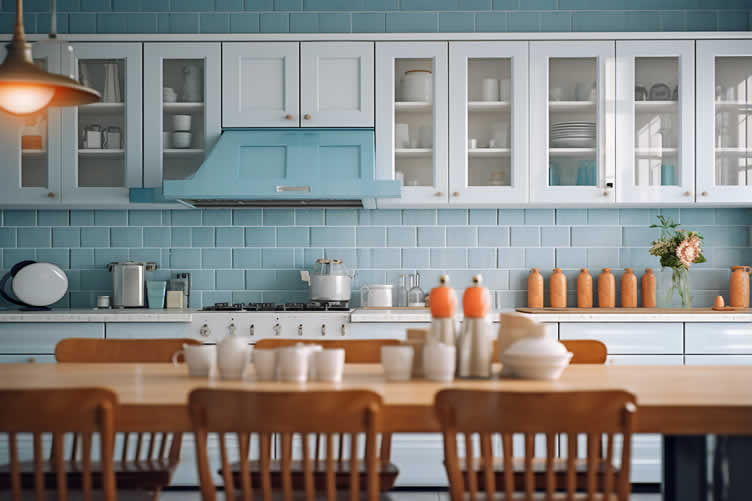
Wall-mounted kitchen cabinets are an essential feature in most kitchens, offering elevated storage solutions that make efficient use of vertical space. Positioned at eye level, these cabinets provide convenient access to everyday items like dishes, glasses, and pantry staples, keeping the workspace below clear and organized.
With careful planning, wall cabinets can enhance both the functionality and aesthetic of your kitchen. Below are some practical purposes, uses, and organization ideas for optimizing your wall-mounted kitchen cabinets.
[ view samples: wall-mounted cabinet organization ]
-
Purpose and Uses of Wall-Mounted Cabinets
Wall-mounted cabinets are primarily designed for storing lightweight items that need to remain within easy reach. They serve various functions, including:
- Storing Dinnerware:
Perfect for arranging plates, bowls, cups, and glasses, ensuring they are accessible during meal prep or dining. - Storing Drinkware:
Designate a specific cabinet or shelf for drinkware such as glasses, mugs, and cups. Use organizers like stackable racks or dividers to maximize space and ensure easy access. Position frequently used items, like everyday glasses, at eye level while reserving higher shelves for specialty or less-used pieces. - Organizing Spices and Condiments:
Create a dedicated spice or condiment shelf for streamlined cooking. Use labeled bottles or jars to keep everything uniformly arranged. - Housing Small Appliances:
Compact gadgets like blenders, toasters, or food processors can be stored in cabinets with adjustable shelving to keep the countertops clutter-free. - Showcasing Display Items:
Glass-front wall cabinets or open shelving can act as display areas for decorative dinnerware, heirloom pieces, or cookbooks, adding charm to the kitchen.
- Storing Dinnerware:
-
Organization Tips for Wall-Mounted Cabinets
Designing an efficient storage system within wall-mounted cabinets requires a combination of creativity, strategic planning, and the right tools to make the most of your available space.
Whether you’re organizing a kitchen, bathroom, or office, an effective approach can help reduce clutter and improve accessibility. Here are some practical organizational ideas to maximize the space in your cabinets:
-
Utilize Adjustable Shelves:
Incorporate adjustable or additional shelves to create custom heights suited for different items, such as tall bottles, stacked boxes, or smaller jars, ensuring you don’t waste any vertical space within the cabinet. This not only maximizes storage but also keeps your items neatly organized and easily accessible.
-
Group Items by Frequency of Use:
Place frequently used items like plates, bowls, or glasses on lower shelves where they are easy to reach during everyday use. Meanwhile, seasonal items like holiday dishes, special glassware, or other less-used kitchen tools can be stored on higher shelves or in less accessible areas.
This arrangement keeps your kitchen organized and ensures you can quickly grab what you need without unnecessary hassle.
-
Install Cabinet Door Racks:
Use the inner side of cabinet doors to attach racks for spice jars, measuring cups, or small utensils, making it easier to keep your kitchen organized while optimizing otherwise unused space.
This simple storage hack not only saves room in your drawers and shelves but also keeps frequently used items within easy reach, helping to streamline your cooking process.
-
Add Pull-Out Organizers:
Sliding shelves or pull-out racks can transform deep cabinets by making them far more accessible and functional. These handy additions allow you to effortlessly slide out the entire shelf, preventing the need to reach or dig for items hidden at the back.
Perfect for organizing pots, pans, pantry staples, or small appliances, they ensure every inch of your cabinet space is usable and within easy reach.
-
Use Clear Containers or Bins:
Store pantry items like grains, cereals, and snacks in clear, stackable containers to save space and keep everything neatly organized. Opt for airtight containers to preserve freshness and prevent spills.
Label each bin clearly with the contents and expiration dates for easy identification and to maintain order. This system not only keeps your pantry tidy but also makes meal prep and grocery shopping more efficient.
-
Add Under-Cabinet Hooks:
Utilize the underside of wall cabinets to maximize your kitchen space by hanging items like mugs, kitchen tools, or even small potted herbs if the space below the cabinet allows. This not only keeps your countertops clear but also adds a functional and decorative element to your kitchen.
Use hooks, rails, or magnetic strips to securely hang your items, making them easily accessible while enhancing the overall organization of your space.
-
Appliance Garage Cabinet:
Designate a specific cabinet or create a built-in “garage” for your frequently used small appliances like toasters, blenders, or coffee makers. This keeps them easily accessible while maintaining a clutter-free countertop.
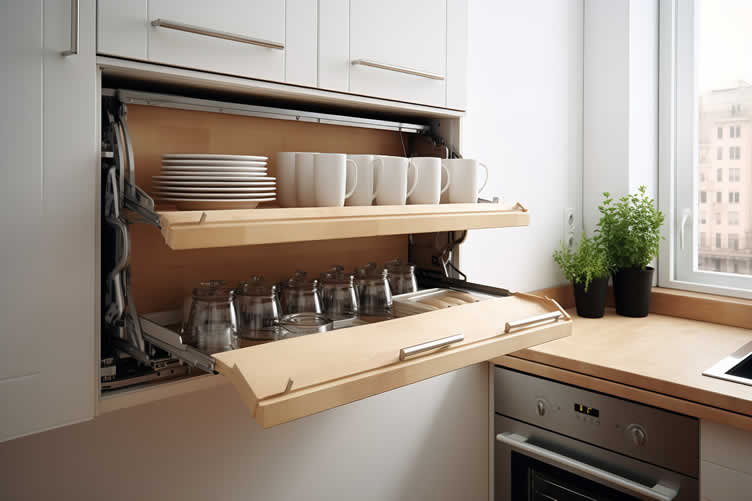
Consider a cabinet with a roll-up door, pull-out shelf, or lift mechanism to make storage seamless and functional. This addition not only improves the overall aesthetic of your kitchen but also ensures practicality and better space management.
-
copyright image by 123rf.com
-
-
-
ideas to view and compare from the information discussed above
kitchen cabinet handlescabinet stacking shelveskitchen cabinet liner
Scroll up to directory … or scroll to next section about kitchen organization tips …
SHARE IT ..! You might have someone in your social network who could find this informative post about kitchen organization tips valuable. Feel free to share it on Facebook, X (formally Twitter), LinkedIn, or Pinterest!



fourth “photo remodeling” idea
copyright image by 123rf.com
Organize Tip 4: Kitchen Drawer and Pull-Out Cabinets
Notes:
-
Kitchen drawer and pull-out cabinets are essential tools for maintaining a well-organized and efficient kitchen. These storage solutions offer easy access to items, optimize space utilization, and reduce clutter.
By categorizing items such as utensils, pantry staples, or cookware, and designating them to specific drawers or pull-out shelves, you can streamline your daily cooking and cleaning routines. With thoughtful organization, these cabinets enhance functionality while keeping your kitchen tidy and visually appealing.
-
Quick scroll to “kitchen drawer” side notes …
-
-
1st: Kitchen Drawer Uses and Organization
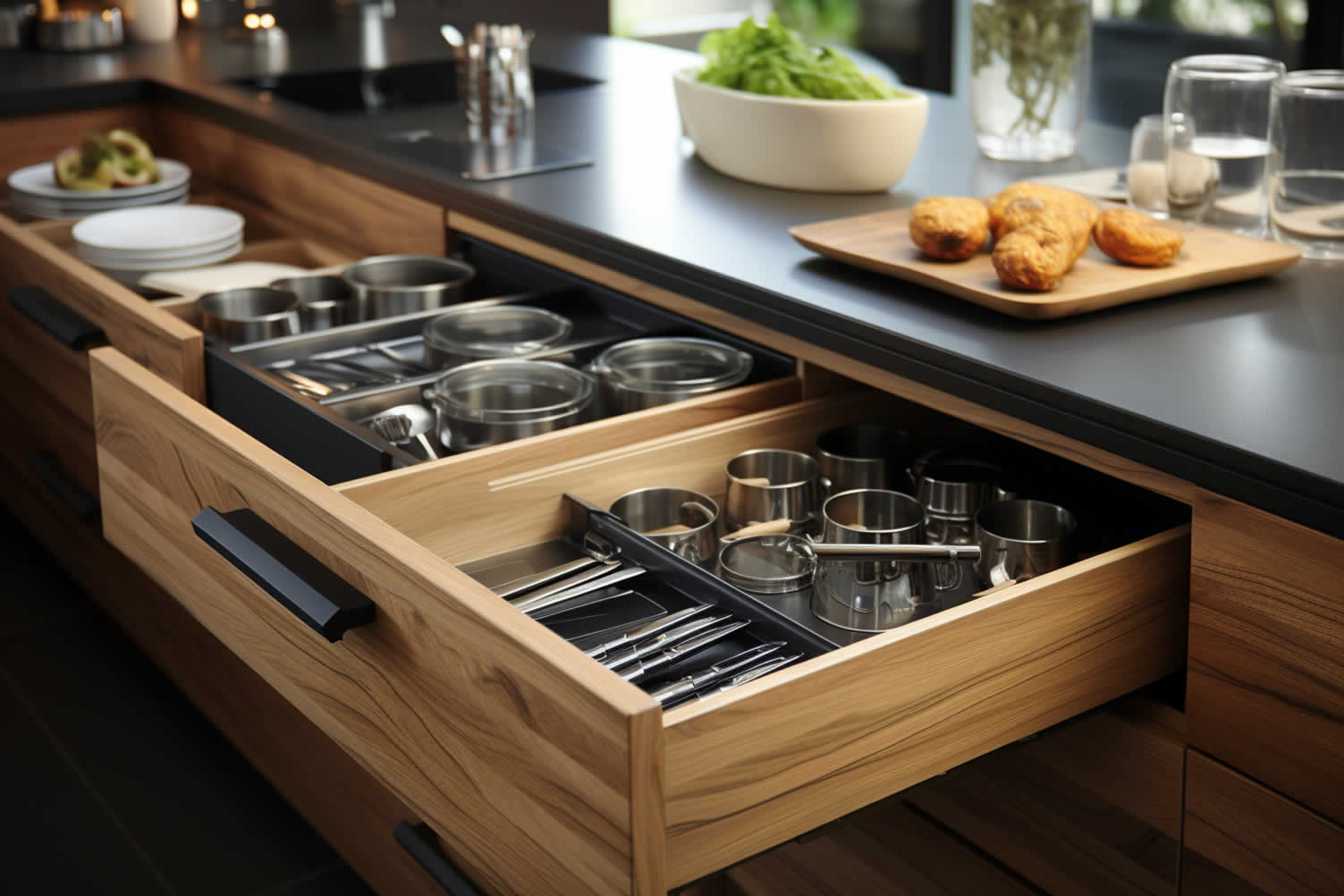
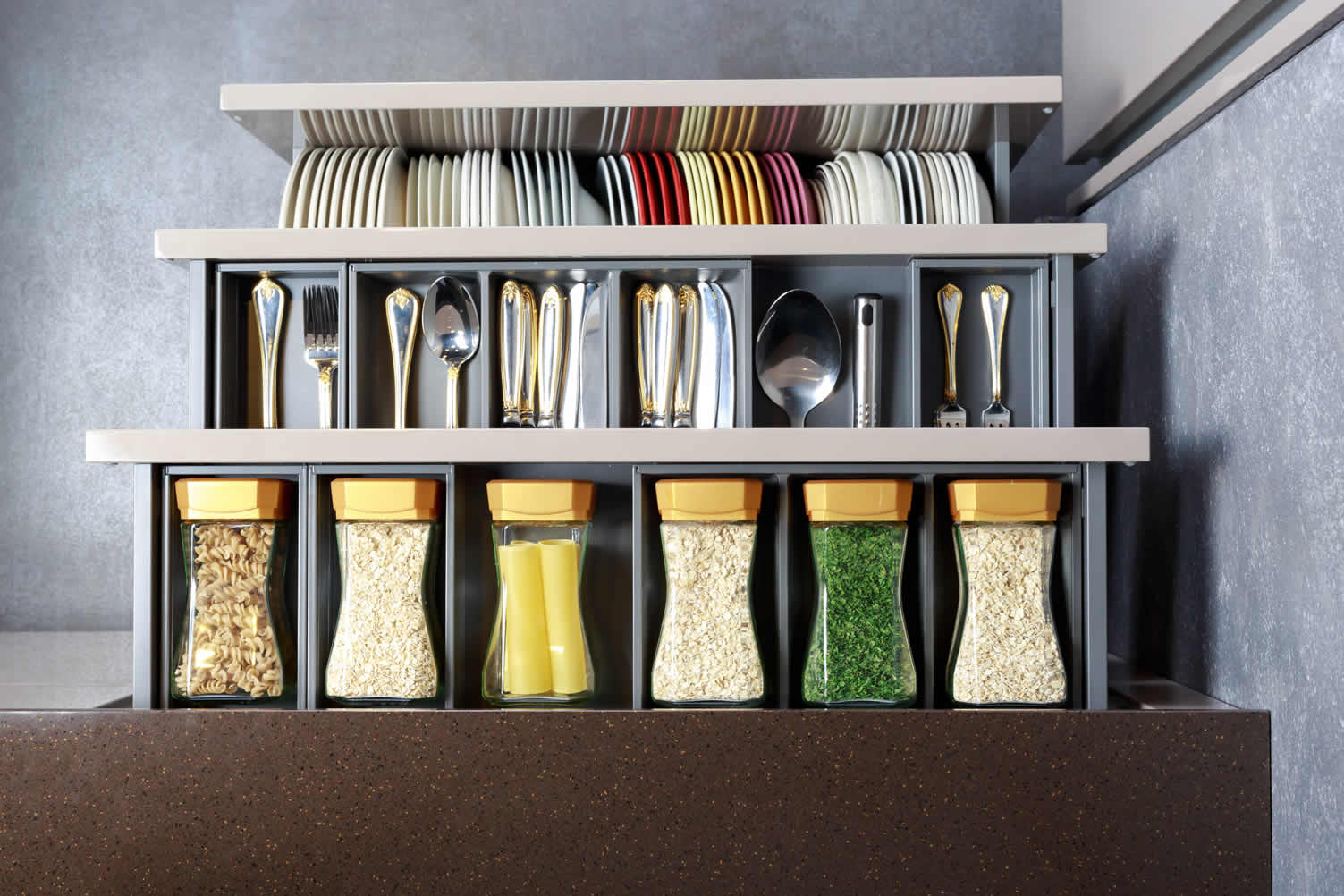
Kitchen drawers are one of the most versatile storage options in any kitchen, offering enclosed spaces that keep items out of sight while remaining within easy reach.
Properly using and organizing your drawers can significantly enhance the efficiency of your kitchen, making everyday tasks like cooking and meal prep smoother and more enjoyable. From utensils to specialty tools, each drawer can be tailored to meet the specific needs of your household.
[ view samples: kitchen drawer organization ]
-
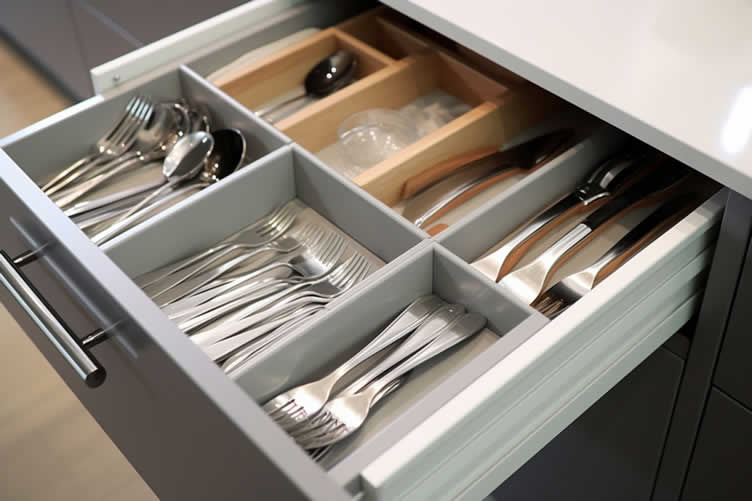
Flatware and Utensils Drawer
This drawer is typically designated for everyday flatware and cooking utensils. It often houses items such as forks, spoons, knives, and spatulas, ensuring they are accessible when needed. To maximize the utility of this drawer:
- Use adjustable dividers or a cutlery tray to separate utensils by type, such as forks, spoons, knives, and specialty tools. This not only keeps your drawer organized but also makes it easier to find exactly what you need while cooking or setting the table.
- Group similar items together, such as forks with forks and spoons with spoons, to keep your space organized and make it easier to find what you need quickly. This method not only saves time but also helps maintain a tidy and clutter-free area.
- Reserve the front section of the drawer for high-use items, like your favorite spatula or kitchen tongs, so they’re always within easy reach when you’re cooking or preparing meals. Keeping these essentials organized in a convenient spot can save you time and effort in the kitchen.
-
Specialty Tool Drawer
For avid cooks and bakers, a separate drawer for specialty tools is invaluable. This drawer could contain items like garlic presses, zesters, pizza cutters, or kitchen shears. To keep everything organized:
- Store small tools in shallow bins or stackable containers to prevent clutter and make it easier to find what you need quickly. Label each bin or container to keep everything organized and ensure tools are always in their proper place.
- Clearly label sections or containers to ensure quick and easy identification, helping you stay organized and save time when locating specific items.
- Regularly go through the contents to assess what you have and identify items you no longer use or need. This helps keep your space organized and ensures you’re only holding onto things that are truly useful or meaningful.
-
Junk Drawer
Every kitchen has a “miscellaneous” drawer, often referred to as the junk drawer. It’s a catch-all for items like pens, notepads, rubber bands, and batteries. To keep it functional:
- Use modular organizers with multiple compartments to keep your space tidy and efficiently store various items. These organizers are perfect for separating and categorizing items like office supplies, craft materials, or small household essentials, ensuring everything has its place.
- Take time to sort and declutter your space regularly to prevent clutter from piling up and becoming overwhelming. Set aside a specific day or time to go through items and decide what to keep, donate, or discard.
- Limit the contents to items that are genuinely useful in the kitchen or household, focusing on practical tools, essentials, or products that make everyday tasks easier and more efficient.
-
Spice Drawer
A dedicated spice drawer ensures your spices are organized and easily accessible while cooking. To optimize this space:
- Use tiered drawer inserts or flat spice racks to organize your spices efficiently and keep all jars visible at a glance. This setup not only saves space but also makes it easy to find what you need while cooking, eliminating the hassle of digging through cluttered cabinets.
- Arrange spices in alphabetical order to quickly find what you need while cooking. This simple system saves time and ensures you never lose track of your favorite seasonings.
- Consider transferring your spices into matching containers to create a cohesive, organized look in your kitchen. This not only saves space but also makes it easier to find what you need while cooking.
-
Dish Towel and Potholder Drawer
This drawer is perfect for storing clean dish towels, pot holders, and oven mitts. To maintain neatness:
- Fold towels uniformly into neat rectangles and stack them carefully to maximize available space in your closet or storage area. This not only keeps things organized but also makes it easier to grab what you need without creating a mess.
- Place a sturdy divider in the drawer to create designated sections for towels, potholders, and other kitchen essentials. This will keep everything neatly organized and easy to find when you need it.
- Keep a small sachet of lavender or baking soda in your linen closet to maintain a fresh, clean scent. Lavender sachets offer a soothing, natural fragrance, while baking soda helps to absorb any unwanted odors, ensuring your linens always smell pleasant and inviting.
copyright image by 123rf.com
[ pinterest: kitchen draw organization ideas ]
[ amazon: kitchen drawer organizer ]
-
-
2nd: Kitchen Pull-Out Cabinets
Efficient kitchen design is all about maximizing space while maintaining accessibility and convenience, and kitchen pull-out cabinets are an excellent example of this principle in action.
These versatile cabinets transform cluttered and hard-to-reach spaces into highly functional storage areas, making them a must-have feature for modern kitchens.
-
Purpose and Uses of Kitchen Pull-Out Cabinets
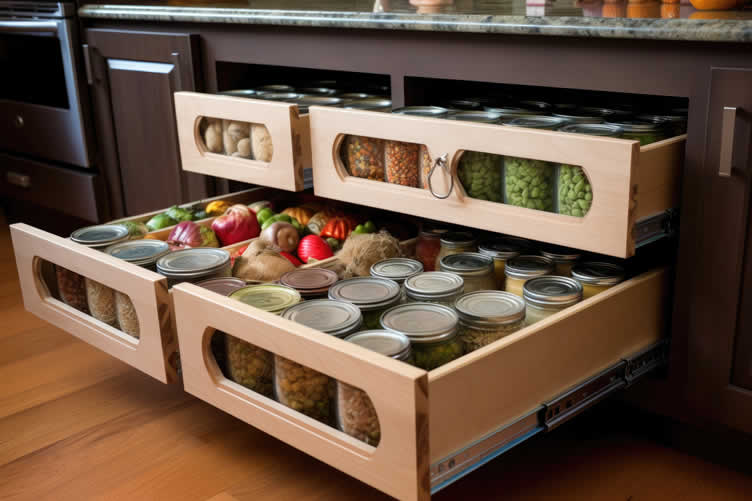
Pull-out cabinets are specifically designed to improve access to stored items, particularly in deep or narrow cabinets where traditional shelving may not be practical. The sliding mechanism enables you to see and retrieve items with ease, reducing the need to rummage through disorganized spaces.
These cabinets can be tailored to accommodate a range of kitchen essentials, such as pots and pans, utensils, spices, and pantry staples. By offering organized compartments or designated areas for specific items, pull-out cabinets enhance the overall functionality of your kitchen, saving time and effort.
[ view ideas: pull-out cabinets | pull-out dividers ]
-
Organization Tips for Pull-Out Cabinets
To make the most of your pull-out cabinets, consider these organization tips to maximize space and keep everything easily accessible:
-
Use Dividers and Inserts:
Place adjustable dividers or inserts within your pull-out cabinets to create customized compartments for various items, such as baking sheets, cutting boards, or pot lids.
These tools help keep your cabinets neat and organized by preventing items from shifting around when the cabinet is opened or closed.
-
Label Containers:
Store small items like spices, snacks, or cleaning supplies in clear, labeled containers to keep your space organized and clutter-free. Using clear containers allows you to see what’s inside at a glance, while labels help ensure everything has a designated place.
-
Categorize by Frequency of Use:
Arrange items based on how frequently you use them to keep your space organized and functional. Store daily essentials, like cooking utensils, spices, or toiletries, at the front or top of the pull-out for quick and easy access whenever you need them.
Meanwhile, items you use less often, such as specialty tools, seasonal items, or backup supplies, can be placed toward the back or bottom to avoid cluttering the space. This method ensures everything has its place and makes your daily routines more efficient.
-
Maximize Vertical Space:
Install tiered shelves or stackable bins within pull-out cabinets to make the most of the full height of the space. By organizing items vertically, you can maximize every inch of your cabinets, making them far more efficient.
This approach is particularly useful for doubling your storage capacity for smaller items like spices, canned goods, or even kitchen gadgets, keeping everything easily accessible and neatly arranged.
-
copyright image by 123rf.com
[ pinterest: how to organize pull out kitchen cabinets ]
[ amazon: pull out kitchen cabinet organizer ]
-
-
-
ideas to view and compare from the information discussed above
kitchen drawer organizerorganizer: foil/plastic wrapdrawer hardware
Scroll up to directory … or scroll to next section about kitchen organization tips …

plan the specifications you need for making …

… key home improvement and remodeling decisions


fifth “photo remodeling” idea
copyright image by 123rf.com
Organize Tip 5: More Kitchen Organization Tips
Notes:
-
A well-organized kitchen not only enhances the overall aesthetic of the space but also simplifies daily tasks and cooking routines. Beyond organizing drawers, there are numerous creative and effective ways to optimize your kitchen’s layout and storage.
By incorporating additional methods such as utilizing vertical storage, organizing containers, and re-purposing kitchen space, you can maximize efficiency and maintain a clutter-free environment. Exploring these ideas will help you create a kitchen that is both visually appealing and highly functional.
-
Quick scroll to “other organization” side notes …
-
-
1st: Kitchen Countertop and Mounted Organizers
Maximizing the utility of your kitchen space often requires innovative solutions that blend functionality with aesthetics. Countertop and wall-mounted (or ceiling-mounted) organizers are game-changers when it comes to keeping your kitchen tidy and efficient.
These tools help you make the most of limited space while ensuring that essential items are always within arm’s reach. By combining clever placement with practical designs, these organizers are perfect for maintaining an uncluttered and visually appealing kitchen.
[ view samples: kitchen counter/mounted organization ]
-
Countertop Organizers
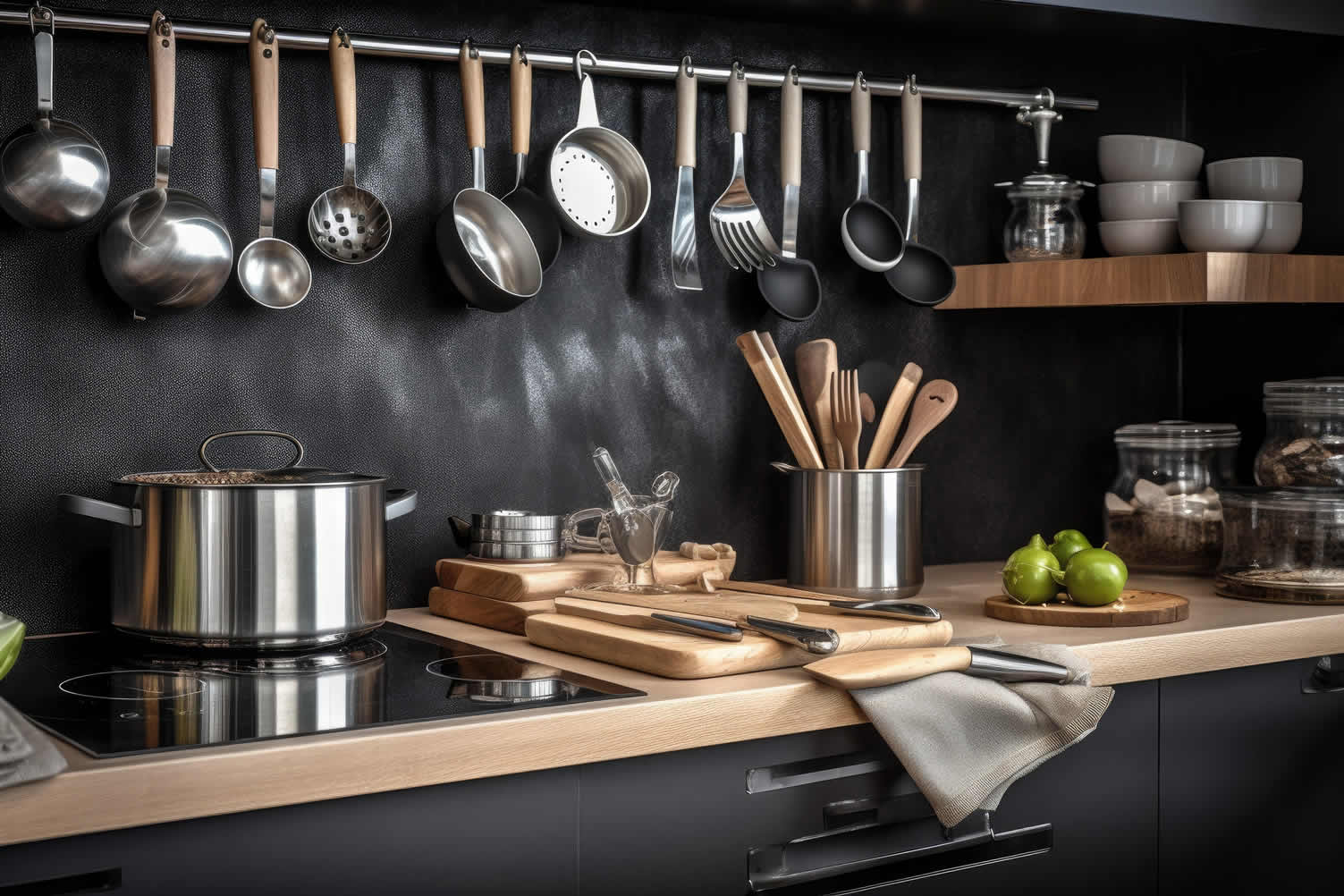
Countertop organizers are designed to keep frequently used items neatly arranged while saving space on your counters. Options such as tiered trays, utensil holders, and expandable racks make excellent additions to any kitchen.
Tiered trays, for instance, can hold fruits, spices, or condiments, creating vertical storage on your counter. Utensil holders keep your cooking tools organized and accessible, while cutting down the time spent searching for the right spoon or spatula.
Furthermore, expandable racks are ideal for storing dishes, cutting boards, or mugs in a compact format that adjusts to your space requirements.
-
Wall-Mounted Organizers
Wall-mounted organizers utilize vertical space on your kitchen walls, freeing up your counters for cooking and preparing meals. Magnetic knife strips, spice racks, or pegboards are popular choices that combine convenience with style.
Magnetic strips securely hold knives and metal tools, making them easy to grab while cooking. Wall-mounted spice racks offer a dedicated place for spices, eliminating clutter from your countertops or cabinets.
Pegboards, on the other hand, provide a customizable option for hanging utensils, pots, or even small baskets, offering an adaptable storage solution for your unique needs.
-
Ceiling-Mounted Organizers
Ceiling-mounted organizers are ideal for kitchens lacking counter or wall space. These innovative solutions, such as hanging pot racks or ceiling hooks, allow you to suspend frequently used cookware and utensils, keeping them within easy reach.
Hanging pot racks can store pots, pans, and even lids, saving you cabinet space while adding a rustic or modern touch to your decor.
Ceiling hooks provide a minimalist option for hanging mugs, strainers, or smaller kitchen tools directly above your workspace. These organizers are particularly useful for open-concept kitchens or islands, where floor space is at a premium.
By incorporating countertop, wall-mounted, and ceiling-mounted organizers into your kitchen, you can achieve a harmonious blend of functionality and style. These clever solutions provide versatile options tailored to your space, enhancing the overall efficiency and design of one of the most important areas in your home.
Kitchen Counter/Mounted Organization
google images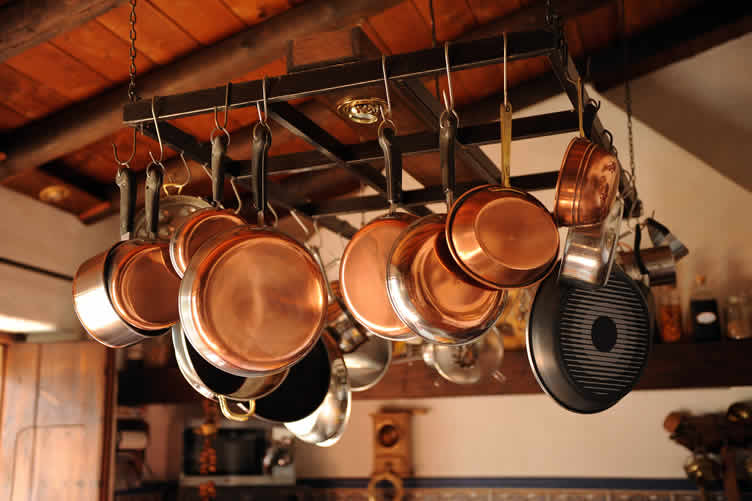
copyright image by 123rf.com
[ pinterest: kitchen wall mounted organizer ]
[ amazon: wall mounted kitchen organizer ]
-
-
2nd: Using Shelves and Racks
Shelves and racks are versatile and space-saving solutions that take kitchen storage to the next level. These functional additions not only maximize your available space but also keep your essentials easily accessible.
Whether mounted on walls, placed in cupboards, or freestanding, shelves and racks can be tailored to fit kitchens of all sizes and styles. Below are segmented suggestions highlighting the different types and uses of shelves and racks for a more organized kitchen.
[ see below: kitchen shelving and racks ]
-
Wall-Mounted Shelves
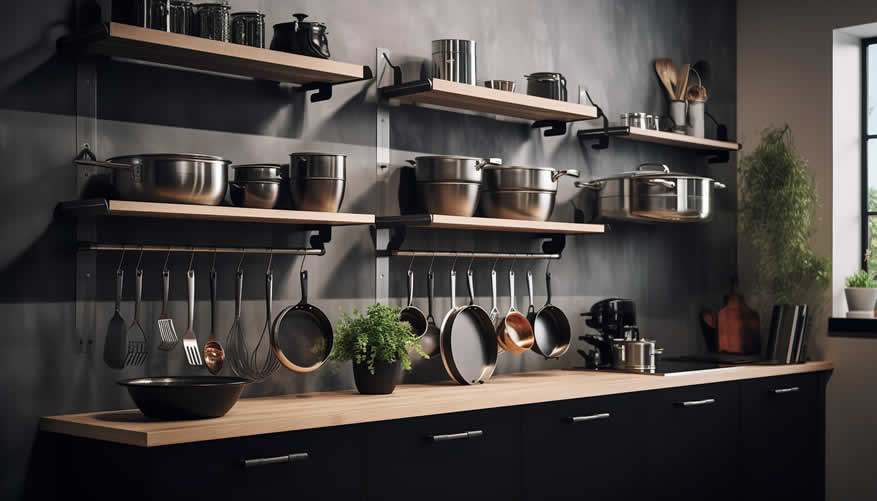
Wall-mounted shelves are perfect for utilizing vertical space and decluttering countertops. These shelves can be installed near cooking stations to hold spices, oils, or recipe books, keeping frequently used items within arm’s reach.
Clear acrylic, wooden, or metal designs can match your kitchen’s aesthetic while offering practical storage. Wall shelves are especially ideal for small kitchens with limited counter space.
-
Freestanding Shelving Units
Freestanding shelving units are versatile for kitchens with extra floor space. These standalone racks can store larger appliances, bins of dry goods, or even serve as a pantry alternative.
Many are designed to be adjustable, allowing you to customize shelf heights to accommodate bulky or tall items. Freestanding units are also portable, making them easy to reposition or re-purpose as your needs evolve.
-
Corner Shelving
Corner shelving optimizes often-overlooked spaces in the kitchen. Designed to fit snugly into corners, these shelves are excellent for small kitchens where every square inch counts.
They can hold small bowls, accessories, or decorative plants to add a functional and stylish touch. Swiveling “lazy Susan” corner racks are another option that provides accessible storage in corner cabinets or counters.
-
Ceiling-Mounted Racks
Ceiling-mounted racks, primarily used for pots and pans, offer a dramatic and efficient storage solution. These racks free up cabinet space while displaying your cookware in an organized manner.
With sturdy designs made from wrought iron, stainless steel, or wood, they combine aesthetics with functionality. Hanging racks are perfect for creating a chef-like ambiance in your kitchen.
-
Pull-Out Racks and Shelves
Pull-out racks and shelves provide a clever storage option, especially for cabinets. These racks slide outward, allowing you to access items stored in the back effortlessly.
They are ideal for organizing utensils, cleaning supplies, and small pantry items. Installing pull-out racks can significantly upgrade your kitchen’s accessibility and reduce wasted space.
copyright image by 123rf.com
[ pinterest: kitchen shelving ideas ]
[ amazon: kitchen floating shelves ]
-
-
3rd: Expanding Your Kitchen Organization Options
Harnessing the potential of other innovative storage solutions can take your kitchen organization to the next level. These options are designed to maximize space, simplify access, and keep your essentials neatly arranged.
Each solution caters to specific storage challenges, providing you with versatile and practical methods to streamline your kitchen’s functionality and aesthetic appeal.
[ see below: expanding options storage ]
-
Under-Sink Storage
The area beneath your sink is often underutilized yet full of potential. Installing adjustable shelves or stackable bins can help organize cleaning supplies, sponges, and trash bags.
Consider pull-out trays to make accessing items in this notoriously tricky space effortless. By optimizing under-sink storage, you can eliminate clutter and make better use of this concealed area.
-
Magnetic Spice Racks for the Side of the Refrigerator
Magnetic spice racks are a clever way to free up cabinet and counter space. These racks attach to the side of your refrigerator, keeping your spices within easy reach while creating visual order. They’re perfect for small kitchens where every inch counts and offer a modern touch to your kitchen organization setup.
You can also use these racks to store other kitchen items such as mugs, small utensils, and other essentials, keeping them within easy reach while saving valuable counter space. It’s a practical solution for organizing your kitchen and maintaining a clutter-free environment.
-
Rotating Trays (Lazy Susans)
Rotating trays, commonly known as Lazy Susans, are a versatile option for organizing items in hard-to-reach areas like corner cabinets or pantry shelves.
They allow for a quick and thorough view of stored items, minimizing the risk of forgotten or expired goods. Available in various sizes, they can hold everything from spices to jars and condiments.
-
Hooks and Bins
Adding hooks and bins to your organization plan creates flexible storage for utensils, dishcloths, or even fresh produce.
Wall-mounted or cabinet-mounted hooks can keep frequently used items within arm’s reach, while bins serve as catchalls for miscellaneous kitchen tools. Together, these options maintain order while adding a level of accessibility ideal for busy home cooks.
-
Baskets
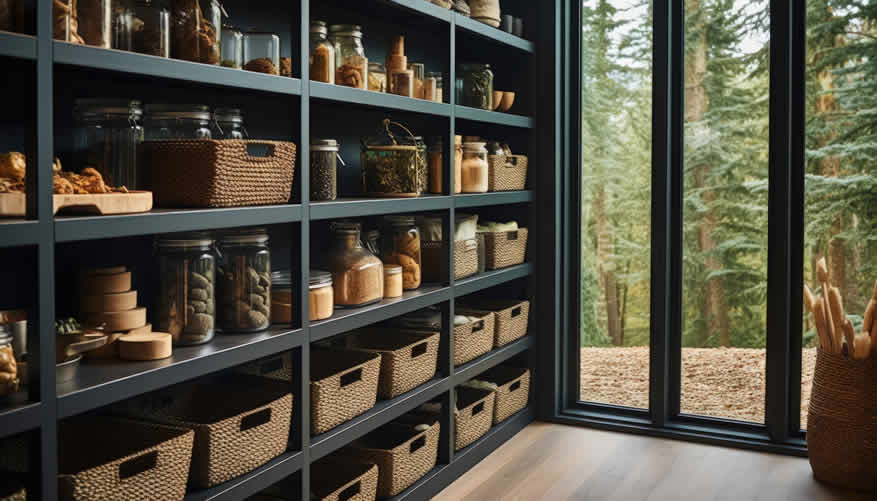
Baskets, especially woven or decorative ones, offer both functionality and aesthetic appeal. They can be used to store anything from potatoes and onions to small baking tools or snacks, ensuring items stay grouped and tidy. For cabinets or pantry shelves, labeled baskets make it easy to locate ingredients quickly, while also reducing clutter.
Opt for stackable options to maximize vertical space or open-sided designs for visibility, depending on your specific needs. Baskets not only foster organization but also add a touch of charm to your kitchen’s overall look.
-
Over-the-Door Organizers
Doors are an overlooked resource for kitchen organization. Over-the-door organizers are an excellent way to utilize this vertical space for storing pantry staples, cleaning products, or even baking sheets.
With multiple compartments or tiers, they can declutter crowded shelves and cabinets, offering a practical solution for small or minimalist kitchens.
-
Magnetic Racks and Strips
Magnetic racks and strips are innovative solutions for vertical storage that can be attached to walls, sides of cabinets, or even refrigerators. They are perfect for holding metal utensils, knives, or spice jars with magnetic bases.
This not only saves counter space but also keeps essential items easily accessible while adding a modern touch to your kitchen.
-
Other Unique Storage Solutions
Beyond the standard options, you can explore tools like stackable can racks, hanging baskets, or even drawer dividers.
For example, stackable can racks ensure your pantry stays neat and optimized, while hanging baskets can house fruits or vegetables in style. These creative solutions enhance your kitchen organization and help personalize the space according to your specific needs.
copyright image by 123rf.com
[ amazon: magnetic racks for refrigerator ]
[ amazon: kitchen labeled hyacinth baskets ]
-
-
4th: Kitchen Organization for Small Kitchens
Maximizing space in a small kitchen can be a challenge, but with thoughtful organization and clever storage solutions, even the tiniest of kitchens can become efficient and visually appealing. Whether you’re dealing with limited counter space or cramped cabinets, there are numerous strategies that can make your small kitchen feel more open and functional.
Here are some segmented ideas to help you transform your compact kitchen into a practical and stylish space.
-
Vertical Storage Solutions
When floor space is limited, think vertically. Install wall-mounted shelves or racks to store spices, dishes, and other items that might otherwise crowd your counters.
Magnetic strips can hold metal utensils or knives, while hooks under cabinets can serve as a home for mugs or small pots. Extending your storage upwards not only saves space but also keeps everyday items within easy reach.
-
Pull-Out Cabinets and Drawers
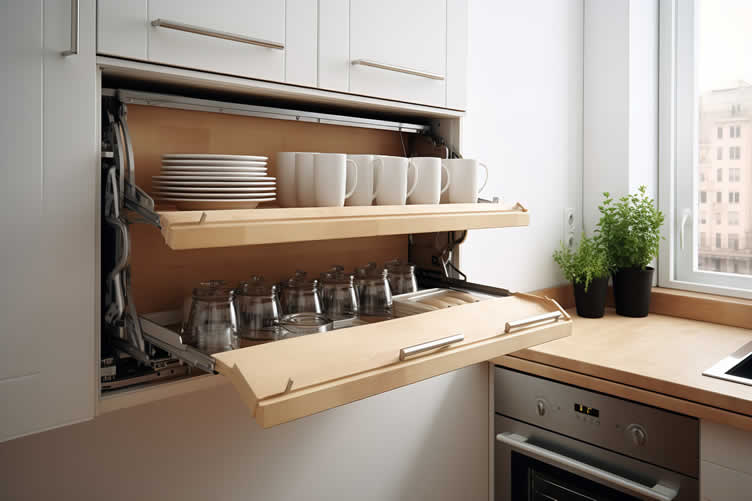
Pull-out cabinets and drawers are an excellent way to keep your small kitchen organized while making use of otherwise overlooked spaces.
Install pull-out shelves in your lower cabinets to store pots, pans, and lids, or use them to create a dedicated space for pantry items like canned goods. These sliding features make it easier to see and access stored items without rummaging through cluttered shelves.
-
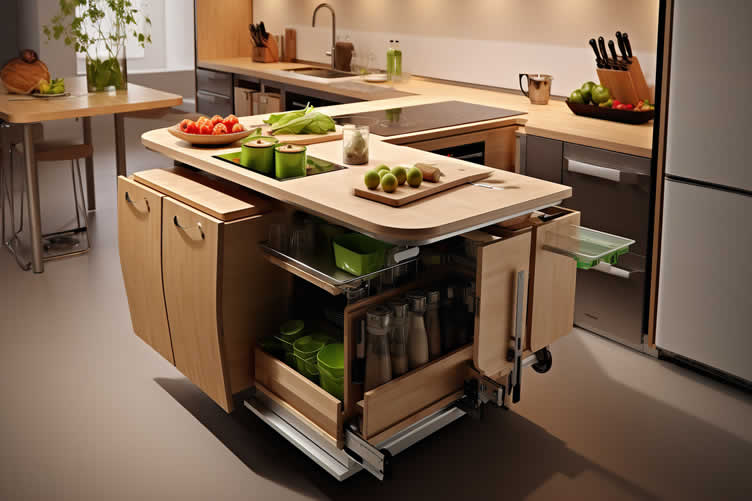
Use Multi-Purpose Furniture
Opt for furniture that serves multiple purposes to conserve space in your small kitchen. For example, a kitchen island with built-in storage or foldable tables that can be tucked away when not in use.
Stools with hidden compartments can be used as extra seating while providing a place to store utensils or other essentials.
-
Under Sink Organization
The cabinet under the sink is often an underutilized area in most kitchens. Use stackable bins or adjustable shelves to make the most of this space.
Consider installing tension rods to hang cleaning bottles or utilize drawer organizers to separate sponges, brushes, and other cleaning supplies. This keeps the space tidy and ensures easier access when you need it.
-
Maximize Door Space
The inside of cabinet doors is a commonly overlooked area that can serve as a valuable storage solution. Attach adhesive hooks or small racks to the doors to hold cutting boards, lids, or measuring cups.
Over-the-door storage solutions for pantry doors can hold snacks, spices, or other lightweight items, freeing up shelf space elsewhere.
These strategies ensure that no inch of your small kitchen goes unused while maintaining an orderly and aesthetically pleasing appearance. With the right tools and creative thinking, even the smallest kitchens can feel spacious and functional.
copyright image by 123rf.com
[ pinterest: small kitchen organization ideas ]
[ youtube: rules for small kitchen organization ]
-
-
-
ideas to view and compare from the information discussed above
Scroll up to directory … or scroll to next section about kitchen organization tips …

Budgeting Worksheet For Costing Home Remodeling and Home Improvement Decisions
 File Type (excel)


get the size dimensions for any home remodeling project …
… for functionality, aesthetics, and adhering to building codes



Find Kitchen Remodeling Services Kitchen Remodeling and Design Cabinets & Countertops Flooring Lighting Design Painting & Staining top-rated, pre-screened local contractors FREE: download contractor selection enter zip code – powered by HomeAdvisor ™
Quick Contractor Guides selecting negotiating working with inspecting

sixth and last “photo remodeling” idea

copyright image by 123rf.com
Organize Tip 6: Maintaining Your Kitchen Organization
Notes:
-
Keeping your kitchen organized requires consistent effort, but it doesn’t have to be overwhelming. Start by designating a regular time—monthly or quarterly—to assess and reorganize. During these sessions, check for expired food items in your pantry and refrigerator and dispose of them to free up valuable space.
Stay mindful of the original organization system you created, ensuring items are returned to their designated spots after use. Investing in habits like cleaning as you cook or putting utensils back immediately after washing can prevent clutter from building up.
Regularly evaluate your kitchen setup to see if it’s working for your current needs, and be open to rearranging when necessary to maintain efficiency and order.
-
Quirk scroll to topic "maintaining" side notes …
-
-
1st: Daily Habits for Kitchen Maintenance
Even the best organization strategies will fall apart without consistent maintenance. Adopt small, daily habits that help you stay on top of things. Commit to tidying up the kitchen after every meal—it’s much easier to clean as you go rather than letting messes pile up.
Practice mindful restocking by only buying what you truly need and immediately placing groceries in their designated spots when you return from the store.
Establish a routine for deep cleaning your cabinets and drawers every few months to address accumulated crumbs, expired foods, and unnecessary items.
- Create designated zones for different categories of items, such as snacks, baking supplies, or canned goods, to make everything easily accessible and reduce clutter.
- Cabinets, drawers, and pantries can become easy dumping grounds for items that don’t have a permanent home. To combat this, focus on assigning clear roles to every space.
- Label shelves or containers to ensure that everyone in the household knows where items belong, promoting consistency and organization.
- Implement a "first in, first out" rule for perishables, ensuring older products are used before newer ones to minimize waste.
- ———-
- Avoid overloading your cabinets or pantry by keeping storage spaces no more than 80% full, allowing for easy navigation and retrieval of items.
- Establish a “no miscellaneous clutter” rule for countertops, limiting those spaces to essential items like frequently used appliances or a clean workspace for food preparation.
- Spices, small jars, and extra lids can be simplified with stackable organizers or lazy Susans that provide visibility and easy access.
- Use adjustable dividers or drawer inserts for utensils and larger cooking tools to prevent them from turning into a jumbled mess.
- ———-
- Pantry spaces tend to be the biggest challenge. You can maximize these by categorizing items into bins or clear containers, making sure to label everything.
- Use airtight containers for items like flour, sugar, and pasta, so they stay fresh longer while looking neat.
- Place taller items at the back of your pantry shelves and smaller, frequently used items toward the front for quick retrieval.
copyright image by 123rf.com
-
2nd: Smart Home Automation for Kitchen Organization
Smart home technology has revolutionized the way we manage our homes, and the kitchen is no exception. With innovative devices and systems, you can take your kitchen organization and maintenance to the next level.
By integrating automation, you can not only save time but also maintain a cleaner, more efficient cooking space. Here are some specific ways to leverage smart home automation for better kitchen organization.
-
Smart Inventory Management
Smart refrigerators and connected pantry devices can help you keep track of your kitchen inventory. These appliances feature built-in sensors and apps that monitor expiration dates, notify you when supplies are running low, and even generate shopping lists for you.
By automating inventory tracking, you’ll never run out of essentials or end up with expired food items cluttering your kitchen.
-
Automated Lighting Solutions
Good lighting is key to maintaining an organized kitchen, and smart lighting systems can make this even easier. Motion-activated lights can illuminate drawers, cabinets, and pantry spaces when opened, helping you to quickly locate items without rummaging around.
Furthermore, you can schedule lights to turn on or off at specific times to ensure a well-lit workspace during peak cooking hours.
-
Voice-Controlled Assistants
Voice-activated smart assistants like Amazon Alexa or Google Assistant can simplify your kitchen organization. Use voice commands to create grocery lists, set reminders to clean out the fridge, or schedule regular pantry organization.
Additionally, you can control other smart devices hands-free, such as turning off slow cookers or adjusting smart lighting.
-
Smart Storage Organization
Some smart home solutions include connected storage systems that sync with an app to provide real-time tracking. Smart cabinets and containers can remind you of what’s stored inside, along with details like contents and quantities. This makes it easier to maintain order in your kitchen and avoid messy, unorganized spaces.
-
Appliance Maintenance Alerts
Many smart kitchen appliances come equipped with maintenance notification systems. For instance, a smart dishwasher can alert you when it’s time to restock rinse aid or clean its filter, while a connected oven might remind you of cleaning schedules.
These notifications minimize wear and tear, keeping your appliances in optimal working condition, thus contributing to an orderly kitchen environment.
-
Streamlined Cleaning Schedules
Automation tools like robotic vacuums and mop systems can help keep your kitchen floors clean without manual effort. Regularly scheduled cleaning can reduce clutter and maintain hygiene, making it easier to stay on top of your kitchen’s organization.
By adopting smart home automation for your kitchen, you can reduce manual tasks, improve efficiency, and maintain an organized, stress-free cooking space. With the right tools and systems in place, modern technology can transform your kitchen into a seamless hub of productivity.

copyright image by 123rf.com
-
-
3rd: The Future of Kitchen Organization
With technology advancing and home design continuously evolving, the future of kitchen organization is set to become more sophisticated, efficient, and tailored to individual needs.
Kitchens of tomorrow will go beyond traditional storage solutions, incorporating smart systems, modular designs, and eco-friendly materials to transform the way we cook, store, and interact with our spaces. These innovations aim to save time, reduce waste, and enhance the overall experience of the modern kitchen.
-
Smart Storage Solutions
Future kitchens will feature intelligent storage systems equipped with integrated sensors and AI technology. These systems can track inventory levels, suggest grocery lists, and even provide expiration alerts for perishable items.
For example, cabinets and pantries may come with built-in LED panels that display item availability and help categorize contents, eliminating the need for manual organizing. This level of connectivity will ensure a more seamless and efficient use of storage spaces.
-
Modular and Flexible Designs
Adaptability will define the next generation of kitchen organization. Modular designs will allow homeowners to rearrange storage units and cooking stations based on their specific needs.
Pull-out shelving, adjustable dividers, and customizable drawer configurations will make kitchens highly versatile and functional, regardless of space limitations. This flexibility will particularly benefit smaller kitchens, where maximizing every inch of space is essential.
-
Eco-Friendly Materials and Practices
Sustainability will play a pivotal role in the future of kitchen organization. Expect to see a rise in storage solutions made from recycled or biodegradable materials that align with environmentally conscious living.
Additionally, systems for sorting and managing waste, such as integrated compost bins or recycling stations, will become a standard feature. These advancements will not only help reduce kitchen-related waste but also promote eco-friendly habits in everyday life.
-
Smart Appliance Integration
The kitchens of the future will seamlessly integrate smart appliances with organizational systems. Imagine having a refrigerator that communicates with pantry sensors to suggest meals based on available ingredients or smart cabinets that automatically restock commonly used items by placing online orders.
These interconnected systems will work together to save time and effort, while enhancing both functionality and convenience.
-
Personalized Solutions Through Data
Data-driven design will enable kitchens to cater to individual preferences like never before. Using technology to analyze cooking habits, storage utilization, and dietary patterns, future kitchen systems will offer personalized organization recommendations.
From tailored layouts to optimized ingredient storage methods, these insights will ensure each user’s kitchen is perfectly suited to their unique lifestyle.
The future of kitchen organization is undoubtedly exciting, combining cutting-edge technology with innovative design to create spaces that are smarter, greener, and more adaptable than ever before. These advancements will not only elevate the efficiency of our kitchens but also transform them into harmonious hubs that inspire creativity and sustainability.

copyright image by 123rf.com
[ pinterest: smart kitchen organization ]
[ youtube: hidden appliance storage systems ]
-
-
-
FINAL REMARKS
An organized kitchen isn’t just about keeping things neat—it profoundly impacts your daily well-being. Knowing where everything is allows you to cook with ease and prioritize better food choices because you’re not stuck wading through a sea of expired pasta or mismatched lids.
Now that you know how to make your kitchen work for you, it’s time to put these tips into action. Start small, be patient, and remember that kitchen organization is an ongoing process.
We’d love to hear how these strategies are working for you! Do you have any favorite home storage solutions or space-saving tools we didn’t include?
Share your photos or tips in the comments below and join our community of homeowners who are turning their kitchens into their favorite spaces.
-
ideas to view and compare from the information discussed above
ceiling mounted shelveshanging pot rackkitchen island with storage
- What comments can you share about
kitchen organization tips?
Scroll up to directory … or scroll to more home interior home-related topics …
view illustration “becoming a bank”

Calendar For:
Home Maintenance
File Type:



… view our sharing links below for a quick "share the knowledge"
Cover image credit: kitchen organization tips by 123rf.com
end of post … please share it!
 |
did you find these simple kitchen organization tips helpful? If so, please share the article with your friends and family! |
Nice pic idea? Leave us a quick comment below.
And please share this pic idea within your social networks.