Summary Outline –
Sustainability is not just a trending word these times; it is changing the way buildings are made in 2025. There are a lot of climate problems and fewer resources, which is why building in an environmentally friendly way is now a necessity, not just an optional extra.
The main thing is to make places that can stay for a long time, reduce garbage, and not hurt planet Earth much. This guide is about why building sustainability is important now, explaining the good sides and simple actions that make it very important for now and the future.

-
Quick scroll to first topic about sustainable building practices …

first “sustainable building practices” idea

copyright image by 123rf.com
Sustainable Tip 1: Addressing Environmental Challenges
Notes:
-
Construction has always been a major contributor to environmental issues—it consumes vast amounts of energy and produces significant emissions. In 2025, sustainable practices step up to tackle that head-on.
Think of materials that don’t drain the earth dry and designs that slash energy use. It’s a shift that’s critical when every bit of carbon counts toward slowing down climate chaos.
Water is another big piece of this puzzle. Buildings that guzzle less—or even recycle what they use—help ease the strain on tapped-out supplies. Picture systems that catch rainwater or reuse greywater for landscaping.
These moves don’t just save resources; they keep ecosystems from buckling under the pressure of urban sprawl. Waste piles up fast on job sites, but sustainable methods flip the script.
Reusing scraps, picking recyclable stuff, and designing with less junk in mind cuts what heads to landfills. It’s a practical fix that keeps the planet cleaner and proves building smart doesn’t mean building sloppy—quite the opposite.
-
Quick scroll to “environmental challenges” side notes …
-
-
1st: Types of Sustainable Materials to Use
When considering sustainable building practices, the selection of materials plays a pivotal role in minimizing environmental impact while creating a durable and energy-efficient structure.
Sustainable materials are those that are responsibly sourced, environmentally friendly, and promote long-term efficiency, ensuring that your project remains both eco-conscious and cost-effective.
Below, we outline several types of sustainable materials, along with their benefits and applications, to help guide your choices.
[ view samples below: sustainable materials ]
-
Recycled and Reclaimed Materials
Using recycled and reclaimed materials helps reduce waste and the demand for virgin resources, making your build inherently more sustainable. Common options include reclaimed wood from old buildings or furniture, recycled metal for structural or decorative purposes, and materials made from post-consumer waste, such as recycled glass tiles.
These materials not only lower environmental impact but often add character and uniqueness to a project. According to a study by the Journal of Cleaner Production, incorporating reclaimed materials can significantly decrease carbon emissions associated with construction.
-
Bamboo
Bamboo has emerged as a favorite eco-friendly material for flooring, cabinetry, and furniture. Its rapid growth rate and ability to regenerate without needing replanting make it a highly renewable resource.
Additionally, bamboo is lightweight yet incredibly durable, making it suitable for various applications in construction and interior design. The Forest Stewardship Council (FSC) certifies responsibly harvested bamboo, so look for FSC-certified products to ensure sustainable sourcing.
-
Cork
Cork is another renewable material obtained from the bark of cork oak trees, which regrows after harvesting. This versatile material offers excellent thermal and acoustic insulation, making it ideal for flooring and wall panels.
Additionally, cork is hypoallergenic and resistant to mold and mildew, providing a practical option for healthy and sustainable living spaces. By choosing cork products sourced from managed forests, you help preserve biodiversity.
-
Low-VOC Paints and Finishes
Traditional paints and finishes often release volatile organic compounds (VOCs) that contribute to indoor air pollution and environmental harm. Opting for low-VOC or VOC-free alternatives promotes healthier indoor air quality and reduces the ecological footprint of your project.
Low-VOC products are widely available in a variety of colors and finishes, allowing you to achieve beautiful results without compromising sustainability. The U.S. Environmental Protection Agency (EPA) lists approved low-VOC finishes under its Safer Choice program.
-
Engineered Timber
Engineered timber, such as cross-laminated timber (CLT) and glued laminated timber (glulam), is created by bonding layers of wood to produce a high-strength construction material. It is a sustainable alternative to traditional steel or concrete, as it has a lower carbon footprint while providing excellent load-bearing capabilities.
Furthermore, engineered timber can be crafted from sustainable harvested wood, making it an eco-conscious choice for framing and structural components.
-
Insulation Made from Natural Fibers
Sustainable insulation materials, such as sheep’s wool, cellulose, or hemp, are increasingly popular for their eco-friendly properties. These natural materials are highly effective in regulating indoor temperatures, reducing energy consumption for heating and cooling.
Cellulose insulation, for example, is typically made from recycled paper products, while hemp and wool are biodegradable and non-toxic, offering a safer alternative to synthetic insulation.
By incorporating these sustainable materials into your build or home remodel, you not only address modern environmental challenges but also create a space that is healthier, more efficient, and aligned with long-term sustainability goals.
Taking the time to source eco-friendly products and solutions today will pay dividends for both the environment and your future quality of life.

copyright image by 123rf.com
[ view diagram: sustainable home building examples ]
[ youtube: Build Green: 10 Eco-Friendly Materials ]

-
-
2nd: Water-Saving Techniques for a Sustainable Living
Water conservation is a critical component of sustainable building practices. With growing concerns about water scarcity and environmental preservation, incorporating water-saving techniques into your build or remodel can significantly reduce your environmental footprint.
These strategies not only help conserve water but also decrease utility costs and promote long-term sustainability. Below are some effective water-saving techniques and water recycling methods to consider.
[ view samples blow: water saving techniques ]
-
Low-Flow Fixtures and Fittings
Low-flow plumbing fixtures, such as faucets, showerheads, and toilets, are an excellent way to reduce water usage without compromising performance. Modern low-flow showerheads and faucets use aerators to maintain water pressure while significantly limiting the flow rate.
Similarly, dual-flush toilets provide users with the option to use less water for liquid waste, cutting water consumption by up to 60% compared to traditional toilets.
Installing these fixtures can make a significant difference over time, saving thousands of gallons of water annually.
-
Rainwater Harvesting Systems
Rainwater harvesting involves collecting and storing rainwater from roofs for later use. This water can be utilized for irrigating gardens, flushing toilets, and even non-potable household needs like laundry.
Installing a rainwater collection system with gutters, filters, and storage tanks can help reduce reliance on municipal water supplies and provide a sustainable source of water.
According to the U.S. Environmental Protection Agency (EPA), a rainwater harvesting system can save up to 50% of outdoor water usage annually in regions with adequate rainfall.
-
Greywater Recycling Systems
Greywater systems recycle wastewater from sinks, showers, tubs, and washing machines, redirecting it for non-potable uses such as irrigation or toilet flushing. These systems reduce the demand on fresh water supplies and help conserve resources in households.
By installing a greywater recycling system, you can reuse water that would otherwise go to waste while still adhering to local regulations and treatment standards.
Many states and municipalities in the U.S. now provide guidelines for safe and eco-friendly greywater use, ensuring its practicality and legality.
-
Smart Irrigation Systems for Landscaping
Landscaping often accounts for a significant portion of household water use. Smart irrigation systems use weather-based controllers and soil moisture sensors to optimize water delivery to plants and lawns.
These systems ensure that only the necessary amount of water is applied, minimizing waste due to over-watering or evaporation.
Coupling this system with drought-tolerant landscaping techniques, such as xeriscaping, further enhances water efficiency in outdoor spaces.
-
Permeable Paving to Reduce Runoff
Permeable paving materials, such as porous concrete or pavers, allow rainwater to naturally infiltrate into the ground, reducing surface runoff and replenishing groundwater supplies.
Using permeable materials around driveways, patios, and paths can enhance water management on your property and reduce the strain on storm-water systems, especially in urban areas prone to flooding.
By integrating these water-saving techniques and recycling systems into your project, you can create a resource-efficient building that aligns with eco-conscious principles.
Investing in these solutions not only benefits the environment but also ensures financial savings and a more sustainable future for generations to come.

copyright image by 123rf.com
-
-
-
ideas to view and compare from the information discussed above
book: sustainable designbamboo home productsreclaimed barn wood planks
Scroll up to directory … or scroll to next section about sustainable building practices …

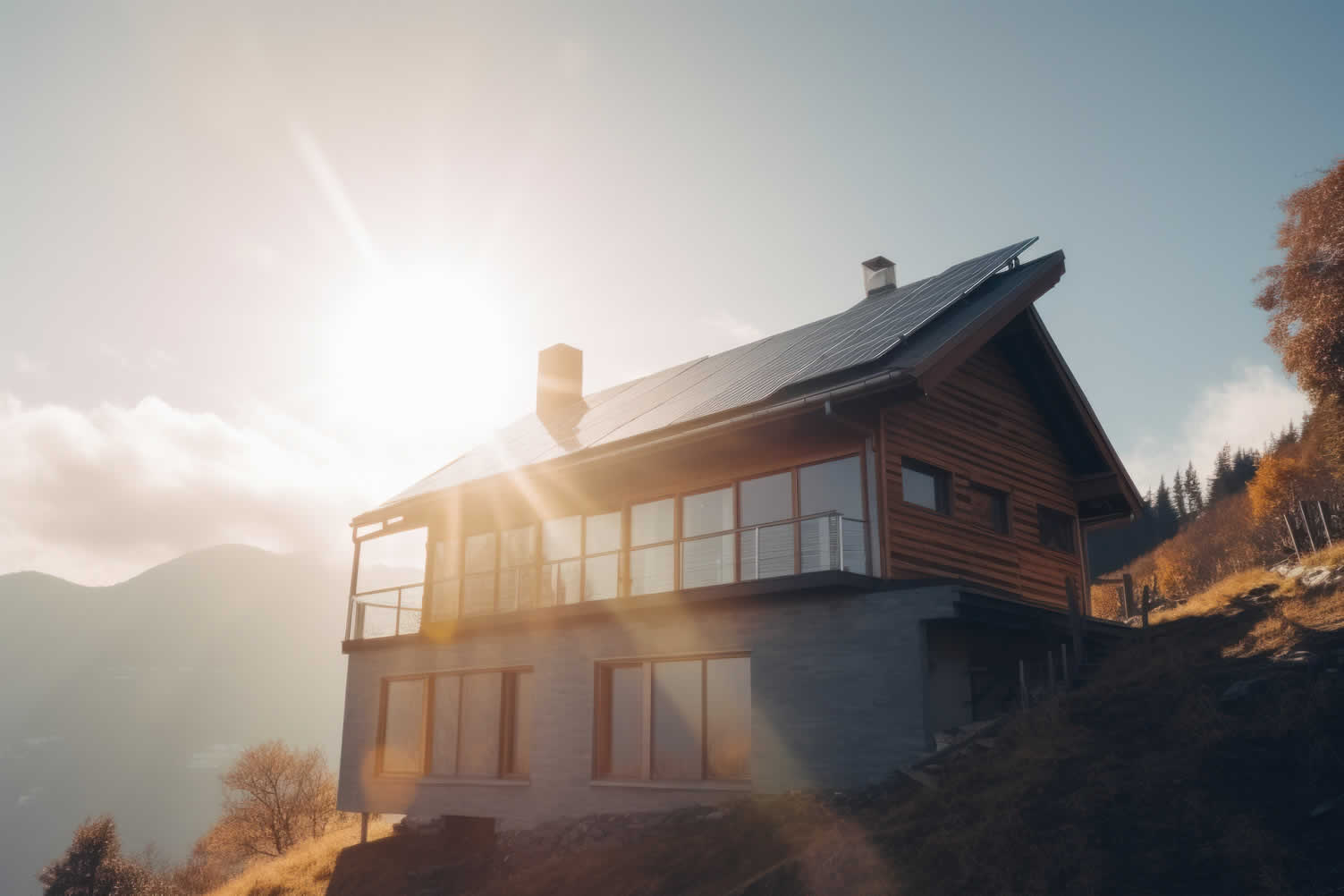
… by using solar to power your home and building




second “photo remodeling” idea
copyright image by 123rf.com
Sustainable Tip 2: Enhancing Economic Benefits
Notes:
-
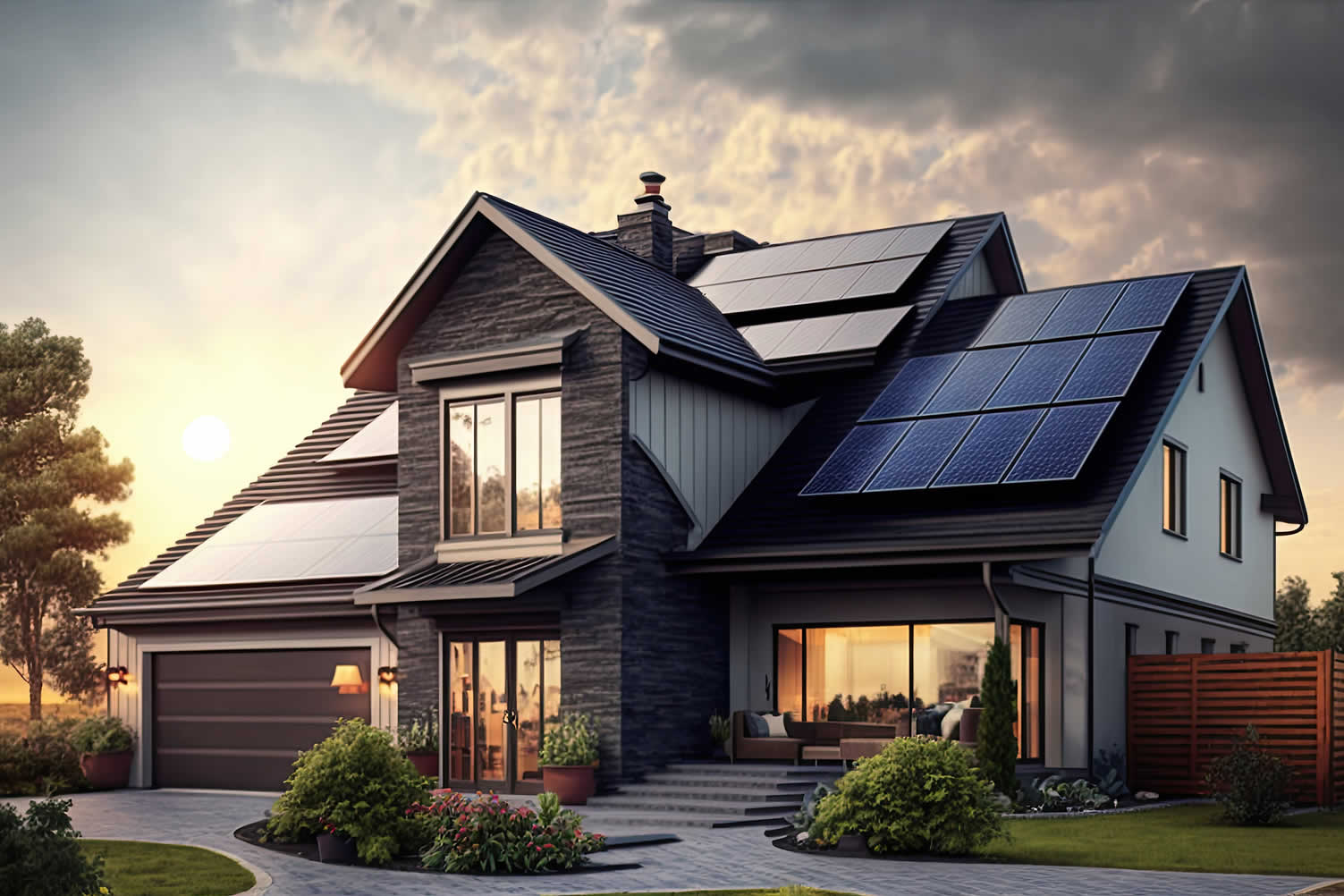
Going green in construction isn’t just good vibes—it’s good business, too. Although initial costs may be higher, but the payoff comes quickly with lower utility bills and maintenance headaches.
Energy-efficient setups like solar panels or tight insulation mean buildings run leaner, saving cash year after year in 2025’s unpredictable economy. Property values get a boost, too.
Buyers and renters in this day and age hunt for spaces that blend sustainability with style. Environmentally friendly buildings often have higher market value, as buyers and renters prioritize sustainability. It’s a solid edge in a market where standing out matters more than ever.
Jobs sprout up with this shift as well. Demand for skilled folks in green tech—think installers for renewable systems or experts in eco-design—keeps growing. Sustainable building doesn’t just pad wallets; it fuels careers and steadies local economies against the ups and downs of 2025’s wild ride.
-
Quick scroll to “economic benefits” side notes …
-
-
1st: Utilizing Solar Systems in Your Build or Remodel
Integrating solar systems into your building design is one of the most impactful ways to enhance both economic and environmental benefits.
Solar energy harnesses the power of the sun to reduce reliance on traditional energy sources, lower utility costs, and decrease the carbon footprint of your home or building. Advances in technology have diversified the types of solar solutions available, making it easier to find systems that meet your specific needs.
Incorporating solar options during a new build or major remodel can significantly increase property value, provide long-term savings, and support a sustainable future. The following sections explore various types of solar systems for consideration.
[ view images: types solar uses ]
-
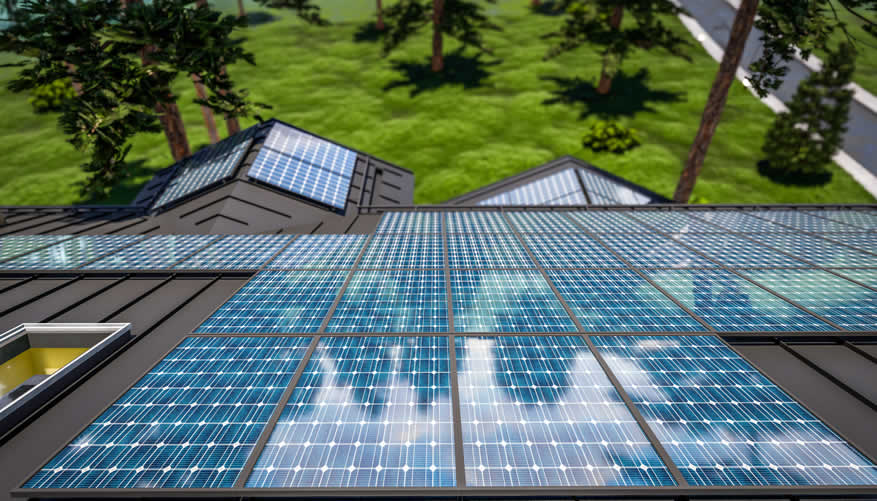
Roof-Mounted Solar Panels
Roof-mounted solar panels are the most common and widely adopted form of solar energy installation. These systems consist of photovoltaic (PV) panels installed on the roof to capture sunlight and convert it into electricity for your home or business.
They are highly efficient and ideal for properties with ample roof space and optimal sun exposure.
Modern installation methods enable panels to integrate seamlessly with roofing designs, maintaining aesthetic appeal while providing substantial energy savings.
According to the Solar Energy Industries Association (SEIA), homeowners can reduce electricity costs by up to 50% or more with a well-designed solar array.
-
Solar Windows
Solar windows, also known as solar glass, incorporate transparent PV technology to generate energy. These windows allow natural light to enter while simultaneously converting sunlight into usable electricity.
Ideal for buildings with large window areas, solar windows help reduce energy consumption without compromising design or views. They are particularly beneficial for urban environments, where roof space may be limited.
Researchers at the National Renewable Energy Laboratory (NREL) continue to advance solar glass technology, making it a promising option for energy-efficient building designs.
-
Solar Siding
Exterior siding integrated with solar panels is a cutting-edge solution to make efficient use of vertical space. These systems feature thin, lightweight PV panels embedded into siding materials, providing energy generation while maintaining a sleek aesthetic.
Solar siding is particularly suitable for homes or buildings with limited roof area or non-ideal roof orientations. By utilizing wall surfaces, homeowners can maximize their energy production potential and further enhance thermal insulation properties.
-
Yard-Based Solar Installations
For properties with ample outdoor space, yard-based solar installations, such as ground-mounted solar panels or solar tracking systems, are an excellent option.
These systems are installed directly on the ground and can be positioned for optimal sun exposure, often achieving higher efficiency than roof-mounted arrays.
Additionally, solar tracking systems follow the sun’s path throughout the day, further boosting electricity production. Yard installations provide flexibility in placement and are often easier to maintain compared to roof systems.
-
Additional Solar Innovations
Other innovative solar solutions include solar canopies, carports, and solar-powered outdoor structures. Solar canopies can be erected over parking areas, patios, or walkways, providing shade while generating electricity.
Solar carports are a practical option for commercial properties or households with multiple vehicles, combining functionality with energy savings.
Furthermore, portable solar systems and smaller-scale solar devices, such as solar-powered lighting or appliances, offer flexible and versatile energy solutions for off-grid needs or supplemental energy production.
copyright image by 123rf.com
-
-
2nd: Energy-Saving Practices Beyond Solar
When considering energy efficiency for a new build or major remodel, adopting a variety of practices beyond solar energy can significantly reduce energy costs, lower your carbon footprint, and create a comfortable, eco-friendly living environment.
Implementing diverse energy-saving measures can maximize energy preservation while enhancing the economic and environmental benefits of your property. Below are several energy-saving practices to consider.
-
High-Performance Insulation
Proper insulation is one of the most effective ways to improve a building’s energy efficiency. High-performance insulation materials, such as spray foam, rigid foam boards, or cellulose insulation, can reduce heat transfer and limit energy loss.
Insulating walls, attics, floors, and basements ensures your HVAC system works efficiently by maintaining consistent indoor temperatures year-round.
The U.S. Department of Energy (DOE) recommends an R-value appropriate for your climate zone to achieve optimal thermal performance (Energy.gov).
-
Energy-Efficient Windows and Doors
Upgrading to energy-efficient windows and doors can drastically cut heating and cooling costs.
Double or triple-pane windows with low-emissivity (Low-E) coatings, gas-filled spaces, and thermal breaks help prevent heat transfer, reducing energy loss. Similarly, insulated and properly sealed doors contribute to better energy conservation.
According to ENERGY STAR, certified windows and doors can save homeowners an average of 12% on energy bills, depending on the region (ENERGY STAR).
-
Smart Home Energy Management Systems
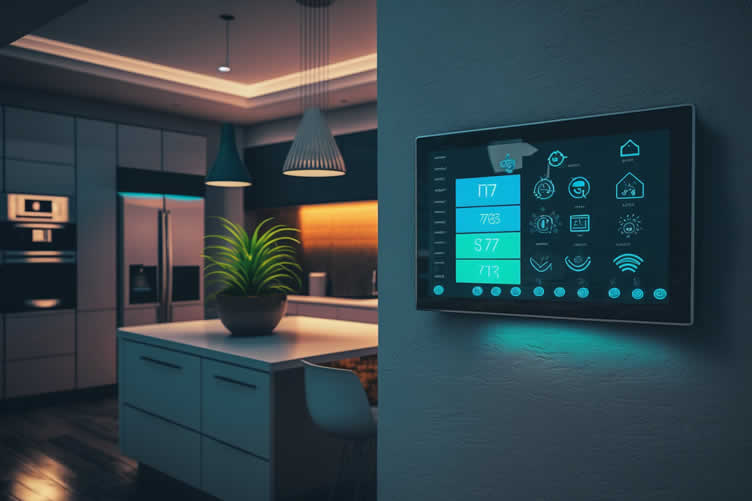
Installing smart home technology allows you to monitor and control energy usage effectively. Smart thermostats, for example, learn your preferences and adjust heating and cooling schedules for maximum efficiency.
Smart plugs and energy monitoring devices can help identify energy-intensive appliances, enabling proactive measures to reduce consumption.
Studies by the American Council for an Energy-Efficient Economy (ACEEE) suggest that smart home technology can decrease energy use by 10%–15% annually when used effectively.
-
LED Lighting Upgrades
Switching to LED lighting is an affordable yet impactful way to save energy. LEDs consume up to 75% less energy and last 25 times longer than traditional incandescent bulbs, as highlighted by the DOE.
They are available in various color temperatures and styles, making them a practical and aesthetically appealing option for modern builds or remodels. Adding sensors and dimmers can further enhance energy savings.
-
Energy-Efficient HVAC Systems
Heating, ventilation, and air conditioning (HVAC) systems often account for a significant portion of a building’s energy consumption.
High-efficiency HVAC systems, including heat pumps and variable speed units, use advanced technologies to minimize energy usage while maintaining comfort.
ENERGY STAR-certified HVAC systems can provide up to 20% more efficiency compared to standard systems, resulting in considerable cost savings over time (ENERGY STAR).
-
Water Heating Improvements
Water heating is another substantial energy expense for homes and businesses. Installing a tankless water heater or a high-efficiency storage water heater can drastically reduce energy use.
Additionally, insulating water heater tanks and hot water pipes reduces stand-by heat loss, making hot water delivery more energy-efficient.
The DOE estimates that tankless water heaters are 24%–34% more energy-efficient for households that use 41 gallons or less of hot water daily.
-
Passive Design Strategies
Passive design strategies capitalize on natural energy sources to reduce reliance on mechanical systems. By designing with proper building orientation, incorporating thermal mass materials, and maximizing natural ventilation, you can create a more energy-efficient structure.
For example, strategically placed windows and overhangs allow for natural light and reduced cooling loads while minimizing glare and excessive heat gain.
Each of these energy-saving practices, when implemented, can contribute to a sustainable, cost-effective, and comfortable living space.

copyright image by 123rf.com
-
-
-
ideas to view and compare from the information discussed above
Scroll up to directory … or scroll to next section about sustainable building practices …

addressing sustainable building practices and other home improvement needs …

… grab this directory of ideas for future use




May We Suggest Other Photo Remodeling Ideas About
“Interior Design and Decor …” (new win)



third “photo remodeling” idea
copyright image by 123rf.com
Sustainable Tip 3: Improving Health and Well-Being
Notes:
-
Buildings do more than provide shelter—they shape how people feel inside them. Sustainable practices in 2025 prioritize air that’s fresh and light that’s natural, dodging the stale, dim traps of old-school designs.
Using non-toxic materials reduces health risks for residents and workers. Comfort’s a big win, too. Think walls that hold heat in winter and bounce it out in summer or windows that let daylight flood in without the glare.
These touches don’t just pamper; they lift moods and sharpen focus. A space that works with nature keeps stress low and energy high—key in today’s hustle.
Community vibes get a lift as well. Green buildings often tie into walkable layouts or shared spaces that pull people together.
It’s not just about four walls—it’s about crafting spots where folks thrive, connect, and stick around. Health isn’t a solo gig; sustainable design makes it a group effort.
-
Quick scroll to “improving health” side notes …
-
-
1st: Centralized Air Circulation Systems
Indoor air quality is a critical factor in maintaining health and overall well-being, especially in modern homes and buildings where people spend the majority of their time indoors.
Poor ventilation can result in the accumulation of pollutants such as dust, allergens, volatile organic compounds (VOCs), and moisture, all of which can adversely affect health.
A centralized air circulation system ensures that indoor spaces maintain a consistent supply of clean, fresh air while removing contaminants. By addressing air quality during your build or remodel, you not only foster a healthier living environment but also improve comfort for occupants.
Below, we explore how centralized air circulation works and why it is such a vital feature in sustainable building practices.
-
How Centralized Air Circulation Systems Work
Centralized air circulation systems typically operate through a network of ducts that distribute air throughout a home or building, leveraging an integrated system of fans, filters, and ventilation components.
These systems often include high-performance air filters—such as HEPA filters—that capture microscopic particles like pollen, dust mites, and pet dander, preventing them from recirculating in the indoor environment.
Additionally, many modern systems incorporate energy recovery ventilators (ERVs) or heat recovery ventilators (HRVs), which allow for a continuous exchange of stale indoor air with fresh outdoor air while retaining temperature balance and reducing energy waste.
By managing airflow and maintaining consistent air pressure, centralized systems help prevent the formation of hot or cold pockets, moisture buildup, and the growth of mold, which can all contribute to respiratory issues or other health concerns.
Their design ensures that every corner of the space benefits from improved ventilation, delivering fresh air evenly throughout the building.
-
Health Benefits of Centralized Air Circulation
A properly designed and maintained centralized air circulation system significantly enhances the health and well-being of occupants. Clean air reduces the risk of respiratory and allergic conditions by minimizing exposure to harmful particles and pollutants.
For individuals with pre-existing conditions, such as asthma or hypersensitivities, consistent air quality can lessen symptoms and improve overall comfort.
The system also helps address indoor moisture levels, reducing the likelihood of mold growth and preventing the circulation of damp, unhealthy air. This is especially critical in climates with high humidity or in tightly sealed buildings where natural ventilation is insufficient.
Furthermore, centralized systems can aid in reducing the concentration of airborne toxins from household products, paints, and cleaning agents, contributing to better long-term health outcomes.
-
Prioritize Air Quality in Your Building Plans
When considering a new build or remodel, it’s critical to prioritize systems that support better indoor air quality. Investing in a centralized air circulation system is not only a step toward a healthier living environment but also aligns with broader sustainability goals by improving energy efficiency and reducing waste.
Consult with qualified HVAC professionals or energy consultants to design and select the system that best suits your needs.

copyright image by 123rf.com
-
-
2nd: Enhancing Well-Being Through Natural Lighting
Natural lighting is a fundamental element of sustainable building practices that directly contributes to health, well-being, and overall quality of life. Exposure to natural light has been shown to regulate circadian rhythms, boost mood, improve productivity, and even support better sleep patterns.
Incorporating natural light into your home or building design is not only beneficial for physical and mental health but also reduces reliance on artificial lighting, leading to energy savings and a lower carbon footprint.
Below, we explore how to effectively integrate natural lighting into your next build or remodel to create a healthier and more sustainable living space.
-
Position Windows Strategically
The placement and size of windows play a central role in maximizing natural light. Orient windows to capture the path of the sun; south-facing windows typically allow for the most consistent natural light throughout the day in the northern hemisphere.
However, overexposure or glare can be managed with shades, overhangs, or strategically placed trees for shading. Larger windows and glass doors can further increase light penetration but should be balanced with energy-efficient glazing to prevent heat loss or gain.
-
Use Skylights for Vertical Illumination
Skylights are a powerful way to bring vertical illumination into spaces that may not receive adequate natural light through traditional windows. Modern skylights are designed with energy efficiency in mind, incorporating advanced glazing to minimize heat transfer while maximizing light transmission.
When installing skylights, consider their placement to avoid unwanted heat during warm seasons, and opt for operable skylights that facilitate natural ventilation.
-
Opt for Light-Reflective Interior Finishes
Enhancing natural light can also be achieved by choosing finishes and materials that reflect, rather than absorb, sunlight. Lighter-colored walls, ceilings, and flooring can amplify the brightness of a room while adding an airy, open atmosphere.
Mirrors and glossy finishes strategically positioned can reflect light deeper into the space, allowing even smaller rooms to feel brighter and more expansive.
Combining these materials with sunlight-friendly design principles further optimizes illumination throughout your home.
-
Incorporate Glass Panels and Open-Concept Design
Transparent or translucent glass panels in doors, walls, or partitions are ideal for allowing natural light to travel between areas of your home.
Open-concept designs, which reduce the number of walls segmenting spaces, inherently increase shared light across rooms. Sliding glass doors and interior glass dividers not only enhance light but also provide a modern aesthetic.
For privacy without sacrificing daylight, frosted or textured glass is an excellent compromise.
-
Design for Open Spaces
Open spaces play a crucial role in optimizing indoor environments. They allow for better airflow and natural light distribution, contributing to improved indoor air quality and an enhanced sense of spaciousness.
Additionally, open spaces can be used flexibly for various purposes, such as communal areas, recreation, or relaxation, making them a valuable aspect of sustainable and energy-efficient design.
-
Invest in Daylighting Technology
Daylighting systems, such as light shelves or tubular daylight devices (TDDs), are innovative ways to direct sunlight deeper into interior spaces. Light shelves—horizontal surfaces mounted on windows—reflect sunlight onto ceilings, dispersing it across a room.
Meanwhile, TDDs capture sunlight on the roof and transmit it through tubes into less accessible areas like hallways or basements. These technologies are particularly beneficial when natural light sources are limited due to structural constraints.
-
Why Natural Lighting Matters
By thoughtfully planning and incorporating natural lighting, you transform your dwelling into a healthier, more comfortable, and energy-efficient environment.
The integration of natural lighting provides dual benefits of enhancing well-being and promoting sustainability, ensuring your home serves as a sanctuary for years to come.

copyright image by 123rf.com
[ view diagram: increasing natural lighting in home ]
[ youtube: Effective Ways to Increase Natural Light ]
-
-
3rd: Personal Sanctuary for Mental Well-Being
Creating a personal space within your new build or remodel is essential for nurturing mental well-being and fostering a balanced lifestyle.
A dedicated area in your home that prioritizes relaxation, mindfulness, and personal growth provides a respite from the demands of daily life.
This investment in personal space has profound benefits, ranging from improved focus and stress relief to enhanced emotional health. By prioritizing this concept in your design plans, you can create a nurturing environment tailored to your unique needs.
-
Why Personal Spaces Are Essential
Amid the hustle and bustle of modern life, having a retreat within your home where you can disconnect and recharge is invaluable.
According to the American Psychological Association (APA), creating a calm and intentional environment for self-reflection can significantly reduce stress and promote better mental health ([APA Source](https://www.apa.org/)).
A personal space provides an opportunity to reflect, meditate, or simply enjoy solitude, all of which are fundamental to maintaining emotional balance. These spaces are not only for moments of reflection but also serve as a buffer to establish boundaries between work, daily responsibilities, and personal well-being.
-
Key Elements of an Effective Personal Space
To maximize the benefits of your personal sanctuary, thoughtful design is crucial. Consider factors such as light, color, and layout to create a comfortable and inviting atmosphere.
Opt for soft, natural lighting to calm the senses, and incorporate soothing color schemes like muted greens, blues, or earth tones that evoke feelings of tranquility. Furthermore, ergonomic furniture and clutter-free organization are vital for enhancing focus and reducing mental fatigue.
Key additions could include a comfortable chair, plants for greenery, and sensory elements like aromatherapy diffusers to create a truly relaxing environment.
-
Types of Personal Spaces to Consider
When designing your personal space, tailor it to your lifestyle and mental health goals. Below are popular approaches to personal sanctuaries that can be adapted based on individual preferences:
- Mindfulness or Meditation Corner:
A simple and compact area dedicated to mindfulness practices or meditation can help create a clear mental routine. Equip the space with a cushion, a yoga mat, or a small table for candles or journals. - Reading Nook:
For book lovers, a cozy reading nook can offer an ideal escape from the day’s stresses. A comfortable chair, good lighting, and a small bookshelf can build the perfect haven for literary relaxation. - Creative Studio Space:
If you enjoy artistic or creative pursuits, consider designing a personal studio. Whether it’s painting, writing, or crafting, such a space encourages self-expression and outlets for emotion. - Tech-Free Relaxation Zone:
A tech-free zone for pure relaxation can work wonders for mental clarity. Without the distractions of screens or devices, this environment can promote mindfulness and deeper connections with oneself.
- Mindfulness or Meditation Corner:
-
Sustainability and Personal Well-Being in Tandem
From a sustainability perspective, integrate eco-friendly materials and design solutions into your personal space. Use natural materials like reclaimed wood or bamboo furniture to reduce environmental impact.
Additionally, energy-efficient lighting and proper ventilation ensure both comfort and sustainability. Taking a holistic approach aligns with modern building practices, focusing on spaces that support mental health while minimizing environmental footprints (U.S. Green Building Council).
By dedicating an area to your mental well-being, you create a home that prioritizes not only functionality and design but also the health and happiness of its occupants.
Thoughtfully crafted personal sanctuaries go beyond aesthetics and become places of peace and renewal, instrumental in fostering a fulfilled life.

copyright image by 123rf.com
[ view diagram: why personal space in home ]
[ youtube: Ask For Personal Space In Family Home ]
-
-
-
ideas to view and compare from the information discussed above
Scroll up to directory … or scroll to next section about sustainable building practices …
SHARE IT ..! You might have someone in your social network who could find this informative post sustainable building practices valuable. Feel free to share it on Facebook, X (formally Twitter), LinkedIn, or Pinterest!






plan the specifications you need for making …

… key home improvement and remodeling decisions

fourth “photo remodeling” idea

copyright image by 123rf.com
Sustainable Tip 4: Leveraging Technology and Innovation
Notes:
-
Tech’s driving sustainability into overdrive by 2025. Smart systems that track energy use in real-time let builders fine-tune efficiency from day one.
Imagine a setup that dims lights or tweaks heating based on who’s around—it’s not sci-fi, it’s standard, and it keeps waste in check without breaking a sweat. Materials are getting a glow-up, too.
Innovations like carbon-capturing concrete or insulation spun from recycled goods push the envelope on what’s possible. These aren’t gimmicks; they’re tough, practical options that shrink footprints while holding up under real-world wear.
Builders leaning into this stuff stay ahead of the curve. Collaboration is key to making it work, and sustainability consulting is the secret weapon. These experts know the latest tricks—think energy modeling or green certifications.
That expertise turns good ideas into tight execution, ensuring buildings don’t just talk the talk but walk it, too. Tech and teamwork together keep the momentum rolling strong.
-
Quick scroll to “leveraging technology” side notes …
-
-
1st: Smart Home Technology and Sustainable Practices
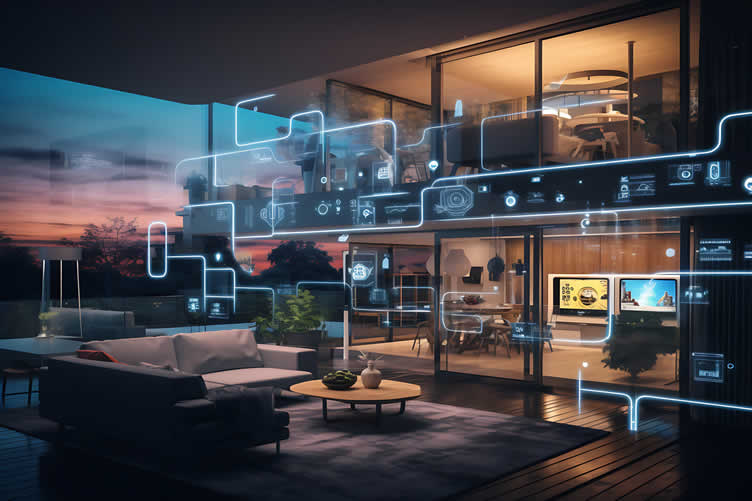
Integrating smart home technology into your new build or remodel can play a pivotal role in advancing sustainability while enhancing convenience and efficiency. By adopting innovative systems, you can optimize energy usage, reduce waste, and create a living environment that is both eco-friendly and future-ready.
From intelligent energy management to water conservation, smart technology transforms your space into a hub of sustainable living. Below, we explore key areas where smart systems make a significant impact.
-
Energy Efficiency and Management
Smart home systems excel at reducing energy consumption, making them a critical part of sustainable design. Smart thermostats, such as those offered by Ecobee or Nest, learn your daily habits and adjust heating and cooling systems accordingly to minimize energy waste.
By monitoring and automating energy use, these devices can significantly lower utility costs and decrease your carbon footprint.
Additionally, energy monitoring tools allow you to track your consumption in real time, enabling informed decisions about how to optimize energy use throughout your home (Energy.gov).
-
Intelligent Lighting Systems
Lighting is another area where smart technology enhances sustainability. LED bulbs combined with smart lighting controls allow users to schedule or automate lighting based on occupancy.
For example, systems like Philips Hue or Lutron enable dimming, remote operation, and even integration with daylight sensors to ensure lights are used only when necessary, further reducing electricity consumption.
These advancements not only conserve energy but also extend the lifespan of lighting fixtures, reducing waste and replacement costs over time.
-
Water Conservation
Smart technology has extended to water management, offering solutions to conserve this essential natural resource. Intelligent irrigation systems, like Rachio Smart Sprinklers, use weather data and soil information to optimize watering schedules, preventing overuse and waste.
Inside the home, water-monitoring devices can detect leaks early, reducing wastage and preventing costly repairs. Smart faucets and showers also help regulate water flow, ensuring that every drop is used efficiently.
These innovations help homeowners address one of the most pressing sustainability concerns—water scarcity.
-
Enhanced User Experiences
Beyond resource management, smart home technology enhances overall user satisfaction by providing convenience and actionable insights.
Centralized home automation systems, such as Apple HomeKit or Samsung SmartThings, offer intuitive controls for managing all connected devices. This user-centric design enables homeowners to make more sustainable choices without sacrificing convenience or comfort—an important balance in modern living.
By incorporating smart home technology into your design or remodel, you not only contribute to a more sustainable future but also improve your day-to-day quality of life.
These systems represent a forward-thinking approach that aligns with both environmental goals and the practical needs of modern homeowners.
copyright image by 123rf.com
-
-
2nd: Leveraging AI Technology for Sustainable Practices
Artificial intelligence (AI) is transforming the landscape of sustainable home building and remodeling by optimizing resource use, lowering energy consumption, and enhancing overall efficiency.
When integrated into modern homes, AI can provide tailored solutions to reduce environmental impact without compromising comfort or functionality.
By incorporating AI-driven systems, homeowners have access to smarter, data-driven tools that align with their sustainability goals while simplifying day-to-day living. Below are key ways AI is shaping sustainable practices in residential spaces:
-
Energy Consumption Optimization
AI-powered energy management systems, such as Google Nest’s Learning Thermostat, analyze a household’s energy usage patterns and adapt to reduce waste. These systems learn occupant behaviors, automatically adjusting heating, cooling, and even lighting schedules to ensure energy is utilized only when necessary.
Additionally, some platforms are able to provide detailed energy reports, giving homeowners insights into consumption habits and actionable recommendations for improvement.
Studies have shown that implementing smart thermostats can cut energy bills by up to 10–15% annually (Department of Energy, 2023).
-
Efficient Water Management
Intelligent water management systems use AI to monitor water usage and detect inefficiencies, leaks, or overconsumption in real time. For example, devices like Phyn Smart Water Assistant alert homeowners to potential leaks and provide data on water usage trends.
Furthermore, AI can enhance irrigation systems by tracking local weather conditions and adjusting watering schedules accordingly, ensuring plants are hydrated only when absolutely necessary.
This technology directly addresses water waste, a critical issue in regions prone to droughts and water scarcity.
-
Smart Appliances for Reduced Waste
AI-integrated appliances such as refrigerators, washing machines, and ovens contribute to a more sustainable household by operating more efficiently and minimizing unnecessary strain on resources.
Advanced fridges, for instance, can monitor their contents, suggest meal plans based on expiration dates, and prevent food spoilage.
Energy-efficient washing machines equipped with AI sensors determine the exact amount of water and detergent required for each load, resulting in lower water consumption and extended appliance lifespans (EPA, 2023).
-
Predictive Maintenance and Longevity
Artificial intelligence helps extend the lifespan of home systems and appliances through predictive maintenance, reducing the need for resource-intensive replacements.
AI-driven tools can flag potential system malfunctions before they escalate, enabling homeowners to perform necessary repairs proactively. This not only lowers costs but also decreases waste associated with the disposal of damaged components.
-
Supporting Renewable Energy Integration
AI is pivotal in optimizing renewable energy use at home. For solar panel users, AI can predict energy production based on weather conditions and adjust power storage systems accordingly.
AI also enables seamless integration with smart grids, ensuring excess energy is redistributed or stored for future use. This creates a closed-loop system that enhances energy independence and lowers reliance on fossil fuels.
By adopting AI technology, homeowners can make strides in achieving their sustainability objectives while also benefiting from increased convenience, cost savings, and resource efficiency.
These innovations represent the next generation of green living, offering practical tools to help individuals live more consciously while fostering a healthier planet.
copyright image by 123rf.com
[ view diagram: The Future of Home Automation ]
[ youtube: Josh AI Smart Home Walkthrough ]
-
-
-
ideas to view and compare from the information discussed above
book: home automationAI weather stationgoogle nest thermostat
Scroll up to directory … or scroll to next section about sustainable building practices …



get the size dimensions for any home remodeling project …
… for functionality, aesthetics, and adhering to building codes
Find Energy Efficient Services Insulation Windows-Insulation Ducts & Vents Thermostats Solar Installation Skylights Home Automation Generators Home Automation Electrical Wiring Networks/Phone Computers/ Media Home Security Alarms top-rated, pre-screened local contractors FREE: download contractor selection enter zip code – powered by HomeAdvisor ™
Quick Contractor Guides selecting negotiating working with inspecting

fifth and last “photo remodeling” idea

copyright image by 123rf.com
Sustainable Tip 5: Meeting Regulatory and Social Expectations
Notes:
-
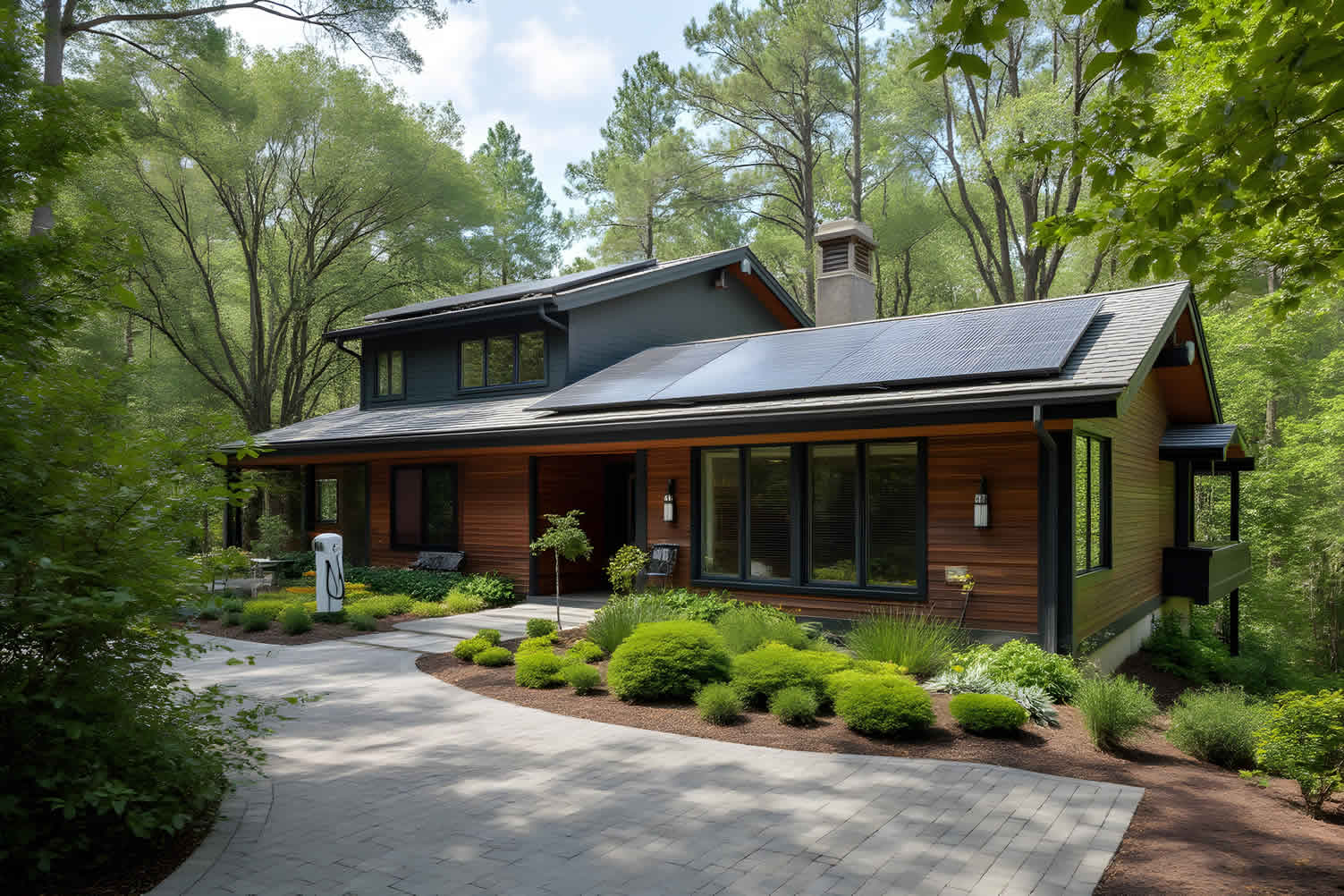
Rules are tightening up in 2025—governments aren’t messing around with climate goals anymore. Sustainable practices aren’t optional; they’re the ticket to staying legal.
Codes now demand low-energy designs and eco-friendly materials, so builders who get on board dodge fines and red tape that can stall projects cold. Customers and communities expect it, too.
People want brands that care—companies that skip green practices risk looking tone-deaf or outdated. A sustainable build isn’t just compliance; it’s a badge of honor that earns trust and loyalty in a world where folks vote with their wallets.
Future-proofing seals the deal. With regulations only getting stricter and public pressure cranking up, buildings that start green today won’t need costly retrofits tomorrow.
It’s a smart play—meet the moment now, and the payoff stretches years down the line. Staying ahead keeps everyone happy, from lawmakers to neighbors.
-
Quick scroll to topic "regulatory" side notes …
-
-
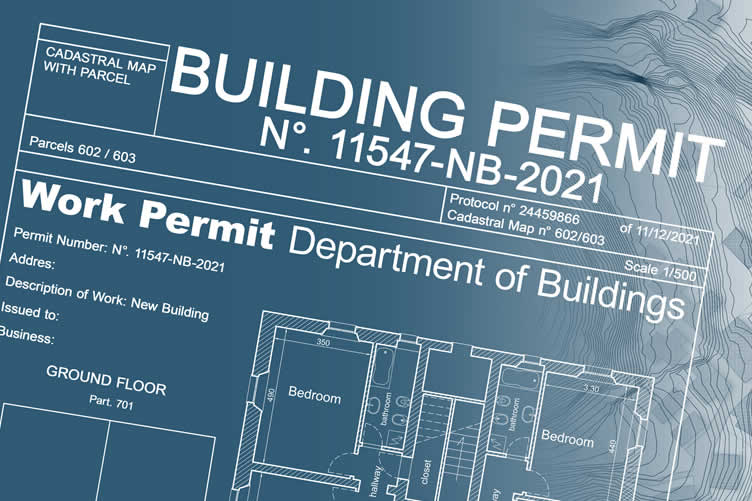
1st: Understanding Regulatory Expectations
When planning a new build or undergoing a major remodel, it’s essential to consider the types of regulations and standards that mandate sustainable building practices. These regulations are designed to ensure buildings are environmentally responsible, energy-efficient, and adaptable for future needs.
They aim to mitigate the environmental impact of construction and promote the health and well-being of occupants. Compliance not only ensures your project meets legal requirements but also aligns with growing social expectations for sustainable development.
Below are some key areas of regulatory focus to guide your planning process.
-
Energy Performance Standards
Energy performance standards are a critical aspect of sustainable building regulations. Governments and organizations often mandate minimum energy efficiency levels for new buildings and major renovations.
These standards may include requirements for high-performance insulation, energy-efficient windows, and advanced heating, ventilation, and air conditioning (HVAC) systems.
For example, the U.S. Department of Energy’s Building Energy Codes Program promotes efficiency through standards like the International Energy Conservation Code (IECC). Adhering to these codes not only lowers energy costs but also reduces greenhouse gas emissions.
-
Water Efficiency Mandates
Sustainable construction increasingly emphasizes efficient water use to address global water resource challenges. Regulations may mandate features such as low-flow fixtures, water recycling systems, and landscaping designs that minimize water consumption.
Many jurisdictions implement codes for greywater reuse and storm-water management to alleviate pressure on local water supplies and prevent runoff pollution. Projects compliant with water efficiency mandates can reduce utility bills and make a positive environmental impact.
-
Sustainable Material Requirements
To minimize the environmental footprint of construction, regulations often prioritize the use of sustainable materials. These might include locally sourced, recycled, or renewable materials such as reclaimed wood or bamboo.
Certification programs, like those from Leadership in Energy and Environmental Design (LEED) and other green-building standards, encourage the use of materials with low embodied carbon and long life cycles.
Compliance with these standards enhances the durability and sustainability of constructions while contributing to circular economy principles.
-
Indoor Environmental Quality Standards
Maintaining a healthy indoor environment is another important regulatory focus. Standards typically address air quality, lighting, and thermal comfort to improve occupant well-being.
Requirements may include the use of non-toxic, low volatile organic compound (VOC) materials, high-efficiency ventilation systems, and strategies to maximize natural light.
Organizations like the Environmental Protection Agency (EPA) also provide guidelines—such as their Indoor airPLUS program—to safeguard indoor air quality in sustainable construction projects.
-
Renewable Energy Integration
Regulatory frameworks increasingly advocate the incorporation of renewable energy systems into building designs. This may include mandates for the integration of solar panels, wind turbines, or geothermal heating systems.
Additionally, regulations often require provisions for future installations, such as pre-wiring for photovoltaic systems.
Incentive programs, including tax credits and rebates, are often tied to meeting these requirements, making renewable energy solutions both a practical and financially beneficial choice for homeowners.
-
Waste Reduction and Recycling Regulations
Construction and demolition generate significant waste, making waste reduction a vital component of sustainable building practices. Regulations may require developers to create detailed waste management plans, including goals for material recycling and diversion from landfills.
For instance, compliance with California’s CALGreen Code mandates that at least 65% of construction waste be recycled or salvaged. These practices contribute to broader waste reduction goals and support environmentally friendly resource management.
-
Meeting Expectations
Understanding and adhering to these regulations not only supports environmental stewardship but also demonstrates a commitment to social responsibility.
Homeowners and builders can take pride in projects that align with modern sustainability goals while benefiting from long-term cost savings and regulatory compliance.
copyright image by 123rf.com
-
-
2nd: The Home Value Using Sustainable Materials
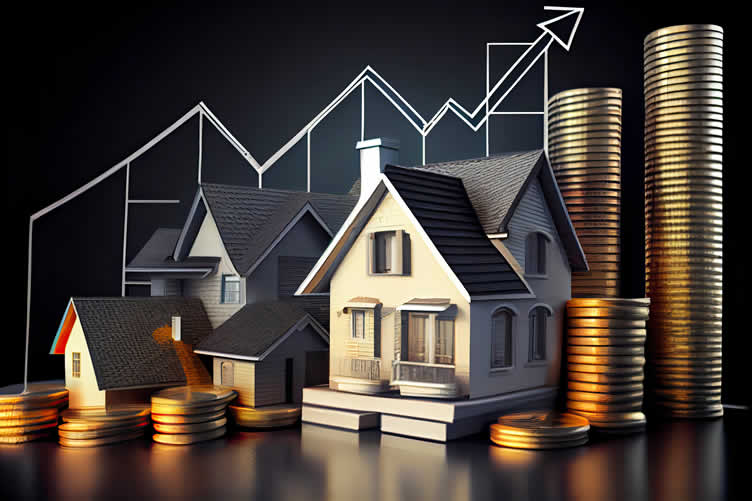
Investing in sustainable materials for a new build or a major remodel can significantly enhance the overall value of your home while contributing to a healthier and more sustainable living environment.
Sustainable materials, such as reclaimed wood, bamboo, recycled metal, or low-VOC (volatile organic compound) paints, offer advantages that go beyond their environmentally friendly characteristics.
For homeowners, they present a dual value proposition—financial benefits through potential cost savings and increased resale value, as well as enhanced quality of life through improved indoor air quality and energy efficiency.
-
Sustainable Homes and Market Trends
From a market perspective, homes designed with sustainability in mind are increasingly sought after by buyers.
A 2023 report by the National Association of Realtors (NAR) found that energy-efficient upgrades and environmentally conscious designs rank high on the list of desirable features for prospective homebuyers.
Incorporating materials such as highly efficient insulation, solar panels, or sustainably sourced wood not only reduces energy consumption but also makes properties more attractive to eco-conscious buyers, which can lead to higher sale prices and shorter time on the market.
-
The Long-Term Value
Beyond financial gains, sustainable materials add value through durability, reducing the need for frequent replacements or repairs over time.
Products like engineered wood flooring or fiber cement siding, for example, provide long-lasting solutions that perform well under various environmental conditions while minimizing environmental impact during production.
Additionally, these materials often align with certifications like LEED (Leadership in Energy and Environmental Design) or WELL Building Standards, which can further boost the market appeal of your home as buyers become more aware of such accreditations.
-
Enhancing Indoor Air Quality
Sustainability also plays a vital role in ensuring healthier indoor environments. Using non-toxic, low-emission materials helps mitigate exposure to harmful chemicals often present in traditional building products, benefiting family members’ health, particularly those with respiratory sensitivities or allergies.
According to the Environmental Protection Agency (EPA), indoor air quality can often be up to five times worse than outdoor air due to pollutants emitted by conventional paints, adhesives, and flooring. Opting for sustainable, low-VOC alternatives creates a safer, more enjoyable living space.
By choosing sustainable materials, homeowners demonstrate their commitment to environmental and social responsibility while gaining tangible advantages in comfort and property value.
For additional guidance on selecting appropriate materials for your project, consider trusted resources like the USGBC, EPA, or local eco-friendly product suppliers.
copyright image by 123rf.com
-
-
3rd: Finding a "Sustainable Home" Contractor
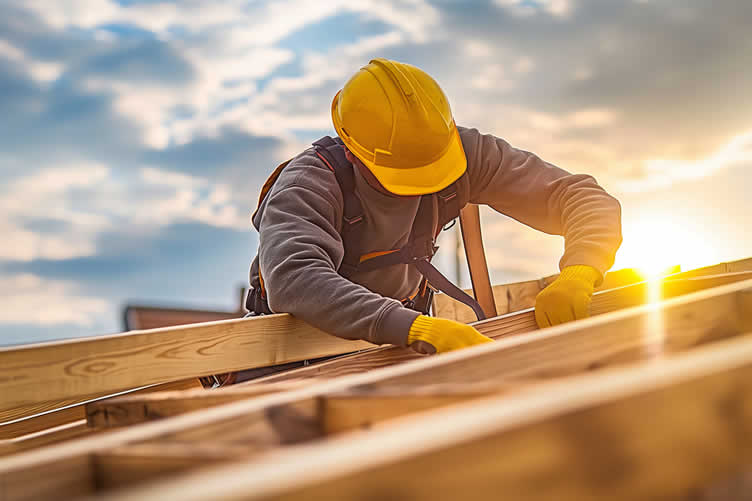
Selecting the right contractor is a crucial step in ensuring your build or major home remodel aligns with sustainable building practices. Start by researching contractors in your area who explicitly advertise their commitment to eco-conscious construction.
Look for certifications such as LEED accreditation, Green Advantage certification, or memberships in organizations like the National Association of Home Builders’ Green Building Program, as these typically signal a strong adherence to sustainable principles.
When vetting potential contractors, don’t hesitate to ask about their experience with sustainable materials and energy-efficient designs. Request examples of past projects that incorporated eco-friendly methods or materials, such as reclaimed wood, non-toxic finishes, or solar installations.
A reliable contractor should be knowledgeable about sourcing locally produced, low-carbon, and recyclable materials and should be able to discuss strategies for minimizing construction waste during your project.
References and reviews from previous clients can provide valuable insight into a contractor’s commitment to sustainability. Additionally, confirm that their construction practices meet local and national environmental standards to avoid potential setbacks.
By thoroughly evaluating your options, you can confidently choose a contractor who will help bring your vision to life while respecting both the environment and your long-term health goals.
LetsRenovate has partnered with HomeAdvisor™, a renowned provider of highly-rated, carefully-vetted local build and remodeling contractors. Start your search here by choosing the type of contractor you need and entering your zip code to find local professionals.
copyright image by 123rf.com
But Wait!
Before beginning your search for sustainably certified remodeling contractors, we highly recommend downloading and using this evaluation worksheet.
This tool is designed to help you objectively assess and rank potential contractors, taking into account key factors like pricing, licensing, and references.

Evaluation Sheet
File Type:
-
-
Conclusion
Sustainable building practices in 2025 aren’t a trend—they’re a cornerstone for a better way forward. They tackle environmental strain, deliver economic wins, boost well-being, harness tech, and align with rising expectations.
Each angle reinforces why this shift matters, offering a blueprint for construction that’s as practical as it is vital. Embracing these methods builds more than structures—it builds a legacy worth standing behind.
- What comments can you share about
sustainable building practices?
Scroll up to directory … or scroll to more home utility management-related topics …

Budgeting Worksheet For Costing Home Remodeling and Home Improvement Decisions
 File Type (excel)
view illustration “becoming a bank”

Calendar For:
Home Maintenance
File Type:
… remodeling decisions


… view our sharing links below for a quick "share the knowledge"
Cover image credit: sustainable building practices by 123rf.com
end of post … please share it!
 |
did you find how simple renovations can sustainable building practices analysis helpful? If so, please share the article with your friends and family! |
Nice pic idea? Leave us a quick comment below.
And please share this pic idea within your social networks.