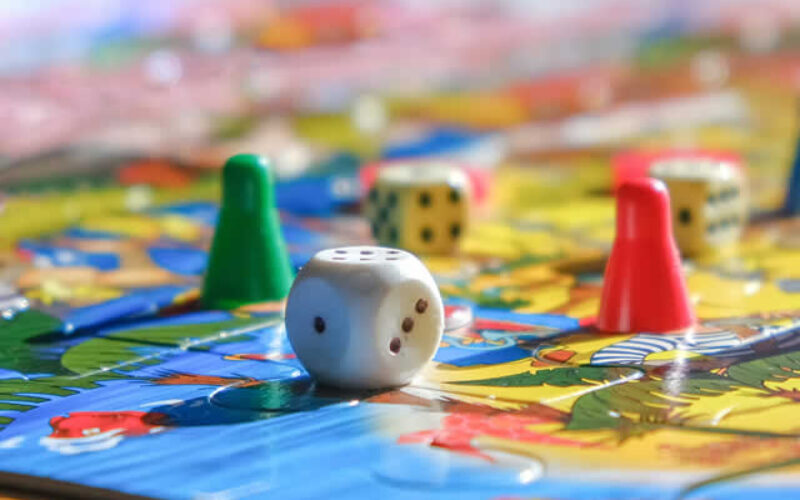
The constant glow of screens has replaced the laughter and conversation that once filled family evenings.
Old fashion games offer a refreshing alternative to digital entertainment, creating opportunities for genuine connection and shared experiences. These timeless activities encourage face-to-face interaction, develop essential life skills, and provide hours of entertainment without requiring electricity or internet access.
By dedicating space in your home to traditional games, you can transform scattered screen time into meaningful family moments that strengthen bonds and create lasting memories.
- post content
- Why Reintroduce Old-Fashioned Games?
- Classic Board Games for Family Fun
- Engaging Card Games for All Ages
- Outdoor Games to Get Everyone Moving
- Creative and Imaginative Play
- How to Create a Game-Friendly Space
- Transform Your Home Into a Haven for Connection
- view table:content summary
- view notes:collective tips
- view ideas:latest remodeling analysis
Why Reintroduce Old-Fashioned Games?
Screen-free activities provide numerous benefits that extend far beyond simple entertainment. When families engage in traditional games together, they develop stronger relationships while building valuable skills that serve them throughout life.
Understanding these advantages helps parents appreciate why making time for old fashion games creates such positive impacts on family dynamics.
The benefits of incorporating traditional gaming into your home routine span multiple areas of development and well-being. Each aspect contributes to creating a more connected, thoughtful, and active family environment.
-
Social Skills
Traditional games naturally foster communication and cooperation between family members. Players learn to take turns, follow rules, and practice good sportsmanship while navigating competitive situations.
These interactions teach children how to express themselves clearly, listen to others, and resolve conflicts peacefully. Family game time also provides opportunities for different generations to share stories and perspectives, strengthening intergenerational bonds.
-
Cognitive Development
Old fashion games challenge the mind in ways that passive screen time cannot match. Strategic thinking develops through chess and checkers, while word games like Scrabble expand vocabulary and spelling abilities.
Memory games strengthen recall skills, and puzzles enhance problem-solving capabilities. These mental exercises occur naturally during play, making learning enjoyable rather than feeling like work.
-
Physical Activity
Many traditional games incorporate movement that gets family members up and active. Outdoor games encourage running, jumping, and coordination development while providing fresh air and exercise.
Even indoor activities like charades involve physical expression and movement. This activity balance helps counteract the sedentary nature of screen-based entertainment.
-
Creative Thinking
Imaginative play flourishes through activities like storytelling, dress-up games, and building with blocks. These experiences encourage children to think outside conventional boundaries and develop their unique perspectives.
Creative games also provide outlets for self-expression and artistic development that digital entertainment rarely offers.


Classic Board Games for Family Fun
Board games have entertained families for generations, offering structured entertainment that brings people together around a common activity. These games provide excellent starting points for families new to screen-free activities, as they come with clear rules and defined objectives that make participation easy for all ages.
The following classic board games offer different types of challenges and entertainment, ensuring that every family member can find something appealing. Each game develops specific skills while providing hours of engaging entertainment.
-
Chess
This strategic game teaches planning, patience, and logical thinking while providing endless replay value. Chess challenges players to think several moves ahead and consider multiple possibilities before making decisions.
The game scales well across age groups, as younger players can learn basic moves while older family members explore advanced strategies.
-
Scrabble
Word-building games like Scrabble combine education with entertainment, helping family members expand their vocabularies while having fun. Players develop spelling skills and learn new words through gameplay, making this an excellent choice for families with school-age children.
The competitive element keeps games exciting while the educational component provides lasting benefits.
-
Monopoly
Property trading games teach basic financial concepts while providing engaging family competition. Players learn about money management, negotiation, and strategic planning through property acquisition and development.
These games often create memorable family moments through their extended gameplay and dramatic turns of fortune.
-
Checkers
This accessible strategy game offers simpler rules than chess while still providing meaningful mental challenges.
Checkers teaches forward thinking and tactical planning without overwhelming younger players with complex piece movements. The game’s shorter duration makes it perfect for quick family gaming sessions.
-
Clue
Mystery-solving games engage logical deduction skills while providing entertaining storylines that capture imagination. Players must gather information, eliminate possibilities, and draw conclusions based on evidence.
These games encourage careful observation and systematic thinking while maintaining excitement through their investigative themes.
-
Life
Life simulation games guide players through major decisions while teaching about consequences and planning. These games spark conversations about values, goals, and life choices while providing entertaining gameplay.
Family members often share stories about their own experiences related to game events, creating deeper connections.
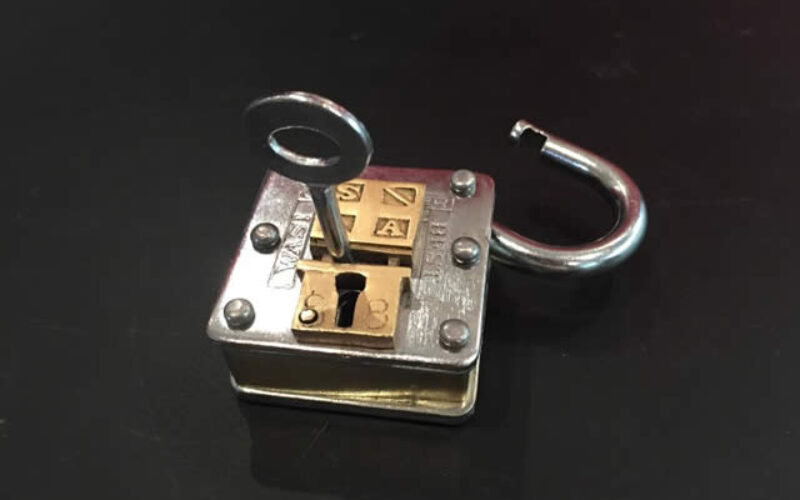
7 Ways An Escape Room Activity Will Help Your Child To Achieve Mental Growth
The ever-increasing popularity of escape rooms has become a sensation around today’s globe. Many cities now offer a variety of escape room adventures where individuals of all ages can enjoy and experience the thrill of breaking out from a fantastical alternate world.
Engaging Card Games for All Ages
Card games offer portable entertainment that requires minimal setup while providing maximum engagement. These games adapt easily to different group sizes and skill levels, making them perfect for spontaneous family gaming sessions.
The variety of card games available ensures that families can find options suitable for any mood or occasion.
Simple card games can entertain young children while complex variations challenge adults, creating opportunities for shared learning experiences. The following games represent different complexity levels and entertainment styles.
-
Crazy Eights
This shedding game teaches pattern recognition and basic strategy while remaining simple enough for young children to enjoy. Players learn to plan ahead and adapt to changing circumstances as the game progresses.
The fast-paced nature keeps everyone engaged while the simple rules make learning easy.
-
Go Fish
Matching games like Go Fish help young children develop memory skills and social interaction abilities. Players practice asking questions politely and responding appropriately while working toward their objectives.
These games provide excellent opportunities for very young children to participate in family gaming activities.
-
Rummy
Melding games teach sequence recognition and set collection while providing moderate strategic depth. Players develop planning skills as they work to complete their hands while monitoring opponents’ progress.
The game’s flexibility allows for rule variations that accommodate different age groups and skill levels.
-
Hearts
Trick-taking games introduce more complex strategy while maintaining accessibility for intermediate players. Hearts teaches careful card management and risk assessment as players work to avoid penalty points.
The game’s social dynamics create interesting interactions as players must balance cooperation and competition.
-
Spades
Partnership games like Spades develop teamwork and communication skills while providing challenging strategic gameplay.
Players learn to work together toward common goals while maintaining competitive spirit. These games work especially well for families with older children who can handle more complex rule structures.
-
War
Comparison games offer the simplest possible gameplay while still providing excitement through their unpredictable outcomes.
War requires no strategy or skill, making it perfect for very young children who want to participate in family card games. The game’s simplicity also makes it ideal for teaching basic card handling and turn-taking concepts.
Outdoor Games to Get Everyone Moving
Outdoor activities provide fresh air and exercise while encouraging family members to engage with their natural environment. These games combine physical activity with social interaction, creating healthy entertainment that benefits both body and mind.
Many outdoor games require no equipment beyond imagination and enthusiasm, making them accessible to any family.
Movement-based games help children develop gross motor skills and spatial awareness while providing adults with enjoyable exercise opportunities.
The following activities offer different levels of physical challenge while maintaining entertainment value for all participants.
-
Tag
Chase games provide cardiovascular exercise while developing speed and agility. Tag variations can accommodate different age groups and physical abilities, ensuring that everyone can participate meaningfully. These games also teach fair play and rule-following while providing exciting physical challenges.
-
Hide-and-Seek
Concealment games encourage creative thinking and problem-solving while providing gentle physical activity. Children develop spatial reasoning skills as they find hiding spots and search for others. The anticipation and discovery elements create natural excitement that keeps players engaged.
-
Kickball
Team sports teach cooperation and coordination while providing structured physical activity. Kickball combines running, kicking, and catching skills in an accessible format that accommodates various ability levels. The team aspect encourages communication and mutual support among family members.
-
Red Light Green Light
Listening games develop attention and impulse control while incorporating movement and exercise. Players must process auditory information quickly and respond appropriately, building focus and reaction skills. The stop-and-go nature provides manageable physical challenges for younger children.
-
Simon Says
Following games teach careful listening and instruction compliance while incorporating physical movement. Players develop attention to detail and learn to distinguish between different types of commands. The leadership rotation allows family members to take turns directing activities.
-
Capture the Flag
Territory games encourage strategic thinking and teamwork while providing vigorous physical activity. Players must balance offense and defense while working together toward common objectives. These games work especially well for larger family gatherings or neighborhood groups.

Transform Your Backyard into a Family Play Zone
Creating a backyard play zone is an excellent way to encourage outdoor play and foster quality time for kids and families. These dedicated spaces can be tailored to fit any backyard size or layout, providing a safe and fun environment for children to explore, exercise, and use their imagination.
Sporting
Lawn Games
Creative and Imaginative Play
Imaginative activities nurture creativity and self-expression while providing entertainment that adapts to individual interests and abilities.
These games encourage original thinking and artistic development, skills that benefit children throughout their educational and professional lives. Creative play also provides emotional outlets that help family members process experiences and express feelings.
The following activities offer different approaches to creative expression while maintaining engaging gameplay that holds family interest.
Each option provides opportunities for unique personal contributions and shared creative experiences.
-
Charades
Acting games develop communication skills and creative expression while providing entertaining group activities.
Players learn to convey ideas through gesture and movement, building confidence and performance abilities. The guessing element creates natural excitement and encourages participation from all family members.
-
Storytelling
Narrative games encourage imagination and language development while creating shared creative experiences. Family members build stories together, learning to listen to others’ ideas and contribute meaningfully to group efforts. These activities often produce memorable tales that become part of family lore.
-
Puzzles
Assembly challenges develop patience and visual-spatial skills while providing satisfying completion experiences.
Puzzles teach persistence and systematic thinking as players work methodically toward solutions. The collaborative aspect allows family members to contribute different strengths toward common goals.
-
Building Blocks
Construction activities encourage three-dimensional thinking and engineering concepts while providing hands-on creative outlets.
Players experiment with balance, design, and structural principles through enjoyable play experiences. The open-ended nature allows for unlimited creative expression and personal interpretation.
-
Arts and Crafts
Creative projects develop fine motor skills and artistic abilities while producing tangible accomplishments. Family members can work on individual projects or collaborate on larger group efforts. These activities provide lasting keepsakes that remind families of enjoyable shared experiences.
-
Dress Up
Costume play encourages role-playing and character development while providing opportunities for creative self-expression. Players explore different identities and scenarios, building empathy and understanding of various perspectives. The imaginative aspect allows for unlimited storytelling and dramatic play opportunities.
How to Create a Game-Friendly Space
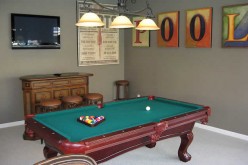
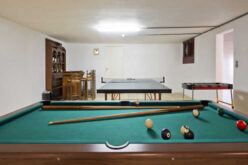
Establishing a dedicated area for family game night activities transforms occasional entertainment into regular family traditions. A well-designed game space encourages spontaneous play while keeping necessary supplies organized and accessible. The physical environment significantly impacts how often families engage in screen-free activities together.
Creating an inviting game area requires thoughtful planning that considers storage, comfort, and atmosphere. The following elements contribute to spaces that naturally draw family members together for old fashion games and activities.
-
Designate a Space
Choose a specific area of your home that can accommodate various gaming activities while remaining easily accessible to all family members.
This might be a corner of the living room, a basement area, or even a converted bedroom. The key is consistency—family members should know where to go for game time activities.
-
Storage Solutions
Organize games, cards, and activity supplies in easily accessible containers that encourage regular use rather than discouraging it.
Clear bins, labeled shelves, and rotating displays help family members quickly find desired games while maintaining organization. Good storage prevents games from becoming cluttered messes that nobody wants to tackle.
-
Comfortable Seating
Provide seating options that accommodate different body sizes and comfort preferences while encouraging face-to-face interaction.
This might include floor cushions, small chairs, or even blanket arrangements that create cozy gathering spaces. Comfortable seating encourages longer gaming sessions and more relaxed family interactions.
-
Themed Decorations
Add visual elements that celebrate gaming and family time while creating an inviting atmosphere that draws people into the space.
This could include family photos from past game nights, colorful wall decorations, or displays of favorite games. The goal is creating a space that feels special and dedicated to family enjoyment.
-
Game Schedule
Establish regular family game night times that everyone can anticipate and plan around, creating consistency that builds gaming into family routines.
Post schedules where everyone can see them, and involve family members in choosing activities for upcoming sessions. Regular scheduling helps gaming become habit rather than occasional occurrence.
-
Tech-Free Zone
Create clear boundaries around electronic devices during family game time, ensuring that attention remains focused on shared activities and interactions.
This might mean establishing phone-free periods or designating specific areas where screens are not permitted. The goal is protecting quality family time from digital distractions.


Transform Your Home Into a Haven for Connection
Old fashion games provide pathways back to meaningful family connections that modern life often disrupts. These activities create opportunities for genuine interaction, skill development, and memory-making that screen-based entertainment rarely matches.
When families commit to regular gaming sessions, they discover that the benefits extend far beyond simple entertainment.
The games and activities outlined here represent starting points rather than comprehensive lists. Every family will discover their own preferences and favorites through experimentation and experience. The key is beginning the journey toward more intentional, connected family time through the simple act of playing together.
Consider starting small with one or two games that appeal to your family’s interests and gradually expanding your collection based on what brings the most joy and engagement. Remember that the goal is connection and fun rather than perfect execution or competitive victory.
Create your game-friendly space this week, schedule your first family game night, and begin building traditions that will strengthen family bonds for years to come.
other related analysis of interest: (new win)
Raising Healthy and Mentally Adapt Kids In Troubling Environments
Empowering Your Kids to Make Magic: Creative Kids Room Decorating Ideas
| Category | Examples | Skills/Benefits |
|---|---|---|
| Classic Board Games | Chess, Scrabble, Monopoly, Checkers, Clue, Life | Strategic thinking, financial literacy, social interaction, problem-solving |
| Card Games | Crazy Eights, Go Fish, Rummy, Hearts, Spades, War | Pattern recognition, memory skills, teamwork, strategy |
| Outdoor Games | Tag, Hide-and-Seek, Kickball, Red Light Green Light, Simon Says, Capture the Flag | Physical activity, teamwork, creative thinking, spatial awareness |
| Creative Play | Charades, Storytelling, Puzzles, Building Blocks, Arts and Crafts, Dress Up | Imagination, artistic skills, communication, emotional expression |
| Game-Friendly Space | Designated Area, Storage Solutions, Comfortable Seating, Themed Decorations | Encourages regular play, organized environment, family traditions |

Find Interior Design Services Decorators Interior Designers Furniture Painting & Staining top-rated, pre-screened local contractors FREE: download contractor selection enter zip code – powered by HomeAdvisor ™


Image credit: by envato.com
end of post … please share it!
| more photo remodeling |
Jump Over to Our Photo Analysis Center for Ideas on
"Renovating Home"
|__________________________________________________________|
home remodeling surprise
find out where it might go - new win


Helpful article? Leave us a quick comment below.
And please share this article within your social networks.