With an increasing number of contaminants seeping into our water sources, the burden of ensuring that the water we drink, cook with, and bathe in is safe and clean falls heavily on homeowners and property managers.
This comprehensive guide elucidates not only why a water filtration service could be an indispensable addition to your home but also how to select the right one. We will scrutinize the various types of contaminants that water filtration systems can address, the factors to consider when choosing a filtration service, and the installation and maintenance aspects.
- post content
- Understanding the Water Filtration Landscape
- Navigating the Types of Water Filtration Systems
- Choosing the Right Water Filtration Service for You
- The Process: From Selection to Installation
- Maintaining Your Water Filtration System
- Assessing the Impact of Your Filtration System
- conclusion
- side idea:How To Save Water At Home
- view key:collective notes
Understanding the Water Filtration Landscape
-
Why You Need a Water Filtration Service
Water is unlike any other consumable; it is fundamental to life. The importance of a robust water filtration system cannot be overstated. Tap water, and water heaters despite meeting government standards, might still contain impurities that are hazardous to health.
-
Many regions suffer from hard water, which can lead to scaling in plumbing and appliances. Filtration systems can also improve the taste and odor of drinking water and provide the peace of mind that comes with knowing the water in your home is clean.
-
Defining Your Water Quality Goals
Before you start shopping for a water filtration system, it’s crucial to assess your water quality. Testing your water at home or through certified laboratories can identify the presence of contaminants such as lead, chlorine, bacteria, and various dissolved minerals.
Depending on the specific issues with your water, you can then tailor your filtration system to meet your needs effectively.

Navigating the Types of Water Filtration Systems
When it comes to home water filtration, one size does not fit all. There are various types of systems, each designed to target specific contaminants or to function in different ways.
-
Reverse Osmosis (RO) Systems
Popular for their ability to remove a wide range of contaminants, RO systems push water through a semipermeable membrane, effectively eliminating impurities. These systems are best for homeowners with concerns about heavy metals, nitrates, or microorganisms in their water.
-
Carbon Filters
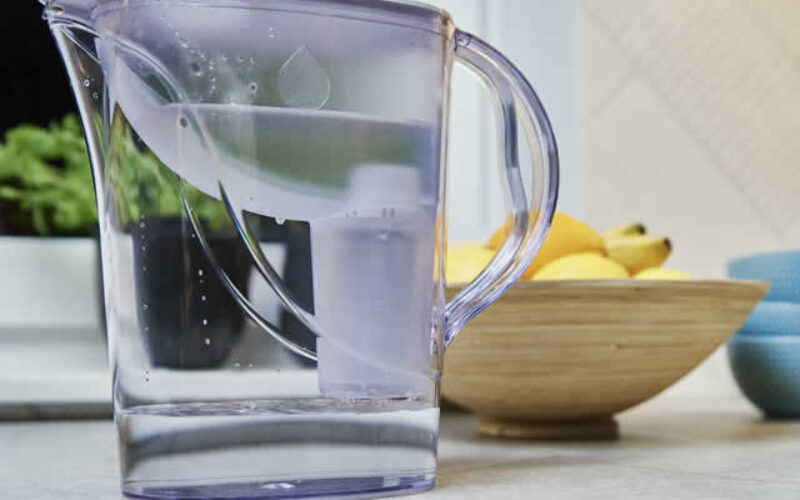
Activated carbon filters are exceptionally adept at tackling the taste and odor of water. They are also effective at removing many volatile organic compounds (VOCs), chlorine, and its by-products. Carbon filtration systems come in pitchers, faucet mounts, and larger whole-house or under-sink models.
-
UV Water Purification
Ultraviolet (UV) water purification is a chemical-free method that uses UV light to kill bacteria, viruses, and other microorganisms. This can be a great addition to your water filtration system if microbiological contamination is a concern.
-
Water Softeners
Water softeners are specific to tackling hard water, which is characterized by high levels of calcium and magnesium. These systems use ion-exchange to replace these minerals with sodium, reducing scaling in your plumbing and water-related appliances.
Choosing the Right Water Filtration Service for You
Selecting the appropriate water filtration service is a multi-faceted decision that hinges on several key factors:
-
Water Usage and Flow Rate
The size of your home and its water usage patterns will influence the type and size of the filtration system you need. Smaller systems may struggle to keep up with the demands of a large household, leading to a reduction in flow rate and consequently, water pressure.
-
Operating and Maintenance Costs
Different systems have varying lifespans for their filters and membranes. It’s important to consider not just the initial cost of the system, but the ongoing maintenance requirements and the costs associated with it.
-
Certification and Compliance
Ensure that the filtration service you select complies with the standards set by the Environmental Protection Agency (EPA) and is certified by National Sanitation Foundation (NSF) or other relevant bodies. This guarantees its effectiveness in removing the claimed contaminants.
-
Professional Installation vs. DIY
While some systems are designed for do-it-yourself installation, others require professional expertise. Incorrect installation can compromise the system’s performance and the safety of your drinking water.

The Process: From Selection to Installation
-
Water Quality Test
Begin the process by either conducting an at-home water quality test or engaging a professional service to assess your water. This will inform the type of filtration system you require.
-
Selecting a System
With your water quality assessment in hand, research various types of water filtration systems and evaluate which one aligns best with your needs and budget.
-
Purchasing the System
Once you’ve selected a system, it’s time to make the purchase. Consider if you’ll need additional components like faucets or pre-filters and add them to your order.
-
Professional Installation
If needed, schedule a professional installation. Make sure the installation includes a thorough inspection of your plumbing to ensure compatibility and optimal performance.
Maintaining Your Water Filtration System
Once your system is installed, proper maintenance is key to ensuring it functions at its peak and continues to provide clean water.
-
Regular Filter Replacements
Filters have a finite lifespan and need to be replaced as recommended by the manufacturer. Failing to do so could result in decreased performance or even a buildup of contaminants.
-
System Cleanliness
Periodically clean the system’s housing and other components to prevent bacterial growth or the accumulation of sediment.
-
Professional Service
For in-depth maintenance, or if your system is underperforming, don’t hesitate to call in a professional service. They can troubleshoot issues and keep your water filtration system running smoothly.
Assessing the Impact of Your Filtration System
A water filtration system is a valuable investment in your health and home. Keep track of any changes in the taste, odor, or quality of your water. Additionally, retest your water periodically to ensure that the system continues to effectively remove contaminants.
other related articles of interest:
Final Words: The Road to Pure Water
A water filtration service is one of the most effective steps you can take to safeguard your family’s health and the longevity of your home’s plumbing and appliances. By understanding the various types of filtration systems, selecting the right one, and ensuring proper installation and maintenance, you can enjoy the benefits of pure, clean water for years to come.
Remember, the water you consume affects your health in more ways than one. Take charge of your water quality today, and take the first step towards a healthier, more secure lifestyle.
Find Plumbing Services Plumbing Issues Drain Clearing Septic/Sewers Water Heaters Pumps Water Softening top-rated, pre-screened local contractors FREE: download contractor selection enter zip code – powered by HomeAdvisor ™


Image credit: getting a water filtration system by envato.com
end of post … please share it!
| more photo remodeling |
Jump Over to Our Photo Analysis Center for Ideas on
"Renovating Home"
|__________________________________________________________|
home remodeling surprise
find out where it might go - new win


Helpful article? Leave us a quick comment below.
And please share this article within your social networks.