Or perhaps you stare at a container of leftovers, trying to remember if you made that lasagna on Tuesday or Thursday, wondering if it is still safe to serve to your children.
These moments are not just frustrating for your wallet; they are sources of genuine anxiety regarding the health and safety of your household.
Proper food storage is about more than just organizing shelves or making sure your kitchen looks tidy. It is a critical line of defense against foodborne illness and a key component of a sustainable, waste-free home.
While we often rely on the sniff test or visual cues, the science of refrigeration is far more precise. Understanding the rules of the cold chain can transform your kitchen from a place of uncertainty into a safe harbor for fresh, nutritious meals.
Fortunately, modern technology is stepping in to help, with smart refrigerators offering new ways to monitor and maintain the perfect environment for your groceries.
The Science of Refrigeration
To keep your family safe, it helps to understand exactly what is happening inside that large appliance humming in the corner of your kitchen. Refrigeration is essentially a method of slowing down time for your food. Bacteria exist everywhere—in the soil, on our food, and in the air.
When food is left at room temperature, these microorganisms can multiply at a terrifying rate. The primary goal of your refrigerator is to keep food out of what the USDA calls the "Danger Zone," which is the temperature range between 40°F and 140°F.
When you keep your refrigerator at the ideal temperature, you are not killing bacteria, but you are significantly slowing their growth. At temperatures below 40°F, bacteria like Salmonella, E. coli, and Listeria struggle to reproduce.
This preservation of a low-temperature environment buys you time, allowing you to store perishable items like meat, dairy, and produce for days or even weeks without them spoiling or becoming hazardous.
However, this is a delicate balance; if the temperature creeps up even a few degrees, that bacterial growth can accelerate invisibly, turning a safe meal into a health risk.

Key Rules for Refrigeration
Proper refrigeration is essential for maintaining the freshness and safety of your food. By following a few key rules, you can ensure that your perishables are stored at the right temperature, minimizing the risk of spoilage and contamination.
Whether you’re organizing your fridge or monitoring appliance settings, these guidelines will help you protect your food and your health.
-
Rule 1: Cool Food Quickly
One of the most persistent myths in the kitchen is that you must let food cool completely to room temperature before putting it in the fridge to avoid "souring" it or overworking the appliance. This advice is outdated and potentially dangerous.
The longer cooked food sits in the Danger Zone, the more time bacteria have to thrive. The golden rule is the two-hour window. Perishable foods should never be left out of refrigeration for more than two hours. If the temperature in your home or outside is above 90°F, that window shrinks to just one hour.
-
Rule 2: Use Proper Containers
How you package your food is just as important as when you store it. Tossing an open bowl into the fridge or loosely wrapping something in foil invites cross-contamination and rapid spoilage. Air is the enemy of freshness for many foods, so utilizing airtight containers is essential.
Glass containers are particularly excellent choices as they are non-porous, do not absorb odors, and allow you to easily see what is inside, which helps prevent leftovers from being forgotten.
Shallow containers are also superior to deep ones because they allow food to cool down faster and more evenly, ensuring the center of the food helps reach a safe temperature quickly.
-
Rule 3: Monitor Refrigerator Temperature
Most people set their refrigerator dial once and never think about it again. However, dials can be inaccurate, and the temperature inside your unit can fluctuate based on how full it is or how often the door is opened.
To ensure absolute safety, the interior temperature must remain consistently at or below 40°F (4°C). The freezer should be at 0°F (-18°C).
Relying on the built-in gauge can be risky, so many food safety experts recommend purchasing an inexpensive freestanding appliance thermometer. Place it in the warmest part of the fridge—usually near the door—to ensure even that area is staying cold enough to inhibit bacterial growth.
-
Rule 4: Store Food in the Right Place
A refrigerator has different temperature zones, and expert organizers know how to use them to their advantage. The door is the warmest part of the fridge and is subject to the most temperature fluctuation every time you open it.
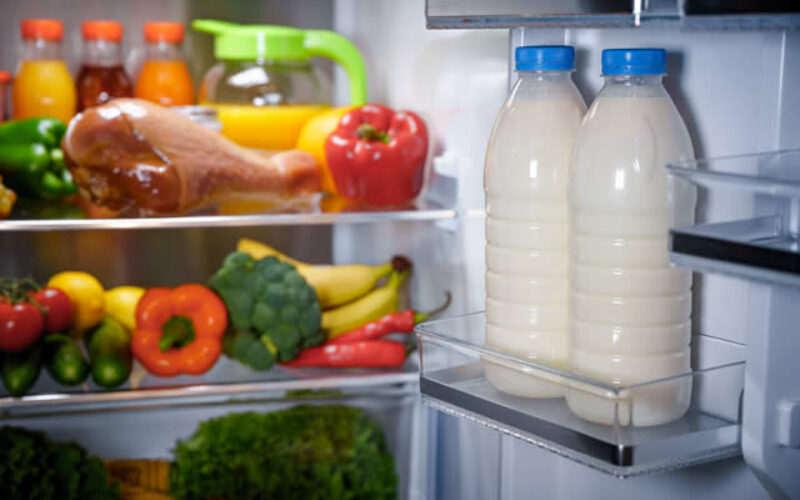
Therefore, highly perishable items like milk and eggs should never be stored in the door, despite the convenient egg racks often found there. Instead, store milk and dairy on the middle or bottom shelves where it is coldest. Raw meat, poultry, and seafood should always go on the bottom shelf.
This is not just for temperature control; it also prevents juices from dripping down and contaminating fresh produce or ready-to-eat foods below.
-
Rule 5: Know How Long Food Lasts
Refrigeration slows bacterial growth, but it does not stop it forever. Even perfectly stored food has a shelf life. A common mistake is assuming that if food looks and smells fine, it is safe to eat.
However, the pathogenic bacteria that cause food poisoning often do not change the taste, smell, or appearance of the food. Generally, cooked leftovers are safe for three to four days.
Raw ground meats and poultry should be used within one to two days, while steaks and chops might last three to five days. Keeping a mental inventory or using erasable labels on your containers can help you track these dates effectively.
beware what you put in your refrigerator
Discover the Hidden Health Risks Lurking at Home
It’s increasingly important to be aware of the hidden harmful substances lurking in our food and personal care products. From enhancers and additives in our food to chemical preservatives in our shampoos and lotions, these everyday items may have adverse effects on our health.
Common Food Storage Mistakes
Even with the best intentions, it is easy to make errors that compromise food safety. Overstuffing the refrigerator is a frequent issue in busy family homes.
A refrigerator needs to breathe; cold air must circulate around the food to maintain a constant temperature. If every shelf is packed tight, pockets of warm air can develop, leaving some items in the Danger Zone.
Another common error involves washing produce before storing it. While it feels productive to prep everything as soon as you get home from the grocery store, moisture encourages the growth of mold and bacteria.
It is usually best to wash fruits and vegetables right before you intend to eat or cook them. If you must wash them in advance, drying them thoroughly with paper towels before placing them in containers is vital to prevent premature rotting.
The Role of Smart Refrigerators
As our homes become more connected, the kitchen is benefiting from significant technological upgrades. Smart refrigerators are no longer just a novelty; they are becoming powerful tools for food preservation and household management.
These appliances come equipped with internal cameras, Wi-Fi connectivity, and touchscreens that function as a family command center. But beyond the flashy features, they offer practical solutions to the food storage challenges discussed above.
A smart refrigerator assists in proper food storage primarily through advanced temperature and humidity management. Traditional fridges cool the entire unit based on a single thermostat, but smart models often feature multiple cooling zones that can be controlled independently.
Sensors detect fluctuations immediately—such as when a warm pot is placed inside or the door is left ajar—and adjust the cooling power to compensate instantly. This ensures that your food stays at the optimal temperature without the guesswork.
The benefits extend to inventory management as well. Many smart refrigerators allow you to input the expiration dates of the items you stock. The interface can then send notifications to your phone when your milk is about to spoil or when the leftovers need to be eaten.
This feature directly combats food waste and takes the mental load off the homeowner. By keeping track of what is inside and how long it has been there, these appliances serve as an active partner in maintaining your family’s health and reducing your grocery bill.
more about smart refrigerators
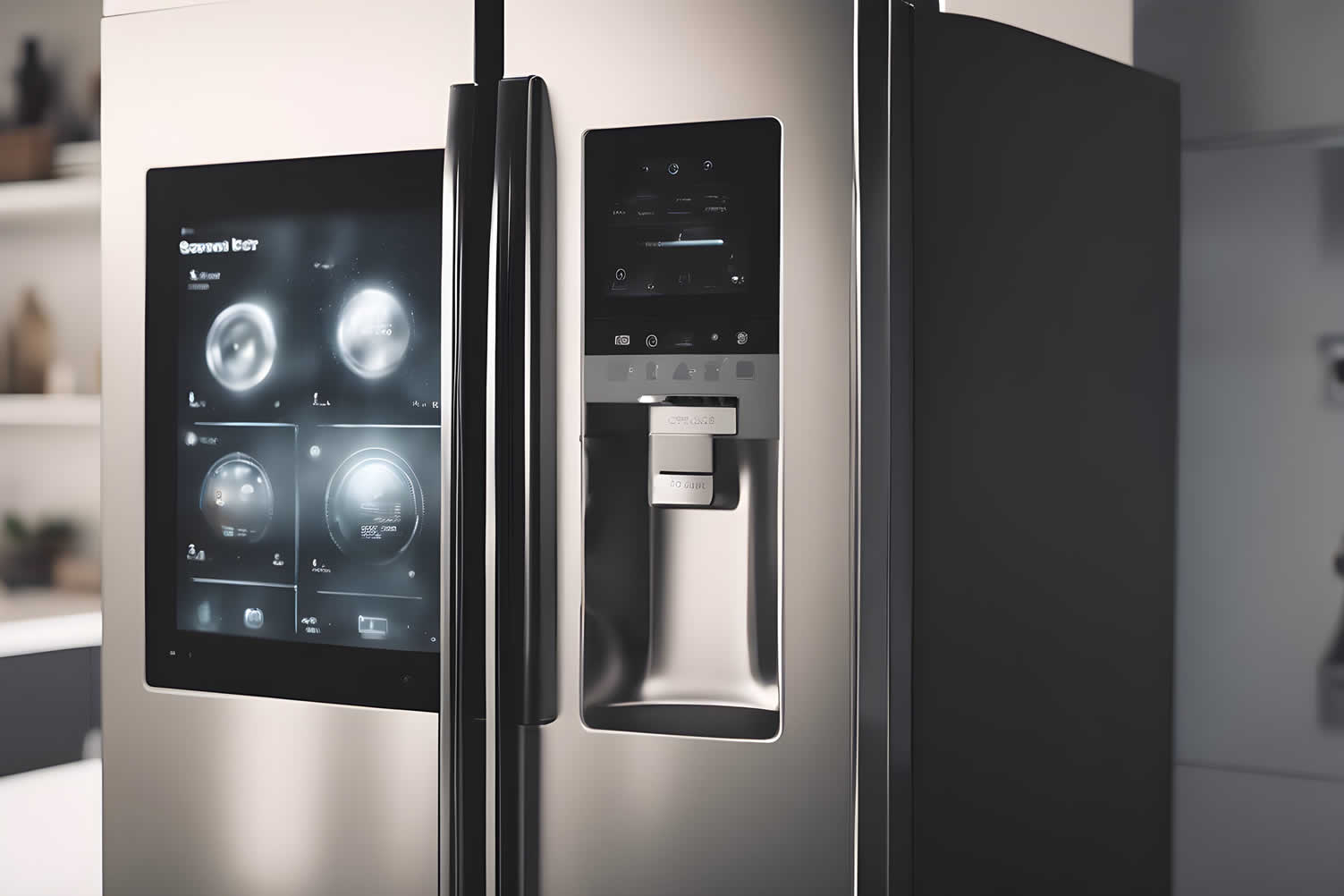
Reviewing Smart Refrigerators: The Ultimate Kitchen Upgrade
Smart refrigerators are redefining kitchen convenience and food management. These high-tech refrigerators are not merely for storing food but are equipped with advanced features like touch screens, internet connectivity, and internal cameras.
Conclusion
Creating a safe and efficient kitchen environment is a continuous act of care for yourself and your loved ones. By respecting the science of refrigeration and adhering to the rules of cooling, containment, and placement, you dramatically reduce the risk of foodborne illness and waste.
While traditional methods and vigilance are effective, the integration of smart technology offers a new layer of security, acting as a vigilant guardian over your fresh ingredients.
Whether you are upgrading to the latest appliance or simply reorganizing your current shelves, taking control of your food storage is a powerful step toward a healthier, happier home.
other related analysis of interest: (new win)
The Ultimate Kitchenware Guide: Must-Haves for Family Cooking
Is Your Home Truly Safe? The Essential Guide To Protective Devices
| Section | Details |
|---|---|
| Introduction | There is a sinking feeling every home cook knows well—discovering spoiled food or questioning the safety of leftovers. Proper food storage is a critical defense against foodborne illness and promotes sustainable living while modern technology, such as smart refrigerators, aids in creating the perfect food environment. |
| The Science of Refrigeration | Refrigeration slows down bacterial growth by keeping food out of the USDA “Danger Zone” (40°F to 140°F). A properly maintained refrigerator at below 40°F significantly slows bacteria such as Salmonella, E. coli, and Listeria, extending the safety and freshness of perishable items. |
| Key Rules for Refrigeration | 1. Cool food quickly to minimize bacterial growth. 2. Use airtight containers to prevent spoilage and contamination. 3. Monitor refrigerator temperature to ensure it stays at the required range. 4. Store food in the appropriate sections of the fridge, such as keeping raw meats on the bottom shelf. 5. Track and adhere to food expiration timelines to ensure safety. |
| Common Food Storage Mistakes | Common mistakes include overstuffing the refrigerator, which impedes airflow, and washing produce before storage, which adds moisture and promotes mold and bacteria growth if not dried thoroughly before refrigeration. |
| The Role of Smart Refrigerators | Smart refrigerators improve food storage with advanced features like independent cooling zones, real-time temperature adjustment, and inventory management through Wi-Fi connectivity. Notifications on expiration dates and instant cooling responses aid in reducing food waste and maintaining food safety. |
| Conclusion | Following refrigeration rules and incorporating smart technology ensures safer, healthier kitchens. By respecting food storage practices, families can minimize waste, reduce health risks, and create an efficient, sustainable household environment. |

Find Household Appliance Services Appliances Appliance Install Appliance Repair Electrical top-rated, pre-screened local contractors FREE: download contractor selection enter zip code – powered by HomeAdvisor ™


Image credit: expert rules for food storage by envato.com
end of post … please share it!
| more photo remodeling |
Jump Over to Our Photo Analysis Center for Ideas on
"Renovating Home"
|__________________________________________________________|
home remodeling surprise
find out where it might go - new win


Helpful article? Leave us a quick comment below.
And please share this article within your social networks.