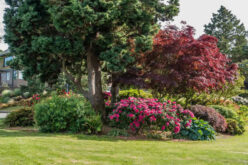
Trees paint our world with diverse hues of green, providing not just beauty but a comforting sense of stability and continuity. But just like any living being, trees also need care and attention.
In this post, we’ll provide a comprehensive guide to ensuring your trees are healthy, vibrant, and, most importantly, happy. We will walk you through the essential steps of tree care and also delve into the signs that might indicate your tree isn’t thriving.
So get your gardening gloves ready for a wonderful journey of nurturing these gentle giants!
Selecting the Right Tree
Choosing a suitable tree for your landscape goes beyond simply picking one that catches your eye – it’s a thoughtful decision that requires a deep understanding of your local climate and soil conditions. Not every tree thrives in every environment; for instance, a palm tree may not survive in colder climates, while a birch might struggle in warmer regions.
The composition and pH level of your soil also significantly impact the tree’s health and growth. For instance, pine trees prefer acidic soils, while maples thrive in neutral to slightly acidic soil.
Careful selection of a tree species that suits your local conditions is the first step towards ensuring its healthy growth and longevity.
Planting the Tree
Planting a tree is not just about digging a hole and plugging in the sapling. The process starts with preparing the site by removing any grass within a 3-foot circular area.
Dig a hole that is twice as wide as the root ball but no deeper. The best time to plant a tree is during the dormant season, in the fall after leaf drop or early spring before bud break. Water it well after planting and mulch around the base to conserve water and reduce weed growth.

Watering Your Tree
Proper watering is crucial to the survival and growth of your tree. Newly planted trees require more frequent watering, ideally once a week, until their root systems are fully established.
As the tree matures, aim for deep watering less frequently to encourage deep root growth. Signs of overwatering can vary depending on the tree species. Some trees may develop yellowing leaves and wilting as a result. However, other species might show signs like leaf discoloration or fungal growth.
On the other hand, underwatered trees may have dry and brittle leaves, but certain species may also exhibit leaf curling or early leaf drop. It is important to understand the specific needs of each tree species to ensure proper watering. Always adjust your watering actions according to those specific needs and the local weather conditions.
Fertilizing Your Tree
Fertilizing your tree is essential for its growth and overall health, although the necessity and frequency may depend on the tree species and soil conditions. Typically, young trees benefit from an annual application of a slow-release fertilizer in the spring.
This helps to provide the necessary nutrients for foliage growth and overall vigor. When choosing a fertilizer, consider one that is high in nitrogen, which is fundamental for leaf development.
However, always conduct a soil test prior to fertilizing to determine the nutrient deficiencies in your soil; this will guide you in selecting the most suitable type of fertilizer for your tree and ensure you don’t oversupply your tree with a certain nutrient.
Pruning Your Tree
Pruning is a critical aspect of tree care that is often overlooked. It helps to maintain the aesthetic appearance of your tree, enhances its health, and stimulates growth. While the best time to prune usually depends on the species, most trees benefit from being pruned during their dormant season.
The key technique to proper pruning involves making clean cuts at the node, where one branch or twig attaches to another. Always remember not to cut too close to the trunk of the tree, leaving the collar intact to aid in healing the cut.

Keeping Your Tree Healthy
Monitoring the health of your tree involves regularly checking for signs of disease or pest infestation, as well as assessing its overall appearance and vitality. Common pests such as aphids, beetles, and caterpillars can cause noticeable damage, including leaf curling, discoloration, or the presence of a sticky substance on the leaves known as honeydew.
Diseases often manifest as fungus growth, discolored leaves, or even the death of certain branches. If you spot any of these signs, it’s essential to act promptly to treat the issue, whether by employing natural remedies, like introducing beneficial insects, or by using chemical treatments.
Regular monitoring and early intervention are crucial in maintaining tree health and preventing irreversible damage.
Knowing a Tree is Beyond Saving
Despite your best efforts, there may come a time when your tree is beyond saving. Often, the signs are subtle but noticeable with careful observation. These may include stunted growth, a significant amount of dead or decaying branches, large fungus around the base, and a sudden and unexplained leaf drop.
If more than half of the tree is damaged or diseased, it is often best to remove the tree to protect the other flora in your garden. When in doubt about the health of your tree, it’s always a good idea to contact a professional arborist or tree removal services for a thorough assessment and advice.
other related articles of interest:
Proper tree care is a rewarding endeavor that requires time, effort, and a deep understanding of your trees’ needs. It is not just about aesthetics, but more importantly, about fostering a healthier environment for ourselves and future generations.
So, enjoy the shade, fruits, or simply the sight of your trees, but remember the responsibility that comes with it. Respect your trees by providing them the care they need to grow and thrive.
And remember, don’t hesitate to seek help from tree removal services if a tree is beyond saving, as it could pose a risk to you and the other trees in your vicinity.
Find Landscaping/Maintenance Landscape Design Landscape Maintenance Pest Control Sprinkler Systems Tree & Shrubs Water Features top-rated, pre-screened local contractors FREE: download contractor selection enter zip code – powered by HomeAdvisor ™


Image credit: complete guide to growing healthy trees by envato.com
end of post … please share it!
| more photo remodeling |
Jump Over to Our Photo Analysis Center for Ideas on
"Renovating Home"
|__________________________________________________________|
home remodeling surprise
find out where it might go - new win


Helpful article? Leave us a quick comment below.
And please share this article within your social networks.