Summary Outline –
Water is essential to our everyday lives. From that first cup of coffee in the morning to your evening shower, home plumbing plays a vital role in keeping our households functional. Still, the complexity of these systems often goes unnoticed.
Understanding how water flows from its source to your faucet (and back out through the drains) can empower you to better care for your home and make informed decisions about plumbing maintenance.
This comprehensive review will take you through the life-cycle of water as it journeys from its source, through the community water system, and finally into your home.
By understanding the basics of your home plumbing system, you’ll gain a deeper appreciation for how everything works harmoniously to serve your daily needs.
- post content
- water flow 1: Where Household Water Comes From
- water flow 2: How Water Reaches Your Home or Dwelling
- water flow 3: The Intricate Network of Your Home’s Plumbing System
- water flow 4: Understanding How Your Home Drainage System Works
- water flow 5: Maintaining a Smooth-Running Plumbing System

first “how home plumbing works” idea


AI generated image by 123rf.com
Water Flow 1: Where Household Water Comes From
Notes:
-
Before water reaches your home for daily use, it follows an intricate path from its original source. Understanding where your water comes from is essential to appreciating its availability and quality.
This section explores the different natural and man-made sources of water, shedding light on the processes that ensure it is safe and reliable for household use.
-
Quick scroll to “water source” side notes …
-
-
1st: Home Water Source
Every home’s plumbing system begins with the source of its water. For most households, this water is supplied by a municipal water system. These systems are critical infrastructure designed to collect, treat, store, and distribute water to residential, commercial, and industrial users throughout a community.
Understanding how these systems work can help homeowners appreciate the effort and technology involved in delivering clean, safe water to their taps. Below is a detailed look into the stages of a municipal water system.
-
Source of Water
Municipal water systems typically draw water from two primary sources—surface water and groundwater. Surface water includes rivers, lakes, and reservoirs, while groundwater comes from aquifers located beneath the earth’s surface.
Surface water is more visible and accessible but requires significant treatment due to exposure to contaminants, including sediment and pollutants. Groundwater, on the other hand, is naturally filtered through soil and rock, often requiring less treatment.
Communities choose their water sources based on availability, environmental factors, and capacity to meet demand.
-
Water Treatment Process
Before water is deemed safe for distribution, it undergoes a rigorous treatment process to remove impurities and ensure compliance with national health standards.
- Treatment begins with coagulation, where chemicals bind small particles together, making them easier to remove.
- Next, sedimentation allows these particles to settle out of the water.
- Filtration follows, using materials like sand and activated carbon to eliminate remaining particles and microorganisms.
- Finally, disinfection involves the use of agents such as chlorine or UV light to kill bacteria and other harmful pathogens.
Many municipal systems also add fluoride to promote dental health, adhering to public health guidelines.
-
Water Storage
After treatment, water is stored in large reservoirs, elevated tanks, or underground facilities. These storage systems serve two purposes—they create a reserve of clean water to meet daily demand and maintain consistent pressure within the distribution network.
Elevated storage tanks, in particular, play a critical role in stabilizing water pressure for homes and businesses. Storage capacity is carefully managed to balance supply and demand, ensuring enough water is available even during peak usage times or emergencies.
-
Water Distribution
The final step in the process is transporting water from storage facilities to individual homes and businesses. Municipal water systems use an intricate web of pipes, pumps, and valves to maintain reliable distribution.
Pipes are typically constructed from durable materials such as cast iron, PVC, or ductile iron, designed to withstand pressure and prevent leaks. Advanced technologies, including sensors and automated controls, help monitor flow rates and detect issues in real-time, ensuring an uninterrupted supply.
The distribution system is rigorously monitored and maintained to prevent contamination and ensure water quality meets regulatory standards all the way to the consumer’s tap.
-
Other Considerations
Municipal water systems must account for sustainable resource management and environmental impacts. Water conservation initiatives, such as leak detection programs and public education campaigns, are often implemented to protect valuable water supplies for future generations.
Additionally, municipalities invest heavily in infrastructure upgrades to meet growing population demands and adapt to evolving environmental challenges like climate change or drought.
Stage Description Source of Water Water is sourced from surface bodies (rivers, lakes, reservoirs) or underground aquifers. Water Treatment Includes coagulation, sedimentation, filtration, and disinfection to remove contaminants and pathogens. Water Storage Treated water is held in reservoirs or tanks to maintain supply and pressure. Water Distribution A network of pipes and pumps delivers water to homes and businesses, ensuring quality and reliability. Sustainability Focus Implementing conservation programs and upgrading infrastructure to support long-term resource management. 
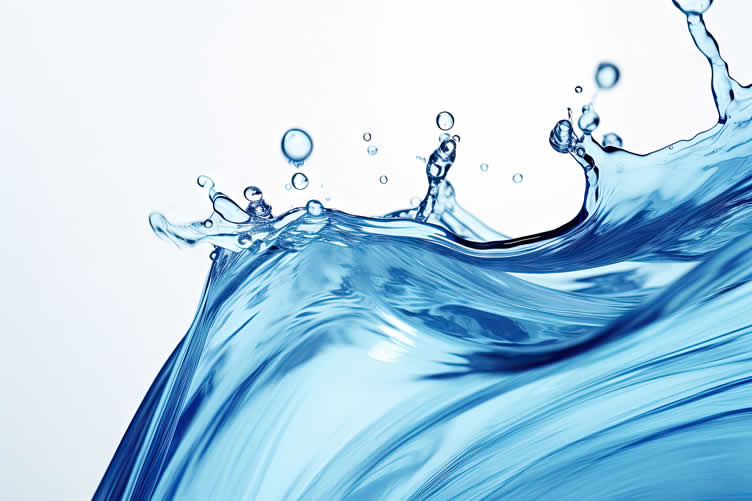
copyright image by 123rf.com
[ view diagram: sources of community water ]
[ youtube: How do we get clean drinking water? ]

-
-
2nd: Home Wells as an Alternative Water Source
For properties located in remote or rural areas where municipal water systems are unavailable, home wells serve as a reliable alternative water source. Wells draw water from underground aquifers, offering self-sustaining access to clean water for households.
Understanding how home well systems work and how to locate an appropriate water source is crucial to maintaining both water quality and supply.
-
How Home Well Systems Work
A home well system extracts water from underground aquifers and delivers it to the property through a series of components. The well itself is a deep hole drilled into the ground to access the aquifer, lined with materials like steel or PVC casing to prevent contamination.
At the base of the well, a screen filters out debris, while a submersible or jet pump moves water to the surface. From there, the water travels to a pressure tank that regulates flow and ensures consistent pressure for household use.
Proper maintenance of the well system is essential to ensure reliable operation. Periodic inspections for mechanical integrity, water quality testing for contaminants, and prompt repairs are key aspects of owning a well.
Local health departments and environmental agencies may also provide guidelines for maintaining compliance with water safety standards.
-
Finding Water for a Home Well System
Identifying a suitable location for a home well requires careful consideration of geological, hydrological, and legal factors. Professional hydro-geologists or well drillers often conduct surveys to determine the likelihood of finding enough water at a given site.
Key methods include analyzing surface features, studying soil composition, and deploying geophysical tools such as electrical resistivity testing that maps underground water-bearing formations.
Additionally, property owners must research local regulations to ensure compliance with permits and distance requirements from potential contamination sources like septic systems, agricultural operations, or industrial activities.
Understanding the aquifer’s recharge rates and natural filtration processes can aid in selecting a sustainable water source to avoid over-extraction that could deplete the resource over time.
-
The Importance of Quality and Sustainability
While home wells can provide a dependable water source, their sustainability depends on careful management. Testing water regularly for pollutants like nitrates, bacteria, or heavy metals is critical to protecting household health.
Further, implementing water conservation practices reduces stress on the aquifer and extends its longevity as a resource.
Homeowners are encouraged to work with certified professionals for well drilling, water testing, and repairs to ensure both proper installation and long-term reliability.
Regulatory agencies and certified laboratories can provide support to ensure that the well meets local safety and quality standards.
Aspect Description System Components Includes the well casing, pump, pressure tank, and filtration mechanisms for clean water delivery. Water Source Draws water from underground aquifers identified through geological and hydrological surveys. Maintenance Requirements Regular inspections, water quality testing, and repairs by certified professionals. Key Considerations Site selection, compliance with local regulations, and sustainable aquifer management practices. Water Quality Importance of testing for common contaminants like bacteria, nitrates, and heavy metals. 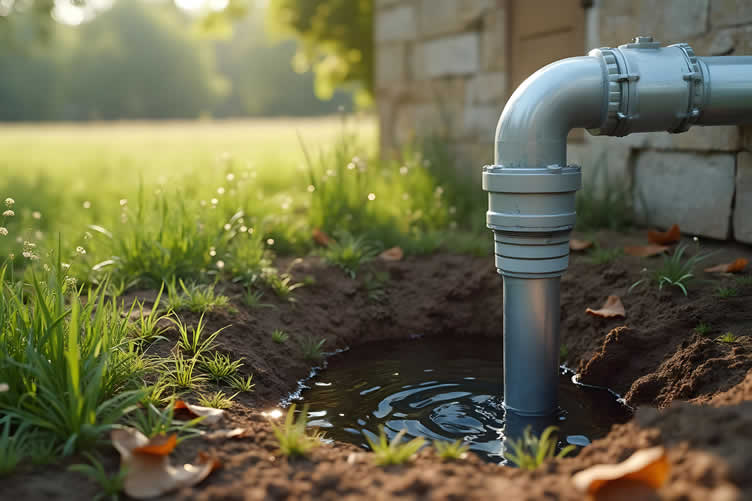
AI generated image by 123rf.com
[ view diagram: how do home water wells work]
[ youtube: How Does My Private Well System Work?]
-
-
-
ideas to view and compare from the information discussed above
book: home plumbing guidebook: illustrated building codesZZZ
Scroll up to directory … or scroll to next section about how home plumbing works …





second “photo remodeling” idea
AI generated image by 123rf.com
Water Flow 2: How Water Reaches Your Home or Dwelling
Notes:
-
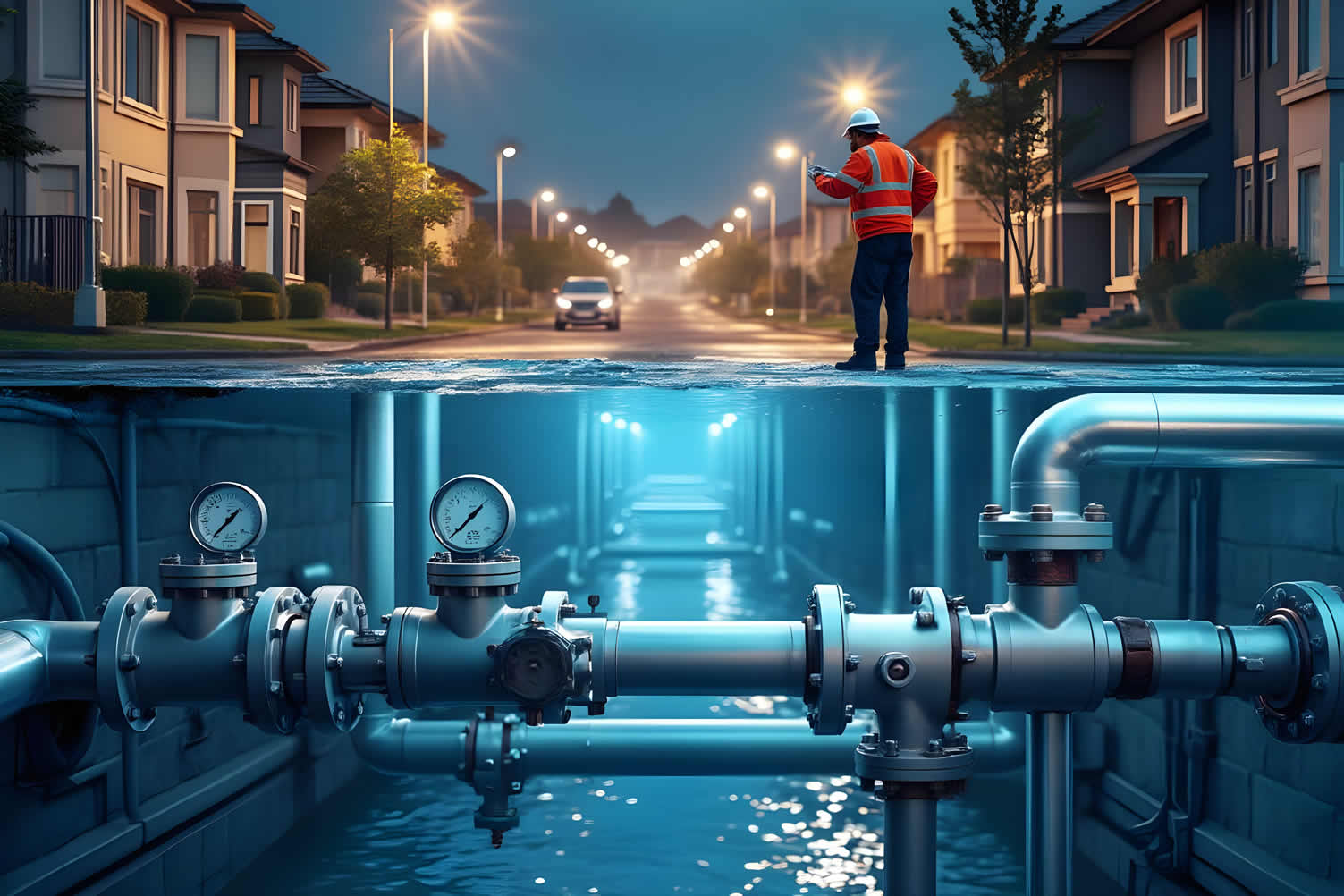
Water distribution systems play a crucial role in delivering clean and safe water from communal sources to individual homes. These systems involve a network of pipes, pumps, and storage facilities, ensuring that water is efficiently transported while maintaining its quality.
Properly designed and maintained systems are essential for meeting the needs of communities and safeguarding public health.
-
Quick scroll to “water distribution” side notes …
-
-
1st: From Water Source to Home
The water that flows from your faucet undergoes an intricate and carefully managed process before it reaches your home. After being treated in a municipal supply facility or accessed from a private source, water must travel through a well-organized, reliable distribution network designed to ensure its safety and availability.
Understanding this process not only highlights the complexity of water delivery systems but also underscores the importance of infrastructure maintenance and water conservation practices.
Below, we walk through the steps in the water’s delicate and deliberate path from the community water source to your home.
-
The Role of Pumping Stations
Before water begins its journey to consumers, it undergoes thorough treatment to meet strict safety and quality standards. After treatment, it is stored in large reservoirs or tanks, awaiting distribution.
From there, powerful pumping stations drive the water through an extensive distribution system, ensuring it reaches its destination efficiently and reliably. These stations ensure that water maintains consistent pressure throughout the network as it moves through miles of pipes and conduits.
Pumping stations are strategically located and powered by advanced technology to monitor pressure levels and flow rates. They prevent disruptions in supply and address variations in demand, such as those caused by peak usage times.
-
The Distribution Network
The distribution network serves as the backbone of water delivery infrastructure. Comprising miles of underground pipes made from durable materials like ductile iron, steel, or PVC, the network transports water from pumping stations to local communities.
Larger “trunk” water mains move high volumes of water to regional areas, while smaller “branch” pipes deliver water to individual neighborhoods and homes. This web-like system is meticulously maintained through routine inspections and repairs, ensuring its efficiency and reliability.
-
Water Pressure Management
Maintaining appropriate water pressure is critical for the system to function effectively. Pressure-reducing and pressure-boosting mechanisms within the network control the flow of water, ensuring that it reaches higher elevations or multi-story buildings without overburdening lower-level structures.
Water towers and elevated storage tanks also play a vital role in balancing pressures, storing surplus water during low-use periods, and aiding the network during high-demand intervals.
-
Final Delivery to Your Home
Once in your residential area, the water passes through metered lines that connect to your property. These water service lines are equipped with meters to monitor usage precisely, ensuring billing accuracy.
Upon reaching your home, the water enters through the main supply line and travels through your household plumbing system to your faucets, appliances, and fixtures.
Stage Description Treatment Removes impurities and ensures water meets safety and quality standards. Pumping Stations Propel water through the system by maintaining consistent pressure and flow rates. Distribution Network An extensive system of underground pipes transports water from treatment facilities to homes. Pressure Management Maintains consistent pressure throughout the system with advanced mechanisms and storage tanks. Final Delivery Water enters homes through service lines, ready for use in household activities. 
copyright image by 123rf.com
[ view diagram: community water distribution systems ]
[ youtube: Genius of NYC’s Water Supply System ]
-
-
2nd: Ensuring Water Quality Along the Way
Maintaining water quality throughout its route is a critical component of modern water distribution systems. From the treatment facility to the final delivery point, numerous proactive mechanisms ensure that water remains clean, safe, and free of contaminants.
These safeguards, combined with rigorous monitoring and advanced engineering, help uphold the integrity of water quality, promoting public health and confidence in water systems.
The process depends on precise technology, careful design, and effective management practices. Below are the key control mechanisms that ensure water quality along its distribution path.
-
Backflow Prevention Devices
Backflow prevention devices serve as an essential line of defense against water contamination. These devices prevent the reverse flow of water through pipelines, which could otherwise introduce pollutants and harmful substances into the potable water supply.
By creating a physical barrier or using pressure-sensitive valves, they ensure that contaminants from industrial sites, residential backflow, or other sources cannot infiltrate the clean water system.
Regular maintenance and inspections of these devices are necessary to preserve their effectiveness and comply with regulatory standards.
-
Properly Sealed Pipes
The integrity of the distribution network depends on the condition and sealing of its pipes. Aging, corrosion, or improper fittings can create vulnerabilities that allow contamination from external sources, such as soil, sewage, or chemical runoff.
Advanced materials like ductile iron or high-density polyethylene (HDPE) offer enhanced durability and resistance to breaches in the system. Professional pipe installation and the use of leak detection technologies are paramount to reducing contamination risks and maintaining seamless water quality.
-
Cross-Connection Controls
Cross-connections pose a significant risk to water quality, especially in environments prone to mixing different water systems, such as potable and non-potable sources. Effective cross-connection control programs include planning, monitoring, and the use of specialized devices such as air gaps or double check valves.
These measures ensure that there is no unintended mixing of clean and potentially contaminated water and are typically enforced under strict plumbing codes and regulatory guidelines enforced by local water authorities.
-
Regular Water Quality Monitoring
An ongoing commitment to water quality monitoring is one of the most impactful ways to ensure the safety of drinking water. Testing stations and sensors strategically placed along the distribution network continuously assess parameters such as pH levels, microbial content, residual disinfectants, and potential chemical contaminants.
This data not only ensures compliance with environmental and safety regulations but also serves as an early warning system for potential issues, allowing for rapid corrective action. Modern monitoring practices rely on automated systems that provide real-time updates to water management teams.
-
Chlorination and Disinfection
Throughout the distribution system, chlorination and other disinfection methods provide an additional layer of safety. Maintaining a residual disinfectant level prevents the growth of bacteria and pathogens as water travels to its destination.
Water treatment facilities often maintain a careful balance between effective disinfection and avoiding an excessive concentration that could affect water taste or quality.
Technological advances have introduced alternative methods, such as ultraviolet light and ozone treatment, to complement traditional disinfection processes.
Control Mechanism Purpose Core Processes Backflow Prevention Devices Prevent contamination from reverse water flow. Use physical barriers and pressure-sensitive valves; inspected regularly. Properly Sealed Pipes Maintain the integrity of the pipeline system. Utilize durable materials like HDPE or ductile iron; employ leak detection technology. Cross-Connection Controls Eliminate risks of mixing potable and non-potable water. Enforce plumbing codes; install devices like air gaps or double check valves. Water Quality Monitoring Continuously evaluate the safety and cleanliness of water supplies. Deploy real-time testing for pH, contaminants, and disinfectant levels using advanced sensor systems. Chlorination and Disinfection Prevent microbial growth and ensure pathogen-free water. Maintain residual disinfectant levels; use alternative methods such as UV or ozone treatment. 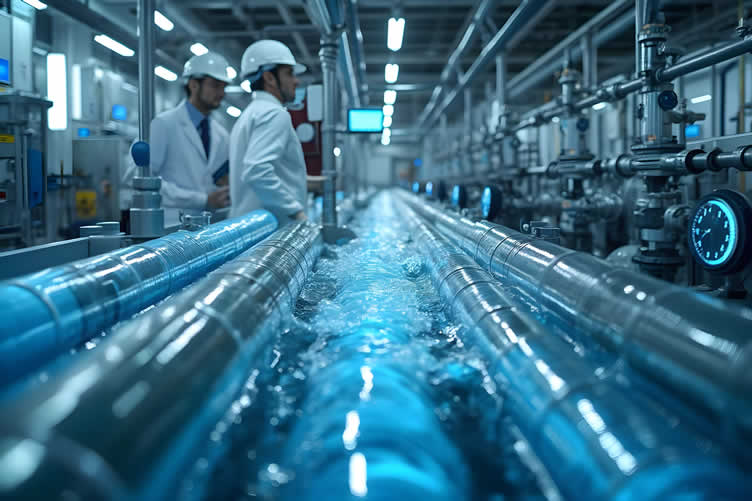
AI generated image by 123rf.com
[ view diagram: ensuring water distribution quality ]
[ youtube: How Is Water Quality Monitored ]
-
-
3rd: Additives in Communal Water Systems
Safe and high-quality water is essential to community health, and modern water systems often incorporate additives to preserve the water supply and enhance public health. These additives, such as fluoride, are introduced to target specific health concerns or maintain the safety of water for consumption.
While these additives can provide significant benefits, understanding what is added to your water, why it is added, and how to take action if concerns arise is critical.
This section will review key additives found in communal water systems, methods for identifying them, and advocacy strategies to ensure the water remains safe and healthy for consumption.
-
Common Additives in Water Systems
Fluoride is one of the most common additives, introduced to reduce dental decay and promote oral health in populations. Other additives can include chlorine and chloramine, which are used as disinfectants to eliminate harmful pathogens in the water supply.
Some systems may also introduce phosphate compounds to control pipe corrosion or adjust pH levels. While these additives often aim to fulfill public health objectives, excessive levels or unintended chemical reactions can raise concerns.
-
How to Identify Water Additives
Understanding what is in your water begins with accessing your community’s Consumer Confidence Report (CCR). This annual report, provided by local water utilities, details water quality, potential contaminants, and any additives introduced during processing.
Independent lab testing is another option for those seeking further clarity, especially if there is suspicion of contaminants. Kits for water testing are available for home use, though professional laboratory analysis yields the most reliable results.
-
Advocacy for Pure and Healthy Water
If concerns about water additives arise, organized advocacy is vital. Start by engaging with local water utilities, attending public meetings, or submitting inquiries regarding the rationale behind additive choices and their concentration levels.
Researching federal, state, and local water quality standards through organizations like the Environmental Protection Agency (EPA) or the World Health Organization (WHO) can provide crucial context for advocacy efforts.
Community-driven initiatives, such as petitions or partnerships with non-profits and environmental health groups, can amplify concerns and lead to actionable policy reforms. Ensuring water is both pure and health-promoting is a collaborative effort requiring informed and proactive measures.
Additive Purpose Potential Concerns How to Address Fluoride Promotes dental health and reduces cavities Over-fluoridation risks, potential toxicity Verify fluoride levels with utility; consult CCR. Chlorine/Chloramine Disinfects water, removes harmful pathogens Taste and odor issues, by-product formation Request water quality reports; advocate for alternatives like UV disinfection. Phosphates Controls corrosion, stabilizes water pH Potential environmental impacts Conduct independent testing; push for eco-sustainable standards. 
AI generated image by 123rf.com
-
-
-
ideas to view and compare from the information discussed above
book: water qualitywater quality test kitwater quality meter
Scroll up to directory … or scroll to next section about how home plumbing works …

addressing home plumbing needs and other home improvement tips …

… grab this directory of ideas for future use



… remodeling decisions

May We Suggest Other Photo Remodeling Ideas About
“Where Good Plumbing Has It’s Need …” (new win)

third “photo remodeling” idea
AI generated image by 123rf.com
Water Flow 3: The Intricate Network of Your Home’s Plumbing System
Notes:
-
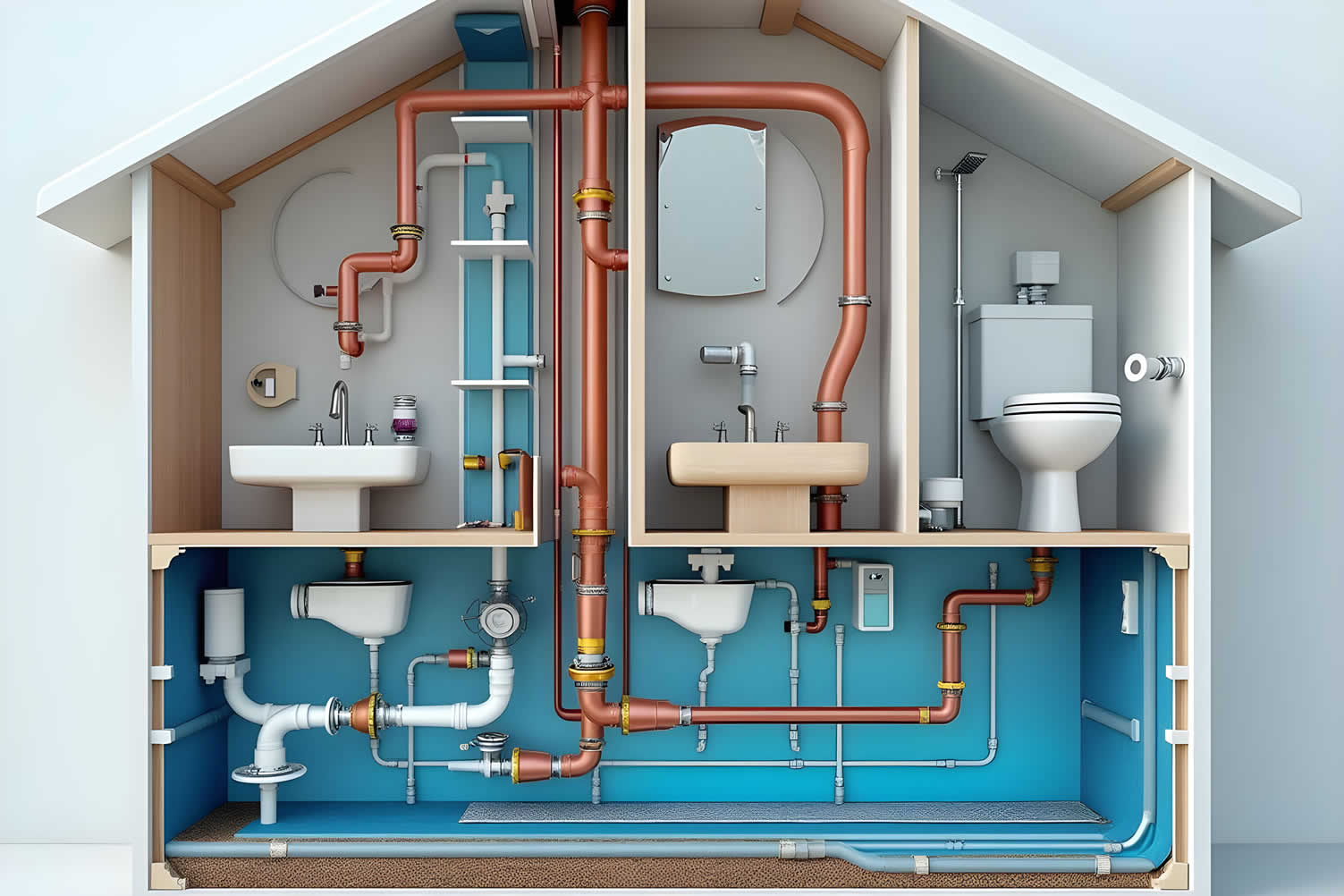
The internal plumbing system in your home plays a crucial role in ensuring the efficient distribution of water throughout the household. It comprises a network of pipes, valves, and fixtures that work together to deliver clean water to faucets, appliances, and other outlets while removing wastewater safely.
An effective plumbing system not only provides convenience but also supports the health and safety of your household by maintaining proper water quality and distribution.
-
Quick scroll to “home plumbing” side notes …
-
-
1st: Understanding the Home Internal Plumbing System
The internal plumbing system plays an essential role in distributing water throughout your home. Once water enters your home from the community main water line, it travels through a network of pipes, valves, and fixtures to reach various outlets such as sinks, toilets, showers, and appliances.
A well-functioning plumbing system ensures clean water for your household needs while efficiently removing wastewater. Below, we’ll explore the critical components of a home plumbing system, their roles, and considerations for maintenance and performance.
-
Water Supply Lines
Water supply lines are the veins of the plumbing system, carrying fresh water from the main supply line to fixtures and appliances throughout the home. These lines ensure that clean water is available for everyday tasks, from washing dishes and taking showers to running appliances like washing machines and dishwashers.
These supply lines are typically crafted from the materials listed below and are engineered to withstand constant water pressure while ensuring dependable performance.
Regular maintenance is essential to avoid leaks, blockages, or damage that could interrupt your home’s water flow.
- Copper Pipes: Known for their durability and resistance to corrosion, copper pipes are a popular choice for water supply lines.
- PEX Pipes: Flexible and easy to install, PEX pipes are increasingly common in modern plumbing systems.
- PVC Pipes: Lightweight and cost-effective, PVC pipes are suitable for cold water applications.
- Galvanized Steel Pipes: Once widely used, these are durable but prone to corrosion over time, and are now less common in new installations.
- CPVC Pipes: Similar to PVC but treated to handle higher temperatures, CPVC pipes are often used for hot water lines.
-
Faucet Fixtures and Valves
Faucets and valves are essential for regulating water flow at points of use. Available in a wide range of styles, materials, and designs, faucets are crafted to balance both functionality and aesthetic appeal, catering to diverse needs and preferences.
Below is a list of various types of faucets and valves, each designed to serve a specific function based on the source’s requirements.
- Compression Faucets: Traditional style faucets that use a washer to seal and control water flow.
- Ball Faucets: Common in kitchens, these faucets use a single handle to control both water flow and temperature.
- Cartridge Faucets: Available in both single and double-handle designs, they utilize a cartridge mechanism for smoother operation.
- Disc Faucets: A modern option, featuring ceramic discs to regulate water flow and ensure durability.
- Angle Valves: Used to control water flow to specific fixtures like sinks or toilets, often installed near the point of use.
- Stop Valves: Designed to completely shut off water flow to a particular fixture for maintenance or repair purposes.
-
Shutoff Valves
Shutoff valves are essential safety components of the plumbing system, allowing you to stop the flow of water in case of an emergency or during repair work.
Main shutoff valves control the supply of water to the entire house, while secondary shutoff valves enable the isolation of specific fixtures or appliances. Ensuring that shutoff valves are functional and accessible can save time and prevent damage in the event of leaks or burst pipes.
- Gate Valves: Typically used in main water supply lines, these valves operate by lifting a gate to allow or restrict water flow.
- Ball Valves: A highly reliable option, these valves use a rotating ball with a hole to control water flow, providing a quick shutoff.
- Pressure-Reducing Valves: These are used to reduce and stabilize water pressure in systems, preventing potential damage.
-
Sump Pumps
Sump pumps are used in homes with basements or areas prone to flooding. They are installed in sump pits to remove accumulated water and prevent water damage.
The pump activates when water levels rise above a set threshold, channeling water out through discharge pipes. Regular testing, cleaning, and professional servicing ensure the pump operates effectively during heavy rains or plumbing emergencies.
Component Function Key Considerations Water Supply Lines Carry fresh water throughout the home Material choice, regular inspection for leaks – type values - Copper Pipes: Known for their durability and resistance to corrosion, copper pipes are a popular choice for water supply lines.
- PEX Pipes: Flexible and easy to install, PEX pipes are increasingly common in modern plumbing systems.
- PVC Pipes: Lightweight and cost-effective, PVC pipes are suitable for cold water applications.
- Galvanized Steel Pipes: Once widely used, these are durable but prone to corrosion over time, and are now less common in new installations.
- CPVC Pipes: Similar to PVC but treated to handle higher temperatures, CPVC pipes are often used for hot water lines.
Faucet Fixtures and Valves Control water flow at points of use Quality materials, minimize leaks – type values - Compression Faucets: Traditional style faucets that use a washer to seal and control water flow.
- Ball Faucets: Common in kitchens, these faucets use a single handle to control both water flow and temperature.
- Cartridge Faucets: Available in both single and double-handle designs, they utilize a cartridge mechanism for smoother operation.
- Disc Faucets: A modern option, featuring ceramic discs to regulate water flow and ensure durability.
- Angle Valves: Used to control water flow to specific fixtures like sinks or toilets, often installed near the point of use.
- Stop Valves: Designed to completely shut off water flow to a particular fixture for maintenance or repair purposes.
Shutoff Valves Stop water supply during emergencies or repairs Functionality, accessibility – type values - Gate Valves: Typically used in main water supply lines, these valves operate by lifting a gate to allow or restrict water flow.
- Ball Valves: A highly reliable option, these valves use a rotating ball with a hole to control water flow, providing a quick shutoff.
- Pressure-Reducing Valves: These are used to reduce and stabilize water pressure in systems, preventing potential damage.
Sump Pumps Prevent flooding by removing accumulated water Regular testing, cleaning, and servicing 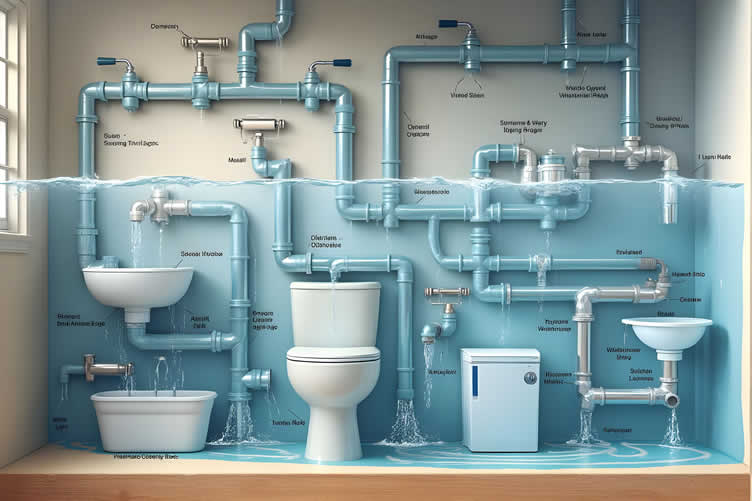
AI generated image by 123rf.com
[ view diagram: home plumbing diagram ]
[ youtube: How Your Home Plumbing Works ]
-
-
2nd: Plumbing System Needs by Room
An internal water supply plumbing system is an essential component of a functional and comfortable home. It is designed to deliver clean, safe water to various areas of the house while efficiently managing wastewater disposal.
Each room and functional area in the home has unique plumbing needs, and understanding these requirements ensures optimal water flow, system reliability, and long-term performance.
Below is a detailed review of the plumbing elements used for the kitchen, bathroom, laundry room, utility station, outdoor irrigation, water heater, and other key areas.
-
Kitchen Plumbing System
The kitchen is one of the most water-intensive areas in any home. Plumbing in this space must support sinks, faucets, dishwashers, and refrigerators with water dispensers or ice makers.
High-quality piping, proper drainage, and backflow prevention systems are critical to maintain water hygiene and efficiency. Additionally, garbage disposals require careful attention to ensure that food waste does not clog the drainage system.
Routine maintenance, such as descaling faucets and flushing drains, is essential in this area.
- Faucets
- Variety includes single-handle, double-handle, pull-down, and touchless faucets.
- Improve water flow control and add convenience during use.
- Durable materials and modern designs elevate both functionality and aesthetics.
- Values for Kitchen Plumbing
- High-quality piping ensures long-lasting performance and water hygiene.
- Proper drainage systems prevent clogs and maintain efficiency.
- Backflow prevention safeguards against contamination of water supply.
- Routine maintenance extends the lifespan of plumbing components and enhances performance.
- Faucets
-
Bathroom Plumbing System
The bathroom plumbing system handles multiple water outlets, including sinks, showers, bathtubs, and toilets. Ensuring proper water pressure for showers while preventing faucet leaks or toilet overflows is a priority.
Quality fixtures, water-efficient appliances like low-flow showerheads, and effective ventilation systems are important for reliability and conservation.
Water heaters often play a significant role in the bathroom’s plumbing efficiency by delivering sufficient hot water when needed.
- Types of Faucets:
- Single-handle faucets for simple temperature and flow control.
- Double-handle faucets providing separate controls for hot and cold water.
- Touchless faucets offering convenience and improved hygiene through sensor activation.
- Wall-mounted faucets creating a modern aesthetic and saving counter space.
- Value for Bathroom Plumbing Use:
- Enhances water efficiency and reduces waste with features like aerators or low-flow designs.
- Improves aesthetics and functionality to suit various design preferences.
- Durable materials ensure long-term reliability and reduced maintenance needs.
- Contributes to better water conservation and sustainability efforts.
- Types of Faucets:
-
Laundry Room Plumbing System
Laundry rooms require plumbing systems that are durable and capable of handling high-demand appliances like washing machines. These systems provide both hot and cold water supply and incorporate drainage for wastewater.
Reinforced hoses and well-sealed connections are vital to prevent leaks and flooding. Access to utility sinks in a laundry area can also improve functionality, especially when dealing with heavy-duty cleaning.
- Type of Faucet:
- Utility or laundry faucets designed for heavy-duty use.
- Includes dual-handle designs for precise control of hot and cold water.
- Value for Laundry Room Plumbing:
- Enhances functionality for tasks like pre-soaking clothes or cleaning items.
- Durable and leak-resistant design prevents water wastage and potential damage.
- Provides convenience for handling large or messy cleaning tasks efficiently.
- Type of Faucet:
-
Utility Station Plumbing System
Utility stations like garages or basements often have specialized plumbing elements tailored to the homeowner’s needs. Utility sinks, mop basins, and hose connections are common in these areas for heavy cleaning or maintenance tasks.
These systems need powerful drainage and corrosion-resistant piping, as water in these areas may carry grease or other sediments. Regular inspection of connections here helps ensure long-term reliability.
- Utility Faucets
- Designed for heavy-duty use.
- Often include extended spouts or hose connections for additional reach.
- Made from durable materials to withstand wear and corrosion.
- Valves for Utility Plumbing
- Ball valves for precise water flow control and durability.
- Gate valves for on/off operation in utility settings.
- Check valves to prevent backflow and maintain system integrity.
- Utility Faucets
-
Outdoor Irrigation Plumbing System
Outdoor plumbing for irrigation typically consists of hoses, sprinkler systems, and drip irrigation systems. These systems must deliver water efficiently to lawns, gardens, and landscapes while minimizing water waste.
Backflow prevention devices are crucial to maintain a safe water supply by keeping contaminants from entering the home’s system. Seasonal maintenance, such as winterizing outdoor faucets, helps protect plumbing from freezing and bursting.
- Outdoor Faucet Types:
- Hose bibs
- Frost-free faucets
- Ball valve faucets
- Valve Types for Irrigation:
- Manual shut-off valves
- Anti-siphon valves
- Solenoid valves (used in automated irrigation systems)
- Outdoor Faucet Types:
-
Water Heater Plumbing System
Water heaters are a pivotal part of the plumbing network, supplying hot water throughout the home. Key considerations include ensuring appropriate capacity based on household demand and maintaining consistent water pressure.
Tank-based water heaters require regular flushing to prevent sediment buildup, while tankless water heaters need routine descaling. Installation should follow local building codes to ensure safety and efficiency.
- Types of Faucets
- Standard faucets for basic water flow control.
- Mixer faucets to combine hot and cold water.
- Sensor-operated faucets for efficient water usage.
- High-pressure faucets for areas requiring strong water flow.
- Highlighting Value for Water Heater Plumbing
- Tank-based water heaters provide reliable hot water storage but require regular maintenance to prevent sediment buildup.
- Tankless water heaters offer on-demand hot water with energy efficiency but necessitate periodic descaling.
- Proper capacity and pressure considerations enhance performance and user experience.
- Compliance with local building codes ensures safety and maximized efficiency.
- Types of Faucets
-
Other Plumbing Elements
Additional plumbing needs can arise in specialized areas or installations, such as wet bars, home filtration systems, or rainwater collection systems. These setups often require customized solutions such as specialized piping, filtration units, or pumps.
Professional planning and installation can help optimize functionality and align with environmental and sustainability goals.
Room/Area Plumbing Needs Key Considerations Kitchen Sinks, faucets, dishwashers, refrigerators Backflow prevention, efficient drainage Bathroom Sinks, showers, bathtubs, toilets Water pressure, leak prevention Laundry Room Washing machines, utility sinks Reinforced hoses, flood protection Utility Station Utility sinks, mop basins, hose connections Corrosion-resistant piping, drainage Outdoor Irrigation Sprinkler systems, drip irrigation Seasonal maintenance, backflow prevention Water Heater Tank or tankless units, hot water piping Regular maintenance, local code compliance Other Areas Wet bars, filtration systems, rainwater systems Customized solutions, professional planning 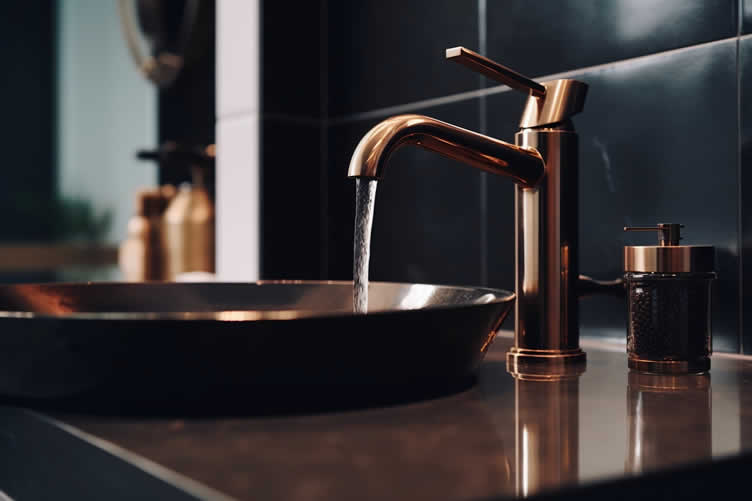
AI generated image by 123rf.com
-
-
3rd: Preserving Water at Home
Water is one of the most essential resources on the planet, yet its availability is increasingly under pressure due to population growth, climate change, and unsustainable consumption practices.
Preserving water at home is not only a responsible approach to environmental stewardship but also a practical way to reduce utility costs and ensure resource conservation for future generations.
By adopting strategic water-saving tactics, we can make meaningful changes that benefit both the environment and our communities.
-
Optimize Water Usage in Bathrooms
Bathrooms are among the most water-intensive spaces in any household. Start by installing water-saving fixtures such as low-flow showerheads and faucets.
Modern dual-flush toilets allow for reduced water usage per flush, saving gallons daily. Additionally, simple actions such as turning off the tap while brushing your teeth or shaving can cumulatively save substantial amounts of water over time.
Regularly inspect fixtures for leaks, as even a slow dribble can waste hundreds of gallons annually.
-
Efficient Practices in the Kitchen
The kitchen is another area with significant water-saving potential. When washing dishes manually, fill one basin with soapy water and another with clean water for rinsing rather than letting the tap run continuously.
If you use a dishwasher, run it only when it is fully loaded to maximize efficiency. Consider investing in energy-efficient appliances labeled with the Energy Star certification, as they often consume less water and power, making them more eco-friendly.
-
Mindful Laundry Habits
Laundry operations account for a substantial portion of household water consumption. To conserve water, wash full loads whenever possible and select the appropriate water level settings for smaller loads.
Modern high-efficiency washing machines are designed to use less water per cycle without compromising cleaning performance. Additionally, avoid overloading the machine, which can lead to inefficient water distribution and energy use.
-
Sustainable Outdoor Watering
Gardens and lawns can demand vast quantities of water, particularly during dry seasons. To reduce consumption, water your plants early in the morning or late in the evening to minimize evaporation.
Drip irrigation systems deliver water directly to a plant’s roots, enhancing water efficiency significantly. Planting drought-resistant native species can also reduce the need for supplemental watering. W
hen maintaining your lawn, collect rainwater in barrels to irrigate your garden sustainably.
-
Fixing Leaks and Plumbing Systems
Leaking faucets, pipes, or irrigation systems are common sources of water wastage. Conduct regular inspections of your plumbing infrastructure to identify and repair leaks promptly.
Even minor fixes, such as replacing worn washers or tightening connections, can prevent unnecessary water loss. Consider consulting with a professional plumber to upgrade outdated systems with modern, water-efficient alternatives.
-
Adopt Smart Technology
Smart water-saving technologies are game changers in home conservation. Devices such as smart leak detectors and moisture sensors can monitor water usage in real time and alert you to potential issues.
Smart irrigation controllers can adjust watering schedules based on local weather conditions, ensuring your garden receives just the right amount of water without excess.
-
Educate and Encourage Conservation at Home
Education is a crucial element in any conservation effort. Teach family members the importance of water preservation and involve them in establishing habits such as shorter showers or using reusable water bottles.
Creating a culture of sustainability within your household reinforces these practices for the long term and inspires broader community action.
Category Key Areas Tactics for Water Conservation Bathroom Showers, faucets, toilets Install low-flow fixtures, repair leaks, turn off taps when unused Kitchen Dishwashing, cooking Run full dishwasher loads, use efficient appliances Laundry Washing machines, rinse cycles Wash full loads, choose high-efficiency models Outdoors Gardens, irrigation systems Use drip systems, collect rainwater, water during cooler hours Plumbing Pipes, sprinkler systems Inspect regularly, fix leaks, upgrade to water-efficient systems Technology Smart devices Use smart controllers, leak detectors, moisture sensors 
AI generated image by 123rf.com
-
-
-
ideas to view and compare from the information discussed above
Scroll up to directory … or scroll to next section about how home plumbing works …
SHARE IT ..! You might have someone in your social network who could find this informative post about how home plumbing works valuable. Feel free to share it on Facebook, X (formally Twitter), LinkedIn, or Pinterest!


Download this PDF for a concise summary of all you need to know about …?




get the size dimensions for any home remodeling project …
… for functionality, aesthetics, and adhering to building codes



fourth “photo remodeling” idea
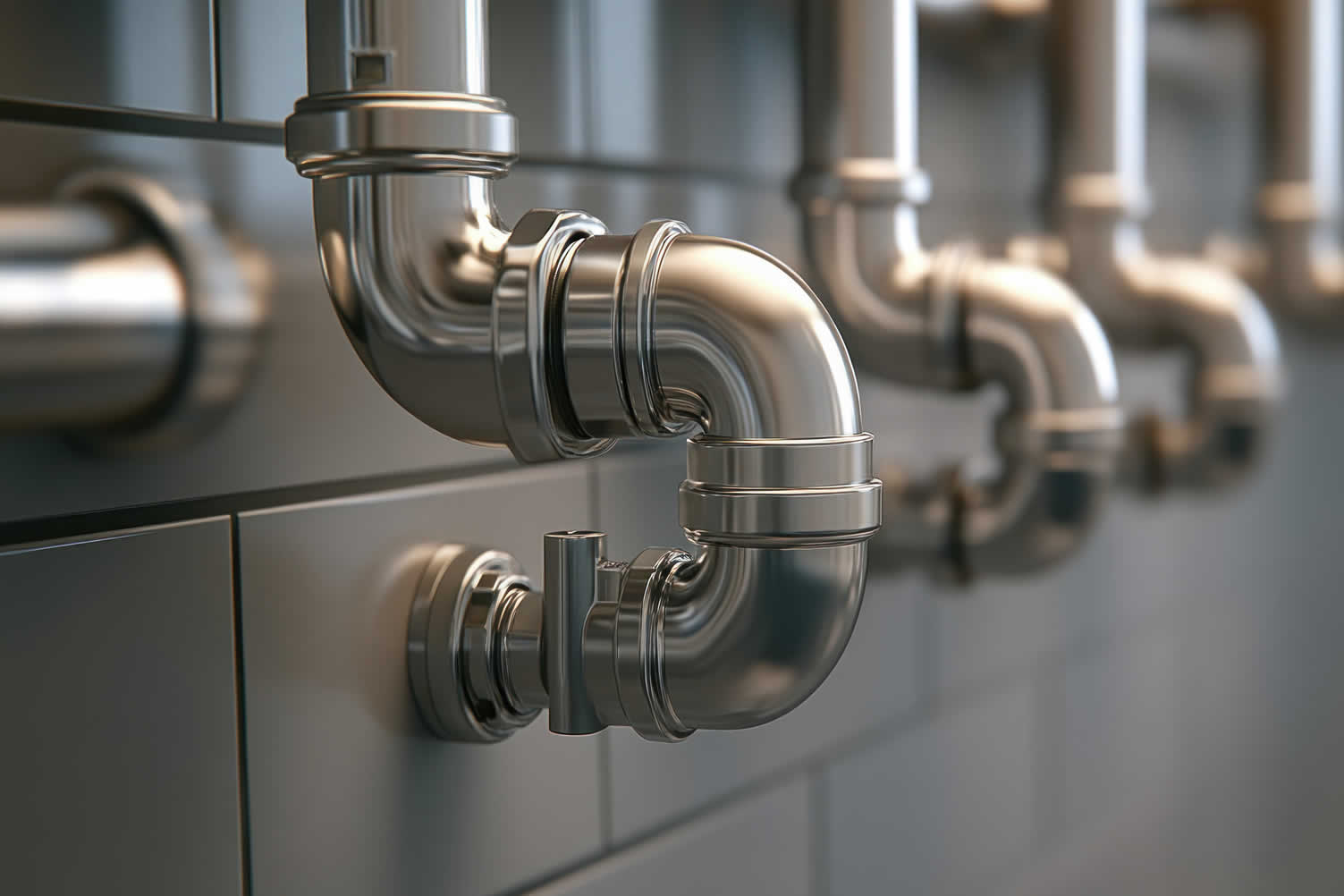
copyright image by 123rf.com
Water Flow 4: Understanding How Your Home Drainage System Works
Notes:
-
The home drainage system plays a crucial role in managing wastewater generated from daily activities such as bathing, cooking, and cleaning. This system ensures that waste flows efficiently from your home to either a centralized treatment facility or a septic tank, depending on your setup.
A well-functioning drainage system is essential for maintaining sanitation, preventing water contamination, and supporting overall public health.
-
Quick scroll to “drainage and water treatment” side notes …
-
-
1st: The Drainage System
While getting water into your home is essential, efficiently removing wastewater is equally important for maintaining hygiene, preventing plumbing issues, and protecting the environment.
A home drainage system is designed to transport used water and waste from domestic activities safely out of the house, ensuring a clean and functional living space.
Understanding how this system works, from the moment wastewater leaves your home to its reentry into the ecosystem, is fundamental for homeowners wanting to maintain their systems and contribute to sustainable water management.
-
The Role of Drainpipes in Your Home
At the core of your home’s drainage system lies the network of drainpipes. These pipes are responsible for carrying wastewater from sinks, showers, toilets, and appliances like washing machines to the main sewer line.
Properly functioning drainpipes ensure that water and waste exit your home seamlessly without clogging or backflow issues, which can lead to unsanitary conditions.
Regular maintenance, such as clearing clogs and ensuring good pipe condition, is vital to keeping this system operational.
-
Types and Sizes of Drain Pipes Needed for a Home
- Kitchen Sink Drain Pipe:
Typically, 1.5-inch diameter pipes are used to handle wastewater from kitchen sinks. These pipes are designed to handle moderate water flow and small food particles. - Bathroom Sink Drain Pipe:
Bathroom sinks usually require 1.25-inch to 1.5-inch diameter pipes, depending on the expected water flow. - Shower and Bathtub Drain Pipe:
A 2-inch diameter pipe is standard for shower and bathtub drains to accommodate higher water flow rates. - Toilet Drain Pipe:
Toilets require a 3-inch or 4-inch diameter pipe to effectively handle solid and liquid waste discharge. - Washing Machine Drain Pipe:
A 2-inch diameter pipe is commonly used for washing machines to manage the significant volume of water released during a wash cycle. - Main Sewer Line:
The main sewer line that connects the home’s drainage system to the municipal sewer or septic system is often 4 to 6 inches in diameter to handle the combined wastewater from the entire house.
- Kitchen Sink Drain Pipe:
-
Transition from Home to Community Sewer Systems
Once wastewater exits your home, it flows into the community sewer system. This sewer system is a network of underground pipes designed to collect wastewater from multiple homes and buildings, transporting it to designated locations.
This stage in the drainage process is critical because it moves potentially harmful waste away from populated areas, minimizing risks to human health and the environment. Sewer systems are typically managed by local municipalities, and their maintenance is essential to prevent environmental contamination.
-
How Wastewater Travels to a Treatment Center
From the community sewer system, wastewater flows to a centralized sewage treatment plant. These plants are strategically located to serve specific regions and are designed to handle large volumes of waste.
Gravity is often used to help wastewater travel, but in some cases, pump stations are required to push the water through the system. Once at the treatment facility, the real work of water recovery begins, ensuring that harmful contaminants are removed before the water can reenter the natural ecosystem.
-
Wastewater Treatment Processes
Wastewater treatment is a multi-step process involving physical, chemical, and biological techniques to clean the water. The primary stage removes solid waste through filtration and sedimentation.
The secondary stage uses biological processes to break down organic matter. Advanced treatment methods, such as chemical disinfection or membrane filtration, may follow to remove pathogens and micro-pollutants.
These steps are crucial for transforming wastewater into a safe and reusable resource for environmental or industrial purposes.
-
Returning Treated Water to the Ecosystem
After undergoing thorough treatment, clean water is released back into the environment. Typically, treated water is discharged into rivers, lakes, or other bodies of water, where it can safely reenter the natural water cycle.
Releasing treated wastewater that meets strict environmental standards protects aquatic habitats and ensures the quality of downstream water resources.
Some advanced systems even facilitate water reuse by directing treated water back for agricultural irrigation, landscape use, or industrial cooling.
-
Other Considerations in Wastewater Management
While the primary goal of a drainage system is to remove and treat wastewater efficiently, additional considerations help optimize its functionality.
Sustainable practices, such as preventing non-biodegradable materials or hazardous chemicals from entering the system, can greatly enhance the effectiveness of water treatment and reduce environmental harm.
Employing smart technologies like sensor-based monitoring for detecting leaks or system inefficiencies can further conserve resources and improve overall system resilience.
Aspect Details Drainpipes Transport wastewater from household appliances to the main sewer line. Drain size requirements:
- kitchen sink: 1.5 inch
- bathroom sink: 1.25 – 1.5 inch
- shower and bathtub: 1.5 -2.0 inch
- toilet drain: 3-4 inch
- washing machine: 2 inch
- main sewer line: 4-6 inch
Community Sewers Collect waste from homes and deliver it to treatment plants. Travel to Treatment Wastewater flows via gravity or pump stations to sewage treatment facilities for processing. Treatment Process A multi-step process involving filtration, biological treatment, and chemical disinfection to remove contaminants. Reentry to Ecosystem Treated water is released into natural water bodies or re-purposed for industrial, agricultural, or other uses. Sustainable Practices Avoiding clogs, minimizing hazardous waste, and using smart technology to improve system efficiency. 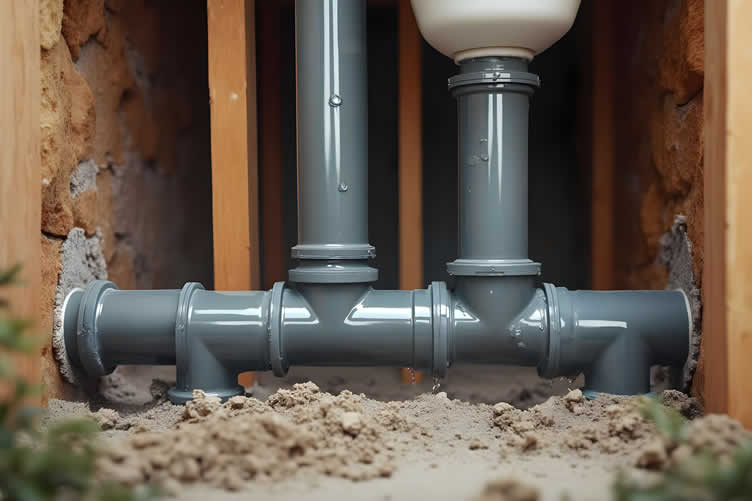
AI generated image by 123rf.com
[ view diagram: community sewage system ]
[ youtube: Sewer System Animation for Public Works ]
[ youtube: where does your sewage go ]
-
-
2nd: Septic Systems
If a home is not connected to a community sewage system, it relies on its own septic system for wastewater management. A septic system is a self-contained underground wastewater treatment structure.
Common in rural areas without centralized sewer systems, it is designed to treat household wastewater from kitchens, bathrooms, and laundry facilities.
Understanding how a septic system works and maintaining it properly over time is essential to ensure a clean environment, safe water supply, and long-term operability of the system.
-
How a Home Septic System Works
A typical septic system consists of two main components – a septic tank and a drainfield (or leach field). The septic tank is a watertight container, usually made of concrete, fiberglass, or polyethylene, that collects and processes all wastewater flowing from the home.
Within the tank, solid waste settles to the bottom, forming sludge, while oils and grease rise to the top, creating scum. Bacteria in the tank help break down the solids into a partially treated liquid called effluent.
The effluent exits the tank and flows into the drainfield, where it is gradually released into the soil. The soil naturally filters and treats the effluent by removing harmful bacteria, viruses, and nutrients.
A properly functioning septic system prevents the contamination of groundwater and nearby water sources while safely returning clean water to the environment.
-
Maintaining Your Septic System
Regular maintenance of a septic system is essential to keep it functioning efficiently over time. One of the most critical steps is having the septic tank pumped by a licensed professional every three to five years.
Pumping prevents solids from accumulating excessively and overflowing into the drainfield, which can cause system failure.
Additionally, homeowners must be cautious about what enters the system. Avoid flushing non-biodegradable items, excessive grease, or toxic chemicals down the drain, as these can disrupt the bacterial balance in the septic tank and clog the system.
Conserving water is also beneficial; excessive water usage can overload the system, reducing efficiency and increasing the risk of back-ups.
Minimizing the use of harsh cleaning products and opting for septic-safe alternatives will also help maintain the delicate ecosystem within the tank.
Lastly, ensure that the drainfield remains unobstructed by heavy machinery, vehicles, or trees with invasive roots, as these can compromise the functionality of the system.
Component Function Maintenance Septic Tank Collects and partially treats household wastewater. Pump every 3–5 years, and avoid introducing non-biodegradable materials or harmful chemicals. Drainfield Distributes effluent into the soil for natural filtration. Prevent heavy equipment or tree roots from damaging the area. Maintain proper drainage and avoid water overloading. Bacteria in the Tank Breaks down solid waste into effluent. Avoid harsh chemical cleaners that can kill beneficial bacteria. Use bacteria-boosting additives only if recommended by a professional. Entire System Maintains water quality and prevents groundwater contamination. Schedule routine inspections, practice water conservation, and educate household members on system-friendly practices. 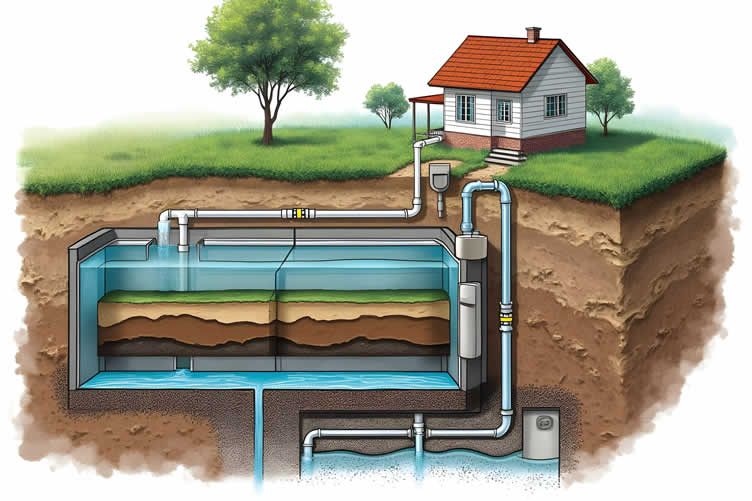
AI generated image by 123rf.com
[ view diagram: how does septic system work ]
[ youtube: How Does a Septic System Work? ]
-
-
-
ideas to view and compare from the information discussed above
drainage snakesewer camera with lightplumbing drain protector
Scroll up to directory … or scroll to next section about how home plumbing works …

plan the specifications you need for making …
… key home improvement and remodeling decisions
looking for other interesting topics that may be helpful …?


Find Plumbing Services Plumbing Issues Drain Clearing Septic/Sewers Water Heaters Pumps Water Softening top-rated, pre-screened local contractors FREE: download contractor selection enter zip code – powered by HomeAdvisor ™
Quick Contractor Guides selecting negotiating working with inspecting

fifth and last “photo remodeling” idea
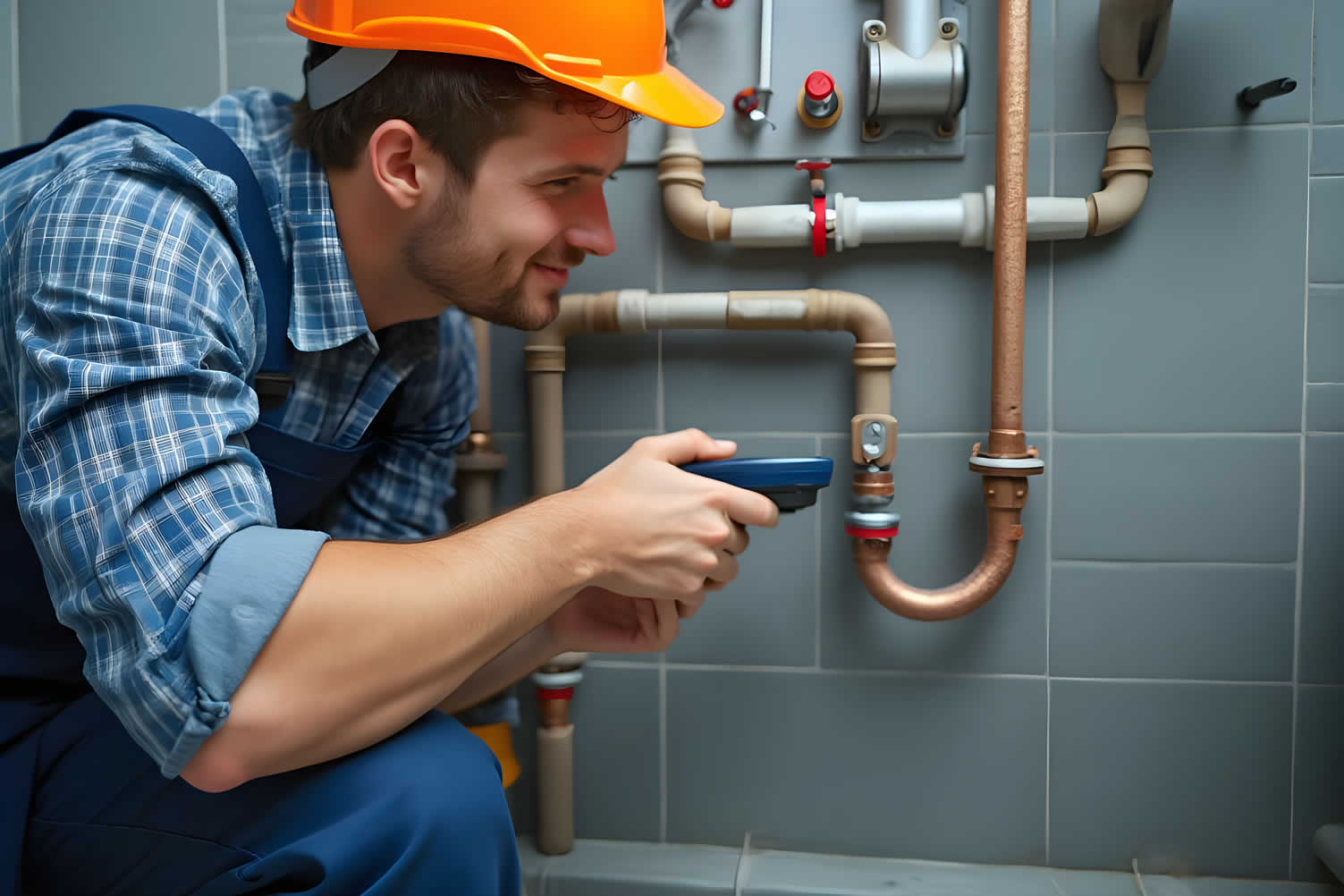

AI generated image by 123rf.com
Water Flow 5: Maintaining a Smooth-Running Plumbing System
Notes:
-
A well-functioning plumbing system is essential for the comfort and convenience of any home. Regular maintenance and timely repairs can prevent costly damages and ensure the efficient operation of your pipes, fixtures, and appliances.
While many plumbing tasks can be handled by homeowners, more complex issues often require the expertise of a professional. This section will provide guidance on maintaining your plumbing system, addressing common repairs, and knowing when to seek help from skilled plumbing specialists.
-
Quick scroll to topic "plumbing maintenance" side notes …
-
-
1st: Plumbing System Maintenance and Repair
A home’s plumbing system is one of its fundamental infrastructures, providing clean water for various uses and properly disposing of wastewater. Over time, even the most efficient plumbing systems may face issues such as leaky faucets, malfunctioning valves, or clogged water lines.
Proper maintenance and timely repairs are critical to ensuring a well-functioning plumbing system while avoiding costly damages or water waste.
This section explores common plumbing issues, their maintenance, and professional repair solutions, offering expert advice to help homeowners manage their plumbing effectively.
-
Understanding Plumbing Water Lines
Plumbing water lines are the veins of your home’s water distribution system, carrying water from the main water supply to various fixtures and appliances. Over time, water lines may experience issues such as corrosion, blockages, or leaks caused by natural wear and tear, freezing temperatures, or poor-quality materials.
To prevent water line issues, it is essential to inspect visible piping periodically and monitor for signs of leaks such as damp spots or unexplained increases in water bills.
Fixing damaged water lines often requires professional intervention, especially in cases of concealed or underground pipes. A licensed plumber can use advanced diagnostic tools, such as leak detection equipment, to pinpoint problems without excavating unnecessarily.
Homeowners can also maintain plumbing lines by keeping them insulated during colder months, avoiding the disposal of grease or hazardous substances into the system, and ensuring regular check-ups.
-
Fixing and Maintaining Faucets
Leaky faucets are one of the most common plumbing issues, often resulting in water wastage and higher utility bills. The primary causes of faucet leaks include worn-out washers, damaged seals, or improper installation. Addressing this issue promptly can save gallons of water annually and prevent additional damage to surrounding fixtures.
To repair a leaky faucet, homeowners should first identify the faucet type—compression, cartridge, ball, or ceramic disk. Replacing damaged parts such as washers or O-rings is typically a straightforward task.
Turn off the water supply before attempting any repairs, and if unsure, consult a professional plumber for assistance.
Routine maintenance, such as cleaning faucets to prevent mineral build-up and ensuring handles turn smoothly, can extend the lifespan of your fixtures and enhance their performance.
-
Addressing Valve Issues
Valves within a plumbing system regulate water flow, making them indispensable for proper water distribution. Common valve problems include leaks, blockage, or wear in shut-off or supply line valves. Faulty valves can lead to inefficient water flow or damage other components of the plumbing system.
To address valve issues, ensure they are operated carefully and not forced open or shut, as this can cause damage. When valves show signs of deterioration, such as corrosion or difficulty turning, replacing them is often the best solution.
It’s recommended to rely on professional plumbers when dealing with major valve replacements or complex repairs. Regularly exercising valves by turning them on and off helps maintain functionality and keeps them free from debris.
-
Maintaining Plumbing Lines for Long-Term Efficiency
The longevity and efficiency of a plumbing system depend on consistent maintenance practices. Some actionable steps include:
- Scheduling annual check-ups by a licensed professional to assess the plumbing health.
- Insulating both hot and cold water lines to avoid temperature-related expansion and contraction.
- Using water filtration systems to minimize mineral build-up and protect against contaminant damage.
- Avoiding the disposal of non-degradable or hazardous substances into drains to prevent pipe clogs.
- Upgrading old piping material, such as galvanized steel, to more durable options like copper or PEX.
Awareness and pro-activity in maintaining plumbing systems not only reduce the likelihood of emergencies but also contribute to water conservation and a healthier home environment.
Plumbing Component Common Issues Maintenance Tips Repair Solutions Water Lines Leaks, corrosion, blockages Periodic inspection, insulate pipes, regular check-ups Professional leak detection, pipe replacement when needed Faucets Leaky seals, mineral build-up Clean fixtures, replace damaged components Repair or replace washers, O-rings, and seals Valves Corrosion, difficulty turning Operate carefully, exercise valves regularly Replace faulty valves with professional guidance General Maintenance Wear and tear, clogs Schedule annual inspections, install water filtration systems Upgrade obsolete materials, resolve issues promptly 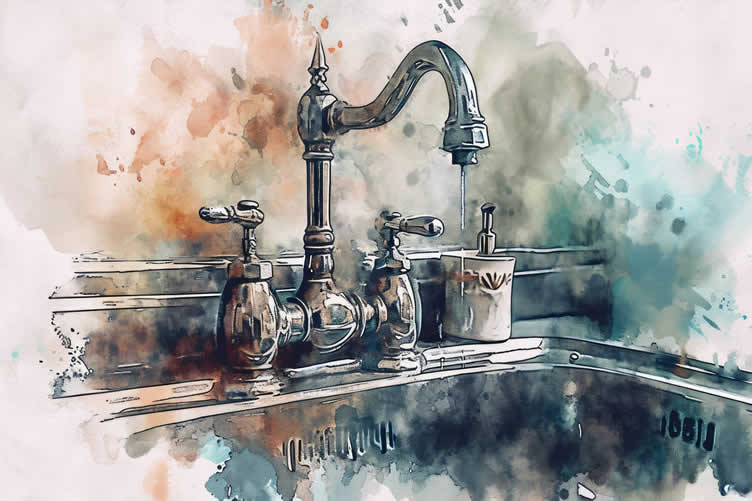
copyright image by 123rf.com
[ view diagram: how-to home plumbing maintenance ]
[ youtube: Prepare to Handle Basic Plumbing Repairs ]
-
-
2nd: Plumbing Drain Maintenance and Repair
Proper maintenance and repair of your plumbing drainage system are essential to ensure the efficient removal of wastewater from your home to the community sewage system or your home’s septic tank. A well-maintained drainage system prevents clogs, backups, and potential damage to your property.
This guide covers the most common drainage issues, their causes, and expert maintenance solutions to help homeowners protect their investment and maintain a healthy living environment.
-
Common Drainage Issues and Their Causes
One of the most frequent plumbing drainage problems is clogging, which occurs due to the buildup of grease, food particles, hair, soap scum, and other debris within the pipes. Over time, these materials accumulate and restrict water flow, leading to slow drains or complete blockages.
Another significant issue is root intrusion, where tree roots infiltrate underground pipelines, causing cracks and structural damage.
Additionally, improper installation or aging pipes can result in leaks or system failures, compromising the overall efficiency of your drainage system.
-
Preventive Maintenance for Drainage Systems
Routine maintenance is the key to avoiding costly drainage repairs. Regularly cleaning your drains can help prevent debris buildup and ensure proper water flow.
Using eco-friendly drain cleaners or flushing your drains with hot water and vinegar can dissolve minor buildup. Professional hydro jetting services offer a more thorough cleaning for stubborn clogs.
To prevent root intrusion, it’s advisable to plant trees and shrubs away from the vicinity of buried drainage lines. For homeowners with older systems, scheduling a professional inspection can identify potential issues before they escalate.
-
Steps for Professional Drainage Repairs
When facing persistent drainage issues, it is vital to seek professional help to ensure the repairs are done effectively and safely. Licensed plumbers will first conduct a video camera inspection to pinpoint the location and cause of the problem.
Once the issue is identified, they may recommend repairs such as pipe relining, root removal, or replacing damaged sections of the drainage line.
Always ensure that repair work complies with local plumbing codes and standards to maintain the longevity and safety of your system.
-
Importance of Proper Sewage Disposal
A functional drainage system plays a crucial role in safeguarding public health and environmental integrity. Efficient sewage disposal prevents the contamination of groundwater and reduces the risk of waterborne diseases.
Whether you are connected to a municipal sewage system or use a septic tank, proper drainage maintenance ensures that wastewater is handled responsibly. Homeowners with septic tanks need to pump their tanks regularly, typically every three to five years, to prevent overflow and system failure.
-
Professional Recommendations
Consulting experienced plumbing professionals is essential to address drainage concerns effectively. Professionals use modern tools and diagnostic technology to address underlying issues accurately and prevent recurrence.
Additionally, choosing high-quality materials for repairs and installing modern drainage components can significantly enhance your system’s efficiency and lifespan.
Problem Common Causes Maintenance Practices Repair Solutions Clogged Drains Hair, grease, food waste, soap scum Regular drain cleaning, eco-friendly solutions Hydro jetting, replace affected sections Root Intrusion Tree roots reaching underground drainage pipes Planting away from plumbing lines Root removal, pipe relining Aging or Damaged Pipes Wear and tear, corrosion, shifting soil Periodic professional inspections Pipe replacement, structural reinforcement Leaks and Line Breakage Cracks, poor installation, ground movement Monitor water usage for irregularities Expert repair or replacement of pipe sections 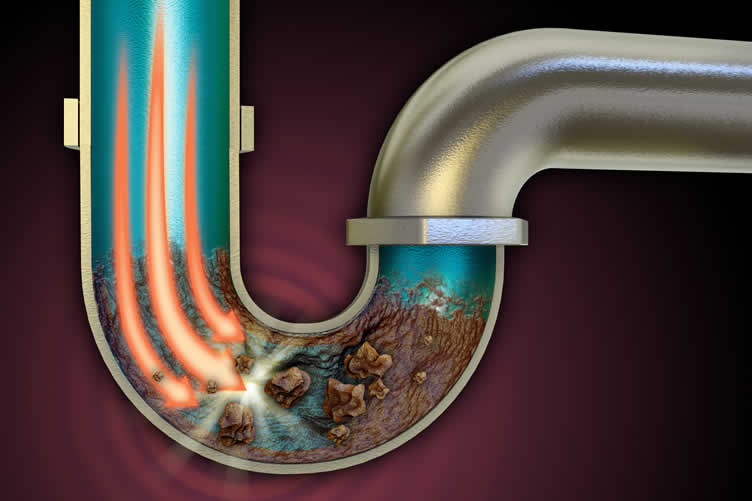
copyright image by 123rf.com
[ view diagram: home plumbing drain system problems ]
[ youtube: Signs of a Clogged Sewer Line ]
-
-
3rd: Plumbing Repair: DIY or Professional Plumber
Plumbing issues are an inevitable aspect of home maintenance. Some problems are minor and manageable with a little know-how and the right tools, while others demand the expertise of a professional plumber.
Understanding when to address a plumbing issue yourself and when to call a licensed professional can save you time, money, and prevent potentially significant damage to your property.
Below, we’ll explore common plumbing problems that can be resolved through a do-it-yourself approach, identify scenarios where professional intervention is essential, and provide guidance on selecting the best plumber for your needs.
-
DIY Plumbing Fixes
Certain plumbing tasks are simple and safe enough for homeowners to handle, especially with basic knowledge and the right preparation. For example, unclogging a drain is a common DIY task that can often be accomplished with a plunger or a drain snake.
Replacing a worn-out washer to fix a leaky faucet is another straightforward task that requires minimal tools and can significantly minimize water waste.
Addressing a running toilet by replacing the flapper or adjusting the chain within the tank is also a manageable repair that can restore functionality without professional assistance.
However, even with these simpler tasks, it is crucial to exercise caution. Ensure that you have turned off the appropriate water supply before beginning repairs and thoroughly research the specific steps needed for the task.
Reference reputable sources like instructional guides or videos from trusted home improvement experts. DIY fixes are best suited for minor, non-invasive issues that do not risk exacerbating the problem or causing water damage.
-
When to Call a Professional Plumber
Certain plumbing problems require the skills and experience of a professional. Issues like persistent low water pressure, major pipe leaks, sewer line blockages, and water heater malfunctions should be left to licensed plumbers. These situations often require specialized tools, advanced expertise, or access to plumbing infrastructure that goes beyond basic household tools.
Furthermore, if plumbing issues involve complex systems such as gas lines or extensive pipe replacements, attempting to address them without proper training can lead to safety hazards, such as carbon monoxide leaks or flooding.
Professionals are trained not only to resolve the issue at hand but also to identify underlying problems that may not be immediately apparent, thereby ensuring the long-term reliability of your plumbing system.
-
How to Select the Best Plumber
When hiring a professional plumber, it is important to select someone with the right qualifications and a proven track record of excellence.
Start by researching plumbers in your area who are licensed, insured, and bonded. Verify their credentials through local licensing boards and ensure they carry sufficient liability insurance to cover potential damages.
Reading customer reviews and asking for referrals from friends or family can also help you identify reputable professionals. Obtain multiple quotes to compare pricing, but avoid automatically choosing the lowest bid.
Instead, focus on the plumber’s experience, guarantees on workmanship, and their ability to clearly explain the problem and proposed solutions. A good plumber should be transparent, communicative, and willing to provide written estimates and contracts before starting the job.
Task DIY Approach Professional Plumber Needed Unclogging a sink or drain Use a plunger or drain snake with proper guidance Persistent clogs requiring pipe disassembly or sewer line repair Fixing a leaky faucet Replace washers or cartridges Extensive leaks involving hidden or damaged pipes Running toilet repair Adjust chain or flapper in the toilet tank Comprehensive toilet or plumbing system issues Low water pressure Check aerators for debris Persistent issues tied to pipe corrosion or system malfunctions Water heater maintenance Flush sediment with basic guidance Repairs or replacement of water heater components Major leaks or pipe bursts Not applicable Emergency repairs requiring professional tools and expertise Sewer line issues Not applicable Major blockages or system replacements By understanding the scope of various plumbing tasks and following these guidelines, you can confidently determine when to take a hands-on approach and when to rely on professional services.
Balancing your DIY skills with professional expertise ensures the safety, efficiency, and longevity of your home’s plumbing system.
LetsRenovate has partnered with HomeAdvisor™, a renowned provider of highly-rated, carefully-vetted local plumbing contractors. Start your search here by choosing the type of plumber you need and then entering your zip code to find local professionals.
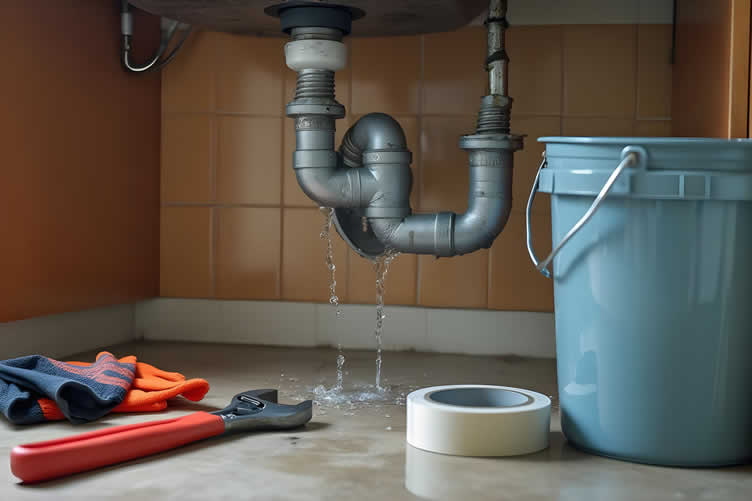
copyright image by 123rf.com
But Wait!
Before beginning your search for plumbing contractors, consider downloading this evaluation worksheet.
Designed to streamline your decision-making process, this valuable tool helps you objectively assess and rank potential contractors based on key criteria such as pricing, licensing, and referrals.

Evaluation Sheet
File Type: -
-
4th: History of Plumbing – Closing Section
Understanding the history of plumbing provides valuable insight into how human ingenuity and technological advancements have shaped modern-day water systems.
Plumbing has evolved from rudimentary techniques used in early civilizations into intricate systems essential for sanitation, comfort, and public health in modern homes.
By exploring its historical context and application within households, we can appreciate the profound impact that plumbing has had on quality of life throughout history.
-
Early Civilizations and Plumbing Innovations
The origins of plumbing trace back thousands of years to ancient civilizations that recognized the importance of managing water resources.
The Indus Valley Civilization (circa 2500 BCE) was among the first to develop rudimentary drainage systems, laying the foundation for modern wastewater management.
Similarly, the ancient Egyptians excelled at creating copper pipe systems to channel water from the Nile River to their cities, highlighting their advanced understanding of water engineering.
The Romans, however, are arguably the most renowned early pioneers of plumbing. Rome’s aqueducts—ingenious structures that transported fresh water from distant springs to cities—stand as testimony to the advanced engineering capabilities of this ancient empire.
The Roman Empire also built public baths, fountains, and early sewer systems such as the Cloaca Maxima, emphasizing the societal importance of clean water and sanitation.
-
Plumbing in the Home
The development of residential plumbing began during the Industrial Revolution, driven by urbanization and public health reforms.
By the late 19th century, indoor plumbing began to replace outdoor latrines as innovations in water pumps, cast iron pipes, and sanitary drainage systems enabled homes to supply fresh water and safely remove wastewater internally.
The 20th century ushered in widespread availability of indoor plumbing, transforming everyday life in urban and rural areas. Innovations like hot water systems and modern fixtures expanded convenience and efficiency.
Today’s advanced plumbing systems combine sustainability and technology, with features such as low-flow fixtures, smart leak detection, and water treatment systems designed to meet environmental and user-centric needs.
Era Key Innovations Relevance to Modern Plumbing Ancient Civilizations Drainage systems, copper pipes, aqueducts Foundational concepts of water transportation Roman Empire Public baths, sewers (Cloaca Maxima), aqueducts Framework for sanitation and large-scale systems Industrial Revolution Pumps, cast iron pipes, sanitation reforms Introduction of indoor plumbing for urban homes Modern Era Smart fixtures, water conservation technologies Sustainable and user-centered innovations 
AI generated image by 123rf.com
[ view diagram: history of plumbing timeline ]
[ youtube: From Roman Aqueducts to Modern Water Pipes ]
-
-
-
Taking the Next Step in Home Plumbing Knowledge
Understanding your home’s plumbing system—from water’s source to its return to nature—not only deepens your knowledge but also equips you to identify potential issues and perform basic plumbing maintenance. Addressing small problems early can save you from costly repairs down the line.
For homeowners and prospective buyers, knowledge is power. Take the time to familiarize yourself with your home plumbing system, and don’t hesitate to reach out to professionals for annual inspections or repairs.
If you’re eager to learn more about plumbing maintenance, our expert guides and resources are here to provide support. A well-maintained plumbing system ensures that your home runs efficiently while giving you peace of mind.
-
ideas to view and compare from the information discussed above
- What comments can you share about
how home plumbing works?
Scroll up to directory … or scroll to more home utility-related topics …

Budgeting Worksheet For Costing Home Remodeling and Home Improvement Decisions
 File Type (excel)



Calendar For:
Home Maintenance
File Type:


Download this PDF for a concise summary of all you need to know about …?
… view our sharing links below for a quick "share the knowledge"
Cover image credit: how home plumbing works by 123rf.com
end of post … please share it!
 |
did you find how simple renovations can how home plumbing works analysis helpful? If so, please share the article with your friends and family! |
Nice pic idea? Leave us a quick comment below.
And please share this pic idea within your social networks.