Summary Outline –
The selection of the right shower drain is a critical decision in the design and functionality of a bathroom with a tiled floor. It’s not just a utilitarian feature; the shower drain plays a pivotal role in defining the efficiency of water management and the aesthetic harmony of the bathroom’s design. With tiled floors, the drain must not only match the practical requirements of drainage but also complement the intricacy of the tile work.
Homeowners and designers are presented with a plethora of drain options, each with its unique features and benefits. From traditional point drains to modern linear drains, the choices vary widely, catering to a range of preferences and styles.
Summary of Site Content
1st Drain Tip: [view Drain Tip]
… we begin by determining the optimal shower drain type for your new shower area. It is crucial to prioritize the installation of a properly sloped and efficient drain that effectively prevents water pooling and ensures proper drainage.
2nd Drain Tip: [view Drain Tip]
… the second drain tip provides an in-depth analysis of two types of drains: port drains and linear drains. It highlights the advantages and disadvantages of each option.
3rd Drain Tip: [view Drain Tip]
… continuing on, the third drain tip gets into the advantages of shopping online for a wide range of drain options suitable for your shower renovation, ensuring you find the perfect fit for your type and style.
4th Drain Tip: [view Drain Tip]
… the fourth drain tip tackles the installation challenges associated with shower drains, particularly on tiled floors. These challenges encompass aspects like flow, slope, drain size, and waterproofing.
5th Drain Tip: [view Drain Tip]
… the fifth drain tip focuses on the maintenance issues of showers and other bathroom drains. Over time, drains can become clogged with hair, soap residue, chemicals, and other debris, leading to impaired drainage.
6th Drain Tip: [view Drain Tip]
… … the sixth and final drain tip examines the installation of drains as a do-it-yourself project versus hiring a professional contractor.
The compatibility of these drains with the overall bathroom design is paramount — a well-chosen drain should seamlessly integrate with the tile pattern and color, enhancing the beauty of the floor rather than detracting from it.
As we analyze the world of shower drains for tiled floors, we’ll explore how to align functional needs with aesthetic desires, ensuring that the final choice of drain serves as the perfect complement to your carefully designed bathroom space.
This guide will provide an overview of the available options, helping you navigate through the selection process with confidence and ease.

-
Quick scroll to first topic about choosing the best shower drain …

first “choosing the best shower drain” idea

copyright image by 123rf.com
Drain Tip 1: Understanding Shower Drain Basics
Notes:
-
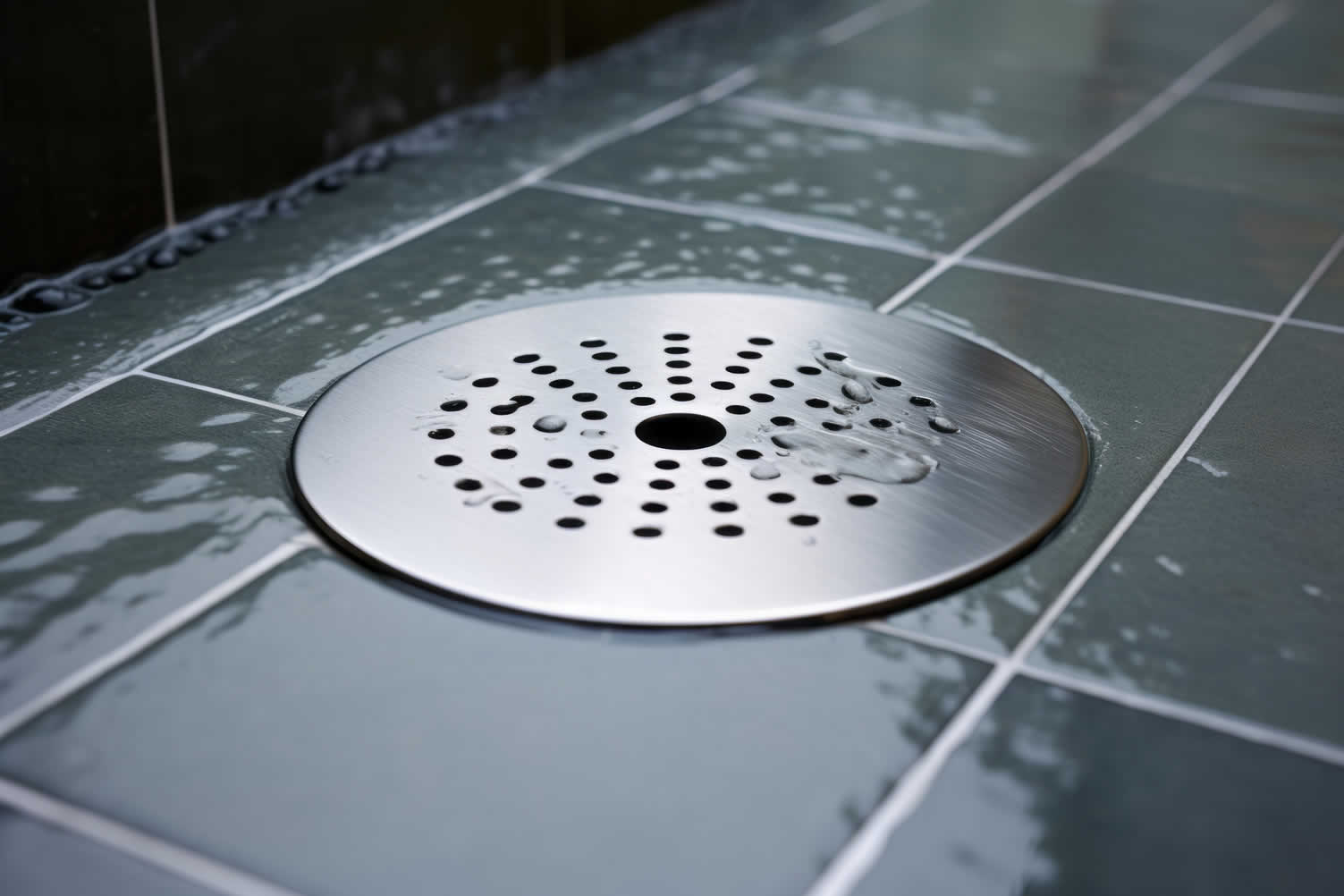
A shower drain is a key plumbing feature designed to channel used water from the shower into the waste system, preventing flooding and promoting hygiene within the bathroom. Its primary function is to efficiently handle and direct water flow out of the shower area, ensuring that the space remains dry and safe to use.
The functionality of a shower drain extends beyond mere water removal; it is integral to the water-proofing system of the bathroom, protecting the structure from water damage and contributing to the overall cleanliness and longevity of the space.
When it comes to tiled floors, selecting a suitable shower drain becomes an important consideration. Tiled floors, with their grout lines and tile edges, require drains that fit neatly and flush against the surface, avoiding any disruption to the water flow or the floor’s flatness.
-
Quick scroll to “self-care renovations” side notes …
-
-
1st: Types of Shower Drains
The two main types of shower drains that are well-suited for tiled floors are:
-
Point Drains:
These are the conventional drains typically located in the center of the shower floor. They require the floor to be angled in all directions towards the drain to ensure proper drainage.
When installed with tiled floors, the tiles must be cut to match the slope which can be quite intricate, depending on the tile size and the shower area’s dimensions.
[ view diagram: point drain]
[ images: point drain illustration]
-
Linear Drains:
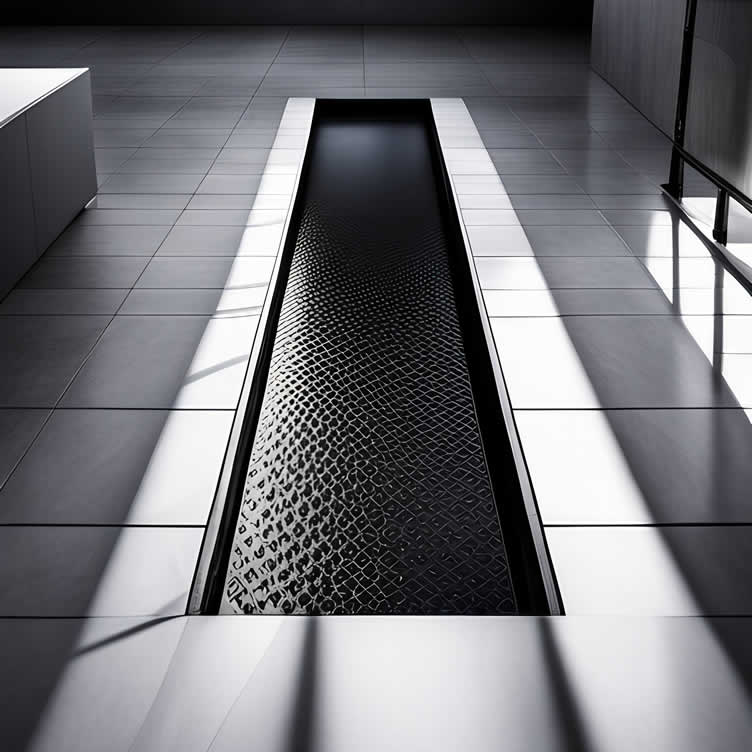
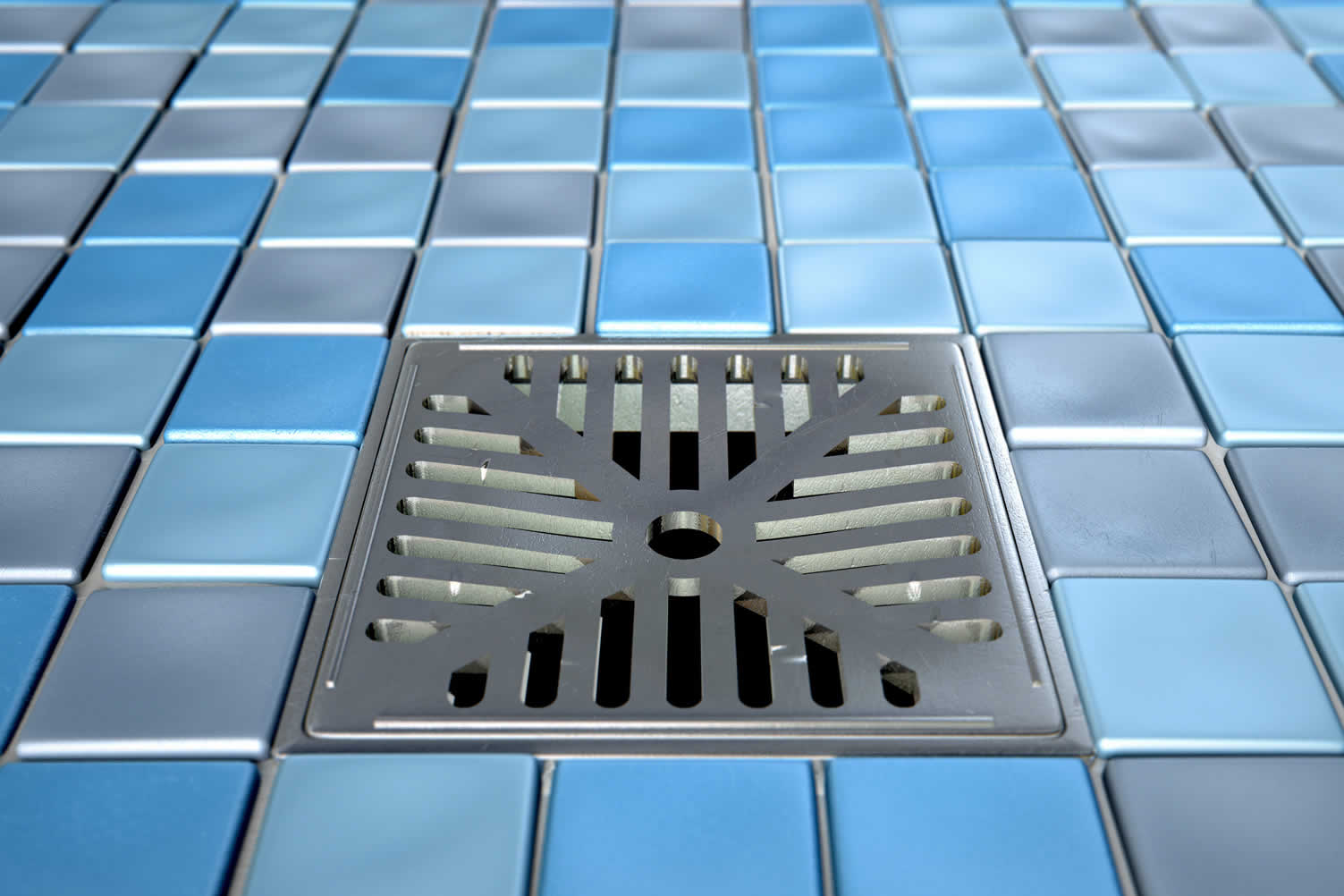
A more contemporary option, linear drains run along a straight line and offer a sleek, streamlined look. They are often placed at one end of the shower, requiring the floor to slope in only one direction, which can be a more natural fit with the layout of the tiles.
Linear drains are particularly popular in modern bathroom designs due to their minimalist appearance and the ease with which they can be integrated into various tiled floor patterns.
Each type of drain offers different aesthetic and functional benefits that can be matched to the specific needs of a tiled shower floor.
[ view diagram: linear drain]
[ images: linear drain illustration]
Whether you opt for the traditional central point drain or the modern linear option, it’s crucial to consider how the drain will interact with the tile work and what installation demands each type will place on the tiling process.
copyright image by 123rf.com

-
-
-
-
2nd: Note the Slope and Drain Size
When planning a shower renovation, particularly one that involves changing the shower drain size or slope, it’s crucial to be aware of the necessary inspections and compliance with local renovation permits and building codes.
These regulations are designed to ensure that all construction work is safe and up to standard. For shower drains, the size and slope are usually specified in these codes to ensure proper drainage and prevent water pooling and damage.
Therefore, before you start your renovation, you should consult with your local building department to understand the specific regulations that apply to your project.
-
Recommendations to Prevent Water Pooling
To avoid water pooling in a shower stall, ensure adequate slope during installation, maintain a clean drain, and consider using a water-repellent shower curtain or a well-sealed shower door.
With the variety of shower drains and doors available, it’s essential to choose options that meet your specific needs while also complementing your overall bathroom design.
- Proper Shower Drain Size:
Ensure that the shower drain size is adequate for your specific shower type and setup. As mentioned earlier, a standard shower typically requires a 2-inch diameter drain, while custom or larger showers may require a 3 or 4-inch drain. - Sufficient Slope:
Make sure your shower floor has the proper slope towards the drain. The standard slope is a 1/4 inch drop per foot (approximately 2% grade) from the shower edges to the drain. This slope ensures that water flows directly into the drain instead of pooling on the shower floor. - Appropriate Tile Size:
If you’re using tiled flooring, consider the size of the tiles. Smaller tiles can handle a steeper slope better than larger tiles, reducing the likelihood of water pooling. - Recessed Drain:
Consider installing the drain slightly recessed into the floor, which can help prevent water from pooling around the drain. - Regular Drain Maintenance:
Regularly clean and maintain the shower drain to ensure it is free of hair and other debris that could cause blockages and lead to water pooling. - Waterproofing:
Install a waterproofing membrane beneath the shower floor to help prevent water seepage and damage, which could compromise the effectiveness of the slope over time
- Proper Shower Drain Size:
-
Required Slope of the Shower Floor
A proper slope in the shower stall is crucial for effective drainage, helping to prevent water accumulation and ensuring a safer, more sanitary environment. A well-angled floor directs water towards the drain smoothly, reducing the chances of pooling and the potential growth of mold or mildew.
- Standard Slope:
The standard slope for a shower floor towards the drain is 1/4 inch drop per foot (approximately 2% grade) from the edges of the shower to the drain. - Maximum Slope:
The maximum slope, as per most building codes, should not exceed 1/2 inch per foot (approximately 4% grade) . - Tile Size:
The slope may also depend on the size of the tile used. Smaller tiles can handle a steeper slope than larger tiles. - Shower Size:
Larger showers may require a more gradual slope than smaller showers to ensure all water is directed to the drain.
- Standard Slope:
-
Size of the Drain for Various Showers
Equally important to consider in your shower renovation is the size of your shower drain. An appropriately sized drain is essential for maintaining an efficient flow of water, preventing backups and potential overflows.
If the drain is too small, it might not handle the shower’s water volume, causing standing water in the stall, which can be both a slip hazard and a breeding ground for bacteria.
- Standard Shower:
The most common shower drain size for a standard shower is 2 inches in diameter, which can handle up to 10 gallons of water per minute. - Custom or Larger Showers:
For custom-built or larger showers, a drain size of 3 or 4 inches may be required to handle the increased water flow. - Standalone Shower Stalls:
Standalone shower stalls often require a minimum drain size of 2 inches. However, if multiple shower heads or body sprays are installed, a larger drain may be necessary. - Shower-Bathtub Combos:
Shower-bathtub combos typically use a 1.5-inch drain, which is considered adequate for the average water flow of these fixtures. - Outdoor Showers:
The drain size for outdoor showers can vary greatly depending on the setup, but a 2-inch drain is a safe choice for most standard designs.
- Standard Shower:
Remember that these are general guidelines and local building codes may vary. Always check with your local building department to ensure your slope meets the specific regulations in your area.
AI generated image by 123rf.com
-
-
-
-
3rd: Doing A Shower Renovation
Selecting the right shower stall for your bathroom renovation is crucial for enhancing your bathing experience. The type of shower stall you choose should cater to your daily bathing needs, provide a comfortable bathing space, and complement the overall aesthetics of your bathroom.
There are a myriad of shower stall types available on the market, each with its own unique features and benefits. The following is a list of the most common types of shower stalls you might want to consider during your shower renovation:
- Alcove Shower Stall
- Corner Shower Stall
- Walk-in Shower Stall
- Frameless Glass Shower Stall
- Wet-room Shower Stall
- Tub and Shower Combo Stall
Let’s explore these options individually to help you make an informed decision.
-
Alcove Shower Stalls
Alcove shower stalls are an excellent choice for homeowners seeking a compact yet efficient shower solution. They are typically enclosed by three walls and a door or curtain on the fourth side. This type of shower stall is particularly suitable for smaller bathrooms, as it utilizes the existing structure of the bathroom to save space.
Furthermore, alcove shower stalls are versatile and can accommodate a variety of design styles, from traditional to contemporary. When planning your shower renovation, consider the alcove shower stall for its balance of functionality and style.
[ view images: alcove shower]
[ pinterest: alcove designs]
-
Corner Shower Stalls
If your bathroom is short on space, a corner shower stall could be an ideal option for your shower renovation. Corner shower stalls are designed to fit neatly into any corner of the bathroom, utilizing space that might otherwise be wasted.
This makes them a smart choice for smaller bathrooms or en-suite facilities. Despite their compact size, corner shower stalls do not compromise on comfort, offering a surprisingly spacious shower area.
Moreover, corner stalls provide a modern, sleek look that can enhance the aesthetic appeal of your bathroom. With numerous styles, materials, and finishes available, a corner shower stall can be customized to blend seamlessly with your bathroom décor.
[ view images: corner shower]
[ pinterest: corner shower designs]
-
Walk-In Shower Stalls
Walk-in shower stalls are an increasingly popular choice for shower renovation due to their stylish aesthetics and easy accessibility. These open-concept showers have a doorless design, offering a spacious and barrier-free bathing experience.
Their design is particularly suitable for those with mobility issues as they eliminate the need to step over a threshold. Besides practicality, walk-in showers are highly versatile in terms of design, allowing a wide range of customization options.
You can choose from different materials, tile designs, and accessories to match your bathroom decor. Furthermore, a well-designed walk-in shower can also increase the value of your home, making it an investment worth considering.
[ view images: walk-in shower]
[ pinterest: walk-in designs]
-
Frameless Glass Shower Stalls
For those seeking a sleek, minimalist look in their shower renovation, frameless glass shower stalls are a top-notch choice. These shower stalls offer a clean, streamlined aesthetic that can make your bathroom appear larger and more open. Made entirely of glass without the need for metal framing, these showers are easy to clean and maintain.
Frameless glass showers are highly customizable and can be fitted to any size or shape, allowing you to design a shower stall that perfectly suits your needs and space constraints. Not only do they add a sense of luxury and sophistication to your bathroom, but they also bring in extra light, creating a brighter, airier feel.
However, it’s important to note that this type of shower stall may require a larger investment compared to other options, but the resulting refinement and elegance to your bathroom decor could be well worth the cost.
[ view images: frameless glass shower]
[ pinterest: frameless glass designs]
-
Wet-Room Shower Stalls
For a truly luxurious and contemporary shower renovation, consider opting for a wet-room shower stall. As the name suggests, wet-room showers are designed with the entire room in mind, rather than confining water to a specific shower area.
This open-plan design not only offers a spacious and unobstructed showering experience but also adds a sense of elegance and sophistication to the bathroom space. Wet-room showers are particularly suitable for large bathrooms, though with careful planning and the right waterproof measures, they can be designed to fit smaller spaces as well.
Their highly customizable nature allows for a variety of design options, ranging from floor-to-ceiling tiles to wall-mounted shower heads and underfloor heating. When executed well, a wet-room shower stall can significantly boost the value of your home, making it an excellent option for those considering a bathroom upgrade.
[ view images: wet room shower]
[ pinterest: wet-room designs]
-
Bath and Shower Combo Stalls
When it comes to versatility and convenience, a bath and shower combo stall is a popular choice for a shower renovation. This type of shower stall integrates a tub and shower in one unit, proving to be a space-saving solution, particularly for smaller bathrooms or en-suites.
The combination offers the flexibility of a quick, invigorating shower or a long, relaxing soak in the tub, catering to different preferences within the household.
There are numerous design options available, from the classic over-the-bath shower with a curtain to more contemporary designs with glass partitions. However, it’s crucial to ensure the bath surface is non-slip to prevent accidents, and consider installing a hand-held showerhead for easier cleaning and bathing.
A bath and shower combo stall is a practical and cost-effective solution for those who desire both functionalities without compromising on style or space.
[ view images: bath and shower combo ideas]
[ pinterest: bath and shower combo designs]
copyright image by 123rf.com
-
-
ideas to view and compare from the information discussed above
Scroll up to directory … or scroll to next section about choosing the best shower drain …


 … grab this directory of ideas
second “photo remodeling” idea
copyright image by 123rf.com
Drain Tip 2: Best Types of Shower Drains for Tiled Floors
Notes:
-
When it comes to tiled showers, the type of drain you choose can have a significant impact on both the functionality and aesthetics of the space.
The two most common types are point drains and linear drains, each with its advantages and considerations.
-
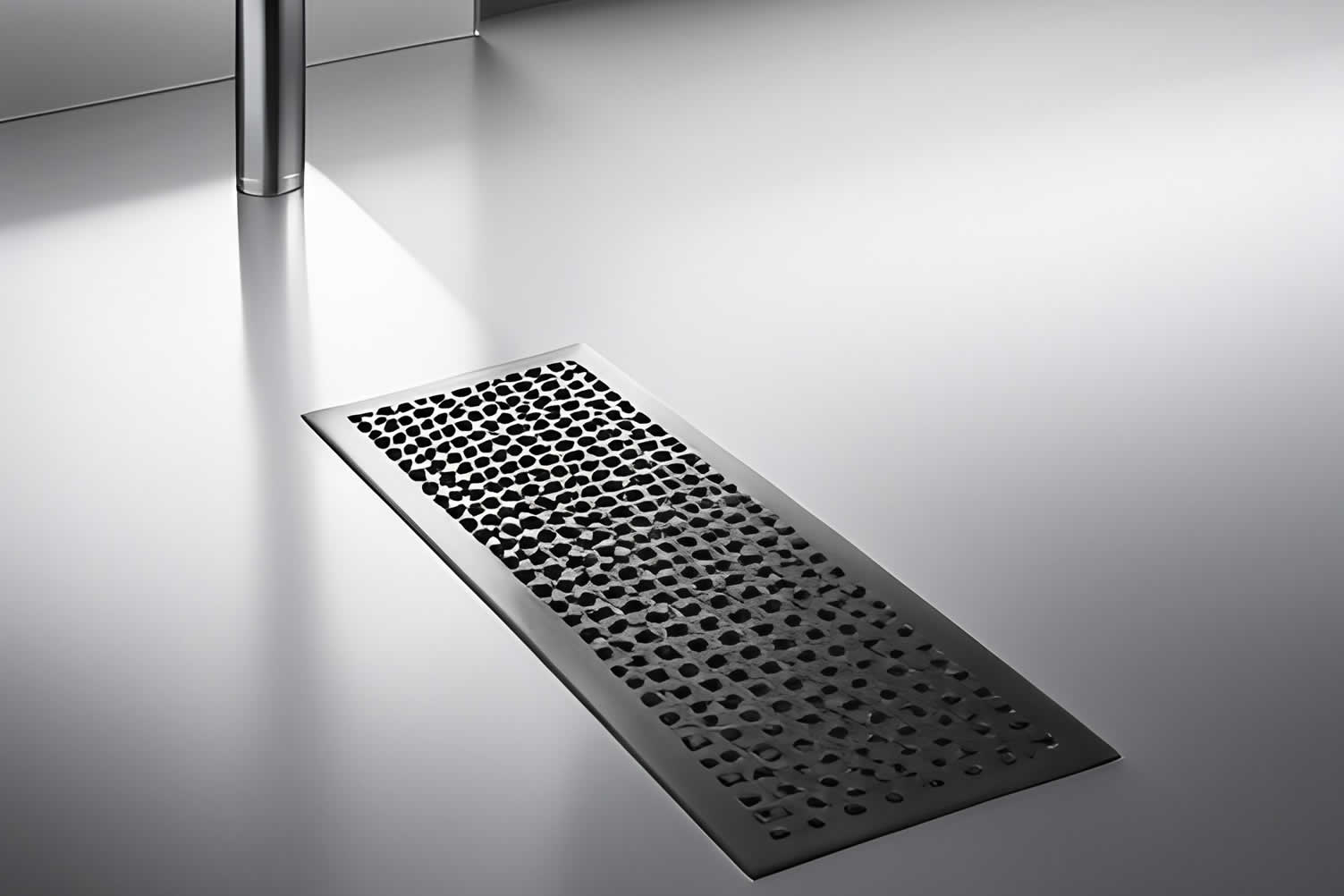
Point Drains
Point drains are typically located in the center of the shower floor. They are the traditional choice and are known for their compact, round or square shapes.
Pros:
- Universality:
Point drains are widely used and compatible with almost all types of shower structures. - Cost:
Generally, they are less expensive and easier to find in various styles. - Familiarity:
Both installers and users are usually familiar with this traditional option, making it a convenient choice.
Cons:
- Complex:
Tile Cutting: To create the necessary slope towards the drain, tiles often need to be cut into smaller, sometimes awkward shapes, which can be labor-intensive and may disrupt the tile pattern. - Limited Aesthetic Integration:
Central point drains may interrupt the visual flow of the tile, especially if the tile has a large or continuous design.
- Universality:
-
Linear Drains
Linear drains are long and narrow and can be installed along the shower’s perimeter. Their design is more modern and is often used in contemporary bathrooms.
Pros:
- Aesthetic Appeal:
With their sleek lines, linear drains can be a design feature in themselves. They are particularly suited to modern, minimalist bathrooms and can enhance the flow of large-format tiles. - Single Slope:
Linear drains only require the shower floor to slope in one direction, which can simplify the tiling process and maintain the integrity of the tile design. - Placement Flexibility:
They can be placed along any edge of the shower, offering more design flexibility and potential space-saving benefits.
Cons:
- Cost:
Linear drains can be more expensive and might require a larger initial investment. - Installation:
They may require more precise installation, especially in ensuring that the slope of the floor is consistent and directs water effectively towards the drain.
- Aesthetic Appeal:
Both point drains and linear drains have their place in bathroom design, and the best choice often depends on the specific needs of the project, the desired aesthetic, and budget considerations.
Point drains might be preferable in more traditional designs or where budget constraints are a priority, while linear drains can offer a more modern look and streamlined installation with certain types of tile.
Regardless of the choice, ensuring a professional installation is key to achieving a functional and beautiful tiled shower floor.
-
-
Quick scroll to “bring nature inside” side notes …
-
-
1st: Deciding Bathroom Tile
Selecting the perfect shower tile is a critical step in your shower renovation process. This choice has a significant impact on not only the aesthetic appeal of your shower but also its functionality and durability.
When it comes to choosing between shower floor tile and shower wall tile, both serve distinct purposes and require careful consideration.
For safety and comfort, your shower floor should be equipped with smaller, textured tiles that offer sufficient friction to prevent slipping. Conversely, shower wall tiles can be larger and smoother, but must be highly resistant to water and require minimal maintenance.
With a myriad of styles, shapes, and materials available, it’s essential to choose a tile that matches your design vision while also meeting practical needs.
Let’s review the top shower tile options and sizes:
-
Ceramic Tiles:
Ceramic tiles are a popular choice due to their wide range of colors, designs and sizes. Typically, smaller tiles around 2×2 inches are ideal for shower floors, while larger tiles, up to 12×24 inches, can be used for walls.
Ceramic Tile Varieties:
- Glazed Ceramic Tiles:
Glazed ceramic tiles are characterized by their glossy finish and are available in a variety of colors and designs. The glaze provides an added layer of protection against water, making these tiles a suitable choice for shower walls. - Unglazed Ceramic Tiles:
Unlike their glazed counterparts, unglazed ceramic tiles sport a matte finish and have a more natural, earthy aesthetic. Their textured surface makes them a safe choice for shower floors. - Decorative Ceramic Tiles:
Decorative ceramic tiles come with ornate patterns and designs, ideal for adding a unique touch to your shower. They can be used to create a focal point on a shower wall. - Mosaic Ceramic Tiles:
Mosaic ceramic tiles are small, often measuring 2×2 inches or less. They are perfect for creating intricate patterns on either shower floors or walls. Due to their small size, they offer good grip for shower floors. - Large Format Ceramic Tiles:
These tiles are typically larger than 12×12 inches and are often used on shower walls. Large format tiles can make a small shower space appear larger and are easier to maintain due to fewer grout lines.
[ view images: ceramic tile type]
[ images: ceramic tile ideas]
- Glazed Ceramic Tiles:
-
Porcelain Tiles:
Porcelain tiles are highly durable and resistant to water, making them suitable for both shower walls and floors. Similar to ceramic tiles, smaller sizes are recommended for floors and larger sizes for walls.
Porcelain Tile Varieties
- Glazed Porcelain Tiles:
Glazed porcelain tiles come with a glass-like coating applied during production. This makes them beautifully glossy, water-resistant, and harder than unglazed tiles. They can be used for both shower wall and floor tiling. - Unglazed Porcelain Tiles:
Unglazed porcelain tiles are more textured and natural-looking than their glazed counterparts. They are incredibly durable and their slip-resistant surface makes them an ideal choice for shower floor tile. - Polished Porcelain Tiles:
These tiles are ground and polished to a high shine, creating a luxurious and modern finish. Mostly suitable for walls, they can add a touch of class to any shower. - Full Bodied Porcelain Tiles:
Full bodied tiles have the same texture and color all the way through. They are highly resistant to wear and chipping, making them a long-lasting option for shower walls and floors. - Porcelain Mosaic Tiles:
These small tiles are perfect for designing intricate patterns and adding a touch of creativity to your shower. Their size offers excellent grip for shower floors and adds a detailed aesthetic to shower walls.
[ view images: porcelain tile type]
[ images: porcelain tile ]
- Glazed Porcelain Tiles:
-
Natural Stone:
Natural stone tiles, such as slate, marble, or granite, offer a unique and luxurious aesthetic. However, they require more maintenance and are typically used for walls. Sizes can vary, but larger tiles often enhance the stone’s natural pattern.
Natural Stone Tile Varieties
- Marble Tiles:
Known for their classic and elegant look, marble tiles bring a luxurious touch to your shower walls and floors. Each marble tile is unique, showcasing distinct veining patterns. - Granite Tiles:
Granite is a highly durable stone that stands up well to heavy usage. With its unique speckled appearance, granite tiles add a natural and sophisticated touch to your shower. - Slate Tiles:
Slate tiles are recognized for their rugged and textured surface, providing a non-slip surface perfect for shower floors. Their dark, dramatic shades add a rustic charm to your bathroom. - Travertine Tiles:
These tiles offer a warm, earthly aesthetic due to their rustic and porous texture. They are often used on shower floors and walls for a natural, relaxed look. - Limestone Tiles:
Limestone tiles bring a clean, minimalist appeal to your shower. Their light hues and smooth finish create a serene and calming environment.
[ view images: natural stone tile type]
[ images: natural stone tile ideas]
- Marble Tiles:
-
Glass Tiles:
Glass tiles are sleek and modern, excellent for creating a stylish accent wall. However, they aren’t recommended for floors due to the risk of slipping. Commonly used sizes range from small 1×1 inch mosaics to larger 4×4 inch tiles.
Glass Tile Varieties
- Clear Glass Tiles:
These tiles are transparent and allow light to pass through them, giving your shower a bright and airy feel. They add a modern and sleek touch to your shower walls. - Frosted Glass Tiles:
These tiles offer a beautiful, opaque finish that provides privacy while still allowing light to filter through. They are an excellent choice for shower walls. - Glass Mosaic Tiles:
These are small, colorful tiles that can be arranged in a variety of patterns to create a unique and vibrant shower floor or wall design. - Recycled Glass Tiles:
Eco-friendly and stylish, these tiles are made from recycled materials, making them a sustainable choice for your shower renovation. - Glass Subway Tiles:
These are rectangular tiles that offer a classic, timeless look for your shower. They are ideal for creating a clean, uniform appearance on your shower walls.
[ view images: glass tile type]
[ images: glass tile ideas]
- Clear Glass Tiles:
-
-
2nd: Deciding Shower Doors
When it comes to your shower renovation project, selecting the perfect shower door is of utmost importance. The type of shower door you choose not only affects the functionality and aesthetic of your bathroom, but it also sets the overall ambiance and feel of the space.
From sleek frameless doors that create a modern and spacious look to elegant framed doors that add a touch of sophistication, there are a variety of options to suit your personal style and preferences.
Consider factors such as glass thickness, hardware finishes, and door opening mechanisms to ensure you find the ideal shower door that complements your bathroom beautifully.
Here are some common types of shower doors for you to consider:
-
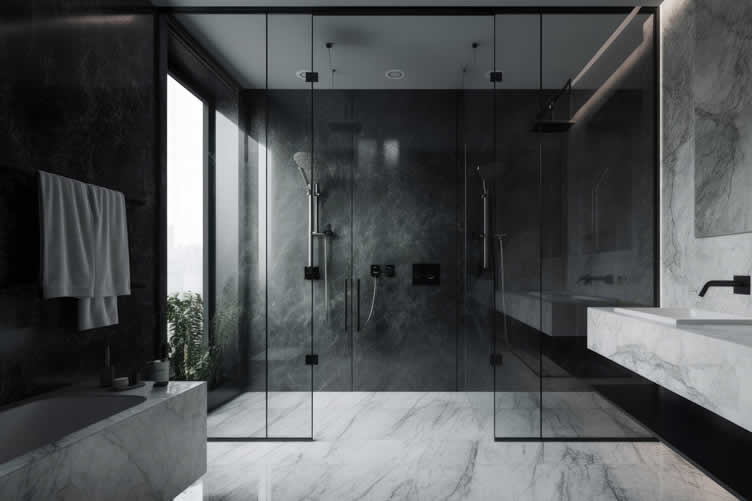
Frameless Shower Doors
Frameless shower doors, with their minimalist design, offer a modern and sleek look that enhances the visual appeal of your bathroom. Crafted from heavy-duty, tempered glass, these doors exude durability and elegance as they effortlessly create a spacious and open feel.
By eliminating the metal frame commonly found in traditional designs, frameless shower doors provide an uninterrupted view and a seamless transition between your shower and the rest of your bathroom.
[ view images: frameless shower door]
[ pinterest: frameless shower door designs]
-
Semi-frameless Shower Doors
Semi-frameless shower doors are a popular choice for those seeking a balance between the sleekness of frameless doors and the added stability of framed ones.
With a slim, minimal metal frame, these doors offer a touch of elegance while providing the necessary structural support. This combination allows for a seamless and visually appealing shower enclosure that enhances the overall aesthetic of any bathroom.
[ view images: semi-frameless shower door]
[ pinterest: semi-frameless shower door designs]
-
Sliding Shower Doors
Also known as bypass doors, sliding shower doors are a fantastic space-saving solution, especially for smaller bathrooms. These doors typically consist of two or three panels that effortlessly glide past each other on tracks, allowing for easy access to the shower enclosure.
With their sleek and modern design, sliding shower doors not only maximize space but also add a touch of elegance to any bathroom decor.
[ view images: sliding shower door ideas]
[ pinterest: sliding shower door designs]
-
Pivot Shower Doors
Pivot shower doors, also known as swing-open doors, are a popular choice for shower enclosures. These doors are attached with a pivoting hinge, allowing them to swing open like traditional doors.
While they do require additional space compared to other types of shower doors, they offer a classic and elegant look to any bathroom. With their smooth operation and timeless design, pivot shower doors provide both functionality and aesthetic appeal.
[ view images: pivot shower door ideas]
[ pinterest: pivot shower door designs]
-
Bi-fold Shower Doors
Bi-fold shower doors are a fantastic choice for smaller spaces due to their space-saving design. These doors operate similarly to an accordion, effortlessly folding into the shower space when opened.
With their sleek and compact structure, bi-fold shower doors provide a seamless and stylish solution for optimizing limited bathroom areas while ensuring easy access and a visually appealing look.
[ view images: bi-fold shower door ideas]
[ pinterest: bi-fold shower door designs]
-
Curved Glass Shower Doors
Curved glass shower doors add an elegant and luxurious touch to your bathroom, creating a spa-like atmosphere that enhances relaxation. With their sleek design and smooth curves, these doors are specifically engineered to swing outwards, providing easy access and making your shower experience even more convenient.
Whether incorporated into a rounded corner shower unit or as a standalone feature, these stylish doors are sure to elevate the aesthetics of your bathroom while offering functionality and a touch of sophistication.
[ view images: curved shower door ideas]
[ pinterest: curved shower door designs]
copyright image by 123rf.com
-
-
-
ideas to view and compare from the information discussed above
Scroll up to directory … or scroll to next section about choosing the best shower drain …
bathroom design

perfect bathroom tile




May We Suggest Other Photo Remodeling Ideas About
“Other Bathroom Updates to Consider …” (new win)


third “photo remodeling” idea
copyright image by 123rf.com
Drain Tip 3: Purchasing Shower Drains for Your Tiled Floor
Notes:
-
When looking to shop shower drains for tiled floor installations, you have the option to purchase from traditional brick-and-mortar stores or explore the vast selection available online.
While visiting a physical store allows you to see and feel the products firsthand, and perhaps receive immediate advice from sales staff, shopping online offers a myriad of advantages that are hard to overlook.
-
Quick scroll to “architectural plan” side notes …
-
-
1st: Advantages of Online Shopping
Shopping online for shower drains offers numerous benefits. It provides you with a wider range of products, comparisons, pricing, and other click-by-click information to make a more informed decision. For example –
-
Wider Selection:
Online stores typically offer a broader range of shower drains, from standard point drains to sleek linear models, along with a variety of finishes and sizes. This wider selection makes it easier to find the perfect match for your specific design and functional requirements.
-
Convenience:
Shopping online allows you to browse and compare different models and prices from the comfort of your home, saving you the time and effort of visiting multiple stores.
-
Customer Reviews:
Online platforms often feature customer reviews and ratings, providing valuable insights into the real-world performance and quality of the drains you’re considering.
-
Competitive Pricing:
With the ability to easily compare prices across different retailers, you’re more likely to find competitive deals and discounts online.
-
Detailed Product Information:
Online listings often provide comprehensive details about the products, including installation instructions and compatibility notes, helping you make an informed decision.

copyright image by 123rf.com
Home improvement centers are also a viable option for purchasing shower drains. These stores typically have a dedicated section for bathroom fixtures where you can physically examine the shower drains.
This hands-on approach allows you to gauge the material quality, size, and design nuances better, which can be especially useful if you’re after a specific aesthetic or premium build quality.
They also often have knowledgeable staff who can provide valuable advice and insights based on your unique renovation requirements. However, this option might be time-consuming and may not provide as wide a variety as online platforms.
Whether you choose to buy in-store or online, ensure you select a reputable retailer or manufacturer that provides quality products and customer support.
-
-
2nd: Shopping Shower Systems Online
When renovating your shower, selecting the appropriate shower system is essential. This decision will heavily influence your showering experience and the overall look of your bathroom.
Factors to consider include water pressure, spray pattern, installation requirements, and personal preference in terms of design and functionality.
Here are various shower systems and shower heads to choose from. Keep in mind that certain systems may require additional plumbing for optimal functionality.
-
Single-Head Spray Shower Heads
Single-Head Spray Shower heads are a popular choice for many homeowners due to their simplicity and effectiveness. As the name suggests, this type of shower head has a single, adjustable head that sprays water in a variety of patterns.
The spray settings range from a light mist to a forceful massage, allowing the user to customize their shower experience. These shower heads are typically less expensive than other types and are easy to install, making them a practical choice for those on a budget or conducting a DIY bathroom renovation.
Additionally, these shower heads require minimal maintenance and can work effectively even with lower water pressure, making them a reliable option for your shower system.
[ view images: single spray shower head]
[amazon: view online]
-
Rain Shower Heads
Rain shower heads are a luxurious addition to any bathroom, transforming your daily routine into an immersive spa-like experience. These shower heads are typically larger and are designed to mimic the feel of natural rainfall, with water falling directly overhead in a soothing, consistent pattern.
They are often installed into the ceiling or extended from the wall with specialized fixtures. The broad water coverage provided by these shower heads makes for a relaxing shower experience, perfect for unwinding after a long day.
However, it’s worth noting that rain shower heads generally require more water pressure than a standard shower heads, and the installation can be more complex. Despite this, the indulgent experience they offer and their sleek, modern aesthetic make rain shower heads a popular choice for those looking to elevate their shower systems.
[ view images: rain shower head]
[amazon: view online]
-
Full Body Shower Systems
Full-body shower systems offer a comprehensive and invigorating shower experience. These shower setups incorporate multiple shower heads, often including a traditional shower head, hand-held sprays, and body jets.
The combination provides a full body water massage, enabling users to adjust the pressure and direction to suit their preferences. The body jets are typically installed at various heights and angles in the shower enclosure for maximum coverage.
Full-body shower systems are the epitome of luxury and can significantly enhance your daily shower routine. However, the installation process may be more complicated and costly due to the additional plumbing required for multiple shower heads.
Also, these systems typically consume more water, making them less efficient than other types of shower systems.
[ view images: full body shower]
[amazon: view online]
-
Sliding Bar Shower Heads
Sliding bar shower heads are a superb option for those seeking adjustability and convenience in their shower systems. These shower heads are mounted on a vertical bar that allows the shower head to slide up and down, making it easily adjustable for users of varying heights.
This feature can be especially helpful in households with multiple users, ensuring everyone can have a comfortable shower experience. Sliding bar shower heads often come with a variety of spray settings, from a gentle mist to a vigorous jet, allowing for a personalized shower experience.
Moreover, they can be easily combined with other types of shower heads, such as hand-held or rain shower heads, to create a versatile and comprehensive shower system.
[ view images: sliding bar shower]
[amazon: view online]
-
Steam Shower Systems
Steam shower systems are the go-to choice for those who want to transform their bathrooms into a personal wellness retreat. These shower systems are equipped with a steam generator that heats water to a high temperature, creating a soothing and therapeutic steam-filled environment within your shower enclosure.
In addition to providing a relaxing shower experience, steam showers also offer numerous health benefits such as improved circulation, relief from respiratory ailments, and enhanced skin health. For added luxury, some steam shower systems even include features like chemotherapy lighting and aromatherapy dispensers.
However, installing a steam shower system is a significant undertaking, involving additional plumbing and electrical work. Moreover, it’s crucial to ensure the shower area is properly sealed to prevent steam from escaping and causing damage to other parts of the bathroom.
[ view images: steam showers]
[amazon: view online]
-
Hand-Held Shower Heads
Hand-held shower heads offer a blend of convenience and versatility that other shower systems may lack. These shower heads are attached to a flexible hose, allowing for easy movement and targeted water flow, which can be particularly beneficial for the elderly, children, or those with mobility issues.
The adjustable settings on many hand-held shower heads also provide a customizable shower experience, with options ranging from gentle mists to powerful, invigorating sprays. Hand-held shower heads can be used in tandem with other shower systems, such as a rain or traditional shower head, adding further flexibility to your showering experience.
Installation is often straightforward and the water consumption is typically comparable to standard shower heads, making this a cost-effective and practical choice for many.
[ view images: hand-held shower]
[amazon: view online]
copyright image by AI generated image by 123rf.com
-
-
-
ideas to view and compare from the information discussed above
Scroll up to directory … or scroll to next section about choosing the best shower drain …
SHARE IT ..! You might have someone in your social network who could find this informative post on how simple renovations can boost your mental health valuable. Feel free to share it on Facebook, Twitter, LinkedIn, or Pinterest!



fourth “photo remodeling” idea
copyright image by AI generated image
Drain Tip 4: Installation Compatibility
Notes:
-
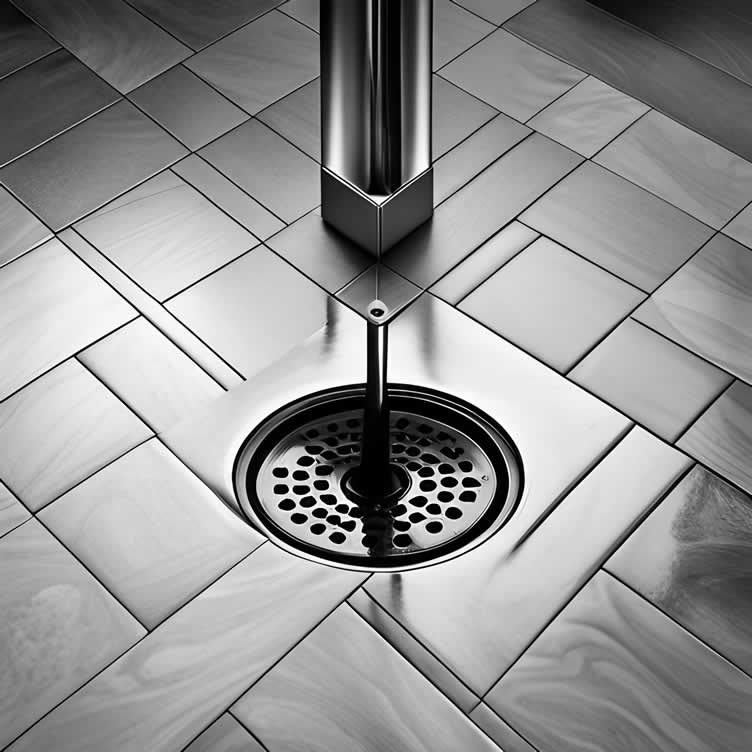
When planning a shower renovation, one essential detail that can’t be overlooked is the correct installation of the shower drain. It is more than just a functional component; it’s a crucial element that can influence the efficiency and longevity of your shower system.
When installing a shower drain in a tiled floor, several factors need to be considered during installation, such as the type and size of the drain, the slope of the shower floor, and the compatibility with your chosen flooring material.
To ensure an ideal fit and optimal functionality, it is crucial to have a well-designed drain system that effectively prevents pooling and leaks in the future.
-
Quick scroll to “installation” side notes …
-
-
1st: Installation Issues To Consider
In this guide, we will explore each of these important considerations in detail to ensure a smooth and successful shower drain install:
-
Floor Structure and Material:
Understand the type of sub-floor you’re working with (e.g., concrete, plywood). Different materials may require specific types of drains or installation methods.
Ensure the shower drain is compatible with the thickness and material of your floor tiles. Some drains may be better suited for thicker materials, while others might be designed for thinner tiles.
-
Drain Size and Flow Rate:
Choose a drain size that matches the flow rate of your shower fixtures. A drain that’s too small may not handle the water efficiently, leading to potential overflow.
The size of the shower area will also dictate the necessary drain size and type. Larger showers might benefit more from a linear drain that spans a greater length, while smaller areas might be adequately served by a point drain.
-
Slope of the Shower Floor:
Ensure that the slope of your shower floor is compatible with the type of drain you’re installing. For linear drains, the floor should have a single-direction slope towards the drain, while point drains require a multi-directional slope.
Proper slope is crucial for effective water drainage and to prevent pooling, which can lead to slip hazards and potential water damage.
-
Waterproofing and Sealing:
Use a waterproofing membrane or system that’s compatible with both your drain and the flooring material. This is essential to prevent leaks and moisture damage.
Pay special attention to the seal around the drain. A proper seal is critical to prevent water from seeping through and causing damage to the sub floor.
-
Height and Depth Adjustments:
Consider drains that offer height adjustments to align perfectly with the finished floor level. This is especially important for tile floors where the thickness can vary.
Check the depth requirements of the drain and ensure that your floor can accommodate it, particularly in renovations where floor height may be limited.
-
Building Codes and Standards:
Be aware of local building codes and standards that may affect the type of drain you can install. Compliance is essential for both safety and legality.
Consult with a professional if you’re unsure about any aspect of the installation to ensure that it meets all necessary regulations and best practices.
AI generated image by 123rf.com
-
-
2nd: Doing a Bathroom Remodel
If you’re thinking about renovating your shower with new tiles, shower systems, and drainage, why not take it a step further and consider a complete bathroom remodel?
This comprehensive plan could involve replacing sinks and faucets, installing flooring that complements the shower tiles, opting for a water-efficient toilet, upgrading the bathtub, and refreshing the bathroom hardware.
If you’re just looking to make some changes to your space, you might consider a minor remodel. This could involve updating the lighting fixtures, replacing outdated hardware, and even taking on some fun DIY projects that you’ve been wanting to try.
Whether you’re working with a limited budget or planning a full-scale bathroom remodel, you’ll find a comprehensive guide below that gets into the intricacies of updating your bathroom.
This guide will cover essential planning steps, including compliance with renovation permits and building codes. Rest assured, you’ll have all the information you need to undertake a successful bathroom renovation project.
Be sure to save this guide (bookmark in your browser) for your next bathroom upgrade.

copyright image by 123rf.com
-
-
ideas to view and compare from the information discussed above
shower drain hair catchershower drain stoppershower drain sealer
Scroll up to directory … or scroll to next section about choosing the best shower drain …
below for …
shower drain and other plumbing services
fifth “photo remodeling” idea
copyright image by AI generated image
Drain Tip 5: Maintenance and Upkeep
Notes:
-
The choice of shower drain significantly influences the ease of cleaning and ongoing maintenance. Drains with simpler designs and fewer crevices, such as linear drains, often require less effort to keep clean as they have fewer places for grime and mold to accumulate. Conversely, more intricate designs might demand more regular attention to remain in optimal condition.
-
Regular Maintenance:
Regular maintenance is key to extending the life of your shower drain and keeping it looking its best. Start by routinely removing any visible debris, such as hair and soap scum, from the drain cover. This not only prevents clogs but also maintains the drain’s appearance and functionality.
-
Deep Cleaning:
For deeper cleaning, occasionally remove the drain cover, if possible, to access and clean the drain channel and waste trap. Using a mild cleaner and a soft brush can effectively remove buildup without damaging the drain’s surface.
-
Boiling Water:
It’s also beneficial to periodically pour boiling water down the drain to help dissolve any soap residue or oils that may have accumulated. For a more thorough cleanse, consider using a mixture of baking soda and vinegar, followed by hot water, to break down stubborn blockages and eliminate odors.
-
Weekly Inspection:
In addition to these cleaning practices, inspect the drain regularly for signs of wear or damage, such as cracks or loose parts. Addressing these issues promptly can prevent more significant problems down the line and ensure your shower drain continues to function effectively and look appealing for years to come.
By adopting these simple maintenance habits, you can enjoy a clean, efficient shower drain that complements your wet room’s aesthetic and enhances your overall bathroom experience.
-
-
Quick scroll to “bathroom cleaning” side notes …
-
-
Best Ways to Clean a Bathroom
Keeping a bathroom clean can feel intimidating at first glance., but with the right techniques and tools, it can be a breeze. Here are some tips to help you clean various parts of your bathroom effectively:
-
Tub and Shower
For an effective clean, consider using a bathroom-specific cleanser or create your own solution by mixing vinegar and water. Take the time to thoroughly scrub your tub and shower, paying attention to the grout lines and any areas that may have mold or mildew.
When you’re done, rinse everything thoroughly to ensure no cleanser residue is left behind, leaving your bathroom sparkling clean and fresh.
-
Toilet
When it comes to cleaning the toilet, a comprehensive two-step approach is recommended to ensure thorough cleanliness.
Firstly, for the bowl, it’s best to utilize an effective toilet bowl cleaner along with a long-reach brush to reach even the most difficult areas. This combination helps to eliminate stains, odors, and bacteria, leaving the bowl fresh and sanitized.
Moving on to the exterior, using a disinfectant wipe not only provides a convenient and efficient way to clean the surface but also ensures the eradication of germs and viruses, promoting a hygienic environment.
-
Sinks and Faucets
To clean sinks and faucets effectively, you can use a mild detergent or create a paste with baking soda and water.
For a deeper clean, don’t overlook the importance of scrubbing the drain and faucet aerator, as these are common areas where grime tends to accumulate over time. By paying attention to these spots, you can ensure that your sinks and faucets remain sparkling clean and free from any build-up.
-
Mirror
To achieve a crystal-clear mirror, start by grabbing a glass cleaner specifically formulated for this purpose. Next, reach for a soft, gentle microfiber cloth, ensuring a streak-free finish that will leave your mirror looking flawless.
Remember, it’s crucial to spray the glass cleaner directly onto the cloth, rather than onto the mirror itself, as this helps prevent any unwanted drips that could potentially damage other nearby surfaces.
-
Other Areas
When it comes to cleaning, it’s important not to overlook other areas like floors, walls, and counters. To effectively clean these surfaces, a damp mop or cloth paired with a mild cleanser usually does the trick.
However, it’s crucial to pay extra attention to frequently touched spots, such as light switches and door handles. For these areas, it’s recommended to use a disinfectant wipe to ensure thorough disinfection and hygiene.

copyright image by 123rf.com
-
-
-
ideas to view and compare from the information discussed above
shower drain augershower drain cleanerorganic bathroom cleaners
Scroll up to directory … or scroll to next section about choosing the best shower drain …
Find Plumbing Services Plumbing Issues Drain Clearing Septic/Sewers Water Heaters Pumps Water Softening top-rated, pre-screened local contractors FREE: download contractor selection enter zip code – powered by HomeAdvisor ™
Quick Contractor Guides selecting negotiating working with inspecting

sixth and last “photo remodeling” idea

copyright image by AI generated image
Drain Tip 6: Making the Right Choice
Notes:
-
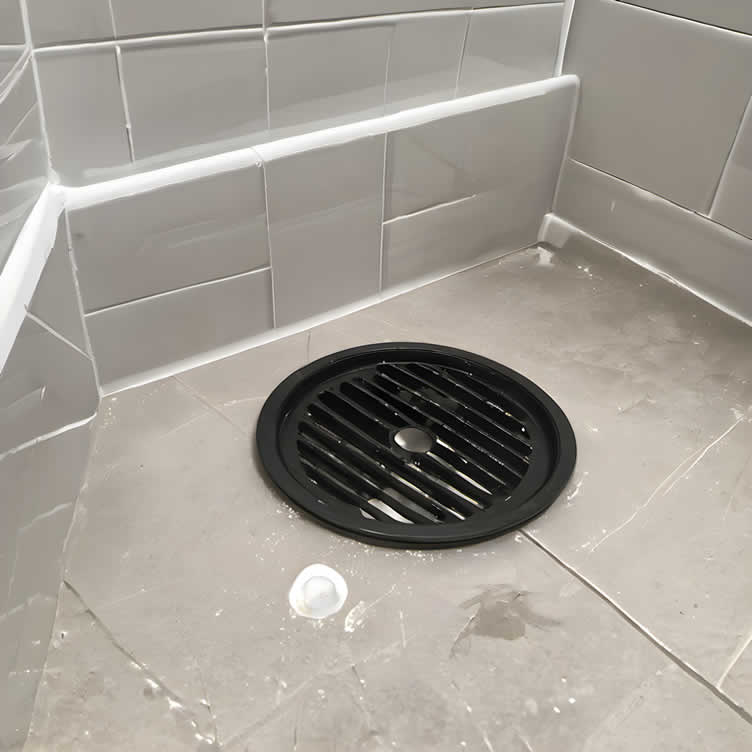
Choosing the right shower drain for your tiled floor is a decision that balances functionality with aesthetics. It’s essential to consider the type of drain that best suits your bathroom’s style and practical needs. Whether you opt for the traditional point drain for its familiarity and cost-effectiveness or the sleek linear drain for its modern appeal and efficient water removal, the right choice will enhance both the look and functionality of your shower.
Remember to consider the compatibility of the drain with your floor structure and material, ensuring it can be installed effectively and maintain a watertight seal. The size and flow rate should match your shower’s requirements, and the drain should complement the tile work and overall design of your bathroom.
Additionally, factor in the ease of installation and future maintenance needs. A drain that’s easier to clean and maintain will serve you better in the long run.
As you conclude your selection process, reflect on the key points discussed: the types of drains available, their installation requirements, and maintenance needs. The right shower drain not only efficiently channels water but also integrates seamlessly with your bathroom’s design, enhancing the overall aesthetic and value of your space.
Take the time to carefully select a shower drain that meets both your practical needs and design preferences. A well-chosen drain will contribute to a functional, beautiful, and long-lasting wet room, providing comfort and satisfaction for years to come.
Your attention to detail in this choice will ensure a harmonious blend of form and function, creating a bathroom that truly reflects your personal style and meets your daily needs.
-
Quirk scroll to topic "DIY pros and cons" side notes …
-
-
1st: DIY Or Contractor
The installation of a shower drain on a tiled floor can be accomplished either through a DIY approach or by hiring a professional contractor. The choice between these options depends on your level of expertise, time availability, and budget considerations.
-
DIY Installation
If you’re hands-on and comfortable with plumbing, going the DIY route can be cost-effective. The process involves careful measurement and cutting of tiles to ensure the drain fits perfectly. You’ll need to prepare the floor, lay the tiles accurately, and install the drain system correctly to prevent water leakage.
Pros:
- Cost saving:
Engaging in DIY (do-it-yourself) projects can save you the significant expense of hiring a professional contractor for various tasks. By taking on these projects yourself, you not only have the opportunity to learn new skills but also have the freedom to customize and personalize your home according to your preferences. - Satisfaction:
There’s a remarkable sense of accomplishment when you take on and complete a home improvement project entirely on your own. From planning and gathering materials to executing the project step by step, the satisfaction of seeing your vision come to life and witnessing the tangible results is truly unparalleled.
Cons:
- Time-consuming:
If you’re not experienced in this particular field, it may take significantly longer than a professional would, as there is a learning curve involved. Without prior knowledge and practice, you might encounter challenges and obstacles along the way that could further extend the time needed to complete the task. - Risk of errors:
Improper installation can result in significant issues over time, such as leaks or water damage that may lead to costly repairs or structural deterioration. - Potential need for permits and adherence to building codes:
Embarking on a DIY project isn’t just about the physical task at hand. It’s essential to understand that certain types of work, including some plumbing tasks such as shower drain installation, may require a permit from your local authority. It’s crucial to respect the rules and regulations set out by building codes, as these are in place to ensure safety and quality standards. Non-compliance can lead to fines, legal issues, or problems when selling your home in the future.
- Cost saving:
-
Contractor Installation
Hiring a professional contractor can be a more reliable option, especially if you lack the necessary skills or time. A contractor has the expertise to handle the intricate process of shower drain installation, ensuring it’s done correctly and efficiently.
Pros:
- Expertise:
Contractors, with their specialized tools and extensive experience, possess the necessary expertise to guarantee a seamless installation process. Their in-depth knowledge of best practices and meticulous attention to detail ensures that every aspect of the installation is carefully executed, resulting in a high-quality and long-lasting outcome. - Time-efficient:
A professional, with their expertise and experience, can efficiently complete the task, allowing you to save valuable time and focus on other important matters. Their specialized knowledge and skills enable them to handle the job with precision and effectiveness, ensuring a successful outcome. - Permit Acquisition:
Professional contractors will handle the process of obtaining any necessary permits for your shower drain installation project. This saves you the hassle of navigating through the bureaucratic processes yourself. - Adherence to Building Codes:
Contractors possess a thorough knowledge of local building codes and standards.
Cons:
- More expensive:
When it comes to hiring a professional, it is important to consider that their expertise and experience come at a higher cost compared to a do-it-yourself (DIY) approach. While the initial investment may be higher, the value lies in the professional’s ability to deliver quality results, save time, and provide peace of mind throughout the process. - Dependence:
When it comes to relying on the contractor’s schedule, it’s important to keep in mind that their availability might entail some waiting time. This waiting period can vary depending on their existing commitments and workload.
- Expertise:
AI generated image by 123rf.com
-
-
2nd: Finding a Contractor
When selecting a contractor for your shower renovation and/or drain installation, it’s crucial to conduct thorough research.
Start by looking for professionals who specialize in bathroom renovations, as they’ll have the necessary expertise for tasks like tile work and drain installation. Check their online reviews and ratings to gauge the quality of their work and customer service.
Request quotes from several contractors to compare pricing and services. Lastly, don’t hesitate to ask for references or examples of their previous work to ensure they align with your expectations and needs.
LetsRenovate has partnered with HomeAdvisor™, a renowned provider of highly-rated, carefully-vetted local contractors. Start your search here and entering your zip code to find local bathroom professionals.

copyright image by 123rf.com
Once you’ve found the right contractor for your project, be sure to communicate clearly and openly. Provide them with all necessary details about the shower drain installation, such as type of tile and desired location, and make sure they have a clear understanding of your expectations. This will help prevent any misunderstandings or delays during the process.
As with any home renovation project, it’s important to have a written contract outlining the scope of work, timeline, and payment terms. This will protect both parties and ensure that the project runs smoothly.
Before making any final payment, ensure that the shower renovation and drain installation have undergone a thorough inspection to ensure compliance with building codes and that it meet the expected specifications.
But Wait!
Before starting the search and evaluation process for contractors, it is highly recommended to download and utilize this comprehensive worksheet. This will help ensure that you have all the necessary information and tools at your disposal to make informed decisions and streamline the entire process.
This resource will assist in impartially ranking and evaluating potential contractors, taking into consideration essential factors such as pricing,

Evaluation Sheet
File Type:
-
-
FINAL REMARKS
In conclusion, the process of selecting and installing a shower drain during a renovation project is a detailed task that requires careful consideration and planning. This guide has provided key insights on maintenance issues, the decision between a DIY approach or hiring a professional contractor, and the significance of the right drain selection for tiled floor showers.
By following these tips and guidelines, you can ensure efficient water management and maintain the beauty of your bathroom’s design, resulting in a successful shower renovation project.
-
ideas to view and compare from the information discussed above
- What comments can you share about
choosing the best shower drain?
Scroll up to directory … or scroll to more bathroom-related topics …
view illustration “becoming a bank”


Cover image credit: choosing the best shower drain by 123rf.com
end of post … please share it!
 |
did you find this choosing the best shower drain for a shower renovation analysis helpful? If so, please share the article with your friends and family! |
Nice pic idea? Leave us a quick comment below.
And please share this pic idea within your social networks.