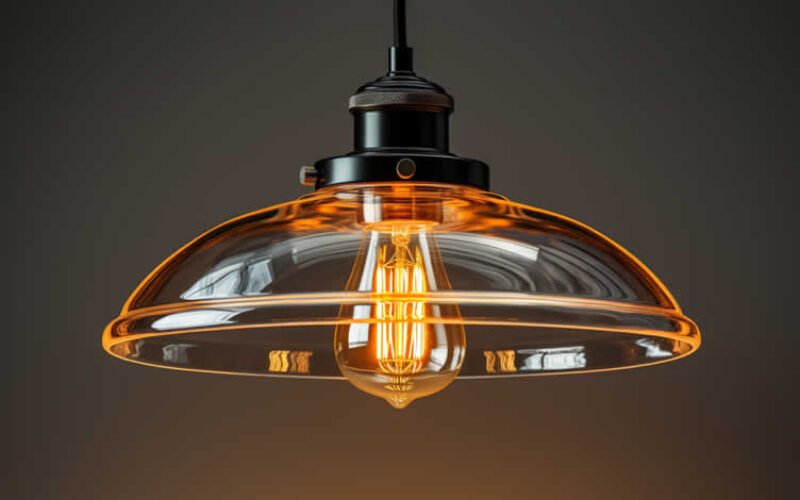
Summary Outline –
Lighting is the often underestimated secret sauce in the recipe for a well-designed home. Beyond its practical purpose, lighting possesses the remarkable ability to set the mood of a room, accentuate architectural features, and even impact our emotions on a subconscious level.
The interplay of light and shadow can create a dynamic visual experience, adding depth and character to the living space.
Summary of Site Content
1st Lighting Design Tip: [view tip]
… we begin our exploration of home lighting design by reviewing the architectural dimension. This segment delves into various types of architectural lighting and how home lighting design plays a pivotal role in elevating interior spaces.
2nd Lighting Design Tip: [view tip]
… the second lighting design tip gets into the "how-to" of home lighting by examining crucial factors for planning lighting requirements, strategic placement, and utilization of different home lighting fixtures.
3rd Lighting Design Tip: [view tip]
… moving forward, the third lighting design tip addresses the diverse lighting requirements of specific rooms, encompassing living areas, kitchens, bathrooms, and other spaces within the home, as well as outdoor areas.
4th Lighting Design Tip: [view tip]
… the fourth lighting design tip explores current trends in home lighting, covering advancements in LED technology, smart home lighting setups, and other enhancements that shape the future of home lighting.
5th Lighting Design Tip: [view tip]
… the fifth and final lighting design tip jumps into the installation of your home lighting design. You can either opt for professional lighting design experts and installers or turn your home lighting needs into a DIY project.
By carefully considering the placement, intensity, and color temperature of light sources, one can craft a harmonious atmosphere that enhances both the aesthetics and functionality of the home.
In this comprehensive guide, we’ll illuminate the many ways lighting plays a vital role in architectural design and how it can enhance your living space.

-
Quick scroll to first topic about home lighting design …

first “home lighting design” idea
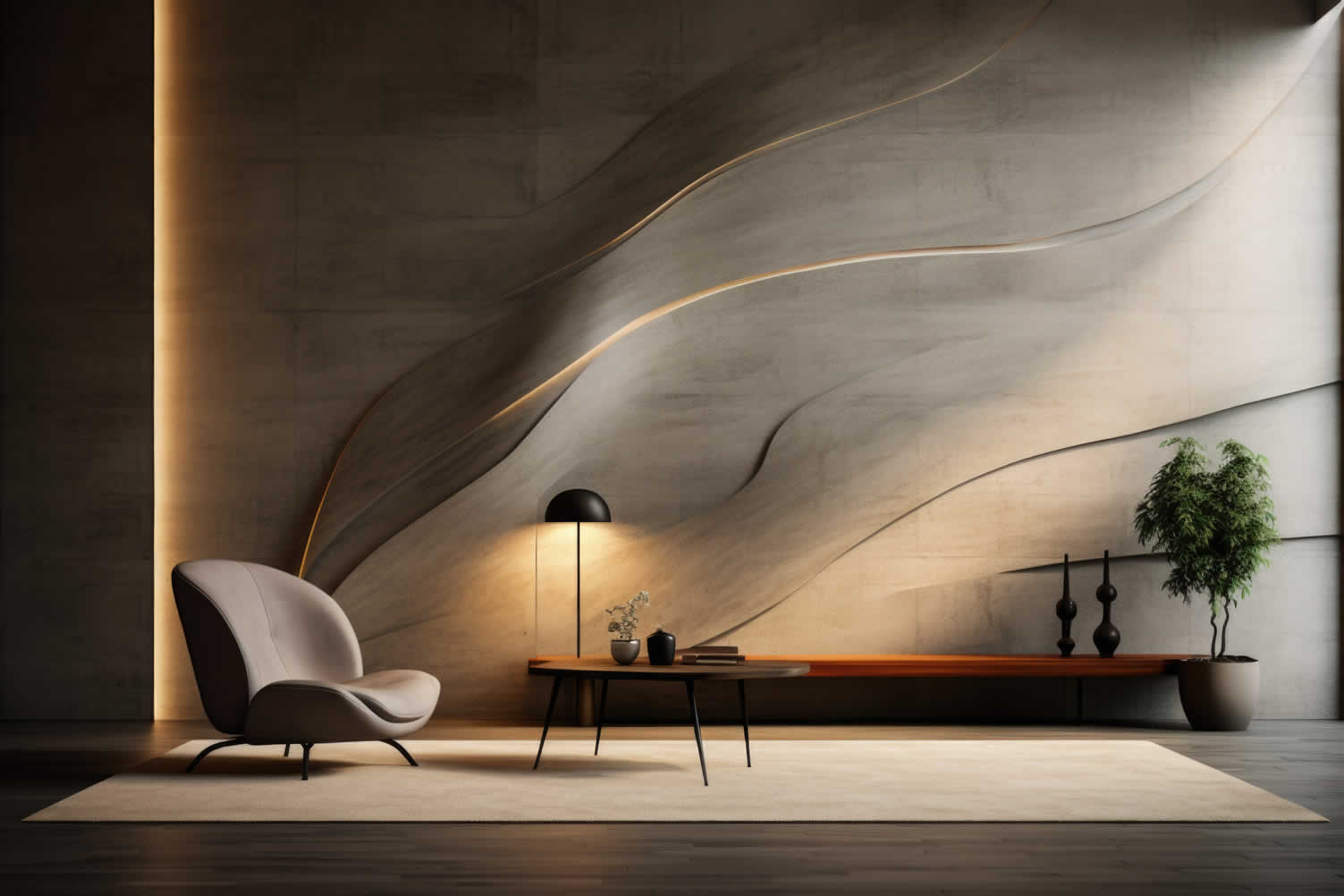

copyright image by 123rf.com
Lighting Tip 1: Architectural Design and Lighting
Notes:
-
Architects and interior designers often work hand in hand, ensuring that lighting is considered from the initial stages of the home’s architectural plans. The placement of windows and the height of ceilings, the scale and shape of the room—these all influence the type of lighting that will best enhance the space.
When incorporated into architectural design, lighting can become an integral part of the structure itself. Recessed lights can be embedded into the ceiling, coves can house LED strips, and niches can become the perfect spot for a strategically placed uplight.
Blending artificial and natural light sources is crucial. This dynamic approach ensures that the lighting adapts to the time of day and that it’s inviting in the evening, while maximizing daylight to reduce reliance on electricity.
-
Quick scroll to “architectural lighting” side notes …
-
-
1st: Types of Architectural Lighting
Creating a cohesive and inviting atmosphere in a home requires careful consideration of the various types of lighting. By skillfully integrating ambient, accent, and task lighting, homeowners can achieve a balance that not only illuminates their space but also enhances the aesthetics and functionality of each room.
-
Ambient Lighting in Homes
Ambient lighting, often referred to as general lighting, is the foundation of a home’s lighting plan. It provides a uniform level of brightness throughout a space, allowing for safe and comfortable visibility.
Examples of ambient lighting include LED downlights, flush mount ceiling fixtures, and modern chandeliers that provide widespread light. Large windows and skylights also contribute to ambient lighting during daytime by allowing natural light to fill the room.
[ view ideas: types ambient lighting ]
-
Accent Lighting for Home Features
Accent lighting is used to draw attention to specific elements within a home, such as artwork, architectural details, or collections. This type of lighting creates visual interest and adds depth to a space.
Track lighting, wall-mounted fixtures, and directed recessed lights are common choices for accent lighting. For instance, installing focused track lights above a painting can highlight its details and colors, making it a focal point in the room.
[ view ideas: types accent lighting ]
-
Task Lighting for Specific Activities
Task lighting is essential in areas where detailed activities occur, providing concentrated light to enhance visibility and reduce eye strain. This type of lighting is especially important in kitchens, home offices, and reading areas.
Under-cabinet lighting strips in the kitchen, adjustable desk lamps in the office, and bedside table lamps are examples of task lighting that support specific tasks. These focused lights are not only functional but can also be designed to complement the overall décor of the space.
[ view ideas: types tasks lighting ]
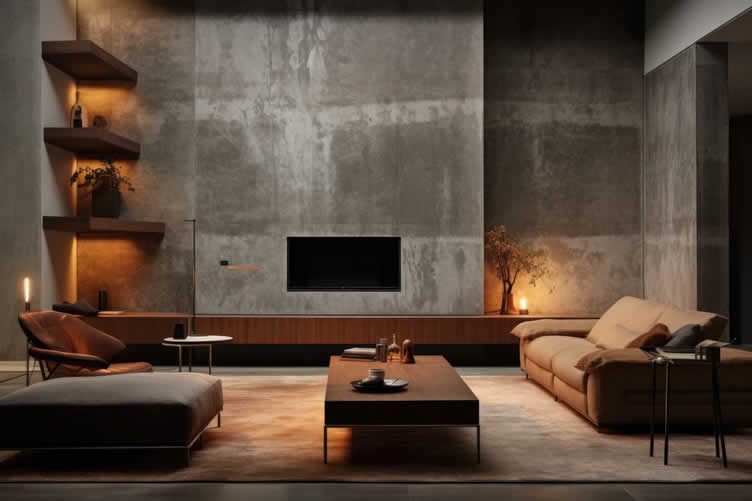
copyright image by 123rf.com
[ view diagram: architectural home lighting design ]
[ youtube: design + draw architectural lighting plans ]

-
-
2nd: The Role of Home Lighting Design in Enhancing Interiors
Home lighting design plays a crucial role in enhancing the aesthetic appeal and functionality of living spaces. Beyond its primary purpose of illumination, the strategic placement and choice of lighting can transform an area, contributing to creating a harmonious balance and emphasizing the home’s architectural features.
It sets the mood, defines different zones, and adds depth and texture, enriching the overall experience of the space.
-
Creating Balance and Proportion
Achieving balance and proportion in a room is fundamental, and lighting is a key element in accomplishing this. By using a mix of ambient, task, and accent lighting, a room can have a balanced distribution of light, avoiding overly bright or dark spots.
For instance, using floor lamps to balance the brightness of a ceiling light can create a harmonious ambiance.
[ view examples: creating balance and proportion ]
-
Enhancing Architectural Features
Lighting can be strategically used to highlight the architectural features of a home, such as coved ceilings, archways, or intricate moldings. Recessed lighting or wall sconces can draw attention to these features, showcasing the craftsmanship and enhancing the architectural beauty of the space.
[ view examples: enhancing features ]
-
Setting the Mood
The intensity and color of light play a significant role in setting the mood of a room. Dimmers and smart lighting systems allow homeowners to adjust lighting according to the time of day or the desired atmosphere, whether it’s a bright, energizing environment or a soft, relaxing ambiance.
[ view examples: mood setting ]
-
Defining Zones
In open-plan homes, lighting is an effective tool for defining different zones without the need for physical barriers. Pendant lights can delineate dining areas, while floor lamps can create a cozy reading nook within a larger living space, providing clarity and purpose to each part of the home.
[ view examples: defining zones ]
-
Adding Depth and Texture
Lighting can add depth and texture by creating shadows and highlights. Directional lighting, such as track lights, can accentuate textured walls or artworks, adding a layer of complexity to the visual experience of the room.
By carefully considering each of these aspects, homeowners and designers can leverage lighting to significantly enhance the functionality, beauty, and ambiance of a home. Lighting design is not just about seeing clearly; it’s about creating an atmosphere that complements and elevates the space.
[ view examples: adding depth and texture ]
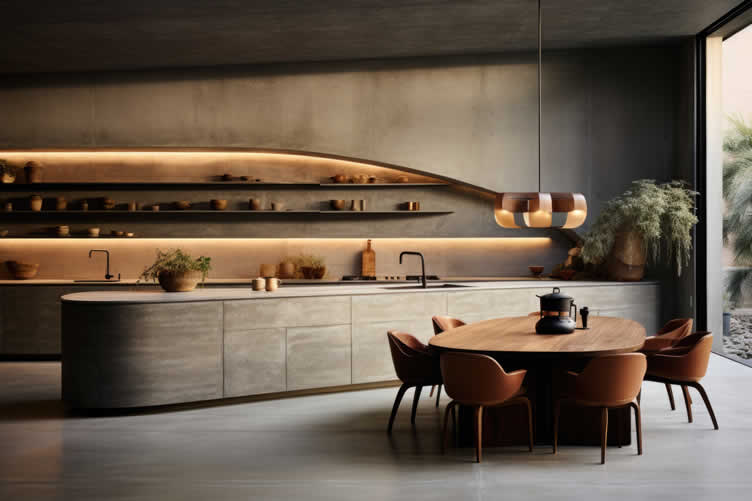
copyright image by 123rf.com
[ youtube: pro lighting strategies, tips and tricks]
[ youtube: lighting design 101]
-
-
-
ideas to view and compare from the information discussed above
Scroll up to directory … or scroll to next section about home lighting design …

second “photo remodeling” idea
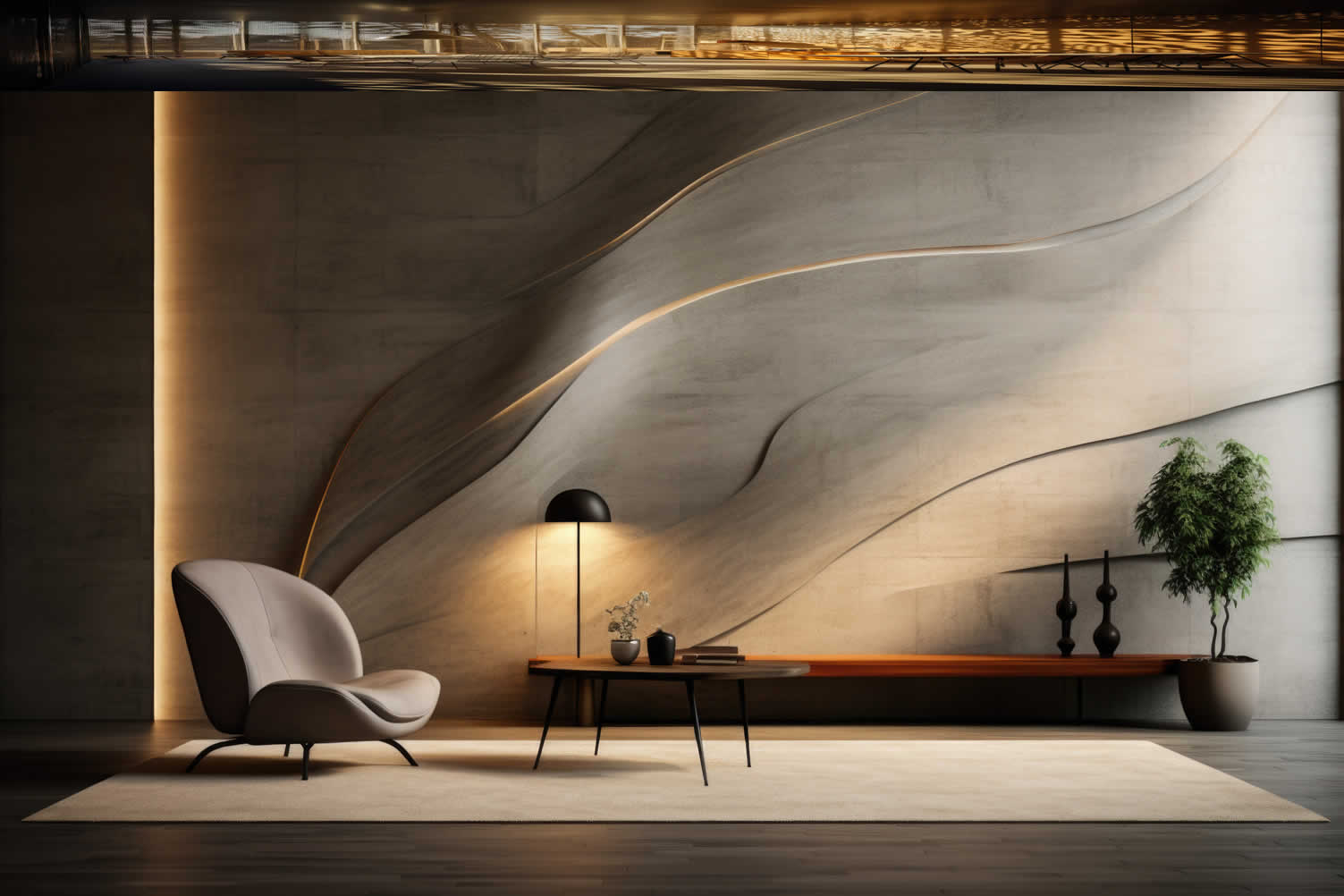
copyright image by 123rf.com
Lighting Tip 2: Understanding "The How To" In Home Lighting
Notes:
-
Architectural lighting design is a sophisticated practice that involves the strategic manipulation of light to evoke specific visual and emotional responses within a space.
By meticulously considering the aesthetic, functional, and energy-efficient elements of lighting, designers aim to optimize the building’s overall design.
When executed with precision, architectural lighting not only accentuates the unique characteristics of a room but also fosters a seamless sense of unity and balance throughout the space, enhancing its ambiance and allure.
-
Quick scroll to “how-to in home lighting” side notes …
-
-
1st: Factors to Consider When Planning Home Lighting
When planning the lighting for a space, there are several factors to consider to ensure that it meets both functional and aesthetic needs.
Factors such as the purpose of the space, the natural light available, the color temperature of the lighting, the placement of fixtures, and the use of dimmers or smart lighting controls can all play a significant role in creating the desired ambiance.
Additionally, considering the energy efficiency of the lighting choices and how they contribute to the overall mood of the space is crucial for a well-rounded lighting design.
-
Natural Light:
It’s important to take into account the natural light that enters a space and how it changes throughout the day. This can help determine where additional sources of light may be needed.
Purpose of the Space – The type of lighting needed for a space will depend on its function. For example, a kitchen may require bright task lighting while a bedroom may benefit from softer ambient lighting.
[ view post: does your home get enough natural light? ]
-
Color Temperature:
The color temperature of light can greatly impact the mood and atmosphere of a room. Choosing warm or cool tones can help create the desired ambiance.
[ view ideas: understanding color temperature ]
-
Energy Efficiency:
With an increasing focus on sustainability, it’s important to consider energy-efficient lighting options. LED lights are a popular choice for their longevity and low energy consumption.
[ view ideas: energy efficiency ]
-
Architectural Elements:
When planning architectural lighting, it’s crucial to take into account the unique features of the space such as high ceilings, exposed beams, or textured walls. These elements can be enhanced with strategic lighting placement.
[ view ideas: architectural placement ]
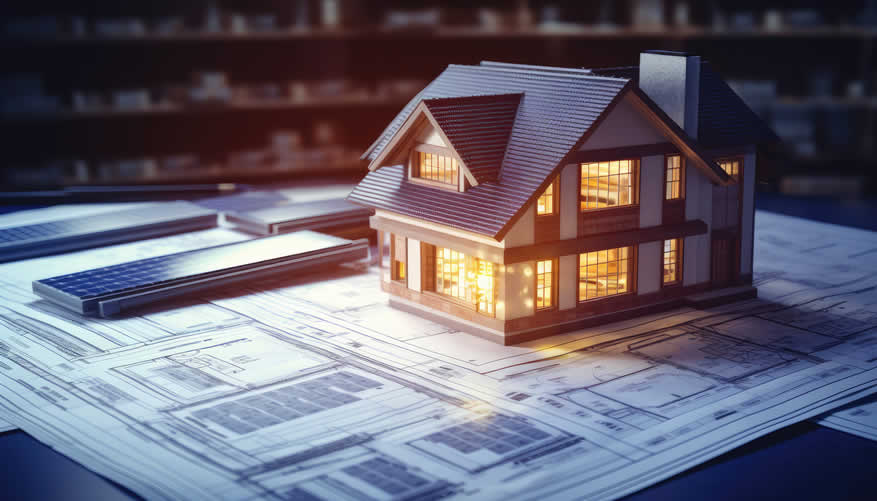
copyright image by 123rf.com
[ view diagram: how to choose the right color temperature ]
[ youtube: interior design lighting tips ]
-
-
2nd: Strategic Placement of Lighting
Here are several common types of architectural lighting that can be utilized to enhance a space, including ambient lighting that creates a warm and inviting atmosphere, task lighting for specific functional areas, accent lighting to highlight architectural features, and decorative lighting to add flair and personality to the design.
-
Indirect Lighting:
This type of lighting bounces light off walls or ceilings to create a soft, diffused glow. It can help reduce glare and create a more inviting atmosphere.
-
Accent Lighting:
Used to highlight specific features or objects in a space, such as artwork or architectural details. This type of lighting adds depth and visual interest to a room.
-
Cove Lighting:
Typically found in ceilings or in recesses, cove lighting provides a subtle wash of light that can add warmth and dimension to a space.
-
Wall Washing:
Similar to cove lighting, wall washing involves placing lights near a wall to create an even wash of light. This type of lighting can help make a room feel larger and more open.
-
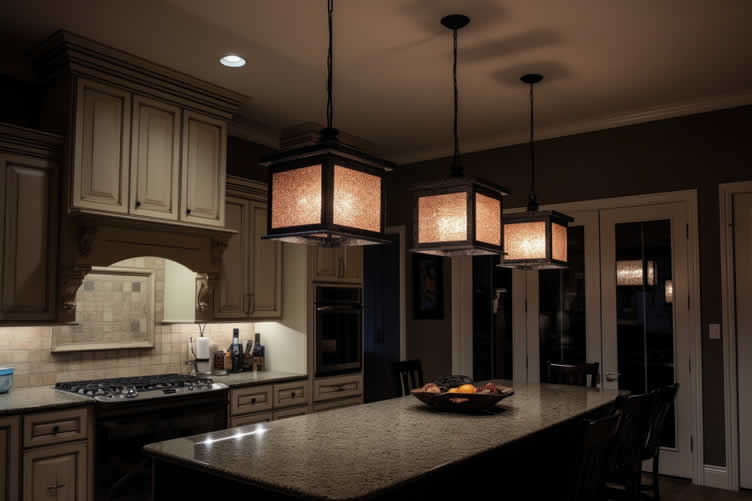
Pendant Lighting:
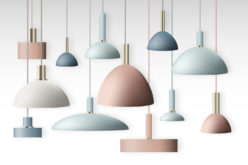
Suspended from the ceiling, pendant lights are a popular choice for adding visual interest and task lighting to a space. They come in a variety of styles and can be used as statement pieces or to complement existing decor.
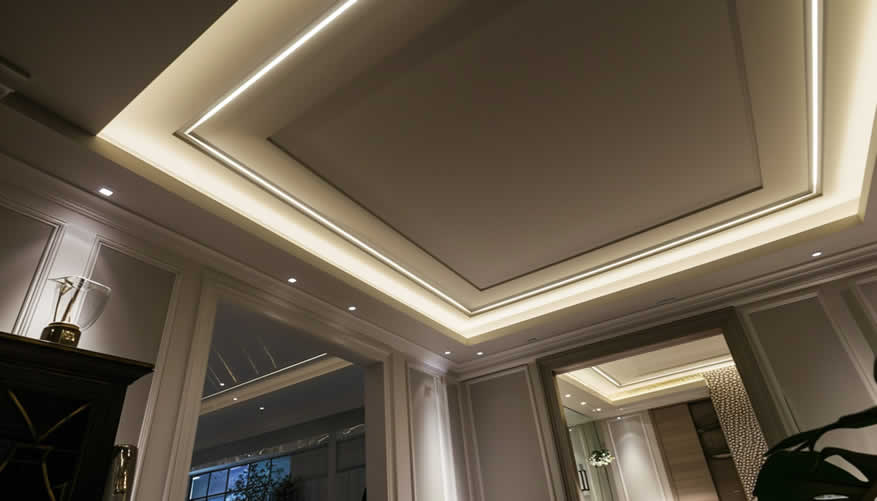
copyright image by 123rf.com
[ view samples: interior wall washing ]
[ view samples: interior home cove lighting ]
-
-
3rd: Key Considerations for Lighting
When integrating architectural lighting into a space, it’s crucial to consider a few key factors to ensure a successful design. The placement of lighting fixtures, the type of light sources used, the color temperature of the lights, and the lighting control system are all important elements to keep in mind.
Each factor plays a role in creating the desired ambiance, enhancing functionality, and highlighting architectural features within the space.
-
Purpose:
The first consideration should always be the purpose of the space and how lighting can enhance it. For example, task lighting is essential for a home office or kitchen, while ambient lighting may be more important in a living room or bedroom.
-
Color Temperature:
This refers to the warmth or coolness of a light source, measured in Kelvins (K). Lower color temperatures (2700-3000K) produce a warm, yellowish light that is often used for ambient lighting. Higher color temperatures (4000-5000K) produce a cooler, bluish light that is often used for task lighting.
-
CRI:
The Color Rendering Index (CRI) measures the accuracy of a light source in rendering colors when compared to natural sunlight. A higher CRI (80 or above) is preferred for architectural lighting, as it can enhance the colors and textures of a space.
-
Dimming Options:
Having the ability to adjust the brightness of architectural lighting can help create different moods and atmospheres in a room. Consider incorporating dimmer switches or smart lighting systems for added flexibility.
-
Energy Efficiency:
With the advancements in LED technology, there are now many energy-efficient options for architectural lighting. Not only can these help reduce energy costs, but they also have a longer lifespan compared to traditional incandescent bulbs.
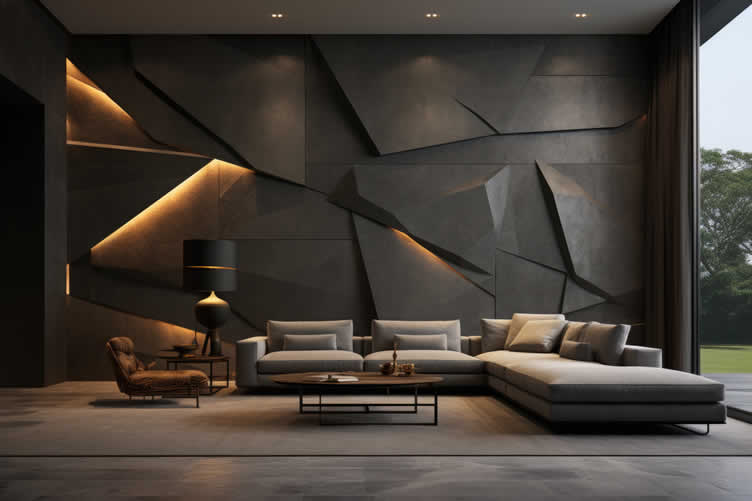
copyright image by 123rf.com
-
-
4th: Types of Interior Light Fixtures
Selecting the proper light fixtures is crucial for executing a successful lighting design. These fixtures not only illuminate spaces but also serve as elements of decor, adding character to your home.
Below are some of the primary types of interior light fixtures available, each designed to fulfill specific lighting needs.
-
Ceiling Mounted Fixtures
Ceiling mounted fixtures are widely regarded as the most prevalent type of lighting fixtures found in residential spaces. These fixtures offer a diverse range of styles to choose from, such as elegant chandeliers, sleek pendants, and versatile flush mounts, catering to different aesthetic preferences and lighting needs within a home.
- Chandeliers:
Grand, ornamental fixtures ideal for making a bold statement in entryways, dining rooms, or spacious living areas. - Pendant Lights:
Typically hanging fixtures that provide focused lighting, perfect for areas requiring task lighting such as over kitchen islands or dining tables. - Flush Mount Lights:
Mounted directly to the ceiling, these fixtures are great for providing ambient lighting in rooms with lower ceilings. - Semi-Flush Mount Lights:
Similar to flush mounts but with a slight gap between the ceiling and the fixture, adding a bit of style while still being suitable for rooms with lower ceilings. - Ceiling Fans with Lights:
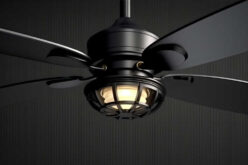
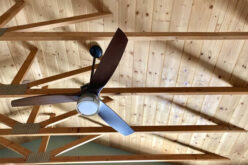
Combining functionality and style, these fixtures provide both illumination and air circulation, making them an ideal choice for living rooms, bedrooms, or any area where comfort and ambiance are desired.
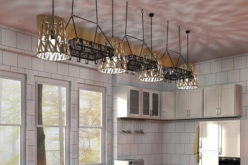
[ view images: home ceiling lights]
[ view pinterest: types of ceiling lights]
- Chandeliers:
-
Recessed Lighting
Recessed lighting fixtures are installed above the ceiling line, with only the light being visible. They are excellent for creating a minimalistic look while providing ambient, task, or accent lighting depending on their placement and the type of bulb used.
These fixtures are versatile and can be used in any part of the home, including living rooms, kitchens, and bathrooms. Recessed lighting fixtures can be categorized into several types, based on their function and design.
- Fixed Recessed Lighting:
These lights are stationary and are excellent for general ambient lighting in any room. - Gimbal Recessed Lighting:
These fixtures allow for the light to be directed and are ideal for highlighting artwork or architectural features. - IC-Rated Recessed Lighting:
Designed for use in ceilings with insulation, these fixtures are safe to come into direct contact with insulation material. - Non-IC Rated Recessed Lighting:
Suitable for use in areas where the fixture will not be in direct contact with insulation, requiring a gap between the fixture and any insulation to prevent overheating. - Shower Recessed Lighting:
Specifically designed for wet environments, these are perfect for use in showers or bathrooms, offering a moisture-resistant design. - Adjustable Recessed Lighting:
These fixtures feature a mechanism that allows adjustment of the light beam’s direction, making them versatile for various lighting needs.
[ view images: home recessed lighting]
[ view pinterest: positioning recessed lighting]
- Fixed Recessed Lighting:
-
Wall-mounted Fixtures
Wall-mounted fixtures, like elegant sconces and sleek wall lamps, not only offer practical lighting solutions but also elevate the ambiance of any room with their stylish design elements.
- Sconces:
Designed to cast a soft ambient light, sconces are versatile fixtures suitable for adding warmth and atmosphere in hallways, bedrooms, or bathrooms. - Wall Lamps:
Featuring adjustable arms, these fixtures are ideal for task lighting, such as reading or detailed work, in living spaces or bedrooms. - Picture Lights:
Specifically designed to highlight artwork or photographs, these fixtures direct light to accentuate details and colors. - Swing Arm Lamps:
Offering flexibility, these lamps can be extended or retracted, allowing for targeted lighting that can be adjusted as needed. - Bathroom Vanity Lights:
Positioned around mirrors, these fixtures provide bright, even lighting for grooming tasks, reducing shadows and glare. - Outdoor Wall Lights:
Built to withstand the elements, these lights enhance security and illuminate pathways, entrances, and outdoor living areas.
[ view images: home wall lighting]
[ view pinterest: wall mounted lighting ideas]
- Sconces:
-
Table and Floor Lamps
Lamps are portable light fixtures that offer flexibility in lighting design. Each of these lighting fixtures plays a vital role in interior design. By combining different types of fixtures, you can achieve a layered lighting effect that enhances the functionality, comfort, and aesthetics of your home.
- Traditional Lamps:
These lamps often feature classic designs with more ornate details and are usually made of materials like brass, wood, or ceramic. - Modern Lamps:
Characterized by sleek lines, minimalistic design, and often incorporating metals and glass, modern lamps fit well in contemporary interiors. - Industrial Lamps:
With a focus on raw, unfinished looks and the use of metal and exposed bulbs, industrial lamps add a rugged, utilitarian charm to spaces. - Rustic Lamps:
Made from natural materials like wood, stone, and fabric, rustic lamps bring warmth and a sense of the outdoors into the home. - Tiffany Lamps:
Known for their stained glass shades in vibrant colors and intricate designs, Tiffany lamps add a touch of elegance and artistry. - Adjustable Lamps:
These lamps come with features like swing arms or adjustable heights, making them versatile for task lighting needs. - Arc Lamps:
Distinguished by their curved shape, arc floor lamps offer both style and functionality, providing overhead lighting without the need for ceiling fixtures.
[ view images: floor and table lamps]
[ view pinterest: decorating with floor and table lamps]
- Traditional Lamps:
-
Rail and Track Lighting
Rail and track lighting systems present a versatile and functional lighting solution suitable for a range of settings, from residential interiors to commercial spaces. Their adaptability allows for the direction of light to be easily customized, focusing illumination precisely where it is needed, whether it’s highlighting artwork, creating an ambient effect, or enhancing task lighting.
Offering both aesthetic appeal and practicality, rail and track lighting can complement various design styles while providing the flexibility to adapt to changing decor or lighting needs.
- Rail Lighting:
This versatile lighting option involves a single rail that houses several light fixtures. It’s particularly useful in spaces where focused or directional lighting is needed, as the positions of the lights can be adjusted along the rail. - Track Lighting:
Similar to rail lighting, track lighting consists of a track system that supports multiple light fixtures. These fixtures can be rotated or moved along the track to direct light precisely where it’s needed, making it a popular choice for both residential and commercial settings.
[ view images: rail and track lighting]
[ view pinterest: rail and track lighting ideas]
- Rail Lighting:
-
Accent Floor and Ceiling Lighting
Accent floor and ceiling lighting are pivotal in adding layers and dimensions to any space, tastefully bridging the gap between functionality and artistry. These lighting options not only illuminate areas that other fixtures might overlook but also serve as decorative pieces that enhance the overall aesthetic.
- Accent Floor Lighting:
Floor lamps and spotlights are quintessential for casting an inviting glow or drawing attention to specific features within a room. Accent floor lighting can create intimate seating areas, highlight indoor plants, or provide focused light in reading nooks. - Ceiling Accent Lighting:
Ceiling accents, such as recessed lighting and LED strips, offer a subtle yet powerful means to enhance architectural features or artworks. Recessed lighting can be strategically placed to wash walls with light, making rooms feel more spacious and airy. Meanwhile, LED strip lighting can be used in coves or behind crown molding to add a dramatic effect, drawing the eye upward and creating a sense of height and depth. Ceiling accent lighting is particularly effective in setting mood and ambiance, allowing for a dynamic interplay of light and shadow.
[ view images: accent floor ideas]
[ view images: accent ceiling ideas]
- Accent Floor Lighting:
-
Outdoor Landscape Lighting
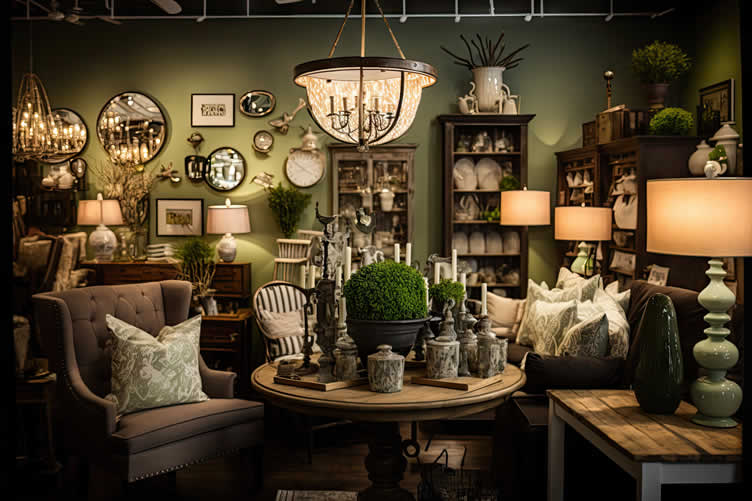
Outdoor landscape lighting transforms gardens and exterior spaces into enchanting nighttime landscapes, offering both beauty and functionality. By incorporating a variety of lighting types, homeowners can create safe, navigable paths, highlight architectural or natural elements, and foster a warm, welcoming atmosphere for outdoor gatherings.
- Pathway Lighting:
Path lights are essential for guiding visitors safely along walkways and through gardens. Styles range from subtle, flush-to-ground lights to decorative lanterns that add charm and character to the landscape. - Spot Lighting:
Spotlights serve a critical role in outdoor lighting by focusing intense, narrow beams of light on specific features such as statues, trees, or architectural details. - Flood Lighting:
Floodlights cast a wide, powerful beam of light, making them perfect for illuminating large areas of outdoor space. - Deck Lighting:
Deck lighting is essential for creating an inviting outdoor living space, enriching the ambiance while ensuring safety on steps and perimeters. - String Lighting:
String lights add a whimsical charm to any outdoor space, enveloping areas in a warm, soft glow that invites relaxation and conversation. - Bollard Lights:
Bollard lights, with their robust and weather-resistant design, are not only functional but also enhance the aesthetics of outdoor spaces. Typically positioned along walkways, driveways, and in garden areas.
[ view images: landscape lighting fixtures]
[ view pinterest: landscape lighting ideas]
- Pathway Lighting:
copyright image by 123rf.com
-
-
-
ideas to view and compare from the information discussed above
Scroll up to directory … or scroll to next section about home lighting design …
home structural projects

all types of lighting appliances






May We Suggest Other Photo Remodeling Ideas About
“Home Structural Elements…” (new win)



third “photo remodeling” idea
copyright image by 123rf.com
Lighting Tip 3: Enhancing Different Spaces With Home Lighting
Notes:
-
Each room in your home has a unique purpose, and the lighting design is crucial in ensuring these functions are met effectively. In the living room, consider warm, ambient lighting to create a cozy and inviting atmosphere for relaxation or entertaining guests.
For intimate bedrooms, soft and dimmable lighting can help set a tranquil mood conducive to winding down after a long day. In the kitchen, bright task lighting is essential to illuminate workspaces and ensure safety while cooking or preparing meals.
By tailoring the lighting in each space to its specific needs, you can enhance the functionality and aesthetics of your home.
-
Quick scroll to “room lighting” side notes …
- 1st: Planning Lighting for the Living Room
- 2nd: Kitchen Lighting Design
- 3rd: Dining Room Lighting Design
- 4th: Bathroom Lighting Design
- 5th: Bedroom Lighting Design
- 6th: Hallway/Stairway Lighting Design
- 7th: Rec Room Lighting
- 8th: Home Theater Room Lighting
- 9th: Laundry Room
- 10th: Garage Lighting Needs
- 11th: Lighting Design for Outdoor Spaces
- shop ideas
- next topic: Trends in Home Lighting Design
-
-
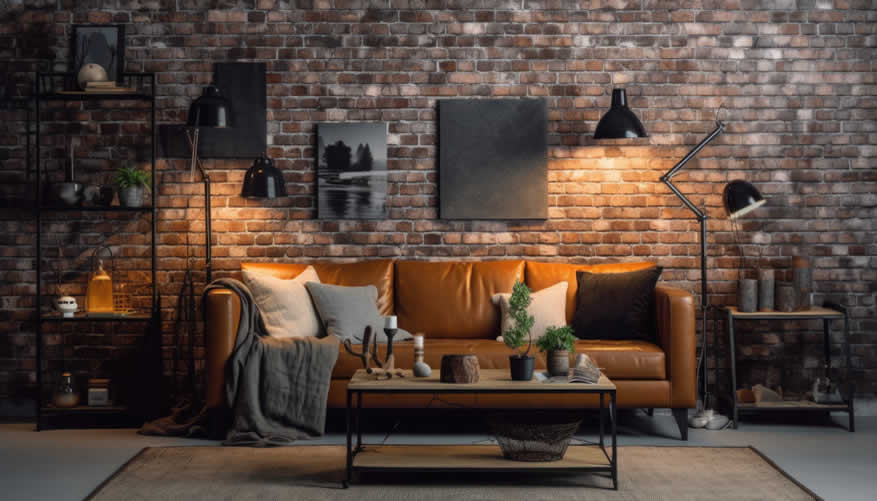
1st: Planning Lighting for the Living Room
The living room serves multiple purposes—from being a place for relaxation to a social space where guests are entertained. Planning the lighting for this versatile area requires a careful balance between functionality and aesthetic appeal.
To create a warm and inviting atmosphere, it’s essential to layer different types of lighting that can adapt to various activities, whether it’s reading, watching TV, or hosting gatherings.
-
Ambient Lighting
Ambient lighting in the living room sets the overall mood and provides a uniform level of illumination throughout the space. This can be achieved through the use of ceiling fixtures, like chandeliers or LED recessed lights, that distribute light evenly.
Dimmer switches are a valuable addition to ambient lighting, allowing you to adjust the brightness according to the time of day or the activity being performed.
[ view ideas: ambient lighting ]
-
Task Lighting
For activities that require more focused light, such as reading or working on hobbies, task lighting is crucial. Floor lamps positioned next to a reading chair or table lamps on side tables can offer the necessary illumination without overpowering the rest of the room.
Task lighting should be easy to control and direct, ensuring that it provides light precisely where it’s needed without creating glare.
[ view ideas: task lighting ]
-
Accent Lighting
Accent lighting adds depth and dimension to the living room, highlighting architectural features, bookcases, or artwork. Track lighting or wall-mounted fixtures can be used to draw attention to these elements, creating focal points in the room.
Accent lighting not only enhances the aesthetic appeal but also contributes to the overall ambiance by adding layers of light that complement the ambient and task lighting.
[ view ideas: accent lighting ]
copyright image by 123rf.com
[ pinterest: living room lighting ]
[ youtube: consistency in lighting ]
[amazon: modern ceiling light ]
-
-
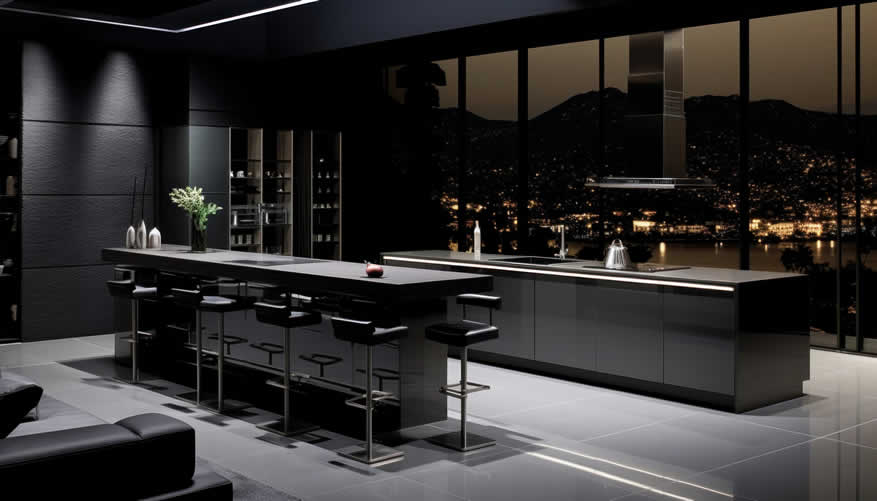
2nd: Kitchen Lighting Design
The kitchen requires a thoughtful approach to lighting due to its multi-functional role as a place for cooking, dining, and socializing. Effective lighting in the kitchen blends functionality with style, ensuring tasks can be performed safely and efficiently while creating a warm, inviting atmosphere.
When planning your kitchen lighting, consider the layout of the space and the activities that take place there to determine the best combination of lighting types.
-
General Lighting
General lighting in the kitchen serves as the foundational layer of illumination, providing a comfortable level of brightness that allows you to move safely and easily around the space.
Ceiling-mounted fixtures, such as recessed lighting, flush mounts, or semi-flush ceiling lights, are popular choices for general lighting. This type of lighting should evenly cover the majority of the kitchen, reducing shadows and dark spots.
[ view ideas: ambient lighting ]
-
Task Lighting
Task lighting is essential in the kitchen for illuminating work areas, countertops, stoves, and sinks where precision and safety are paramount. Under-cabinet lights are a popular choice for countertops, offering direct illumination without casting shadows.
Pendant lights can also serve as focused task lighting when positioned over kitchen islands or dining areas, providing not only functional lighting but also an opportunity to add a touch of personal style.
[ view ideas: task lighting ]
-
Accent Lighting
Accent lighting in the kitchen is used to highlight architectural features, display areas, or artwork, adding depth and interest to the space. It can be achieved with directional track lights or adjustable recessed lights aimed at the desired feature.
Inside cabinet lighting is another form of accent lighting that can showcase glassware or china, adding an element of sophistication to your kitchen design.
[ view ideas: accent lighting ]
copyright image by 123rf.com
[ pinterest: kitchen lighting ]
[ youtube: how to get best kitchen lighting ]
[amazon: pendant lighting over island ]
-
-
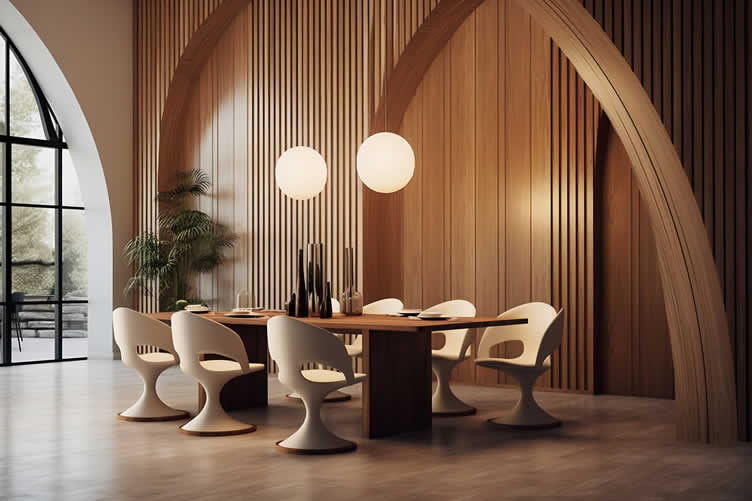
3rd: Dining Room Lighting Design
When planning the lighting for your dining room, it’s crucial to consider both functionality and ambiance. The dining room serves as a space for meals and gatherings, requiring a balance of warmth and brightness.
Achieving the ideal lighting setup involves layering different types of lighting to create a welcoming and versatile atmosphere. By carefully selecting fixtures that complement the room’s size, decor, and the dining table itself, you can enhance both the aesthetic appeal and usability of your dining space.
-
General Lighting
General lighting in the dining room sets the overall tone and brightness of the space. A central ceiling fixture, such as a chandelier or a large pendant light, can serve as an elegant focal point while providing sufficient illumination for the room.
When choosing a fixture, consider the scale in relation to your dining table and room size to ensure it provides an even distribution of light without overpowering the space.
[ view ideas: ambient lighting ]
-
Task Lighting
While not as critical as in the kitchen, task lighting in the dining room can be beneficial for buffet areas or serving stations. Small, strategically placed lamps or low-hanging pendant lights can enhance functionality during meal preparation or when serving food, ensuring these areas are well-lit and inviting.
[ view ideas: task lighting ]
-
Accent Lighting
Accent lighting adds layers of depth and interest to your dining room, creating an inviting ambiance that enhances the dining experience. This can be achieved with wall sconces, directed track lighting, or even floor lamps positioned to highlight artwork, architectural features, or a beautiful sideboard.
Incorporating dimmer switches with your accent lighting can also allow for adjustments in intensity, enabling you to create the perfect mood for any occasion.
[ view ideas: accent lighting ]
copyright image by 123rf.com
[ pinterest: dining room lighting design lighting ]
[ youtube: dining room lighting ideas ]
[amazon: dining room chandelier ]
-
-
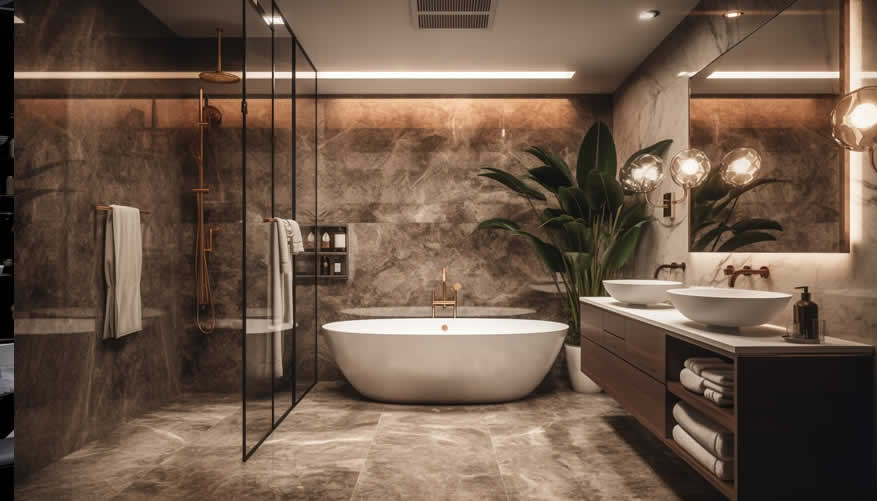
4th: Bathroom Lighting Design
When planning lighting for the bathroom, it’s crucial to prioritize both functionality and aesthetics. The bathroom serves multiple roles – from a practical space for morning routines to a relaxing retreat for unwinding at day’s end.
Therefore, lighting should be versatile, catering to a wide range of activities while also complementing the room’s design and mood.
-
Ambient Lighting
Ambient lighting in the bathroom lays the foundation of the space’s overall light levels. Typically, this is achieved through ceiling-mounted fixtures or LED recessed lighting that provides soft, even lighting throughout the room.
For bathrooms with higher ceilings, a central decorative fixture, such as a small chandelier or flush mount, can add a touch of elegance while contributing to the ambient lighting.
[ view ideas: ambient lighting ]
-
Task Lighting
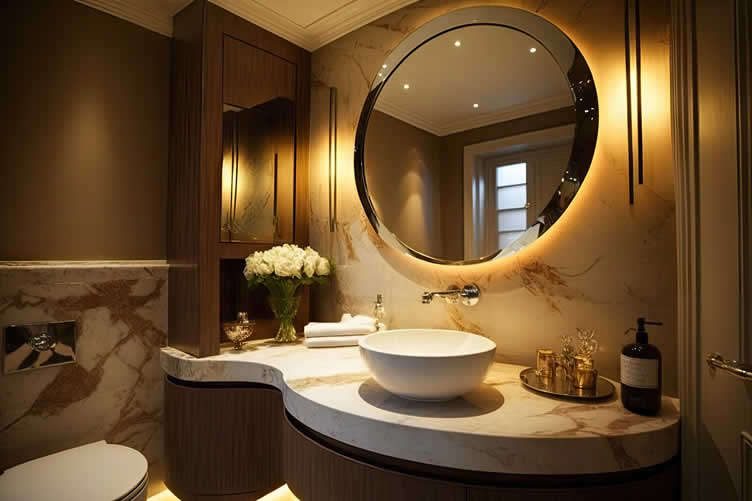
Task lighting is especially important in the bathroom for activities such as shaving or applying makeup. The best approach is to flank the mirror with sconces or vertical fixtures to eliminate shadows and evenly illuminate the face.
LED vanity lights are popular choices, offering bright, clean light. Ensuring these fixtures are placed at eye level will maximize effectiveness and reduce glare.
[ view ideas: task lighting ]
-
Accent Lighting
Accent lighting can be used to highlight the bathroom’s architectural features or decor, adding drama and visual interest. Consider using waterproof LED strip lights under vanity cabinets or in niches to create a floating effect.
Small, directed lights can also accentuate artwork or beautiful tile work, adding layers and dimensions to the space.
[ view ideas: accent lighting ]
copyright image by 123rf.com
[ pinterest: bathroom lighting design ]
[ youtube: how to get the best bathroom lighting ]
[amazon: bathroom vanity light ]
-
-
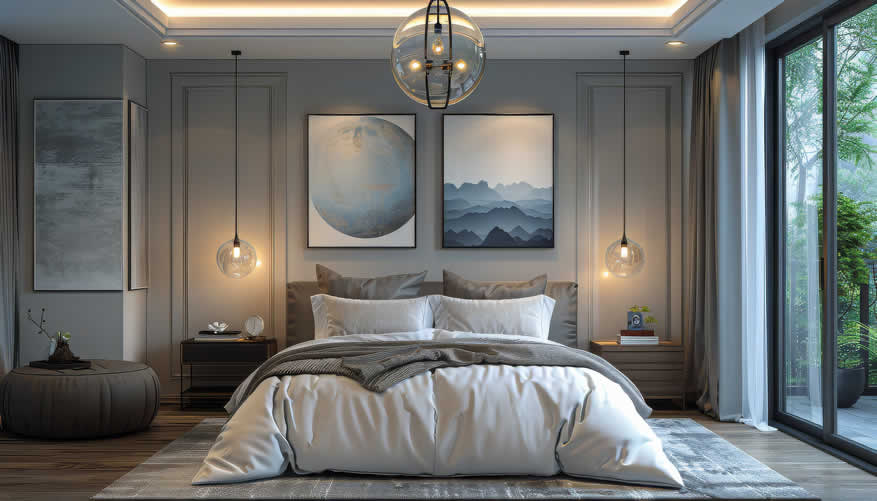
5th: Bedroom Lighting Design
Designing the lighting layout for a bedroom requires a nuanced approach that balances functionality with tranquility. It’s essential to create a versatile lighting scheme that can easily transition from bright and energizing in the morning to soft and calming in the evening.
A mix of ambient, task, and accent lighting, tailored to the bedroom’s specific needs and style, can create a harmonious and functional space.
-
Ambient Lighting
In the bedroom, ambient lighting serves as the base layer of illumination, setting the tone and mood of the space. A combination of ceiling fixtures, such as flush mounts or semi-flush mounts, and indirect lighting, like cove or valance lighting, can produce a gentle, diffused light throughout the room.
Choosing dimmable options allows for adjusting the light intensity according to the time of day or mood desired.
[ view ideas: ambient lighting ]
-
Task Lighting
Task lighting in the bedroom is critical for activities such as reading, dressing, or working. Bedside lamps or wall-mounted reading lights offer focused illumination that is bright enough for reading or working but subtle enough not to disturb a sleeping partner.
Placing task lights on each side of the bed ensures that both partners can individually control their light settings, adding to the bedroom’s functionality and comfort.
[ view ideas: task lighting ]
-
Accent Lighting
Accent lighting adds depth and dimension to the bedroom, highlighting its architectural features or decorative elements. Using track lighting, recessed spotlights, or even wall-mounted fixtures can spotlight artwork, photographs, or wall textures, enhancing the room’s aesthetic appeal.
For an intimate and sophisticated ambiance, consider installing LED strip lights behind headboards or under furniture for a soft, glowing effect.
[ view ideas: accent lighting ]
copyright image by 123rf.com
[ pinterest: bedroom lighting design ]
[ youtube: how to light your bedroom ]
[amazon: bedroom reading light ]
-
-
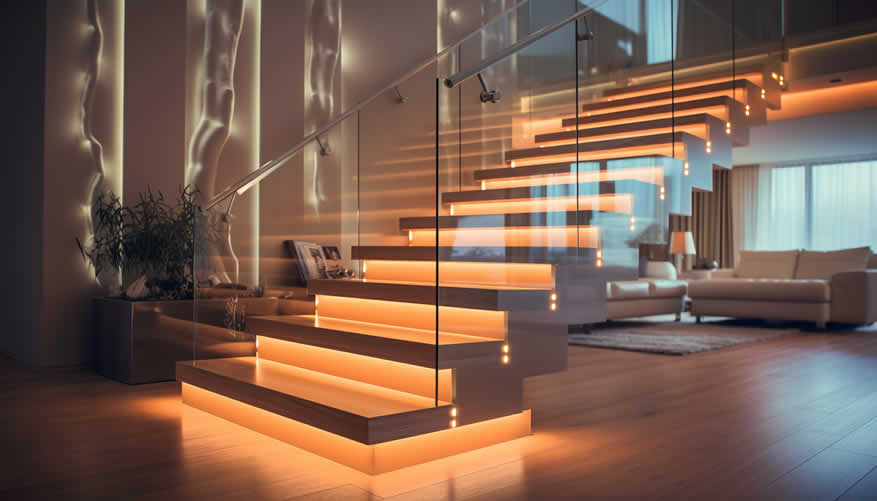
6th: Hallway/Stairway Lighting Design
Designing the lighting for hallways and stairways requires a strategic approach to ensure safety, functionality, and aesthetic appeal. These areas often serve as transitional spaces within the home, guiding movement from one room to another.
The key is to achieve a balance between illumination that is bright enough to safely navigate the space, yet soft enough to maintain the home’s welcoming ambiance.
-
Ambient Lighting in Hallways and Stairways
For hallways and stairways, ambient lighting serves as the foundational layer, providing general illumination to the area. Flush mounts and recessed lighting fixtures are excellent choices for distributing light evenly, preventing shadows and dark spots that could pose a hazard.
A well-lit stairway is crucial for safety, especially for households with children, elderly members, or individuals with mobility issues.
[ view ideas: ambient lighting ]
-
Task Lighting for Safety
Task lighting plays a critical role in enhancing visibility and safety in hallways and stairways. Consider installing wall sconces or LED step lights at regular intervals along the stairway and in hallways.
These focused lighting solutions help delineate the path, making steps more visible and reducing the risk of trips and falls. Additionally, motion-sensor lights can provide immediate illumination when needed, offering both convenience and energy efficiency.
[ view ideas: task lighting ]
-
Accent Lighting for Aesthetic Appeal
Accent lighting can transform hallways and stairways from merely functional spaces into areas of aesthetic interest. Use wall-mounted fixtures or gallery lighting to highlight artwork, family photos, or architectural features along the hallway.
In stairways, strategically placed accent lights can draw attention to unique banisters, stair treads, or under-step detailing, adding character and depth to the space.
[ view ideas: accent lighting ]
copyright image by 123rf.com
[ pinterest: hallway lighting design ]
[ youtube: staircase lighting design ideas ]
[amazon: staircase lights ]
-
-
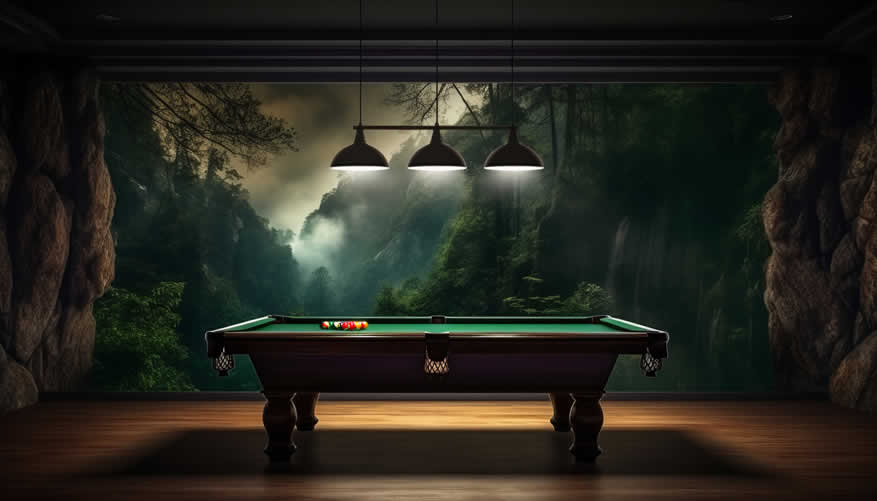
7th: Recreation Room Lighting
When planning the lighting for a recreation room, it’s important to consider both functionality and ambiance. This multi-functional space often serves as a place for entertainment, relaxation, and various hobbies, necessitating a versatile lighting scheme.
A combination of general, task, and accent lighting will create a well-balanced and adaptable environment that meets the diverse needs of the room.
-
General Lighting for Overall Illumination
General lighting in a recreation room should offer comfortable brightness that fills the space evenly. Recessed lighting or a series of ceiling-mounted fixtures can provide broad illumination that sets the baseline lighting level.
Choosing dimmable options allows for adjusting the light intensity depending on the time of day or the specific activities being engaged in, whether it’s watching movies, playing games, or simply lounging.
[ view ideas: ambient lighting ]
-
Task Lighting for Activities
Task lighting is crucial in areas of the recreation room dedicated to specific activities, such as reading nooks, game tables, or crafting areas. Adjustable floor lamps, desk lamps, or pendant lights can focus light precisely where it’s needed, enhancing functionality and reducing eye strain.
Ensure that the light source is positioned to minimize glare on screens and reflective surfaces for optimal comfort and visibility.
[ view ideas: task lighting ]
-
Accent Lighting for Enhancing the Atmosphere
Accent lighting adds depth and character to the recreation room, highlighting decorative elements, architectural features, or collectibles.
LED strip lights, under-cabinet lighting, or wall sconces can be used to showcase bookshelves, artwork, or bar areas, creating focal points and contributing to the overall ambiance. Selecting fixtures that complement the room’s decor theme helps in creating a cohesive and inviting space.
[ view ideas: accent lighting ]
copyright image by 123rf.com
[ pinterest: recreation room lighting design ]
[ youtube: LED strip fails and how to avoid them ]
[amazon: led light strips ]
-
-
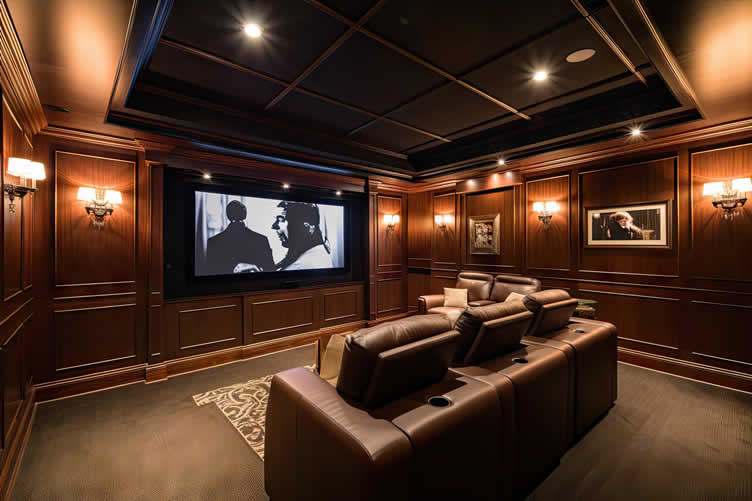
8th: Home Theater Lighting
When planning the lighting for a home theater, the primary goal should be to recreate a cinema-like environment that enhances the viewing experience while still allowing for practical functionality.
Lighting in a home theater needs to be carefully considered to prevent glare on the screen and control ambient light, which can dilute the vibrancy of pictures and distract from the immersive experience.
-
Ambient Light Control
Ambient light control is crucial in a home theater setup. Blackout curtains or shades can be used to minimize external light, ensuring that movies can be enjoyed at any time of the day without interference.
For those seeking a smart home integration, automated blinds can adjust according to the time of day or the lighting requirements set for movie watching.
[ view ideas: ambient lighting ]
-
LED Recessed Lighting
LED recessed lighting installed in the ceiling offers a discreet yet effective way to illuminate the space without introducing glare. These can be dimmable, allowing for adjustment according to the phase of the movie or to provide just enough light to safely move around without disturbing the overall viewing experience.
[ view ideas: recessed lighting ]
-
Wall Sconces with Dimmer Control
Wall sconces provide soft, indirect lighting that can add to the aesthetic and ambiance of the home theater without overwhelming the space with brightness.
Choosing sconces with dimmer controls allows for the adjustment of light levels, ensuring they are kept low during viewing and can be brightened for cleaning or finding one’s seat.
[ view ideas: wall sconces ]
-
Star Ceiling Panels
Star ceiling panels offer both a decorative and functional lighting solution, simulating a night sky on the ceiling. This adds an element of wonder and excitement, particularly appealing for family spaces, providing a low level of light that does not interfere with the picture quality.
[ view ideas: star ceiling panels ]
copyright image by 123rf.com
[ pinterest: home theater lighting design ]
[ youtube: home theater lighting best practices ]
[amazon: wall sconce ]
-
-
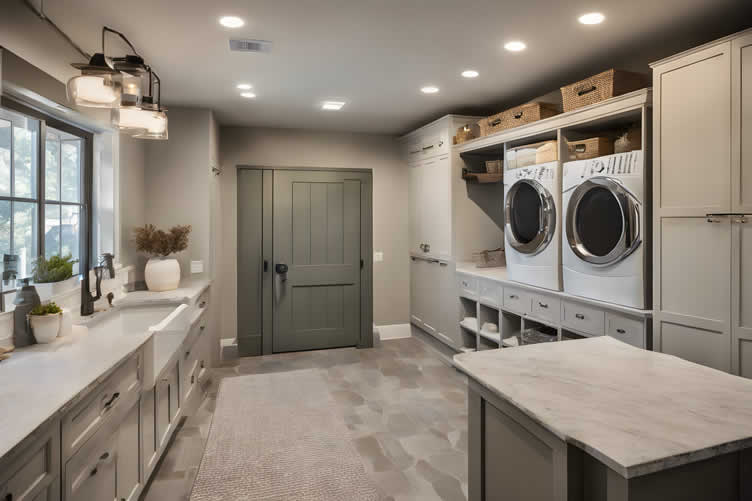
9th: Laundry Room Lighting
The laundry room is a utilitarian space that requires careful consideration in lighting to enhance functionality while also considering design aesthetics. Adequate lighting is essential for spotting stains, checking fabric colors, and performing tasks efficiently.
A combination of ambient, task, and accent lighting can transform your laundry room into a more inviting and functional area.
-
Ambient Lighting
Ceiling-mounted fixtures or LED panel lights are ideal for providing overall illumination in a laundry room. These lights offer a bright, diffuse light source that can fill the entire room without casting shadows, making it easier to see and sort laundry.
For energy efficiency and longevity, LED options are recommended.
[ view ideas: ambient lighting ]
-
Task Lighting
Under-cabinet lighting or LED strip lights installed under shelves or cabinets can illuminate specific work areas, such as countertops where you might treat stains or fold clothes. This targeted lighting helps in performing detailed tasks more effectively and can be turned off when not in use to save energy.
[ view ideas: task lighting ]
-
Accent Lighting
While not a necessity, accent lighting can add a layer of sophistication and design to the laundry room. Consider installing recessed spotlights or a small, decorative chandelier as a focal point if the space allows.
These elements can make the laundry room feel less utilitarian and more like a cohesive part of your home’s overall design ethos.
[ view ideas: accent lighting ]
AI generated image by 123rf.com
[ pinterest: laundry room lighting ]
[amazon: under cabinet lighting ]
-
-
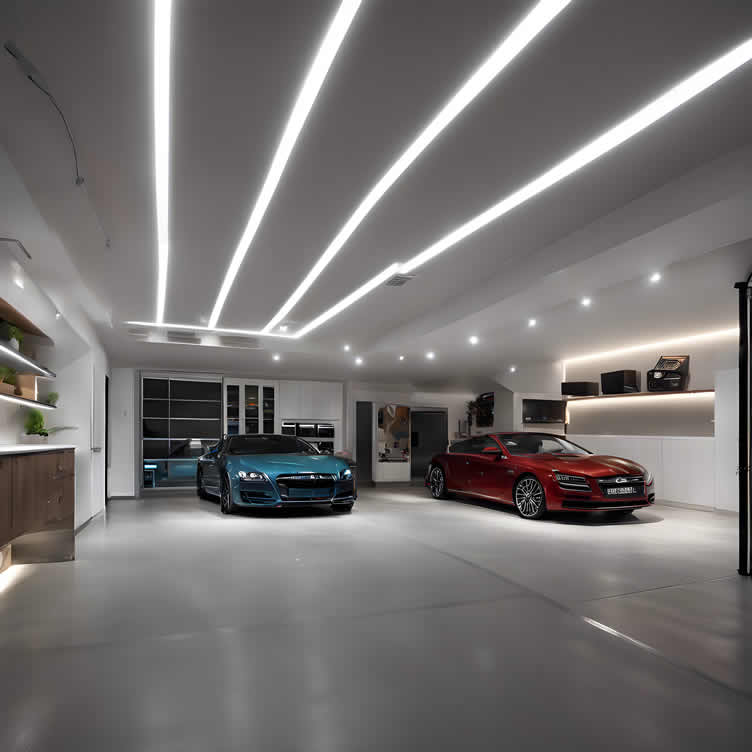
10th: Garage Lighting Needs
Efficient lighting in a garage is crucial for both functionality and safety. Whether it’s for parking cars, using it as a workshop, or for storage, the right lighting setup can significantly enhance the usability of this space.
Planning your garage lighting involves considering the activities you perform in your garage and selecting lighting options that cater to these needs while also keeping in mind energy efficiency and aesthetic appeal.
-
Ambient Lighting
High Bay LED lights or large fluorescent fixtures are perfect for providing overall illumination in a garage. These types of lights are designed to light up larger areas with high ceilings efficiently.
They distribute light evenly, reducing shadows and dark spots, making navigation and vehicle parking safer and more comfortable. LEDs are particularly recommended for their lower energy consumption and longer lifespan.
[ view ideas: ambient lighting ]
-
Task Lighting
For workshops or workbenches within the garage, adjustable LED task lights can be instrumental. These lights can be positioned to focus directly on projects, providing clear visibility for detailed work, such as woodworking, vehicle maintenance, or any task requiring precision.
They come in various forms, including clamp-on or freestanding lamps, offering flexibility based on the layout of your garage and work areas.
[ view ideas: task lighting ]
-
Accent Lighting
Accent lighting might not be the first thought for a garage, but it can significantly enhance the space’s aesthetics, especially if you use your garage to display vintage cars or as a part of your home gym.
LED strip lighting along the edges of the floor or under shelves not only adds a stylish touch but can also serve as guide lights for parking or moving around in low light conditions.
[ view ideas: accent lighting ]
AI generated image by 123rf.com
[ pinterest: garage lighting ]
[ youtube: best lighting for garages ]
[amazon: garage lighting ]
-
-
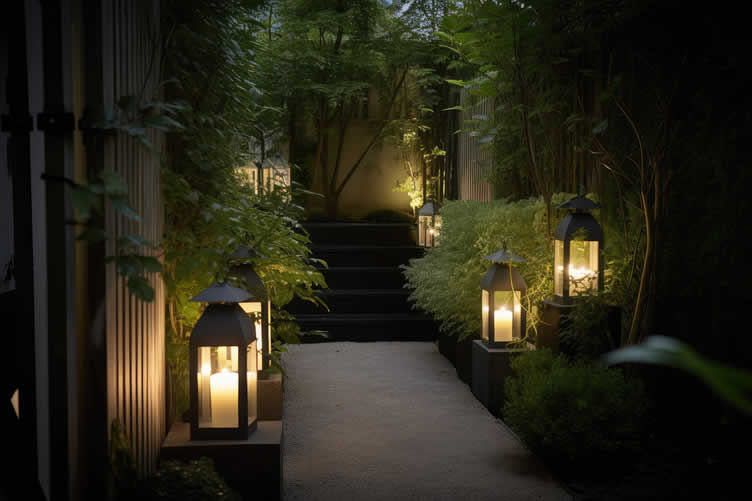
11th: Lighting Design for Outdoor Spaces
When planning lighting for outdoor spaces, it’s essential to balance functionality with aesthetics to create an environment that’s both beautiful and usable. The objective is to enhance safety, extend usability into the evening, and highlight the landscape’s and exterior architecture’s best features.
Different areas like pathways, patios, and landscape features will require various lighting solutions. Here’s how to approach outdoor lighting:
-
Pathway Lighting
Solar LED path lights are a popular choice for illuminating walkways, as they are energy-efficient, easy to install, and environmentally friendly. These lights ensure safety by marking the edges of pathways, making navigation at night easier and preventing accidents.
Their design varies from traditional to modern, seamlessly blending with any garden aesthetic.
[ view ideas: pathway lighting ]
-
Patio and Deck Lighting
For patios and decks, overhead string lights or recessed LED floor lights create a cozy, inviting atmosphere perfect for entertaining or relaxing after dark.
Overhead lights offer ample illumination for dining or socializing, while floor lights can outline the area’s perimeter or highlight architectural features without being overpowering.
[ view ideas: patio-deck lighting ]
-
Landscape and Accent Lighting
To accentuate landscape features such as trees, sculptures, or water elements, consider spotlights or floodlights with LED bulbs. These can be strategically placed to focus light on specific points, creating dramatic effects and drawing attention to the beauty of your outdoor space.
Adjustable fixtures allow for flexibility, enabling homeowners to change the lighting configuration as the landscape matures or their preferences evolve.
[ view ideas: landscape accent lighting ]
-
Security Lighting
Motion sensor floodlights are essential for security, automatically illuminating areas when movement is detected. These are best placed near entry points and dark corners of your property.
Opting for models with adjustable sensitivity and timer settings can optimize energy use and reduce light pollution while ensuring your outdoor space is safe and secure.
[ view ideas: security lighting ]
copyright image by 123rf.com
[ pinterest: landscape lighting design ]
[ youtube: secrets to ultimate exterior lighting ]
[amazon: landscape lighting ]
-
-
-
ideas to view and compare from the information discussed above
Scroll up to directory … or scroll to next section about home lighting design …
 … grab this directory of ideas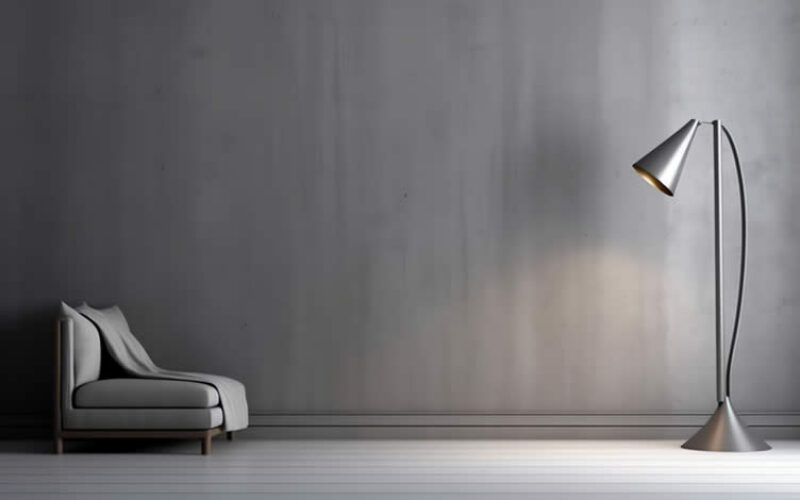

SHARE IT ..! You might have someone in your social network who could find this informative post on home lighting design and installation valuable. Feel free to share it on Facebook, Twitter, LinkedIn, or Pinterest!




below for …
lighting design and installation


remodeling decisions


fourth “photo remodeling” idea
copyright image by 123rf.com
Lighting Tip 4: Trends in Home Lighting Design
Notes:
-
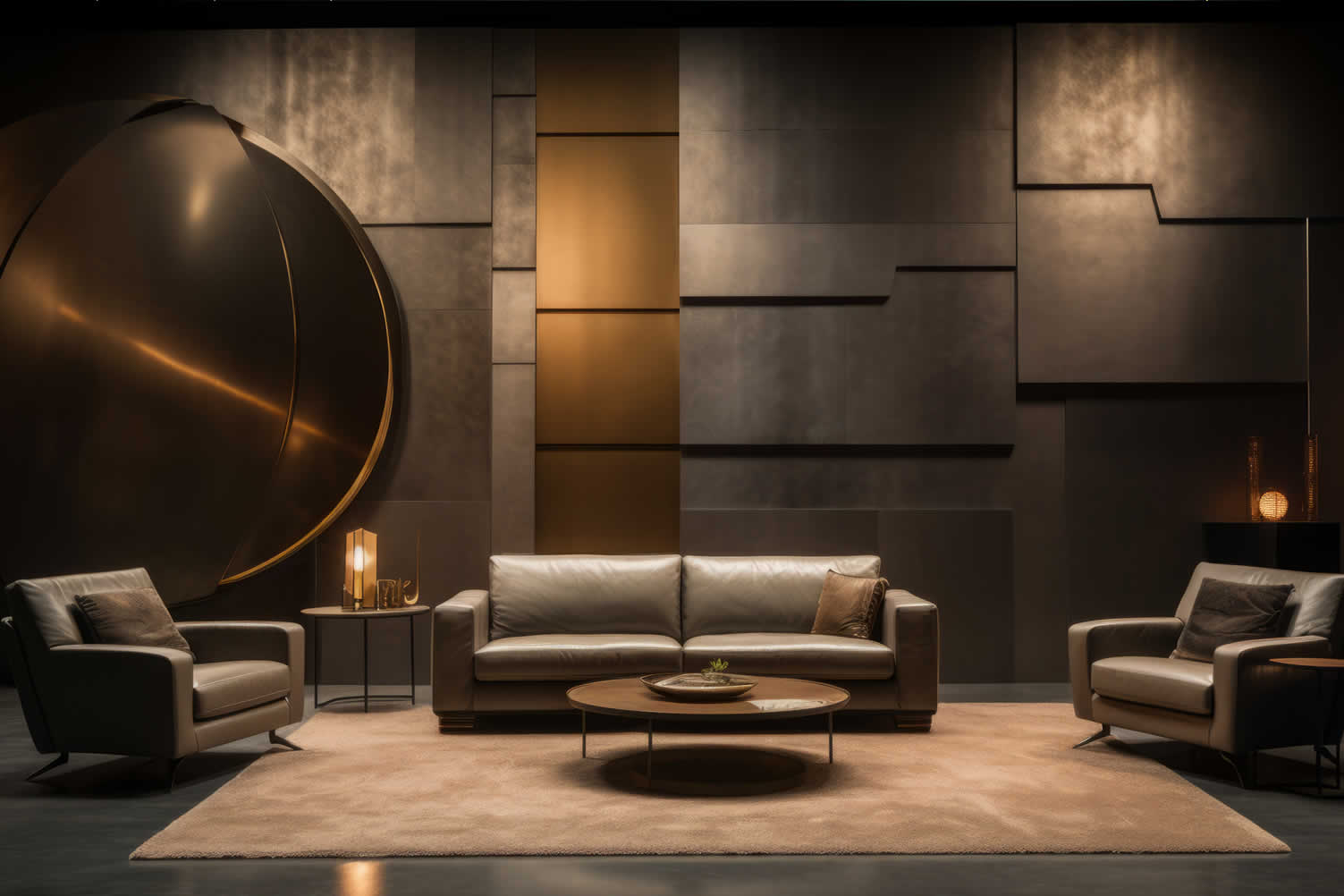
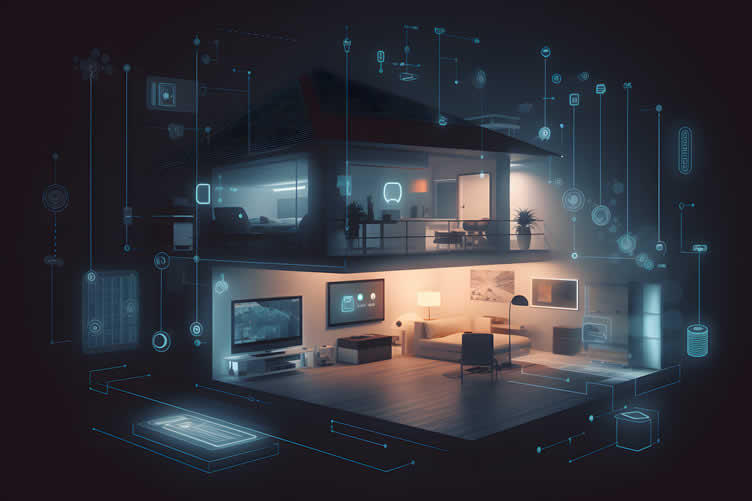
Lighting technology is constantly evolving, offering new ways to illuminate our spaces. Smart lighting systems have become increasingly popular for their customizable and energy-saving features. Program your lights to change color with the time of day or to turn on and off remotely when you’re away from home.
Energy-efficient solutions like LED lighting are more than just a trend—they’re the future. LEDs come in various color temperatures, from warm to cool whites, making them suitable for any application. They also last significantly longer than traditional incandescent bulbs, reducing maintenance and replacement costs.
-
Quick scroll to “lighting trends” side notes …
-
-
1st: Automating Your Home Lighting Design
Automating your home lighting not only offers convenience but also enhances the efficiency and functionality of your living spaces. Through the integration of smart technology, you can control the ambiance of your home remotely or set it to adjust automatically according to your needs and schedule.
Here’s how you can leverage various smart devices to automate your home lighting:
-
Smart Wiring
Smart wiring is a foundational element in automating your home’s lighting. It involves installing a network of cables that allow for seamless communication between your lighting system and a central control system.
This setup enables you to manage your lighting from a smartphone app or a centralized control panel, making it possible to adjust lighting throughout your home with a few taps.
[ view post: a deep dive into smart wiring solutions ]
-
Smart Plugs
Smart plugs are a quick and easy way to automate existing lamps and light fixtures. By plugging your lamps into these internet-connected plugs, you can control them remotely via a smartphone app.
This is an ideal solution for retrofitting and automating lighting without needing complex installation processes.
[ amazon: smart plugs ]
-
Smart Switches
Replacing traditional light switches with smart switches allows for direct control over the lighting circuits in your home. Smart switches can be controlled remotely, scheduled to turn on/off at specific times, and even programmed to respond to voice commands via smart home assistants like Amazon Alexa or Google Assistant.
[ amazon: smart switches ]
-
Smart Bulbs
Smart bulbs are perhaps the simplest way to introduce automation into your home lighting. These LED bulbs connect to your home Wi-Fi network, allowing you to adjust brightness, color temperature, and even color (for RGB models) through a smartphone app.
By replacing your standard bulbs with smart bulbs, you can experiment with dynamic lighting scenes to match your mood or the occasion.
[ amazon: smart bulbs ]
-
Other Automation Options
Beyond the basic components of smart wiring, plugs, switches, and bulbs, there are several other devices and sensors that can further automate your home lighting.
Motion sensors, for instance, can trigger lights to turn on when movement is detected in a room, which is particularly useful in areas like hallways or bathrooms.
Additionally, integrating your lighting system with a whole-home automation system can enable more sophisticated scenarios, such as lights that gradually brighten as your morning alarm goes off, simulating a sunrise to gently wake you up.
By adopting these smart devices and technologies, you can transform your home lighting from a mere necessity into an adaptable, mood-enhancing element of your home environment, all while maximizing energy efficiency and convenience.
[ view post: 6 ways to upgrade your home to make it more safe ]
copyright image by 123rf.com
-
-
2nd: The Future of Home Lighting Design
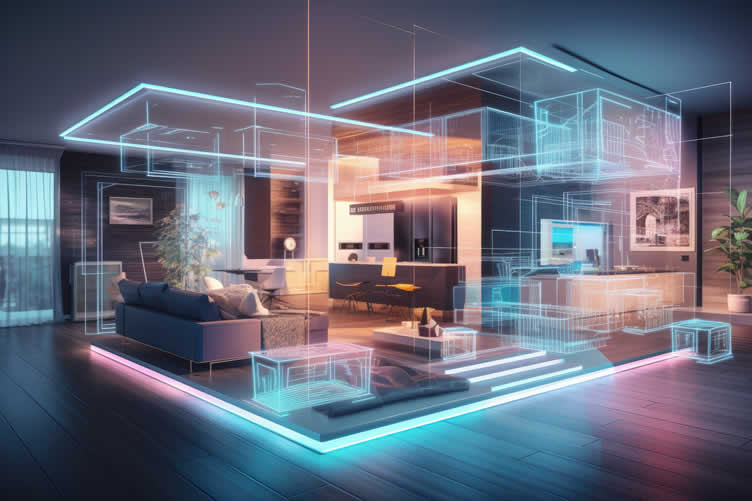
As we look towards the future, home lighting design is poised for innovative transformations that will redefine our living spaces. With advancements in technology, we can anticipate the integration of more intuitive and autonomous lighting systems.
Think of lighting that not only responds to voice commands but also to physiological cues, adjusting its brightness and color based on the time of day or even our mood, detected through wearable technology.
The advent of organic LED technology (OLED) promises not just energy efficiency but also flexibility, with lighting becoming an integral part of furniture, walls, and even fabrics.
This could lead to a world where lighting is no longer confined to traditional fixtures but is seamlessly woven into the fabric of our homes, offering limitless possibilities for customization and creating atmospheres tailored to individual preferences.
In essence, the future of home lighting goes beyond mere illumination; it’s about enhancing the human experience, optimizing well-being, and personalizing our environment like never before.
copyright image by 123rf.com
[ view diagram: future of home lighting diagram ]
[ youtube: interior design lighting trends ]
-
3rd: Current Upgrades To Lighting
Are you looking to brighten up your space and improve energy efficiency at the same time? Look no further!
This section will explore 5 ways to upgrade your lighting that will not only enhance the ambiance of your home or workspace but also help you save on energy costs. From LED bulbs to smart lighting controls, this blog has you covered!
-
Upgrade to LED Bulbs
One of the easiest and most effective ways to upgrade your lighting is by switching to LED bulbs. LED bulbs are more energy-efficient than traditional incandescent bulbs, which means you’ll save money on your electricity bill.
Not only that, but LED bulbs also last longer, so you won’t have to replace them as often. Plus, LED bulbs come in a variety of color temperatures, so you can choose the perfect lighting for any room in your home.
-
Install Dimmer Switches
Another way to upgrade your lighting is by installing dimmer switches. Dimmer switches allow you to adjust the brightness of your lights to create the perfect ambiance for any occasion.
Whether you’re hosting a dinner party or enjoying a cozy movie night, dimmer switches give you the flexibility to set the mood just right. Plus, dimmer switches can help you save even more energy by reducing the amount of electricity your lights consume.
-
Invest in Smart Lighting Controls
If you want to take your lighting upgrade to the next level, consider investing in smart lighting controls. Smart lighting controls allow you to control your lights remotely using your smartphone or voice commands.
You can create customized lighting schedules, adjust the brightness and color of your lights, and even integrate your lighting with other smart home devices. Smart lighting controls not only add convenience to your life but also help you save on energy costs by ensuring your lights are only on when you need them.
-
Consider LED Retrofit Kits for HID Fixtures
If you have HID fixtures in your home or workspace, consider upgrading to LED retrofit kits. LED retrofit kits for HID fixtures are designed to replace the existing HID bulbs in your fixtures with more energy-efficient LED bulbs.
Not only will this upgrade improve the quality of light in your space, but it will also help you save on energy costs in the long run. LED retrofit kits are easy to install and can make a significant difference in the overall lighting of your space.
-
Add Task Lighting
Finally, consider adding task lighting to areas where you need extra illumination. Task lighting is designed to provide focused light for specific tasks, such as reading, cooking, or working at a desk. By adding task lighting to your space, you can improve visibility and reduce eye strain.
Consider adding desk lamps, under-cabinet lighting, or pendant lights to enhance the functionality of your space while also upgrading the overall lighting design.
[ view images: dimmer switches ]
[amazon: led retrofit kit ]
-
-
-
ideas to view and compare from the information discussed above

Scroll up to directory … or scroll to next section about home lighting design …
home automation devices


Find Electrical Services Electricians Lighting Design Fans Generators Electronics Home Security top-rated, pre-screened local contractors FREE: download contractor selection enter zip code – powered by HomeAdvisor ™
Quick Contractor Guides selecting negotiating working with inspecting

fifth and last “photo remodeling” idea

copyright image by 123rf.com
Lighting Tip 5: Installation of Home Lighting Needs
Notes:
-
When considering upgrading or installing new lighting in your home, the decision between hiring a lighting contractor or tackling the project yourself (DIY) hinges on several factors including complexity, safety, and budget.
For straightforward tasks like replacing fixtures or installing smart bulbs, many homeowners find DIY to be a cost-effective and rewarding approach. However, for more intricate projects—such as installing recessed lighting, conducting extensive rewiring, or integrating a whole-home smart lighting system—the expertise of a licensed lighting contractor becomes invaluable.
These professionals not only ensure that the installation meets current safety standards, but they also bring a wealth of knowledge on the latest technologies and can offer customized solutions that perfectly match your home’s design and your personal preferences.
While the DIY approach can save upfront costs, incorrectly handling electrical wiring poses significant risks and may lead to additional expenses or the need to hire a professional to correct mistakes.
Choosing a reputable lighting contractor, on the other hand, provides peace of mind, guarantees quality work, and ensures that your lighting installation is both beautiful and functionally sound, laying the groundwork for the innovative future of home lighting design.
-
Quirk scroll to topic "lighting installation" side notes …
-
-
1st: Contracting with Home Lighting Specialists
When considering an upgrade to the lighting in your home or implementing a new lighting design, it’s essential to partner with the right specialists.
Home lighting specialists encompass a range of experts from interior designers focused on lighting aesthetics to electrical engineers specializing in the technical aspects of installation and integration.
These professionals not only help in choosing the right lighting fixtures but also play a crucial role in ensuring that your lighting system is efficient, safe, and aligned with your lifestyle needs.
-
Update Lighting for Existing Space
For updating the lighting in an existing space, consider hiring a lighting designer or consultant. These specialists possess a keen eye for how light affects spaces and can suggest enhancements or upgrades that improve functionality and mood.
Their expertise allows for a transformation of existing spaces through strategic placement of light fixtures, adjustment of light intensity, and incorporation of smart lighting solutions to revitalize your home’s ambiance.
-
Lighting Design and Wiring Needs for New Remodel
For a home undergoing remodeling, an electrical engineer or a specialized remodeling contractor with a strong background in lighting design is invaluable. These professionals understand the complexities of wiring and can seamlessly integrate new lighting solutions with existing electrical systems.
They ensure that your remodeled space not only looks outstanding but is also up to current building codes and standards, focusing on safety and energy efficiency.
-
Lighting Design and Smart Wiring for New Construction
Building a new home offers the unique opportunity to incorporate advanced lighting and smart wiring from the ground up. In this scenario, contracting with an architectural lighting designer who works closely with electricians specialized in smart home technologies is ideal.
They can design a comprehensive lighting and electrical plan that anticipates future needs, incorporates cutting-edge lighting technologies, and ensures that your new construction is as smart as it is visually stunning.
copyright image by 123rf.com
-
-
2nd: What Type of Contractor
When considering a home lighting project, the types of contractors needed can vary based on the scope and complexity of the project.
-
Designers
Lighting designers bring an artistic element to the project, focusing not just on functionality but also on how lighting can enhance the aesthetic appeal and mood of a space. They work closely with electricians to ensure that the design vision is realized safely and effectively.
-
Electrician
For basic lighting upgrades, such as replacing existing fixtures or adding new ones without significant rewiring, an electrician with experience in residential lighting could be sufficient. These professionals are adept at ensuring the electrical work is up to code and can often provide advice on fixture types and placements.
-
Specialized Lighting or Automation Contractor
For more complex projects that involve extensive wiring, smart lighting systems, or customization, a specialized lighting contractor.
For projects that integrate smart home technology or require intricate electrical work, it might also be necessary to engage a home automation specialist or a contractor with specific experience in smart lighting systems.
These professionals can ensure that your lighting system is compatible with other smart home devices and can help you achieve a seamless home automation experience.
Regardless of the scale of your lighting update, it’s critical to choose contractors who are licensed, insured, and have a good reputation. Checking reviews, asking for references, and verifying credentials can help ensure that your lighting project is completed safely and to your satisfaction.
LetsRenovate has partnered with HomeAdvisor™, a renowned provider of highly-rated, carefully-vetted local contractors. Start your search here by choosing the type of home lighting contractor you need and entering your zip code to find local professionals.

copyright image by 123rf.com
-
But Wait!
Before starting the search and evaluation process for contractors, it is highly recommended to download and utilize this comprehensive worksheet. This will help ensure that you have all the necessary information and tools at your disposal to make informed decisions and streamline the entire process.
This resource will assist in impartially ranking and evaluating potential contractors, taking into consideration essential factors such as pricing,

Evaluation Sheet
File Type:
-
-
3rd: DIY Home Lighting Design and Setup
Opting for a DIY approach in home lighting design can be an empowering and creative endeavor. It allows homeowners to meticulously tailor their living spaces to their tastes and preferences while potentially saving on costs.
However, successful DIY lighting projects require careful planning, a good understand of lighting design principles, and basic electrical safety knowledge.
-
Lighting Design Layout
Start by assessing each room’s functionality and ambiance goals. Sketch a rough layout of the room, marking key furniture pieces and focal points you want to highlight.
Consider a mix of lighting types—ambient, task, and accent—to create a balanced and dynamic space. Utilizing natural light effectively can also play a crucial role in your overall lighting design.
-
Selection of Lighting Fixtures
Once you have a plan, selecting the right fixtures for each area is the next step. Consider style, purpose, and energy efficiency. LED lights, for example, offer long-lasting performance and are available in a variety of tones suitable for different settings.
Be mindful of the size and installation requirements of each fixture to ensure it compliments your space without overpowering it.
-
Electrical Wiring Requirements
Safety first—ensure you have a clear understanding of your home’s electrical wiring and capacity to support new or additional lighting fixtures. For substantial changes, consult with a professional electrician to avoid overloading your system.
For simpler installations, familiarize yourself with basic wiring techniques and always shut off power to the area you’re working on.
-
Automation Setup
Incorporating smart lighting allows you to control lights remotely, set schedules, and adjust brightness or color. If you’re planning on adding smart bulbs or systems, ensure your Wi-Fi network has adequate coverage and strength.
Most smart lighting setups are user-friendly and come with step-by-step instructions for pairing devices with your smartphone or home automation hub.
-
Step-by-Step Guide
Incorporating advanced lighting features into your home requires meticulous planning and execution. The process can be broken down into several key steps to ensure a smooth transition to a more modern, efficient, and personalized lighting system.
- Assessment and Planning:
Begin by evaluating your current lighting setup and identifying areas that need improvement or complete transformation. Consider factors such as the functionality of spaces, natural light availability, and the mood you wish to create in each room. - Design and Selection:
Once you’ve assessed your needs, design a lighting plan that aligns with your desired aesthetic and practical requirements. This involves selecting the types of lights (e.g., LEDs, smart bulbs, OLED panels) and fixtures that complement your home’s architecture and interior design. Also, consider the integration of smart lighting control systems for enhanced flexibility and energy efficiency. - Technical Evaluation:
Evaluate the electrical requirements for your new lighting system. This may involve consulting with a professional electrician to ensure your home’s electrical circuits can support the planned installations without overloading. - Installation:
Depending on the complexity of your lighting project, you may need to hire a professional electrician or lighting installer. For simpler setups, following the manufacturer’s instructions carefully can guide DIY installations. Ensure all safety guidelines are followed to prevent accidents. - Testing and Adjustment:
After installation, test the lighting to ensure it functions as intended. This is the time to adjust light placements, settings on smart devices, and overall brightness to achieve the desired effect in each space. - Ongoing Maintenance and Update:
Finally, keep abreast of advancements in lighting technology to update your system as needed. Routine maintenance, such as cleaning fixtures and replacing bulbs, will keep your lighting system in top condition, ensuring longevity and continued energy savings.
- Assessment and Planning:
copyright image by 123rf.com
-
-
-
FINAL REMARKS
Architectural home lighting design is an art form that balances aesthetics and utility. When done right, it can bring your home to life, highlighting its beauty and functionality.
Whether you’re building a new home, renovating, or simply looking to refresh your space, considering lighting from an architectural perspective is a game-changer that will ensure your home shines in the best possible light.
-
ideas to view and compare from the information discussed above
book: home electrical wiringelectrical testerelectrical wiring kit
- What comments can you share about
home lighting design?
Scroll up to directory … or scroll to more home structural-related topics …
view illustration “becoming a bank”



Cover image credit: home lighting design by 123rf.com
end of post … please share it!
 |
did you find this home lighting design analysis helpful? If so, please share the article with your friends and family! |
Nice pic idea? Leave us a quick comment below.
And please share this pic idea within your social networks.