Feeling overwhelmed by minor daily ailments like stress, poor digestion, or restless sleep can leave you searching frantically for natural relief. The main answer to this common frustration lies right in your own backyard.
By planting a curated selection of medicinal herbs, starting with powerhouse plants like peppermint, chamomile, and rosemary, you can create a living pharmacy that offers immediate, natural support for your family.
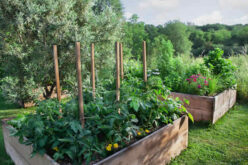
Creating a dedicated wellness garden provides a practical solution that transforms a simple patch of dirt into an efficient, streamlined environment that nurtures both your landscape and your lifestyle.
Cultivating a medicinal garden allows you to work harmoniously with nature while taking charge of your daily well-being. When you grow your own remedies, you control the quality of the soil and the purity of the plant, ensuring your home remedies are free from unwanted chemicals.
Choosing which plants to prioritize can feel daunting, so we have ranked the top medicinal herbs based on their documented health benefits, ease of cultivation, and overall usefulness in a home setting.
- post content
Peppermint For Digestive Health
Ranking at the very top of our list is peppermint, a remarkably resilient herb that offers profound benefits for the human digestive system. Peppermint contains high levels of menthol, a natural compound that relaxes the muscles of the gastrointestinal tract.
According to clinical studies on digestive wellness (McKay & Blumberg, 2006), peppermint oil and brewed peppermint leaves significantly reduce symptoms of irritable bowel syndrome, bloating, and general indigestion. Choose peppermint if immediate, reliable relief from stomach upset matters more than growing a rare or ornamental plant.
Growing peppermint requires a mindful approach because this vigorous plant loves to spread. You will want to plant peppermint in a dedicated container or a restricted garden bed to prevent it from overtaking your other delicate herbs.
It thrives in rich, moist soil and prefers partial to full sunlight. Harvesting the leaves just before the plant flowers yields the highest concentration of essential oils. You can simply steep the fresh leaves in hot water for a soothing tea that calms the stomach and refreshes the mind.

Chamomile For Restful Sleep

Taking the second spot is chamomile, an incredibly gentle yet powerful herb renowned for its sedative properties. The flowers of the chamomile plant contain apigenin, an antioxidant that binds to specific receptors in your brain to decrease anxiety and initiate sleep.
Research indicates that regular consumption of chamomile tea improves sleep quality and reduces the time it takes to fall asleep (Srivastava et al., 2010). This makes chamomile an essential addition to any family garden, particularly for households dealing with stressful routines or restless nights.
German chamomile is the most popular variety for home gardens because it produces an abundance of sweet, apple-scented flowers. This annual herb prefers cool conditions and well-drained soil, making it a perfect companion for your spring and early summer garden beds.
You should gently pluck the daisy-like flowers once they are fully open and dry them in a cool, dark place. Brewing these dried flowers creates a comforting nighttime ritual that naturally transitions your body from the chaos of the day into a state of deep, restorative rest.
Rosemary For Cognitive Support
Rosemary ranks third due to its dual purpose as a culinary staple and a potent cognitive enhancer. The needle-like leaves of the rosemary plant are packed with rosmarinic acid and carnosic acid, compounds that have been shown to protect brain health and improve memory retention.
Simply inhaling the aroma of fresh rosemary can stimulate cognitive function and increase alertness (Moss et al., 2003). This makes it an ideal plant to keep near your home office window or along a frequently used garden pathway where you can brush past it daily.
Cultivating rosemary requires an understanding of its Mediterranean origins. The plant demands excellent drainage and thrives in sandy, less fertile soils bathed in full sunlight.
Overwatering is the most common mistake home gardeners make with this hardy shrub. By letting the soil dry out completely between waterings, you encourage the plant to develop stronger, more aromatic oils.
Snip the woody sprigs throughout the year to flavor your roasted vegetables or steep them into an invigorating morning tea that wakes up your brain without the crash of caffeine.
Echinacea For Immune Function
Echinacea, commonly known as the purple coneflower, earns the fourth position for its profound ability to stimulate the immune system. The roots and aerial parts of this beautiful perennial contain active substances like alkamides and polysaccharides that enhance the body’s macrophage activity, essentially helping your immune cells destroy harmful pathogens.
Regular use of echinacea preparations at the onset of cold symptoms can significantly reduce the duration and severity of the illness (Shah et al., 2007).
Bringing echinacea into your landscape design adds brilliant pops of pink and purple while attracting beneficial pollinators like bees and butterflies. This tough plant tolerates poor soil and drought conditions once established, asking only for a sunny spot to truly thrive.
While the entire plant holds medicinal value, the roots harvested in the plant’s second or third fall provide the most potent medicine. You can clean and simmer these roots to create a powerful decoction that prepares your family’s immune defenses for the challenging winter months.
Lemon Balm For Stress Relief
Lemon balm secures the fifth rank by offering a gentle, uplifting remedy for chronic stress and nervous exhaustion. Belonging to the mint family, this bright green herb exudes a cheerful citrus scent that instantly elevates the mood.
Clinical evidence shows that lemon balm increases the availability of the neurotransmitter GABA in the brain, which helps mitigate the body’s stress response and promotes a deep sense of calmness (Kennedy et al., 2002). It is the perfect garden ally for those navigating high-pressure careers or busy family schedules.
Like its cousin peppermint, lemon balm grows vigorously and appreciates a bit of boundary management in the garden. It flourishes in well-drained soil with partial shade, particularly in hotter climates where the afternoon sun might scorch its tender leaves.
Regular harvesting encourages a bushier, healthier plant. You can crush the fresh leaves directly into cold water for a refreshing summer infusion, or dry them to create a comforting tea that gently unwinds tension headaches and settles frazzled nerves at the end of a long day.
about herbs and spices

Knowing Your Herbs and Spices in Food Preparation
Understanding herbs and spices is fundamental to elevating your culinary skills and creating flavorful dishes.
Thyme For Respiratory Health
Thyme is our sixth choice, serving as an exceptional natural remedy for respiratory ailments. The tiny leaves of the thyme plant are incredibly rich in thymol, a powerful antiseptic and expectorant compound.
When dealing with chest congestion, bronchitis, or persistent coughs, thyme helps to thin mucus and relax the spasms of the respiratory tract (Kemmerich et al., 2006). Its potent antibacterial properties also make it an excellent choice for soothing sore throats when used as a warm herbal gargle.
You will find that thyme is remarkably easy to integrate into rock gardens, borders, or container arrangements. It requires full sun and thrives on neglect, preferring dry, gritty soil over rich, moist earth.
Because it is a perennial evergreen in many climate zones, you can harvest the leaves year-round to support your respiratory health. Steeping a handful of fresh thyme sprigs in hot water and inhaling the fragrant steam provides immediate, soothing relief for congested sinuses and tight chests.
Sage For Inflammation Reduction
Ranking seventh is sage, a robust herb historically revered for its wide-ranging healing properties. Sage contains high levels of antioxidant compounds, including rosmarinic acid and camphor, which work together to severely reduce inflammation throughout the body.
It is particularly effective for soothing painful throat infections and reducing the discomfort associated with oral inflammations like mouth ulcers (Hubbert et al., 2006). Furthermore, herbalists frequently recommend sage to help regulate excessive sweating and ease hot flashes associated with hormonal transitions.
To successfully grow sage, you must provide it with plenty of air circulation and bright, direct sunlight. The velvety, silver-green leaves are susceptible to mildew if the environment becomes too humid or crowded.
Plant your sage in slightly alkaline, well-draining soil, and avoid over-fertilizing, which can dilute the plant’s essential oils. You can brew dried sage leaves into a strong tea for a medicinal gargle or incorporate the fresh leaves into your cooking to infuse your meals with both earthy flavor and anti-inflammatory benefits.
Lavender For Nervous System Calm
Lavender takes the eighth position, celebrated globally for its unparalleled ability to soothe the nervous system. The volatile oils in lavender flowers, specifically linalool and linalyl acetate, interact directly with the brain to calm agitation, reduce blood pressure, and alleviate symptoms of mild depression (Koulivand et al., 2013).
While often utilized as an aromatherapy agent, food-grade lavender can be ingested as a gentle tea to quiet an overactive mind and prepare the body for restorative sleep.
Integrating lavender into your home garden requires replicating its native Mediterranean environment. The plant demands full, unabashed sunlight and soil that drains rapidly, making raised beds or terra-cotta pots ideal planting locations.
Pruning the plant immediately after its first summer bloom prevents the stems from becoming woody and encourages a second flush of fragrant purple spikes. Harvesting these flower buds just before they fully open captures the highest concentration of calming oils for your home apothecary.
Holy Basil For Adaptogenic Balance
Holy basil, also known as Tulsi, earns the ninth spot as a premier adaptogenic herb. Unlike herbs that target specific symptoms, adaptogens help the entire body respond to physical, emotional, and environmental stress.
Daily consumption of holy basil lowers elevated cortisol levels, stabilizes blood sugar, and protects the body’s tissues from daily wear and tear (Cohen, 2014). For individuals seeking comprehensive, long-term vitality rather than acute symptom relief, holy basil is an indispensable garden companion.
This tropical perennial is usually grown as a warm-season annual in cooler climates. Holy basil requires rich, loamy soil, consistent moisture, and plenty of warmth to produce its highly aromatic, slightly spicy leaves.
Frequent harvesting of the top leaves prevents the plant from flowering too early and encourages a dense, bushy growth habit. Enjoying a daily cup of fresh Tulsi tea acts as a foundational wellness practice, gently building your resilience and harmonizing your body’s complex systems over time.
Good Health and Fitness
Maintaining a healthy lifestyle is easier than ever with the help of smart gadgets designed to support your fitness goals.
From fitness trackers that monitor your steps, heart rate, and sleep patterns, to smart scales providing detailed body composition data, these tools empower you to make informed decisions about your well-being.
Additionally, apps synced with these devices can help you set personalized goals, plan workouts, and track progress over time.
By integrating technology into your fitness routine, you can stay motivated and on track to achieving a healthier, more balanced lifestyle.
view ideas: AI home health devices(new win)

Oregano For Antimicrobial Defense
Rounding out our top ten is oregano, an incredibly potent antimicrobial powerhouse. The active compounds carvacrol and thymol found in oregano leaves possess strong antibacterial, antiviral, and antifungal properties.
When you feel the very first tickle of a cold or a digestive bug, brewing a strong cup of oregano tea can help halt the pathogen in its tracks (Force et al., 2000). It is a robust, defensive herb that serves as the frontline protector in your family’s natural medicine cabinet.
Oregano is an aggressive grower that easily adapts to a variety of garden conditions, though it produces the strongest medicine when grown in full sun with moderate watering. Trimming the plant frequently keeps it compact and stimulates the production of fresh, potent foliage.
Because the flavor and medicinal qualities intensify when the leaves are dried, you should harvest large bunches in mid-summer, hang them in a well-ventilated area, and store the dried leaves in airtight glass jars for winter use.
Cultivating Your Wellness Space
Transforming a portion of your yard into a medicinal garden offers a deeply rewarding journey toward self-reliance and natural health. By starting with highly effective, easy-to-grow herbs like peppermint, chamomile, and rosemary, you build confidence in your gardening skills and your ability to care for your family naturally.
Remember to observe the unique soil and sunlight needs of each plant, allowing nature to do the heavy lifting. As you tend to these healing plants, you will find that the simple act of gardening becomes a therapeutic practice in itself, grounding you in the present moment and enriching your home environment.
other related analysis of interest: (new win)
Frequently Asked Questions About the Best Medicinal Herbs
Planting medicinal herbs is a rewarding way to combine natural remedies with beautiful greenery in your home or garden. These versatile plants not only offer healing properties but also elevate the aesthetics of your living space.
For many, starting a medicinal herb garden can feel daunting, but with the right guidance, even beginners can cultivate a thriving herb collection to enjoy year-round.
Below, we’ve compiled some of the most commonly asked questions about growing medicinal herbs, providing expert advice to guide your gardening journey.
-
What are the easiest medicinal herbs for beginners to grow?
For beginners, it’s best to start with hardy, low-maintenance herbs that thrive in various conditions and recover easily from mistakes. Popular options include:
- Peppermint (Mentha piperita):
Grows quickly, tolerates partial shade, and thrives in moist soil. It’s perfect for teas and soothing digestive issues. - Chamomile (Matricaria chamomilla or Chamaemelum nobile):
A calming herb known for its delicate appearance and its use in teas to promote relaxation and sleep. It can flourish in containers or garden beds with full sun. - Rosemary (Salvia rosmarinus):
A robust herb that grows well in well-draining soil and full sunlight, adding flavor to recipes and boosting memory.
These herbs are beginner-friendly because they adapt well to different environments, making them ideal for those just starting their herbal gardening journey.
- Peppermint (Mentha piperita):
-
How do you harvest medicinal herbs without killing the plant?
Proper harvesting techniques are essential to ensure your herbs continue to thrive even after you begin using them. Follow these guidelines:
- Timing is key:
Harvest in the early morning when the essential oils are most concentrated, usually before flowers bloom. - Use the right tools:
Sharp scissors or pruning shears prevent tearing the plant tissues, reducing stress and vulnerability to disease. - Never over-harvest:
Remove no more than one-third of the plant at a time. This allows the plant to regenerate effectively while maintaining its health. - Target the right parts:
Focus on snipping the leaves, stems, or flowers depending on the herb type, avoiding roots unless harvesting entirely.
By respecting the growth cycle and using proper tools, you can enjoy a continuous yield of your medicinal herbs.
- Timing is key:
-
Can you grow medicinal herbs indoors year-round?
Yes! Many medicinal herbs thrive indoors if given the right conditions. Indoor growing provides the added benefit of protecting your plants from harsh weather and pests. To succeed:
- Light:
Place herbs like basil, thyme, and mint near a sunny window that receives 6-8 hours of light per day. Supplement with LED grow lights during the darker months. - Containers:
Use pots with drainage holes to prevent root rot and allow for healthy growth. - Temperature and humidity:
Most herbs prefer temperatures between 65-75°F and moderate humidity. Consider using a humidity tray or misting plants regularly to maintain moisture.
With proper care, your indoor herb garden can supply fresh, medicinal-quality herbs throughout the year.
- Light:
-
How long does it take for medicinal herbs to mature?
The time it takes for medicinal herbs to mature depends on the herb:
- Fast-growing herbs:
Basil, cilantro, and dill can be ready for harvest within 4-6 weeks. - Mid-range herbs:
Peppermint, chamomile, and parsley generally take 8-10 weeks to produce usable parts. - Longer-term maturation:
Herbs like rosemary and lavender may take several months to establish themselves fully, particularly when grown from seeds.
Patience is key, as many perennial herbs will continue to produce for years once established.
- Fast-growing herbs:
-
What issues such as pests and diseases do you need to look out for?
Medicinal herbs are generally hardy, but they can still face pest and disease challenges. Common issues include:
- Pests:
- Aphids: Treat with neem oil or introduce beneficial insects like ladybugs.
- Spider mites: Increase humidity and use organic insecticidal soap.
- Whiteflies: Use yellow sticky traps and companion planting to deter them.
- Diseases:
- Powdery mildew: Prevent by avoiding overhead watering and ensuring good air circulation.
- Root rot: Avoid overwatering and plant in well-draining soil.
- Leaf spot diseases: Remove affected foliage and apply a natural fungicide like copper sulfate.
Regular observation is vital to catch these issues early, ensuring your herbs stay healthy and productive.
- Pests:
-
Other Questions
-
Can medicinal herbs grow in small spaces?
Absolutely! Many herbs grow exceptionally well in compact spaces like window boxes, hanging planters, or vertical gardens. Choose herbs like thyme, oregano, or chives for smaller settings. These are easy to maintain and adapt well to limited areas.
-
Are organic fertilizers necessary for medicinal herbs?
While not strictly necessary, organic fertilizers like compost or seaweed extract provide a nutrient boost without introducing potentially harmful chemicals. This ensures your herbs remain safe for consumption and retain their medicinal qualities.
-
How can I ensure the potency of my medicinal herbs?
The best way to preserve potency is by harvesting at the right time (usually before flowering) and storing herbs properly—dried in a dark, airtight container or frozen to retain essential oils and active compounds.
-
| Herb | Primary Benefit | Growing Tips | Usage |
|---|---|---|---|
| Peppermint | Improves digestive health, reduces bloating and indigestion. | Thrives in rich, moist soil under partial to full sunlight. Use containers to control its spreading nature. | Harvest leaves before flowering and steep fresh leaves for a calming tea. |
| Chamomile | Promotes restful sleep and reduces anxiety. | Prefers cool conditions with well-drained soil. Harvest fully bloomed flowers and dry them. | Use dried flowers to brew tea that aids sleep and relaxation. |
| Rosemary | Enhances cognitive function and memory retention. | Needs sandy, well-drained soil in full sunlight. Avoid overwatering. | Snip sprigs for culinary use or steep in tea to boost alertness. |
| Echinacea | Boosts immune system and reduces cold severity. | Drought-tolerant, thrives in sunny spots, tolerates poor soil. Harvest roots in its second or third fall. | Simmer roots into a decoction to support immune defenses. |
| Lemon Balm | Reduces stress and promotes calmness. | Prefers well-drained soil and partial shade. Manage vigorous growth. | Use leaves in teas or cold water infusions to relieve stress and tension. |
| Thyme | Supports respiratory health and soothes congestion. | Needs full sun with dry, gritty soil. Grows easily in rock gardens or containers. | Steep fresh sprigs in hot water or use as a warm gargle to treat respiratory issues. |
| Sage | Reduces inflammation and aids oral health. | Thrives in bright sunlight with well-drained, slightly alkaline soil. Avoid humidity and over-fertilization. | Use dried leaves for tea or medicinal gargles. Incorporate fresh leaves into meals. |
| Lavender | Calms the nervous system and alleviates mild depression. | Grows best in full sun with well-drained soil. Prune after blooms to encourage growth. | Harvest buds before full bloom for tea, or use aromatically to reduce agitation. |
| Holy Basil | Balances stress levels and stabilizes bodily functions. | Requires rich, loamy soil with consistent moisture and warmth. Frequent harvesting encourages dense growth. | Brew fresh leaves into daily Tulsi tea to build long-term vitality. |
| Oregano | Provides antimicrobial defense against infections. | Prefers full sun and moderate watering. Harvest midsummer for drying and storage. | Steep dried leaves for tea to combat colds or digestive bugs. |

| Question | Answer | Additional Tips |
|---|---|---|
| What are the easiest medicinal herbs for beginners to grow? | Hardy and low-maintenance herbs like peppermint, chamomile, and rosemary are ideal for beginners. They thrive in various conditions and recover easily from mistakes. | Ensure proper lighting and moisture levels to help these herbs flourish. |
| How do you harvest medicinal herbs without killing the plant? | Harvest in the early morning using sharp scissors or pruning shears. Remove no more than one-third of the plant at a time to allow for regeneration. | Avoid harvesting roots unless removing the entire plant and focus on leaves, stems, or flowers based on the herb type. |
| Can you grow medicinal herbs indoors year-round? | Yes, many herbs can thrive indoors with the right conditions such as adequate light, proper containers with drainage, and controlled temperature and humidity. | Use LED grow lights during darker months and mist plants regularly to maintain moisture. |
| How long does it take for medicinal herbs to mature? | It varies by herb. Fast-growers like basil take 4-6 weeks, peppermint and chamomile require 8-10 weeks, and herbs like rosemary may need several months. | Perennial herbs may produce for years once properly established. |
| What issues such as pests and diseases do you need to look out for? | Common pests include aphids, spider mites, and whiteflies, while diseases like powdery mildew, root rot, and leaf spot can affect herb health. | Use neem oil or organic insecticides for pests and ensure proper watering and air circulation to prevent diseases. |
| Can medicinal herbs grow in small spaces? | Absolutely. Herbs like thyme, oregano, and chives are well-suited for compact areas such as window boxes or vertical gardens. | Optimize space usage with hanging planters or tiered shelves. |
| Are organic fertilizers necessary for medicinal herbs? | While not essential, organic fertilizers like compost provide nutrients without harmful chemicals, ensuring safe consumption. | Use compost or seaweed extract for natural nutrient enrichment. |
| How can I ensure the potency of my medicinal herbs? | Harvest at the right time, usually before flowering, and store herbs in dark airtight containers or freeze them to retain active compounds. | Dry herbs in a well-ventilated space to preserve their quality. |
Find Landscaping/Maintenance Landscape Design Landscape Maintenance Pest Control Sprinkler Systems Tree & Shrubs Water Features top-rated, pre-screened local contractors FREE: download contractor selection enter zip code – powered by HomeAdvisor ™


Image credit: medicinal herbs by envato.com
end of post … please share it!
| more photo remodeling |
Jump Over to Our Photo Analysis Center for Ideas on
"Renovating Home"
|__________________________________________________________|
home remodeling surprise
find out where it might go - new win


Helpful article? Leave us a quick comment below.
And please share this article within your social networks.