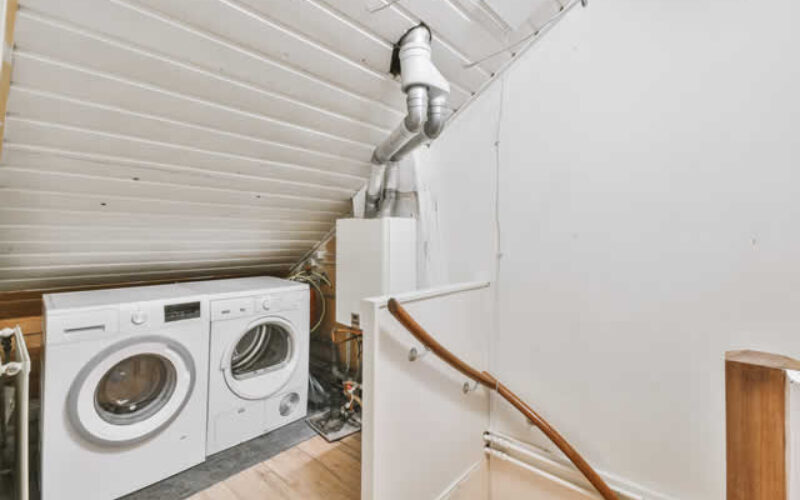
Quick Answer:
Regular dryer vent cleaning and inspection protects your home from fire, lowers energy bills, and extends your appliance’s life. Failure to clean dryer vents is the leading contributing factor in home clothes dryer fires, according to fire safety data. Checking for lint buildup, pests, and airflow restrictions once or twice a year keeps your laundry room safe.
That overlooked vent pipe, running from your laundry room to the outside wall, quietly collects lint, dust, and sometimes unwelcome wildlife every time you run a load.
This neglect carries real consequences. U.S. municipal fire departments responded to an estimated 15,970 home fires involving clothes dryers or washing machines each year between 2010 and 2014, according to National Fire Protection Association (NFPA) data cited by the Fulshear Simonton Fire Department.
Dryers accounted for 92% of those incidents, and failure to clean the appliance was the leading contributing factor, responsible for roughly one-third of all dryer fires.
The encouraging part is that this risk is almost entirely preventable. A little seasonal attention to your dryer vent system can mean the difference between a cozy, efficient laundry routine and a dangerous house fire.
Below, you’ll find the warning signs to watch for, how to keep birds and rodents out of your vent, and whether a DIY cleaning or a professional service makes more sense for your home.
- post content
- Why Dryer Vents Matter For Home Safety
- Signs Your Dryer Vent Needs Cleaning
- Pest Prevention And Dryer Vent Health
- Professional Cleaning Versus DIY Approaches
- Maintenance Tips For Optimal Performance
- Protect Your Home Starting Today
- FAQs
- view table:content summary
- view notes:collective tips
- view analysis:Perfect Laundry Appliances For Your Space
- view ideas:latest remodeling analysis
Why Dryer Vents Matter For Home Safety
A dryer vent does more than carry warm air outside. It’s the exhaust system for a machine that generates heat, static, and a steady stream of highly flammable lint with every cycle. When that lint builds up inside the vent pipe, it restricts airflow and traps heat close to the dryer’s heating element.
That combination is exactly what fire investigators point to when explaining why clothes dryers remain one of the most common sources of appliance fires in American homes.
Beyond the fire risk, a blocked vent forces your dryer to work harder than it should. Air cannot escape efficiently, so moisture lingers in the drum and your dryer needs extra cycles to finish a load.
Vent Vision, a dryer vent cleaning resource, notes that a blocked vent can mean running a load two or three times before clothes are actually dry. That extra runtime shows up on your energy bill and adds unnecessary wear to the motor, belt, and heating element.
-
Why does a clean dryer vent extend appliance life?
A dryer that isn’t fighting restricted airflow runs cooler and cycles through loads in the time it was designed for. That reduced strain on internal components means fewer repairs and a longer working life for the appliance.

Signs Your Dryer Vent Needs Cleaning
Your dryer often tells you when something’s wrong long before a serious problem develops. Clothes that take noticeably longer to dry than they used to are one of the clearest signals of a restricted vent. If a load that normally finishes in forty minutes now needs an hour or more, airflow is likely the culprit.
Excessive heat is another red flag. If the dryer itself feels hot to the touch during a cycle, or if the laundry room grows uncomfortably warm, trapped heat may be building up inside the unit rather than venting outside as it should.
Pay attention, too, to the outdoor vent hood. Visible lint or debris collecting around the opening suggests material isn’t making it all the way through the pipe. A musty or burning odor coming from the dryer is worth investigating immediately rather than waiting for the next load.
-
What does it mean if my dryer shuts off automatically mid-cycle?
Many modern dryers include a safety sensor that shuts the unit off if it detects overheating. If your dryer stops unexpectedly, treat it as a sign that the vent system needs attention before running another load.
about laundry room needs

Choosing The Perfect Home Laundry Appliances For Your Space
Few household decisions carry as much day-to-day impact as the appliances you choose for your laundry room.
Pest Prevention And Dryer Vent Health
An exterior vent opening is, unfortunately, an inviting entry point for small animals. Birds searching for a sheltered nesting spot and rodents looking to escape the weather can both squeeze into an uncovered or poorly screened vent hood.
Once inside, nesting materials mix with accumulated lint to create a dense blockage that’s far harder to clear than lint alone.
This kind of blockage does more than slow drying times. A fully obstructed vent traps heat with nowhere to escape, which raises the fire risk significantly.
Droppings and nesting debris can also introduce odors and, in some cases, structural damage to the ductwork itself as animals chew or claw their way through flexible material.
The fix is usually straightforward. A properly fitted vent hood with a working flap or louvre keeps the opening closed except when the dryer is actively running, while still allowing full airflow during use.
Upgrading to a hood guard designed to deter animals, paired with an annual visual check of the exterior opening, keeps this problem from taking root in the first place.
-
How do I know if birds or rodents have gotten into my vent?
Unusual rustling or chirping sounds near the vent, a sudden drop in airflow, or visible nesting material at the exterior opening are all signs that an animal may have moved in. A professional inspection can confirm the issue and clear it safely.
Professional Cleaning Versus DIY Approaches
Once you’ve noticed warning signs, the next decision is how to tackle the cleaning. Professional dryer vent cleaning services use rotary brushes and industrial-strength vacuums or compressed-air blowers that can reach the full length of a vent run, including bends, long horizontal sections, and multi-story routes that are difficult to access from inside the home.
For homes with complicated venting, or for anyone who simply wants the peace of mind of a thorough, verified job, a professional visit is the more reliable choice.
DIY cleaning is a reasonable option for shorter, more accessible vent runs. A flexible brush kit with extendable rods, a HEPA vacuum, and a basic screwdriver or drill are the core tools for the job.
Start by disconnecting the dryer, removing lint from the drum trap and the first few feet of ducting, then working the brush through the remaining length before vacuuming out loosened debris.
Choose professional cleaning if your vent run is long, includes multiple bends, or extends through an attic or upper floor where visibility and access are limited.
Choose a DIY approach if your setup is short and straightforward and you’re comfortable handling basic tools. Either way, the goal is the same: clear, unobstructed airflow from the dryer to the outside world.
-
Is it safe to clean a dryer vent myself?
Yes, for simple, easily accessible vent runs. Always unplug the dryer or shut off the gas supply before starting, and stop and call a professional if the duct is inaccessible or if you suspect a pest blockage.
Maintenance Tips For Optimal Performance
Consistent, small habits do more for dryer vent safety than an occasional deep clean. Clear the lint filter before or after every single load; this one habit alone removes the majority of loose lint before it ever reaches the vent pipe.
For most households, cleaning the full vent pipe once a year is enough to keep airflow clear. Homes with a larger family, shedding pets, or especially heavy laundry use should plan on cleaning every six months instead.
A few additional habits round out a solid maintenance routine. Check that the outdoor vent flap opens freely and isn’t blocked by snow, leaves, or debris. Keep the area immediately around the dryer clear of boxes, cleaning supplies, and other flammable items.
If you have a gas dryer, schedule a periodic inspection from a qualified professional to check for gas line leaks. And if your home still uses plastic or foil venting material, consider upgrading to rigid or semi-rigid metal ducting, which resists sagging, crushing, and heat damage far better than flexible alternatives.
-
How often should I clean my dryer vent?
Most homes should have the vent professionally cleaned or thoroughly DIY-cleaned once a year. Larger households or homes with pets that shed heavily should aim for every six months.
Protect Your Home Starting Today
Dryer vent maintenance is one of those quiet, unglamorous home care tasks that rarely gets attention until something goes wrong. Given that failure to clean the dryer is the leading contributing factor in home dryer fires, a few minutes of seasonal attention is a small investment against a serious risk.
Start simple: clear the lint filter after every load, take a look at your exterior vent hood this week, and mark your calendar for a full vent cleaning, professional or DIY, within the next year.
If you notice longer drying times, unusual heat, or signs of pests, don’t wait for the next load to deal with it. A clear, well-maintained dryer vent keeps your home safer, your energy bills lower, and your dryer running the way it’s meant to for years to come.
Smart Addition to Your Home
A mudroom is one of the smartest investments you can make for your house, offering both practicality and convenience.
Not only does it serve as a dedicated space to clean up before stepping into your home, keeping dirt and mess at bay, but it also provides valuable storage for everyday household essentials.
From shoes and coats to cleaning supplies and outdoor gear, a well-designed mudroom keeps your living spaces organized and clutter-free.
view ideas: Reasons to Add a Mudroom (new win)

Frequently Asked Questions
-
How often should I clean my dryer vent?
Most homes should clean the full vent run once a year. Households with heavy laundry use, large families, or shedding pets should clean every six months instead.
-
What causes most dryer fires?
Failure to clean the dryer and its vent system is the leading contributing factor in home clothes dryer fires, according to NFPA data covering 2010 through 2014.
-
Can birds or rodents really get into a dryer vent?
Yes. An uncovered or poorly fitted exterior vent hood can allow birds and small rodents to enter and nest, creating blockages that restrict airflow and raise fire risk.
-
Should I hire a professional or clean the vent myself?
Choose professional cleaning for long, multi-story, or bent vent runs. A DIY approach works well for short, easily accessible vents when you’re comfortable using basic tools.
-
What are the warning signs of a clogged dryer vent?
Longer drying times, a hot dryer or laundry room during cycles, visible lint at the exterior vent opening, and musty or burning odors all signal it’s time for a cleaning.
-
Does a dirty dryer vent affect my energy bill?
Yes. A restricted vent forces the dryer to run longer and sometimes through multiple cycles to fully dry a load, which increases energy use and utility costs.
-
Is gas dryer vent maintenance different from electric?
The vent cleaning process is similar, but gas dryers also need periodic professional inspection for gas line leaks as part of routine maintenance.
-
What tools do I need for DIY dryer vent cleaning?
A flexible brush kit with extendable rods, a HEPA vacuum, a lint trap brush, and a screwdriver or drill are the core tools for a basic DIY cleaning.
-
Are there upgrades that reduce future vent problems?
Switching from flexible plastic or foil ducting to rigid or semi-rigid metal venting, and installing a pest-resistant vent hood, both reduce the risk of blockages and damage over time.
home improvement ideas to consider (complete directory – new win):


| Section | Description | Key Points |
|---|---|---|
| Introduction | Focuses on the importance of dryer vent cleaning in preventing fires, improving energy efficiency, and extending appliance life. | Regular inspection is crucial; lint buildup is a major fire hazard; seasonal checks recommended. |
| Why Dryer Vents Matter For Home Safety | Explains how lint accumulation and restricted airflow contribute to fire risks and energy inefficiencies. | Lint is highly flammable; blocked airflow traps heat; overworking the dryer reduces its lifespan. |
| Signs Your Dryer Vent Needs Cleaning | Highlights warning signs that indicate the vent needs attention. | Clothes taking longer to dry, excessive heat, or visible lint build-up are clear indicators. |
| Pest Prevention And Dryer Vent Health | Covers the risks posed by animals accessing vents and offers prevention methods. | Use proper vent guards; prevent nesting and blockages; conduct annual checks. |
| Professional Cleaning Versus DIY Approaches | Discusses the merits of professional versus DIY cleaning based on the complexity of vent runs. | Professionals handle complex cases; DIY is suitable for short, straightforward vents. |
| Maintenance Tips For Optimal Performance | Outlines habits to maintain vent efficiency and ensure safety. | Clean lint filter after every load; annual or semi-annual vent cleaning; inspect vent ducts regularly. |
| Protect Your Home Starting Today | Encourages readers to act immediately to improve dryer vent safety and reliability. | Lint removal, vent inspection, and marking regular cleaning schedules prevent major issues. |

Find HVAC Services Air Conditioning Central Heating Ducts & Vents Insulation Thermostats Water Heaters top-rated, pre-screened local contractors FREE: download contractor selection enter zip code – powered by HomeAdvisor ™


Image credit: dryer vent safety by envato.com
end of post … please share it!
| more photo remodeling |
Jump Over to Our Photo Analysis Center for Ideas on
"Renovating Home"
|__________________________________________________________|
home remodeling surprise
find out where it might go - new win


Helpful article? Leave us a quick comment below.
And please share this article within your social networks.