Quick answer:
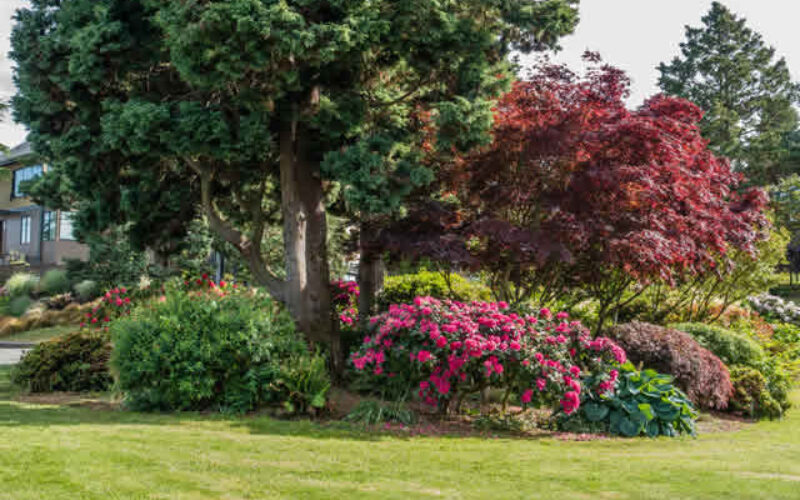
Summer is the best season to evaluate your landscape trees while they’re in full leaf. A thorough summer tree assessment helps you gauge shade distribution, identify structural problems, and document what needs to be corrected before trimming season arrives—so your trees look exactly how you want them next year.
If you’ve ever wondered whether a tree is earning its place in your landscape, summer is the season that gives you the clearest answer. The best time to plan what your trees will become next season is right now, while they’re in full bloom and giving you everything they’ve got to show.
A thorough summer tree evaluation — one that assesses shade coverage, structural form, and overall health — gives you the roadmap you need to plan trimming and shaping work during the off-season.
Document what you see, research what’s possible, and enter trimming season with a plan that turns your landscape vision into reality.
- post content
- Why Summer Reveals The Truth About Your Trees
- The Shade Question Every Homeowner Should Ask
- Reading Your Tree’s Shape And Structure
- Building Your Off-Season Trimming Plan
- Document Now, Trim With Confidence Later
- Your Trees Are An Investment Worth Protecting
- FAQs
- view table:content summary
- view notes:collective tips
- view analysis:Tree Care Investments That Pay for Themselves
- view ideas:latest remodeling analysis
Why Summer Reveals The Truth About Your Trees
No other season gives you a complete picture quite like summer does. In spring, the fresh flush of new growth can mask problems. In winter, the bare branches leave too much to interpretation. But in the height of summer, with a full canopy in place and extended daylight hours to work with, your trees show you exactly what they are and what they’re capable of.
Full foliage illuminates the tree’s natural growth pattern in a way that no other season can replicate. You can see how branches are distributed, whether the canopy is balanced or lopsided, and where the tree’s energy is being directed.
Structural issues like crossing branches or irregular outward growth become immediately apparent once the leaves fill in around them.
Mid-summer landscape assessments also allow you to evaluate how trees are performing under real-world peak conditions, according to Princeton Scapes (2026). Heat, humidity, wind, and light exposure all stress a tree’s systems — and the responses to that stress are visible on the surface.
Discolored leaves, weakened branches, and unusual growth patterns during summer signal issues that pruning and corrective care can address during the off-season.

The Shade Question Every Homeowner Should Ask
Shade is one of the most significant contributions a mature tree makes to a landscape — and one of the most frequently overlooked. Before calling an arborist or scheduling any trimming work, spend time in your yard during different parts of the day and observe what your trees are actually doing with sunlight.
The question is rarely just "does this tree provide shade?" The more useful questions are: Does it provide shade where you need it? Is the coverage too dense for comfort? And critically — is the canopy blocking sunlight that neighboring plants need to thrive?
A tree that produces excessive overhead canopy can suppress the growth of surrounding shrubs, perennials, and turf by limiting the light they need. On the other hand, a tree that’s grown irregularly may be leaving seating areas, patios, or water features exposed to harsh afternoon sun in ways that compromise your outdoor comfort.
Evaluate your shade patterns with seasonal intention. The summer sun sits at its highest arc, which means the shade patterns you observe now reflect the maximum coverage your tree can provide.
Anything you find inadequate or excessive now is worth noting and addressing through selective trimming before next summer arrives.
learning about tree care health

5 Tree Care Investments That Pay for Themselves Within a Year
Addressing tree health, maintenance, and long-term growth strategies ensures they remain vibrant and resilient, forming the foundation of a sustainable landscape that lasts for generations.
Reading Your Tree’s Shape And Structure
Aesthetics matter in a landscape. A beautifully shaped tree enhances curb appeal, adds visual balance to a garden bed, and gives the overall property a sense of intentional design. A tree that’s been allowed to grow without direction, however, can look chaotic — and may even create structural hazards as it ages.
Summer is the season to step back and look at your trees the way a designer would.
- Does the natural form of the tree complement the surrounding landscape, or does it work against it?
- Are there branches extending in directions that feel out of proportion with the rest of the canopy?
- Is the growth pattern symmetrical and grounded, or does the tree appear to lean, crowd neighboring plants, or encroach on structures?
According to ISA Certified Arborists at TreeNewal (2025), fall and winter structural inspections are most effective when they’re informed by earlier observations made while the canopy is full. That means the notes you take during summer directly support the precision of off-season pruning decisions.
Crossing or rubbing branches, for example, are easily spotted when foliage frames them clearly. The same is true of branches that hang too close to rooflines, driveways, or walkways.
Young trees benefit from annual attention as they establish their structure, while mature trees may only need professional care every three to five years, according to Design Tree Maintenance (2026).
Summer is the moment to assess where your trees fall in that cycle.
Building Your Off-Season Trimming Plan
For most trees, late winter through early spring is the optimal window for trimming and pruning. Trees are dormant or just beginning new growth at that point, which allows fresh cuts to heal properly and directs the tree’s energy toward strong spring development.
Pest and fungal activity is also reduced during dormancy, which lowers the risk of infection at cut sites — a key consideration noted by TreeNewal’s certified arborists (2025).
What you do in summer, then, is set the stage for that off-season work. An effective trimming plan has three components: a clear picture of current conditions, a defined vision for the desired outcome, and species-specific knowledge of how and when to cut.
Start with the current conditions — the findings from your summer walkthrough.
- Which branches are crossing?
- Where is the canopy too dense?
- Does the overall tree shape need correction or just light maintenance?
Make a written record of every observation, organized by tree if you have multiple specimens on your property.
Then define the vision.
- Do you want to lift the canopy for more light beneath the tree?
- Open up sightlines?
- Reduce overall mass for a tidier silhouette?
Your desired outcome will shape the type of trimming needed, whether that’s crown thinning, crown raising, or directional pruning.
Finally, research the species. Not every tree tolerates the same treatment on the same schedule. Citrus trees, for instance, are typically trimmed after fruit harvest. Flowering ornamentals are often best pruned just after blooming.
Understanding your species prevents the kind of well-intentioned trimming that inadvertently stresses the tree or removes next season’s flower buds.
Document Now, Trim With Confidence Later
The most practical thing you can do during a summer evaluation is build a reference file. Photographs taken now will be invaluable when trimming season arrives months later — you won’t need to rely on memory to recall which branches were problematic or how the canopy looked before any work was done.
Take photos from multiple angles: straight on, from above if possible, and from the base looking upward into the canopy. Photograph any branches of concern individually, with enough context in the frame to communicate their relationship to the overall structure.
Alongside photographs, take written notes that describe what you see and what you’d like to change. Note the approximate height and spread of the tree, the location of irregular growth, and any signs of stress or pest activity observed during the evaluation.
Canopy Solutions, LLC (2026) recommends maintaining tree care records that track maintenance history, species details, and future care recommendations — a practice that pays off significantly when managing multiple trees over several seasons.
If the scope of work seems complex, use your summer research to identify and contact a certified arborist before the busy trimming season begins.
Professional consultations booked in advance give you more scheduling flexibility and ensure you’re working with someone who understands the specific species and conditions in your landscape.
Fall Cleanup
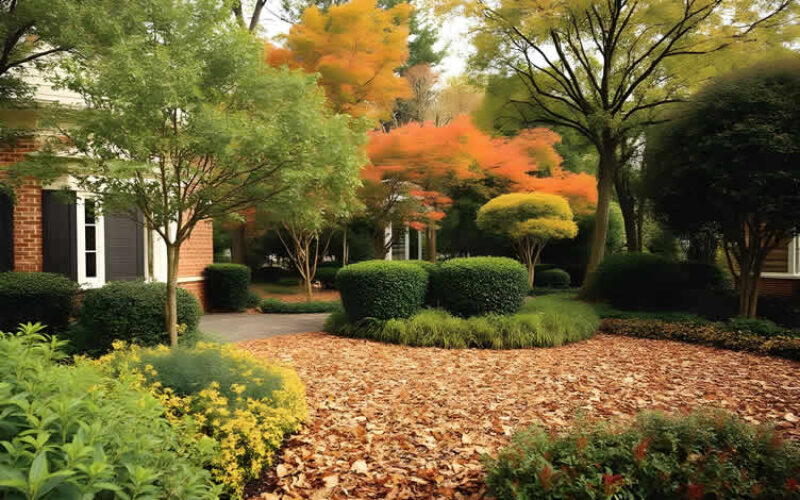
Another critical aspect of tree evaluation is identifying the messiest trees on your property—those that can make fall cleanup an exhausting task.
Trees that drop excessive leaves, fruits, or seed pods can quickly turn your yard into a maintenance challenge.
Assessing these trees now allows you to plan for ways to manage their debris or decide if they fit into your long-term vision for the landscape.
With thoughtful evaluation, you can reduce the burden of seasonal cleanup and create a more harmonious outdoor space.
view ideas: The Messiest Trees (new win)
Your Trees Are An Investment Worth Protecting
A landscape tree that’s been thoughtfully evaluated and strategically maintained season after season becomes one of the most valuable assets on your property. Its shade, structure, and visual presence contribute to curb appeal, energy efficiency, and the ecological health of your outdoor space in ways that few other landscape features can match.
Summer hands you an extraordinary opportunity — the chance to see your trees fully, clearly, and honestly. Use that window well. Walk your property with fresh eyes and a note-taking mindset. Ask the hard questions about shade, shape, and structure.
Build the documentation that will support confident, precise trimming decisions when the season arrives. The trees you have today can become exactly the trees you want — but only if the planning starts now.
Frequently Asked Questions
-
Why is summer the best time to assess landscape trees?
Summer reveals a tree’s full performance—shade coverage, canopy density, structural form, and stress symptoms—that are either invisible or incomplete in other seasons. Bartlett Tree Experts (2025) specifically identify summer as the ideal window for spotting early signs of pests, disease, and drought stress before they cause serious damage. -
What are the most important things to look for during a summer tree assessment?
Focus on four areas: shade distribution across your landscape, the tree’s overall shape and branching structure, signs of stress or disease (such as wilting leaves, bark abnormalities, or oozing liquid), and any structural concerns like crossing branches or co-dominant stems. -
How often should I have my trees professionally assessed?
Atlas Tree recommends professional tree health assessments every three years as a general baseline, with additional assessments following major storms, extended droughts, or any visible signs of health decline. -
Does summer pruning hurt trees?
Strategic summer pruning, when limited to no more than a quarter of the canopy and avoided during extreme heat, is not harmful. For species like maple, birch, and walnut, summer is actually the preferred pruning window to avoid excessive sap bleed. Blooma Tree Experts (2025) note that summer pruning reduces water sprout production by up to 70% and improves growth control by up to 60%. -
When is the best time to schedule tree trimming after a summer assessment?
For most deciduous trees, late winter (February to early March) is the optimal trimming window. During dormancy, wound closure is approximately 85% more effective, stress is reduced, and disease risk is lower because most pathogens and pest insects are inactive (Blooma Tree Experts, 2025). -
What should I bring to a consultation with a certified arborist?
Bring dated photographs from multiple angles around each tree, written notes describing specific concerns and your landscape goals, and any research you have done on your tree species. Clear, specific documentation helps arborists plan more precisely and improves outcomes significantly.
home improvement ideas to consider (complete directory – new win):


| Topic | Details | Importance | Recommendations |
|---|---|---|---|
| Summer Observation | Summer is the best time to evaluate trees as their full foliage reveals growth patterns, structural issues, and overall health. | Gives the clearest picture of tree condition compared to other seasons. | Document canopy gaps, branch issues, and shade coverage for off-season trimming plans. |
| Shade Patterns | Mature trees provide critical shade that can enhance or hinder the surrounding landscape depending on its distribution. | Helps optimize outdoor comfort and supports healthy plant growth beneath the canopy. | Observe shade throughout the day and plan trimming to balance light and coverage. |
| Tree Shape and Structure | A tree’s form affects curb appeal and safety. Structural issues like crossing branches can cause long-term problems. | Supports aesthetic balance and prevents hazards in the landscape. | Identify irregular growth and prioritize structural corrections for dormant-season pruning. |
| Off-Season Preparation | Summer observations inform precise off-season trimming plans that optimize tree health. | Effective maintenance improves growth and reduces risks such as pest and fungal infections. | Take photos and detailed notes in summer; consult arborists to plan trimming work. |
| Tree Care Records | Maintaining detailed evaluations and care history ensures informed decisions for years to come. | Essential for managing multiple trees and consistent landscape design. | Create a record with photos, species details, and notes; track future care needs systematically. |

Find Yard Maintenance Services Lawn Maintenance Sprinkler Systems Pest Control Tree & Shrubs top-rated, pre-screened local contractors FREE: download contractor selection enter zip code – powered by HomeAdvisor ™


Image credit: by envato.com
end of post … please share it!
| more photo remodeling |
Jump Over to Our Photo Analysis Center for Ideas on
"Renovating Home"
|__________________________________________________________|
home remodeling surprise
find out where it might go - new win


Helpful article? Leave us a quick comment below.
And please share this article within your social networks.