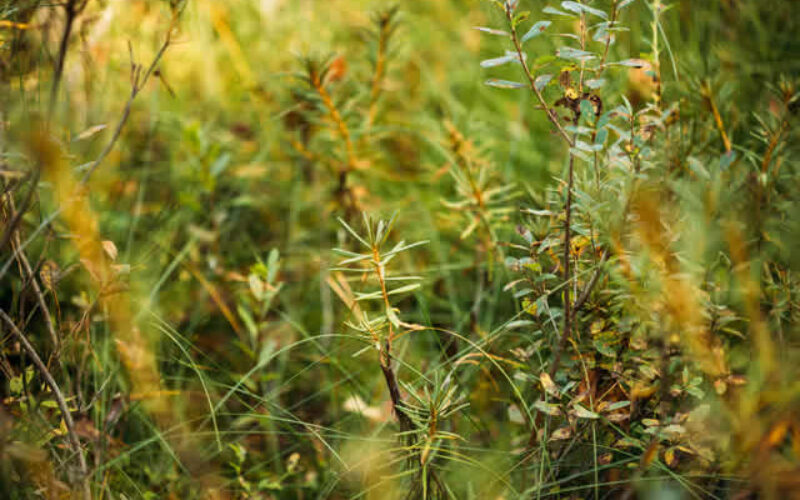
Ever wondered why your neighbor’s garden seems to thrive with minimal effort while yours demands constant attention? Have you noticed more gardens featuring local flora rather than imported species? What if the secret to a stunning, low-maintenance garden was growing right in your own backyard all along?
Native plants are revolutionizing how we approach garden design. From suburban backyards to sprawling properties, homeowners and landscapers alike are embracing indigenous species like never before. This shift isn’t just about aesthetics—it’s about creating sustainable outdoor spaces that work with our unique climate rather than against it.
In this guide, we’ll explore everything you need to know about incorporating native plants into your landscaping. You’ll discover why these plants matter, the practical benefits they offer, and how to design a garden that supports local wildlife while saving you time and money.
Whether you’re starting from scratch or looking to transform an existing space, you’ll find actionable tips to make native gardening work for you.
- post content
- What Are Native Plants and Why Do They Matter?
- The Benefits of Using Native Plants in Landscaping
- How to Incorporate Native Plants into Your Garden Design
- Native Plants for Specific Landscaping Challenges
- Common Mistakes to Avoid When Planting Native Species
- Native Plants and Sustainable Landscaping Trends
- Working with a Professional Landscaper for Native Garden Design
- view notes:collective tips
- view analysis:Practical Xeriscaping Ideas for a Water-Wise Yard
- view ideas:latest remodeling analysis
What Are Native Plants and Why Do They Matter?
-
Defining Native Plants: A Quick Overview
Native plants are species that have evolved naturally in a specific region over thousands of years. These plants have adapted perfectly to local soil conditions, rainfall patterns, and temperatures.
Unlike introduced species, natives have developed natural defenses against local pests and diseases. They’ve also formed crucial relationships with native insects, birds, and animals. This makes them incredibly resilient and well-suited to to the region’s conditions.
-
Native vs Exotic: Understanding the Key Differences
Exotic plants often require significant intervention to survive in arid conditions. They may need extra watering, fertilizing, and pest control. Plus, some can become invasive, threatening local ecosystems.
Native plants, on the other hand, are already programmed to thrive here. They’ve spent millennial adapting to their unique environment. This fundamental difference impacts everything from maintenance requirements to environmental impact.
-
Why Are Native Plants Important for the Environment?
Native plants play a vital role in maintaining healthy ecosystems. They provide food and shelter for local wildlife, from nectar-feeding birds to beneficial insects. Without them, many native species struggle to survive.
What’s more, native plants help maintain soil health and prevent erosion. Their root systems are designed for native-area soils, making them excellent at stabilizing landscapes. They’re essentially the building blocks of a healthy local environment.

The Benefits of Using Native Plants in Landscaping
-
Low Maintenance and Cost Savings
One of the biggest draw-cards of native plants is their low maintenance nature. Once established, most natives require far less attention than exotic alternatives. This translates directly into cost savings on water bills, fertilizers, and gardening supplies.
Many homeowners report spending significantly less time on garden upkeep after switching to natives. You’ll spend less time watering, pruning, and treating pests. That’s more weekends enjoying your garden rather than working in it.
-
Water-Wise Gardening: How Native Plants Reduce Water Usage
Native plants are champions of water conservation. Species like westringia, lomandra or whatever is recommend by your local nursery have evolved to survive dry conditions. They’ve developed deep root systems and water-storing capabilities that exotic plants simply don’t have.
During drought periods, native gardens typically outperform traditional landscapes. They stay greener longer and recover faster when rain returns. For water-conscious gardeners, this makes native gardening an obvious choice.
-
Supporting Local Wildlife and Biodiversity
Your garden can become a haven for local wildlife when you plant natives. Birds, butterflies, and beneficial insects are naturally attracted to indigenous species. They recognize these plants as food sources and habitat.
Creating wildlife corridors through suburban areas helps connect fragmented habitats. Even a small native garden contributes to the bigger picture of biodiversity conservation. It’s a practical way to make a positive environmental impact.
-
Are Native Plants Better for the Soil?
Absolutely! Native plants have evolved to adapt to the region’s soil considerations. They don’t deplete the soil in the same way some exotic species can. Many actually improve soil health over time through their natural processes.
consider the use of xeriscaping
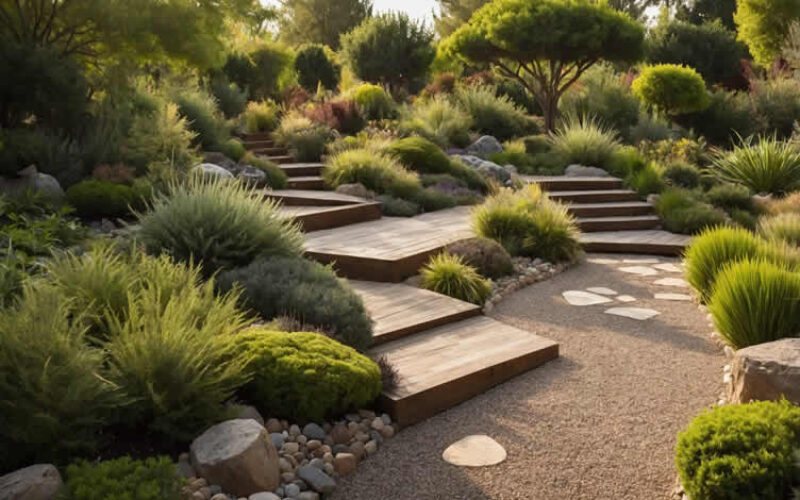
Practical Xeriscaping Ideas for a Water-Wise Yard
Xeriscaping offers a nurturing approach to landscape design that works in harmony with the local environment.
How to Incorporate Native Plants into Your Garden Design
-
Choosing the Right Native Plants for Your Climate
Climates vary dramatically from region to region. What thrives in one region may struggle in an adjoining region. Research plants native to your specific area for the best results.
Local nurseries specializing in native plants are goldmines of information. They can recommend species suited to your exact conditions. Consider factors like frost tolerance, humidity requirements, and sun exposure.
-
What Native Plants Are Best for Small Gardens?
Small spaces needn’t miss out on native beauty. Compact species like dwarf banksia, native violets, and small grevilleas work brilliantly (or what is recommended for your area). Look for plants labeled as dwarf or compact varieties.
Container gardening is another fantastic option for limited spaces. Many natives thrive in pots on balconies and courtyards. Just ensure proper drainage and choose the right-sized container for each species.
-
Creating a Native Plant Garden from Scratch
Starting fresh gives you the freedom to design thoughtfully. Begin by assessing your site’s conditions—soil type, sun exposure, and drainage. Then develop a planting plan that considers mature plant sizes and growth habits.
Prepare your soil appropriately, though most natives prefer minimal amendments. Plant during autumn or early spring for best establishment. Water regularly during the first year, then reduce as plants become established.
-
Mixing Native Plants with Existing Landscaping
You don’t need to overhaul your entire garden at once. Natives can integrate beautifully with existing plantings. Start by replacing struggling exotic plants with native alternatives.
Consider creating dedicated native areas within your existing landscape. A native corner or border can introduce indigenous species gradually. Over time, you can expand these areas as you become more confident.
Native Plants for Specific Landscaping Challenges
-
Best Native Plants for Shade
Shady spots needn’t be gardening wastelands. Species like native ginger, bird’s nest fern, and lilly pilly thrive in low light. Many understorey plants from raining areas are perfectly adapted to shade.
-
Native Ground Covers for Slopes and Erosion Control
Slopes present unique challenges, but natives excel here. Myoporum, native violets, and prostrate grevilleas stabilise soil effectively. Their spreading root systems hold earth in place while providing attractive coverage.
-
Drought-Tolerant Native Plants for Dry Climates
For the driest driest regions, consider species like emu bush, saltbush, and desert plants. These tough performers survive on minimal rainfall. They’re ideal for gardens where water is scarce or expensive.
-
Can Native Plants Be Used for Privacy Screening?
Definitely! Taller natives like lilly pilly, bottlebrush, and grevillea varieties create effective privacy screens. Many grow quickly and provide year-round coverage. Plus, they attract birds, adding life to your garden boundaries.
Common Mistakes to Avoid When Planting Native Species
-
Planting Without Researching Local Conditions
Not all natives suit all conditions. Always research whether a plant is suited to your specific micro-climate before purchasing.
-
Overcrowding and Poor Plant Placement
Natives need room to reach their full potential. Overcrowding leads to poor air circulation and disease problems. Check mature sizes and space accordingly—patience pays off.
-
Do Native Plants Need Fertilizer?
Generally, natives require minimal fertilizing In fact, too much phosphorus can kill many species. If you must fertilize, use products specifically formulated for native plants.
add a garden path to add some character
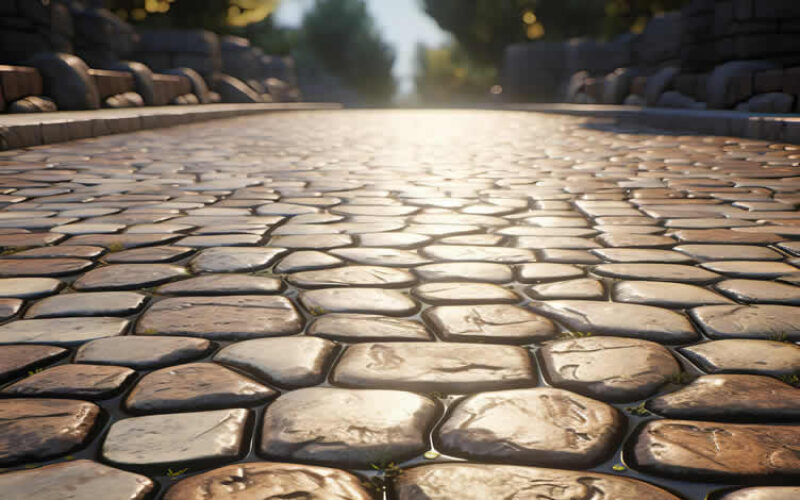
Create a Stone Garden Path That Blends Beauty and Functionality
A stone garden path can elevate the beauty and functionality of any outdoor space.
Native Plants and Sustainable Landscaping Trends
-
The Rise of Eco-Friendly Garden Design
Sustainability is driving major shifts in landscaping preferences. Homeowners increasingly want gardens that align with environmental values. Native plants sit perfectly within this movement.
-
How Do Native Plants Contribute to Carbon Reduction?
Native gardens require fewer inputs overall—less fuel for mowing, fewer chemical applications, and reduced water pumping. This all adds up to a smaller carbon footprint. Established native gardens also sequester carbon effectively.
-
Native Plants in Commercial and Urban Landscaping Projects
Beyond residential gardens, natives are transforming commercial landscapes. Council plantings, corporate gardens, and public spaces increasingly feature indigenous species. This creates connected habitat corridors throughout urban areas.
Working with a Professional Landscaper for Native Garden Design
Professional landscapers bring expertise in native plant selection and design. They understand which species work together and how to create balanced compositions. For larger projects or challenging sites, professional guidance can save time and costly mistakes.
-
Embracing Native Plants for a Greener Future
Native plants offer a compelling combination of beauty, practicality, and environmental responsibility. They connect our gardens to the broader landscape while reducing maintenance demands, making them an ideal choice for modern landscaping.
The benefits extend far beyond individual property boundaries, contributing to healthier local ecosystems and greater biodiversity.
Making the switch to native gardening doesn’t require a complete garden overhaul. Start small, learn as you go, and gradually expand your native plantings.
Many homeowners work with experienced landscapers to create sustainable outdoor spaces that blend native beauty with practical design solutions. Every indigenous plant you add contributes to habitat conservation and supports a more sustainable approach to landscaping.
Your garden has the potential to be more than just a beautiful outdoor space—it can become a thriving ecosystem that supports local wildlife while reducing long-term maintenance.
By choosing native plants, you’re investing in a greener future and creating a landscape that practically takes care of itself. That’s what smart landscaping is all about.
home improvement ideas to consider (complete directory – new win):


Find Landscaping/Maintenance Landscape Design Landscape Maintenance Pest Control Sprinkler Systems Tree & Shrubs Water Features top-rated, pre-screened local contractors FREE: download contractor selection enter zip code – powered by HomeAdvisor ™


Image credit: by envato.com
end of post … please share it!
| more photo remodeling |
Jump Over to Our Photo Analysis Center for Ideas on
"Renovating Home"
|__________________________________________________________|
home remodeling surprise
find out where it might go - new win


Helpful article? Leave us a quick comment below.
And please share this article within your social networks.