We are seeing a move away from the "less is more" philosophy toward a joyous, abundant "more is more" approach. This spring, it is all about maximalism—bold colors, dense textures, and a lush, overgrown aesthetic that turns even the smallest balcony into a personal sanctuary.
For those of us working with limited square footage or just a few patio containers, this trend is incredibly liberating. It grants permission to experiment with color combinations that might have previously seemed too busy and encourages us to layer plants in ways that mimic the richness of nature.
It is not just about planting flowers; it is about creating a living tapestry that envelops you. If you have ever felt restricted by the rules of traditional garden design, this season offers the perfect opportunity to let your creativity run wild and nurture a space that feels truly, uniquely yours.
- post content
- The Rise of Color and Maximalism in Gardens
- Designing for Small Spaces and Patio Containers
- Perennials: The Backbone of a Colorful Garden
- Annuals: Adding Dynamic Variety
- Planting Tips for a Maximalist Garden
- conclusion
- view table:content summary
- view notes:collective tips
- view ideas:latest remodeling analysis
- view post (new win):2026 garden trends
The Rise of Color and Maximalism in Gardens
Gardens have always been a place of retreat, but the maximalist trend takes this concept a step further by prioritizing personal expression and sensory immersion.
We are trading in the polite, separated rows of identical shrubs for chaotic, joyful mixes of species that bloom at different times and in different hues. This style embraces the beauty of abundance. It feels cozy, lived-in, and incredibly vibrant.
The shift towards maximalism also reflects a deeper desire to connect with nature on a sensory level. A maximalist garden is filled with fragrance, movement, and visual delight. It is a space that hums with life, attracting pollinators and creating a mini-ecosystem right outside your door.
For the home improver, this style is accessible because it does not require perfect symmetry or expensive hardscaping. Instead, it relies on the clever use of plants to create volume and drama, making it a budget-friendly way to completely transform the feel of your outdoor living area.

Designing for Small Spaces and Patio Containers
You might worry that a small space cannot handle a maximalist approach, but small areas are actually perfect for this style. In a compact courtyard or on a balcony, dense planting creates an enveloping "secret garden" effect that is difficult to achieve in a sprawling yard.
The key to mastering this look in a small footprint is verticality and layering. By using the vertical space—think hanging baskets, wall-mounted planters, and trellises—you draw the eye upward and maximize your planting area without sacrificing floor space.
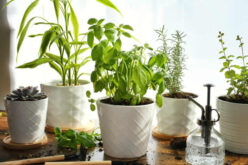
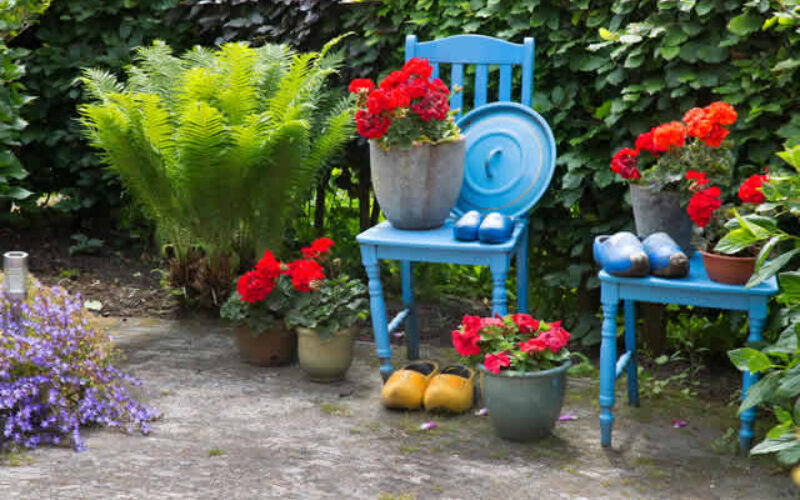
Container gardening becomes an art form in maximalist design. Rather than having one plant per pot, the goal is to pack containers with a variety of species that offer different heights, textures, and trailing habits.
You can mix leafy foliage with upright blooms and cascading vines to obscure the edges of the pot, making it look as though the plants are bursting forth. Grouping containers of different sizes together also creates a tiered effect of greenery, instantly adding depth and the illusion of a much deeper garden bed.
This method allows you to change your display as the seasons shift, ensuring your small sanctuary is always full of life.
using containers to display maximalism

Transform Your Outdoor Space with Beautiful Container Gardening
Creating a vibrant garden container planter is a wonderful way to bring color and life to your outdoor space, whether you have a large yard or a small patio.
Perennials: The Backbone of a Colorful Garden
To achieve that lush, established look without starting from scratch every year, perennials are your best friends. As in Understanding Perennial and Annual Flower Plantings, perennial flowers act as the backbone of any garden, offering a recurring display of color and vitality year after year.
These steadfast plants return each spring, often growing larger and more impressive with time. They provide the structure around which you can build your maximalist masterpiece.
For a maximalist garden, you want perennials that offer interesting foliage even when they are not in bloom. Hostas, for example, are prized for their lush, broad leaves and thrive in shady corners where other plants might struggle.
They create a dense, green foundation that makes brighter flowers pop. On the sunnier side, Echinacea (Coneflower) offers vibrant, daisy-like flowers that attract bees and butterflies, adding both color and ecological life to your patio.
Lavender is another excellent choice; its fragrant purple spikes and silvery foliage add a Mediterranean charm and sensory depth that fits perfectly with a "more is more" philosophy. By anchoring your containers or small beds with these reliable returners, you ensure your garden has a solid foundation of color and texture.
Annuals: Adding Dynamic Variety
While perennials provide structure, annuals are the dazzling stars that bring the explosive color maximalism demands. Because annuals complete their life cycle in a single year, they pour all their energy into blooming profusely for months on end.
This makes them the perfect tool for injecting high-impact color into your design and filling in any gaps between your slower-growing perennials.
Petunias are a classic choice for a reason. They are sun-loving and come in practically every color imaginable, making them ideal for brightening up containers and hanging baskets.
For a touch of sunny warmth, Marigolds are easy to grow and maintain, offering cheerful yellow and orange blooms that can also help deter pests—a practical bonus for the organic gardener. If you are working with shady spots, Impatiens are invaluable for adding vibrant color where the sun rarely shines.
By weaving these dynamic annuals in among your perennials, you create a constantly changing display that feels fresh and exciting throughout the growing season. This mix ensures that even when one plant fades, another is ready to take center stage.
more info below about type of flowers

Understanding Perennial and Annual Flower Plantings
n the world of gardening, the choice between planting annuals and perennials can drastically shape the aesthetic and functional aspects of your garden. Each type of plant offers its unique benefits and challenges, influencing not only the seasonal display but also the maintenance and long-term planning of your garden space.
Planting Tips for a Maximalist Garden
Achieving a dense, healthy garden requires a bit of nurturing, especially when you are planting closely to achieve that full look. Soil preparation is the most critical step.
Most flowering plants favor well-drained soil enriched with organic matter. Before you plant, taking the time to loosen the soil and mix in compost can provide a strong foundation for your plants to thrive. For containers, using a high-quality potting mix is essential to ensure roots can breathe and water can drain freely.
Maintenance in a maximalist garden is also about encouraging abundance. Regular dead-heading—the removal of spent blooms—is a simple yet vital task.
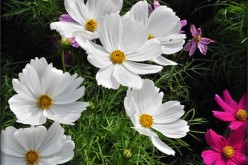
Removing faded flowers prevents the plant from putting energy into seed production and instead redirects that energy into producing more blooms and stronger roots. For annuals like zinnias and petunias, this can significantly extend the flowering season.
Additionally, because you are planting densely, keeping an eye on water needs is important. Drip irrigation or careful hand watering at the base of plants helps ensure everyone gets a drink without encouraging fungal diseases on the foliage.
By tending to these small details, you support a vibrant ecosystem where plants support one another, creating a stunning visual display that is as healthy as it is beautiful.
Conclusion
Embracing maximalism in your garden is about more than just following a trend; it is about cultivating a space that brings you joy. By mixing the reliability of perennials with the vibrant energy of annuals, you can create a small-space sanctuary that feels abundant and alive. It allows you to play with color, texture, and layers in a way that reflects your unique personality.
So, do not be afraid to add that extra pot of petunias or tuck a fern into a shady corner. Let your garden overflow with life this spring.
Whether you have a sprawling yard or a modest balcony, the principles of dense planting and bold color can transform your outdoor space into a lush retreat. Start small, layer your favorites, and watch as your personal patch of nature thrives.
other related analysis of interest: (new win)
Create a Stone Garden Path That Blends Beauty and Functionality
Enhancing Outdoor Spaces with Ornamental Grasses in Landscape Design
| Section | Description | Key Elements |
|---|---|---|
| Spring Trends: Why Maximalism Is The New Minimal | This section introduces the shift in garden design trends from minimalism to maximalism. It emphasizes filling spaces with bold colors, dense textures, and layered planting to create a lush and personal sanctuary, even in small areas. | Maximalism, bold colors, layered textures, personal sanctuary |
| The Rise of Color and Maximalism in Gardens | Focuses on using diverse plants to create vibrant, dynamic gardens. The style prizes personal expression, sensory engagement, and ecological benefits like supporting pollinators and mini-ecosystems. | Mix of species, sensory immersion, ecological impact, personal expression |
| Designing for Small Spaces and Patio Containers | Details techniques for applying maximalist principles in compact areas. Highlights the importance of verticality, layered arrangements, and creatively packed containers for smaller spaces. | Vertical planting, layered containers, creative small space use |
| Perennials: The Backbone of a Colorful Garden | Discusses the structural role of perennials in creating a stable foundation for a maximalist garden with recurring color and life. Notes specific plants like hostas and lavender as examples. | Perennials, structural foundation, recurring blooms, hostas, lavender |
| Annuals: Adding Dynamic Variety | Explains how dynamic annuals complement perennials by introducing vivid, long-lasting colors to the garden design. Features examples like petunias, marigolds, and impatiens. | Annuals, vibrant color, dynamic displays, petunias, marigolds |
| Planting Tips for a Maximalist Garden | Provides nurturing tips for achieving dense planting. Covers soil preparation, watering, dead-heading, and maintaining healthy, vibrant ecosystems. | Dense planting, soil quality, watering, dead-heading |
| Conclusion | Encourages gardeners to embrace maximalism as a way to find joy and reflect personality through their outdoor spaces. Highlights the accessibility of this trend for spaces of any size. | Maximalism, joy, personal expression, accessibility |

Find Landscaping/Maintenance Landscape Design Landscape Maintenance Pest Control Sprinkler Systems Tree & Shrubs Water Features top-rated, pre-screened local contractors FREE: download contractor selection enter zip code – powered by HomeAdvisor ™


Image credit: maximalist garden trends by envato.com
end of post … please share it!
| more photo remodeling |
Jump Over to Our Photo Analysis Center for Ideas on
"Renovating Home"
|__________________________________________________________|
home remodeling surprise
find out where it might go - new win


Helpful article? Leave us a quick comment below.
And please share this article within your social networks.