Whether draped along fences, scaled up walls, or spread as a ground cover, its natural beauty is undeniably appealing. However, as captivating as ivy may be, it is not without its challenges. While it offers numerous benefits, it also comes with potential drawbacks that can’t be ignored.
This article will explore the pros and cons of incorporating ivy into your landscaping. From its aesthetic perks and soil-stabilizing abilities to its aggressive growth and maintenance challenges, we’ll arm you with all the information needed to decide whether ivy is the right fit for your garden plans
Pros of Using Ivy in Landscaping
Ivy offers several advantages that make it appealing to homeowners and landscape designers alike. Beyond its beauty, it serves functional purposes that enhance outdoor spaces in surprising ways.
Below, we’ll uncover how ivy can be a valuable addition to your landscape.
-
Aesthetic Appeal
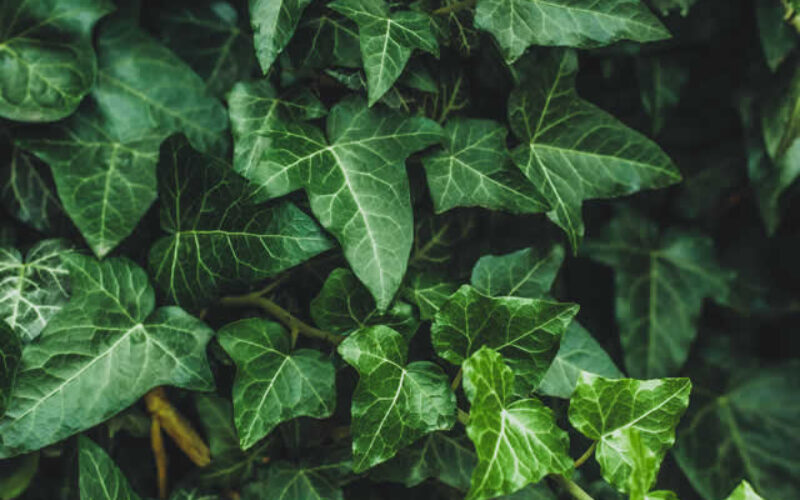
There’s something timeless about the sight of vibrant ivy adorning a property. Its lush, dense foliage can transform dull areas into rich, green backdrops, adding elegance and depth to your outdoor space.
With varieties such as English ivy, Boston ivy, and Persian ivy available, you can choose a type that complements your aesthetic vision. Additionally, ivy’s ability to climb walls and trellises lends a classic, storybook charm to patios, arches, and outdoor facades.
Its year-round greenery also makes it an appealing choice for creating a visually cohesive and inviting landscape, staying vibrant even during the colder months when other plants may wither.
-
Erosion Control
One of ivy’s most practical benefits lies in its capability to control soil erosion. It’s especially useful on sloped landscapes or areas prone to water runoff, where maintaining stable ground can be a challenge.
Ivy spreads quickly, forming a dense mat over the soil that helps keep it in place.
Its roots anchor directly into the ground, reducing soil displacement and offering long-term erosion prevention.
This feature makes ivy an excellent choice for hilly gardens or properties with uneven land that require additional stability.
-
Low Maintenance
If you’re juggling a busy schedule but still want a polished garden, ivy can be your best ally. Once established, it requires minimal care to maintain its striking appearance.
It thrives in a variety of conditions, from full sun to shaded areas, and it’s known for its resilience in different climates. Ivy is drought-tolerant and doesn’t demand constant watering or fertilization.
This low-effort upkeep makes it particularly appealing to homeowners who want an attractive landscape with minimal time investment.
-
Habitat for Wildlife
Ivy doesn’t just benefit humans; it also serves as an essential habitat for various wildlife species. Birds, insects, and small mammals often use mature ivy as shelter or nesting grounds. The dense foliage provides a safe environment for these creatures, while ivy’s flowers and berries can serve as a food source.
By incorporating ivy into your landscape, you’re contributing to local biodiversity and supporting the ecosystem around your property


Cons of Using Ivy in Landscaping
While ivy’s appeal is undeniable, it’s important to acknowledge its potential downsides. Left unchecked, ivy’s rapid growth and invasive tendencies can lead to complications, including damage to property and surrounding plant life.
Understanding these risks will help you make an informed decision.
-
Aggressive Growth
One of ivy’s greatest assets is also its biggest drawback. Ivy’s rapid, invasive growth can quickly get out of control if not managed properly. It has a tendency to spread across large areas, smothering other plants in its path and preventing them from receiving sunlight and nutrients.
This invasive nature can cause ecological imbalances if ivy is allowed to overtake gardens or nearby natural environments.
Gardeners must be diligent in monitoring its spread to ensure it doesn’t overwhelm surrounding vegetation or take over areas it wasn’t intended to occupy.
-
Maintenance Challenges
While ivy is generally low maintenance, the effort required to control its spread can be a significant task. Ivy’s climbing ability often results in it attaching itself to walls, fences, and trees, which, in some cases, poses challenges for containment.
Regular pruning is essential to prevent overgrowth and minimize its reach.
Furthermore, ivy has a tendency to creep into areas where it’s not wanted, such as gutters or root systems of nearby plants. Managing ivy’s robust growth can be time-consuming, especially for individuals who don’t have the capacity for frequent landscaping work.
-
Potential for Structural Damage
Ivy’s climbing nature is aesthetically appealing, but it can come at a price. Its roots and tendrils are incredibly strong and can wedge their way into cracks and crevices in walls, bricks, and other structures. Over time, this can exacerbate structural vulnerabilities, leading to potentially costly repairs.
Additionally, ivy growing on trees can become heavy, putting undue stress on branches and potentially weakening the tree’s overall health. Homeowners should be cautious about allowing ivy to climb on surfaces that may deteriorate under its weight or root systems.
-
Toxicity
Despite its greenery, not all aspects of ivy are garden-friendly. Many types of ivy contain toxins that can be harmful to pets and small children. If ingested, ivy leaves or berries may cause symptoms such as nausea, vomiting, or irritation.
For families with young children or pets, it’s crucial to consider whether ivy’s potential risks outweigh its visual appeal, especially in areas where they spend a lot of time.
Best Practices for Using Ivy Safely
For homeowners drawn to ivy’s visual charm but wary of its risks, there are ways to enjoy it safely and effectively. Safeguarding your home and garden from potential issues requires deliberate planning and regular upkeep.
-
Containment Methods
The key to managing ivy is containment. Installing barriers can help limit its spread, and regular pruning will keep its growth in check.
Opting for less aggressive varieties, such as Irish ivy, is another way to minimize management challenges. Regularly inspect walls and other structures to ensure it hasn’t penetrated areas where damage can occur.
-
Suitable Locations
Ivy is best planted in areas where it has space to thrive without causing harm. For ground cover, choose open spaces far from trees, fences, or buildings.
If you plan to use it as a climbing feature, consider attaching it to freestanding trellises rather than directly on walls or other structures.
-
Alternatives to Ivy
If ivy feels too high-maintenance or risky, there are alternative ground covers that offer similar benefits. Options such as creeping thyme, vinca minor, or pachysandra provide lush greenery and help with soil erosion without the invasive qualities of ivy

Transform Your Outdoor Space with Beautiful Container Gardening
Creating a vibrant garden container planter is a wonderful way to bring color and life to your outdoor space, whether you have a large yard or a small patio. With a little planning and creativity, your garden container planter can become a stunning focal point in your yard or garden.
Striking a Balance with Ivy in Your Garden
Ivy undoubtedly brings beauty, resilience, and eco-conscious appeal to any outdoor space. Its timeless aesthetic, ability to stabilize soil, and support for wildlife make it a popular choice among homeowners and gardeners alike.
However, its aggressive growth, maintenance challenges, and potential for damage require careful consideration and planning.
By understanding its benefits and risks, as well as implementing best practices for containment and care, you can enjoy the advantages of ivy while minimizing its drawbacks.
For homeowners willing to invest in thoughtful management, ivy can be a captivating and practical addition to a well-balanced garden.
| Aspect | Pros | Cons |
|---|---|---|
| Aesthetic Appeal | Classic, lush greenery that enhances outdoor spaces year-round. | Overgrowth may lead to an unkempt appearance if not controlled. |
| Erosion Control | Excellent for slopes and uneven terrain to prevent soil displacement. | N/A |
| Low Maintenance | Minimal watering and care once established. | Requires regular pruning to prevent overgrowth. |
| Habitat for Wildlife | Attracts and supports birds, insects, and small mammals. | May invade areas critical for other plants or animals. |
| Aggressive Growth | N/A | Rapid spread can overwhelm other plants and become invasive. |
| Structural Damage | N/A | Roots can damage walls, fences, and trees. |
| Toxicity | N/A | Harmful to pets and children if ingested. |
other related analysis of interest: (new win)
Enhancing Outdoor Spaces with Ornamental Grasses in Landscape Design
Find Yard Maintenance Services Lawn Maintenance Sprinkler Systems Pest Control Tree & Shrubs top-rated, pre-screened local contractors FREE: download contractor selection enter zip code – powered by HomeAdvisor ™


Image credit: Using Ivy in Landscape by envato.com
end of post … please share it!
| more photo remodeling |
Jump Over to Our Photo Analysis Center for Ideas on
"Renovating Home"
|__________________________________________________________|
home remodeling surprise
find out where it might go - new win


Helpful article? Leave us a quick comment below.
And please share this article within your social networks.