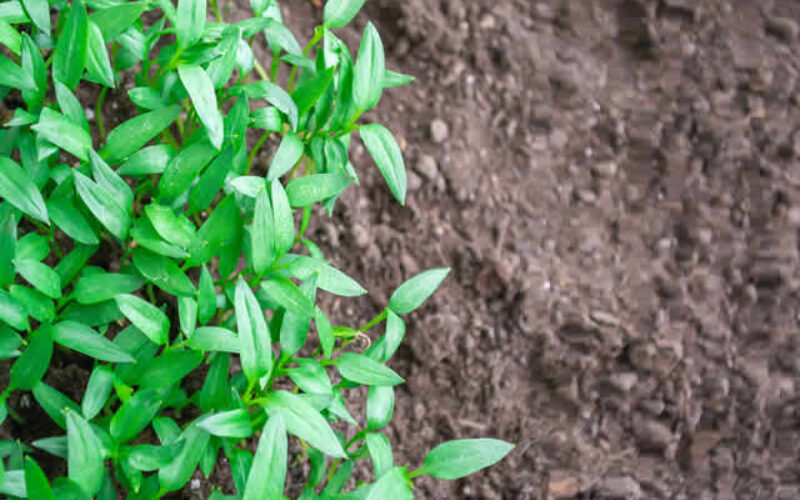
Whether you’re dealing with poor drainage, contaminated earth, or simply want better control over your plants’ growing environment, soil alternatives can transform your gardening success.
These innovative growing mediums offer distinct advantages over conventional soil. They provide superior drainage control, enhanced aeration for root development, and precise nutrient management that helps your plants reach their full potential.
From ancient peat bogs to volcanic rock formations, these natural and processed materials have revolutionized how we think about plant cultivation.
Many gardeners discover that combining different soil alternatives creates the perfect growing environment for specific plants. Understanding each alternative’s unique properties empowers you to make informed decisions that lead to healthier, more vibrant gardens.
- post content
- Peat Moss: Nature’s Water Reservoir
- Perlite: Volcanic Glass for Perfect Drainage
- Mulch: Protective Ground Cover
- Stone Gravel: Mineral Foundation
- Clay Pebbles: Hydroponic Excellence
- Coconut Coir: Sustainable Fiber Alternative
- Additional Soil Alternatives
- conclusion
- view table:content summary
- view key:collective notes
Peat Moss: Nature’s Water Reservoir
Peat moss forms over thousands of years in waterlogged conditions, creating a fibrous material that gardeners prize for its exceptional water-holding capacity. This decomposed organic matter comes primarily from sphagnum moss harvested from ancient bog environments, where lack of oxygen prevents complete decomposition.
Incorporating peat moss into your gardening routine requires proper preparation since it arrives quite dry and can be challenging to wet initially. Moisten peat moss thoroughly before mixing it with other growing mediums, using warm water to help it absorb moisture more readily.

Most gardeners blend peat moss with perlite or vermiculite to create balanced potting mixtures that retain moisture while still providing adequate drainage.
The benefits of peat moss extend beyond simple water retention. Its naturally acidic pH level, typically ranging from 3.0 to 4.5, makes it ideal for acid-loving plants. Peat moss also provides excellent soil structure, creating air pockets that promote healthy root development while maintaining consistent moisture levels around plant roots.
Acid-loving plants thrive in peat moss environments. Blueberries, azaleas, rhododendrons, and camellias flourish when grown in peat-based mixtures. Carnivorous plants like Venus flytraps and pitcher plants particularly benefit from pure peat moss growing mediums that mimic their natural bog habitats.

Perlite: Volcanic Glass for Perfect Drainage
Perlite originates from volcanic obsidian that expands when heated to extreme temperatures, creating lightweight white granules filled with tiny air pockets. This unique structure makes perlite an excellent drainage amendment that prevents soil compaction while maintaining optimal air circulation around plant roots.
Using perlite effectively requires understanding proper mixing ratios. For most potting mixtures, perlite should comprise 10-30% of the total volume, depending on your plants’ drainage requirements. Mix perlite thoroughly with other growing mediums to ensure even distribution throughout your containers or raised beds.
The primary benefit of perlite lies in its drainage capabilities combined with its neutral pH and sterile nature. Unlike organic materials, perlite doesn’t decompose or attract pests, making it a long-lasting soil amendment. Its lightweight properties also make containers more manageable while still providing structural support for plant roots.
Plants requiring excellent drainage perform exceptionally well with perlite amendments. Succulents, cacti, orchids, and Mediterranean herbs like rosemary and thyme benefit from perlite’s drainage properties. Seedlings also thrive in perlite-based mixtures that prevent damping-off disease caused by overly moist conditions.
Mulch: Protective Ground Cover
Mulch encompasses both organic materials like shredded bark, wood chips, and straw, as well as inorganic options such as rubber chips and landscape fabric. This versatile soil alternative serves multiple functions, from moisture conservation to temperature regulation and weed suppression.
Applying mulch correctly involves spreading a 2-4 inch layer around plants while keeping the material away from direct contact with plant stems and tree trunks. Organic mulches gradually decompose, adding nutrients to the soil, while inorganic mulches provide longer-lasting coverage without nutrient contribution.
Mulch benefits extend throughout the growing season. It moderates soil temperature, keeping roots cooler during summer heat and providing insulation during cold periods. Mulch also reduces water evaporation, decreases weeding requirements, and prevents soil erosion during heavy rainfall.
Trees, shrubs, and perennial flower beds benefit most from mulch applications. Vegetables like tomatoes and peppers appreciate mulch’s moisture-retaining properties, while ornamental plants such as hostas and astilbe thrive under organic mulch that slowly enriches the surrounding soil.
Stone Gravel: Mineral Foundation
Stone gravel consists of small rock fragments typically ranging from 2-20mm in diameter, offering excellent drainage and structural stability for specialized gardening applications. Different gravel types, including granite, limestone, and river rock, provide varying aesthetic and functional benefits depending on your garden’s specific needs.
Incorporating stone gravel requires careful consideration of plant requirements and drainage goals. Use gravel as a base layer beneath other growing mediums for container gardens, or create dedicated gravel beds for plants that demand exceptional drainage. Ensure proper depth, typically 2-6 inches, depending on your specific application.
Stone gravel provides unmatched drainage capabilities while adding visual interest to garden spaces. Its mineral composition offers pH stability, and unlike organic materials, gravel doesn’t decompose or require regular replacement. The thermal mass of stone also helps moderate soil temperature fluctuations.
Alpine plants, succulents, and drought-tolerant perennials flourish in gravel-based growing environments. Rock garden plants like sedums, sempervivums, and alpine phlox naturally thrive in gravelly conditions that mimic their mountainous native habitats.

Transform Your Outdoor Space with Beautiful Container Gardening
Creating a vibrant garden container planter is a wonderful way to bring color and life to your outdoor space, whether you have a large yard or a small patio. With a little planning and creativity, your garden container planter can become a stunning focal point in your yard or garden.
Clay Pebbles: Hydroponic Excellence
Clay pebbles, also known as hydroton or expanded clay aggregate, are fired clay balls that expand during manufacturing to create lightweight, porous spheres. These uniform pellets excel in hydroponic systems and container gardening applications where consistent drainage and aeration are paramount.
Using clay pebbles effectively involves rinsing them thoroughly before use to remove clay dust, then employing them as either a complete growing medium or drainage layer. In hydroponic systems, clay pebbles support plant roots while allowing nutrient solutions to flow freely around root systems.
The benefits of clay pebbles include superior aeration, excellent drainage, and reusability after proper cleaning. Their neutral pH and inert nature make them ideal for precise nutrient control, while their uniform size ensures consistent growing conditions throughout your containers.
Hydroponic vegetables, herbs, and leafy greens perform exceptionally well in clay pebble systems. Plants like lettuce, basil, mint, and cherry tomatoes thrive when their roots can access both air and nutrients through clay pebble growing mediums.
Coconut Coir: Sustainable Fiber Alternative
Coconut coir derives from coconut husk fibers, providing an environmentally sustainable alternative to peat moss with similar water retention properties. This renewable resource comes from coconut processing waste, making it an eco-friendly choice for environmentally conscious gardeners.
Preparing coconut coir requires proper hydration since it typically arrives in compressed blocks. Soak coir thoroughly in warm water, allowing it to expand fully before incorporating it into potting mixtures. Most gardeners combine coir with perlite or compost to create balanced growing mediums.
Coconut coir offers excellent water retention while maintaining better drainage than peat moss. Its near-neutral pH suits a wider range of plants, and its natural resistance to fungal problems makes it ideal for seedling propagation. Coir also provides good structural integrity that doesn’t compact easily.
Seedlings, houseplants, and tropical plants particularly benefit from coconut coir’s properties. Vegetables like tomatoes and peppers, as well as flowering plants such as begonias and impatiens, thrive in coir-based growing mixtures that provide consistent moisture without waterlogging.
Additional Soil Alternatives
Sand serves as another valuable soil alternative, particularly for improving drainage in heavy clay soils or creating specialized growing environments. Coarse sand works best for gardening applications, while fine sand can actually impede drainage when mixed improperly with clay soils.
Compost represents the gold standard of organic soil amendments, created from decomposed organic matter that enriches soil with nutrients while improving structure. Well-aged compost provides slow-release nutrition and beneficial microorganisms that support plant health and soil ecosystem development.
other related analysis of interest: (new win)
Transform Your Backyard into a Hummingbird Paradise
Create a Stone Garden Path That Blends Beauty and Functionality
Creating Your Perfect Growing Environment
The key to successful gardening with soil alternatives lies in understanding your plants’ specific requirements and matching them with appropriate growing mediums. Experimentation with different combinations helps you discover what works best in your unique growing conditions.
Consider starting with small test batches when trying new soil alternatives, observing how your plants respond before committing to larger applications. Keep detailed records of your mixtures and results to build your knowledge base for future gardening projects.
Remember that successful gardening involves more than just choosing the right growing medium. Proper watering, appropriate lighting, and regular monitoring of plant health remain essential components of thriving gardens, regardless of whether you’re growing in traditional soil or innovative alternatives.
| Soil Alternative | Key Benefits | Best Plants | Primary Use |
|---|---|---|---|
| Peat Moss | Water retention, acidic pH, soil structure | Blueberries, azaleas, carnivorous plants | Acid-loving plants |
| Perlite | Excellent drainage, aeration, lightweight | Succulents, orchids, seedlings | Drainage amendment |
| Mulch | Moisture retention, temperature control, weed suppression | Trees, shrubs, vegetables | Surface covering |
| Stone Gravel | Superior drainage, stability, longevity | Alpine plants, succulents | Drainage base |
| Clay Pebbles | Aeration, drainage, reusable | Hydroponic vegetables, herbs | Hydroponic systems |
| Coconut Coir | Water retention, sustainable, neutral pH | Seedlings, houseplants, tropicals | Peat moss alternative |
| Sand | Improved drainage, soil amendment | Cacti, Mediterranean herbs | Drainage improvement |
| Compost | Nutrient enrichment, soil structure, beneficial microbes | All garden plants | Soil amendment |
Find Yard Maintenance Services Lawn Maintenance Sprinkler Systems Pest Control Tree & Shrubs top-rated, pre-screened local contractors FREE: download contractor selection enter zip code – powered by HomeAdvisor ™


Image credit: best soil alternatives by envato.com
end of post … please share it!
| more photo remodeling |
Jump Over to Our Photo Analysis Center for Ideas on
"Renovating Home"
|__________________________________________________________|
home remodeling surprise
find out where it might go - new win


Helpful article? Leave us a quick comment below.
And please share this article within your social networks.