Whether you’re renovating or building a new home, underfloor heating can deliver luxurious comfort while fitting effortlessly into modern home designs.
Here, we’ll explore how underfloor heating works, the best flooring materials to pair with it, and the ideal rooms in which to install it. By the time you’re done reading, you’ll be armed with the knowledge to decide if this innovative heating solution is the right fit for your home.
Understanding How Underfloor Heating Works
At its core, underfloor heating is a system designed to heat your room from the ground up. It differs significantly from traditional forced-air systems, which rely on heated air being blown through vents or radiators.
Instead, underfloor heating uses radiant heat to warm up the floor surface, which then radiates heat upward to warm the entire space evenly.
There are two primary types of underfloor heating systems:
- Electric Underfloor Heating:
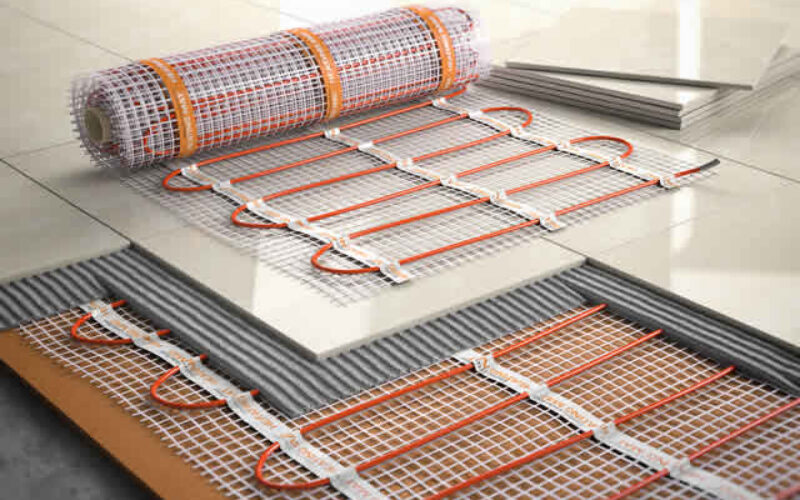
This system uses electric heating mats or wires installed beneath the flooring to generate heat. It’s often easier and quicker to install, making it a popular choice for renovations. - Water-Based (Hydronic) Underfloor Heating:
A water-based system circulates hot water through pipes beneath the floor. While more complex to install, it is highly energy-efficient, particularly when paired with renewable energy sources like solar panels.
One of the most notable advantages of underfloor heating is its even heat distribution. Unlike conventional radiators, which concentrate heat in one area, radiant heat ensures every corner of your room is evenly warmed.

Additionally, homeowners can enjoy greater energy efficiency, as underfloor heating requires lower temperatures to achieve the same level of comfort as traditional systems.

Best Flooring for Underfloor Heating
The type of flooring you choose plays a critical role in determining the efficiency and performance of your underfloor heating system. Certain materials have better thermal conductivity, allowing heat to pass through efficiently and warm the surface quickly.
Here’s a closer look at the best flooring options for underfloor heating:
-
Tiles
Ceramic and porcelain tiles are among the most popular choices for underfloor heating. Their excellent thermal conductivity ensures that heat transfers swiftly and evenly across the room. Additionally, tiles retain warmth for longer periods, making them an energy-efficient option. They’re a particularly great choice for bathrooms and kitchens, where durability and water resistance are crucial.
-
Stone
Natural stones such as marble, granite, and limestone pair beautifully with underfloor heating systems. They share tiles’ high thermal conductivity and retention capabilities while adding a timeless, luxurious look to your home. Stone is an excellent option for homeowners looking to elevate both function and aesthetics.
-
Engineered Wood
Engineered wood works well with underfloor heating, provided it is specifically designed for this purpose. Unlike solid hardwood, engineered wood consists of layers that resist warping and expand less when exposed to heat. Be sure to consult the manufacturer to ensure the material’s compatibility with underfloor heating systems.
-
Luxury Vinyl Flooring
Another budget-friendly and practical choice is luxury vinyl flooring. It heats up quickly and is durable enough to withstand fluctuations in temperature. This material is also versatile and moisture-resistant, making it well-suited for high-traffic areas like kitchens and entryways.
-
Carpets (With Caution)
While not the ideal first choice, carpets can work with underfloor heating as long as they have low thermal resistance and are paired with specific heat-compatible underlays. Thick carpets or dense underlays may reduce the system’s efficiency, so it’s crucial to choose carefully.
Ideal Rooms for Underfloor Heating
Before committing to installing underfloor heating, it’s important to consider where it will provide the greatest benefit. Certain areas in your home will maximize both comfort and energy efficiency when paired with underfloor heating.
-
Bathrooms
Bathrooms are one of the most popular choices for underfloor heating, and for good reason. Nothing beats stepping onto a warm floor after a shower on a chilly morning. Tiles or natural stone, often used in bathrooms, pair beautifully with underfloor heating, ensuring that every inch of the room is comfortably warm.
-
Kitchens
Kitchens are another ideal space for underfloor heating. Open-plan layouts often make centralized heating less effective, and underfloor heating ensures an even temperature throughout. Additionally, the flooring in kitchens—typically tiles, vinyl, or engineered wood—is perfectly suited to this heating system.
-
Living Areas
Underfloor heating can transform living rooms into cozy havens. It eliminates the bulky appearance of traditional radiators, giving you more freedom to design your space. Pair it with engineered wood or natural stone for a warm, inviting atmosphere that feels luxurious.
-
Bedrooms
While not as common as bathrooms or kitchens, underfloor heating can be a great addition to bedrooms, especially for those who dislike waking up to cold floors. Opt for low-resistance flooring materials to ensure that the system runs efficiently.
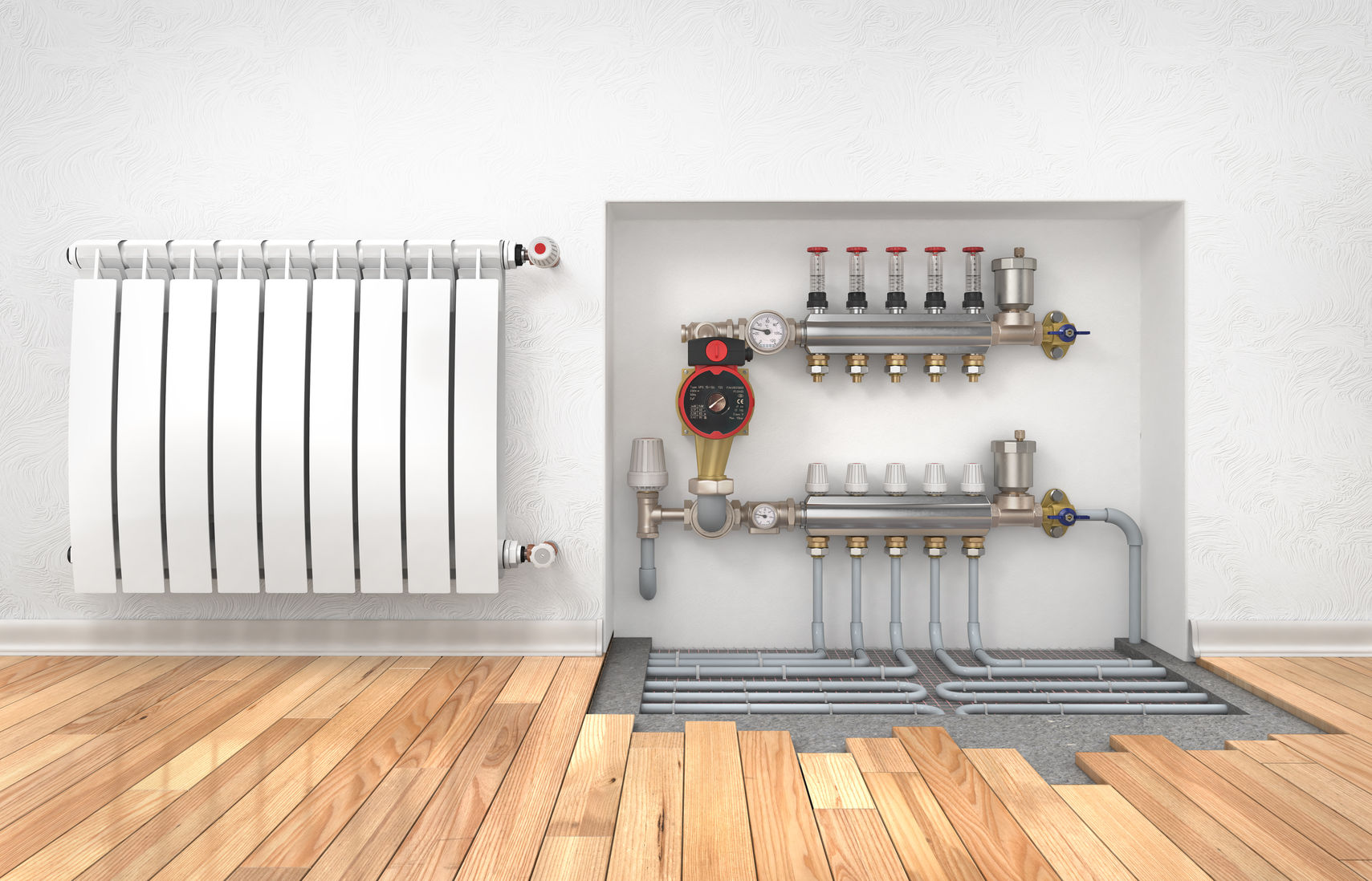
Diagram: Heating Concept for Room and Floor
Boost your home’s energy efficiency by installing the latest in HVAC technology. New HVAC concepts include underfloor heating and single monitoring radiator heat.
Installation and Maintenance
Installing an underfloor heating system is not a project to DIY. Proper installation is critical to the performance, safety, and lifespan of the system. A professional installer will ensure that the heating mats or piping are laid out correctly and insulated properly to prevent heat loss.
Here’s what you can expect during the installation process:
- Preparation:
The floor surface must be leveled, clean, and prepared with insulation to minimize heat loss. - Laying the Heating System:
Electric mats, wiring, or pipes are installed based on the chosen system. - Applying the Flooring:
Finally, your choice of flooring is installed carefully without damaging the heating elements.
Once installed, maintaining an underfloor heating system is relatively straightforward. Regularly check thermostats and controls to ensure the system is working correctly. For hydronic systems, schedule routine servicing to maintain pipe efficiency and prevent potential issues such as airlocks or leaks.
Why Choose Underfloor Heating?
Underfloor heating is more than just a luxury feature—it’s an investment in comfort, energy efficiency, and modern living. Whether you prioritize the sleek design it offers by eliminating radiators, the cost savings from reduced energy consumption, or simply the joy of warm floors on winter mornings, underfloor heating adapts beautifully to different flooring types and rooms in your home.
If you’re considering underfloor heating, consult with a professional to explore the best system and flooring combination for your space. With proper planning and installation, underfloor heating could become one of the most rewarding upgrades for your home.
other related analysis of interest: (new win)
What Does HVAC Mean? Why HVAC is a Vital Component for Your Home
Find Home Heating Services Central Heating Radiant Heat Fireplaces Thermostats top-rated, pre-screened local contractors FREE: download contractor selection enter zip code – powered by HomeAdvisor ™


Image credit: by envato.com
end of post … please share it!
| more photo remodeling |
Jump Over to Our Photo Analysis Center for Ideas on
"Renovating Home"
|__________________________________________________________|
home remodeling surprise
find out where it might go - new win


Helpful article? Leave us a quick comment below.
And please share this article within your social networks.