Summary Outline:
If you’re completing your own garden renovation but are looking for a few ways to keep costs down, you’re in the right place! Not only will these things help to keep your renovation on the cheaper side, but it will also ensure that you don’t have to compromise on quality in order to make those savings. So, let’s get into it and help you make some serious savings on your garden renovation!

-
Quik scroll to first topic about saving money on your DIY garden renovation …

-
-
Understanding the Know-How in DIY Gardening
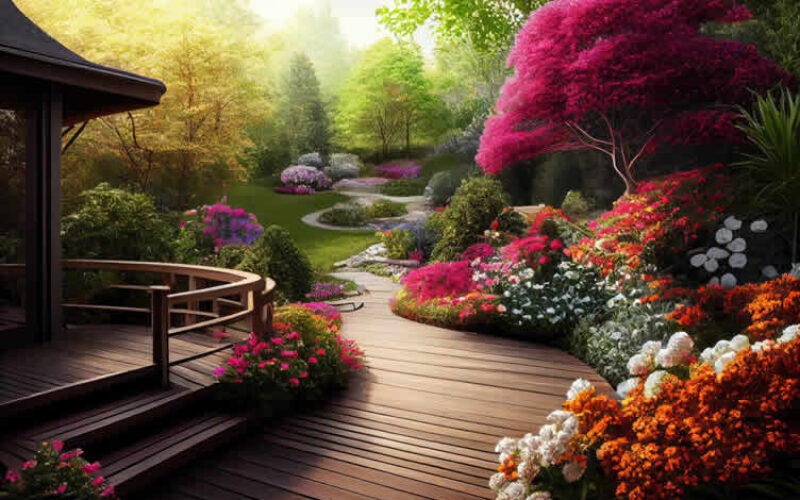
DIY garden renovation and landscaping can seem like daunting tasks, but with the right approach, you can completely transform your outdoor space while saving money. It involves various tasks ranging from basic site analysis, choosing the right plants, and creating a functional layout to constructing garden features and paths.
The key to a successful renovation lies in meticulous planning – understanding the nature of your soil, the direction of sunlight, and the kind of vegetation that thrives in your local climate. Equally important is budgeting, as the cost of materials and plants can add up.
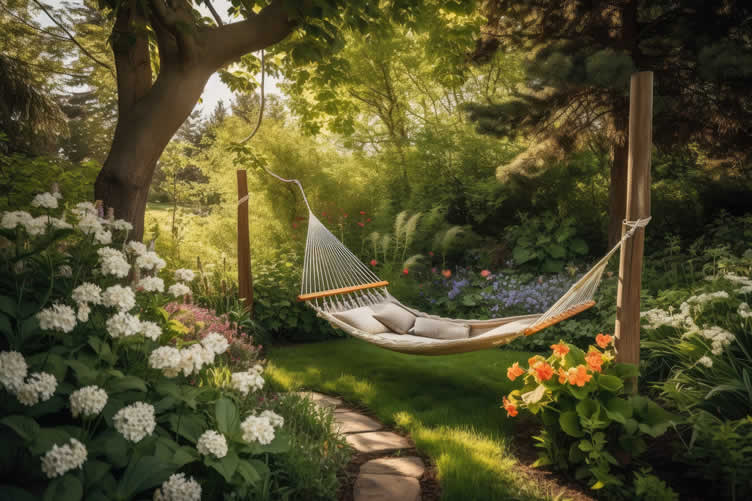
Remember, patience is crucial in DIY projects. The transformation doesn’t happen overnight, but the satisfaction of creating your own green paradise is indeed worth the effort.
copyright image by 123rf.com
Steps in DIY Garden Renovation and Landscaping
After understanding the basics of DIY garden renovation and landscaping, it’s time to delve into the steps involved. The process may vary to some extent based on the unique characteristics of your garden and your personal preferences, but the following steps generally apply:
-
Site Analysis:
To get started, begin by thoroughly assessing the current state of your garden. Consider factors such as its size, shape, soil quality, and existing vegetation. Take note of the areas that receive the most sunlight, as well as those that are shaded throughout the day.
By paying close attention to these details, you’ll gain valuable insights that can inform your future gardening decisions and ensure the optimal growth and health of your plants.
-
Design Plan:
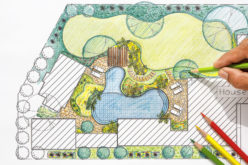
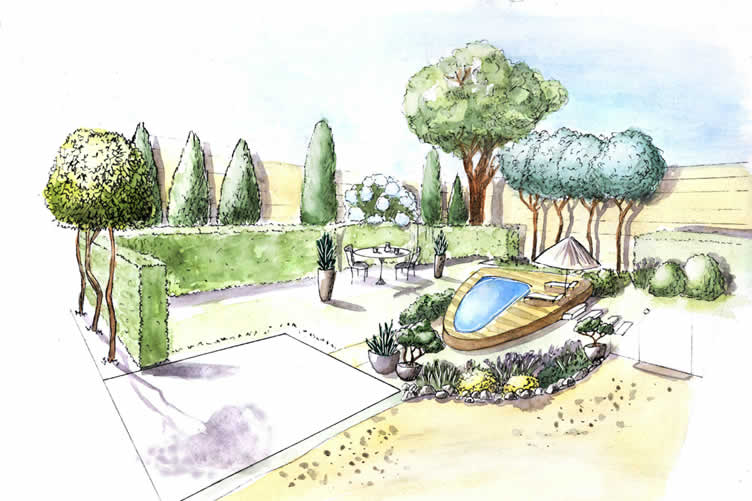
When sketching a design plan for your garden, it’s important to consider the location of different elements. Visualize the placement of flower beds, strategically position vegetable patches for optimal sunlight, and plan out pathways that seamlessly connect various areas.
Additionally, think about incorporating water features like fountains or ponds to add a soothing ambiance, and create cozy seating areas where you can relax and enjoy the beauty of your garden. Taking these factors into account will help you create a well-thought-out and inviting outdoor space.
-
Procure Materials and Plants:
Depending on your gardening plan, it is important to procure the necessary materials to ensure successful growth. This may include high-quality soil enriched with compost, a selection of seeds or saplings, stones for creating beautiful pathways, and any additional materials needed for water features or comfortable seating areas.
-
Start Planting:
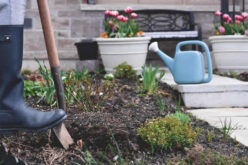
To start, begin by preparing the soil in your garden area. Clear any weeds or debris and make sure the soil is well-drained and nutrient-rich. Consider adding compost or organic matter to improve the soil quality.
Next, carefully choose and plant your desired vegetation. Whether it’s vibrant flowers, delicious vegetables, or fragrant herbs, select plants that thrive in your climate and suit your gardening goals. Take into account factors like sunlight, water requirements, and spacing recommendations provided on seed packets or plant labels.
When planting, ensure to space your plants appropriately to avoid overcrowding. This allows each plant to receive adequate sunlight, air circulation, and nutrients, promoting healthy growth and reducing the risk of diseases. Follow the recommended spacing guidelines provided for each plant type to maximize their potential.
-
Install Features:
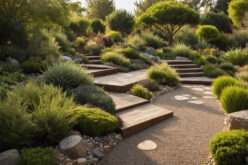
Once you have completed the planting, you can start adding other features to enhance your outdoor space. Consider incorporating pathways that lead to different areas of your garden, creating a sense of exploration and discovery.
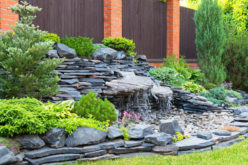
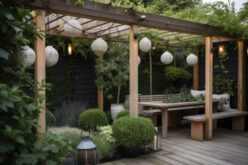
Additionally, you may want to include comfortable seating areas where you can relax and enjoy the beauty of your surroundings. For an added touch of tranquility, consider adding a water feature such as a fountain or a small pond, creating a soothing ambiance that will make your garden even more inviting.
-
Care and Maintenance:
Once your garden is set up, it requires regular maintenance to ensure its health and beauty. This includes watering the plants to keep them hydrated, trimming any overgrown branches or leaves for optimal growth, and occasionally enhancing the soil with nutrients to promote a thriving ecosystem.
copyright image by 123rf.com

-
-
Hire (Rent) The Machinery You Need
The first thing you should do when looking to save money on your DIY garden renovation is to hire or rent the machinery you need. If you need machinery you don’t already own, whether it’s an excavator, a digger, concrete mixer or anything in between, you should consider plant hire or renting what you need.
You could try and buy the machinery, however, it’s likely you will have to compromise on the quality, and then you also have the burden of either reselling once you’re finished or trying to store it somewhere.
When you hire or rent, you will access much better quality machinery, then once you’re finished it will simply be collected. You have no storage issues, it will save you a LOT of money and you will be able to use really good quality machinery, which will be safer.
copyright image by 123rf.com
Here’s a list of specialized landscaping machinery that can make your work more efficient. These machines may only be needed once and are best to be hired or rented for you particular landscape renovation:
-
Excavator:
An excavator, a robust heavy-duty machinery, is specifically engineered to tackle the excavation of larger holes and trenches with utmost precision and efficiency. With its immense power and advanced capabilities, it ensures seamless handling of substantial excavation tasks, making it an indispensable tool in various industries.
-
Backhoe Loader:
A backhoe loader is a versatile piece of equipment that combines the functionality of a tractor and a backhoe. It is designed to handle various landscaping tasks with ease, including digging, grading, and loading/unloading materials. With its efficiency and adaptability, it proves to be an invaluable asset for any landscaping project.
-
Compact Tractor:
A compact tractor is a smaller version of a traditional tractor. It is a versatile piece of equipment that can be used for a variety of landscaping tasks, such as mowing, grading, and tilling.
-
Skid Steer Loader:
A skid steer loader is a multi-functional piece of machinery that offers great versatility in landscaping operations. It excels at tasks like hole excavation, soil movement, and material loading and unloading, making it an indispensable tool for various landscaping projects.
-
Aerator:
An aerator serves the purpose of puncturing the ground, facilitating the entry of air and water to the plant roots. This essential process enhances the overall well-being of lawns and gardens, contributing to their vitality and vibrancy.
-
Scarifier:
This machine, commonly known as a dethatcher or scarifier, is specifically designed to remove thatch or moss from lawns. By gently combing through the grass, it effectively lifts and loosens the accumulated layer of dead grass and organic material, allowing your lawn to breathe and promoting healthier growth.
-
Chipper Shredder:
A chipper shredder is a versatile tool that efficiently transforms branches and yard waste into smaller pieces. These shredded materials can then be repurposed for mulch, compost, or even firewood. With its ability to effectively reduce and recycle organic debris, a chipper shredder becomes an invaluable asset for any yard maintenance endeavor.
-
Trencher:
A trencher is a specialized piece of landscaping machinery designed for making linear excavations. It is particularly useful for laying irrigation pipes, cables, or drainage lines in a garden. The trencher slices through the soil to create a narrow trench, allowing for the precise placement of pipes or cables, and minimizing the disruption to the surrounding landscape.
-
Post-Hole Digger:
When it comes to installing a fence as part of your DIY garden landscaping, a post-hole digger is an essential tool. This specialized landscaping machinery is designed to dig narrow, deep holes in the earth, which are perfect for setting fence posts. The repeated digging motion of its two-handled scoop creates a clean hole, without disturbing the surrounding soil more than necessary.
-
-
Look On Online Marketplaces for Tools and Materials:
Next up, when you’ve compiled the list of materials that you need for the project, firstly head to Facebook marketplace or other online listings. It’s very likely that someone in your area will have completed a similar project, so they might have just what you’re looking for. Before you start buying brand new, have a good search on local marketplaces to see if they have it.
You’d be surprised at how much is available, whether it’s bricks, concrete, paint, palettes or so much more. Often people want to just get rid of these things as they take up a lot of space, so you’ll probably end up paying next to nothing for it. This is one of the best ways to make significant savings on your DIY garden renovation.
At this point, asking around family and friends who you know have completed similar projects is also worthwhile, then you can pass on the favor if you have anything leftover afterwards.
copyright image by 123rf.com
Gardening Tools You Should Consider
Your garden will require necessary maintenance. Let’s get into the list of maintenance tools you may need that can be found used and and in good condition on the varying online market places:
Hand Tools
-
Shovel:
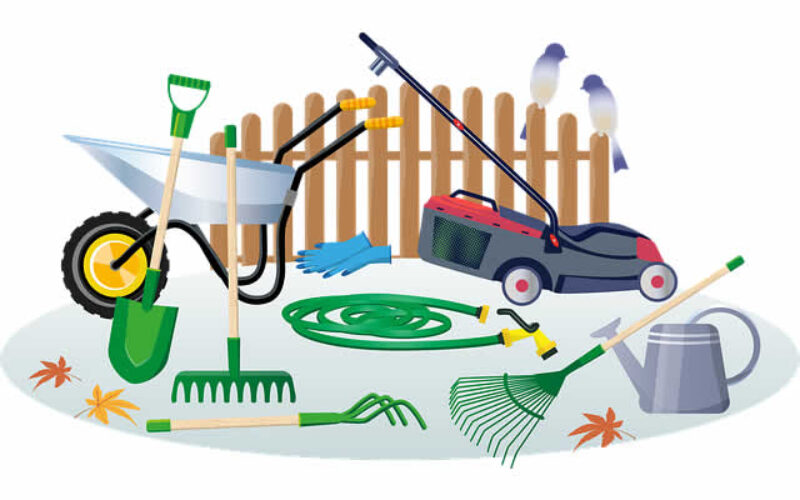
A shovel is a fundamental and indispensable tool for every landscaping project. It serves multiple purposes such as digging holes, moving soil, and spreading mulch.
-
Rake:
A rake is an indispensable tool for landscaping. It serves multiple purposes, including the removal of leaves and debris from lawns, spreading mulch, and achieving a smooth soil surface.
-
Wheelbarrow:
A wheelbarrow is an indispensable tool for any landscaping project that requires the movement of materials. It serves as a versatile carrier for transporting soil, mulch, plants, and various other materials.
-
Pruners:
Pruners, also known as gardeners or arborists, play a crucial role in maintaining the well-being of trees, shrubs, and other plants. By skillfully and carefully trimming branches, leaves, and stems, pruners ensure that plants not only look aesthetically pleasing but also thrive in good health.
-
Loppers:
Loppers, which are larger and more robust than pruners, provide the perfect tool for effortlessly and precisely cutting thicker branches. With their extended handles and enhanced cutting power, loppers allow for improved leverage and control, making them an indispensable tool for tackling even the toughest pruning tasks.
-
Hedge Shears:
Hedge shears, a versatile tool used by gardeners and landscapers, are designed specifically for the precise trimming of hedges and bushes. With their sharp blades and ergonomic handles, these shears allow for effortless shaping and pruning, resulting in beautifully manicured landscapes.
Power Tools
-
Lawn Mower:
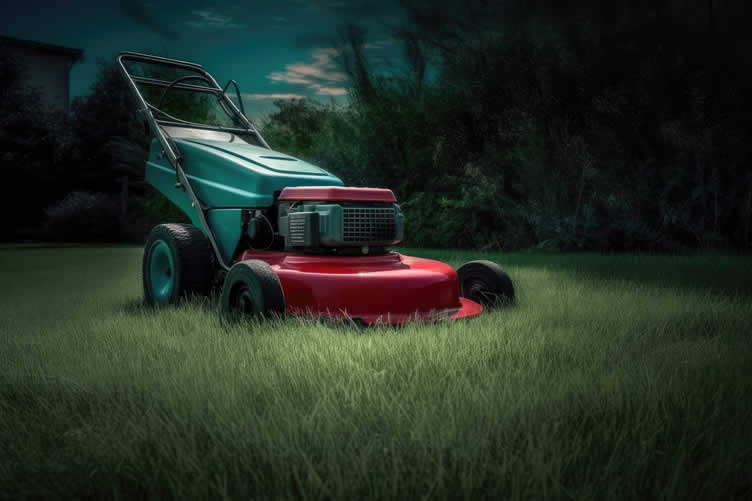
A high-quality lawn mower is an indispensable tool for any landscaping project that involves the meticulous maintenance of a beautiful lawn. With its powerful motor and precision cutting blades, a well-designed lawn mower effortlessly trims the grass to the desired height, ensuring a neat and manicured appearance.
-
Edger:
An edger is an essential tool used in landscaping to create a clean and defined edge between the lawn and other adjacent surfaces, such as sidewalks and driveways.
-
String Trimmer:
A string trimmer, also known as a weed eater or weed whacker, is a versatile tool used to trim grass and weeds in areas that are hard to reach with a traditional lawn mower. It is especially useful for maintaining the edges of lawns, cutting grass around trees and shrubs, and tidying up hard-to-reach corners and edges of the yard.
-
Leaf Blower:
A leaf blower, a handy tool for outdoor maintenance, is specifically designed to efficiently and effortlessly eliminate leaves, twigs, and other debris from lawns, walkways, driveways, and various surfaces.
-
Rotary Tiller:
This versatile tool is superb for cultivating the soil in your garden. With its ergonomic design and sturdy construction, it effortlessly breaks up compacted ground, allowing for better water drainage and root penetration.
-
Pressure Washer:
Perfect for cleaning patios, decking, and garden furniture, this powerful tool effortlessly removes dirt and grime, making the task of maintaining your garden a breeze.
-
Chain Saw:
If you find yourself in a situation where sunlight is being obstructed or your landscaping plans are being hindered by trees or large branches, it becomes essential to have the right tools for cutting them down.
-
Hedge Trimmer:
This is a fantastic tool for keeping your hedges neat, ensuring that your garden always looks its best. With its precise cutting blades and ergonomic design, it allows you to effortlessly trim and shape your hedges, creating clean and polished edges.
copyright image by pixabay.com
-
-
Use Gardening Material Comparison Sites:
Next, once you know that you can’t get anything else from local marketplaces, you should use construction material comparison sites. You can type in exactly what you’re looking for, and it will give you different options and also tell you the cheapest provider of that material. This can save you so much time and effort!
You can access great quality materials, without breaking the bank. Whilst going to one hardware shop and getting everything is more convenient, if you’re looking to save money, taking a few trips to different shops can make a big difference.
Try to look at the comparison sites as far in advance as possible, as you can set alerts on some of the websites and they’ll tell you if they go on sale!
copyright image by 123rf.com
Selection of Supplies and Materials for DIY Garden
Choosing the right materials for your garden renovation is critical to achieving your desired outcome. The type and quality of materials you select will determine not only the visual appeal of your garden but also its functionality and durability. Here are some commonly used materials in DIY garden landscaping:
-
Soil and Compost:
The foundation of your garden. Quality soil promotes healthy plant growth, while compost can help to improve soil structure and nutrient content. There are many different types of soil, so it is important to choose the right type of soil for your garden.
-
Mulch:
Mulch is a layer of material that is placed on top of the soil to help retain moisture, suppress weeds, and improve the appearance of the garden. Mulch can be made from a variety of materials, such as bark chips, wood chips, straw, and compost.
-
Fertilizer:
Fertilizer is a substance that is added to the soil to provide plants with the nutrients they need to grow. There are many different types of fertilizer, so it is important to choose the right type of fertilizer for your plants.
-
Pots:
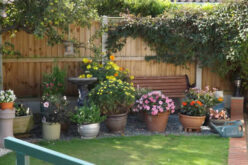
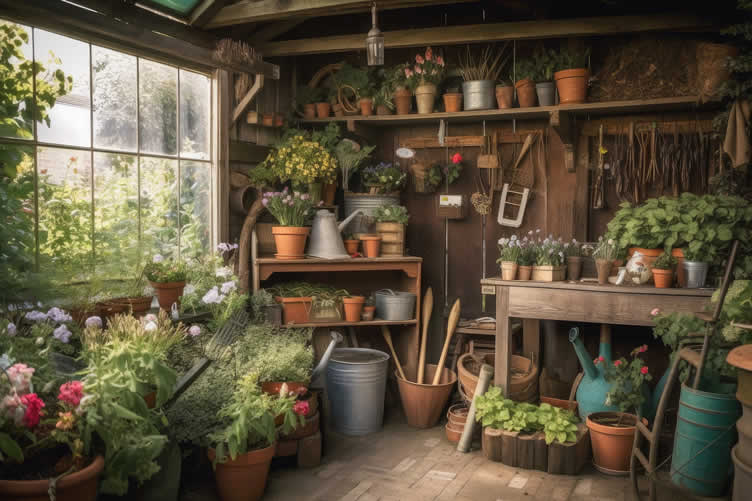
Pots are essential vessels designed specifically to cultivate plants in convenient containers. These versatile gardening accessories are available in a wide range of sizes, accommodating plants of various dimensions. Furthermore, pots are crafted from an assortment of materials, including clay, plastic, and ceramic, offering gardeners ample choices to suit their preferences and gardening needs.
-
Stone and Gravel:
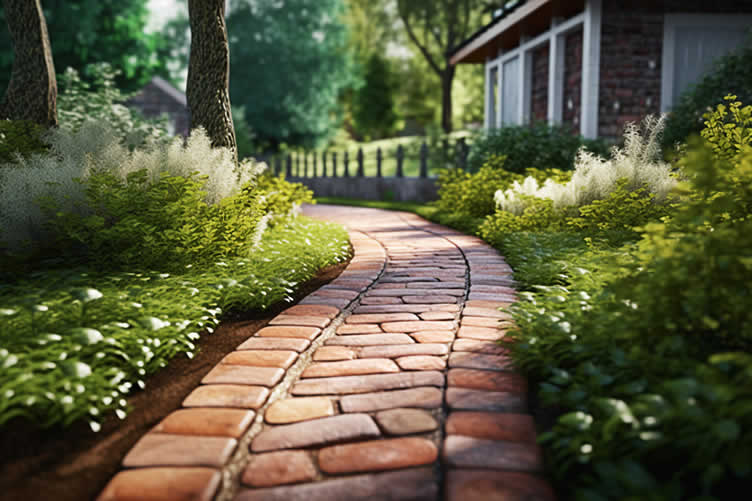
These versatile materials can be used in a multitude of ways. They are perfect for creating beautiful paths that blend seamlessly with the surrounding landscape. Additionally, they can be used for edging, adding a touch of elegance and definition to gardens and outdoor spaces. Lastly, these materials can also serve as decorative elements, allowing for endless creative possibilities in designing unique and stunning outdoor environments.
-
Wood:
Ideal for constructing raised beds, fences, or decking, our versatile product offers a reliable and durable solution for all your outdoor construction needs. Whether you’re looking to create a beautiful garden space, secure your property boundaries, or build a stunning deck area, our product provides the perfect combination of strength, functionality, and aesthetic appeal. With its sturdy design and easy installation, it’s the go-to choice for all your outdoor projects.
-
Planting Materials:
Enhance your garden’s beauty and vibrancy by incorporating a variety of elements such as seeds, bulbs, or plants. These additions will not only bring life and color to your garden but also create a captivating and enchanting atmosphere that will delight both you and your guests.
In addition to these basic materials, there are many other gardening materials that you may find useful, such as:
-
Garden Gloves:
Garden gloves are indispensable for ensuring the safety and well-being of your hands while working in the garden. Designed to shield your hands from dirt, thorns, and a plethora of other potential hazards, these gloves provide an extra layer of protection.
-
Watering Can:
A watering can, also known as a watering pot, is a manual tool specifically designed for hand-watering plants. It typically consists of a container with a handle and a spout, allowing for controlled and precise pouring of water onto plants.
-
Garden Hose:
A garden hose, a versatile tool, is commonly used for irrigating plants by means of a hose attachment. With its flexible and durable design, it provides a convenient and efficient way to deliver water to your garden, promoting healthy growth and vibrant blooms. to thrive.
-
Sprinkler:
A sprinkler, a device commonly used in gardening and lawn maintenance, is designed to efficiently water a large area all at once. With a network of strategically positioned nozzles, it disperses water in a controlled and consistent manner, ensuring every corner of the lawn or garden receives the hydration it needs.
-
Trellis or Fence:
A trellis or fence can be used to support climbing plants, providing them with stability and structure as they grow and reach toward the sun. By offering a framework for the plants to climb upon, a trellis or fence allows for vertical gardening, making the most efficient use of limited space while adding a beautiful and lush element to any garden or outdoor area.
-
Plant Labels:
Plant labels are a useful tool that can be utilized to easily identify and keep track of the various plants in your garden. By providing key information such as the plant’s name, species, and care instructions, these labels not only serve as a visual aid but also help you stay organized and ensure that each plant receives the specific care it needs to thrive in your garden.
-
Garden Markers:
Garden markers are practical tools that can be used to easily identify and mark the precise location of your seeds or plants in your beautiful garden. By using garden markers, you can ensure that each plant is properly labeled, allowing you to keep track of the different varieties, planting dates, or any other relevant information.
-
Pesticides and Herbicides:
Pesticides and herbicides play a crucial role in garden maintenance by effectively controlling pests and weeds. However, it is of utmost importance to exercise caution and use these products sparingly and with care. This not only helps mitigate the potential harm they can cause to the environment and human health but also ensures the sustainability of our gardens and ecosystems in the long run.
copyright image by 123rf.com
-
-
Build A Composter
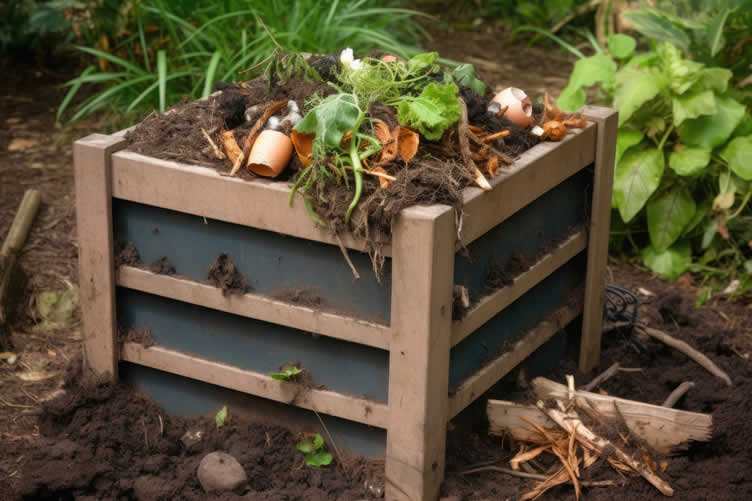
This is a more long-term strategy to save money, however it’s worth adding into your planning that you’ll build a composter. A composter is designed to hold compostable foods, such as fruit and vegetable peelings and egg shells, then over time, it decomposes and creates compost for your garden.
Not only are you reducing waste that goes into your black bins, but you’re creating free compost for your garden!
Buying compost from garden centers isn’t cheap, so you may as well utilize things that were just going to be thrown out anyway. You can also make them look nice, for example using spare wood that is left over from your decking, so it’s incorporated into the look of your garden.
Here are the steps to build your make-shift garden compost:
-
Step 1: Identify a Suitable Location
When choosing a convenient and suitable spot in your backyard for your compost pile, consider finding an area that receives partial shade. This is especially beneficial as the shade helps regulate the moisture levels of the compost, ensuring optimal conditions for decomposition.
-
Step 2: Prepare the Compost Bin
You don’t necessarily need a specialized compost bin. In fact, a simple wooden box or even an old trash bin can work just as effectively. The key is to ensure that whatever container you choose has proper ventilation to facilitate the decomposition process. This allows for the circulation of air and helps maintain the ideal conditions for composting.
-
Step 3: Begin With Layers
Add your compost materials in layers to create a balanced compost mix. Start with a layer of browns (like dried leaves, twigs, or newspaper) for carbon, followed by a layer of greens (like vegetable scraps, coffee grounds, or grass clippings) for nitrogen.
-
Step 4: Maintain the Compost
To maintain an optimal composting process, it is recommended to turn the compost pile every few weeks using a pitchfork. This simple yet effective practice helps to aerate the pile, allowing for better circulation of oxygen and microorganisms.
-
Step 5: Introduce Composting Worms
To expedite the composting process and enrich the nutrient content, consider introducing composting worms. Also known as red wigglers, these worms break down organic material and convert it into worm castings, a nutrient-rich super compost. You can purchase them from a local garden store or online.
Simply add the worms to your compost pile and let them do their work. Remember, composting worms thrive in a moist (but not soggy) environment and temperatures between 55°F and 77°F (13°C – 25°C).
-
Step 6: Wait For the Compost to Mature
The composting process typically takes 2-6 months, depending on various factors such as temperature, moisture, and the types of organic materials used. During this time, microorganisms break down the organic matter, transforming it into a dark, rich, and crumbly material known as humus.
This nutrient-rich substance not only improves soil structure but also enhances its ability to retain water and nutrients, promoting healthy plant growth.
copyright image by 123rf.com
How About Hydroponic Gardening
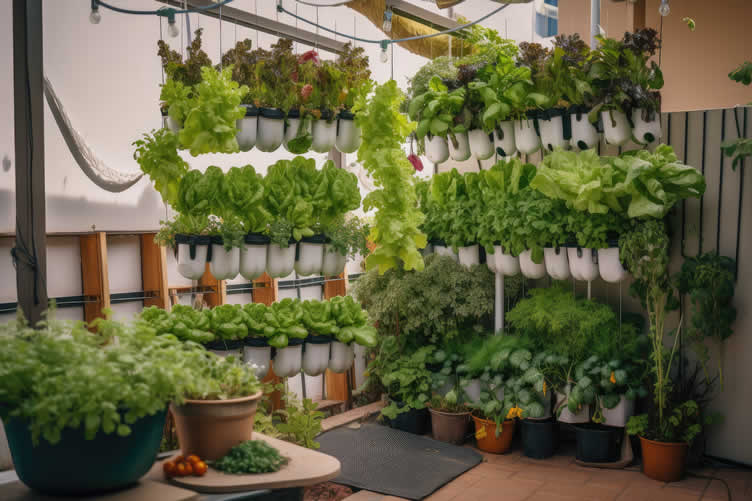
Starting and maintaining a backyard hydroponic garden can become a valuable food source for your household. This innovative approach to gardening is not confined by seasonal changes, allowing you to grow an array of fruits, vegetables, and herbs throughout the year.
With the right selection of crops and proper care, you can enjoy a plentiful harvest, providing fresh and nutritious produce right from your backyard. Moreover, by controlling the environment, you can ensure the quality of your produce, free from soil-borne diseases and harmful pesticides.
To get your backyard hydroponic system going, follow these straightforward steps:
-
Step 1: Choose the Right Space
To begin, carefully choose a suitable location in your backyard for your hydroponic system. Keep in mind that it should have an ample amount of sunlight to nourish your plants and ensure their healthy growth. Additionally, easy access to water is crucial for maintaining the optimal hydration levels for your plants.
-
Step 2: Decide on a Hydroponic System
When it comes to hydroponic systems, there are several options to consider. One of them is the deep water culture (DWC) system, where plant roots are submerged in nutrient-rich water.
Another option is the nutrient film technique (NFT) system, which uses a thin film of nutrient solution flowing over the roots. Additionally, you may also explore the wick system, where a wick delivers the nutrient solution to the plants.
Each system has its advantages and considerations, so it’s important to choose the one that best aligns with your specific needs, preferences, and budget.
-
Step 3: Buy or Build the System
When it comes to hydroponic systems, you have two options: you can either purchase a pre-made system that is ready to use, or you can take the DIY route and build one yourself.
While pre-made systems offer convenience, DIY options can often be more cost-effective and allow for customization based on your specific needs and preferences.
-
Step 4: Select Your Plants
When selecting plants for a hydroponic environment, it’s important to choose varieties that are known to thrive in this unique system. Leafy greens, such as spinach and lettuce, along with herbs like basil and cilantro, are typically excellent options due to their adaptability and ability to flourish in nutrient-rich water.
-
Step 5: Set Up the System
To successfully install the system, carefully follow the provided instructions. Make sure to securely fasten all parts and ensure effective water circulation throughout the system. This will guarantee optimal performance and functionality.
-
Step 6: Add Nutrients and Plants
When setting up your hydroponic system, it’s important to introduce your plants and ensure they receive the necessary nutrients for optimal growth. Unlike traditional soil-based methods, hydroponic plants obtain their nutrients directly from the water.
This innovative approach eliminates the need for soil, allowing for precise control and customization of nutrient levels.
-
Step 7: Monitor and Maintain
To ensure optimal plant health, it is important to regularly monitor and maintain the pH level of the water. Additionally, adjusting nutrient levels based on plant requirements is crucial for their growth and development.
copyright image by 123rf.com
-
-
Buy Young Plants
Another thing you should do to save money on your garden renovation is to buy young plants. Whilst it can be tempting to buy large plants that will make the garden beds look really nice and full straight away, it’s much more cost effective to buy younger plants, as they are significantly cheaper.
It will take a summer or two for them to grow to a larger size, however this will be quite satisfying and the wait is definitely worth it for how much you could save.
For example, a young hydrangea plant could cost between $6 (~£5) and $12 (~£10), whereas buying fully grown, you could be looking at around $49 or more (~£40). Watching your plants grow is all a part of the renovation process, and could cut your plant budget by 75-80% as a minimum!
When you’re choosing your plants, it’s also worth asking family and friends for cuttings of their plants. This is a great way to add new plants to your garden without spending a fortune, as well as having a piece of that loved one in your garden.

copyright image by 123rf.com
Garden Shrubs for Your Landscape Project
Garden shrubs are an economical and aesthetically pleasing addition to your DIY garden renovation. These low-maintenance plants offer year-round color and structure, serving as the backbone of your garden design.
Choosing perennial shrubs, which return each year, can save you money in the long run as they do not require annual replanting. With a myriad of varieties available, you can find shrubs that thrive in your specific climate and soil conditions, further reducing the need for costly soil amendments or specialized care.
You should consider adding the following garden shrubs. These are not only beautiful and hardy, but also offer the best value for your money:
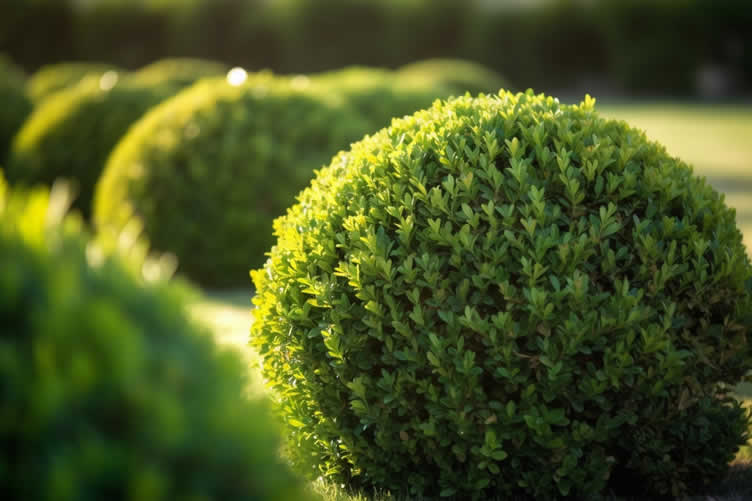
- Boxwood:
This is a classic choice with its dense evergreen leaves and ability to be pruned into many shapes and sizes. - Hydrangea:
Known for their large, vibrant flowers, hydrangeas can add a splash of color to your garden. - Forsythia:
These spring-blooming shrubs are low-maintenance and sport bright yellow flowers. - Lilac:
If you’re looking for fragrance, lilacs are an excellent choice. They produce sweet-smelling flowers in the spring. - Rhododendron:
These evergreen shrubs are great for shade gardens and produce large, showy flowers in the spring.
copyright image by 123rf.com
Incorporating Garden Perennials
Garden perennials should be a cornerstone of any DIY garden renovation project. These plants return year after year, offering a cost-effective solution that continues to add beauty and structure to your garden even as seasons change.
Garden perennials are available in an array of types and sizes, from flowering types like daylilies and coneflowers to foliage plants like hostas and ferns. Their versatility allows for creative design options, while their resilience can reduce the need for costly maintenance or replacement.
As with garden shrubs, be sure to choose perennials that thrive in your specific climate and soil conditions to maximize their lifespan and beauty in your redesigned outdoor space.
Selecting the right perennials and shrubs can transform your DIY garden renovation from good to great. Here is a list of some of the best options to consider:
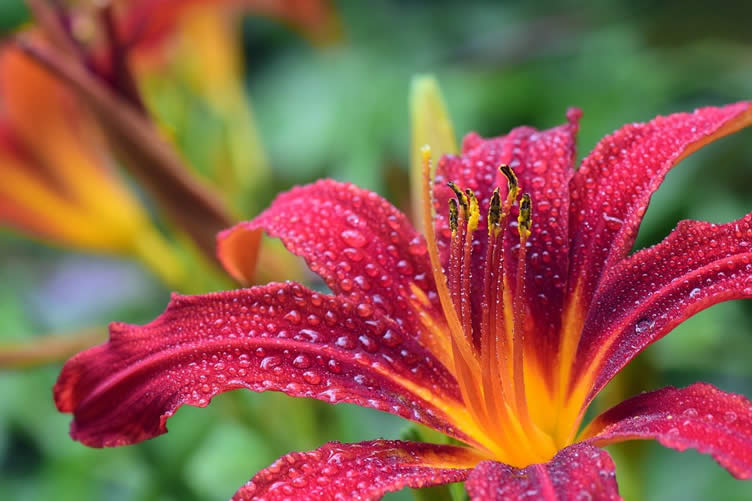
- Daylilies:
These vibrant flowering plants are a must-have for any perennial garden. They’re hardy, adaptable, and incredibly easy to grow. - Coneflowers:
Known for their bold, daisy-like flowers, coneflowers are a favorite among gardeners. They’re drought-tolerant, making them a great low-maintenance option. - Hostas:
These are the perfect choice for a shade garden. Their broad, lush foliage can add a relaxing, tranquil atmosphere. - Ferns:
If you’re looking for texture, consider adding ferns. These plants bring a touch of the wild to any garden with their intricate leaf patterns. - Rose of Sharon:
This is an excellent shrub for any garden, known for its colorful and long-lasting flowers. It is drought-resistant and requires minimal care. - Butterfly Bush:
As the name suggests, this beautiful shrub attracts butterflies into your garden. Its long, arching sprays of flowers add a unique aesthetic.
copyright image by pixabay.com
Sunny Perennial Pics
Part-Sun Perennials
viewing amazon - Boxwood:
-
-
Key Takeaway
In conclusion, embarking on a DIY garden renovation on a budget doesn’t mean skimping on quality or aesthetics. It begins by defining your goals – envision the garden shrubs and perennials you want to see flourish in your space.
Consider renting machinery instead of investing in expensive equipment that you’ll only use once. Opt for buying used materials where possible, and don’t shy away from seeking assistance from friends or neighbors. Remember, the most bountiful garden is born out of passion, perseverance, and smart, budget-conscious choices.
-
Quik scroll to more topics about interior home styling and design …
-
ideas to view and compare from the information discussed above
- What comments can you share about
using saving money on your DIY garden renovation?


 … grab this directory of ideas
garden landscaping and renovation



view illustration “becoming a bank”



May We Suggest Other Photo Remodeling Ideas About
“Other Home Interior Design Ideas…” (new win)


Find Landscaping Services Landscape Design Sprinkler Systems Metal Work Water Features top-rated, pre-screened local contractors FREE: download contractor selection enter zip code – powered by HomeAdvisor ™
Quick Contractor Guides selecting negotiating working with inspecting

Cover image credit: saving money on your DIY garden renovation by 123rf.com
end of post … please share it!

Nice pic idea? Leave us a quick comment below.
And please share this pic idea within your social networks.