From upgrading insulation and HVAC systems to replacing windows and lighting, there are numerous effective strategies to save on energy bills and minimize your carbon footprint.
This blog post explores various home improvements that not only help create a more sustainable living environment but also provide lasting economic benefits.
Improve Insulation in Walls and Attics
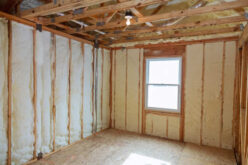
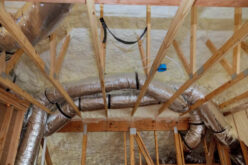
Improving the insulation in your home’s walls and attic can significantly enhance energy efficiency. By ensuring that your home is properly insulated, you minimize heat loss in the winter and retain cooler air in the summer, leading to reduced reliance on heating and cooling systems.
There are many different insulation materials and they each have their own advantages; options like fiberglass offer good thermal resistance and affordability, while spray foam provides excellent air-sealing properties.
On the other hand, cellulose is an eco-friendly choice made from recycled paper and provides superior soundproofing. Each material serves different needs, making it important to consider factors like cost, efficiency, and environmental impact when choosing the right insulation for your home.

Consider High-Efficiency HVAC Systems
Upgrading to a high-efficiency HVAC system can lead to noticeable savings on energy bills. Newer models are designed to consume less energy while providing the same or improved levels of heating and cooling.
When choosing a system, it’s important to evaluate the Seasonal Energy Efficiency Ratio (SEER) rating; a higher SEER indicates a more energy-efficient unit. Regular maintenance by professionals, like Wright’s Heating & Air Conditioning Inc., is important to keep these systems running effectively so they’ll last longer.
Installing a programmable thermostat alongside can further enhance efficiency by allowing more precise control over your home’s temperature.
Install Energy-Efficient Windows
Choosing energy-efficient windows helps to maintain a pleasant indoor environment while decreasing energy consumption. Look for windows with low-emissivity (Low-E) coatings, which reduce infrared and ultraviolet light from passing through glass without affecting visible light.
Double or triple-glazed windows provide additional layers of insulation compared to traditional single-pane options. These advanced windows also help reduce noise from outside, contributing to a peaceful home setting.
Be mindful of the windows’ orientation; positioning influences solar heat gain, which can be managed to benefit energy use throughout the year.
Upgrade to Energy-Efficient Roofing
Roofing plays a substantial role in home energy efficiency, and opting for energy-efficient materials can contribute to a healthier environment. Consider cool roofing products that reflect more sunlight and absorb less heat, including choices like reflective shingles, tiles, or metal roofing.
These materials help reduce the "heat island" effect in warm climates, leading to lower cooling costs. Understanding the properties of the materials you choose can assist in achieving comfort levels without overburdening your HVAC systems. Roof upgrades and periodic professional repairs can also extend the structure’s lifespan, guarding it against weather elements.
Opt for LED Lighting
Switching to LED lighting throughout your home can result in noticeable reductions in electricity use. LED lights are known for their long lifespan and low energy consumption compared to incandescent bulbs, effectively reducing both energy use and replacement costs over time.
Available in a variety of color temperatures and styles, LEDs can enhance any room’s ambiance without compromising on illumination quality. The upfront cost of LEDs can be higher, but the long-term savings and environmental benefits make it a worthwhile investment.
Consider smart lighting solutions for additional benefits, such as dimming options and remote control for added convenience.
Conclusion
Enhancing the energy efficiency of your home doesn’t have to be a daunting task. With options ranging from improving insulation to upgrading windows and lighting, there are plenty of ways to make your living space more eco-friendly and cost-effective.
By taking these steps, you’re not only lowering energy bills, but also contributing to a more sustainable environment. Whether you choose to make small adjustments or undertake larger projects, the benefits of these upgrades will be felt in increased comfort and savings.
Remember, each improvement you make plays a part in creating a greener home for you and future generations.
Image credit: upgrades you can make to increase home energy efficiency by 123rf.com
end of post … please share it!
| more photo remodeling |
Jump Over to Our Photo Analysis Center for Ideas on
"Renovating Home"
|__________________________________________________________|
home remodeling surprise
find out where it might go - new win


Helpful article? Leave us a quick comment below.
And please share this article within your social networks.