Summary Outline –
This guide is your ticket to discovering innovative ways to blend beauty with practicality, ensuring your garden isn’t just dazzling to the eye but also suits your lifestyle perfectly.
With our fun and friendly approach, you’ll find this exploration both enjoyable and enlightening as you embark on creating the garden of your dreams.
- post content … analysis/ exciting new trends in garden design
- 1st: Incorporate Native Plants
- 2nd: Embrace Edible Landscaping
- 3rd: Low-Maintenance Gardening
- 4th: Opt for Vertical Gardens
- 5th: Utilize Sustainable Practices
- 6th: Enhance with Outdoor Lighting
- 7th: Embrace Biophilic Design with Professional Help
- 8th: Incorporate Water Features
- 9th: Think Beyond Borders with Patio Enclosures
- 10th: Install Smart Irrigation Systems
- conclusion
- other home n’ garden topics

-
- —— begin first topic ——
-
1st Design Trend: Incorporate Native Plants
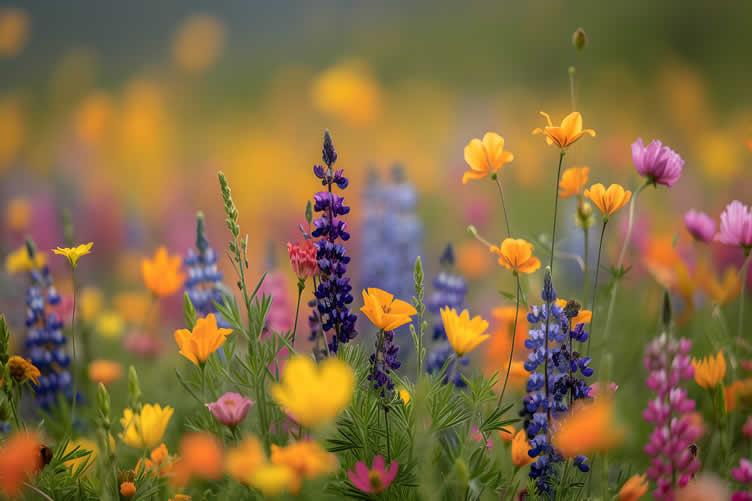
Native plants have gained popularity for their low-maintenance appeal and environmental benefits. Your garden can flourish in harmony with the environment by utilizing native plants, which offer a distinctive advantage no other elements can match.
Unlike exotic species, native plants have co-evolved with local ecosystems, ensuring that they thrive with minimal intervention. This specificity means they require far less in terms of watering, pesticides, and fertilizers, helping you save on maintenance costs and time while also contributing to a healthier, more sustainable garden ecosystem.
When planning your garden, consider arranging native plants according to their natural habitat preferences. This not only highlights their beauty but also enhances their growth.
For instance, place sun-loving native flowers in open areas to maximize their blooming potential, while shade-tolerant species can fill those cool, sheltered spots. Additionally, grouping them by color or height can add depth and structure, providing a tapestry effect that changes with the seasons.
As an added benefit, you’ll attract beneficial wildlife like pollinators and birds, turning your garden into a vibrant ecosystem that supports local biodiversity.
copyright image by 123rf.com
[ pinterest: about native plants ]
[ youtube: native plant landscape design ]
—— view more about new trends in garden design ——
Choosing Native Plants
Incorporating native plants into your garden design is one of the new trends in garden design, offering both ecological and aesthetic advantages. By choosing plants that are locally adapted, gardeners minimize the need for additional resources such as water, fertilizers, and pesticides.
Native plants are inherently more resistant to pests and diseases, ensuring a healthier and more sustainable garden.
Furthermore, they support local biodiversity, providing habitat and food sources for native wildlife like birds, bees, and butterflies. This synergy of a garden in tune with nature creates a lively, thriving environment.
-
Native Plants for the Northeastern U.S.
In the Northeastern United States, the inclusion of native plants such as Eastern Red Columbine (Aquilegia canadensis), New England Aster (Symphyotrichum novae-angliae), and Scarlet Bee Balm (Monarda didyma) can significantly enhance garden design.
These species not only bring vibrant color palettes to the landscape but also attract essential pollinators.
For foundational planting, consider using Northern Bayberry (Morella pensylvanica), known for its hardy nature and aromatic foliage.
-
Native Plants for the Southeastern U.S.
The Southeastern region benefits from the rich, lush textures and bloom periods of plants like the Southern Magnolia (Magnolia grandiflora), Black-Eyed Susan (Rudbeckia hirta), and the Passionflower (Passiflora incarnata).
These choices reflect the beauty of southern landscapes while requiring minimal intervention. Adding these species creates a habitat for regional wildlife, ensuring a dynamic, living garden full of activity.
-
Native Plants for the Midwestern U.S.
Midwestern gardens flourish with the installation of Prairie Dropseed (Sporobolus heterolepis), Purple Coneflower (Echinacea purpurea), and the resilient Little Bluestem (Schizachyrium scoparium).
These plants are ideal for prairie-style planting, providing color and structure throughout the seasons. The adaptability of these species to different soil and climate conditions makes them exceptional choices for gardeners aiming to implement new trends in garden design.
-
Native Plants for the Western U.S.
For those in the Western United States, incorporating California Poppy (Eschscholzia californica), Blue Flax (Linum lewisii), and the stately Douglas Fir (Pseudotsuga menziesii) enriches garden patterns.
These plants are optimal for region-specific conditions such as drought and varied terrain. Their natural resilience underscores the efficiency of native choices in garden design, inspired by the latest trends emphasizing sustainability and ecological integration.
copyright image by 123rf.com

-
-
2nd Design Trend: Embrace Edible Landscaping
Imagine being able to conveniently harvest your dinner ingredients right from your backyard as you savor the rewards of your hard work and commitment to sustainable living.
Transforming your garden with edible landscaping offers this unique advantage by integrating fruits, vegetables, and herbs into traditional garden designs with flair.
This doesn’t just enhance the visual appeal of your space—it provides you with fresh produce that’s free of harmful chemicals and tailored to your tastes.
From vibrant Swiss chard and lush berry bushes to aromatic herbs like basil and thyme, the diverse array of colors and textures can create a thriving, living mosaic that is as delightful to the eyes as it is to the palate.
To get started, consider strategically placing your edible plants to create a harmonious blend of practicality and beauty. Tall trellises with climbing beans or tomatoes can act as eye-catching garden dividers, while ground-level patches of strawberries or lettuce beds serve functional purposes as ground cover.
You could intermix them with ornamental flowers to maintain aesthetic balance and improve pollination. Think about how your selections can reflect seasonality, offering a continually evolving landscape that changes with each harvest.
By designing your garden with edibles, you not only enjoy the gratification of a more self-sustained lifestyle but also make a meaningful contribution to reducing your carbon footprint.
copyright image by 123rf.com
[ pinterest: edible landscaping ]
[ youtube: edible landscapes: everything to know ]
—— view more about new trends in garden design ——
Integrating Edible Landscaping
Embracing edible landscaping in your garden design is an innovative way to merge sustainability with aesthetics. As new trends in garden design increasingly highlight functionality, incorporating food-producing plants adds another layer of utility and beauty to outdoor spaces.
When planning your edible landscape, it’s important to consider the variety of edible spots you can integrate and their specific requirements.
-
Vegetable Garden
A vegetable garden is a staple of any edible landscape, providing fresh produce and a sense of accomplishment.
Begin by selecting an area with adequate sunlight, ideally receiving six to eight hours per day. The soil should be rich in organic matter, so consider amending it with compost for optimal growth.
Vegetables like carrots, lettuce, and peppers can be both functional and decorative, adding varied hues and textures to your garden beds. Raised beds can also be employed for improved drainage and ease of access.
-
Fruit Orchard
Creating a fruit orchard not only enhances your garden’s aesthetic appeal but also offers an abundance of homegrown fruits. Select dwarf or semi-dwarf fruit trees such as apples, peaches, and plums that fit within your garden space constraints.
These trees do best in areas with full sun exposure and well-draining soil. When planning your orchard, consider spacing and the maturity size of the trees, along with the necessary pollination partners, to ensure a bountiful harvest.
-
Berry Patch
Berry patches are excellent for those who enjoy the sweet, tangy flavors of fruits like strawberries, blueberries, and raspberries.
These can be planted along garden borders or pathways, enriching the design with their colorful blooms and delicious harvests.
Berries prefer slightly acidic soil and require ample sunlight. Raised beds or containers are recommended to manage soil pH levels easily and protect the plants from pests.
-
Herbs
Herbs are one of the easiest and most rewarding additions to an edible landscape. They are versatile and can be planted in various spots throughout the garden, such as in pots, raised beds, or mixed among ornamental plants.
Popular herbs like basil, rosemary, and parsley not only provide culinary accents but also contribute to garden aesthetics with their unique shapes and scents. Ensure herbs are planted in well-drained soil and receive sufficient sunlight to thrive.
-
Other Edible Additions
Beyond traditional fruits and vegetables, consider integrating other edible plants like edible flowers or unique greens into your landscape.
Nasturtiums and violets, for example, can add vibrant colors while also being safe to consume. Edible greens like kale and Swiss chard can lend structure and color throughout the year.
These additions offer innovative ways to blend new trends in garden design with eco-friendly practices and food production.
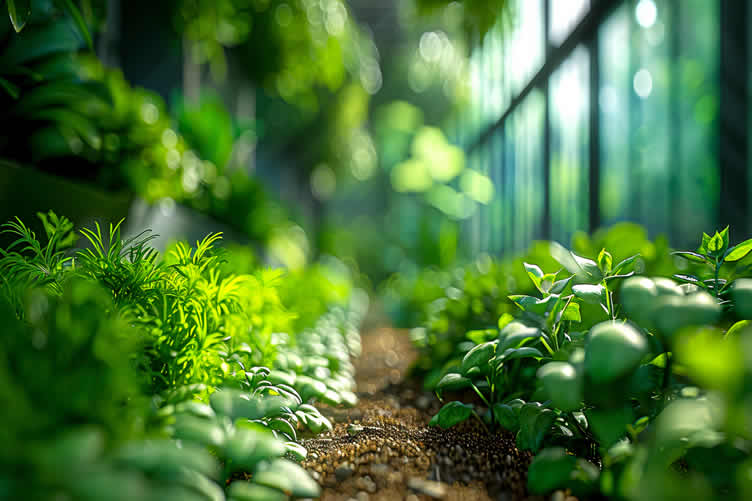
copyright image by 123rf.com
-
-
3rd Design Trend: Low-Maintenance Gardening
Increasing soil health and supporting plant growth are distinct advantages of using mulch in modern garden design. As low-maintenance gardens grow in popularity, using mulch in bulk has become a trending solution for reducing labor while enhancing garden beauty.
Whether you’re aiming to create a sophisticated landscape or a cozy nook, mulch can be a transformative element in your design toolbox.
With an array of mulch types available—from rich organic wood chips to sleek rubber mulch—you can tailor your garden’s aesthetic and functional properties to suit your personal style and environmental goals.
By opting for a bulk mulch delivery service provided by a company like Smitty’s Tree Service Inc, you can ensure that your garden benefits from premium materials without the burden of transporting them yourself.
This service allows you to focus on more creative aspects of garden design, such as pairing mulch tones with your plant selections or experimenting with multi-layered mulch beds to add texture and depth.
Strategically placed, mulch not only suppresses weeds and conserves moisture but also acts as a visually appealing ground cover that can define paths or create focal points. It’s about finding the perfect solution that helps balance efficiency with visual appeal, making your dream garden both beautiful and easy to maintain.

copyright image by 123rf.com
[ pinterest: low maintenance garden ]
[ youtube: landscaping mistakes that lead to more work ]
—— view more about new trends in garden design ——
Beyond Mulch: Other Low-Maintenance Tactics
Embracing new trends in garden design, beyond just adding mulch, can ensure your garden remains low-maintenance yet vibrant and beautiful. Here are additional strategies to consider:
-
Choose Low-Water Perennials
Opting for low-water perennials can significantly reduce the amount of time you spend watering your garden. These plants are drought-resistant, making them ideal for maintaining a lush look with minimal effort.
Not only do they conserve water, but they also thrive in challenging conditions, embodying new trends in garden design focused on sustainability.
-
Avoid High-Maintenance Plants
Steering clear of high-maintenance plants is a straightforward tactic for any low-maintenance garden enthusiast. These plants typically require more attention in terms of pruning, fertilizing, and pest management, which can be time-consuming.
Selecting plants with minimal care requirements aligns with the trend of creating gardens that offer more enjoyment and less labor.
-
Consider Raised Garden Beds
Raised garden beds offer a multitude of advantages such as improved drainage, reduced weed growth, and ease of access. They also allow for better control of soil quality, enabling you to create an ideal growing environment for your plants.
Raised beds are a staple in new trends in garden design that prioritize efficiency and plant health.
-
Go Vertical
Utilizing vertical space in your garden is both a modern trend and a practical solution for maximizing small areas. Vertical gardening saves space, reduces weeds, and adds a dynamic visual element to your garden design.
Whether through trellises, stacked planters, or wall-mounted pots, the possibilities are endless with this low-maintenance approach.
-
Utilize Ground Covers
Ground covers are low-growing plants that spread over the soil, offering a natural solution to suppress weeds and reduce erosion. They can replace traditional grass lawns, which often require significant care, with a more hands-off approach.
Implementing ground covers is part of a shift in garden design trends toward sustainable, low-impact gardening methods.
-
Incorporate Structures
Incorporating permanent structures can significantly enhance the functionality and aesthetic appeal of your garden. These elements (such a patios) not only fill space effectively but also provide a place for relaxation and social gatherings, making your garden an inviting extension of your living area.
Stone gardens offer a low-maintenance alternative to traditional plant beds, reducing the need for watering and care while adding a natural elegance to the landscape.
Pergolas can serve as a stunning focal point, offering shade and a framework for climbing plants, seamlessly merging architecture with nature.
By integrating these strategies with mulch, you can create a stunning, low-maintenance garden that not only reflects your personal style but also reduces the environmental impact, aligning with emerging trends in garden design.
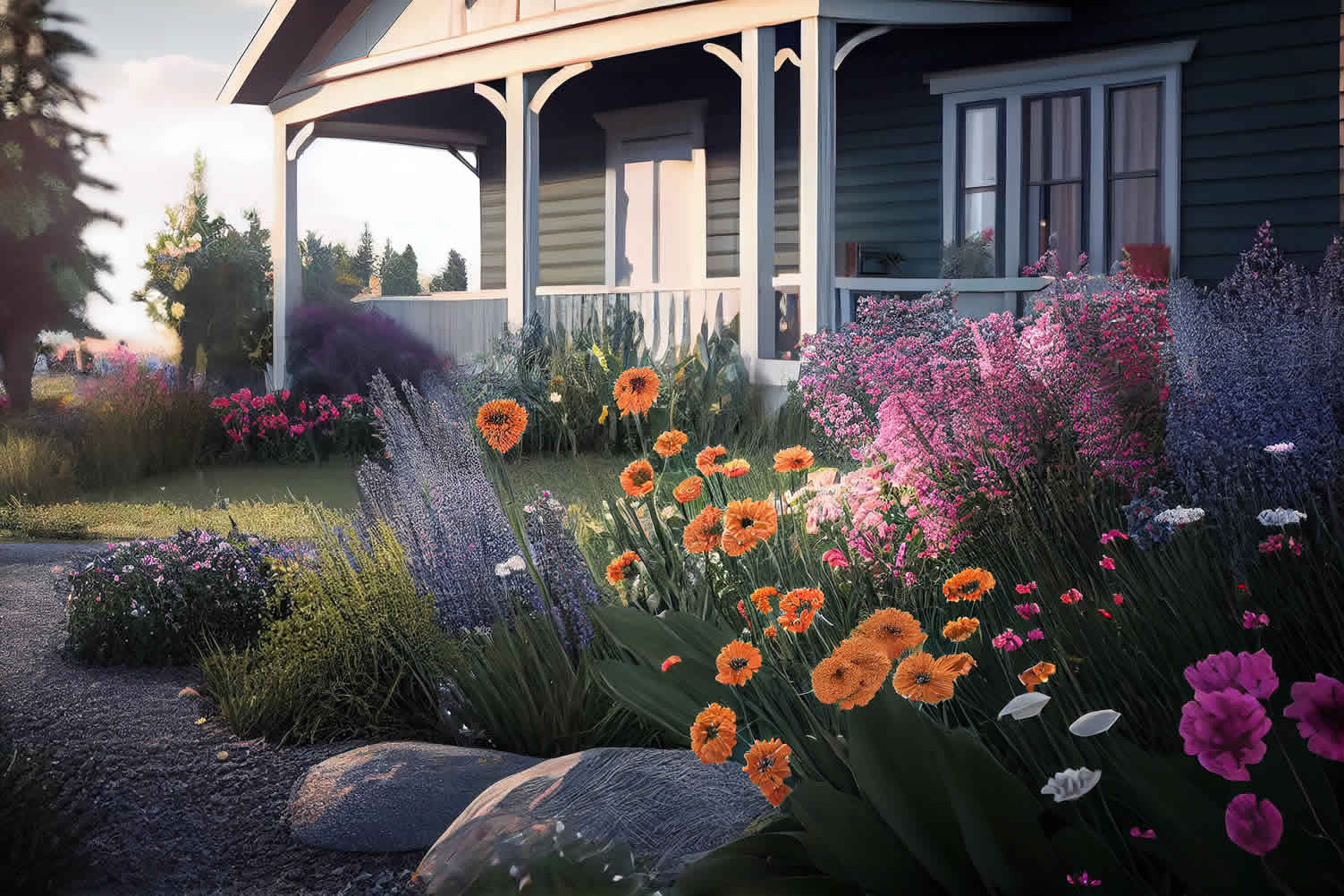
copyright image by 123rf.com
-
-
4th Design Trend: Opt for Vertical Gardens
Maximizing limited space with lush greenery and vibrant blooms has never been more achievable than through vertical gardens, a trend uniquely suited for modern urban living.
These gardens capitalize on vertical surfaces, transforming underused walls, fences, or even interior partitions into productive and aesthetic growing spaces.
Imagine your backyard fence adorned with a cascading mix of flowering vines like clematis and morning glories, offering both privacy and a picturesque view. By utilizing modular plant containers or fabric pockets, you can create living walls that bring an impressive array of colors and textures to your garden, boosting both its appeal and functionality.
When designing your vertical garden, consider choosing plants that thrive in your climate and direct sunlight exposure for optimal growth. Integrate a variety of plants such as herbs, succulents, or even strawberries, which can prosper in vertical setups.
Optimizing irrigation is crucial for success; drip irrigation systems can ensure efficient watering with minimal runoff. Additionally, by mounting your vertical structures against sturdy frameworks, you safeguard against wind damage, preserving your garden’s lush appearance.
Embracing this trend not only enlivens your outdoor or indoor space but also contributes to air purification and stress reduction, enhancing your overall well-being.
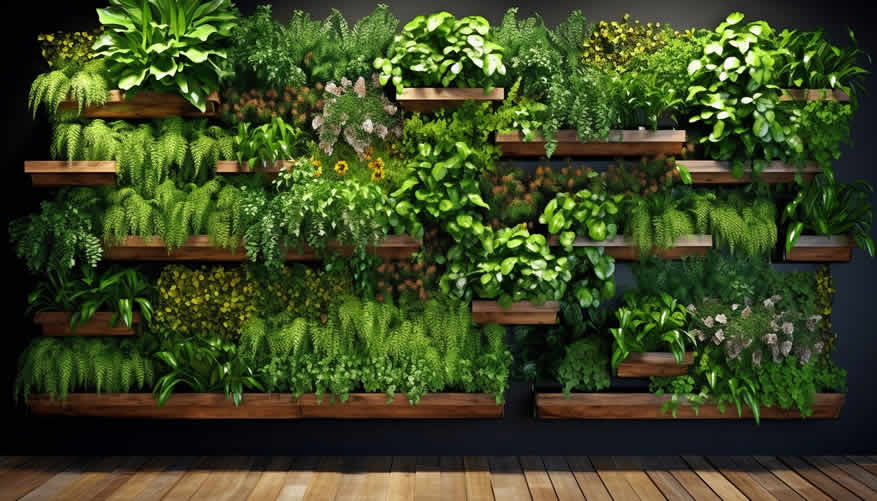
copyright image by 123rf.com
[ pinterest: design vertical garden ]
[ youtube: best 50 vertical garden ideas ]
—— view more about new trends in garden design ——
Starting an Outdoor Hydroponic Garden
Hydroponic vertical gardening is an innovative way to cultivate edible plants in a space-efficient manner, making it ideal for urban gardens where ground space is limited.
By utilizing vertical structures, you can create a thriving garden that provides fresh produce and integrates seamlessly into your existing garden design.
Some essential key components include:
-
Structure and Support
To begin, select a sturdy vertical structure that can support the weight of the hydroponic system and the plants it will contain. Options include metal frames, re-purposed wooden pallets, or commercially available vertical towers specifically designed for hydroponic gardening.
-
Hydroponic System Selection
Choose a hydroponic system that suits your needs and experience level. The nutrient film technique (NFT) or vertical aeroponics are popular choices for vertical gardens.
Both systems allow nutrient-rich water to be delivered efficiently to plant roots, promoting healthy growth.
-
Nutrient Solution
A balanced, commercial hydroponic nutrient solution is essential for providing plants with the necessary minerals and vitamins they would typically obtain from soil.
Ensure that the solution is compatible with the types of plants you wish to grow and is replenished regularly to maintain optimal nutrient levels.
-
Plant Selection
Select edible plants that thrive in hydroponic systems such as leafy greens, herbs like basil and mint, or even small fruiting plants like strawberries. Choosing the right plants for your climate and light conditions will help ensure a successful harvest.
-
Irrigation and Maintenance
Implement an automated irrigation system to consistently supply water and nutrients to the plants. Drip emitters or misters are effective for maintaining proper hydration and nutrient delivery in a vertical setup.
Regular maintenance, such as checking pH levels and ensuring pumps are functioning, will keep your garden thriving.
-
Benefits of Vertical Hydroponic Gardens
This form of gardening provides numerous benefits, including space optimization, reduced water usage, faster plant growth, and minimal soil-borne pests and diseases.
Additionally, the ability to closely monitor and adjust the garden environment leads to healthier plants and a more productive edible garden.
Embracing a hydroponic vertical garden allows you to produce fresh, homegrown food while enhancing your garden’s aesthetic and promoting sustainable practices.
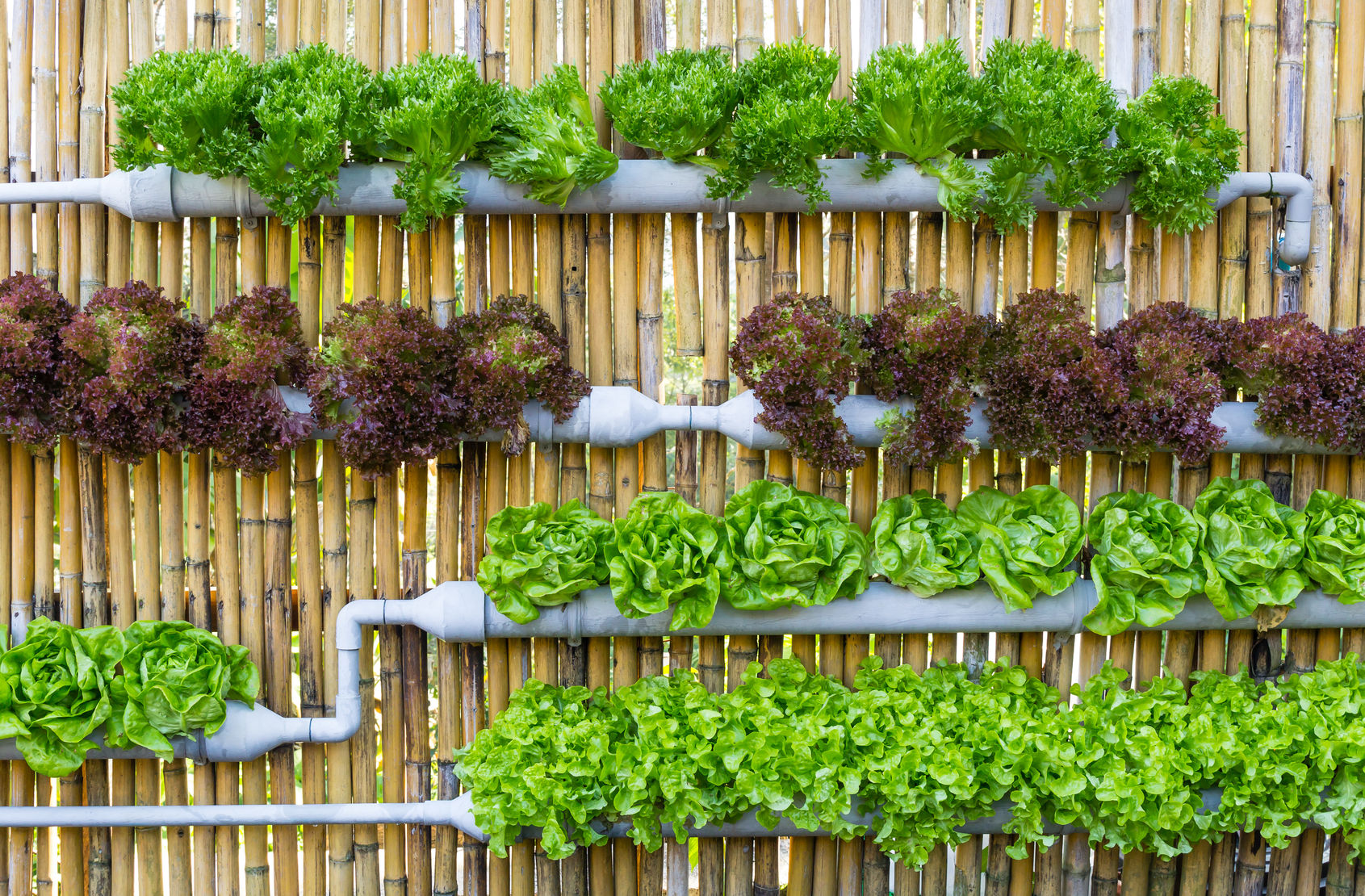
copyright image by 123rf.com
-
-
5th Design Trend: Utilize Sustainable Practices
Harnessing rainwater and re-purposing organic waste are setting modern gardens apart due to their knack for reducing resource dependence, unlike other trends. As you plan your dream garden, installing rain barrels enables you to capture and store runoff from roofs efficiently, providing an eco-friendly water reserve during dry spells.
By utilizing this sustainable resource for irrigation, you conserve municipal water supplies and reduce your utility bills. You can choose from various designs, from decorative barrels that blend seamlessly into the garden decor to simple, functional ones that focus purely on capacity.
This not only makes your garden environmentally responsible but also economical and resilient in times of water scarcity.
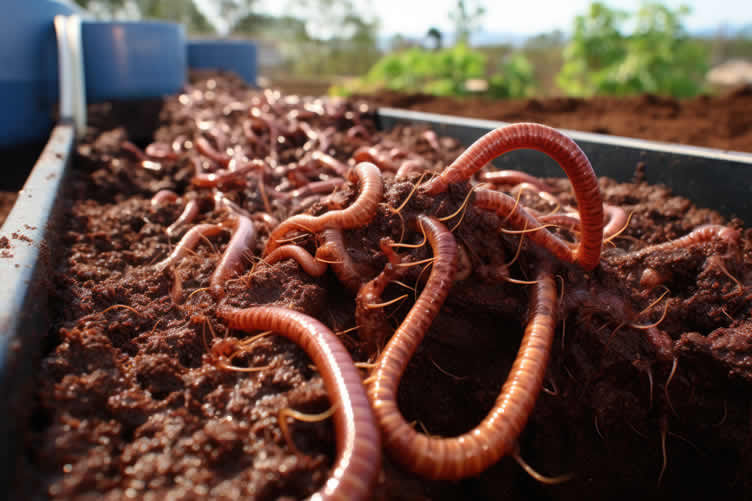
Composting household waste stands out as another groundbreaking practice in gardening today. By transforming kitchen scraps into nutrient-rich compost, you nourish your soil naturally, which reduces the requirement for chemical fertilizers.
Start small by using a compost bin or a designated composting area in your backyard. This organic matter not only enriches the soil but also enhances its structure, promoting healthier plant growth. Implementing this practice pays off by creating a thriving garden ecosystem that supports plant vitality and long-term sustainability.
As you integrate these sustainable practices into your garden design, you’re actively contributing to a greener planet, while enjoying a beautifully functional and cutting-edge garden space.
copyright image by 123rf.com
[ pinterest: sustainable garden ideas ]
[ youtube: how I built a sustainable suburban homestead ]
—— view more about new trends in garden design ——
Starting and Maintaining a Garden Compost Bin
Composting offers a practical and environmentally-friendly way to dispose of household organic waste while enriching your garden soil. As you explore new trends in garden design, integrating a compost bin is an effective approach to boosting garden health and sustainability.
The process begins with selecting a suitable compost bin, which will serve as the core of your composting system.
-
Types of Compost Bins
When choosing a compost bin, consider the space available in your garden and your specific needs. There are various types to choose from, including traditional stationary bins, tumbling composters, and worm composting systems.
Stationary bins are great for larger backyards, allowing ample space for gradual composting.
Tumbling composters are ideal for quick aeration and easy turning, which hastens the decomposition process.
If you’re looking to compost in limited space or indoors, consider a worm bin, where earthworms aid in breaking down organic matter efficiently.
-
Getting Started with Composting
To embark on your composting journey, begin by selecting a prime location for your bin—a spot with good drainage, partial sunlight, and easy access.
Start layering your bin with a balanced mix of green waste, such as fruit and vegetable scraps, and brown materials like dry leaves or shredded paper. This balance provides the right carbon-to-nitrogen ratio necessary for efficient decomposition.
Regularly turn or rotate your compost to keep it aerated, and ensure adequate moisture by maintaining a texture similar to a wrung-out sponge.

copyright image by 123rf.com
-
-
6th Design Trend: Enhance with Outdoor Lighting
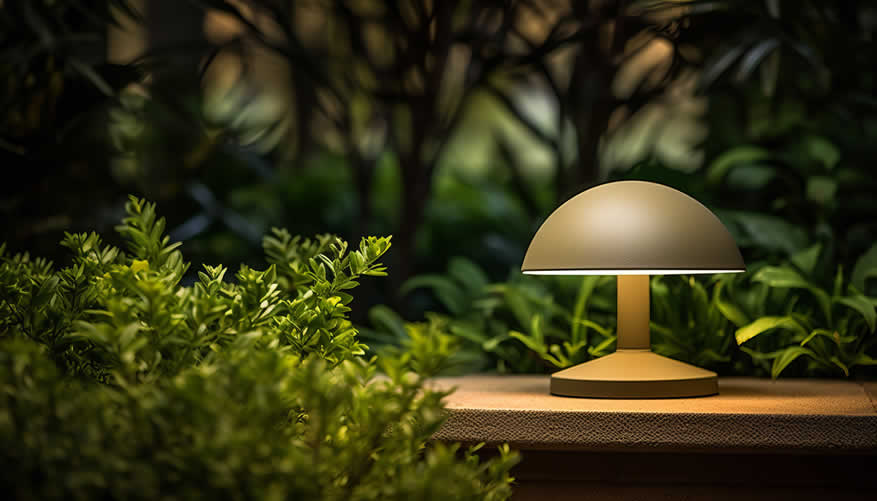
Installing outdoor lighting in your garden ensures you enjoy your outdoor space even after the sun goes down, transforming it into a nighttime retreat. This modern garden trend strategically highlights architectural features, creates inviting pathways, and enhances the ambiance of your outdoor gatherings.
You can choose from a range of lighting options, including LED string lights for a festive feel, elegant lanterns for a rustic touch, or in-ground lights to illuminate walkways without obstructing views.
The latest trend focuses on integrating smart lighting systems, allowing you to control the intensity and color of your lights with ease from your smartphone or home assistant, thereby customizing your garden’s evening atmosphere to suit every occasion.
Solar-powered lighting is at the forefront of environmentally conscious garden design. It captures daytime energy to illuminate your garden by night, reducing energy consumption and utility costs.
For aesthetic impact, consider moonlighting effects, created by placing lights high in trees to cast gentle, natural shadows that mimic moonlight. For safety and visibility, path lights or uplights can enhance both aesthetics and security, ensuring your garden remains both beautiful and safe.
By staying on top of this trend, you not only extend the usability of your garden but also showcase your commitment to modern, sustainable living practices. Engage with this lighting innovation to transform your garden into a stunning showcase that captivates both day and night.
copyright image by 123rf.com
[ pinterest: outdoor lighting design ]
[ youtube: how to install landscape lighting ]
—— view more about new trends in garden design ——
Enhancing Your Garden with Outdoor Lighting
Outdoor lighting is a crucial component in elevating the functionality and aesthetic appeal of your garden. This modern trend is essential in the realm of new trends in garden design, providing both practicality and beauty that can be tailored to fit any setting.
Thoughtfully placed lighting elements can transform a garden by night, creating a warm, welcoming ambiance that draws people in.
[ see below: landscape lighting ]
-
Bullet Lighting
Bullet lighting is perfect for highlighting specific areas or features of your garden. These directionally focused lights offer a concentrated beam, ideal for accentuating tall trees, sculptures, or architectural structures.
This targeted approach is a hallmark of new trends in garden design, adding drama and highlighting focal points within your outdoor space.
-
Well Lighting
Well lighting is a discreet way to add depth and dimension to your garden. Installed at ground level, these lights are optimal for illuminating objects from the base, such as walls, garden statues, or low plants, creating subtle yet powerful visual interest without visible fixtures.
-
Downlights
Frequently used for layered lighting effects, downlights provide a soft, ambient glow from above. They are strategically placed to shine downward, emulating natural moonlight.
This design technique aligns with current trends, offering a gentle and natural illumination for larger garden areas.
-
Flood Lights
Flood lights are used to illuminate widespread areas, ensuring security and visibility around your property. These powerful lights are ideal for highlighting larger landscapes, providing both safety and enhanced aesthetics after dark.
-
Path Lighting
Enhancing both security and aesthetics, path lighting guides guests along garden pathways. These low-level lights not only illuminate walkways but also contribute to the overall design, highlighting garden borders and textures.
-
Spot Lighting
Spot lighting is the go-to choice for pinpointing specific elements you wish to highlight. Similar to bullet lighting, these fixtures cast focused beams on plants or structures, integrating key design elements into the new trends in garden design narrative.
-
Hardscape Lights
Integrating well with patios, steps, and walls, hardscape lights are built into stone or masonry elements. They enhance structural features and add a sophisticated atmosphere to your outdoor spaces, underscoring the intricate craftsmanship of your garden’s hardscape components.
-
Underwater Lights
For gardens with water features, underwater lights illuminate ponds, fountains, or pools, creating a serene and enchanting spectacle. Playing with water’s natural reflections, they contribute to a dynamic and captivating nighttime garden experience.
-
Deck and Step Lights
Safety is paramount with deck and step lights, which are installed into decks or stair risers. These lights ensure safe navigation while casting a soft, inviting glow that complements the structural design of your outdoor living areas.
-
Specialty Lighting
Embrace creativity and whimsy with specialty lighting options such as string lights, solar-powered flower lights, or other unique fixtures.
These elements provide decorative flair and align with sustainable practices, which are key aspects of the latest garden design trends. Specialty lights can effortlessly transition your garden into a vibrant, festive haven.

copyright image by pixabay.com
-
-
7th Design Trend: Embrace Biophilic Design with Professional Help
Biophilic design, a trending concept in modern garden landscapes, emphasizes connecting people with nature within their living spaces. To expertly incorporate this trend into your garden, consider enlisting landscaping design services, which can tailor your outdoor area to this naturalistic vision effortlessly.
Professional landscapers bring invaluable expertise in selecting plants and planning layouts that reflect your personal tastes while harmonizing with your property’s unique features.
They excel in understanding local climates and adapting designs to suit both small and expansive spaces, transforming potential landscaping obstacles into creative opportunities.
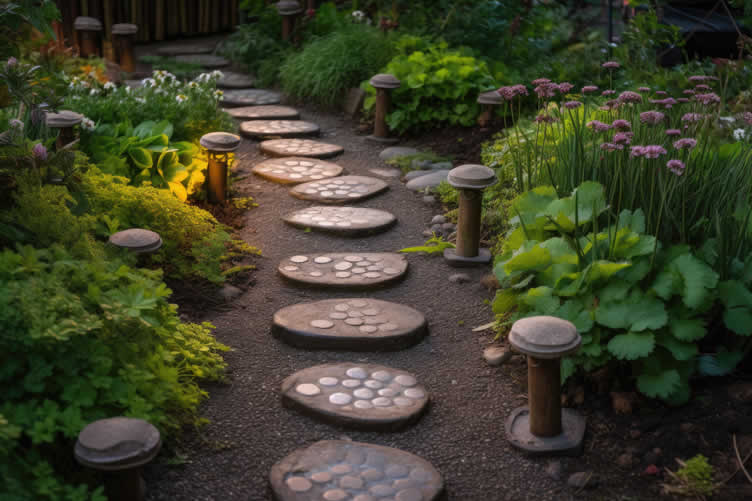
Engaging a landscaping design service professional such as AE Quality Landscaping ensures that every garden element—from plant selection to the installation of naturalistic hardscapes like stone paths or water features—is thoughtfully aligned with biophilic principles.
These experts offer custom solutions for challenges such as drainage, sunlight exposure, or soil conditions, which might be overwhelming to tackle independently. With their skills, you can seamlessly integrate elements like green walls or living roofs, optimizing your garden for health and well-being while staying aligned with the latest sustainable trends.
By adopting biophilic design through professional guidance, you invest in an aesthetically pleasing and functionally efficient garden that enhances your connection to nature and elevates urban living spaces.
copyright image by 123rf.com
[ pinterest: biophilic design garden ]
[ youtube: transform outdoor space into garden sanctuary ]
—— view more about new trends in garden design ——
Designing a Sensory Garden
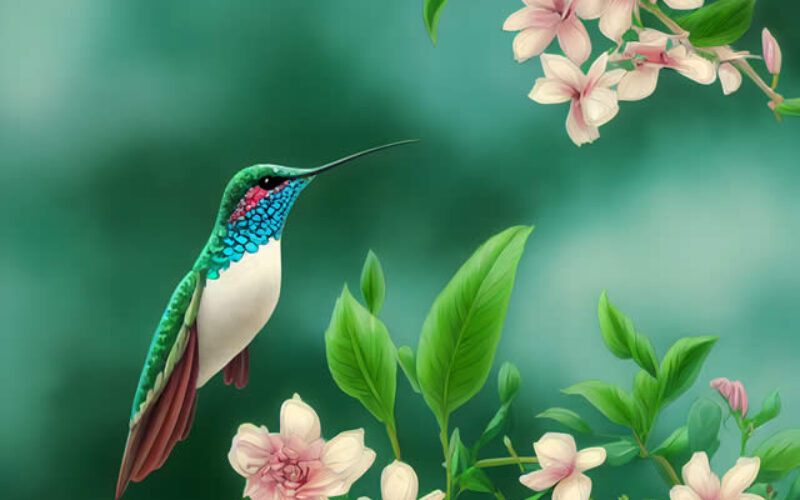
A sensory garden is an immersive experience that engages all five senses, providing a space that promotes relaxation, inspiration, and mindfulness.
These gardens are ideal for everyone, from families to individuals seeking a tranquil refuge or therapeutic environment. Incorporating a variety of elements that stimulate the senses not only enriches the garden experience but also fosters a deeper connection with nature.
-
Sight
The visual appeal of a sensory garden is crafted through the use of vibrant colors and dynamic textures. Consider planting a diverse array of flowers and foliage to create visual contrast and interest. Incorporating plants like sunflowers, marigolds, and lilacs, which come in vivid hues, can brighten up the space instantly.
Structural elements like sculptures, trellises, or colorful garden ornaments can further enhance the visual allure. Lighting is another vital component, whether it involves solar lanterns, fairy lights, or strategically placed spotlights to create ambiance and accentuate features at dusk.
-
Sound
To engage the auditory sense, introduce elements that produce soothing or dynamic sounds. Installing a water feature, such as a bubbling fountain or a babbling brook, provides a calming auditory backdrop.
Further, wind chimes placed at strategic points can add dimension with their gentle melodies carried by the breeze. Consider selecting plants known for their rustling leaves, like bamboo or ornamental grasses, adding to the serene soundscape of your garden.
-
Smell
The fragrance of a sensory garden can evoke memories and emotions. Select plants renowned for their aromatic qualities, such as lavender, rosemary, or jasmine, which release their scents especially during midday or evening hours.
Planting herbs or flowers with sweet or spicy aromas along walkways ensures the fragrance is noticeable as you move through the garden.
-
Taste
Incorporating edible plants allows visitors to engage their taste buds. Herb gardens, featuring basil, mint, or thyme, are excellent for this purpose, providing fresh flavors for cooking and garnishing.
Fruit-bearing plants like strawberries, blueberries, or apple trees can be both ornamental and fruitful, offering delightful treats and seasonal interest.
-
Touch
Textural variety in a sensory garden heightens the tactile experience. Plant choices should include those with contrasting textures, such as the soft leaves of lamb’s ear or the rough bark of birch trees.
Consider interactive elements like sand or rock gardens, where visitors can physically engage with textures. Ensure pathways are a mix of materials, such as gravel, wood, or smooth stone, so that every footstep provides a new sensation.
By carefully selecting and placing sensory elements, a garden can become a restorative haven that welcomes exploration and nurtures well-being, offering an escape from the hustle and bustle of everyday life.
copyright image by 123rf.com
-
-
8th Design Trend: Incorporate Water Features
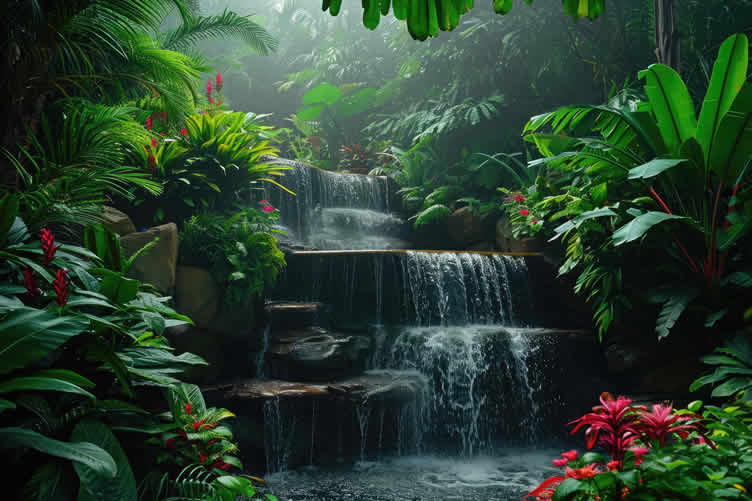
Infusing your garden with water features introduces a unique sensory element that few other installations can match, making it an exciting focus of modern garden trends.
Consider, for instance, the soothing soundscapes created by cascading fountains or gently flowing streams. These auditory experiences not only elevate your garden’s ambiance but also serve as natural stress relievers, offering a peaceful retreat from the hectic pace of daily life.
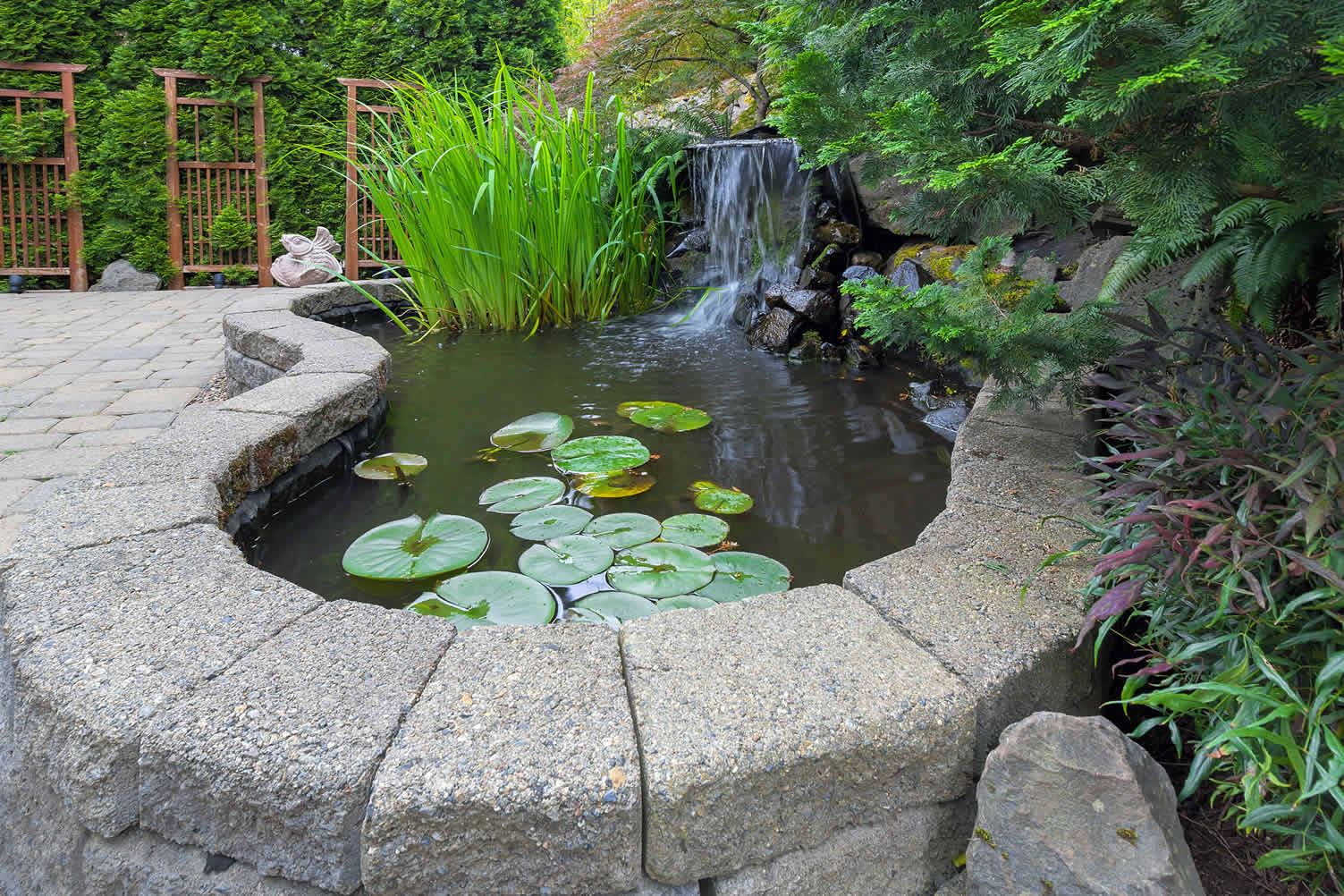
As you explore water feature options, you’ll find a plethora of designs to match your style—be it the minimalistic elegance of a contemporary sculpture or the naturalistic appeal of a rock-lined pond teeming with aquatic plants.
Incorporating water features also offers a unique opportunity to support local wildlife. Strategically placed ponds or birdbaths invite birds, dragonflies, and other beneficial creatures into your garden, contributing to a vibrant ecosystem.
Imagine a pond graced with lily pads and surrounded by native grasses—this creates a multi-functional habitat while adding visual interest. For a low-maintenance option, recirculating water systems powered by solar panels can align with your sustainable gardening goals, reducing environmental impact while keeping operational costs minimal.
By leveraging these innovative water elements, you transform your garden into a dynamic and serene escape that adapts beautifully to modern aesthetic and ecological sensibilities.
copyright image by 123rf.com
[ pinterest: landscape water features ]
[ youtube: best 100 water features ideas ]
—— view more about new trends in garden design ——
Understanding How-To and Maintain Water Elements
Before you embark on incorporating water features into your garden, it’s essential to understand the building and maintenance requirements. Proper planning and regular upkeep ensure these installations remain a delightful aspect of your garden design, aligning with new trends in garden design.
Below, we delve into the construction and care essentials of various water features.
[ see below: water element types ]
-
Pond
Building a pond starts with selecting a spot that receives adequate sunlight. Once you’ve marked your location, excavate to your desired depth and shape, using a pond liner to prevent water seepage. Adding native plants around the pond enhances its ecological value and aesthetics.
Maintenance involves regular cleaning of debris, monitoring water levels, and ensuring a balanced pH to support aquatic life.
-
Fountain
Fountains, as striking focal points, can range from simple wall-mounted designs to elaborate tiered installations. When building, consider the water pump’s capacity to ensure a smooth and consistent water flow.
Maintenance involves periodic cleaning of the pump and water lines to prevent clogging, and treating the water to avoid algae buildup, preserving its serene flow in line with the latest garden trends.
-
Water Stream
Creating a water stream involves crafting a pathway with flexible pond liners and embedding stones for a natural finish. The pump should have enough power to circulate water from a lower basin back to the stream’s source.
Maintenance requires inspecting the pump and water channels for blockages, alongside monitoring for erosion that could affect the stream’s integrity under evolving garden styles.
-
Bird Baths
Birdbaths are simpler to install, mainly involving a sturdy base and basin in an open area to attract wildlife.
Maintenance requires replenishing and cleaning to ensure fresh water for birds. Features such as solar-powered pumps can be added for water circulation, which also contributes to new sustainable garden practices.
-
Other Water Features
Other water elements, such as misting systems or decorative waterfalls, require specific installation steps based on design complexity. They often demand strategic placement and may integrate advanced technology, aligning with contemporary garden trends.
Regular maintenance includes cleaning nozzles, checking water sources, and assessing the overall operation to ensure prolonged enjoyment and minimal environmental impact.
Embracing these water elements while adhering to maintenance can solidify your garden’s status as a dynamic, serene space that adheres to modern design trends, fostering both beauty and ecological responsibility.
copyright image by 123rf.com
-
-
9th Design Trend: Think Beyond Borders with Patio Enclosures
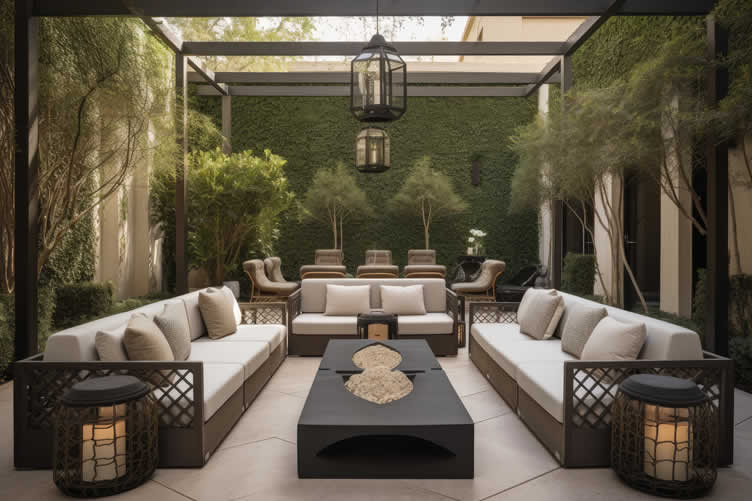
Transforming your outdoor space into an extension of your living area is a unique advantage offered by patio and porch enclosures, allowing you the luxury to enjoy nature without the discomfort of pests or the unpredictability of weather.
As a modern garden trend, these enclosures provide a sheltered yet open area that seamlessly blends the comforts of indoors with the beauty of your garden, creating a multifaceted space for relaxation and entertainment.
You can host gatherings, enjoy meals in tranquility, or unwind with a good book, all while being surrounded by your garden’s lush ambiance.
When considering this addition, working with a skilled patio and porch enclosure contractor can be invaluable in bringing your dream garden space to life. Experts can tailor the design to fit your specific aesthetic and functional needs, ensuring that every detail from materials to layout enhances both your lifestyle and garden design.
Choose from a variety of options like glass, screened, or retractable enclosures, each providing different levels of openness and protection that align with your vision and local climate.
By engaging with this modern trend, you don’t just expand your home’s footprint; you create a tailored retreat that maximizes comfort and utilizes your outdoor space creatively and effectively.
copyright image by 123rf.com
[ pinterest: patio enclosure ideas ]
[ youtube: patio enclosures – the best of both worlds ]
—— view more about new trends in garden design ——
Patio Designs to Consider
When planning your patio enclosure, the design you choose will have significant impacts on aesthetics, functionality, and overall enjoyment of your outdoor space.
Here are some patio designs to consider, each uniquely suited to different preferences and needs.
[ see below: patio designs ]
-
Traditional Stone Patio
A traditional stone patio offers a timeless appeal that can seamlessly blend with a wide range of architectural styles. Using materials like flagstone, slate, or bluestone, these patios are durable and provide a rustic, natural look.
The stone’s texture and color can enhance your garden while providing a sturdy surface for furniture, making it ideal for dining or social gatherings.
-
Modern Concrete Patio
Sleek and minimalist, a modern concrete patio can elevate your garden with its clean lines and contemporary appeal. Concrete can be stained, stamped, or painted to mimic more expensive materials, giving you the look of high-end stone or tile without the cost.
This design is perfect for those who favor simplicity and want to incorporate a modern flair into their outdoor area.
-
Cozy Cottage Patio
For an inviting and comfortable atmosphere, consider a cozy cottage patio design. This style often features bricks or small pavers and is complemented by an abundance of greenery and vibrant, soft furnishings.
It’s perfect for creating a warm and welcoming space that feels like a natural extension of your garden, ideal for relaxation and intimate gatherings.
-
Mediterranean-Inspired Patio
A Mediterranean-inspired patio combines elegance with exotic charm, often employing terracotta tiles, bright mosaics, and wrought iron furnishings.
This design is fantastic for those looking to create a sun-drenched retreat reminiscent of a coastal villa. Incorporating elements such as a water feature or an abundance of climbing vines can further enhance the ambiance.
-
Japanese Zen Garden Patio
Creating a peaceful sanctuary, a Japanese Zen garden patio is characterized by simplicity, minimalism, and a balance between natural elements such as rocks, water, and plants.
Use gravel or small stones to outline pathways or geometric designs, and consider adding a water fountain or bamboo features. This design emphasizes mindfulness and serenity, perfect for those seeking a meditative space.

copyright image by 123rf.com
-
-
10th Design Trend: Install Smart Irrigation Systems
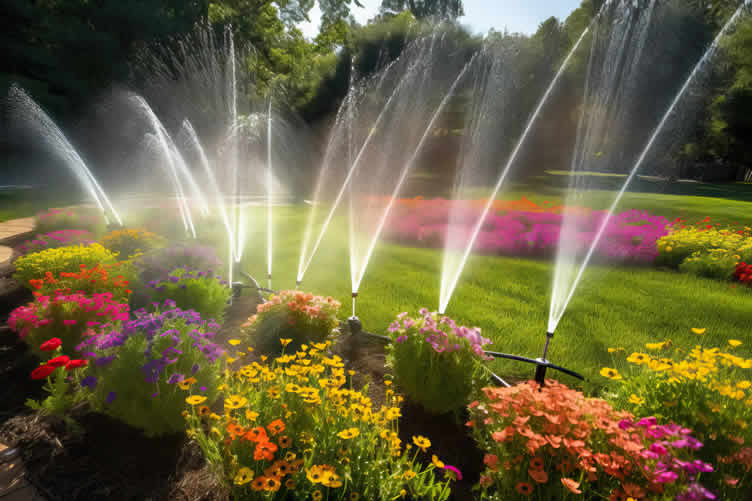
In recent years, smart irrigation systems have become an essential trend in modern gardening, providing a sustainable and efficient way to water your landscape.
These systems utilize advanced technology to monitor weather patterns, soil moisture, and evapotranspiration rates to determine the optimal watering schedule for your garden.
By replacing traditional timers with smart controllers, you ensure that your plants receive the right amount of water precisely when they need it, preventing both overwatering and underwatering.
Smart irrigation systems can be managed through smartphone apps, offering convenience and control at your fingertips. You can adjust settings remotely, receive alerts about potential issues, and access water usage reports to optimize conservation.
These systems not only reduce water waste and lower utility bills but also promote healthier plant growth by delivering water efficiently.
As cities face increasing water restrictions, adopting smart irrigation solutions aligns your gardening practices with sustainable living goals while keeping your garden thriving and vibrant.
copyright image by 123rf.com
[ pinterest: automated yard irrigation system ]
[ youtube: smart garden irrigation ]
—— view more about new trends in garden design ——
Benefits of Smart Irrigation Systems
Smart irrigation systems offer numerous advantages that transform traditional gardening into a sustainable, efficient practice. By utilizing technology to tailor watering schedules, these systems optimize water usage and promote environmental conservation.
Below are detailed descriptions of several key benefits of smart irrigation systems:
-
Water Conservation
Smart irrigation systems are designed to significantly reduce water waste by using sensors and data analytics to monitor soil moisture levels and local weather conditions. This precision ensures that plants receive the optimal amount of water, minimizing unnecessary usage.
By automatically adjusting irrigation schedules based on real-time data, these systems help conserve a valuable natural resource and contribute to more sustainable gardening practices.
-
Cost Savings
While the initial investment in smart irrigation technology may seem daunting, the long-term financial benefits are substantial. By preventing overwatering, these systems save on water bills, as less water is wasted.
Also, the systems help to prolong the lifespan of garden plants by providing them just the right amount of hydration, reducing the need for frequent replacements and gardening supplies.
-
Convenience and Control
Modern smart irrigation systems offer unmatched convenience, allowing gardeners to manage and monitor their irrigation schedules through user-friendly smartphone apps.
This remote access means you can check system status, make adjustments, and receive real-time notifications about any issues from anywhere, adding a layer of control and peace of mind to the gardening process.
-
Healthier Plants
By providing the right amount of water at the right time, smart irrigation systems enhance plant health by ensuring optimal growing conditions.
This targeted watering approach reduces the risk of diseases caused by overwatering and promotes robust root development and healthy growth. The result is a vibrant and thriving garden with less maintenance and intervention needed.

copyright image by 123rf.com
-
-
Conclusion
As trends continue evolving within the realm of garden design—emphasizing sustainability along with style—a wealth of exciting possibilities awaits those ready to embark on this journey towards creating their dream outdoor oasis!
By embracing new ideas such as incorporating native plants alongside edible landscapes; utilizing vertical solutions paired with sustainable practices; enhancing night-time allure through clever use of light; seeking professional aid when needed…there truly exists no limit when it comes down designing one’s very own
-
Quick scroll to more interior home and decor ideas …

-
ideas to view and compare from the photo above
book: garden designbook: water featuressoftware: landscape design
- What comments can you share about any new trends in garden design that you have installed?

… remodeling decisions


addressing new trends in garden design and other home n’ garden needs …

… grab this directory of ideas for future use







Budgeting Worksheet For Costing Home Remodeling and Home Improvement Decisions
 File Type (excel)


SHARE IT ..! You might have someone in your social network who could find this informative post about exciting new trends in garden design valuable. Feel free to share it on Facebook, X (formally Twitter), LinkedIn, or Pinterest!



plan the specifications you need for garden design changes and…

… other key home improvement and remodeling decisions
… view illustration “becoming a bank”

get the size dimensions for any home remodeling project …
… for functionality, aesthetics, and adhering to building codes
… home remodeling – improvement

Calendar For:
Home Maintenance
File Type:
… view our sharing links below for a quick "share the knowledge"
Find Yard n’ Garden Services Landscape Design Sprinkler Systems Metal Work Water Features Gazebos Play Equipment Outbuildings Fences top-rated, pre-screened local contractors FREE: download contractor selection enter zip code – powered by HomeAdvisor ™
Quick Contractor Guides selecting negotiating working with inspecting

Cover image credit: new trends in garden design by 123rf.com
end of post … please share it!
 |
did you find this new trends in garden design analysis helpful? If so, please share the article with your friends and family! |
Nice pic idea? Leave us a quick comment below.
And please share this pic idea within your social networks.