Summary Outline –
Have you noticed a musty smell in your home lately? Or perhaps you’ve seen some strange, dark spots on your walls or ceilings? If so, you could be dealing with mold. While it may seem harmless, mold can have serious implications for your health and home.
Mold is a type of fungus that thrives in damp, humid environments. It can grow both indoors and outdoors, and while some molds are relatively harmless, others can pose significant health risks.
Summary of Site Content
1st About Mold Tip: [view tip]
… this post analysis starts by exploring what mold is and how it forms in our homes. It reviews the various types of mold, including common ones, dangerous varieties, and even beneficial molds used in making cheese and medicines.
2nd About Mold Tip: [view tip]
… the second section examines the types of mold found both inside and outside a home. It details how to identify mold, where to search for potential mold growth, and the various types of mold that can exist.
3rd About Mold Tip: [view tip]
… moving on, the third section explores the impact of mold growth on our health, detailing the effects it can have on respiratory systems, allergies, and more serious health issues.
4th About Mold Tip: [view tip]
… the fourth and most crucial section delves into the steps for effectively removing and containing mold-infested areas, as well as strategies to prevent its recurrence.
5th About Mold Tip: [view tip]
… the fifth and final section provides essential tips to prevent mold growth in the home. It covers maintaining low humidity levels, fixing and detecting potential leaks, ensuring proper ventilation, and evaluating the installation of a centralized ventilation system.
In this blog post, we’ll walk you through everything you need to know about mold, the different types you might encounter, how they can affect your health, and the best ways to remove and prevent mold in your home.
By the end of this review, you’ll have a comprehensive understanding of mold and will be equipped with practical tips to keep your home mold-free.

-
Quick scroll to first topic about understanding mold growth …

first “understanding mold growth” idea

copyright image by 123rf.com
About Mold Tip 1: What is Mold and How Does It Form?
Notes:
-
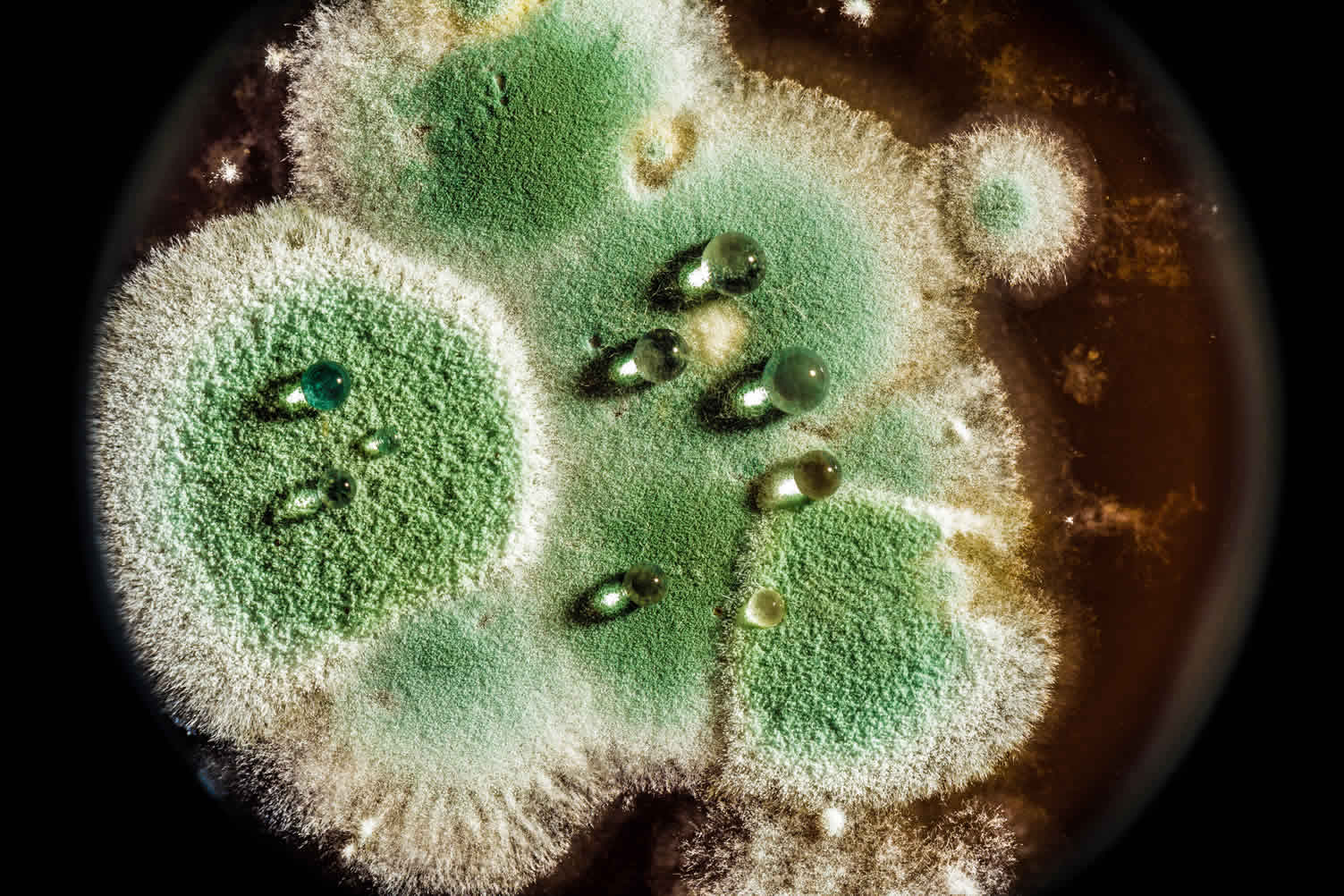
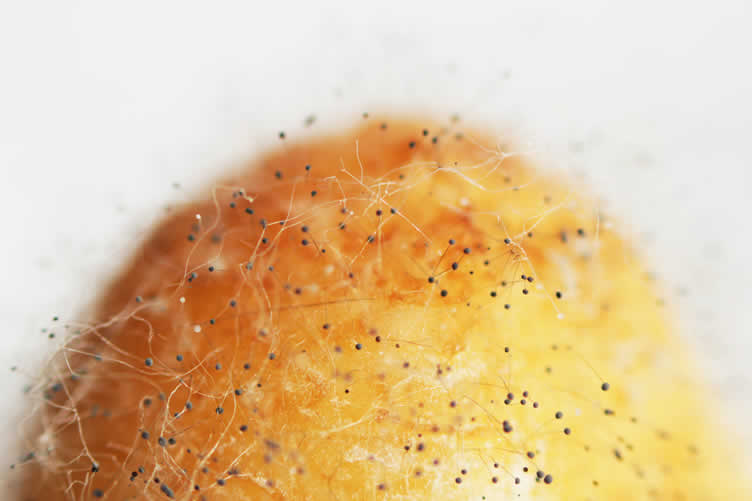
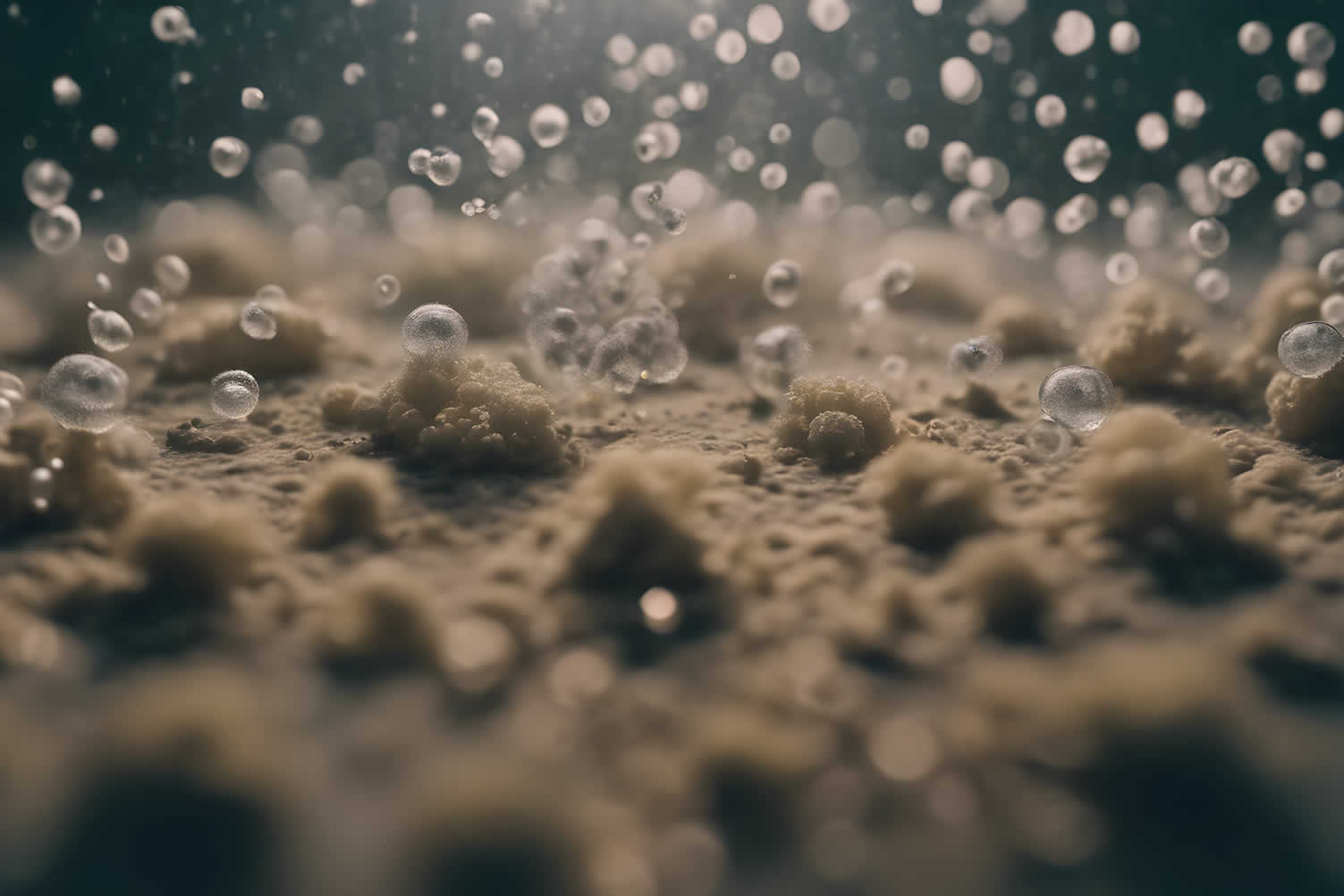
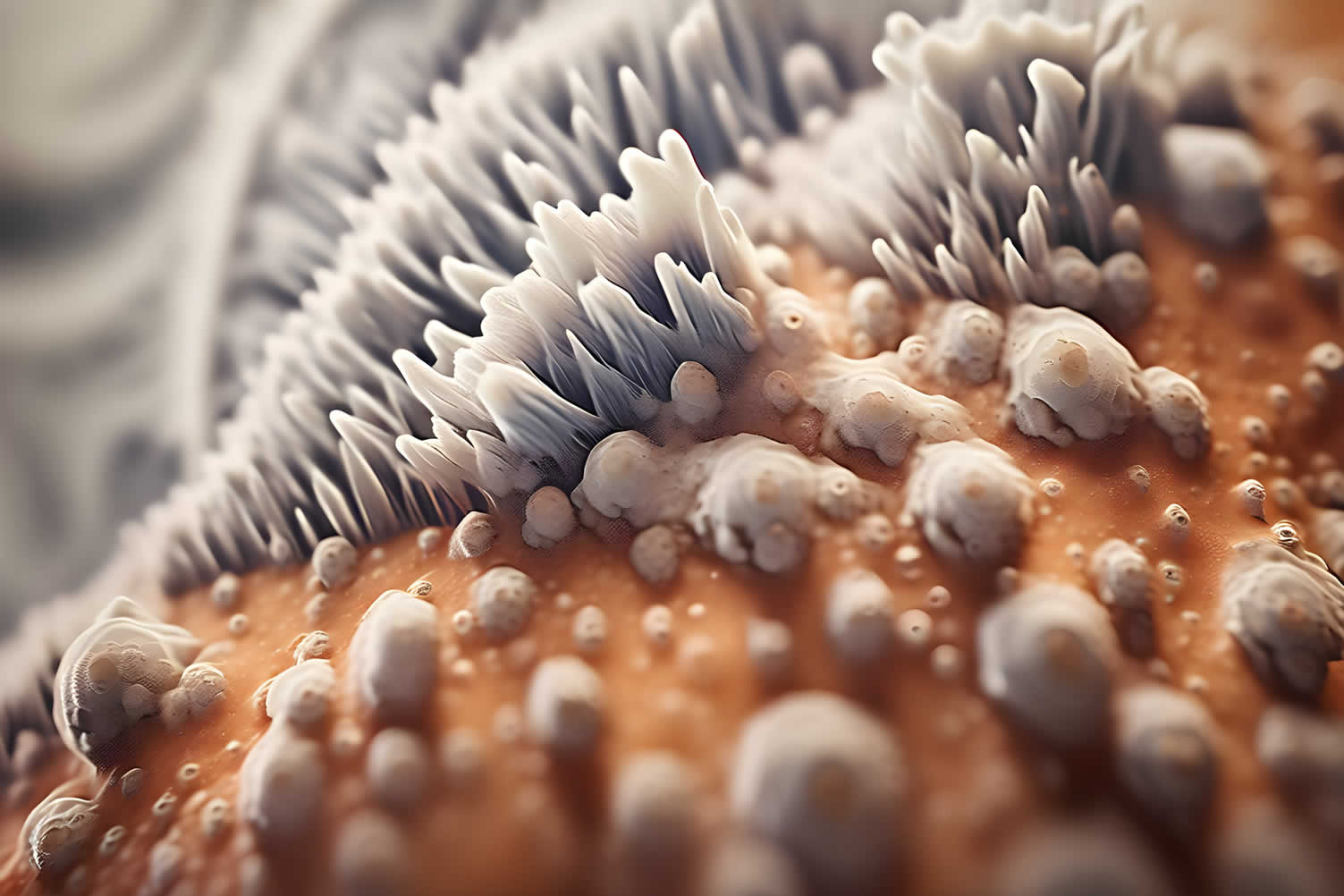
Mold is a diverse and ubiquitous group of fungi that thrives in moist environments. It reproduces through lightweight spores that travel through the air and settle on various surfaces.
Once these spores land in a suitable environment, often one that is damp and rich in organic materials, they begin to grow and form colonies. These colonies can appear as black, green, white, or even orange patches, depending on the type of mold.
The process of mold formation starts with spores, which are microscopic and can easily go unnoticed. When these spores encounter a wet or humid area, they absorb moisture and start to germinate.
Within a few days, the spores can develop into mature mold colonies. Mold growth can be accelerated by factors such as poor ventilation, water leaks, and high humidity levels, making bathrooms, kitchens, basements, and areas with water damage particularly susceptible.
-
Quick scroll to “what and how mold form” side notes …
-
-
1st: Good Mold, Harmless Mold, and Bad Mold
Not all molds are created equal. While mold often has a negative connotation, it’s important to distinguish between good mold, harmless mold, and bad mold.
-
Good Mold
Good mold plays a vital role in various aspects of life, especially in food production and medicine. For instance, certain molds are essential in the production of cheeses like blue cheese, Roquefort, and Camembert, where they contribute to the unique flavors and textures.
Another example is Penicillium chrysogenum, a mold pivotal in the production of the antibiotic penicillin, which has saved countless lives since its discovery.
In agriculture, molds help decompose organic matter, enriching the soil and facilitating plant growth. Therefore, certain types of mold provide significant benefits to both humans and the environment.
-
Harmless Mold
Harmless molds are more common than we might think and generally do not pose a threat to human health. These molds often exist in the outdoor environment and are a part of the natural ecosystem.
They can be found growing on decaying leaves, wood, or compost piles. While these molds perform useful environmental functions, they can sometimes appear indoors.
Provided they are not growing in large quantities or on materials that foster pathogenic growth, they are usually nothing to worry about. Regular housekeeping and maintaining dry conditions help keep harmless mold from becoming a nuisance.
-
Bad Mold
Bad mold, on the other hand, poses significant health risks and can cause substantial damage to property. A notorious example is Stachybotrys chartarum, commonly known as black mold, which produces mycotoxins that can lead to respiratory issues, allergies, and even severe conditions such as chronic sinus infections and asthma exacerbations.
Other harmful molds include Aspergillus and Cladosporium, which can also cause allergic reactions and respiratory problems.
Bad mold often grows in damp, poorly ventilated areas and can spread quickly if not managed. It is crucial to address bad mold promptly through professional remediation services to mitigate health risks and prevent structural damage to buildings.
By understanding the differences between good, harmless, and bad molds, you can better manage and mitigate potential mold issues in your home, ensuring a safer and healthier living environment.
copyright image by 123rf.com
[ view illustration: how is mold formed illustration ]
[ youtube: what are mold spores? ]

-
-
2nd: Difference Between Mold and Mildew
Although mold and mildew are often mentioned interchangeably, they are distinct in many ways that are important to recognize for effective management and prevention.
-
About Mold:
Mold is a type of fungus that grows in the form of multicellular filaments called hyphae. It tends to be more invasive and damaging than mildew. Mold can appear in a variety of colors such as black, green, blue, or even red and has a fuzzy or slimy texture.
Mold typically thrives in moist, humid environments and can grow on various surfaces including walls, ceilings, and floors, particularly in areas that are poorly ventilated. It can cause significant structural damage to buildings and pose serious health risks if left unchecked.
-
About Mildew:
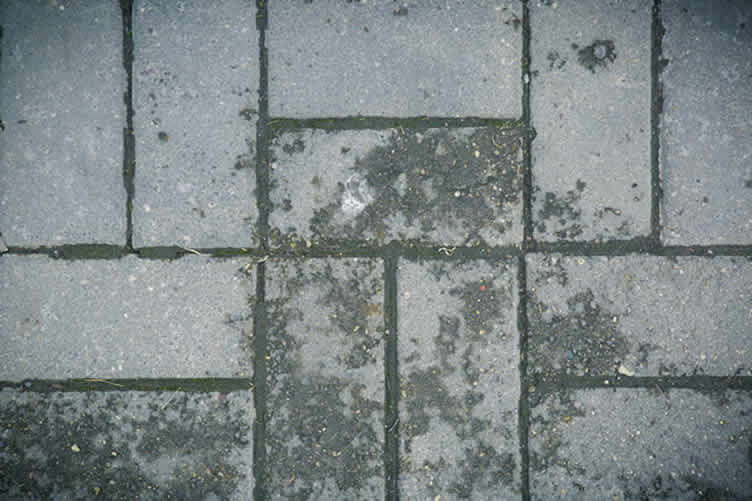
Mildew, on the other hand, is often considered a specific type of mold or a stage in its life cycle. It usually presents as a powdery or downy surface growth that is typically white, yellow, or gray in color.
Mildew is more likely to be found on organic materials like plant leaves, paper, fabrics, and wood. While it also prefers damp conditions, mildew is generally easier to remove and less damaging than mold.
However, it can still cause allergic reactions and respiratory issues, particularly among sensitive individuals.
-
How to Distinguish:
One of the easiest ways to distinguish between mold and mildew is by their smell. Mold often emits a strong, musty odor that can permeate throughout a space, whereas mildew tends to have a milder, albeit still unpleasant, scent.
Additionally, mold tends to penetrate the surface of materials it grows on, making treatment and removal more challenging. Mildew usually grows flat and remains on the surface, making it relatively easier to clean with household solutions.
Understanding these differences can aid in identifying the type of fungal growth present and determine the appropriate course of action for removal and prevention.
Whether dealing with mold or mildew, it’s essential to address the underlying moisture issues to prevent recurrence and maintain a healthy living environment.
copyright image by 123rf.com
[ images: mildew]
[ youtube: mold vs. mildew: what’s the difference?]
-
-
3rd: Using Mold in Cheese Cultivation
Mold plays a crucial role in the cultivation of certain types of cheese, contributing to their unique flavors, textures, and appearances. In cheese making, molds are carefully introduced into the cheese to promote the aging process.
Commonly used molds include Penicillium roqueforti and Penicillium camemberti. These molds are responsible for developing the characteristic blue veins in cheeses like Roquefort and the creamy, white rinds in cheeses like Camembert and Brie.
-
How It Is Done:
The process begins with the introduction of mold spores either into the milk or directly onto the cheese during the production stage. As the cheese ages, the mold grows and interacts with the cheese’s proteins and fats, breaking them down and creating complex flavors.
The presence of mold also helps to form the rind, which acts as a natural barrier, protecting the cheese’s interior while allowing it to develop its distinct qualities.
-
Type of Cheese:
Blue cheeses, such as Gorgonzola and Stilton, rely on the deliberate piercing of the cheese with long needles to allow air into the interior. This environment facilitates the growth of blue-green mold veins throughout the cheese. These veins contribute not only to the cheese’s appearance but also to its distinct taste and crumbly texture.
In contrast, soft-ripened cheeses like Brie and Camembert are surface-ripened. The molds applied to the surface form a bloomy rind that becomes progressively softer as the cheese matures. This type of mold growth results in a creamy texture and a rich, earthy flavor that is cherished by cheese enthusiasts.
-
Safety First:
While mold is essential in these cheese varieties, it is closely monitored to ensure it develops correctly and safely. The industrial cheese-making process adheres to strict sanitation and quality control practices to prevent contamination by undesirable mold types.
By understanding and leveraging the beneficial properties of mold, cheese makers can create a diverse array of cheeses that are beloved around the world.

copyright image by 123rf.com
[ view diagram: using mold to make cheese]
[ youtube: how it’s made: blue stilton cheese]
-
-
-
ideas to view and compare from the information discussed above
Scroll up to directory … or scroll to next section about understanding mold growth …


second “photo remodeling” idea
AI generated image by 123rf.com
About Mold Tip 2: Types of Molds Found Inside and Outside Homes
Notes:
-
Mold is a common, yet often unwelcome, inhabitant of our living environments. Its presence, whether inside or outside our homes, can lead to health issues and structural damage if left unchecked.
Understanding the types of mold and their preferred habitats is crucial for effective prevention and management.
-
Quick scroll to “types of mold” side notes …
-
-
1st: Indoor Molds
Indoor molds thrive in damp, humid environments typically found in basements, bathrooms, and kitchens. These areas often provide the perfect conditions for mold growth due to poor ventilation, leaky pipes, or high levels of moisture.
Common indoor molds include Aspergillus, Cladosporium, and Stachybotrys, each of which can pose health risks, especially to individuals with respiratory issues or weakened immune systems.
Regular cleaning, proper ventilation, and immediate repair of any water leaks can help prevent mold growth in these susceptible areas.
-
Aspergillus
Aspergillus is one of the most common indoor molds. It thrives in warm, humid environments and can often be found on foods and in air conditioning systems. While not all species of Aspergillus are harmful, some can produce mycotoxins that lead to various health problems.
-
Penicillium
Penicillium is another common mold that can be found indoors. It typically grows on water-damaged materials such as wallpaper, carpets, and insulation. This mold can spread quickly and is known for causing allergic reactions and respiratory issues.
-
Stachybotrys (Black Mold)
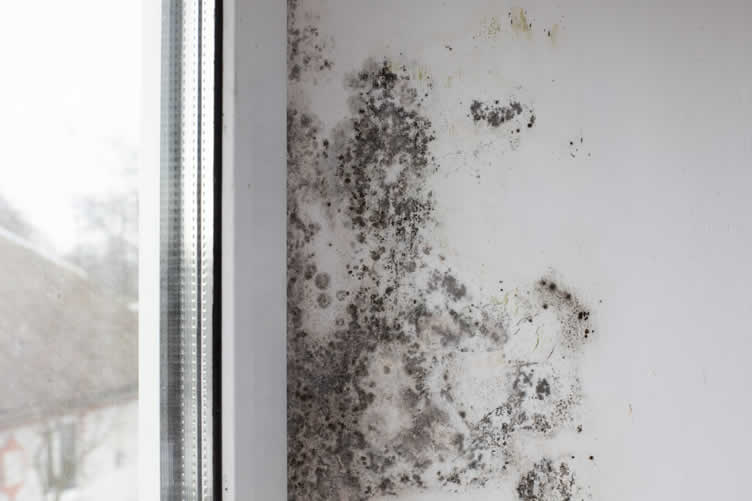
Stachybotrys, commonly known as black mold, is perhaps the most infamous type of indoor mold. It thrives in constantly damp conditions and is often found in homes with chronic water damage.
Black mold produces mycotoxins that can cause severe health problems, including respiratory issues and neurological symptoms.
-
Cladosporium
Cladosporium is a versatile mold that can grow in both cool and warm environments. It is commonly found on textiles, wood, and other damp, porous materials. This mold is known to cause allergic reactions, asthma attacks, and skin infections.
Given its adaptability, Cladosporium can be particularly challenging to control indoors, necessitating diligent moisture management and regular cleaning to prevent its spread.
copyright image by 123rf.com
Types of Home Mold (places found)
google imagesAcremonium (drainage areas) view samples Alternaria (showers, bathtubs) view samples Aspergillus (on walls) view samples Aureobasidium (wood surfaces) view samples Chaetomium (water damage) view samples Cladosporium (fabrics) view samples Fusarium (food) view samples Mucor (damp carpet, rugs) view samples Penicillium (food, mattress) view samples Stachybotrys (black mold) view samples Understanding Black Mold
google imagesAbout Black Toxic Mold view samples Black Mold Symptoms view samples What is Black Mold youtube How to Kill Black Mold youtube Types of Good Mold
google imagesPenicillium (makes penicillin) view samples Cheese (blue cheese, gorgonzola) view samples Mushrooms (growing) view samples Fermentation (the process) view samples -
-
2nd: Outdoor Molds
Outdoor molds are a natural and essential part of the environment, playing a vital role in breaking down and decomposing organic matter, which in turn enriches the soil and supports plant growth. Common types of outdoor molds include Cladosporium, Penicillium, Aspergillus, and Alternaria.
These molds thrive in damp, dark places and can be found on fallen leaves, compost piles, and other decaying organic materials.
While typically harmless, high concentrations of outdoor molds can sometimes trigger allergies or respiratory issues in sensitive individuals.
-
Alternaria
Alternaria is typically found outdoors on plants, soil, and other organic material. However, it can also enter your home and grow in damp areas such as bathrooms and kitchens. Alternaria is known for causing allergies and asthma attacks.
-
Cladosporium (Outdoor Strain)
Cladosporium is a mold that grows both indoors and outdoors. Outdoors, it’s commonly found on plant leaves and decaying organic material. It’s known for causing allergic reactions and can enter your home through open windows and doors.
-
Fusarium
Fusarium is primarily an outdoor mold that lives on plants and in soil. However, it can also grow indoors, especially in water-damaged buildings. Fusarium can cause infections in humans, particularly those with weakened immune systems.

AI generated image by 123rf.com
Types of Outdoor Mold
google imagesAlternaria (outdoor strain) view samples Cladosporium (outdoor strain) view samples Fusarium (outdoor strain) view samples -
-
3rd: Other Molds
In addition to the common indoor and outdoor molds, there are other varieties that may not fit neatly into these categories but still warrant attention.
These molds can thrive in unique environments such as damp basements, attics with poor ventilation, or behind walls with hidden leaks. Understanding and identifying these less common molds is crucial for maintaining a healthy living space and preventing potential health issues.
-
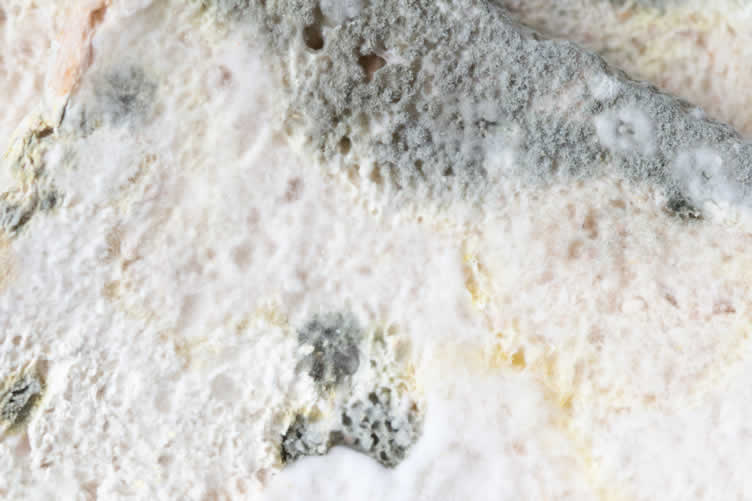
Acremonium:
Common in both outdoor and indoor environments, this mold often appears in humidifiers, cooling coils, and areas with water damage. It can cause a range of health issues, from sinusitis to more severe infections.
copyright image by 123rf.com
[ youtube: different types of mold by color ]
[ pinterest: types of home molds ]
-
-
4th: Signs of Mold: How to Identify
Identifying mold in your home early is crucial for preventing its spread and mitigating health risks. Mold can cause various health issues, including respiratory problems and allergic reactions, so it’s important to remain vigilant.
Here are some signs to look out for:
-
Visual Indicators
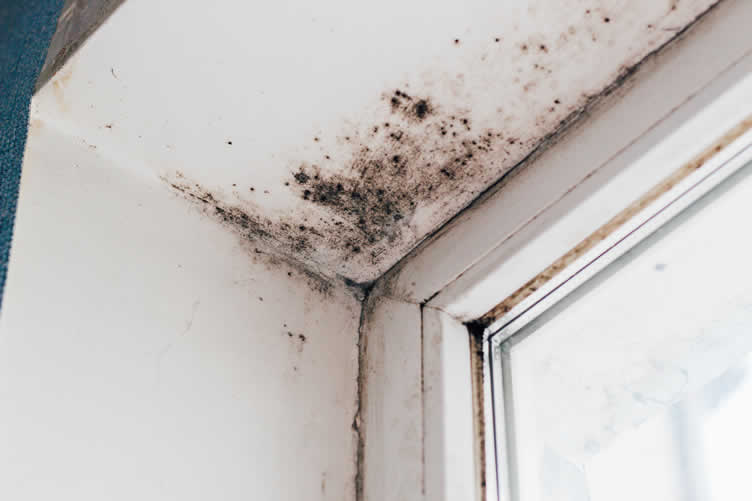
The most obvious sign of mold is visible growth. Mold can manifest as black, green, or white spots on walls, ceilings, and various surfaces, sometimes accompanied by a musty odor.
It often grows in areas with high moisture levels, such as bathrooms, basements, and kitchens, where leaks or poor ventilation are common.
-
Musty Odor
A persistent musty odor is a common indicator of mold and should not be ignored. If you notice a mildew-like smell in certain areas of your home, such as the basement, bathroom, or attic, it’s worth investigating further to see if mold is present.
-
Health Symptoms
If you or your family members experience unexplained allergic reactions, respiratory issues, or other health problems, it could be due to mold exposure. Pay attention to symptoms that worsen when you’re at home and improve when you’re away.
-
Peeling or Bubbling Paint or Wallpaper
Mold thrives in damp environments, and moisture can cause paint or wallpaper to peel or bubble. If you notice that your paint or wallpaper is deteriorating for no apparent reason, especially in areas prone to dampness like bathrooms and kitchens, it could be a sign of underlying mold growth.
copyright image by 123rf.com
[ view diagram: mold identification diagram ]
[ youtube: how to inspect for mold ]
-
-
-
ideas to view and compare from the information discussed above
Scroll up to directory … or scroll to next section about understanding mold growth …

addressing your understanding of mold and other home improvement needs …

… grab this directory of ideas for future use



May We Suggest Other Photo Remodeling Ideas About
“Doing Some Home Renovations and Upgrades …” (new win)


third “photo remodeling” idea

copyright image by 123rf.com
About Mold Tip 3: The Impact of Molds on Health
Notes:
-
Molds are fungi that thrive in moist environments, and they can be found in many homes without the homeowners even noticing. While they may seem harmless, these sneaky invaders can pose serious health risks.
For homeowners and health-conscious individuals, understanding the impact of molds on health is crucial. Mold exposure can lead to a variety of health issues, including respiratory problems, allergies, and even more serious conditions for those with compromised immune systems.
Awareness and proactive measures are essential to maintaining a healthy living environment.
-
Quick scroll to “health impacts” side notes …
-
-
1st: Respiratory Problems
One of the most significant health issues associated with molds is respiratory problems. When mold spores are inhaled, they can irritate the airways and lungs, leading to a range of respiratory conditions.
This is especially concerning for individuals with pre-existing respiratory issues.
-
Asthma and Mold
Asthma is a chronic condition characterized by inflammation and narrowing of the airways, making it difficult to breathe. Exposure to mold can trigger asthma attacks and worsen symptoms in individuals who already have the condition.
Studies have shown that children and adults living in mold-infested homes are more likely to develop asthma or experience increased asthma-related hospital visits.
-
Chronic Respiratory Conditions
Beyond asthma, mold exposure can lead to other chronic respiratory conditions such as bronchitis and hypersensitivity pneumonitis. These conditions involve persistent inflammation of the airways and can significantly impact one’s quality of life.
Symptoms include coughing, wheezing, shortness of breath, and chest tightness.
-
Acute Respiratory Infections
In some cases, mold exposure can cause acute respiratory infections, particularly in individuals with weakened immune systems. These infections can range from mild to severe and may require medical intervention.

copyright image by 123rf.com
[ view diagram: mold respiratory problems ]
[ youtube: must know symptoms of mold exposure ]
-
-
2nd: Allergic Reactions
Mold allergies are another common health concern. When mold spores come into contact with the skin or are inhaled, they can trigger allergic reactions in sensitive individuals.
These reactions can vary in severity and may occur immediately or develop over time with prolonged exposure.
-
Common Symptoms
Symptoms of mold allergies include sneezing, runny or stuffy nose, itchy or watery eyes, and skin rashes. In some cases, individuals may also experience sore throats, headaches, and fatigue.
These symptoms can mimic those of other common allergies, making it challenging to identify mold as the culprit.
-
Seasonal Allergies and Molds
For some people, mold allergies are seasonal, occurring primarily during the damp and rainy months when outdoor mold levels are high. However, indoor molds can cause year-round allergies, making it essential to address mold issues in the home regardless of the season.
-
Managing Mold Allergies
Managing mold allergies involves both reducing exposure to mold and treating the symptoms. Over-the-counter antihistamines and decongestants can help alleviate allergy symptoms, but the most effective approach is to eliminate the source of the mold.
Regular cleaning, proper ventilation, and moisture control are key strategies.

copyright image by 123rf.com
[ view diagram: about mold allergy problems ]
[ youtube: indoor allergy survival guide ]
-
-
3rd: Other Health Effects of Molds
While respiratory problems and allergies are the most well-known health effects of mold, they are not the only ones. Molds can also impact other aspects of physical and mental health, sometimes in surprising ways.
-
Skin Irritations
Direct contact with mold can cause skin irritations, such as rashes and hives. This is particularly true for individuals with sensitive skin or pre-existing skin conditions like eczema.
Mold can thrive in damp clothing, towels, and bedding, so it’s essential to keep these items dry and clean.
-
Mental Health Impacts
Emerging research suggests that mold exposure may also affect mental health. Some studies have linked mold exposure to symptoms of depression and anxiety.
While the exact mechanisms are not yet fully understood, it is believed that the stress of living in a mold-infested environment and the physical discomfort caused by mold exposure can contribute to these mental health issues.
-
Immune System Suppression
Chronic exposure to mold can weaken the immune system, making individuals more susceptible to infections and illnesses. This is particularly concerning for individuals with compromised immune systems, such as the elderly, young children, and those with chronic illnesses.

copyright image by 123rf.com
[ youtube: impact of mold on mental health? ]
[ youtube: mold toxicity and the brain ]
-
-
-
ideas to view and compare from the information discussed above
Scroll up to directory … or scroll to next section about understanding mold growth …
… steps to remove mold and mildews

… home improvement decisions
fourth “photo remodeling” idea

copyright image by 123rf.com
About Mold Tip 4: Mold Removal and Prevention
Notes:
-
This section will equip you with essential knowledge on identifying and removing mold, both inside your home and around its perimeter, ensuring a healthier living environment for you and your family.
Most common molds can be easily removed using household remedies like sprays and techniques mentioned below. However, hazardous molds, such as black mold, require more complex procedures that may necessitate professional removal.
-
Quick scroll to “mold removal and prevention” side notes …
-
-
1st: Mold Removal Techniques
Removing mold effectively requires a tailored approach depending on the type and extent of the infestation. In this section, we’ll explore tested techniques suitable for tackling common household molds as well as guidelines for dealing with hazardous molds.
Each method outlined below provides a practical solution to ensure your home remains mold-free.
-
Natural Cleaning Solutions
Using natural ingredients is a safe and eco-friendly way to handle mild to moderate mold growth. Vinegar, for instance, has acetic acid which can kill up to 82% of mold species.
Apply undiluted white vinegar to the affected area and allow it to sit for an hour before scrubbing with a brush and rinsing with water.
Another potent natural cleaner is tea tree oil, a natural fungicide. Mix one teaspoon of tea tree oil with a cup of water, spray it on the mold, and leave it to dry without rinsing.
-
Bleach and Water Solution
For tougher mold infestations, a bleach and water solution can be highly effective. Mix one cup of bleach with one gallon of water. Scrub the moldy area with the solution using a sturdy brush, ensuring you’ve covered all affected parts.
Bleach not only kills the mold but also lightens the stain left behind. However, it is important to ventilate the space well and wear protective gear to avoid inhalation of fumes and contact with skin.
-
Baking Soda Solution
Baking soda is another excellent option for mold removal and prevention. Dissolve a quarter tablespoon of baking soda in a spray bottle filled with water.
Shake it well and spray the solution onto the moldy surface. Let it sit for a few minutes, then scrub with a brush.
Rinse the area with water and spray again with the baking soda solution, this time letting it air dry to leave a protective barrier against future mold growth.
-
Hydrogen Peroxide Application
Hydrogen peroxide is an anti-fungal and antiviral solution that works well on various porous and non-porous surfaces.
Pour 3% hydrogen peroxide into a spray bottle and saturate the moldy area. Leave the solution on the surface for ten minutes to allow it to penetrate the mold spores.
Scrub the area thoroughly to remove all mold and wipe down with a damp cloth. This method not only kills mold but also helps remove stains.
-
Professional Mold Removal
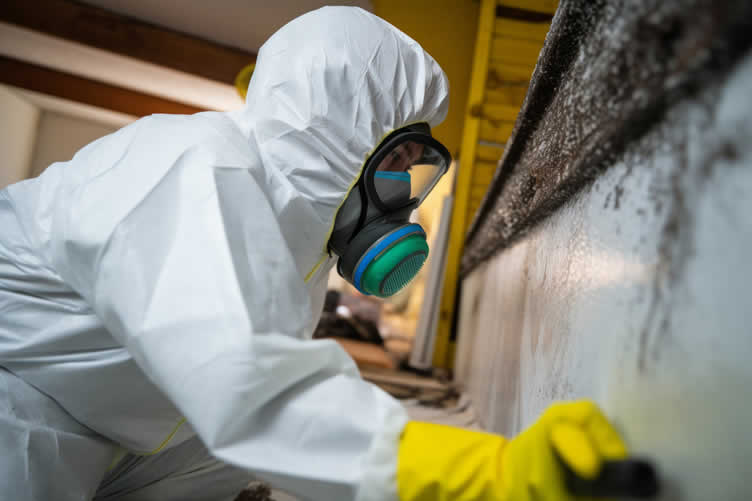
For severe mold problems, especially with hazardous types like black mold, professional intervention is crucial. Mold remediation specialists use advanced techniques and protective gear to safely and effectively remove mold from your home.
They may also address underlying moisture issues to prevent recurrence, using equipment like air scrubbers, dehumidifiers, and HEPA vacuums. Hiring professionals ensures thorough removal and peace of mind regarding safety.

copyright image by 123rf.com
[ youtube: 8 tips from the CDC to clean up mold ]
[ amazon: mold respirator mask ]
-
-
2nd: Common Mold Removal Steps
Dealing with common household and outside perimeter mold can be a daunting task, but with the right approach and preventive measures, it can be effectively managed.
Mold thrives in damp, humid environments, so it’s crucial to address both existing mold and the conditions that allow it to flourish. Below, you will find methods to remove and contain mold both inside the home and along its outside perimeter.
-
Removing Household Mold
- Identify Affected Areas:
Conduct a thorough inspection of areas prone to mold, including bathrooms, kitchens, basements, and areas around windows and pipes. - Ventilation:
Ensure the area is well-ventilated by opening windows and doors. Use fans to improve air circulation. - Protect Yourself:
Wear protective gear, such as gloves, masks, and goggles, to avoid exposure to mold spores. - Use a Mold Cleaner:
Apply a commercial mold cleaner or a mixture of white vinegar and water to the affected surfaces. Spray the solution on the moldy areas and let it sit for at least 15 minutes. - Scrub and Clean:
Use a brush or sponge to scrub the mold off the surface. Be thorough to ensure all mold is removed. - Rinse and Dry:
Rinse the area with water and dry it thoroughly with a cloth or towel to prevent further mold growth. - Preventive Measures:
Keep the humidity levels in your home below 60% and ensure good ventilation in moisture-prone areas. Use dehumidifiers if necessary.
- Identify Affected Areas:
-
Removing Perimeter Mold
- Inspect the Perimeter:
Check the outside walls, gutters, and shaded areas around your home for mold growth, as well as any signs of moisture buildup. - Clear Debris:
Remove any leaf litter, twigs, and other debris from around the home that might trap moisture and encourage mold growth. - Prepare the Area:
Use a tarp to cover nearby plants and other items that may be affected by mold removal chemicals. - Apply Mold Cleaner:
Utilize an exterior mold cleaner or a bleach and water solution. Spray generously on the moldy areas and let it soak for about 10-15 minutes. - Scrub Stubborn Mold:
For heavily infested areas, use a stiff brush to scrub off the mold. Pay special attention to cracks and crevices where mold can hide. - Rinse with Water:
Use a garden hose to wash down the treated areas, ensuring that all the cleaning solution and dislodged mold are rinsed away. - Dry Thoroughly:
Allow the treated areas to dry completely. Consider re-directing any downspouts away from the foundation to keep the area dry.
- Inspect the Perimeter:
-
Containment Measures
- Seal Off Affected Areas:
Use plastic sheeting and duct tape to seal off the affected areas to prevent mold spores from spreading to other parts of your home. - Use Air Purifiers:
Place HEPA air purifiers in affected areas to capture airborne mold spores and improve air quality. - Monitor Humidity Levels:
Use a hygrometer to regularly check the humidity levels both inside and around your home. Keeping humidity below 60% is ideal. - Repair Leaks Promptly:
Fix any leaks in roofs, walls, or plumbing immediately to cut off the mold’s moisture supply. - Regular Maintenance:
Conduct regular inspection and cleaning of gutters, downspouts, and other drainage systems to prevent water accumulation.
By following these steps, you can effectively remove and contain mold within your home and around its perimeter. Regular maintenance and vigilance are key to keeping mold at bay and ensuring a healthy living environment for your family.
- Seal Off Affected Areas:

copyright image by 123rf.com
[ youtube: how to get rid of mold ]
[ amazon: mold removal suit ]
-
-
3rd: Dangerous Mold Removal Steps
Dangerous mold, such as black mold (Stachybotrys chartarum), can pose serious health risks, including respiratory issues, allergic reactions, and even toxic effects in prolonged exposures. It’s crucial to address mold outbreaks promptly and effectively to ensure your home remains a safe and healthy environment.
The following sections provide detailed steps for removing and containing dangerous mold, starting with protective measures and followed by thorough cleaning procedures.
-
Protective Measures
- Wear Protective Gear:
Equip yourself with gloves, goggles, and an N95 respirator mask to prevent inhaling mold spores and avoid skin contact. - Ventilate the Area:
Open windows and doors to provide adequate ventilation while you’re working, reducing the concentration of airborne mold spores. - Turn Off HVAC Systems:
To prevent the spread of mold spores through air ducts, switch off heating, ventilation, and air conditioning systems in the affected area.
- Wear Protective Gear:
-
Removal Procedures
- Isolate the Area:
Seal off the mold-infested zone with plastic sheeting and duct tape to confine mold spores within a specific area. - Use Mold-Killing Solutions:
Apply a commercial-grade mold cleaning product or a mixture of one cup of bleach to one gallon of water to the moldy surface. Let it sit for 15-20 minutes to ensure the mold is killed. - Scrape and Scrub:
Use a scraper or stiff-bristled brush to remove mold from hard surfaces. For porous materials like wood, additional treatments might be necessary to penetrate and kill mold below the surface. - Dispose of Contaminated Materials:
Remove and discard any porous materials like drywall, carpeting, or ceiling tiles that show extensive mold growth, as mold can penetrate deeply and be difficult to eradicate completely.
- Isolate the Area:
-
Post-Cleaning Actions
- Rinse Treated Areas:
After scrubbing, use a clean rag and fresh water to wipe down surfaces and remove any residue from the cleaning solutions. - Dry Thoroughly:
Utilize fans and dehumidifiers to ensure the treated areas are completely dry. Mold thrives in moisture, so thorough drying is essential. - HEPA Vacuuming:
Vacuum the entire area with a HEPA-filtered vacuum cleaner to capture residual mold spores and dust.
- Rinse Treated Areas:
-
Containment and Prevention
- Regular Inspections:
Conduct routine checks for signs of mold in moisture-prone areas such as basements, bathrooms, and around windows. - Control Humidity:
Maintain indoor humidity levels below 60%. Use dehumidifiers and air conditioners to keep the air dry. - Fix Water Issues:
Promptly address any water leaks or drainage issues to cut off the mold’s moisture source. - Clean HVAC Systems:
Regularly clean and inspect HVAC systems, including air ducts, to prevent the spread of mold spores throughout your home. - Seal Leaks:
Ensure your home’s exterior is sound and seal any cracks or gaps that could let in water.
By adhering to these comprehensive steps, you can effectively remove and contain dangerous mold, maintaining a healthier and safer home environment.
- Regular Inspections:

copyright image by 123rf.com
[ youtube: how to kill toxic mold in under 5 mins! ]
[ amazon: black mold killer spray ]
-
-
4th: Professional Mold Removal and Containment Techniques
Professional mold remediation involves advanced techniques and specialized equipment to ensure thorough mold removal and effective containment, preventing recurrence and safeguarding indoor air quality.
The following section provide detailed descriptions of the primary techniques utilized by experts in the field.
-
High-Efficiency Particulate Air (HEPA) Filtration
HEPA filtration systems play a crucial role in mold remediation. HEPA vacuums are used to capture microscopic mold spores from surfaces, while air scrubbers equipped with HEPA filters purify the air in the affected area.
These devices effectively trap airborne spores, preventing them from spreading to other parts of the premises.
-
Negative Air Pressure
Creating a negative air pressure environment in the contaminated area helps contain mold spores. This technique involves using air scrubbing machines to pull contaminated air out of the moldy area, expelling it outdoors through sealed ducts.
By maintaining a lower pressure inside, clean air is drawn in while preventing spores from escaping and contaminating other spaces.
-
Dry Ice Blasting
Dry ice blasting is a non-invasive cleaning method where solid carbon dioxide pellets are accelerated at high speeds to blast mold off surfaces. This technique is particularly effective for extensive mold growth on wood and concrete, as it removes mold without damaging the underlying materials.
The dry ice sublimates upon contact, which means there’s no secondary waste to clean up.
-
Antimicrobial Treatments
After physical mold removal, professionals apply antimicrobial treatments to affected surfaces. These treatments, which include fungicides and disinfectants, inhibit future mold growth by eliminating any remaining spores on cleaned surfaces.
Professionals choose products that are safe for humans and pets while being effective against mold.
-
Removing and Discarding Contaminated Materials
In cases of severe mold infestation, professionals might remove and dispose of porous materials such as drywall, insulation, and carpeting. These materials are often beyond repair as mold can penetrate deeply, making thorough eradication impossible.
Safe disposal prevents further contamination and ensures the mold doesn’t return.
-
Encapsulation
Encapsulation involves sealing mold-affected areas with a special paint or sealant that contains antimicrobial properties. This technique is used when mold growth is present on surfaces that cannot be completely removed, like structural beams or certain types of wood.
Encapsulation prevents mold spores from becoming airborne and spreading.
By employing these advanced techniques, professional mold removal services efficiently and safely address mold infestations, ensuring a comprehensive remediation process that protects the health and safety of the building’s occupants.
copyright image by 123rf.com
[ youtube: how basement mold is removed ]
[ amazon: black mold encapsulation ]
-
-
5th: Why Hire a Professional Mold Removal Contractor
Hiring a professional mold removal contractor is essential to effectively and safely address mold growth issues. Professionals have the expertise and training to accurately assess the extent of mold infestation and identify its source, which is critical for preventing future occurrences. T
hey use specialized equipment and techniques, such as HEPA vacuums, air scrubbers, and moisture meters, ensuring thorough removal and containment of mold spores.
Additionally, professional contractors are knowledgeable about the different types of mold and the health risks associated with each. Their experience allows them to handle hazardous molds, such as black mold, which can pose severe health threats, particularly to individuals with respiratory issues or weakened immune systems.
By adhering to industry standards and safety protocols, professionals minimize the risk of exposure to harmful mold spores during the remediation process.
Moreover, professional mold removal services provide a comprehensive approach that includes cleaning, disinfecting, and restoring affected areas. Their thoroughness not only enhances indoor air quality but also preserves the structural integrity of the property.
Attempting to remove mold without professional help can lead to incomplete remediation, potential health risks, and potential structural damage. Hiring professionals ensures peace of mind, knowing that the mold issue has been addressed effectively and safely.
LetsRenovate has partnered with HomeAdvisor™, a renowned provider of highly-rated, carefully-vetted local contractors. Start your search here by entering your zip code to find local mold-removal professionals.

copyright image by 123rf.com
But Wait!
Before starting the search and evaluation process for contractors, it is highly recommended to download and utilize this comprehensive worksheet. This will help ensure that you have all the necessary information and tools at your disposal to make informed decisions and streamline the entire process.
This resource will assist in impartially ranking and evaluating potential contractors, taking into consideration essential factors such as pricing,

Evaluation Sheet
File Type:
-
-
ideas to view and compare from the information discussed above
Scroll up to directory … or scroll to next section about understanding mold growth …



Budgeting Worksheet For Costing Mold Removal and Other Home Improvement Decisions
 File Type (excel)




Calendar For:
Home Maintenance
File Type:
Find Professional Services Abatement Services Junk Removal Site Preparation Recovery Services top-rated, pre-screened local contractors FREE: download contractor selection enter zip code – powered by HomeAdvisor ™
Quick Contractor Guides selecting negotiating working with inspecting

fifth and last “photo remodeling” idea

copyright image by 123rf.com
About Mold Tip 5: Tips for Keeping Your Home Mold-Free
Notes:
-
Keeping your home mold-free is essential for maintaining a healthy living environment. Mold can thrive in damp, humid conditions, and once it takes hold, it can be challenging to eradicate.
Fortunately, by following a few essential tips, you can significantly reduce the likelihood of mold growth in your home. The tips outlined below will help you manage moisture levels, improve ventilation, and address any potential problem areas before they become a serious issue.
By implementing these preventive measures, you can protect your home from the harmful effects of mold and ensure a safer, cleaner space for you and your family.
-
Quirk scroll to topic "mold-free home" side notes …
-
-
1st: Managing Humidity Levels
One of the most effective ways to prevent mold growth is by controlling humidity levels in your home. Mold thrives in damp, humid environments, making it crucial to keep moisture at bay. Here are some strategies to help manage humidity levels:
-
Use Dehumidifiers
Dehumidifiers can significantly reduce humidity levels, especially in areas prone to dampness, such as basements and bathrooms. Aim to maintain indoor humidity below 60%, and ideally between 30-50%, to create a less hospitable environment for mold.
-
Use Air Conditioners
Air conditioners not only cool your home but also help reduce humidity. Make sure your air conditioning unit is properly maintained and sized for your space to ensure efficient operation. Clean or replace filters regularly to keep the system running smoothly.
-
Monitor Indoor Plants
While indoor plants can improve air quality, they can also contribute to humidity levels if over watered. Place plants in well-ventilated areas and ensure the soil drains well to prevent excess moisture.
-
Utilize Moisture Absorbers
In closets, cabinets, and other small, enclosed spaces, moisture absorbers like silica gel, activated charcoal, or calcium chloride can effectively reduce humidity. These are especially useful in areas that don’t benefit from regular airflow.
By incorporating these strategies, you can manage humidity levels effectively, create a drier environment, and keep mold at bay. Regular monitoring and proactive maintenance go a long way toward ensuring that your home remains mold-free.
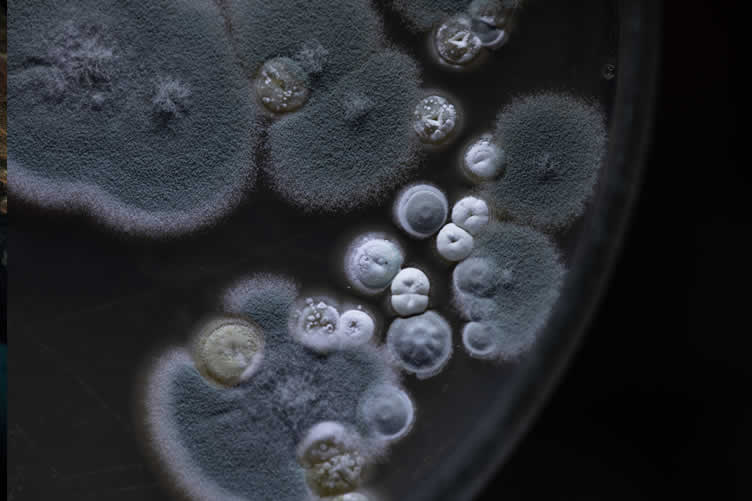
copyright image by 123rf.com
-
-
2nd: Fix Leaks Promptly
Leaky pipes, faucets, and roofs often go unnoticed until they cause significant damage, including mold growth. Water from leaks provides an ideal environment for mold to flourish, so it’s vital to address them as soon as they are identified.
Inspect your home regularly for signs of leaks, such as water stains on ceilings and walls, dripping sounds, or damp spots. Ensure you repair any leaks promptly, whether it’s a simple DIY fix or requires professional assistance. Pay special attention to high-risk areas like kitchens, bathrooms, and basements.
For roofs, look for missing, cracked, or curled shingles and ensure gutters and downspouts are clear of debris to prevent water from pooling. In the event of a significant leak, employ temporary measures to staunch water flow until a more permanent repair can be made.
Addressing leaks promptly not only prevents mold growth but also helps maintain the structural integrity of your home. By being vigilant and proactive, you can avoid costly repairs and maintain a healthy, mold-free living environment.
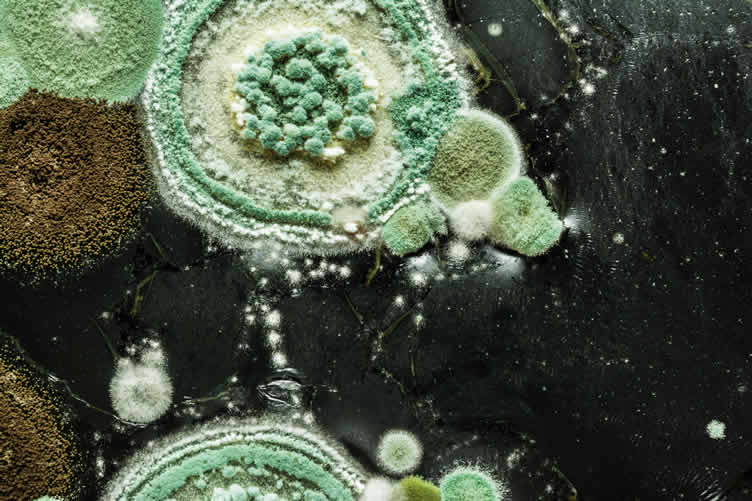
copyright image by 123rf.com
[ youtube: mold growth after water damage or flooding ]
[ amazon: water leak detectors ]
-
3rd: Ensure Proper Ventilation
Proper ventilation is critical in preventing mold growth in your home. Poorly ventilated areas tend to retain excess moisture, which creates an ideal environment for mold to thrive. By allowing fresh air to circulate, you can reduce humidity levels and disperse any moisture buildup.
To ensure proper ventilation, start by regularly opening windows and doors to let in fresh air, especially in high-moisture areas like bathrooms, kitchens, and laundry rooms. Utilize exhaust fans in these areas to expel humid air outside. It’s essential that these fans vent outdoors and not into other areas of your home, to avoid transferring moisture.
Additionally, consider installing dehumidifiers in areas prone to dampness. These devices help maintain optimal humidity levels by extracting excess moisture from the air. Regularly clean and maintain your ventilation systems and dehumidifiers to ensure they operate efficiently.
For homes with HVAC systems, regular maintenance is vital. Ensure that ducts are clean and free of mold, and replace filters as recommended. Keep in mind that efficient airflow throughout the home prevents the settling of moisture in any particular area.
Lastly, proper ventilation in attics and basements is crucial. Ensure your attic has adequate soffit and ridge vents to promote airflow. For basements, consider using a combination of windows, vents, and dehumidifiers to keep the area dry.
By fostering a well-ventilated environment, you significantly reduce the likelihood of mold growth and create a healthier living space for you and your family.
[ youtube: 17 effective ways to improve air quality ]
[ amazon: measure air quality in home ]
-
4th: Installing a Centralized Indoor Ventilation System
A centralized indoor ventilation system is an effective solution for maintaining a mold-free environment in your home. This system ensures consistent air circulation throughout the entire house, which helps control humidity levels and mitigate conditions conducive to mold growth.
-
Benefits of a Centralized Ventilation System
- Improved Air Quality:
By continuously exchanging stale indoor air with fresh outdoor air, a centralized system reduces allergens, pollutants, and moisture levels. - Energy Efficiency:
Modern systems are designed to be energy-efficient, incorporating heat recovery mechanisms that maintain indoor temperatures while ventilating. - Consistent Climate Control:
These systems help balance indoor humidity and temperature, providing a more comfortable living environment year-round.
- Improved Air Quality:
-
Key Components
A typical centralized indoor ventilation system comprises several key components:
- Air Handling Unit (AHU):
This is the core of the system, equipped with fans, filters, and heat exchangers to manage airflow and temperature. - Ductwork:
Installed throughout the home, ducts transport air to various rooms, ensuring even distribution. - Exhaust Vents and Intake Grilles:
These allow for the expulsion of stale air and the intake of fresh air, respectively. - Control Systems:
These include thermostats and humidity sensors to regulate the system’s operation based on indoor conditions.
- Air Handling Unit (AHU):
-
Installation Process
- Assessment and Planning:
A professional will evaluate your home’s size, layout, and existing ventilation to plan the system. This step includes determining the best routes for ductwork and selecting appropriate system components. - Ductwork Installation:
Ducts are installed throughout the home, typically in the attic, walls, or crawlspaces, connecting all rooms to the air handling unit. - Setting Up the AHU:
The air handling unit is usually installed centrally, often in a basement or utility room. It is connected to the ductwork and integrated with control systems. - Installing Vents and Grilles:
Exhaust vents and intake grilles are installed strategically throughout the house to facilitate proper air exchange. - System Integration and Testing:
Once all components are in place, the system is integrated and tested to ensure it operates efficiently and meets desired air quality and humidity levels.
- Assessment and Planning:
-
Maintenance Tips
To keep your centralized indoor ventilation system running optimally:
- Regular Inspection:
Have the system inspected by a professional annually to ensure all components are functioning correctly. - Filter Replacement:
Replace air filters as recommended by the manufacturer to maintain air quality and system efficiency. - Duct Cleaning:
Clean the ductwork periodically to prevent blockages and mold buildup. - Monitor Humidity:
Use built-in or standalone humidity sensors to keep track of indoor moisture levels and adjust the system as needed.
By investing in a centralized indoor ventilation system, you can effectively combat mold growth and provide your household with a healthier and more comfortable living environment.
- Regular Inspection:

copyright image by 123rf.com
-
-
-
FINAL REMARKS
Mold can pose significant risks to both your health and your home. By understanding the different types of molds, recognizing the signs of a mold problem, and taking steps to remove and prevent mold, you can protect your family and maintain a healthy living environment.
Regular mold inspections and prompt action are essential for keeping your home safe. If you suspect a mold problem, don’t hesitate to address it.
For more detailed advice and personalized guidance, consider reaching out to a professional mold remediation service.
-
ideas to view and compare from the information discussed above
- What comments can you share about
your understanding mold growth in your home?

Scroll up to directory … or scroll to more home utility management topics …
view illustration “becoming a bank”
SHARE IT ..! You might have someone in your social network who could find this informative post about understanding mold growth and removal tips valuable. Feel free to share it on Facebook, Twitter, LinkedIn, or Pinterest!





Cover image credit: understanding mold growth by 123rf.com
end of post … please share it!
 |
did you find this understanding mold growth analysis helpful? If so, please share the article with your friends and family! |
Nice pic idea? Leave us a quick comment below.
And please share this pic idea within your social networks.