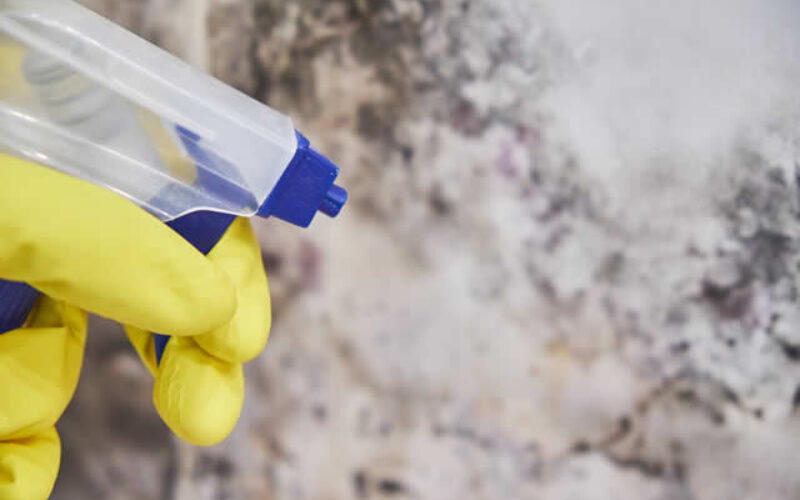
Mold spores, which are in the air, may congregate and start to develop on surfaces when these circumstances exist. Mold development is mostly accelerated by moisture, which may come from leaks, condensation, high relative humidity, or water damage.
Mold may be fed on organic materials such as wood, paper, plasterboard, carpet, cloth, and even dust. Mold grows and multiplies when it finds a moist area and a source of nutrition, often showing up as fuzzy spots of black, green, or white.
Assess the Extent of the Problem
When you find mold in your house, it’s critical to determine the severity of the issue. Mold may often be seen on surfaces like walls, ceilings, or floors, but it can also develop in places that are difficult to reach and are concealed.
Spend some time carefully inspecting your property to look for any indications of mold, such as color changes, musty odors, or water stains. Pay attention to locations with greater moisture since they are more likely to develop molds, such as bathrooms, kitchens, and basements.

You may choose the best cleanup measures by figuring out the degree of the infestation. If you live in Denver, and you are worried about what to do for mold, you have many Denver-based water damage restoration services to help you out.
Identify the Source of Moisture
It is essential to locate and deal with the source of moisture that is causing mold development, since mold needs moisture to survive and grow. Plumbing leaks, roof leaks, condensation, or excessive humidity levels are typical sources of moisture.
Examine locations with obvious signs of water damage or humidity, such as those near windows, pipes, or places with inadequate ventilation. Even after the first cleansing, mold may be avoided by eliminating the moisture source.
Ensure Proper Ventilation
Controlling the formation of mold requires proper ventilation. Utilize exhaust fans or leave windows open in rooms with high humidity, such as bathrooms or kitchens, to increase ventilation and lower moisture levels.
Make sure the ventilation systems in your house, such as the HVAC unit or the air ducts, are operating properly and are frequently serviced. By preventing stagnant air and lowering humidity, adequate ventilation helps to create an atmosphere that is less favorable to the formation of mold.

Contain the Mold
It’s crucial to confine the damaged area to stop mold spores from spreading to other parts of your house. Close up any vents or ducts that lead to other areas of the home, and use plastic sheets or barriers to seal off the mold-infested area.
This containment method reduces the possibility of cross-contamination to unaffected regions and aids in preventing the spread of mold spores.
Remove Mold-Infested Materials
It could be required to remove and discard mold-infested things in situations when there is a serious mold infestation or when materials have suffered significant damage. The absorption and retention of moisture by porous materials like plasterboard, carpets, or insulation create the perfect conditions for the formation of mold.
It is recommended to replace these materials if they are severely damaged or cannot be cleaned properly to stop mold growth.
Clean and Disinfect
Mold removal requires thorough cleansing and disinfecting. Use the proper cleaning products created exclusively for removing mold, and adhere to the given recommendations. Clean every surface that has been impacted, including the furniture, floors, and walls.
Pay close attention to places that may have mold, such as those concealed behind wallpaper or beneath carpets. Apply a disinfectant after cleaning to get rid of any mold spores that are still there and prevent further development.
other related articles of interest:
6 Tips For Choosing A Mold Removal Company
From Mold to VOCs — Lesser Known Allergens and Irritants to be Aware of Before Renovating
Conclusion
Your home’s mold problem is a severe one that has to be addressed right away. To stop future harm and protect your health, you must recognize the reasons and act right away. You can successfully combat mold development by determining the degree of the issue, locating the moisture source, providing enough ventilation, confining the affected area, eliminating mold-infested products, and performing thorough cleaning and disinfection.
To avoid further mold problems, remember to take care of any underlying problems causing moisture, such as leaks or inadequate ventilation. By taking these proactive steps, you can help make your home a secure and healthy place for you and your family to live. Take control and recover your house instead of letting mold take over.
Find Professional Services Abatement Services Junk Removal Site Preparation Recovery Services top-rated, pre-screened local contractors FREE: download contractor selection enter zip code – powered by HomeAdvisor ™


Image credit: mold growing in your home by envato.com
end of post … please share it!
| more photo remodeling |
Jump Over to Our Photo Analysis Center for Ideas on
"Renovating Home"
|__________________________________________________________|
home remodeling surprise
find out where it might go - new win


Helpful article? Leave us a quick comment below.
And please share this article within your social networks.