Summary Outline –
Backyard wildlife can be a source of wonder and joy, turning an ordinary home into a vibrant, natural oasis. From the cheerful chirp of birds to the acrobatics of squirrels, observing wildlife in your garden can be an enriching experience.
However, coexisting with these creatures comes with its own set of challenges, from keeping your garden in order to ensuring your own safety.
Summary of Site Content
1st Wildlife Tip: [view tip]
… we begin this analysis by addressing the diverse wildlife species that are prevalent in various regions and areas, elucidating the advantages of constructing a wildlife habitat for both you and the environment.
2nd Wildlife Tip: [view tip]
… the second wildlife tip jumps into creating a landscape ecosystem to attract wildlife, by considering the specific type you desire, such as birds, bees, butterflies, pond life, or other species.
3rd Wildlife Tip: [view tip]
… moving onward, the third wildlife tip focuses on managing mischievous wildlife that could affect your ecosystem. Learn how to preserve your wildlife habitat effectively.
4th Wildlife Tip: [view tip]
… the fourth wildlife tip advises on the necessary removal of certain wildlife posing a threat to your home and family. This may involve relocating mammals that have nested in your premises.
5th Wildlife Tip: [view tip]
… the fifth and last wildlife tip in the DIY process involves creating your ecosystem to attract wildlife, possibly with the assistance of a contractor for unique designs that harmonize both habitat and aesthetic needs.
In this comprehensive guide, we will explore the intricate balance of creating a welcoming environment for wildlife, managing their presence with care and consideration, and, when required, implementing strategies for the safe and humane removal of wildlife.
It is crucial to approach these interactions in a manner that upholds the integrity of these invaluable natural treasures and safeguards their well-being for generations to come.

-
Quick scroll to first topic about backyard wildlife …

first “backyard wildlife” idea

copyright image by 123rf.com
Wildlife Tip 1: Inviting Wildlife
Notes:
-
Creating a haven for wildlife in your backyard starts with understanding the needs of various species and making your outdoor space attractive and accessible to them. By providing essential elements such as food, water, and shelter, you can invite a diverse range of birds, insects, and other animals.
Planting native flowers and shrubs not only adds beauty to your garden but also offers vital nourishment and habitat for wildlife. Additionally, installing bird feeders, baths, and houses can make your backyard a popular stopover for many creatures.
This initial step towards inviting wildlife is both a rewarding endeavor and a commitment to fostering biodiversity right in your own backyard.
-
Quick scroll to “inviting wildlife” side notes …
-
-
1st: Types of Wildlife
The types of wildlife that visit your backyard will depend on various factors, such as your geographical location, the type of habitat you provide, the availability of food sources, and the level of urbanization in your area.
By creating a welcoming environment for wildlife, you may encounter a diverse range of species, from colorful songbirds and playful squirrels to elusive rabbits and majestic deer. Observing and appreciating the natural world around you can bring a sense of wonder and connection to the environment.
-
Birds:
- Songbirds: Robins, cardinals, blue jays, sparrows, finches, etc.
- Birds of prey: Hawks, owls, etc.
- Game birds: Wild turkeys, pheasants, etc.
-
Mammals:
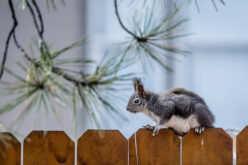
- Squirrels: Gray squirrels, chipmunks, etc.
- Rabbits: Cottontail rabbits, etc.
- Raccoons
- Opossums
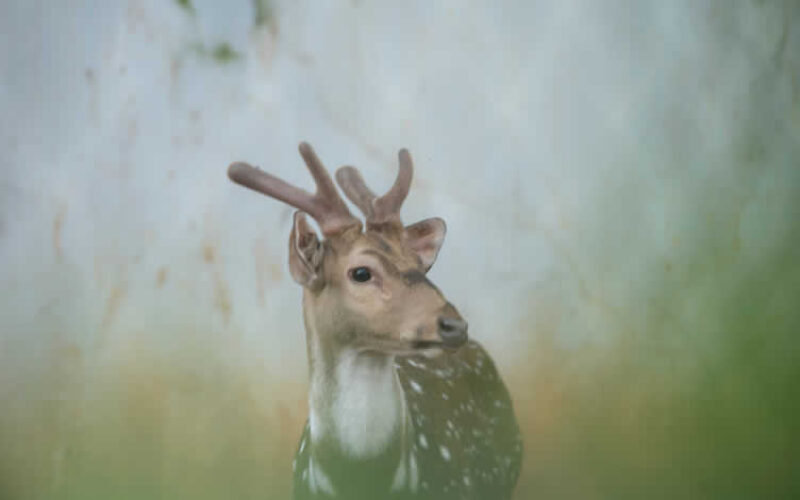
- Deer
- Bats
-
Amphibians and reptiles:
- Frogs and toads
- Salamanders
- Lizards: Anoles, skinks, etc.
- Snakes: Garter snakes, black snakes, etc.
-
Insects:
- Butterflies
- Bees
- Ants
- Spiders
-
Other:
- Mollusks: Snails, slugs, etc.
- Earthworms
-
Additional factors influencing backyard wildlife:
- Seasonality:
Different animals may be more active or visible at different times of year. - Water Sources:
Backyards with ponds, pools, or birdbaths are more likely to attract certain animals. - Human Activity:
Feeding birds, leaving out pet food, or having compost bins can attract wildlife.
- Seasonality:
copyright image by 123rf.com
[ view diagram: types of backyard wildlife illustration ]
[ youtube: wildlife conservation ]

-
-
2nd: Types of Wildlife By Region
The variety and abundance of wildlife in your backyard largely depend on the region where you reside. Different regions support different types of ecosystems, which in turn host unique species suited to those environments.
Understanding the types of wildlife common to various regions can help in tailoring your backyard to become a haven for local fauna.
-
Northern Regions
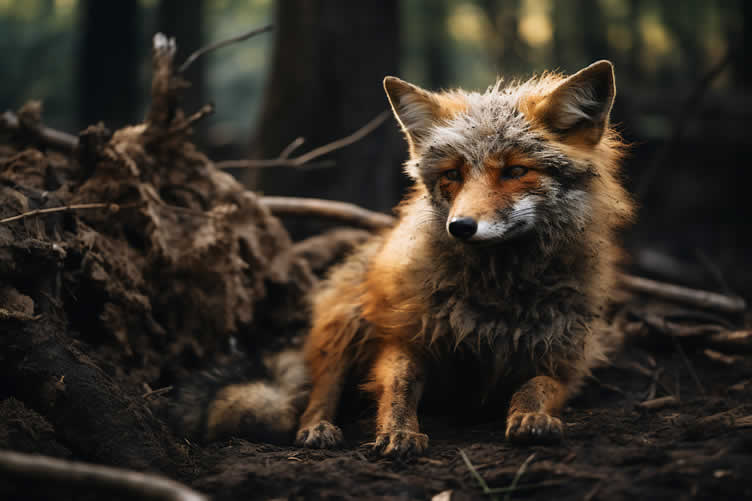
In the cooler climates of the northern regions, you might expect to see a range of mammals and birds that are adapted to colder temperatures. Larger mammals like moose and black bears can sometimes be observed, while smaller creatures such as chipmunks, various species of owls, and foxes are more common. Coniferous trees and shrubs that provide berries and nuts year-round will attract these animals.
-
Coastal Regions
Coastal regions offer a habitat rich in biodiversity, including a mix of land and aquatic animals. Shorebirds such as sandpipers, seagulls, and pelicans are frequent visitors, along with crabs and sea turtles in areas where they are native. Planting native grasses and ensuring some areas of undisturbed sand can attract these creatures.
-
Mountain Regions
Mountainous areas are home to wildlife adapted to rugged terrain and variable weather. Animals such as mountain lions, deer, and eagles are found here. Dense forests and high-altitude plants provide food and shelter. Leaving rocky areas undisturbed can offer habitats for smaller creatures and insects.
-
Plains Regions
The vast open landscapes of plains and prairies are teeming with a variety of bird species, including the majestic American bison, prairie dogs, and various raptors. Tall grasses and flowering plants native to these regions are crucial for providing shelter and food sources.
-
Southern Regions
Warmer southern regions are characterized by a high diversity of both plant and animal life. Creatures such as armadillos, alligators (in wetland areas), and a plethora of insect species thrive here. Evergreen plants and trees that can withstand the heat and humidity provide essential shelter and food resources.
copyright image by 123rf.com
[ view diagram: wildlife conservation by regions]
[ youtube: life of a wildlife officer]
-
-
3rd: Type of Wildlife By Living Area
The types of wildlife that visit your garden can vary significantly depending on your geographical location. Understanding the local ecosystem and its inhabitants can help tailor your garden to become a haven for specific species.
Here’s a brief overview of what you might expect in different living areas:
-
Urban Areas
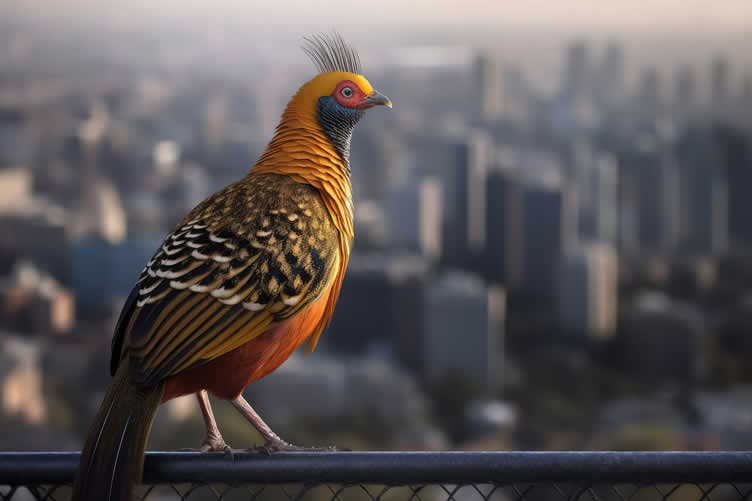
In city environments, space and nature are in high demand for both humans and animals. Urban wildlife often includes birds like sparrows, pigeons, and occasionally hawks or falcons that prey on smaller birds. Small mammals, such as squirrels and raccoons, are also common, alongside a variety of insects that thrive in urban green spaces.
-
Suburban Areas
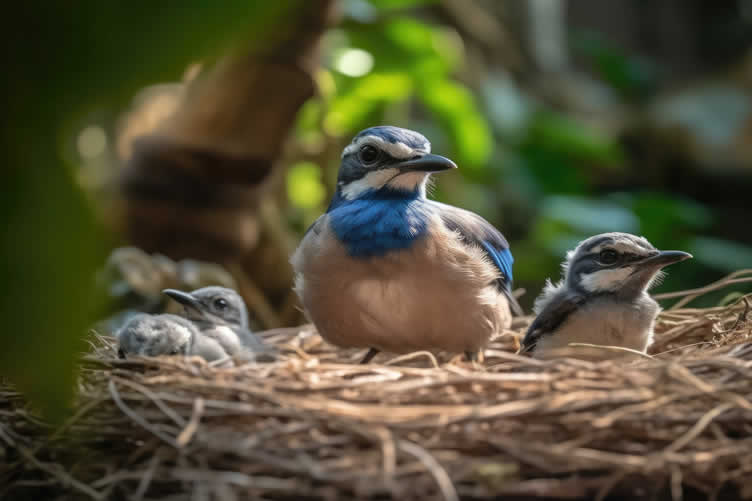
Suburban gardens typically see a more extensive mix of wildlife due to the increased green space. Alongside urban dwellers, you might start seeing larger birds such as blue jays, cardinals, and woodpeckers. Mammals like foxes, rabbits, and in some areas, deer might also start making appearances. Suburban gardens can support a richer biodiversity due to the varied habitats available.
-
Rural Areas
Rural locations benefit from proximity to wilder, natural spaces, making them a hotspot for a wide range of wildlife. This can include larger mammals like deer, coyotes, and even bears, depending on the region. Birds of prey, such as eagles and owls, are more commonly seen, alongside an assortment of smaller animals like snakes, frogs, and a diverse array of insects and pollinators.
-
Coastal Areas
Coastal gardens attract unique wildlife, such as seabirds, including gulls, sandpipers, and occasional penguins in southern latitudes. Marine mammals like seals or sea lions might visit nearby shores, and a variety of crustaceans and fish can be found closer to the water.
copyright image by 123rf.com
[ view diagram: types of coastal wildlife]
[ view diagram: types of forest wildlife]
-
-
4th: Creating a Welcoming Environment
The key to attracting wildlife to your backyard is mimicking the natural environment as closely as possible. To begin, consider planting native species of flowers, shrubs, and trees. These will provide a familiar food source and shelter for local fauna.
Design your landscape to include a variety of heights and textures, which offer different types of animals places to forage, hide, and build nests.
Water is another critical element. Not only is it essential for wildlife survival, but a birdbath or a small pond can be an attractive focal point for many species.
Clean water sources also reduce the likelihood that creatures will seek out less desirable locations, such as a swimming pool or dog’s water dish. Additionally, incorporate rocks and boulders, which can provide refuge for small animals and a platform for basking.
Lastly, consider installing a bird feeder or a bat box. These are high-value additions that cater specifically to our winged friends, often requiring minimal maintenance once established.
-
Ideal Habitats and Food Sources
To entice an array of garden visitors, focus on creating micro-ecosystems within your yard. Each habitat can support different forms of life — from pollinating insects drawn to wildflowers, to toads and amphibians that prefer a cool, damp area.
Be mindful of the timing of flowering plants so that you have blooms throughout the year, providing constant nourishment.
Remember, inviting a buffet can sometimes be overwhelming for the homeowners. To maintain balance, it’s important to conduct a soil survey to understand what the local wildlife in your area might naturally be drawn to, and cater to those tastes without overloading your garden with an excess of food that might attract unwelcome guests.
copyright image by 123rf.com
[ view diagram: backyard wildlife habitat diagram]
[ youtube: wildlife backyard habitat]
-
-
-
ideas to view and compare from the information discussed above
book: build wildlife habitatbook: backyard birdsbook: backyard wildlife
Scroll up to directory … or scroll to next section about backyard wildlife …


 … grab this directory of ideas
second “photo remodeling” idea
copyright image by 123rf.com
Wildlife Tip 2: Creating a Backyard Eco-System
Notes:
-
To invite and support local wildlife in your garden, start by planting native species that provide natural food sources, shelter, and nesting materials. Selecting a variety of plants that bloom at different times of the year ensures a steady supply of nectar for pollinators.
Incorporating layers in your landscape design—from ground cover and shrubbery to canopy trees—creates diverse habitats for different species. Water features, such as birdbaths or small ponds, attract birds, amphibians, and beneficial insects.
Avoiding pesticides and opting for natural pest control methods protects the health of visiting wildlife. By considering the specific needs of your area’s fauna, you can transform your garden into a vibrant ecosystem where local wildlife flourishes.
-
Quick scroll to “attracting wildlife” side notes …
- 1st: Attracting Birds
- 2nd: Attracting Hummingbirds
- 3rd: Inviting Bees, Butterflies, and Other Pollinators
- 4th: Introducing Ladybugs to Your Garden Ecosystem
- 5th: Incorporating Small Reptiles
- 6th: Pond Wildlife
- 7th: Earthworms and Other Worms
- 8th: Watching Small Mammals
- 9th: Birds of Prey
- 10th: Other Mammals
- shop ideas
- next topic: Preventing Wildlife Mischief
-
-
1st: Attracting Birds to Your Landscape Ecosystem
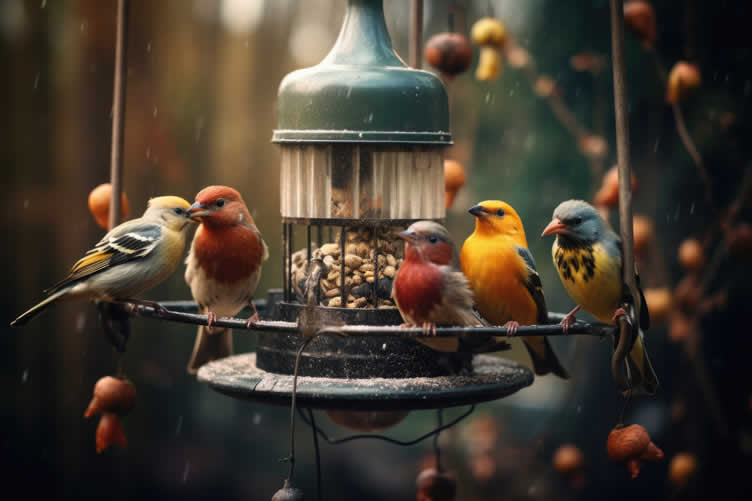
Attracting birds to your garden not only adds beauty and vitality but also contributes to the ecological health by aiding in pest control and pollination. To create a welcoming environment for birds, it’s crucial to offer the essentials: food, water, and shelter.
-
Food Sources for Birds
Offer a variety of food sources to attract a diverse range of bird species. Plant native trees and shrubs that produce berries, nuts, and seeds throughout the year. Installing bird feeders with different types of birdseed can also attract species that might not be commonly found in your area.
Recommended Items:
- Native berry-producing plants (e.g., Viburnum, Holly)
- Bird feeders (tube feeders, suet feeders, hummingbird feeders)
- A variety of seeds (sunflower seeds, thistle seeds, and mixed blends)
-
Water Features
Water is a vital element to include in your garden for birds. A simple birdbath or a small pond provides drinking and bathing spots, which are essential for bird health and well-being. Keep the water clean and unfrozen during winter if possible.
Recommended Items:
- Birdbaths
- Small backyard ponds
- Water dripping systems to attract attention
-
Shelter and Nesting Sites
Providing shelter and potential nesting sites is key to encouraging birds to reside and raise their young in your garden. Dense shrubbery, tall trees, and nesting boxes can offer safe havens from predators and harsh weather.
Recommended Items:
- Nesting boxes (specific to species you wish to attract)
- Dense shrubs and tall trees for natural shelter
- Bird roosting pockets or shelters
By integrating these elements into your landscape design, you not only create an inviting space for birds but also support the broader ecosystem by encouraging biodiversity.
copyright image by 123rf.com
-
-
2nd: Attracting Hummingbirds
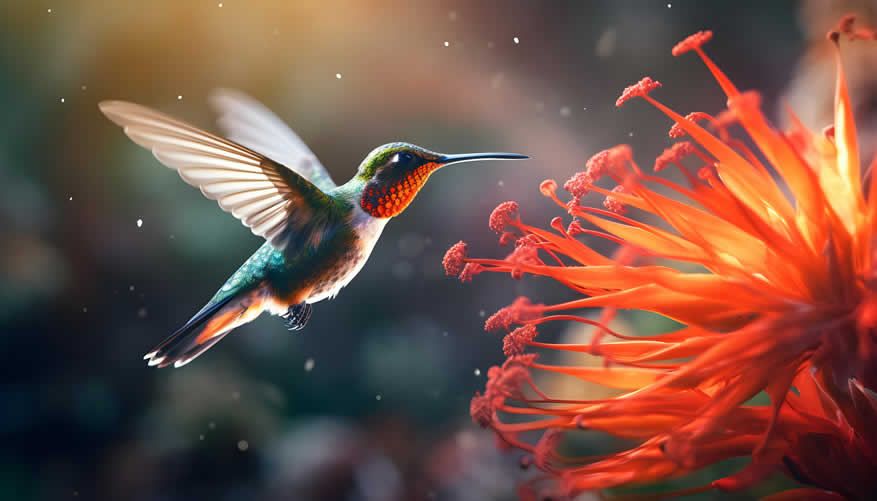
Hummingbirds play a pivotal role in the pollination and health of many ecosystems. Attracting these unique pollinators to your garden not only benefits your plants but also contributes significantly to the conservation of these species.
Hummingbirds are attracted to bright, tubular flowers that offer them ample nectar. To create a hummingbird-friendly garden, focus on planting native species that bloom at varying times of the year, ensuring a constant food source.
-
Hummingbird Feeders:
When planning to attract hummingbirds to your garden, choosing the right feeder becomes crucial. Here are some types of hummingbird feeders to consider:
- Classic Tube Feeders:
These feeders are designed with multiple feeding ports and are well-suited for accommodating several hummingbirds at once. They are easy to fill and clean, making them a popular choice among garden enthusiasts. - Window Feeders:
Attached directly to your window with suction cups, window feeders offer a close-up view of hummingbirds in action. They are small, which makes them easy to clean and refill, but they may need to be refilled more frequently due to their size. - Saucer Feeders:
These feeders consist of a shallow dish and a cover, with feeding ports along the edges. Saucer feeders are easy to clean and refill, and they often have ant moats to deter pests. - Decorative Feeders:
Designed to be both functional and aesthetically pleasing, decorative feeders come in a variety of shapes, colors, and designs. While they serve as a nectar source for hummingbirds, they also add a unique touch to your garden decor.
- Classic Tube Feeders:
-
Plants and Flowers
Selecting the right plants is crucial for attracting hummingbirds and sunbirds, as they are particularly drawn to brightly colored, tubular flowers that are rich in nectar.
Recommended Items:
- Trumpet vine and honeysuckle for their bright, appealing flowers
- Red salvia and fuchsia are especially attractive to hummingbirds
- Native flowering plants that are adapted to your local climate and will thrive with minimal intervention
-
Water Features
Unlike bees and butterflies, hummingbirds and sunbirds also require water but prefer it in mist form. Installing a fine misting device near your garden can provide them with a place to bathe and drink, making your garden even more inviting.
Recommended Items:
- Misting fountains or bird baths with misters
- Drip irrigation systems set up near flowering plants to create a dual-purpose watering solution
-
Shelter and Nesting Sites
Creating a safe and accommodating environment for hummingbirds and sunbirds to nest and raise their young is as important as providing food sources. They prefer areas that are sheltered from the elements and predators.
Recommended Items:
- Tall trees or dense shrubs for nesting
- Hanging baskets and other safe platforms that mimic natural nesting sites
-
Perennial Flowers
Incorporating a variety of perennial flowers into your garden is essential for creating a landscape that is continuously attractive to hummingbirds over the years. These birds seek out areas where they can reliably find nectar throughout the blooming seasons.
Perennials offer a sustainable solution, coming back year after year with vibrant blooms that are rich in the sweet nectar hummingbirds love.
Recommended Items:
- Bee Balm (Monarda):
Its bright flowers and sweet nectar are irresistible to hummingbirds. Planting in clumps can create a more substantial visual impact and attract more birds. - Lupine:
Known for its spikes of richly colored flowers, Lupine is not only visually stunning but also a fantastic nectar source for hummingbirds. - Columbine (Aquilegia):
With its unique, elongated spur that holds nectar, Columbine is perfectly adapted for hummingbird feeding. Its early bloom time also fills the gap in nectar availability in spring. - Penstemon:
Offering a variety of colors and being particularly drought-resistant, Penstemon plants are excellent for hot, dry areas where hummingbirds might be seeking moisture and nourishment.
- Bee Balm (Monarda):
copyright image by 123rf.com
[ view amazon: hummingbird feeders ]
[ pinterest: attracting hummingbirds ]
-
-
3rd: Inviting Bees, Butterflies, and Other Pollinators
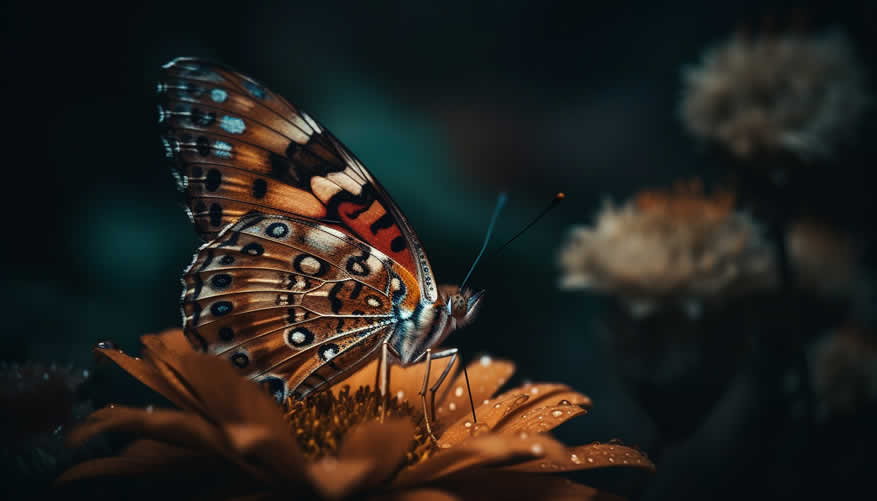
To create a thriving garden ecosystem, attracting pollinators such as bees, butterflies, and other beneficial insects is essential. These creatures play a critical role in the pollination of many plants, contributing to the health and reproduction of your garden.
By planting a variety of nectar and pollen-rich flowers, you can ensure a vibrant and productive landscape.
-
Plants and Flowers
Incorporating a range of flowers that bloom at different times of the year ensures that pollinators have access to food sources throughout the growing seasons. Opt for native plants as these are often more attractive to local pollinators and require less maintenance.
Recommended Items:
- Milkweed and lavender for butterflies
- Bee balm, hyssop, and clover for bees
- A mix of annuals and perennials to ensure season-long blooms
-
Shelter and Nesting Sites
Just as with birds, providing suitable shelters for bees and butterflies is important for their conservation. This can be achieved by leaving some areas of the garden wild, with logs, dead wood, and undisturbed bare ground.
Recommended Items:
- Butterfly houses
- Bee hotels for solitary bees
- Dense sections of wildflowers or shrubs
By incorporating these features into your garden, not only will you enjoy the beauty and vitality of pollinators, but you’ll also be contributing to their conservation and the health of the local ecosystem.
copyright image by 123rf.com
[ view amazon: butterfly houses ]
[ pinterest: attracting butterflies ]
[ pinterest: attracting honey bees ]
-
-
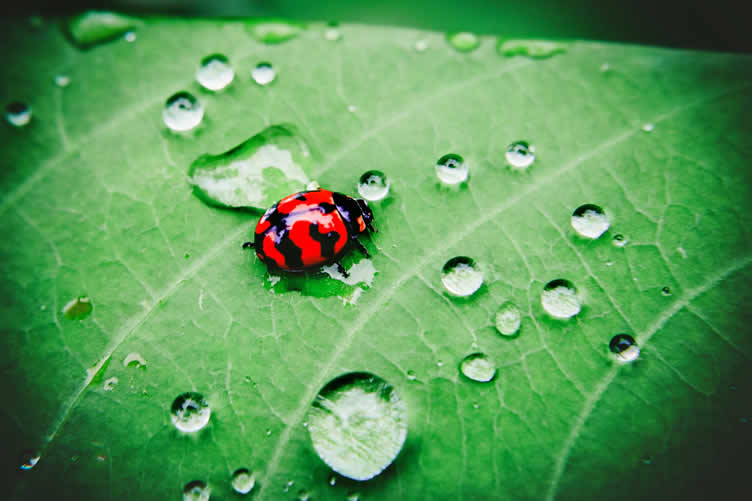
4th: Introducing Ladybugs to Your Garden Ecosystem
Adding ladybugs to your landscape is an effective and natural way to control pest populations, such as aphids, which can damage garden plants and flowers. Ladybugs are beneficial insects that play a crucial role in maintaining the health and balance of garden ecosystems.
Their presence contributes to a thriving outdoor environment by reducing the need for chemical pesticides, which can harm more than just the targeted pests.
-
Natural Pest Control
Ladybugs are voracious predators of many common garden pests like aphids, mites, and scale insects. By consuming these pests, ladybugs help to protect your garden plants from damage and diseases these pests might spread.
This natural pest control method is environmentally friendly and ensures your garden remains healthy without the use of harmful chemicals.
-
Biodiversity Support
Introducing ladybugs into your garden increases the biodiversity of your ecosystem. Biodiversity is essential for a resilient and sustainable garden environment.
The presence of varied species, such as ladybugs, ensures that no single pest or disease can easily spread unchecked, making your garden more resistant to infestations and diseases.
-
Pollination Assistance
While not their primary role, ladybugs can inadvertently aid in the pollination of your garden plants. As they move from plant to plant in search of food, ladybugs may transfer pollen, contributing to the pollination process and helping your garden to thrive.
This makes them an essential component of a healthy garden ecosystem, supporting not just pest control but plant reproduction as well.
copyright image by 123rf.com
[ view amazon: live ladybugs for garden ]
[ pinterest: attracting ladybugs ]
-
-
5th: Incorporating Small Reptiles
Incorporating small reptiles, such as lizards and turtles, into your garden can have numerous benefits. These creatures not only contribute to the ecological balance by controlling pest populations but also add an exciting element of wildlife interaction to your outdoor space.
Creating a reptile-friendly habitat involves providing shelter, food, and water.
-
Lizards
Lizards thrive in gardens that offer plenty of hiding spots and sunbathing areas. They are beneficial predators, feeding on common garden pests.
Recommended Items:
- Rocks and logs for basking and hiding
- Dense plantings or leaf litter for shelter
- Shallow water dishes for hydration
-
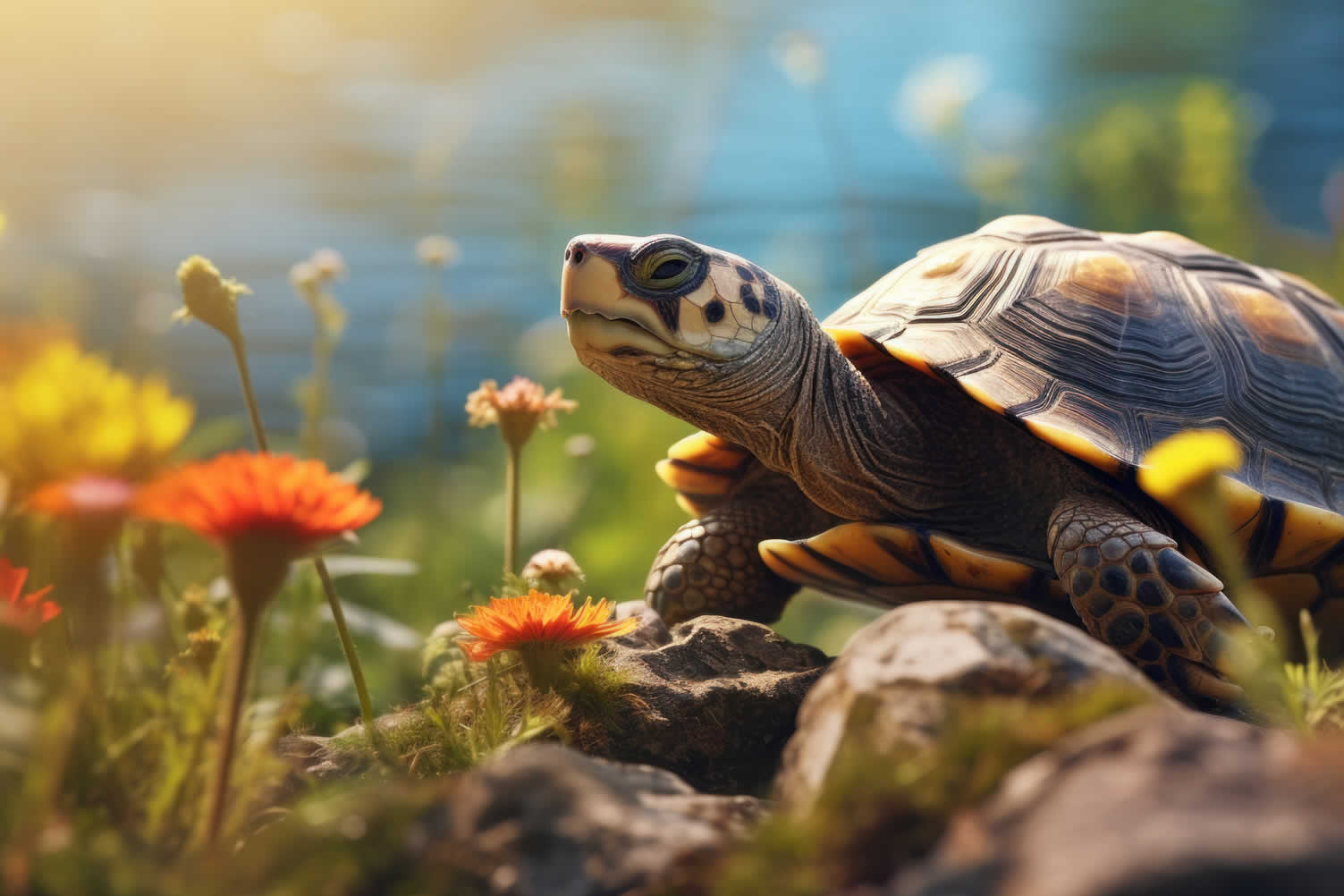
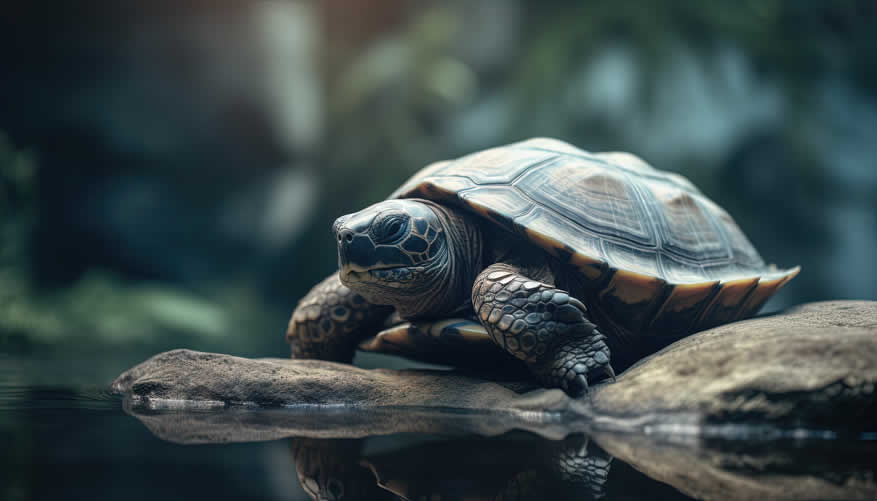
Turtles
Turtles can be a fascinating addition to garden ponds or water features. They help maintain the health of aquatic ecosystems by feeding on dead material and algae.
Recommended Items:
- A pond or water feature with gentle slopes for easy access
- Basking spots, like logs or flat rocks, placed in sunny areas
- Aquatic plants for food and shelter
-
Garden Snakes
Garden snakes, often referred to as garter snakes, can be a welcome addition to control pest populations naturally. These non-venomous snakes feed on slugs, grubs, and other insects, contributing to the balance of your garden’s ecosystem. To attract and support garden snakes, ensure your landscape offers them a safe habitat.
Recommended Items:
- Dense foliage or grassy areas for cover
- Sun-exposed rocks or logs for thermo-regulation
- Small water sources for hydration
- Leave piles or compost heaps as potential food sources attract their prey
By carefully planning and incorporating features that appeal to small reptiles, you can enhance the biodiversity of your garden, creating a more vibrant and sustainable ecosystem.
copyright image by 123rf.com
[ view amazon: turtle food ]
[ pinterest: attracting turtles to your yard ]
-
-
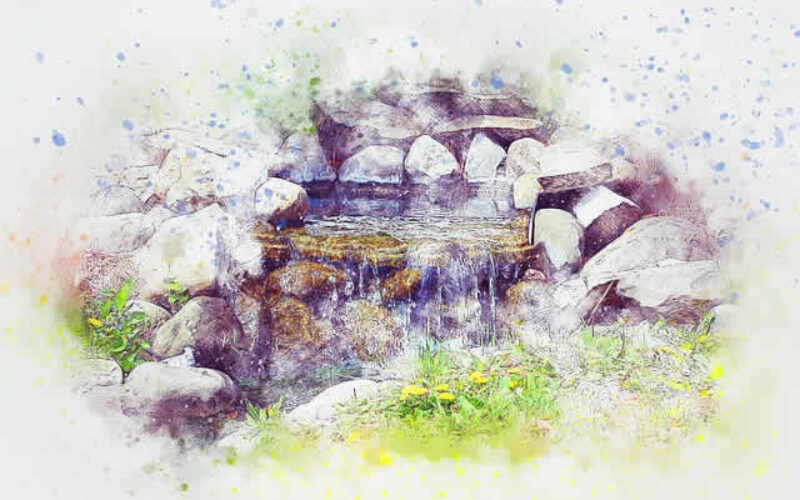
6th: Inviting Pond Wildlife
Creating a natural pond habitat enriches your garden’s biodiversity, inviting a fascinating array of wildlife, including frogs, toads, and other amphibians. These creatures are not only a joy to observe but also play crucial roles in pest control and the overall balance of your garden ecosystem.
By designing a pond with the needs of these animals in mind, you can encourage their presence and contribute to the conservation of their species.
-
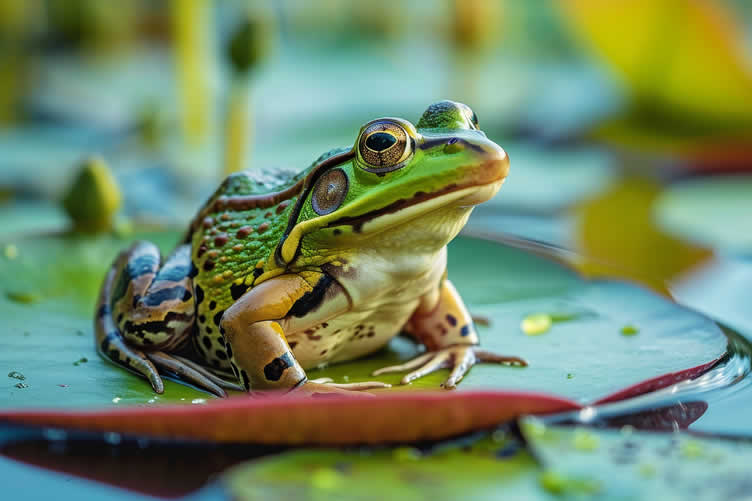
Frogs and Toads
Frogs and toads thrive in environments that offer both aquatic and terrestrial habitats, as their life cycles depend on access to water for breeding and land for hunting insects.
Recommended Items:
- A shallow pond with gentle, sloping sides to allow easy access to water
- Aquatic plants, such as water lilies and floating heart, for egg-laying and shelter
- A variety of shoreline vegetation to provide hiding spots and hunting grounds
- Rocks and logs around the pond’s edge for basking and shelter
- Avoiding the use of chemicals and pesticides in and around the pond to ensure a safe habitat
By incorporating these elements, your garden pond will not only attract frogs and toads but also offer a sanctuary for them, helping to increase their numbers and diversity in your area.
-
Adding Fish to Your Garden Pond
Incorporating fish into your garden pond can create a more dynamic and balanced aquatic ecosystem. Fish contribute to the health of the pond by feeding on algae, detritus, and mosquito larvae, thereby reducing the chances of water stagnation and pest infestation. However, choosing the right type of fish and maintaining a balance that supports both the fish and native wildlife is crucial.
Recommended Items:
- Goldfish and Koi –
While both are popular choices due to their visual appeal, it’s important to consider their size and the pond capacity to avoid overcrowding. - Native Fish Species –
Opting for fish that are native to your region can enhance the ecological balance and support local biodiversity.
Considerations for Adding Fish:
- Pond Size and Depth –
Ensure your pond is deep enough to protect fish from extreme temperatures and predators. - Vegetation –
Include aquatic plants that provide oxygenation, shade, and hiding spots for fish. - Predator Control –
Implement measures to protect your fish from predators such as raccoons and herons, such as netting or strategic plant placement.
By thoughtfully adding fish to your garden pond, you not only enrich the visual appeal of your landscape but also contribute to a thriving ecosystem where both aquatic and land-dwelling wildlife can flourish.
- Goldfish and Koi –
-
Wildlife Benefiting from a Natural Pond
Creating a natural pond in your garden not only uplifts its beauty but also acts as a magnet for various wildlife, contributing to biodiversity. Here are some animals that will benefit:
- Birds:
Many species of birds will visit the pond to drink and bathe, and some may even choose to nest nearby. - Butterflies and Bees:
These important pollinators will appreciate the water source, especially during hot, dry periods. - Dragonflies and Damselflies:
A pond provides a habitat for these insects to breed and their larvae to thrive, which in turn can help control the mosquito population. - Amphibians:
Beyond frogs and toads, newts and salamanders may also find refuge and breeding grounds in and around your pond. - Mammals:
Small mammals like hedgehogs, rabbits, and even deer might visit the pond for a drink, especially during the night.
- Birds:
A well-planned garden pond thus becomes a vital ecosystem component, offering sustenance, habitat, and breeding grounds to a diverse group of wildlife, enhancing the natural balance within your garden.
copyright image by 123rf.com
[ view amazon: backyard pond kit ]
[ pinterest: how to build backyard pond ]
-
-
7th: Earthworms and Other Worms
Integrating earthworms and other beneficial worms into your garden can significantly improve soil health and fertility, making your landscape more robust and resistant to pests and diseases. These organisms play a crucial role in decomposing organic matter, aerating the soil, and increasing nutrient availability for plants.
Creating an environment that supports their activity can lead to a more productive and sustainable garden ecosystem.
-
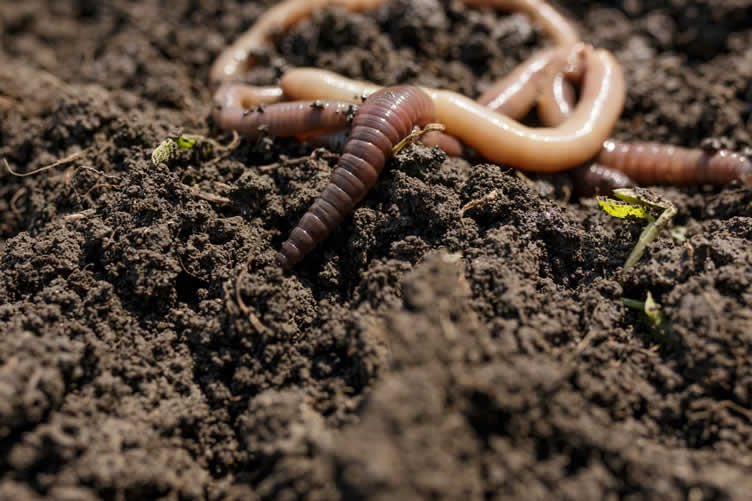
Earthworms
Earthworms are often referred to as the "engineers" of the soil. Their burrowing action helps to aerate and mix the soil, increasing its fertility and enhancing root growth.
Recommended Items:
- Organic mulches such as straw, leaf litter, or wood chips to provide food and shelter
- Compost piles or bins to encourage their multiplication and activity
- Avoidance of chemical pesticides and fertilizers that can harm earthworm populations
-
Other Beneficial Worms
Other beneficial worms, like the red wriggler (often used in vermicomposting), also contribute to soil health by breaking down organic waste into nutrient-rich compost.
Recommended Items:
- Vermicomposting bins or systems to recycle kitchen scraps into valuable compost
- Moist bedding materials, such as shredded newspaper or coconut coir, to maintain an ideal environment
- Regular addition of organic food scraps to feed the worms and encourage their activity
By fostering a welcoming habitat for earthworms and other beneficial worms, gardeners can enhance soil structure, improve nutrient cycling, and support a thriving ecosystem right in their backyard.
copyright image by 123rf.com
[ view amazon: live earthworms ]
[ youtube: what earthworms do ]
-
-
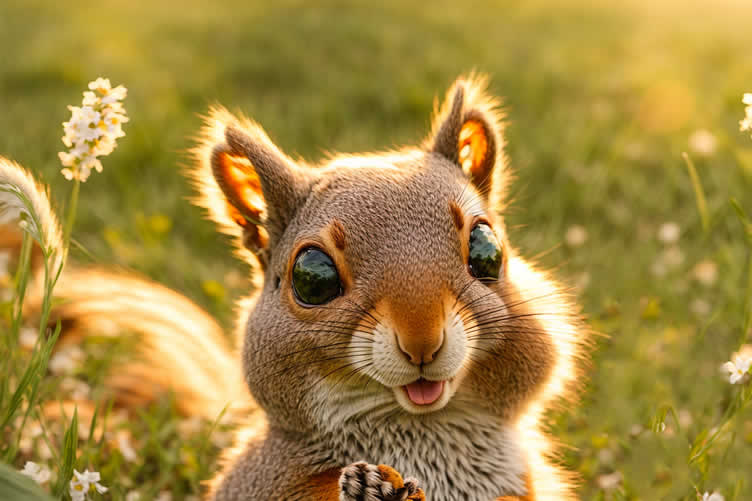
8th: Watching Small Mammals
Small mammals, such as hedgehogs, squirrels, and chipmunks, play a vital role in maintaining the balance of various ecosystem processes in your garden, including pest control and pollination. Encouraging these creatures to visit and inhabit your landscape not only enhances biodiversity but also contributes to the health and beauty of your garden.
By providing food, water, and shelter, you can create a welcoming haven for these beneficial mammals, making your garden a bustling hub of wildlife activity.
-
Hedgehogs
Hedgehogs are natural pest controllers, feasting on insects that can harm your plants.
Recommended Items:
- Log piles and leaf litter to offer shelter and nesting sites
- Shallow water dishes for drinking
- Meat-based pet food or specialized hedgehog food to supplement their diet
- Enclosed hedgehog homes for added protection and nesting
-
Squirrels
While often considered a nuisance, squirrels play a crucial role in seed dispersion, helping to maintain plant diversity and forest regeneration.
Recommended Items:
- Tall trees and dense shrubbery for shelter and nesting
- Bird feeders with squirrel baffles to minimize food competition
- Water baths or dishes placed high up to encourage hydration without deterring smaller fauna
- Squirrel-proof bulb cages to protect your bulbs while still allowing them to benefit from the nutrient cycling squirrels contribute to
-
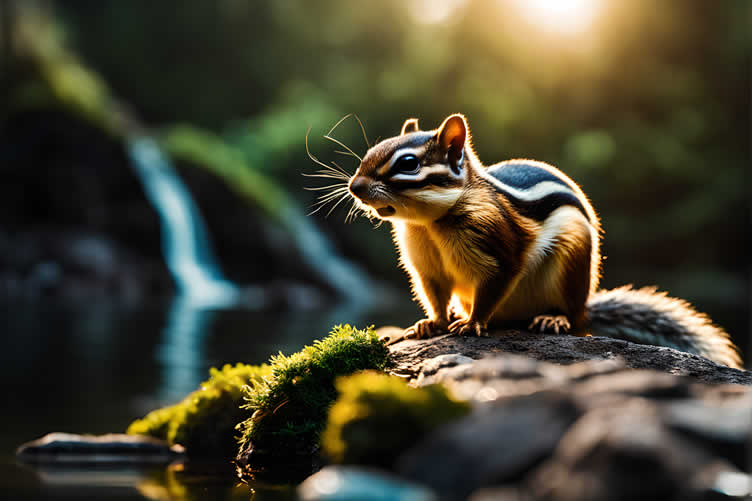
Chipmunks
Chipmunks are excellent at soil aeration and seed dispersion, contributing to a healthy and diverse garden.
Recommended Items:
- Rock walls or piles and dense ground cover for hiding and nesting
- Bird feeders that allow spillage for ground foraging
- A source of clean water, such as shallow dishes or bird baths, particularly during dry periods
- Plant diversity to encourage natural foraging behaviors and diet variety
By thoughtfully integrating features to attract and support small mammals, gardeners can greatly enhance the ecological dynamics and visual appeal of their outdoor spaces, creating a garden that is truly alive with the wonders of nature.
copyright image by 123rf.com
[ view amazon: backyard wildlife camera ]
[ pinterest: built wildlife pond ]
-
-
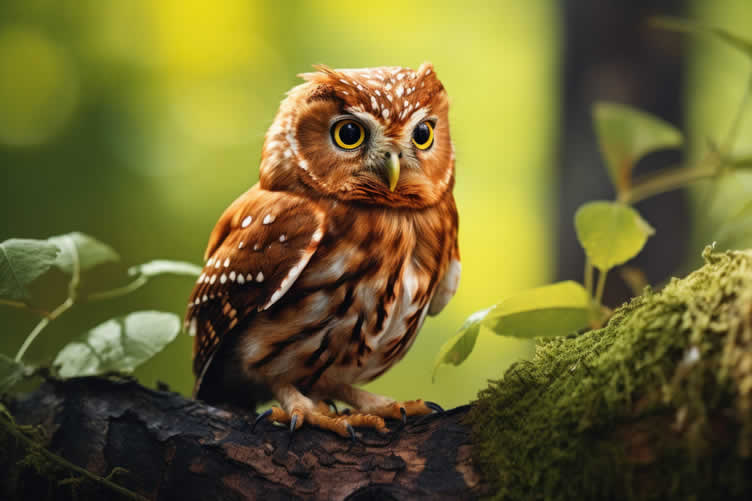
9th: Birds of Prey
Attracting birds of prey, such as hawks, owls, and eagles, to your landscape ecosystem can contribute significantly to controlling rodent populations naturally and maintaining the health of your garden.
These majestic creatures are not only fascinating to observe but also play an essential role in the ecosystem by controlling pest populations. To invite these predators into your garden, creating an environment that caters to their hunting and nesting needs is key.
Recommended Items:
- Tall Perches and Nesting Platforms:
Install tall posts or platforms to provide birds of prey with vantage points for hunting and areas for nesting. - Open Spaces:
Keep some areas of your garden open and free of dense vegetation to make hunting easier for these birds. - Water Sources:
Large birdbaths or small ponds can provide a reliable water source for birds of prey, attracting them to your garden and encouraging them to stay. - Habitat for Prey:
While it may seem counterintuitive, maintaining a healthy population of small mammals and insects will attract birds of prey looking for food. - Avoid Rodenticides:
Chemicals can harm birds of prey indirectly by poisoning their food sources. Opt for natural pest control methods to keep both prey and predators safe.
copyright image by 123rf.com
[ view diagram: types of birds of prey ]
[ pinterest: attracting birds of prey ]
- Tall Perches and Nesting Platforms:
-
10th: Other Mammals
Inviting other mammals into your landscape ecosystem can similarly enrich the biodiversity and balance of your outdoor space, offering a unique opportunity to observe these remarkable creatures up close.
-
Bats
Bats are immensely beneficial to the landscape, serving as natural pest control by consuming thousands of insects each night. Encouraging their presence can significantly reduce the need for chemical pesticides in your garden.
Recommended Items:
- Bat boxes or houses placed high on trees or poles to provide safe roosting spots
- Water features such as ponds or bird baths for drinking
- Native flowering plants that open at night to attract insects and, in turn, bats
- Avoid using pesticides, as they can reduce the insect population that bats feed on, subsequently diminishing bat populations
-
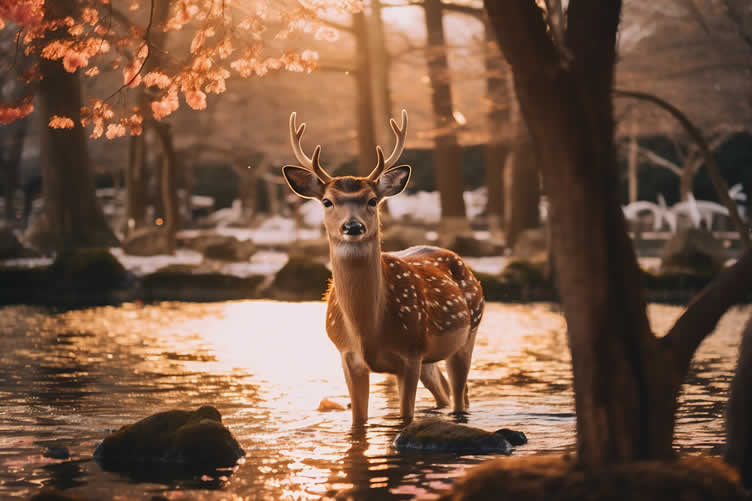
Deer
Deer, while sometimes seen as a challenge in gardens due to their appetite for plants, can also play a role in the ecosystem by acting as seed dispersers. Their presence can contribute to the spread of native plants, supporting a healthy and diverse ecosystem.
Recommended Items:
- Deer-resistant plants to minimize unwanted grazing and encourage deer to move through your space without causing damage
- Fencing that is high and angled to discourage entry, yet designed to blend with the landscape aesthetically
- Salt licks placed away from the garden to draw deer to specific areas and away from plants
- Motion-activated sprinklers to gently deter deer from sensitive areas without causing harm
Creating a garden that accommodates deer responsibly can lead to a harmonious balance between wildlife and plant cultivation, enriching the biodiversity of your outdoor space.
-
Moose
Moose, although less common in suburban gardens, can become visitors in regions close to their natural habitats. Their large size and appetite for vegetation can pose a unique challenge, yet their presence signifies a thriving local wilderness.
Recommended Items:
- Tall and robust fencing that can withstand the strength of a moose, ensuring they cannot easily access garden areas
- Planting moose-resistant foliage to deter them from foraging in your garden. This includes certain types of ferns, shrubs, and flowers known to be less appealing to moose
- Integration of natural barriers such as rocky areas or dense, non-palatable bushes can discourage moose from entering your garden
- Informative signage that educates visitors on the importance of moose in the ecosystem and the reason behind specific landscape choices aimed at coexisting with these majestic creatures
-
Fox
Foxes are enchanting creatures that can add a sense of wonder to your garden, though they may also pose challenges if not properly managed. These intelligent and adaptable animals are drawn to gardens that provide ample food, shelter, and safety.
Recommended Items:
- Secure compost bins and garbage cans to prevent foxes from foraging for food, ensuring they aren’t attracted by easily accessible meals
- Installation of low-level fencing or buried chicken wire can make it difficult for foxes to dig into your garden without detracting from its natural beauty
- Use of motion-activated lights to startle and deter foxes during the night without causing them harm
- Planting of dense, prickly vegetation around the garden’s perimeter can act as a natural barrier to foxes
By taking these steps, you can enjoy the presence of foxes from a distance without inviting them into your garden, striking a balance between wildlife observation and the preservation of your horticultural efforts.
copyright image by 123rf.com
[ view amazon: bat houses ]
[ youtube: why bats are important ]
-
-
-
ideas to view and compare from the information discussed above
Scroll up to directory … or scroll to next section about backyard wildlife …
yard n’ garden




develop your landscape ecosystem






home remodeling – improvement – repair

May We Suggest Other Photo Remodeling Ideas About
“Creating “Interior” Ecosystem Designs …” (new win)



third “photo remodeling” idea
copyright image by 123rf.com
Wildlife Tip 3: Managing Wildlife Mischief
Notes:
-
The ecosystem you create can attract the wildlife you desire. Yet, without maintaining a landscape that deters potential havoc, other wildlife entering your area might cause disruptions.
Garbage bins left unsecured in the garage our outside can become targets for raccoons, coyotes, and even bears, leading to a messy situation that also attracts mice and other rodents. Unfenced vegetable gardens can turn into a buffet for squirrels, rabbits, and other critters, while fruit trees become a sanctuary for birds.
When creating a wildlife ecosystem, it’s important to take precautions to safeguard our garden plants, flowers, and even our homes.
-
Quick scroll to “managing wildlife” side notes …
- 1st: controlling wildlife
- 2nd: The Deer Eating Everything
- 3rd: Vegetable Garden Invasion
- 4th: Not In The House
- 5th: Burrowing Mammals Ruining the Landscape
- 6th: Bad Bees
- 7th: Keeping Roaming Wildlife at Bay
- 8th: Squirrels And Bird Feeders
- 9th: Birds and Fruit Trees
- shop ideas
- next topic: Removing Wildlife When Necessary
-
-
1st: Controlling Wildlife
Though we aim to coexist, there are times when wildlife interaction can lead to property damage. The most common culprits are burrowing animals seeking shelter, or deer and rabbits nibbling on garden plants.
Fencing is a simple and effective way to keep larger animals at bay. Make sure the barrier is tall enough to discourage jumping, and that it extends underground to prevent digging.
For smaller mammals, consider a layered defense. Protect individual plants with cages or covers, spray a safe deterrent, or create a scent barrier with natural predators’ urine (commercially available) around the garden perimeter.
Physical barriers like netting or chicken wire can be temporary but highly effective for specific areas or instances.
-
Humane Deterrent Methods
When it comes to repelling wildlife, humane methods are not just ethically preferable, but often the most successful in the long term. Ultrasonic devices and bright lights can startle and deter night time visitors.
Motion-activated sprinkler systems are also effective, and they serve the secondary function of maintaining your lawn and garden.
For burrowing and nesting animals like moles and gophers, you’ll find a number of traps designed for their safety and ease of release. These should be checked regularly and placed in a way that minimizes the risk of their accidental encounter by pets or children.
copyright image by 123rf.com
-
-
2nd: The Deer Eating Everything
Preventing deer and other wildlife from raiding your garden plants requires a strategy that combines physical barriers, scent deterrents, and sometimes, the modification of the landscape and choice of plants.
Deer, in particular, can cause extensive damage as they can eat a wide variety of flowers, shrubs, and trees. Other wildlife, such as rabbits and squirrels, can also wreak havoc in your garden if left unchecked.
-
Physical Barriers
Erecting fences is the most straightforward method to keep deer and other large animals out of your garden. A sturdy fence should be at least 8 feet tall to prevent deer from jumping over it. For smaller critters like rabbits, a lower fence that is securely buried a foot deep can deter them from digging underneath.
-
Scent and Taste Deterrents
Commercial repellents that emit smells disagreeable to deer and other animals can be sprayed directly onto plants. Homemade remedies, such as garlic sprays or soap bars hung in trees, can also deter animals with their strong scent. It’s important to reapply these deterrents regularly, especially after rain.
-
Choosing Less Appetizing Plants
Some plants are naturally less appealing to deer and other wildlife. Incorporating these into your garden can make the entire area less attractive to unwelcome guests. Examples of such plants include lavender, marigolds, and certain herbs like rosemary and thyme.
-
Noise and Light Deterrents
Motion-activated lights or noise makers can startle and scare away nocturnal and even daytime pests. These should be moved around periodically to prevent the animals from becoming accustomed to them.
copyright image by 123rf.com
[ view amazon: deer repellents ]
[ pinterest: keeping deer from eating plants ]
-
-
3rd: Vegetable Garden Invasion
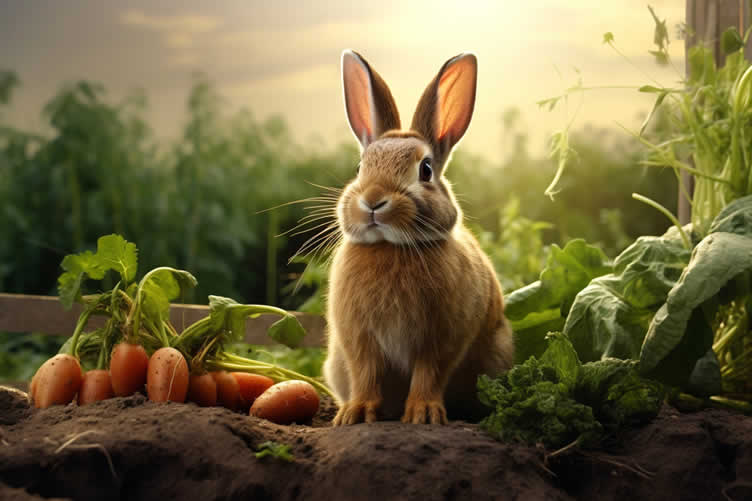
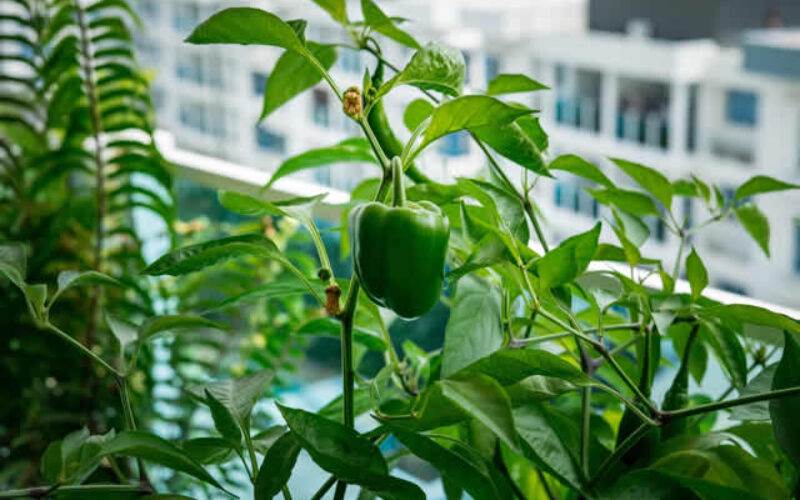
Squirrels, rabbits, and other small mammals can significantly damage a vegetable garden, munching away on tender shoots, leaves, and even the vegetables themselves. These creatures, although cute, can quickly become a nuisance for gardeners looking to protect their produce.
Protecting your vegetable garden from these small invaders requires a multifaceted approach that combines physical barriers, repellents, and strategic planting.
-
Use of Raised Beds and Cages
Elevating your garden beds can deter rabbits and make it more challenging for other small mammals to access your plants. Additionally, installing wire mesh cages or cloches over particularly vulnerable crops can provide an added layer of protection.
-
Installing Netting
Applying a layer of netting over the garden beds can prevent small animals from getting to your plants. Ensure the netting is secured firmly to the ground or to the raised beds to eliminate any gaps.
-
Natural Repellents
Creating natural repellents is a safe and eco-friendly way to keep small mammals at bay. Sprinkling human hair, dried blood meal, or placing urine-soaked clumps of kitty litter around the garden perimeter can be effective deterrents. These materials need to be replenished frequently, especially after rainfall.
-
Companion Planting
Certain plants can act as natural repellents for small mammals. For instance, planting garlic, onions, and chives around the border of your vegetable garden can help deter rabbits and squirrels, due to their strong scents. Interspersing these plants within your garden can also offer additional protection.
copyright image by 123rf.com
[ view amazon: vegetable garden netting ]
[ pinterest: keeping animals out of garden ]
-
-
4th: Not In The House
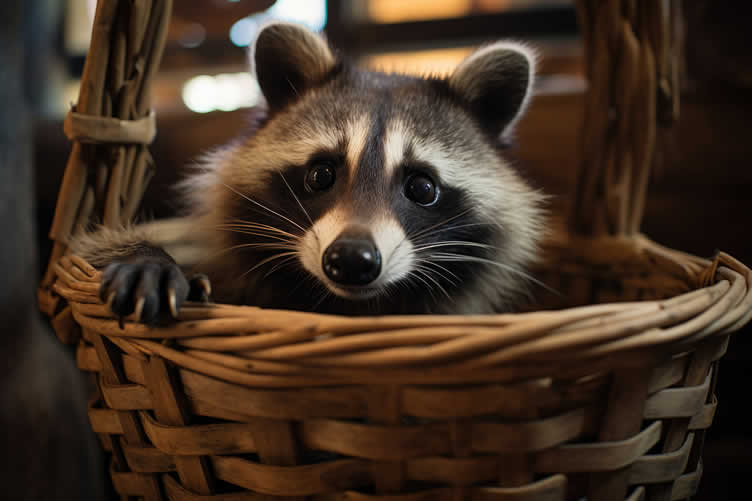
Preventing small mammals such as squirrels and raccoons from nesting in your attic or other areas of your home is crucial for maintaining structural integrity and ensuring a clean, safe living environment. These animals can cause significant damage by gnawing on wires, wood, and anything else they find, potentially leading to costly repairs.
Additionally, they can carry diseases that pose health risks to humans and pets. By taking proactive measures, homeowners can deter these unwelcome invaders effectively.
-
Seal Entry Points
Inspect your home thoroughly for any cracks, holes, or gaps in the exterior, especially near the roof line, vents, and eaves. Use sturdy materials like metal flashing, hardware cloth, or mesh to cover these potential entry points securely. Remember to check these barriers regularly for signs of wear or tampering.
-
Trim Trees and Vines
Overhanging tree limbs and dense vines can provide easy access for squirrels and raccoons to your roof and subsequently, potential entry points into your home. Keeping these trimmed and away from your house can significantly reduce the likelihood of these animals making their way indoors.
-
Install Chimney Caps and Vent Covers
Chimneys and vents are attractive nesting sites for small mammals. Install chimney caps and make sure vent covers are secure to prevent entry. Opt for covers made from durable materials that cannot be easily gnawed through or removed.
-
Remove Food Sources
Small mammals are often attracted to homes by the availability of food. Ensure garbage cans have tight-fitting lids and are not easily tipped over. Do not leave pet food outside, and consider using bird feeders that are less accessible to squirrels and raccoons.
copyright image by 123rf.com
[ view amazon: small animal trap ]
[ pinterest: squirrel proof your home ]
-
-
5th: Burrowing Mammals Ruining the Landscape
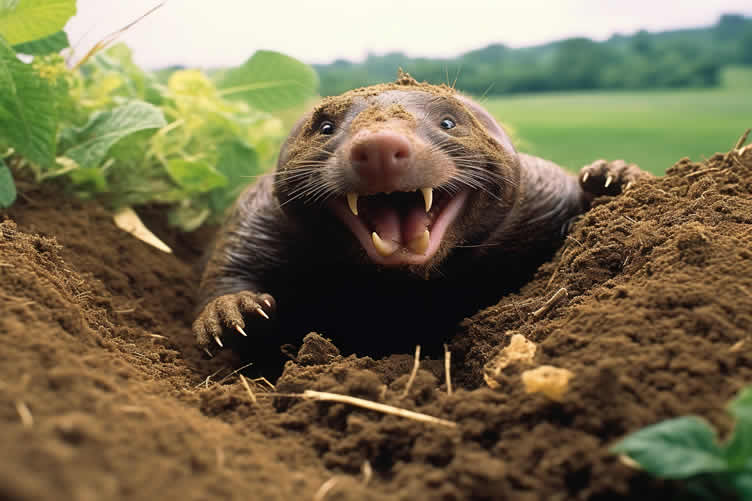
Burrowing mammals such as moles, voles, and groundhogs can disrupt the beauty and health of your landscape by creating tunnels and holes, damaging roots, and upsetting the soil structure.
Preventing these critters from making your yard their home requires a multifaceted approach that addresses both the attraction and accessibility of your landscape to these animals.
-
Install Physical Barriers
To deter burrowing mammals, consider installing physical barriers. For moles and voles, underground fencing made of hardware cloth can be effective.
This fencing should be buried at least a foot deep and bend outward at a 90-degree angle to prevent digging underneath. For larger mammals like groundhogs, deeper barriers may be required.
-
Utilize Repellents
There are various repellents available that can discourage burrowing mammals from invading your landscape. These can range from natural options, such as castor oil-based sprays, to commercially available chemical repellents.
Apply these products around the perimeter of your yard and near known entry points to create an undesirable environment for these animals.
-
Maintain a Clean Landscape
Keeping your yard free of debris, such as leaf piles and stacks of wood, can reduce the appeal of your landscape to burrowing mammals looking for shelter. Additionally, maintaining a well-trimmed lawn and garden can make the area less attractive to voles and moles that prefer to hide in taller vegetation.
-
Encourage Natural Predators
Encouraging the presence of natural predators can help control the population of burrowing mammals. Owls and hawks are natural predators of small mammals. Installing nesting boxes can attract these birds to your property, providing a natural and ongoing deterrent against moles, voles, and other burrowing animals.
By integrating these prevention tactics, homeowners can protect their landscapes from the damage caused by burrowing mammals, preserving the health and appearance of their outdoor spaces.
copyright image by 123rf.com
[ view amazon: castor oil repellent ]
[ pinterest: get rid of moles and voles ]
-
-
6th Bad Bees
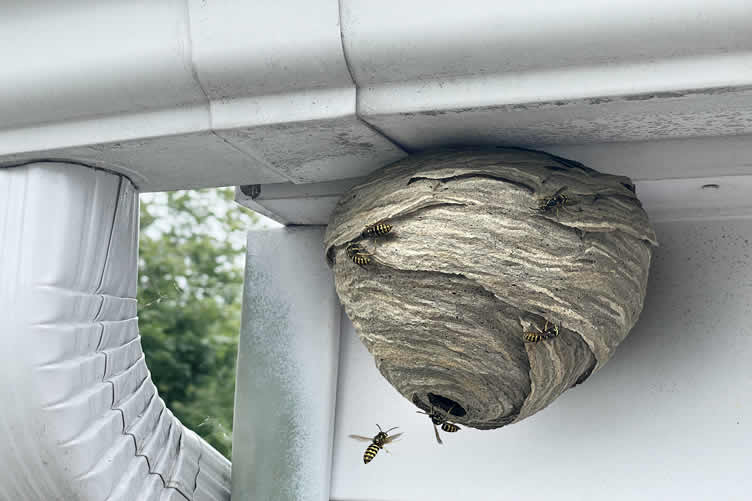
Protecting your garden from aggressive bee species, such as wasps or hornets, is crucial for ensuring the safety of both the gardener and the beneficial pollinators that visit.
While bees play a vital role in pollination, certain aggressive species can pose a risk and disrupt the harmony of a garden ecosystem. Effective management involves strategies that deter these species without harming the beneficial ones.
-
Bee-Resistant Plants
Incorporating plants that are unattractive to aggressive bee species can create a natural barrier. Species such as marigolds, geraniums, and certain herbs like mint, repel wasps and hornets due to their strong scents.
-
Water Sources
Limiting accessible water sources can deter wasps and hornets, as they are often attracted to gardens for hydration. Ensure that any water basins are covered or emptied when not in use, particularly during the warmer months.
-
Secure Food and Trash
Wasps and hornets are attracted to food particles, especially sweets and proteins. Ensuring that any food is covered during outdoor events and securing trash bins with tight-fitting lids can reduce visits from unwanted bee species.
-
Decoy Nests
Installing decoy wasp nests around your garden can be an effective deterrent. Wasps and hornets are territorial and typically avoid areas where other colonies exist. Decoy nests can trick these insects into thinking the area is already populated, encouraging them to nest elsewhere.
copyright image by 123rf.com
[ view amazon: wasp spray ]
[ pinterest: removing wasps and hornets ]
-
-
7th: Keeping Roaming Wildlife at Bay
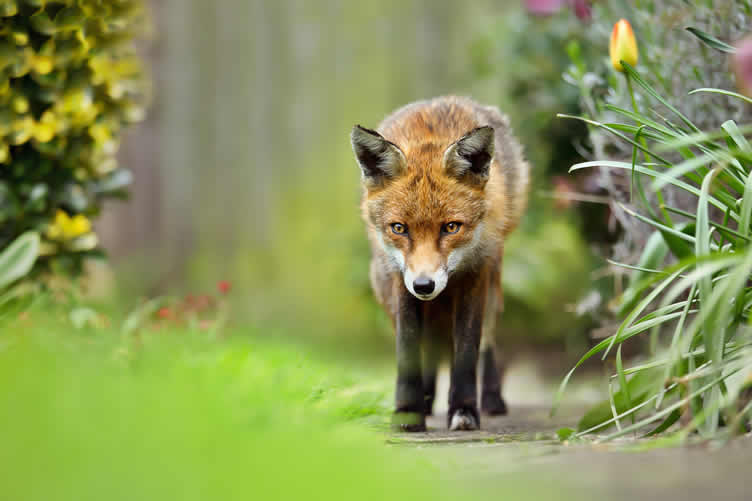
While creating a peaceful garden sanctuary, it’s essential to consider the presence of roaming wildlife such as foxes and coyotes. These animals, while fascinating to observe, can pose a challenge for gardeners, disturbing plants and potentially harming smaller pets.
Implementing strategies to deter these wildlife visitors gently and humanely ensures the safety and integrity of your garden without disrupting the natural ecosystem.
-
Fencing
Installing robust fencing is one of the most effective ways to keep foxes and coyotes out. Ensure that fences are at least 6 feet tall and extend a few inches below the ground to prevent digging.
-
Motion-Activated Lights and Sprinklers
Both foxes and coyotes are cautious of unexpected disturbances. Motion-activated lights or sprinklers can startle these animals, discouraging them from entering your garden area.
-
Secure Trash and Compost
Food odors can attract wildlife to your yard. Ensure all trash bins are securely closed, and compost bins do not contain meat or sweet food scraps, which are particularly enticing.
-
Removal of Shelter
Foxes and coyotes look for sheltered places to rest or hide. By clearing underbrush and sealing off spaces under decks or sheds, you can make your garden less appealing to them.
Employing these tactics can help maintain the balance between enjoying local wildlife from a distance and protecting the sanctuary of your garden.
copyright image by 123rf.com
[ view amazon: trash can locks ]
[ pinterest: avoid prowling animals in yard ]
-
-
8th: Squirrels And Bird Feeders
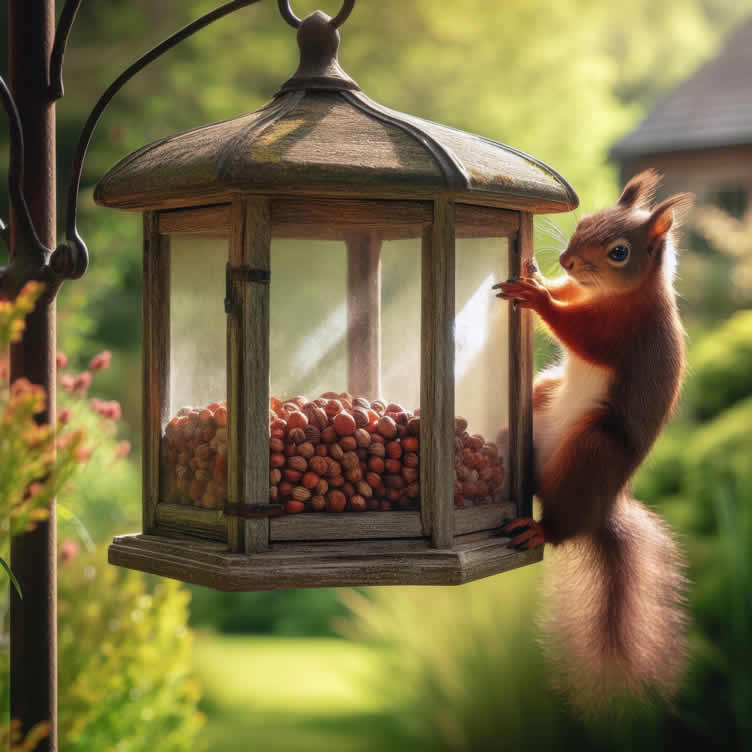
Squirrels, with their acrobatic abilities and relentless determination, can often be seen as charming albeit mischievous participants in the outdoor space.
However, their fascination with bird feeders can lead to a significant depletion of resources meant for birds, and sometimes even damage the feeders.
Implementing specific strategies can aid in preventing squirrels from monopolizing bird feeders, thereby ensuring that your feathery friends get their fair share of the feed.
-
Use Squirrel-Proof Feeders
Investing in squirrel-proof bird feeders is an effective first line of defense. These feeders are designed with mechanisms that close the feeding ports under the weight of a squirrel or are entirely encased in a metal cage with openings only large enough for birds.
-
Install Baffles
Baffles are smooth, dome-shaped objects that can be attached above or below bird feeders. Squirrels find it difficult to maintain their grip on the slippery surface, preventing them from reaching the feeder.
-
Opt for Spicy Seeds
Birds are not sensitive to capsaicin—the component that makes chili peppers hot—whereas squirrels are. Mixing some chili powder or using pre-coated spicy seeds can deter squirrels without affecting the birds.
-
Location Matters
Place bird feeders away from trees, roofs, or structures from which squirrels could jump. Ideally, feeders should be mounted on a smooth pole at least 6 feet off the ground and 10 feet away from any potential launching points.
copyright image by 123rf.com
[ view amazon: squirrel proof bird feeders ]
[ pinterest: keep squirrels away from bird feeders ]
-
-
9th: Birds and Fruit Trees
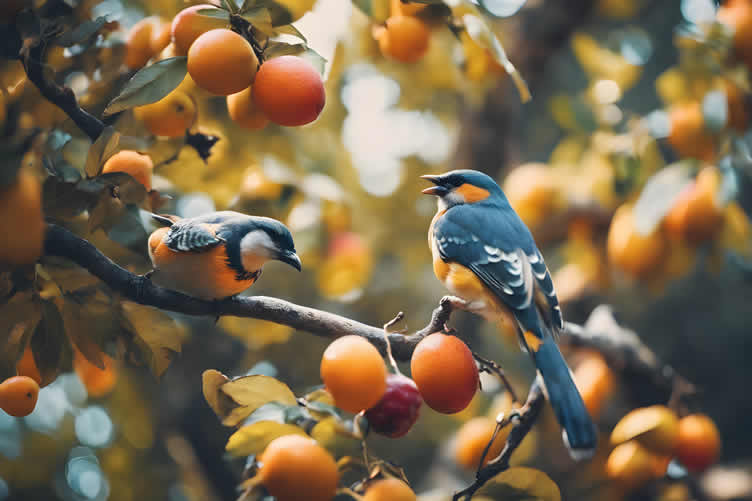
Preventing birds from feasting on your fruit trees and vines can be as much of a challenge as stopping squirrels from raiding bird feeders. Birds, while beautiful and beneficial for ecosystems, can quickly decimate your hard-earned harvest if not managed properly.
The key is to implement measures that discourage or prevent birds from accessing your fruits without harming them. Here are several effective strategies you can employ to protect your fruit trees and vines.
-
Use Netting
Covering your fruit trees and vines with bird netting is one of the most effective ways to prevent birds from accessing the fruits. Ensure the netting is secured properly around the base to prevent birds from sneaking in from underneath.
-
Hang Reflective Objects
Hanging reflective tapes, CDs, or aluminum foil around your garden can scare away birds. The light reflections and noise created by these objects in the wind create an uncomfortable environment for birds.
-
Install Bird Scare Devices
Consider using bird scare devices, such as scarecrows, fake owls, or snakes. These can be effective if moved regularly so birds don’t get accustomed to them.
-
Offer Alternative Food Sources
Setting up bird feeders away from your fruit trees can attract birds to another part of your garden, reducing the likelihood of them targeting your fruit trees and vines.
AI generated image by 123rf.com
[ view amazon: reflective bird proof ]
[ pinterest: keeping birds away ]
-
-
-
ideas to view and compare from the information discussed above
outdoor repellent ultrasonicanimal sprinkler repelleroutdoor pest control
Scroll up to directory … or scroll to next section about backyard wildlife …
SHARE IT ..! You might have someone in your social network who could find this informative post on how simple renovations can boost your mental health valuable. Feel free to share it on Facebook, Twitter, LinkedIn, or Pinterest!




remodeling decisions
pest and wildlife control products
fourth “photo remodeling” idea
copyright image by 123rf.com
Wildlife Tip 4: Removing Wildlife When Necessary
Notes:
-
The prospect of removing wildlife from your backyard can be a difficult one, with important ethical considerations. Oftentimes, the most humane choice is to simply step back and allow natural predators, such as local bird species or beneficial insects, to keep the wildlife population in check.
If a situation requires intervention, it should be for compelling reasons such as safety concerns or the welfare of the animal. Always seek advice from a local wildlife agency to understand the legalities and best practices for your region.
-
Professional Removal Services
Professional removal services can provide a middle ground between tolerance and necessity. Expert wildlife managers can assess the situation and either relocate the animal or create strategies to alter their behavior. They are equipped to do so safely, humanely, and efficiently.
Before engaging a service, do your due diligence. Look for companies that are licensed, experienced, and who use modern, humane techniques. Discuss the methods they’ll employ in detail, ensuring it aligns with your values and legal regulations.
-
-
Quick scroll to “wildlife removal” side notes …
-
-
1st: Common Mammals Requiring Removal
While fostering an environment where wildlife can thrive is commendable, certain situations necessitate the removal of specific mammals from residential areas. This could stem from concerns over safety, health risks, or even the potential damage to property.
In these instances, understanding which mammals might require humane removal and the justifications for such actions becomes pivotal for homeowners.
These animals may cause damage to property, raid food sources, or pose a threat to pets or humans. Here are some common examples:
-
Raccoons:
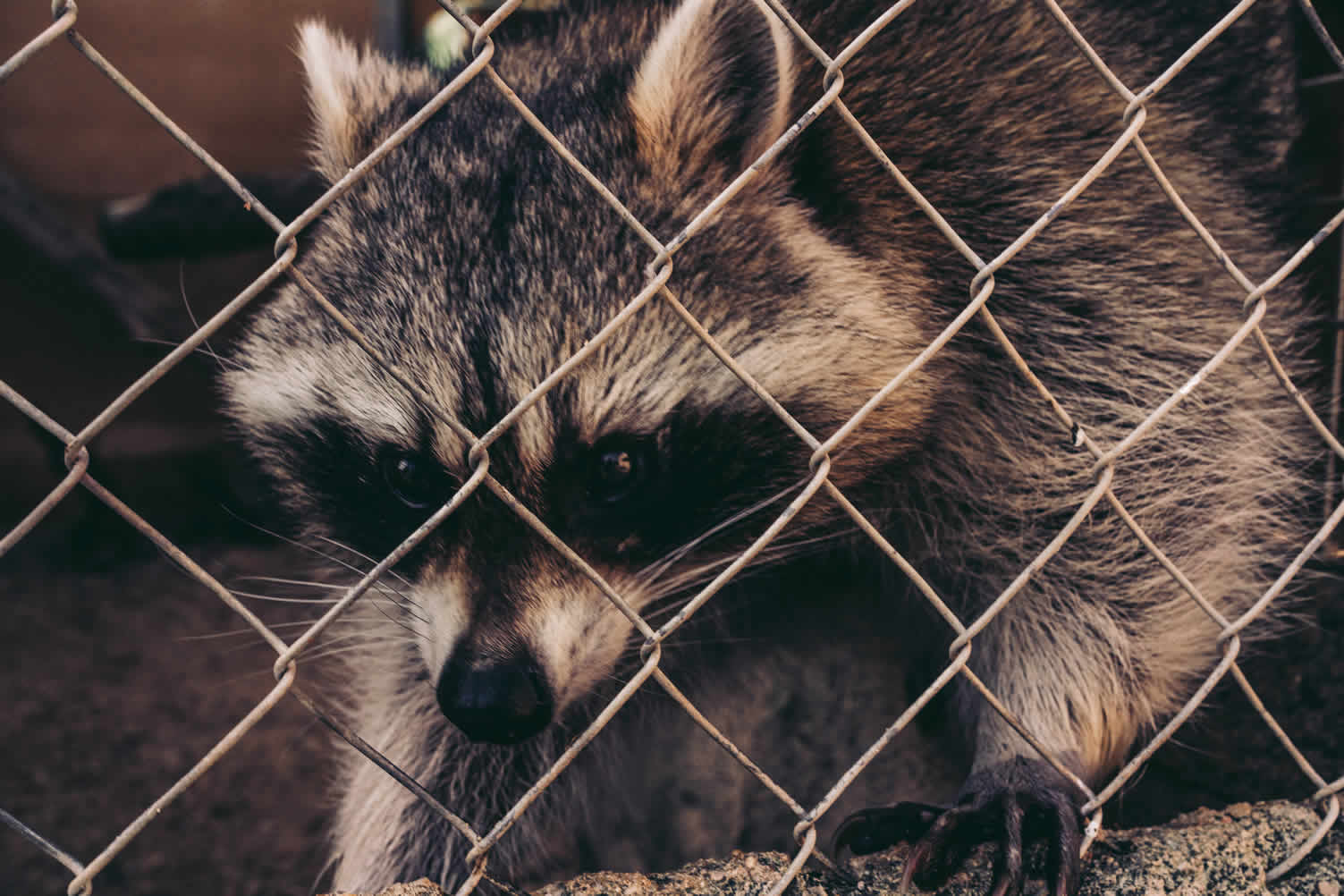
These masked omnivores are notorious for their mischievous antics and adaptability. They are attracted to garbage cans, pet food, and fruit trees, causing damage and mess. Additionally, raccoons can carry diseases like rabies and distemper, making them a potential health risk.
-
Squirrels:
While often adorable, squirrels can become destructive in backyards. Their love for gnawing can cause damage to wood structures, electrical wires, and even car parts. Additionally, squirrels can be prolific diggers, creating unsightly holes in lawns and gardens.
-
Groundhogs:
These burrowing rodents are infamous for their extensive tunnel networks, which can undermine landscaping, patios, and even foundations. Their digging can also damage lawns and gardens, making them unwelcome guests in many yards.
-
Skunks:
The potent spray of skunks deters most predators, but they can become nuisance pests when they take up residence under decks, sheds, or porches. Their scavenging behavior can lead them to raid pet food bowls and create unpleasant odors in the backyard.
-
Opossums:
Despite their beneficial role as scavengers, opossums can become problematic when they find homes in attics, crawl spaces, or sheds. Their nocturnal habits and occasional "playing dead" behavior can be disruptive to homeowners.
-
Coyotes:
While often shy and elusive, coyotes can become bold and approach human settlements, particularly in search of food. They may prey on small pets and poultry, posing a threat to backyard animals.
-
Other Potential Invading Mammals:
-
Gophers: Their burrowing activities can damage lawns, gardens, and landscaping.
-
Pack rats: These rodents can build large nests in attics and sheds, causing damage and posing fire hazards
-
Beavers: Their dam-building activities can disrupt water flow and cause flooding in yards and gardens.
-
Muskrats: Similar to beavers, muskrats can damage property with their burrowing and gnawing habits.
-
Bats: While beneficial insectivores, large bat colonies can create noise disturbances and pose a risk of diseases like rabies.
-
Mountain lions: While rare encounters, mountain lions can pose a threat to pets and livestock.
-
copyright image by 123rf.com
[ pinterest: types of wildlife removal diagram ]
[ youtube: how far north pythons spread ]
-
-
2nd: Dealing with Unwanted Residents
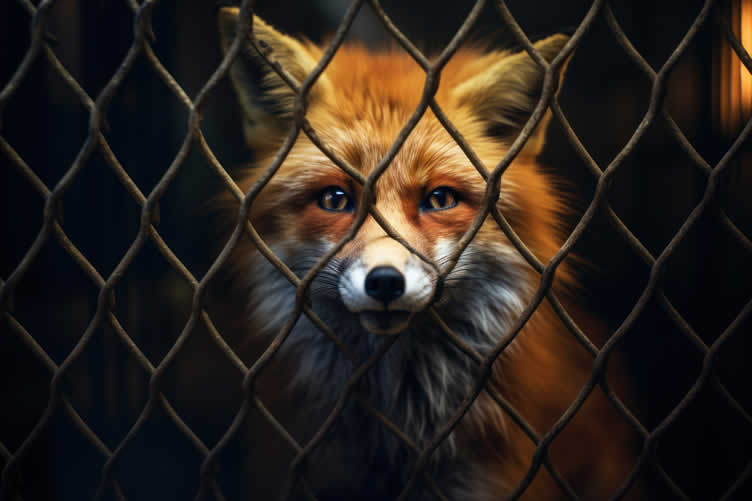
Realizing you have a raccoon, squirrel, or other small mammal residing in your attic or garage can be startling. Signs of their presence include noises such as scratching or movement at night, visible damage to insulation or wiring, and droppings.
Identifying these signs early can help mitigate potential damage and health risks associated with their invasion.
-
Identifying the Problem:
The first step in responsibly managing wildlife in residential areas is accurately identifying the problem. This involves observing and understanding the specific behaviors and habitats of the wildlife involved.
Without a clear identification of the species and the issues they are causing, any efforts to resolve the situation may be ineffective or, worse, harmful to the animals.
-
Signs of wildlife:
Pay attention to droppings, tracks, gnaw marks, noises, and unusual smells to identify the type of animal causing the problem. -
Assessing the damage:
Look for any structural damage, chewed wires, destroyed plants, or contaminated food sources. -
Health risks:
Some animals carry diseases like rabies, distemper, and salmonella, so be cautious and avoid direct contact.
-
-
Initial Steps to Take
Upon discovering wildlife in your home, it’s crucial to ascertain their entry point. Look for holes or gaps in the exterior of your house, especially near the roof line, vents, or foundation.
Temporarily sealing these areas can prevent more animals from entering, but be cautious not to trap any inside.
Here are some preventative measures to discourage these mammals from invading your backyard:
- Secure garbage cans and compost bins with tight-fitting lids.
- Remove potential food sources like fallen fruit, pet food bowls, and bird feeders at night.
- Seal potential entry points around your home, such as crawl spaces, vents, and attics.
- Trim back trees and bushes to discourage climbing animals.
- Install fences or barriers to deter entry.
- Consider using motion-activated lights or sprinklers as deterrents.
-
Humane Removal Techniques
The most humane method for removing an unwanted guest from your attic or garage involves the use of one-way doors or live traps. One-way doors allow the animal to leave but prevent its return.
If using live traps, place them near the entry points and check them frequently to ensure that any captured animal is not left in distress. Always wear gloves and protective clothing to minimize the risk of bites or scratches.
-
Aftercare and Prevention
Once the animal is removed, it’s important to permanently repair any entry points to prevent future invasions. Clean the affected areas thoroughly to remove any scents that might attract other wildlife.
Consider consulting with a professional to identify and mitigate any structural vulnerabilities in your home that could entice other unwelcome animals in the future.
copyright image by 123rf.com
-
-
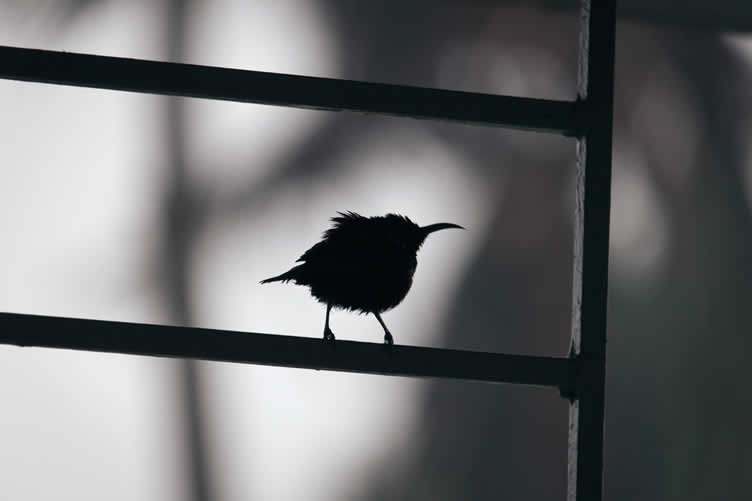
3rd: Removing Birds Nesting in Attics or Garages
Discovering a bird’s nest in your attic, garage, or other sheltered spots can be both a surprise and a concern. Birds, while less destructive than rodents or other small mammals, can still cause damage and leave behind waste that poses health risks.
The presence of nests often indicates openings or damage to your home that needs addressing.
-
Identify and Assess
Before taking any action, carefully assess the situation. Identify the bird species if possible, as some may be protected under local wildlife laws, requiring professional assistance for removal.
Look for signs of eggs or chicks; if present, it might be best to wait until they have left the nest before proceeding with removal.
-
Humane Eviction
For humane eviction, wait until the nest is vacant. You can then safely remove the nest and clean the area. If dealing with species that are not under protection and if immediate removal is necessary, use gentle deterrents to encourage the birds to leave.
Devices that produce light or noise can be effective, but avoid anything that may harm the birds.
-
Secure and Prevent Future Nesting
After removal, take steps to prevent birds from returning. This can include sealing entry points, installing bird spikes, or using netting to cover potential nesting areas. Remember to regularly inspect these measures for wear and tear to ensure they remain effective.
Bird-related issues can be nuanced, and when in doubt, consulting with wildlife conservation or pest management professionals is advisable to ensure humane and legal handling of these situations.
AI generated image by 123rf.com
[ pinterest: removing bird nests ]
[ youtube: bird nest removal ]
-
-
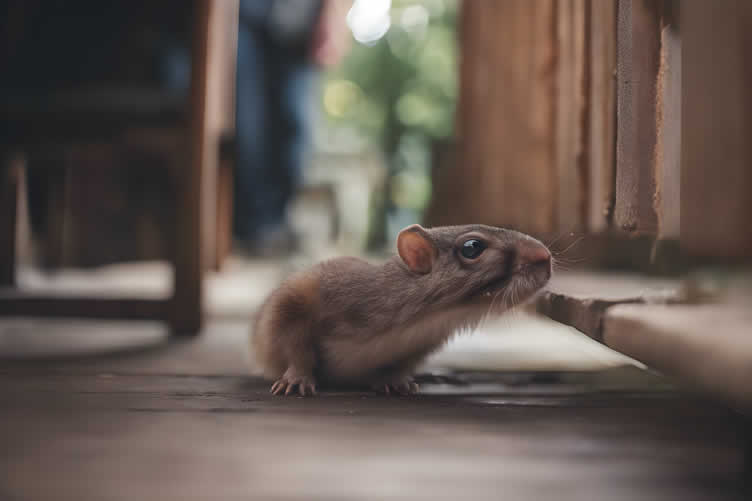
4th: Removing Wildlife Lodged Under Decks or Porches
Discovering wildlife nestled beneath your deck or porch can be a surprising experience. While it’s important to appreciate and coexist with nature, there are times when it is necessary to safely remove animals to protect both your home and the animals themselves.
Removing wildlife from such areas requires careful consideration and often, professional assistance, to ensure no harm comes to the animals and to conform to local wildlife protection laws.
-
Identifying the Animal
Before taking action, identify the kind of animal or animals you’re dealing with. Some species, such as rabbits or certain types of birds, may leave on their own in a short period.
Others, like raccoons or skunks, might pose a more significant challenge. Knowing the species will help you understand the risks and the best approach for removal.
-
Professional Removal Services
In many cases, the safest option is to contact local wildlife removal or pest control services. These professionals are equipped with the knowledge and tools to remove animals safely, and they can take steps to ensure that the animals are relocated to a suitable environment.
Additionally, they can provide guidance on preventing future occurrences.
-
Humane Traps and Relocation
If local laws permit and you’re dealing with an animal that can be safely trapped, using a humane trap can be an effective solution. It’s critical to check these traps frequently to minimize the animals’ stress.
After capturing, the animals should be released in a habitat appropriate for their species, following local guidelines on wildlife relocation.
-
Preventive Measures
Once the animal is removed, take steps to prevent future lodgings. Seal off any open areas beneath your deck or porch with durable materials.
Removing food sources, such as bird feeders or accessible trash bins, can also discourage wildlife from approaching your home.
It’s important to approach the situation with patience and empathy for the wildlife involved. The goal should be to resolve the issue humanely, ensuring the safety and wellbeing of both the animals and the residents.
copyright image by 123rf.com
[ pinterest: removing wildlife ]
[ youtube: wildlife removal ]
-
-
-
ideas to view and compare from the information discussed above
book: wildlife removal handbookwildlife removal cagessnake tong
Scroll up to directory … or scroll to next section about backyard wildlife …
below for …
landscape ecosystem services




Find Yard n’ Garden Services Landscape Design Sprinkler Systems Metal Work Water Features Gazebos Play Equipment Outbuildings Fences top-rated, pre-screened local contractors FREE: download contractor selection enter zip code – powered by HomeAdvisor ™
Quick Contractor Guides selecting negotiating working with inspecting

fifth and last “photo remodeling” idea

copyright image by 123rf.com
Wildlife Tip 5: Wildlife Habitat Design and Building Steps
Notes:
-
Creating an ecosystem habitat in your backyard can be a rewarding DIY project. Start by researching local plants that are native to your area, as these will attract local wildlife like birds and beneficial insects.
Consider building a small pond or a water feature, which can serve as a water source for animals. Planting a variety of trees, shrubs, and flowers will provide food and shelter. Remember to use organic gardening practices to avoid harming the wildlife you’re trying to attract.
-
Hiring a Landscape Contractor
If the project feels overwhelming, or if you’re looking for a more complex ecosystem, hiring a landscaping contractor with experience in eco-friendly projects might be a better option. A professional can design a habitat that not only benefits local wildlife but is also aesthetically pleasing.
They can incorporate elements you might not have considered, like appropriate drainage for a pond or selecting plants that bloom at different times of the year to ensure a consistent food supply for visitors. A landscape contractor can also tackle any challenges specific to your yard, ensuring your ecosystem thrives for years to come.
Both approaches, whether you choose a DIY project or to hire a professional, lead to the creation of a backyard habitat that supports local wildlife and contributes to biodiversity. The key is to start with a clear plan and to select elements that will encourage a variety of species to visit and make your yard their home.
-
-
Quirk scroll to topic "supporting" side notes …
-
-
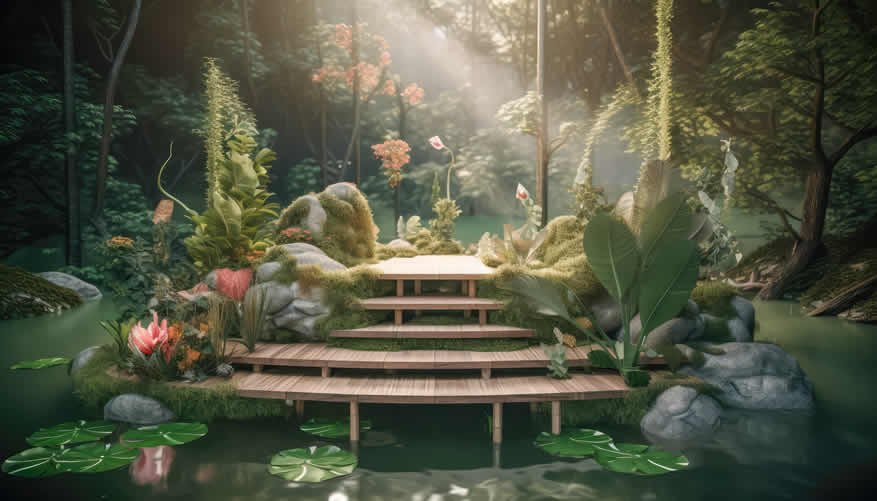
1st: Planning Your DIY Ecosystem Project
Planning your ecosystem project requires a thoughtful and informed approach, emphasizing the harmony between your desires as a homeowner and the needs of local wildlife.
It involves not just the selection of plants and features but understanding the ecological dynamics of your area. Starting with a comprehensive plan ensures that you create a living, sustainable habitat that enriches your backyard while contributing positively to the environment.
This planning phase is crucial, as it lays the foundation for a successful ecosystem project, guiding you through the selection of native plants, water features, and other elements that mimic the natural habitat of your local fauna.
-
Step1: Planning It
The first step in building your backyard ecosystem is planning. Consider the size of your yard and how much of it you want to devote to your ecosystem project.
Sketch out a rough design, thinking about where to place larger elements like trees and a pond. Research the types of wildlife you aim to attract and choose plants that will cater to their needs.
-
Step2: Selecting Native Plants
Native plants are the backbone of any backyard ecosystem. They are adapted to your local climate and soil, which means they require less water and maintenance than non-native species.
Look for plants that offer food for wildlife, such as nectar for butterflies and seeds for birds. A variety of plant types, including trees, shrubs, and groundcovers, will create a layered habitat that can support different animals.
-
Step3: Creating a Water Feature
Water is essential for attracting wildlife. Your water feature can be as simple as a birdbath or as elaborate as a pond with a waterfall. The sound of moving water can also attract species like frogs and birds.
Be sure to place your water feature in a location that’s easily accessible for animals, yet safe from potential predators.
-
Step4: Building Shelter
Wildlife needs shelter to feel safe in your garden. This can be achieved by planting dense shrubs or leaving a part of your yard a bit wild with piles of logs and leaves.
Installing birdhouses, bat boxes, or insect hotels can also provide essential sheltering opportunities for various species.
-
Step5: Maintaining Your Ecosystem
Once your backyard ecosystem is in place, ongoing maintenance is crucial. This includes watering plants as needed, removing invasive species, and avoiding the use of chemicals such as pesticides and herbicides. Regularly check and clean water features to prevent mosquito breeding.
Observing your ecosystem throughout the seasons will help you make necessary adjustments and enjoy the flourishing biodiversity in your backyard.
copyright image by 123rf.com
[ view diagram: DIY backyard ecosystem diagram ]
[ youtube: create wildlife habit ]
-
-
2nd: Finding the Right Landscape Contractor
Creating the perfect backyard ecosystem is a rewarding project, but it can be complex and time-consuming. For homeowners looking to bring their vision to life with professional help, finding the right landscaping contractor is crucial.
Start by searching for a contractor with experience in ecological or native landscaping. These professionals will understand the importance of designing a garden that benefits local wildlife and adheres to sustainable practices.
Ask for a portfolio of their previous projects and references to ensure their work aligns with your goals. Additionally, a good contractor will be willing to work with you closely, respecting your ideas and offering expert advice to enhance the project.
Remember, communication is key throughout the process to ensure the final outcome meets your expectations and creates a thriving ecosystem in your backyard.
LetsRenovate has partnered with HomeAdvisor™, a renowned provider of highly-rated, carefully-vetted landscape local contractors. Start your search here by entering your zip code to find local professionals.

copyright image by 123rf.com
But Wait!
Prior to starting your search for contractors, it is strongly advised to download and make use of this detailed worksheet. This resource will assist in ensuring that you possess all the essential information and tools needed to make well-informed decisions and streamline the entire process.
This tool will help impartially rank and assess potential contractors, considering crucial aspects like pricing.

Evaluation Sheet
File Type:
-
3rd: DIY Tips for Urban Dwellers
Creating a wildlife-friendly space in an urban setting might seem challenging, but with a few strategic choices, you can transform even the smallest spaces into havens for local wildlife.
Start by choosing plants that are native to your area, as these will provide the most suitable nectar, pollen, seeds, and shelter for local insects and birds. Even in limited spaces like balconies or small yards, container gardening can be an effective way to support local flora and fauna.
Incorporating water features such as bird baths or small, shallow water dishes can attract birds, butterflies, and other pollinators, providing them with essential resources. Additionally, consider installing bird feeders or nesting boxes to support urban bird populations.
Remember to research and choose the types of feeders and food that are appropriate for the bird species native to your area. By prioritizing native plants and providing water, food, and shelter, you can contribute to biodiversity and support wildlife even in the heart of a bustling city.
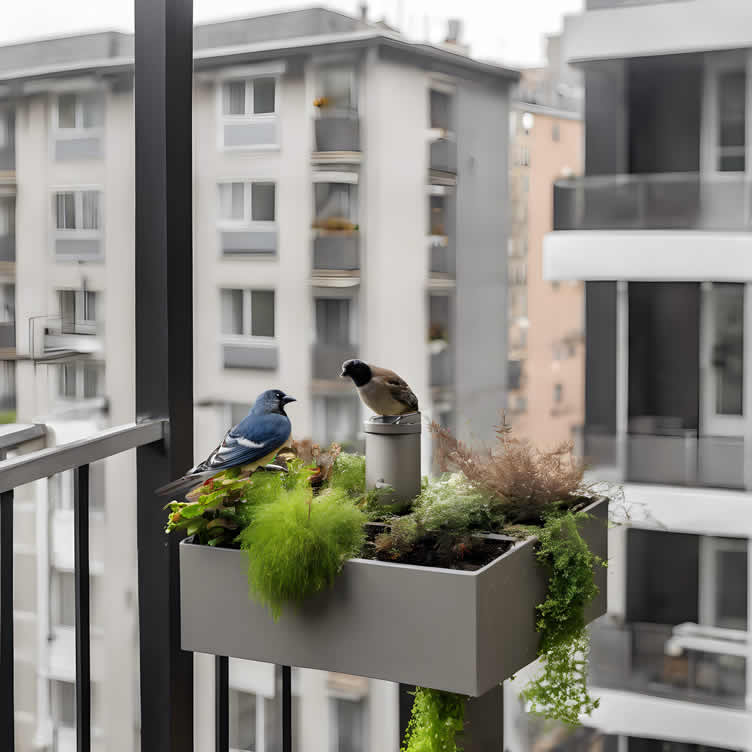
AI generated image by 123rf.com
[ view images: urban apartment balcony ecosystem ]
[ pinterest: apartment balcony garden ]
-
-
FINAL REMARKS
Coexisting with wildlife is a dynamic relationship that requires adaptability, foresight, and compassion. Ultimately, the goal should be to cultivate a space where the flora and fauna can flourish harmoniously.
By setting the stage with a welcoming landscape, employing humane control methods, and advocating for responsible and respectful removal practices when necessary, we facilitate a shared environment that all creatures can appreciate and enjoy.
-
ideas to view and compare from the information discussed above
book: landscaping designlanscape softwarebee attracting wildflowers
- What comments can you share about
backyard wildlife?
Scroll up to directory … or scroll to more home remodeling-related topics …
view illustration “becoming a bank”


Cover image credit: backyard wildlife by 123rf.com
end of post … please share it!
 |
did you find how analysis about backyard wildlife helpful? If so, please share the article with your friends and family! |
Nice pic idea? Leave us a quick comment below.
And please share this pic idea within your social networks.