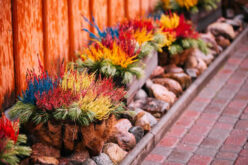
Summary Outline:
If you’re tired of the boring old garden though, why not create a sensory garden? These allow visitors to stimulate their senses and have a unique experience. You’ll definitely be the talk of the town!
Below are six tips on creating a sensory garden that’ll blow people’s minds.

-
Quik scroll to first topic about tips on creating a sensory garden …

first “tips on creating a sensory garden” idea

copyright image by 123rf.com
Consider Your Existing Space First
Notes:
- We’d all love to create a massive sensory garden, but it’s just not feasible. You need to be realistic about what you’re working with, and understand that you simply don’t have the space or resources to reproduce a botanical garden.
- Instead, note down not just how big your yard is, but also what shapes and obstacles there are. In addition, be aware of the amount of sunlight you get and what direction the area’s facing. This will definitely affect which types of plants and features you can put in your sensory garden.
-
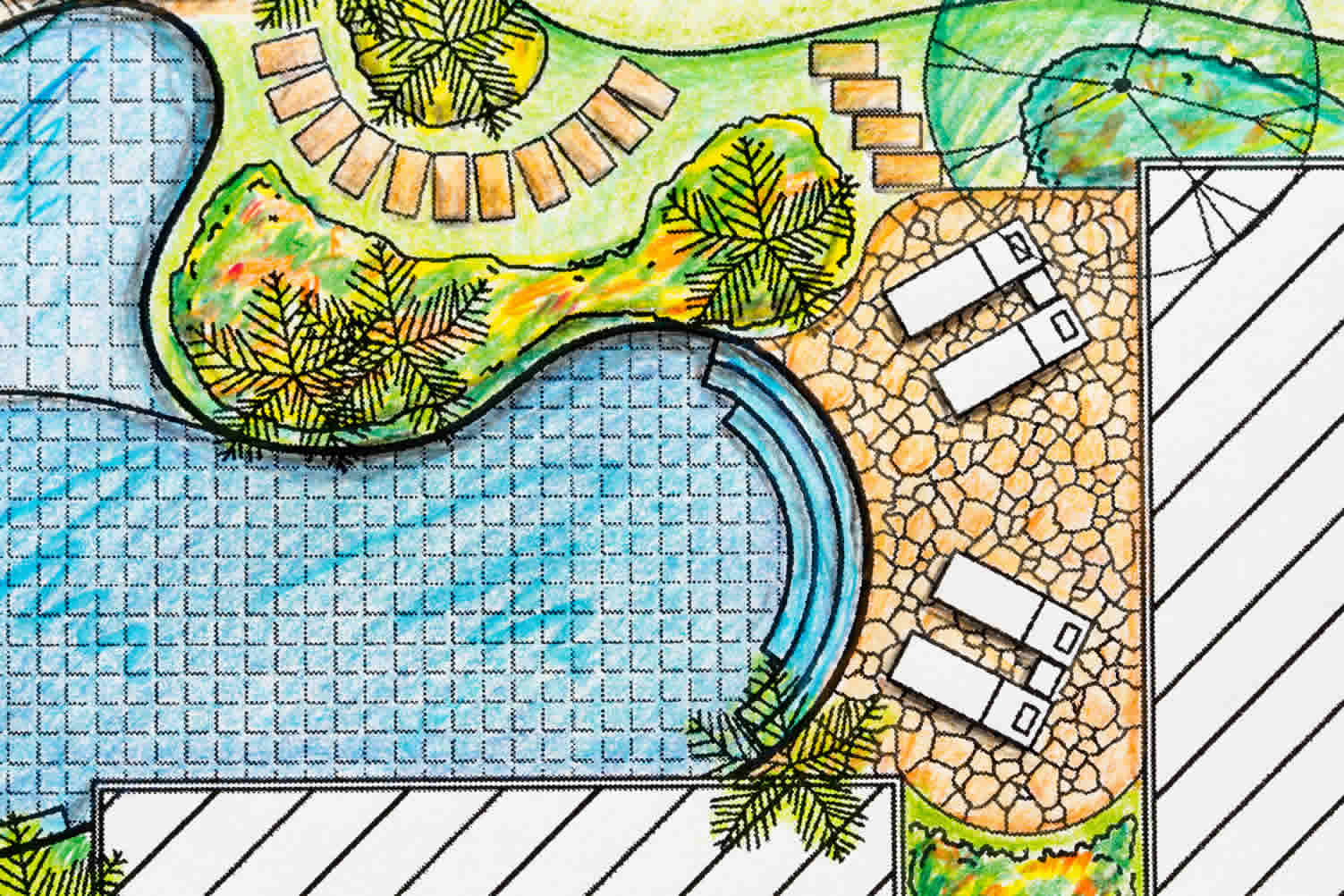
Some “creating space” analysis from the photo above:
- you can find online all kinds of landscaping apps that will help in designing the space needed to build a sensory garden.
- there are also robust software programs and guides that can draw your landscape plan with some inspiring elements depending on the area you have to work with.
- view below for the tools you need to create the space you need for plantings, water elements, and other sensory landscaping.
- comments …
-
Quik scroll to topic side notes …
-
-
Defining What A Sensory Garden Is:
A sensory garden uses elements that stimulate and engage the five basic senses of sight, smell, sound, touch and taste. The garden may use one or a combination of these elements that triggers one or more senses.
Some examples include:
-
Sight:
Using designs and landscape shapes that are pleasing to the eye. This may include the positioning of trees, shrubs, flowers, boulders, and other decorative designs.
- view examples: sight sensory garden
-
Smell:
Using flowers, herbs, shrubs, and other plantings that give off a nice scent as you walk by or when a breeze stirs the air. Some planting examples include lavender, gardenia, oregano, magnolia, honeysuckle, and more. Some of these plants only give off a scent during the spring, summer, or fall. So make sure to include different scented plants for the calendar growing season.
- view samples: smell sensory garden
-
Sound:
A sound sensory garden will include the flow of water – such a a pond, waterfall, or fountain – wind and rain chimes – bird-friendly backyard – and other sounds that sooth the senses.
- view samples: sound sensory garden
-
Touch:
Touch is the feeling you have with your hands and feet as you move about the garden. Hand-touch includes soft flower pedals, fuzzy leaves, rough tree bark, soft grassy beds, and other touch-related elements. Feet-touch may be from a decorative walkway that includes stone, wood, or sand.
- view samples: touch sensory garden
-
Taste:
Taste sensory elements come from having a fruit, herb and/or vegetable gardens growing throughout the season. There are also some edible flowering plants that can be used in cooking and teas. Another taste element is maintaining a honey bee hive – where the bees produce “tasteful” honey after pollinating your flowering trees, vegetables, and flowers. Bees also add to the sound sensory.
- view samples: taste sensory garden
-
-
Understanding The Rules of DIY Landscaping:
There are so many variables with do-it-yourself landscaping. These variables includes budgeting the cost, developing skills, knowing the climate of your region, defining your personal design tastes, and knowing how you and others will use your yard.
The good news is that, whether you’re starting from scratch or updating an outdated and overgrown outdoor space, there are certain principles that should guide your do-it-yourself landscape design.
These principles apply to whatever the size of your garden or budget; and they support even the most beginner gardener to come up with something amazing.
-
-
Quik scroll to next topic about tips on creating a sensory garden …
-
ideas to view and compare from the information discussed above
search garden planning appslandscaping softwarelandscape design


remodeling decisions

second “photo remodeling” idea
copyright image by 123rf.com
Pick Your Plants Wisely
Notes:
- Your plants will be the main attraction, so pick them wisely. The experts at the Autism Parenting Magazine say that plants are fantastic for sensory exploration, especially for children with autism. Your yard can be a safe space to check out all five senses.
- Obviously, your plants should have a wide range of colors, so they’re aesthetically pleasing. They can also be of varying heights to create depth and dimension.
- Another thing to consider is their textures. Some will have waxy leaves, while others will have soft and fuzzy ones. You can even plant spiky succulents for a huge contrast in plants.
-
Make It Attractive For Wildlife:
Don’t forget about scents too! If you pick the right combination of plants, it’ll be a fragrant haven you’ll never want to leave. In addition, try to select ones that’ll attract bees, butterflies, and other pollinators. Not only is this good for the environment, but it’ll tantalize the senses even more.
- Stick with native plants if you can. These are better adapted to your local environment and can help the local wildlife flourish.
-
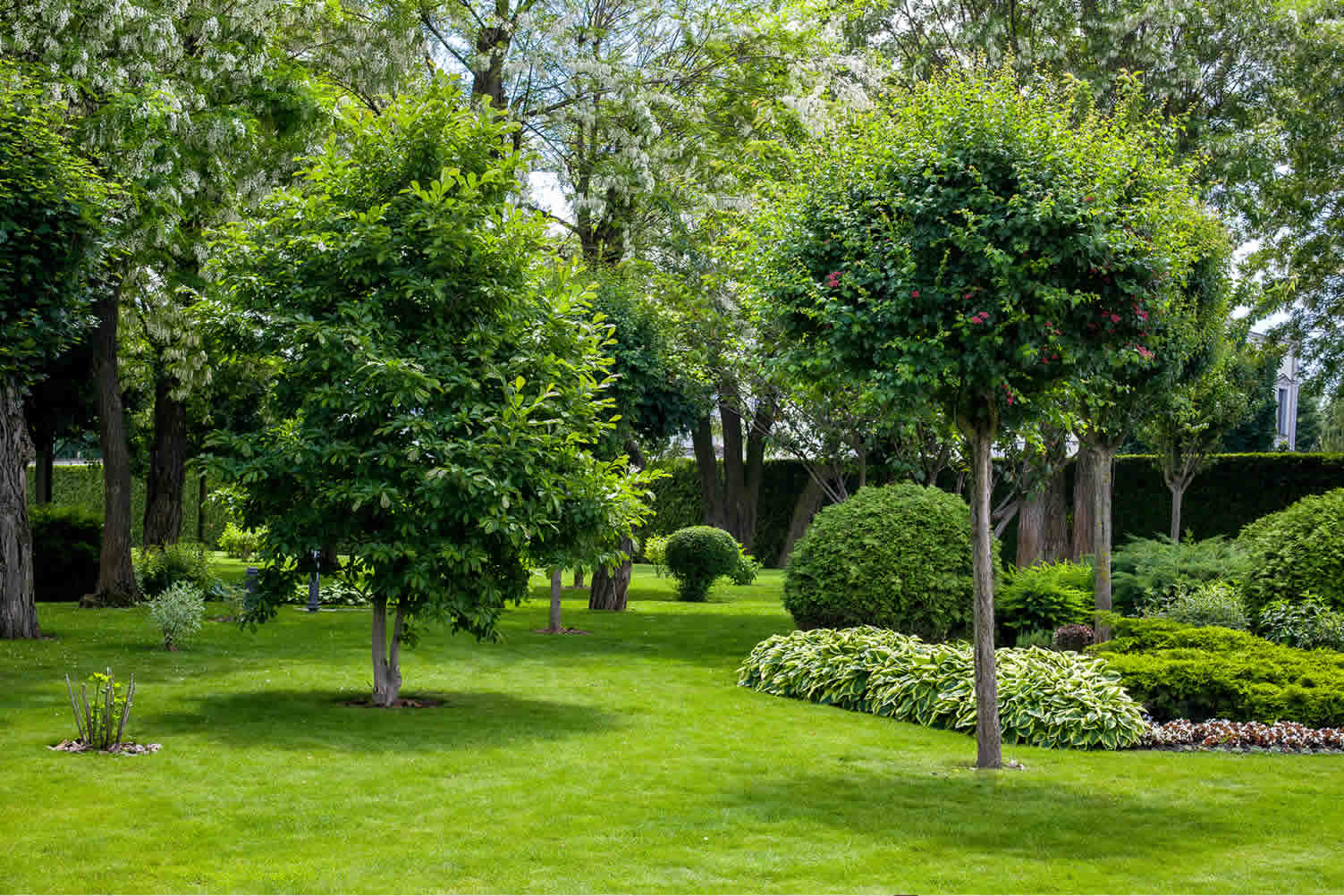
Looking at “landscaping” analysis from the photo above:
- note the positioning and arrangement of the varying types of trees – nicely situated for both privacy, shade and sunshine.
- ornamental trees are used up front to limit the height so that sunshine can penetrate the gardening plants.
- the garden bed uses varied shrubs in the back with both perennials and annual flowers up front – giving the look of shades of green and color for that sight sensory.
- comments …
-
Quik scroll to topic side notes …
-
-
Selecting Flowers – Shrubs – Trees – Grasses:
There is so much to work with to get your garden looking nice. You need to plant the right amount of trees, shrubs, and floral beddings to give you privacy, to accent a conversation area, and to provide color and lush scenery.
Below are ideas to help with your planning. Click on the selection for more information:
- annual flowers: [scroll down]
- perennials flowers: [scroll down]
- trees: [scroll down]
- shrubs and grasses: [scroll down]
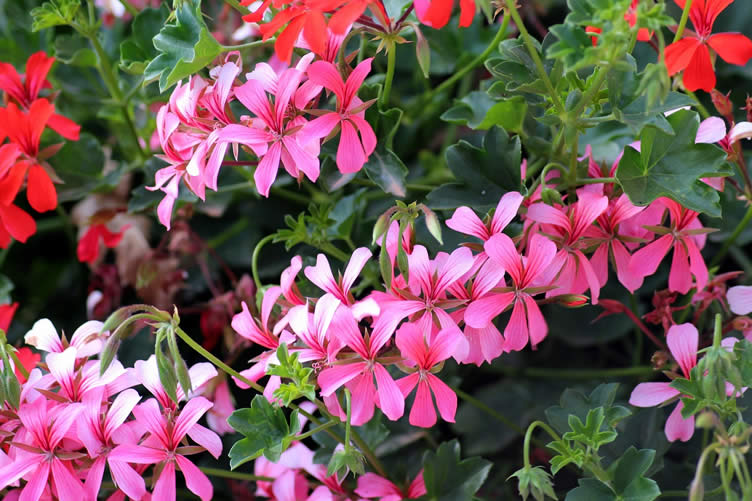
related annual flowers:


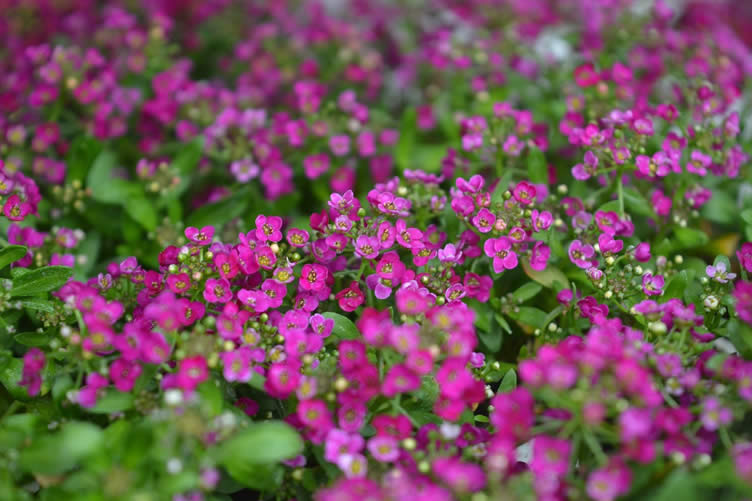
copyright image by envato.com | pixabay.com | pixabay.com | pixabay.com
perennial flowers:

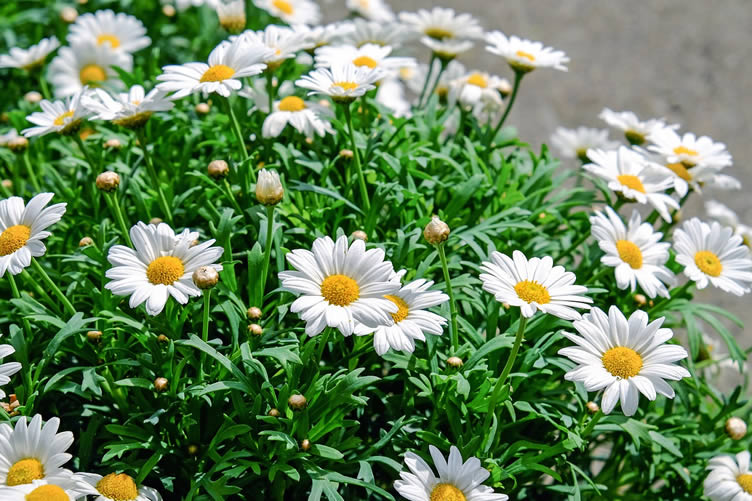
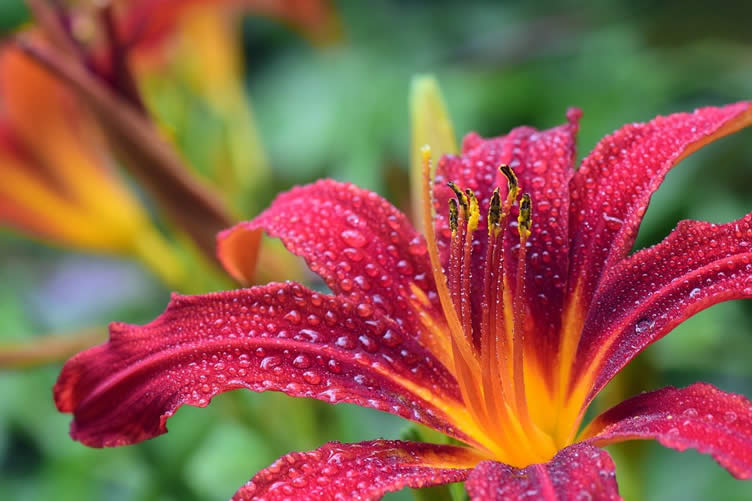

copyright image by pixabay.com | pixabay.com | pixabay.com | pixabay.com
trees:




copyright image by pixabay.com | pixabay.com | pixabay.com | pixabay.com
shrubs and grasses:
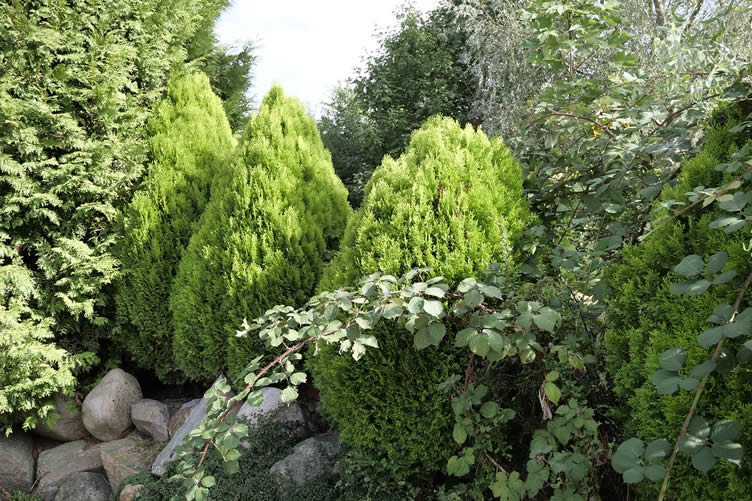
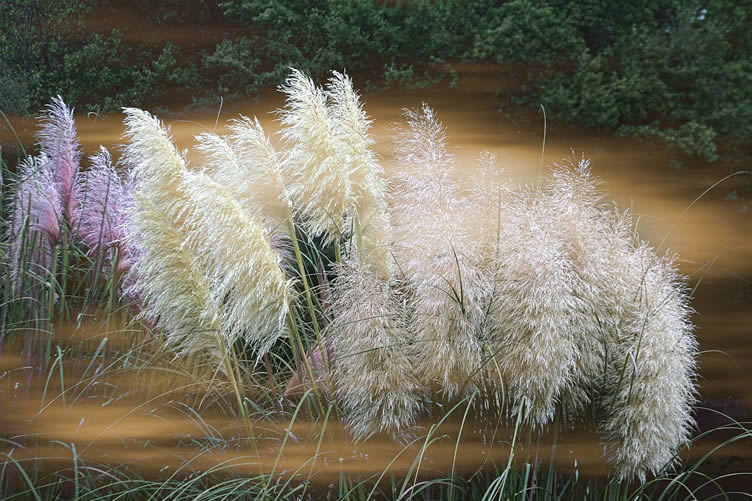
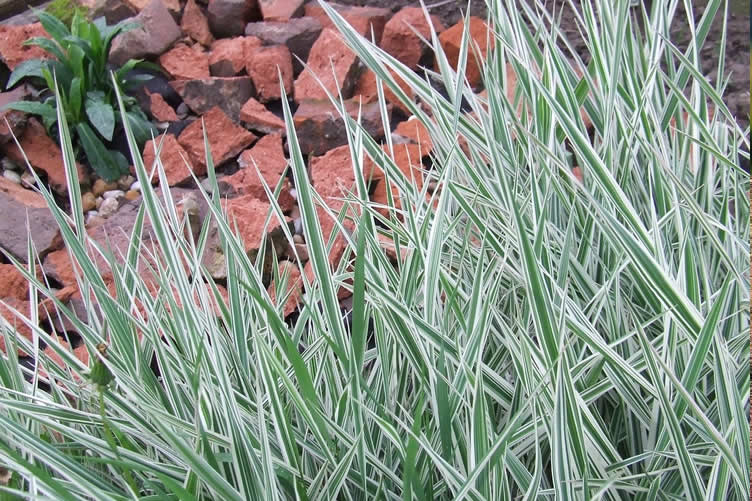
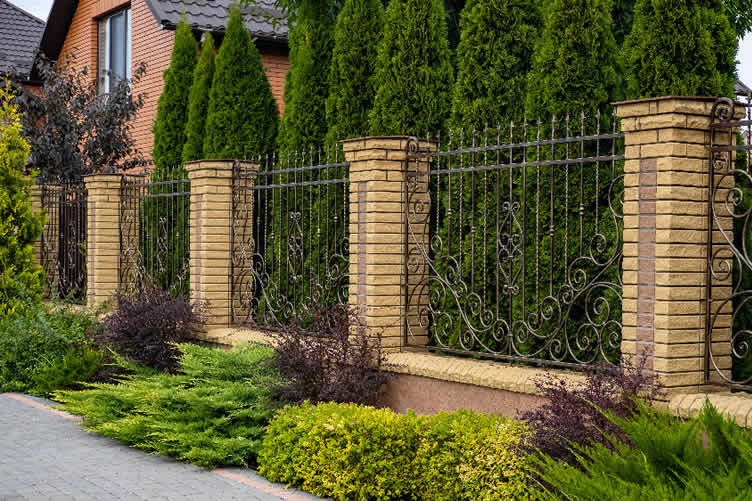
copyright image by pixabay.com | pixabay.com | pixabay.com | 123rf.com
-
Lighting It Up:
Consider installing landscape lighting fixtures, such as spot and path lighting that provides the right amount of lighting level on a specific landscape feature. The lighting can accentuate the flowers; whether they are small and dainty, or big and bold.
You want to showcase your landscape by using spot lighting to light up tall objects such as trees, and low spot lighting to illuminate the floral design.
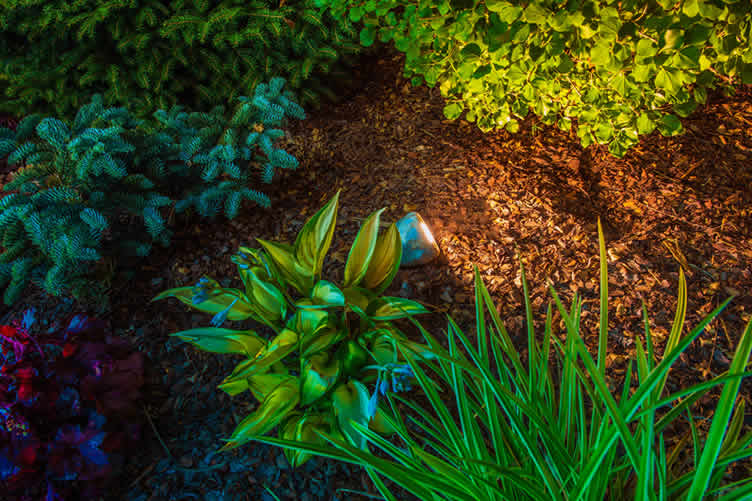
copyright image by 123rf.com
Where and how to use spot lighting:
- up-lighting the majestic look of a tree or large bush view ideas
- take pride of a flower bed with it’s landscaping techniques view ideas
- add nightly color with scattered globes view ideas
- accent sections of landscape that include rocks, pond and other view ideas
- illuminate the architectural structure of your home view ideas
There are other landscaping lighting elements that include path, post, rail, string, and security lighting. View the ideas that are available:
Lighting Styles
Pathway modern traditional rustic Post modern traditional urban Wall modern traditional urban Garden modern traditional mid-century Path Appliance pagoda lantern style canopy bollard well globe pole right angle curved Other entryway solar string
-
-
Quik scroll to next topic about tips on creating a sensory garden …
-
ideas to view and compare from the information discussed above
 … grab this directory of ideas
landscaping your backyard

using garden containers and pottery
May We Suggest Other Photo Remodeling Ideas About
“Elements for Sensory Garden Design …”

third “photo remodeling” idea
copyright image by 123rf.com
Choose Strategic Features
Notes:
- You can enhance your plants by choosing strategic features that’ll stimulate the senses more. For example, water features are a great idea. These are sculpted beautifully, adding focal points to your sensory garden.
- The gentle trickling of the water will be pleasing to the ears too. And not to mention, running your hands through the cool water will be more than welcome during a hot summer day. If you’ve got the space for it, then you can include fountains too. These grand pieces are sure to impress and provide the same sensory benefits as your smaller water features.
- To attract local birds, put in bird baths, feeders, and houses. You’ll have fun watching them make a home and raise their little families, year after year. For an extra special touch, hang up wind chimes. Their quiet tones resulting from a gentle breeze will make everyone feel right at home.
-
Relaxing Outside:
Don’t forget to set up your patio furniture in such a way that when people are sitting on them, they get incredible views. If you plan on spending time outside at night, then carefully placed lights can highlight your sensory garden’s best features.
- Place a spotlight here and there to draw people’s eyes to things like fountains or large trees. And string lights across the fence or pergola can create a warm and welcoming ambiance.
-
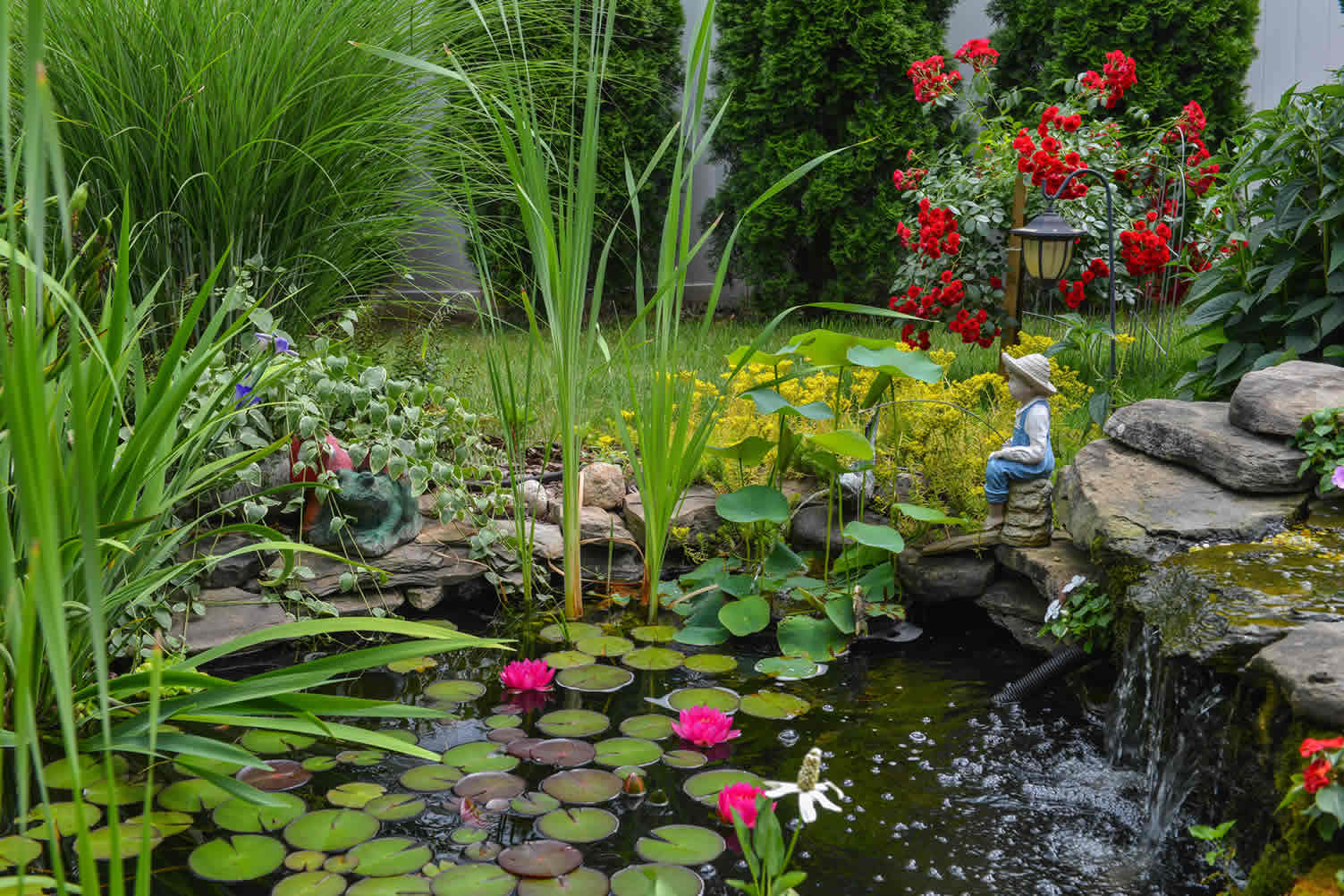
Analyzing “pond features” from the photo above:
- your garden water feature doesn’t need to be big or overwhelming – you simply allocate a small area bordered by stone or concrete that can be filled with water to provide a source for water-like plants to fill the pond area.
- some of these aquatic plants include water lilies, yellow iris, flowering lotus, and more – accent them with ground plantings such as hostas, ivy, and ornamental grasses.
- add a layer of stones that can act as a waterfall – you will need a pump that channels the water from the pond up stone hedge to flow back down over the rocks back into the pond – giving the sensory sound of flowing water.
- decorate the pond area with hanging floral baskets, statuary, and other decorative ornament.
- comments …
-
Quik scroll to topic side notes …
-
-
Designing A Backyard Waterfall Pond:
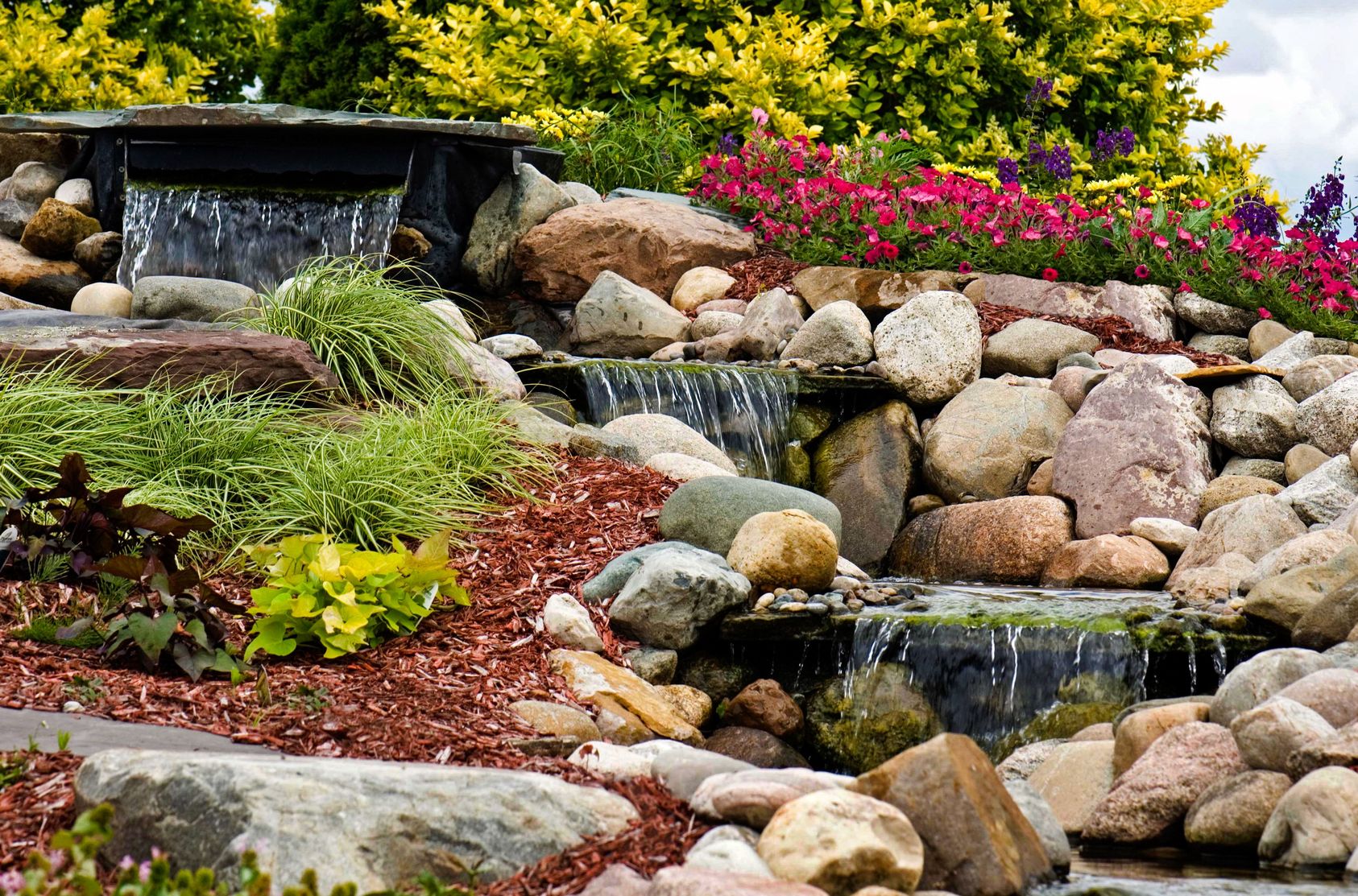
Imagine having a garden waterfall in the corner section of your garden landscape. You can create any type of foliage garden surrounding the waterfall that will be fun to create.
Having the sound of running water trickling down a cascade of rocks is shown to add calm and positive thinking to those who listen. For some reason, being near water gives us a calm, more positive outlook.
copyright image by 123rf.com
Having a nice, structural waterfall adds value to home. Don’t make it too big – just the right size to give you the waterfall effect with minimal maintenance.
resources: Learning Pond WaterfallsWaterfall Ponds images – waterfall stream images – waterfall diagram images How Build Waterfall Pond info – pond ideas w/ waterfalls info – nature-looking waterfall info Build Pond W/ Waterfall youtube – how not to build waterfall youtube – step-by-step waterfall youtube – pond waterfall maintenance youtube Fountain Install
Wiring Diagram illustration Fountain Water Line illustration Fountain Install Diagram illustration Fountain Design Guidelines view info How Install Outdoor Fountain view info Install Landscape Fountain Kit youtube How Install Fountain youtube Fountain Surroundings
Base cement brick stone Location sunny shade near house Surround w/ trees w/ flowers w/ grasses Landscape wall pond waterfall Using rock hardscape paths -
Enjoying A Bird Paradise:
Having a bird paradise in your backyard is a fun hobby and attraction for the entire family. Birds offer up beautiful bird songs, color, and a variety of different species for observation and learning. Plus birds add to your backyard environment by eating insects.
As with all nature, birds need food and shelter to survive and prosper. Providing a feeder helps with the food; adding a bird house provides them shelter.
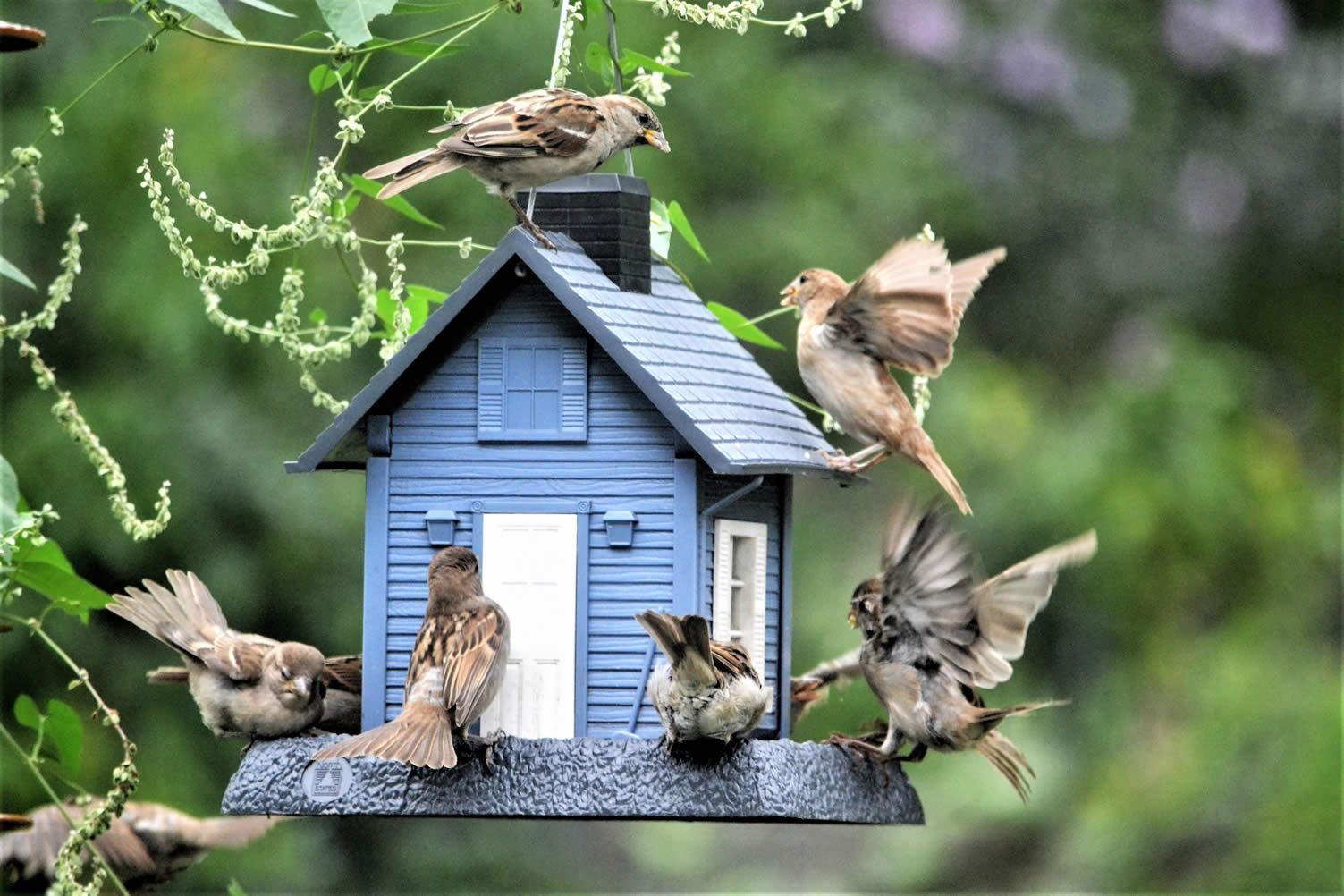
image by twenty20.com
But understand that birds can survive without your involvement. But if you are looking to build a bird paradise in your backyard, a feeder and a house will invite varying types of birds to your backyard.
-
-
Quik scroll to next topic about tips on creating a sensory garden …
-
ideas to view and compare from the information discussed above
pond building kitbackyard waterfall kitfreestanding backyard fountain
view illustration “becoming a bank”
fourth “photo remodeling” idea
copyright image by 123rf.com
Create Different Zones
Notes:
- Here’s where you can really shine; instead of making your garden one large space with a mishmash of sensory items, section it into different zones. That way, visitors can walk through and spend time in the areas they prefer most at the moment.
- For instance, you can have a Zen area with tranquil water features. In another, you can have aromatherapy with a nice collection of sweet-smelling plants.
- When you break your yard up into different sensory zones, your visitors can experience each on their own, then regroup to discuss their feelings and thoughts. If you have a fire pit, then we guarantee they’ll gather around and have long talks by it!
-
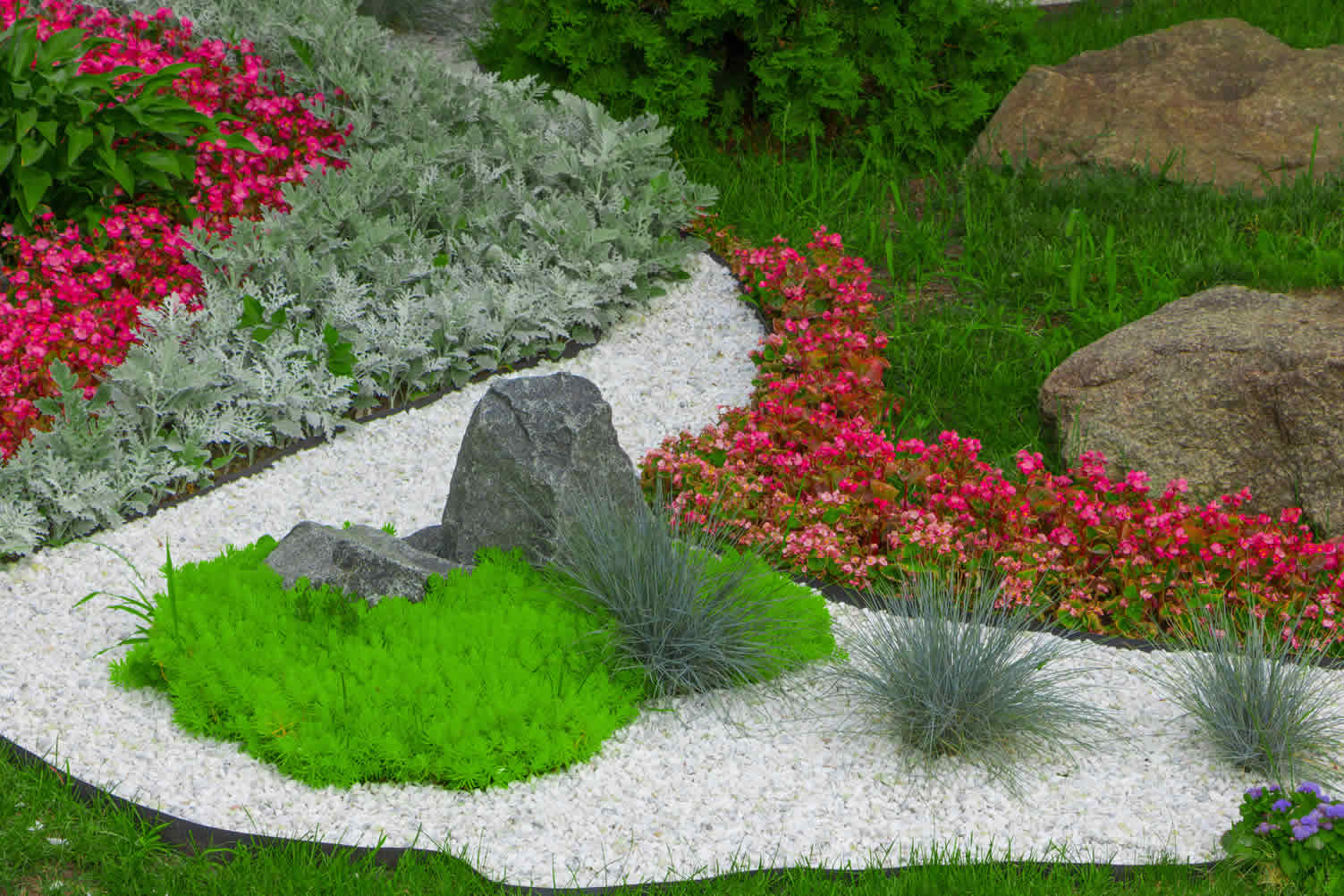
Analyzing “sensory zones” from the photo above:
- the sensory element from the image about is sight – using design elements that include stones, ornamental grasses, and colorful shades of flowers and shrubs.
- note the sedum plants the surround the big rock – sedum ground cover is a nice element for decorating gardens and rock beds.
- scroll back above to view the sample of sensory zones you can use when landscaping your garden.
- view sensory zones above …
-
Quik scroll to topic side notes …
-
-
Landscaping Design Styles and Elements:
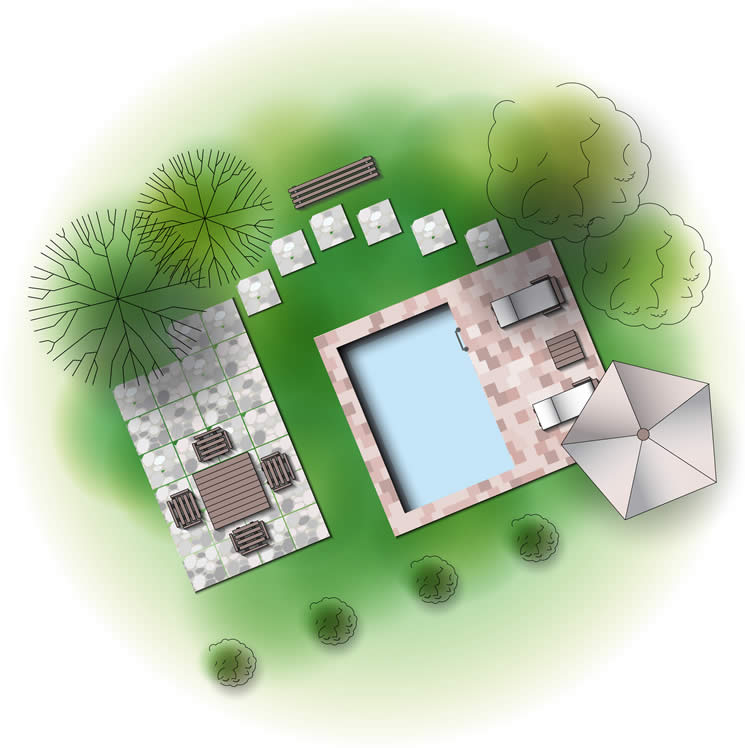
Developing garden sensory zones will depend on where you live and the temperate “zone” you have to work with.
For example, if you live in rainy regions, you have the option to build a more “sight” sensory garden using lush plantings and tropical like styles. If you live in an arid climate with water restrictions, you might have a more “touch” oriented garden with rock and cacti that adorn your garden.
copyright image by 123rf.com
Regardless where you reside, you can find just about every sensory elements that can be used – you just need to be creative by reviewing design ideas for your particular area.
Garden Design Ideas
Front Yard landscaping flower beds trees/shrubs Foundation landscaping flower beds trees/shrubs Side House landscaping flower beds trees/shrubs Back Yard landscaping flower beds trees/shrubs Pathways walkways garden paths stone paths Lighting front yard foundation backyard Other Garden Elements
Fencing decorative privacy boundary Irrigation in-ground drip hose Structures sheds greenhouses guest house Decorative arbors pergolas gazebos Other Elements mailbox flag pole window boxes Decor statues sundials gazing balls Ornaments animals gnomes gargoyles
-
-
Quik scroll to next topic about tips on creating a sensory garden …
-
ideas to view and compare from the information discussed above
below for …
setting up your sensory garden
Find Landscaping/Maintenance Landscape Design Landscape Maintenance Pest Control Sprinkler Systems Tree & Shrubs Water Features top-rated, pre-screened local contractors FREE: download contractor selection enter zip code – powered by HomeAdvisor ™
Quick Contractor Guides selecting negotiating working with inspecting

fifth and last “photo remodeling” idea

copyright image by 123rf.com
Ensure Your Garden’s Accessible
Notes:
- This is especially important if you entertain often and not all your guests are able-bodied. Make sure that your outdoor living space isn’t cluttered and that the design flows well. Everyone should be able to get from indoors to outdoors, then into your sensory garden with little issue.
- For example, instead of steep steps, put in a ramp with a small angle. Those with disabilities or in wheelchairs can get down easily.
- Line your walkways with solar-powered lights so that when it gets dark, they’ll turn on automatically. These have dual purposes; they make things safer while adding to the sensory experience!
-
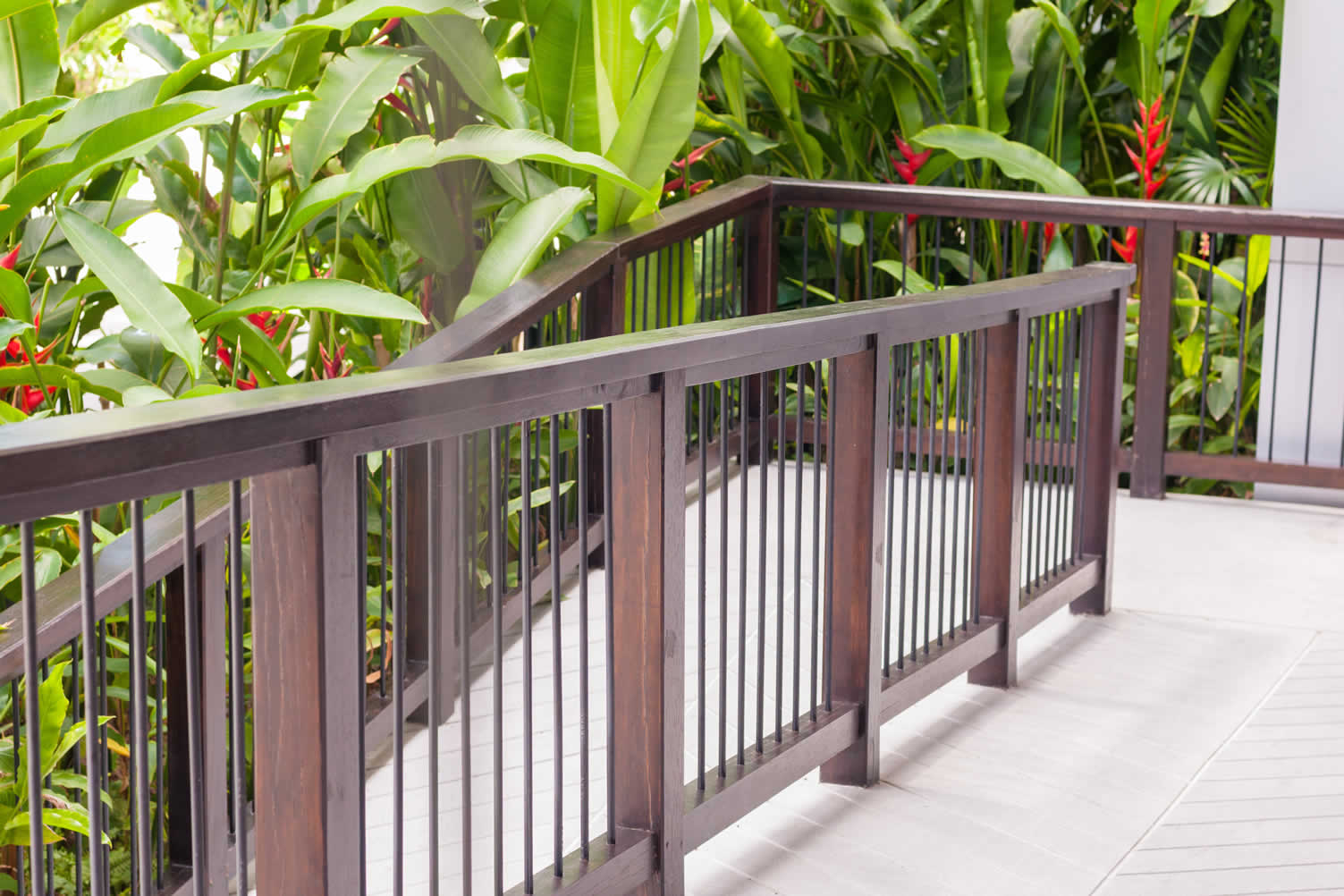
Analyzing “landscaped accessibility” from the photo above:
- if you plan to have a ramp for easy accessibility, make sure to landscape around the ramp so that is doesn’t distract from other landscaping elements.
- design the ramp that goes one way when exiting from the home and then backtracks the opposite way onto the deck or patio – from there a sloping rock-filled pathway that continues the accessibility to other areas of the yard.
- by using nice, decorative elements, the ramp could likewise functions as a walkway that gives both “sight” and “touch” sensory landscape.
- comments …
-
Quik scroll to topic side notes …
-
-
Making Your Garden Landscape Smart:
If you are going to upgrade your garden to make it more “sensory” oriented, then why not make your garden smart? Smart gardens will have automated sprinkler systems connected to censoring agents.
When the garden soil or ground determines it is too dry, the irrigation system will turn on during prescribed times. On the other hand, if the sensors determine the garden area is too wet or whether the forecast to predicting rain, the irrigation system will be shut down.
This smart technique keeps your garden looking great with the least amount of water used. Other smart garden gadgets include automated lighting, surveillance, hydroponic gardening, and energy production.

copyright image by 123rf.com
-
-
Quik scroll to next topic about tips on creating a sensory garden …
-
ideas to view and compare from the information discussed above
smart garden sensorsbackyard hydroponic kitsmart home irrigation
sixth and last “photo remodeling” idea
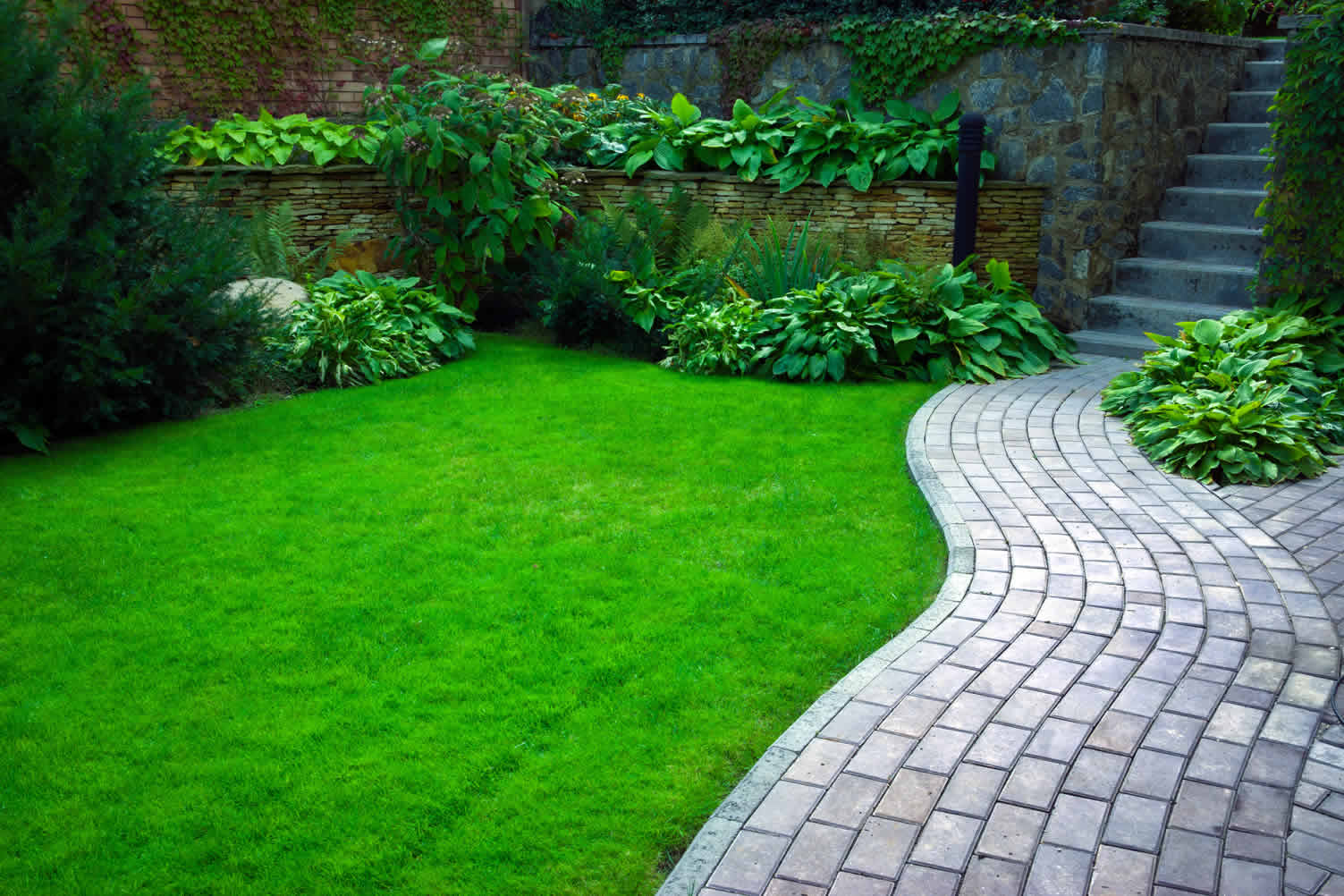
copyright image by 123rf.com
Keep up With Maintenance
Notes:
- You’ve gone through so much hard work to create your sensory garden. Don’t let it fall into disrepair and become a wasteland.
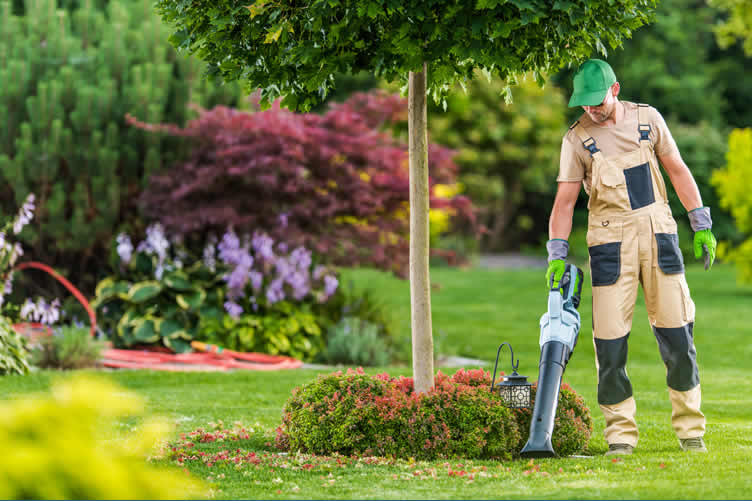
- You’ll need to perform regular maintenance to keep it beautiful and safe. There are simple tasks you can do yourself, such as watering and pruning your plants. You should also remove dead or diseased plants immediately to prevent diseases from spreading.
- Otherwise, you can hire a lawn care specialist or gardener. These experts know exactly what to do and when, so you won’t have to do research or any hard work yourself.
-
Quik scroll to topic side notes …
-
-
Finding Your Maintenance Contractor
One of the trusted ways to find a good garden maintenance contractor is through referrals from friends and neighbors. They can offer a good overall assessment of their work and commitment.
However, you may need to use a 3rd party search portal from a respective brand that vets lawn and garden maintenance contractors; and where they can supply 2-3 or more contractors that will bid for your project.
copyright image by 123rf.com
LetsRenovate has aligned with HomeAdvisor ™, one of the leading providers of top-rated, pre-screened local contractors. Begin your search here, find and link to the service you need, and then enter your zip code for local contractor search.
But Wait!
Download first this contractor search and evaluation worksheet to rank and evaluate yard and garden contractors as it relates to price, experience, time commitment, insurance, references, and their affiliation with professional associations.
Use this evaluation and the patio to develop the style and designs noted below.

File Type:

-
-
CONCLUSION: Make a Wonderful Sensory Garden
If you do it right, your sensory garden will be one that’ll amaze all the senses, even taste, if you include edible plants.
- It can be hard work creating and maintaining your yard. However, when you see how impressed everyone is, it’ll be worth it. You’ll have a little slice of heaven just a few steps away. Read more of our blog page for ways to spruce up your home.
-
Quik scroll more yard n’ garden ideas …
-
ideas to view and compare from the information discussed above
- What comments can you share about
your tips on creating a sensory garden?
Cover image credit: tips on creating a sensory garden by 123rf.com
end of post … please share it!
Decorative Pots
 links open new win
Potting Tools
links open new win
or simply search by entering garden pot type or other remodeling need

Nice pic idea? Leave us a quick comment below.
And please share this pic idea within your social networks.