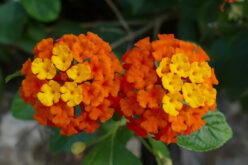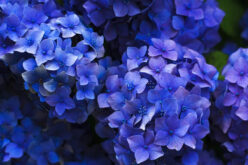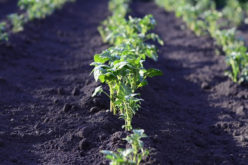
copyright image by Pixabay | Pixabay
What to know about flowering hollyhocks –
Notes:
-
About Hollyhock Flowers:
Hollyhocks are popular garden ornamental plants; they can be easily grown from seed and produce large flower petals along the stock of the plant. Flower color types include blue, red, pink, white, purple and yellow varieties. Certain breeds are a favorite for hummingbirds and butterflies.
- Hollyhocks are annual, biennial, or perennial plants usually growing in a towering, erect unbranched form. They can grow as high as 3-8 feet and make a great privacy screen and backdrop. They grow in most climates, but may need some mulch protection to retain moisture in hotter climates.
- REFERENCE: information from wikipedia
INFO: learn about hollyhocks -
Where to Grow Hollyhocks:
Hollyhocks are a perennial plants with a 2-3 year lifespan – that is why they are sometimes referred to as biannual. In mild climates, the seed droppings that survive the winter will grow into new plants. So as one parent plant dies after it’s lifespan, the children plants take over. In colder climates, hollyhocks can generally grown as an annuals.
- Hollyhocks grow best in well-drained soil under full- to partial sun. They grow tall, leafy stalks with blooms at top – so they will need support to maintain their towering position.
- Hollyhocks make great privacy screens. So plant them along fences, walls, and other structures where hollyhocks can be supported. They can also be used to form a privacy area for seating and relaxing, which is common in many English gardens.
- INFO: how to grow hollyhocks
INFO: planting hollyhocks - IMAGES: varying colors of hollyhocks
IMAGES: hollyhocks in gardens -
Garden Planning With Flowering Hollyhocks:
Hollyhocks are a repeat bloomer that can provide garden color throughout the entire summer. They do grow tall – so you must place them where they don’t tower out or shade your other plantings. They do great as a back row planting with other semi-tall and medium-height florals up front. Hollyhocks are also great along fences, side buildings, or in an old, fashioned cottage garden.
- They are better landscaped as a group of hollyhocks that can provide a nice group of the same or varied flowering colors. Grouping hollyhocks together will help in pollination for seed and attract bees and butterflies.
- Hollyhocks can dominate the garden and consume much of the soil nutrients for growth thus affecting other flowering species. They also need to be staked – so support structures such as a fence or other structure may be required.
- IMAGES: landscaping with hollyhocks
IMAGES: hollyhock cottage garden
PINTEREST: 370 hollyhocks in my garden - INFO: hollyhock gardening 101
INFO: what grows well with hollyhocks -
Care and Pruning Hollyhocks:
Flowering hollyhocks bloom as the stock grows higher. You can pinch back some of the growth to form a more bushy-type plant. Dead-heading isn’t necessary; but for continue growth and flowering through the summer into the fall, deadhead spent flowers and prune away damaged or dead leaves for a healthier plant that will flower until the first frost.
- Hollyhocks make a great floral display – simply cut the stem below the flower line and insert it into water vase or jug.
- Note that hollyhocks are prone to diseases such as rust and other fungal problems – especially in humid areas. You may need to periodically treat hollyhocks to keep them healthy.
- INFO: how to winterize hollyhocks
INFO: Get Gardening: Getting Rid of Rust - YOUTUBE: how to prune hollyhocks
YOUTUBE: how grow hollyhocks
YOUTUBE: Why you should grow Hollyhocks flowers -
Harvesting hollyhocks:
Hollyhocks are a perennial (biannual) that can be harvested as follows:
-
Floral Cuttings:
hollyhocks make a great floral arrangement that can be combined with other flowers.
-
Hollyhock doll:
use the hollyhock flower with leaves to form a hollyhock doll – a favorite for children – hollyhocks can also be dried for dried flower arrangements.
-
Seed:
you can harvest the seed (or leave seed droppings during the winter in mild climates) to use for growing hollyhocks the following season.
-
Stem:
the stems of the hollyhock can be used as firewood.
-
Other Uses:
there are different elements of hollyhocks that are used for cooking and other. But note the touching of the stem and leaves can cause skin irritation for some people. It’s best to avoid rubbing up against hollyhocks.
-
- INFO: 5 Things to Make with Hollyhocks
INFO: are hollyhocks toxic - YOUTUBE: how to Harvest hollyhocks
YOUTUBE: end of season hollyhock seed harvest
YOUTUBE: how to grow hollyhocks from seed -
Lavender Summary:
Light: full sun
Soil: neutral pH 6.7 to 7.3
Height: 3-5 feet
Width: 1-3 feet
Flower: blue, red, pink, purple, white, yellow
Foliage: bluish green
Season: summer
Features: low maintenance, cut flowers, fragrant, attracts butterflies/birds
Propagation: seed
Zones: 3,4,5,6,7,8,9
INFO: view growing zones - What comments can you share?
| Supporting Resources (opens new win) | |
| WHAT TO KNOW: about growing hollyhocks | |
| INFO: hollyhock buying guide | |
| PINTEREST: designing hollyhock garden | |
| YOUTUBE: why we love hollyhocks | |
| YOUTUBE: romance double hollyhocks | |
| Shopping Hollyhocks (opens new win) | |
| AMAZON: live hollyhock plants | |
| AMAZON: hollyhock seed | |
| AMAZON: flower planting tools | |
Find Landscaping/Maintenance Landscape Design Landscape Maintenance Pest Control Sprinkler Systems Tree & Shrubs Water Features top-rated, pre-screened local contractors FREE: download contractor selection enter zip code – powered by HomeAdvisor ™


Part-Sun Perennials
 links open new win
Shade Perennials
links open new win
or simply search by entering perennial flower name or other gardening need

planning your summer flower garden:
other related garden landscaping:
planting Vegetable Gardenyummy fruit orchardusing Ornamental Grasseslandscaping with shrubstypes of shade trees
Cover image credit: flowering hollyhocks by pixabay
end of post … please share it!
Nice pic idea? Leave us a quick comment below.
And please share this pic idea within your social networks.