
copyright image by Pixabay | Pixabay
What to know about aster flowers –
Notes:
-
About astors:
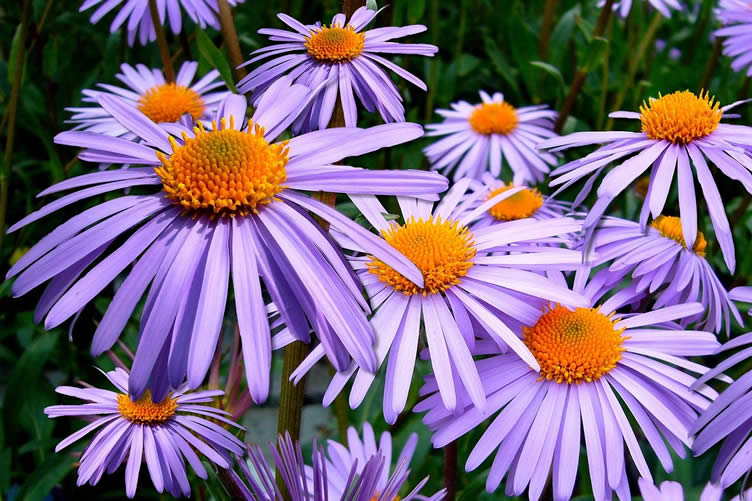
They are a daisy-like flower with star-like flower heads that come in many different colors and heights. Some aster varieties range from 8 inches in height to over 8 feet in some varieties.
- They are a daisy-like flower with star-like heads that come in many different colors and heights. Some aster varieties range from 8 inches in height to over 8 feet.
- Asters are a very popular late summer flower that adds color to the garden when the summer flowers begin to fade. They prefer cooler climates. Avoid planting them in areas where they are exposed to a hot mid-day sun.
- REFERENCE: wikipedia
INFO: 18 Different Types of Snapdragons -
Where to grow:
Aster can be placed anywhere in your garden depending on the variety. Some asters are lower bordering plants; others are high. Note that aster bloom in the later summer, early fall. So intersperse them among your summer flowers for fall color when your summer flowers begin to fade.
- Aster like cooler climates – so they will bloom all fall long until the first frost. They don’t like hot, sunny days. So plant them in areas that avoid the afternoon direct sun especially in warmer climates.
- INFO: how to plant, grow, and care for aster flowers
INFO: how to grow asters -
Garden Planning:
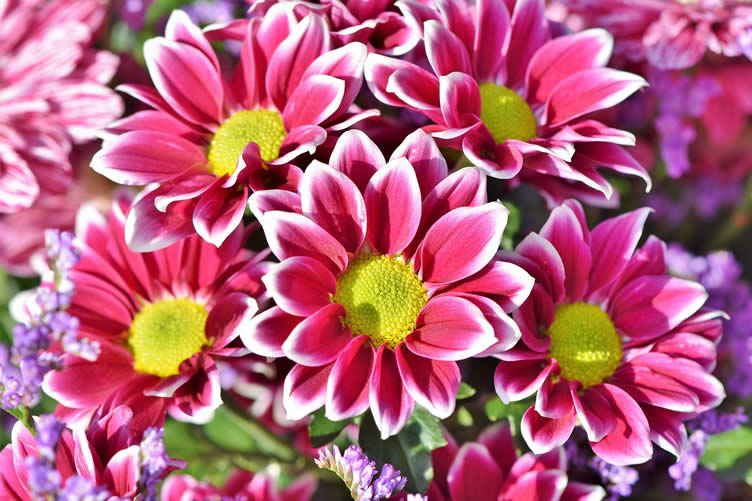
Asters come in different varieties from low to high; you can find both dwarf and star-like petal flowers. Colors include red, purple, orange, pink, and just about any color in between. The are a fall blooming flower; perfect for fall garden accompanied with chrysanthemums.
- You can dedicate an entire area for asters and chrysanthemums – call it your fall garden. Or you can plant them in clusters surrounded by the summer flowers. As your summer flowers dominate the bed with full color, the asters will take over once the summer flower begin to fade.
- INFO: landscaping ideas using asters
INFO: companion plants of asters
INFO: plant combination ideas -
Care and Harvesting:
You can collect aster seed at end of season. Use the seed to sow the following spring to give you a robust color.
- Note that asters are perennials and will grow back and spread throughout your garden over the years. It’s best to prune asters annually to keep their shape and blooms. Pruning also helps to keep the aster from spreading and taking over your garden.
- INFO: when and how to save native perennial aster seeds
INFO: tips for pruning asters: how to prune an aster plant -
Summary:
Light: part sun, full sun
Soil: well drained and moist
Height: 1-3 feet; 3-8 feet
Width: 1-4 feet
Flower: blue, purple, white, pink, red
Foliage: blue/green
Season: late summer, fall blooms
Features: low maintenance, attracts birds, good for containers, cut flowers
Propagation: division, seed, stem cuttings
Zones: 3,4,5,6,7,8,9
INFO: view growing zones - What comments can you share?


Part-Sun Annuals
 links open new win
or simply search by entering annual flower name or other remodeling need
Find Landscaping/Maintenance Landscape Design Landscape Maintenance Pest Control Sprinkler Systems Tree & Shrubs Water Features top-rated, pre-screened local contractors FREE: download contractor selection enter zip code – powered by HomeAdvisor ™


planning your summer flower garden:
other related garden landscaping:
planting Vegetable Gardenyummy fruit orchardusing Ornamental Grasseslandscaping with shrubstypes of shade trees

Cover image credit: sunflowers by Pixabay
end of post … please share it!
Nice pic idea? Leave us a quick comment below.
And please share this pic idea within your social networks.