Several types of gases and airborne pollutants can quietly penetrate our living spaces, potentially impacting the health of our families. Because these gases are often colorless and odorless, they can be particularly hazardous without the right detection and intervention.
This guide is designed to help you understand these common indoor pollutants. We will explore the primary gases that can affect your indoor air quality, where they come from, and the risks they pose.
More importantly, we will share practical steps you can take to identify, reduce, and monitor these threats, helping you create a healthier and safer environment for your loved ones to breathe and thrive.
- post content
- Radon: The Silent Killer
- Carbon Monoxide (CO): The Odorless Danger
- Nitrogen Dioxide (NO₂): The Respiratory Irritant
- Volatile Organic Compounds (VOCs): The Chemical Cocktail
- Other Common Indoor Gases
- AI Detection Systems
- The Importance of Prevention and Monitoring
- Breathing Easier in Your Own Home
- view table:content summary
- view notes:collective tips
- view ideas:latest remodeling analysis
Radon: The Silent Killer
Radon is a naturally occurring radioactive gas that is colorless, odorless, and tasteless, making it impossible to detect with human senses. It is produced by the natural decay of uranium found in soil, rock, and water. This gas can find its way into your home through cracks in the foundation, gaps in the flooring, and other small openings.
The Environmental Protection Agency (EPA) has identified radon as the second leading cause of lung cancer in the United States, right after smoking. The risk is especially high for individuals who smoke.
Because radon comes from the ground, it can accumulate in any home, old or new, regardless of its construction. Testing is the only way to know if your home has elevated radon levels.
Simple and inexpensive test kits are available for homeowners to use themselves, or you can hire a professional. If high levels are detected, mitigation systems can be installed.
These systems typically work by ventilating the radon gas from below the home to the outside, preventing it from ever entering your living space.

Carbon Monoxide (CO): The Odorless Danger
Carbon monoxide is often called "the silent killer" for a good reason. This colorless, odorless gas is produced when fuels like gas, oil, wood, or charcoal are burned incompletely.

Common sources in the home include furnaces, gas stoves, water heaters, fireplaces, and car engines running in an attached garage. When CO is inhaled, it displaces oxygen in the blood, depriving the heart, brain, and other vital organs of the oxygen they need to function.
Early symptoms of CO poisoning are often mistaken for the flu and include headaches, dizziness, nausea, and fatigue. At high concentrations, carbon monoxide can cause loss of consciousness and death within minutes.
The best defense against this danger is prevention. Installing carbon monoxide detectors on every level of your home, especially near sleeping areas, is crucial.
It is also important to ensure that all fuel-burning appliances are professionally installed and maintained annually. Never use portable generators or charcoal grills inside your home or garage, and ensure proper ventilation when using any combustion appliance.
Nitrogen Dioxide (NO₂): The Respiratory Irritant
Nitrogen dioxide is a harmful gas that can irritate the respiratory system. In homes, it is primarily released from the use of gas stoves, ovens, and unvented space heaters. Any appliance that burns fuel can be a source of NO₂.
Exposure to this gas can cause inflammation of the airways and may lead to coughing, wheezing, and shortness of breath. For individuals with asthma, even short-term exposure can increase the severity of their symptoms. Long-term exposure to nitrogen dioxide can reduce lung function and increase the risk of respiratory infections.
To reduce NO₂ levels in your home, it’s important to ensure proper ventilation, especially in the kitchen. Always use the exhaust fan when cooking with a gas stove, and make sure it vents to the outdoors.
If you have unvented gas heaters, consider replacing them with vented models or electric alternatives. Regular maintenance of your gas appliances will also help ensure they are burning fuel efficiently and producing fewer pollutants.
Volatile Organic Compounds (VOCs): The Chemical Cocktail
Volatile organic compounds, or VOCs, are a large group of chemicals that are emitted as gases from certain solids or liquids. They are found in a wide array of household products, creating what can be described as a chemical cocktail in your indoor air. Common sources include paints, varnishes, cleaning supplies, disinfectants, air fresheners, and new furniture or carpeting.
The health effects of VOCs can vary widely depending on the level and length of exposure. Short-term effects may include headaches, dizziness, nausea, and irritation of the eyes, nose, and throat.
The long-term effects are more concerning, as some VOCs are known to cause cancer in animals and are suspected to cause cancer in humans.
To minimize your exposure, choose low-VOC or zero-VOC products whenever possible, especially for paints and building materials. Increase ventilation by opening windows and using fans, particularly when using products that release VOCs.
You can also look for products with certifications like GREENGUARD, which indicates they have been tested and certified for low chemical emissions.
Other Common Indoor Gases
Beyond the most prevalent gases, several other pollutants can impact the air quality in your home. Understanding their sources and effects is an important part of creating a healthy indoor environment.
-
Formaldehyde
Formaldehyde is a strong-smelling gas commonly used in building materials and many household products. It can be found in pressed-wood products like particleboard and plywood, as well as in glues, adhesives, and some fabrics.
Tobacco smoke is another significant source. The National Institute of Environmental Health Sciences links formaldehyde exposure to irritation of the skin, eyes, nose, and throat. At higher levels, it can cause some types of cancer.
-
Sulfur Dioxide (SO₂)
Sulfur dioxide is a pungent gas that results primarily from the burning of fossil fuels that contain sulfur. In a home environment, it can be released from improperly vented fuel-burning appliances, such as gas or oil furnaces and water heaters.
According to research published in ScienceDirect, it is a respiratory irritant that can worsen asthma and other lung conditions.
-
Secondhand Smoke
Secondhand smoke is a complex mixture of gases and fine particles produced by burning tobacco. It contains more than 7,000 chemicals, including hundreds that are toxic and about 70 that can cause cancer, according to the EPA.
It contains pollutants like carbon monoxide and formaldehyde. Exposure increases the risk of heart disease, stroke, and lung cancer in nonsmoking adults, and can cause respiratory illnesses and ear infections in children.

Combating Indoor Air Pollution for Better Home Improvement
We tend to associate air pollution primarily with exhaust fumes or industrial emissions, but the truth is, that the air inside our homes can be just as tainted, if not more so. This post analysis aims to shed light on both outdoor and indoor air pollution, emphasizing the critical need for better air quality in our homes.
AI Detection Systems
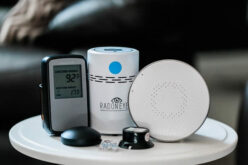
As technology advances, new tools are emerging to help us monitor and manage our indoor air quality. AI detection systems are at the forefront of this innovation. These smart devices go beyond traditional single-gas detectors by using advanced sensors and artificial intelligence to monitor a wide range of pollutants simultaneously.
They can track levels of VOCs, particulate matter, humidity, and sometimes even specific gases like radon and carbon monoxide in real-time. The AI component allows these systems to learn the normal air quality patterns of your home and alert you to unusual changes.
Many of these systems connect to a smartphone app, providing detailed reports, historical data, and personalized recommendations for improving your air quality.
While they represent a significant step forward in home health technology, it is important to remember that they are a tool for awareness and should complement, not replace, fundamental prevention strategies like proper ventilation and regular appliance maintenance.
The Importance of Prevention and Monitoring


Creating a healthy indoor environment is an ongoing process that involves both prevention and active monitoring. The most effective approach is to reduce or eliminate the sources of pollution in the first place.
This includes choosing low-emission products, ensuring proper ventilation throughout your home, and regularly maintaining your fuel-burning appliances.
Sealing cracks in your foundation can help prevent radon from entering, while using exhaust fans can remove pollutants generated during cooking.
In addition to these preventive measures, monitoring your air quality provides an essential layer of protection. Using detectors for radon and carbon monoxide is non-negotiable for home safety.
For a more comprehensive overview, smart air quality monitors can provide valuable insights into the presence of other pollutants, empowering you to take specific actions to improve the air your family breathes. Regularly checking and maintaining these systems ensures they are always ready to alert you to potential dangers.
Breathing Easier in Your Own Home
The quality of the air inside our homes has a direct impact on our health and well-being. Invisible gases like radon, carbon monoxide, and VOCs can pose significant risks, but they are manageable threats.
By understanding their sources and taking proactive steps to reduce your exposure, you can transform your home into a true sanctuary. From simple actions like opening a window to investing in modern detection technology, every step you take contributes to a safer, healthier living space.
Protecting your family from indoor air pollution is one of the most important investments you can make in their long-term health, ensuring that every breath taken at home is a clean and healthy one.
other related analysis of interest: (new win)
Revolutionizing Personal Wellness: The Guide to Smart Scales
References:
| Gas/Threat | Description | Sources | Prevention & Mitigation |
|---|---|---|---|
| Radon | A naturally occurring radioactive gas that is colorless, odorless, and tasteless, posing a significant lung cancer risk. | Produced by the decay of uranium in soil, rock, and water; enters homes through cracks in foundations or gaps in flooring. | Test for radon using kits or hire professionals; install mitigation systems to ventilate the gas out of the home. |
| Carbon Monoxide (CO) | A colorless, odorless gas that displaces oxygen in the blood, resulting in potentially fatal effects. | Generated by incomplete combustion of fuels such as gas, oil, wood, or charcoal; common sources include furnaces, gas stoves, and running car engines in garages. | Install CO detectors near sleeping areas; maintain fuel-burning appliances; ensure proper ventilation; avoid using generators indoors. |
| Nitrogen Dioxide (NO₂) | A harmful gas that irritates the respiratory system, particularly dangerous for asthma patients and long-term exposure. | Released from gas stoves, ovens, and unvented space heaters when burning fuel; often found in poorly ventilated spaces. | Use exhaust fans venting outdoors when cooking; replace unvented heaters; maintain appliances to improve fuel efficiency. |
| Volatile Organic Compounds (VOCs) | A group of chemicals that can cause short-term health effects like irritation and dizziness, and long-term issues including cancer. | Found in paints, varnishes, cleaning supplies, air fresheners, and new furniture; can accumulate indoors as chemical emissions. | Choose low- or zero-VOC products; ventilate when using such products; opt for certified low-emission materials like those with GREENGUARD certification. |
| Formaldehyde | A strong-smelling gas linked to irritation and potential cancer risks. | Found in pressed-wood products, adhesives, tobacco smoke, and some fabrics. | Use materials labeled for low formaldehyde emissions; increase ventilation; eliminate smoking indoors. |
| Sulfur Dioxide (SO₂) | A pungent gas that irritates the respiratory system and worsens asthma symptoms. | Released from burning sulfur-containing fossil fuels, especially from vented or poorly maintained appliances. | Ensure proper ventilation; maintain fuel-burning devices; replace old appliances with efficient models. |
| Secondhand Smoke | A complex mixture of toxic gases and fine particles that can lead to heart disease, lung cancer, and respiratory problems. | Produced by burning tobacco and includes harmful chemicals such as carbon monoxide and formaldehyde. | Avoid smoking indoors; eliminate indoor exposure to tobacco products; ensure clean air for nonsmokers. |

Find Handyman Services (opens new win) Handyman Carpentry Electrical Plumbing top-rated, pre-screened local contractors FREE: download contractor selection enter zip code – powered by HomeAdvisor ™


Image credit: indoor air quality by envato.com
end of post … please share it!
| more photo remodeling |
Jump Over to Our Photo Analysis Center for Ideas on
"Renovating Home"
|__________________________________________________________|
home remodeling surprise
find out where it might go - new win


Helpful article? Leave us a quick comment below.
And please share this article within your social networks.