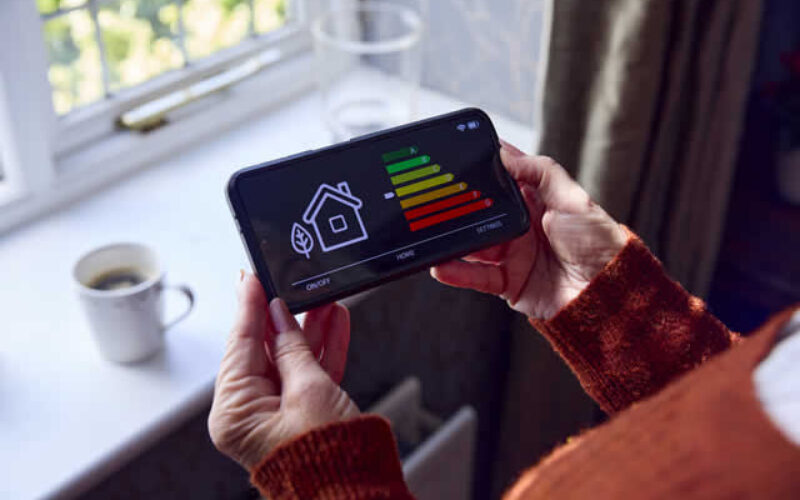
Quick Answer:
The most effective green home improvements start small: an energy assessment, sealed air leaks, and better insulation, addressed before bigger equipment purchases. According to EPA ENERGY STAR methodology, sealing and insulating a typical home can lower heating and cooling costs by an average of 15% and total energy costs by about 11%. Water-saving fixtures and efficient appliances round out a home that wastes less and costs less to run.
The frustrating part is that it is easy to feel like the only fix is an expensive, all-at-once renovation.
It doesn’t have to work that way. Many of the most useful green home improvements are modest, sequential, and genuinely affordable, especially when you tackle them in the right order.
Understanding where your home wastes energy and water first helps you avoid spending money on upgrades that won’t move the needle.
This guide walks through seven practical improvements, from a simple home energy assessment to thoughtful fixture and appliance upgrades, so you can reduce waste, support a more comfortable home, and lower your utility bills along the way.
- post content
- Start With An Energy Assessment, Not A Shopping List
- Seal Air Leaks Around Doors And Windows
- Improve Insulation Before Upgrading Heating Equipment
- Consider A Heat Pump When Replacing Your HVAC System
- Give Your Water Heater Some Attention
- Reduce Water Waste With Efficient Fixtures
- Make Lighting And Appliance Upgrades Count
- conclusion
- FAQs
- view table:content summary
- view notes:collective tips
- view analysis:How to Save Energy in Your Home
- view ideas:latest remodeling analysis
Start With An Energy Assessment, Not A Shopping List
Before you buy anything, find out where your home actually loses energy. A professional home energy assessment looks at your insulation, air leaks, and major systems, then tells you which improvements will make the biggest difference for your specific house.
Many utility companies offer these assessments for free or at a reduced cost, so it’s worth asking yours before you spend a dollar elsewhere.
Think of this step as drawing a map before you start the drive. Your home may need better insulation more urgently than a new appliance, and an assessment helps you prioritize improvements in the order that delivers the most value, rather than guessing.

Seal Air Leaks Around Doors And Windows
A greener home starts with keeping the air you’ve already heated or cooled right where it belongs. Gaps around doors, windows, and other openings let conditioned air escape, which forces your HVAC system to work harder than it should.
Weatherstripping around movable parts like doors, along with caulk around stationary gaps, is an affordable project most homeowners can tackle in an afternoon.
According to EPA ENERGY STAR’s methodology for estimated energy savings, air sealing and insulation together can reduce heating and cooling costs by an average of 15%, and total household energy costs by about 11%, based on energy modeling of typical existing U.S. homes.
Savings vary by climate zone, with colder regions generally seeing a larger benefit than warmer ones. Start with the drafts you can actually feel, and leave more involved work, like duct sealing, to a professional.
Improve Insulation Before Upgrading Heating Equipment
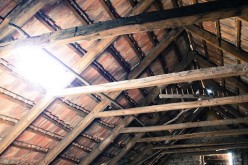
It’s tempting to jump straight to a new furnace or heat pump when your heating bills creep up, but insulation deserves attention first. A well-insulated attic, basement, and set of exterior walls reduces how hard your heating and cooling system has to work, which means your home needs less equipment capacity to stay comfortable.
This matters most when you’re planning a bigger upgrade. A home that holds its temperature well may only need a smaller, more efficient heating and cooling system, rather than an oversized one chosen to compensate for heat loss.
Addressing insulation and air sealing together, rather than treating them as separate projects, sets up every upgrade that follows to perform better.
more “detail review” below on saving home energy costs

How to Save Energy in Your Home
Taking steps to lower your household energy use might initially seem like a complex or overwhelming project. However, true transformation often comes from making small, intentional adjustments to your daily routines and home environment.
Consider A Heat Pump When Replacing Your HVAC System
When your heating and cooling system is due for replacement, a heat pump deserves a spot on your shortlist. Unlike a traditional furnace, a heat pump moves heat rather than generating it through combustion.
According to ENERGY STAR, this means a heat pump can deliver up to three times more heat energy than the electrical energy it consumes, and because there’s no combustion involved, indoor air quality can benefit too.
ENERGY STAR notes that a typical household spends around $1,900 a year on energy bills, with close to half going toward heating and cooling, which is exactly where a heat pump’s efficiency has the most impact.
Proper sizing matters: a contractor should use a “Manual J” calculation to match the equipment to your home, since an oversized or undersized system will struggle to perform well. Cold-climate heat pumps are tested down to 5°F and are often paired with a backup heat source for the coldest days.
-
What this means if your home is older or poorly insulated
Pairing a heat pump with the air sealing and insulation improvements covered earlier gives the new system a better chance of running efficiently from day one, rather than working overtime to compensate for a leaky building envelope.
Give Your Water Heater Some Attention
Water heating is one of the bigger energy expenses in most homes, which makes it a meaningful place to look for savings. If your water heater is approaching the end of its life, it’s worth comparing efficient options rather than waiting for an emergency replacement to make the decision for you.
Heat pump water heaters, also called hybrid electric water heaters, are one option worth researching. ENERGY STAR recommends installing them in interior spaces that stay between 40°F and 90°F year-round, with roughly 1,000 cubic feet of surrounding air space, since colder locations reduce efficiency and may trigger a backup electric mode that increases energy use.
Many newer models also use a lower-impact refrigerant, which reduces environmental harm if it’s ever released. Simple habits, like routine maintenance and keeping your tank in good condition, help any water heater perform as intended for longer.
Reduce Water Waste With Efficient Fixtures
A truly green home conserves water as thoughtfully as it conserves energy. When it’s time to update a bathroom or kitchen, water-efficient faucets, showerheads, and toilets target everyday water use without requiring a full renovation.
These upgrades tend to blend seamlessly into a normal remodel, so you’re improving efficiency and refreshing the room’s look at the same time.
This kind of project is a good reminder that sustainability improvements don’t need their own separate budget line. A bathroom update that includes efficient fixtures does double duty, giving you a space you enjoy using while quietly reducing how much water your household sends down the drain.
Make Lighting And Appliance Upgrades Count
Not every green improvement requires a contractor. Replacing older bulbs with LEDs is one of the simplest upgrades a homeowner can make, and it pays off in both energy use and how often you’re changing bulbs.
When an appliance genuinely needs replacing, choosing an ENERGY STAR certified model gives you a reliable, comparable standard to shop against.
The goal here isn’t to replace everything in your home at once. Focus on the lights you use most and the appliances that are already due for an upgrade. A thoughtful, gradual approach to lighting and appliances reduces waste without turning home improvement into an unnecessary shopping spree.
Build Your Green Home Improvement Plan One Step At A Time
A greener, more efficient home rarely comes from a single renovation. It comes from understanding where your home currently wastes energy and water, then addressing those areas in a sensible order: assessment first, air sealing and insulation next, and equipment upgrades once the building itself is working with you instead of against you. Fixtures, lighting, and appliances round out the plan without demanding a complete overhaul.
Before you count on tax incentives to offset a project, double-check what’s currently available. The federal Energy Efficient Home Improvement Credit, which offered up to 30% of qualified expenses with annual caps, applied to improvements made through December 31, 2025, according to the IRS.
Because incentive programs change, confirm current federal, state, and utility offers through IRS.gov and the ENERGY STAR Rebate Finder before you budget for a project.
Start wherever your home needs you most. Even one or two of these improvements, tackled thoughtfully, can make your home more comfortable to live in and less costly to run.
Rising Electricity Costs
Since 2022, U.S. electricity prices have outpaced inflation annually and are projected to continue climbing through 2026, according to the U.S. Energy Information Administration (EIA).
A combination of aging grid infrastructure, unpredictable fuel price swings, extreme weather patterns, and increasing demand are driving this upward trend.
As these factors strain the energy system, households and businesses alike are preparing for higher utility costs in the coming years.
view ideas: Understanding and Managing (new win)

Frequently Asked Questions
-
“What’s the first step in making my home more energy efficient?”
Start with a home energy assessment. It identifies where your home loses the most energy, so you can prioritize improvements that deliver the biggest impact instead of guessing where to begin.
-
“How much can air sealing and insulation actually save me?”
According to EPA ENERGY STAR methodology, air sealing and insulation can reduce heating and cooling costs by an average of 15% and total energy costs by about 11%, though savings vary by climate zone and home condition.
-
“Should I insulate my home before replacing my HVAC system?”
Yes. Improving insulation and air sealing first can reduce how much heating and cooling capacity your home needs, which may allow for a smaller, more efficient replacement system.
-
“Are heat pumps worth it for heating and cooling?”
Heat pumps move heat rather than generate it, and ENERGY STAR notes they can deliver up to three times more heat energy than the electricity they consume. Proper sizing through a Manual J calculation is essential for them to perform well.
-
“What is a heat pump water heater, and where should it be installed?”
A heat pump water heater, also called a hybrid electric water heater, works best in an interior space that stays between 40°F and 90°F with adequate air space. Colder locations can reduce its efficiency and trigger backup electric heating.
-
“Do water-efficient fixtures make a noticeable difference?”
Water-efficient faucets, showerheads, and toilets reduce everyday water use without requiring a major renovation, making them a practical addition to any bathroom or kitchen update.
-
“Is switching to LED lighting worth the effort?”
Yes. LED lighting is one of the simplest, lowest-cost upgrades available, and it reduces both energy use and how often bulbs need replacing.
-
“Can I still get a federal tax credit for these improvements in 2026?”
The IRS lists the Energy Efficient Home Improvement Credit as applying to qualified improvements made through December 31, 2025. Check IRS.gov and the ENERGY STAR Rebate Finder for current programs before you budget for a project.
-
“Where does solar power fit into a green home plan?”
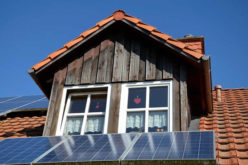
Solar panels address how your home generates energy, while improvements like insulation and air sealing address how much energy it needs in the first place. Reducing demand first often makes a future solar investment more effective.
home improvement ideas to consider (complete directory – new win):
| Section | Description | Key Benefits |
|---|---|---|
| Start With An Energy Assessment, Not A Shopping List | A professional energy assessment evaluates your home’s insulation, air leaks, and systems, helping you prioritize improvements for maximum impact. | Helps avoid unnecessary spending and prioritizes the most effective upgrades. |
| Seal Air Leaks Around Doors And Windows | Weatherstripping and caulk can prevent conditioned air from escaping, reducing unnecessary energy use. | Can lower overall energy costs by up to 11% when combined with insulation improvements. |
| Improve Insulation Before Upgrading Heating Equipment | Upgraded insulation reduces energy loss, allowing smaller, more efficient heating and cooling systems to suffice. | Improves system efficiency and reduces heating/cooling demands. |
| Consider A Heat Pump When Replacing Your HVAC System | Heat pumps transfer heat instead of generating it, offering high efficiency with low environmental impact. | Can deliver up to three times more heat energy than the electricity it consumes. Improves air quality and energy savings. |
| Give Your Water Heater Some Attention | Efficient options like heat pump water heaters can reduce water heating costs and environmental impact. | Offers long-term savings and more sustainable energy use. |
| Reduce Water Waste With Efficient Fixtures | Water-efficient faucets, showerheads, and toilets optimize water use without requiring extensive renovations. | Conserves water while modernizing your space. |
| Make Lighting And Appliance Upgrades Count | Switching to LED bulbs and ENERGY STAR-certified appliances gradually reduces energy waste. | Enhances energy efficiency and reduces long-term costs. |

Find Energy Efficient Services Insulation Windows-Insulation Ducts & Vents Thermostats Solar Installation Skylights Home Automation Generators Home Automation Electrial Wiring Networks/Phone Computers/ Media Home Security Alarms top-rated, pre-screened local contractors FREE: download contractor selection enter zip code – powered by HomeAdvisor ™


Image credit: green home improvments by envato.com
end of post … please share it!
| more photo remodeling |
Jump Over to Our Photo Analysis Center for Ideas on
"Renovating Home"
|__________________________________________________________|
home remodeling surprise
find out where it might go - new win


Helpful article? Leave us a quick comment below.
And please share this article within your social networks.