Quick Answer:
Kitchen Witch cooking is a growing hobby trend centered on fermenting, preserving, infusing, and growing herbs at home to make the kitchen feel useful and personal.
Start small with tested recipes, follow safety guidance from the National Center for Home Food Preservation, and build your skills gradually with refrigerator ferments, flavored jams, and a simple herbal apothecary shelf.
At its core, this is a return to small, tactile kitchen projects: fermenting vegetables, infusing oils, preserving fruit, and drying herbs for a homemade apothecary shelf.
You don’t need special equipment or years of experience to begin. A few jars, some patience, and a handful of tested recipes are enough to get started.
This guide walks you through the aesthetic and philosophy behind Kitchen Witch cooking, then moves into practical, beginner-friendly projects you can try this week.
Because fermenting and preserving involve real food safety considerations, every project here is paired with guidance from the National Center for Home Food Preservation (NCHFP) and university extension research, so you can experiment with confidence rather than guesswork.
By the end, you’ll have a clear starting point for building your own handmade kitchen, along with resources to keep learning as your skills grow.
- post content
- Why Kitchen Witch Cooking Is Rising
- Herbal Basics And Safe Practices
- Beginner Fermentation Projects
- Preserving Jams, Pickles, And Infusions
- Building A Home Herbal Apothecary
- Starting Your Handmade Kitchen
- FAQs
- view table:content summary
- view notes:collective tips
- view analysis:The Joy of Canning Your Garden Harvest
- view/price:garden herbs
Why Kitchen Witch Cooking Is Rising
Kitchen Witch cooking is the name home and garden communities have given to a quiet shift back toward tactile, slow kitchen projects. According to Pinterest’s 2026 Hobbies Trend Report, searches for “herbal apothecary” grew 595 percent when comparing May 2026 to May 2025, alongside rising interest in homemade spice blends, beeswax wraps, kombucha starters, and canning recipes.
That is a measure of search curiosity rather than a survey of how many people are actually fermenting dinner, but it points to something real: people want kitchens that feel busy and useful again.
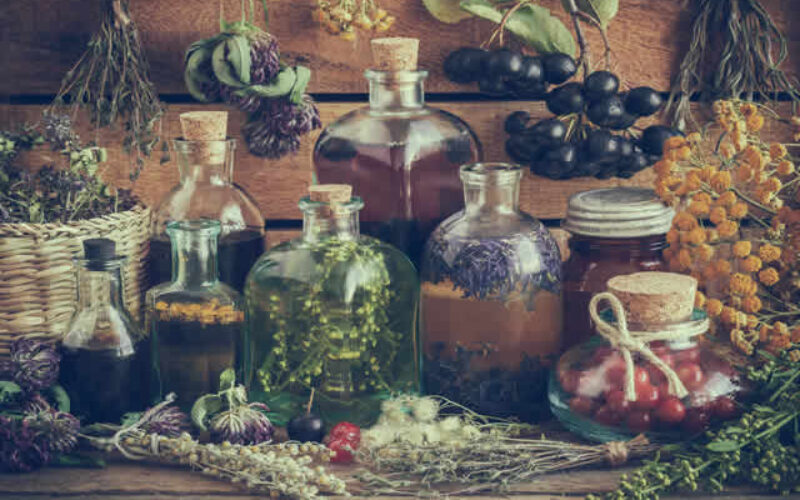
The aesthetic leans into dark glass bottles, bundles of drying herbs, and hand-labeled jars, the kind of look often compared to the kitchen scenes in Practical Magic. The philosophy underneath the look matters more than the decor, though.
Kitchen Witch cooking is about reconnecting with where your food comes from, slowing down meal prep into something closer to a ritual, and finding satisfaction in projects you can see, smell, and taste progress on over days or weeks.
Pinterest’s research also found that eight in ten monthly users say the platform motivates them to try something new, which helps explain why this particular hobby has momentum: it’s approachable enough to start this weekend, with results you don’t have to wait a year to enjoy.

Herbal Basics And Safe Practices
Before you start fermenting or preserving anything, it helps to understand a few herbal and food safety basics that keep Kitchen Witch cooking both fun and safe. Herbs are wonderful for flavoring food, and many people also enjoy them in teas and infusions.
That said, herbs can interact with medications and may trigger allergic reactions in some people, so it’s worth checking with a healthcare provider or pharmacist before using herbs medicinally, especially during pregnancy or for children.
This guide focuses on culinary and aesthetic uses rather than health claims, because those claims require individual medical guidance that a blog post simply can’t provide.
-
Start With Tested Recipes, Not Guesswork
The single most important habit for a beginner Kitchen Witch is relying on tested recipes rather than improvising ratios.
The National Center for Home Food Preservation, a USDA-backed resource housed at the University of Georgia, exists specifically to help home cooks preserve food safely, and its guidance underpins most of the safety notes in this article.
When a recipe specifies an amount of vinegar, salt, or acid, that measurement is there for a reason, not just for flavor.
-
Keep A Clean, Simple Setup
You don’t need professional equipment to begin. Clean glass jars, a sharp knife, measuring spoons, and a notebook for tracking your experiments will get you through most beginner projects.
What matters more than fancy tools is cleanliness: wash containers and surfaces with hot, soapy water before every fermenting or preserving session, since bacteria and mold thrive in the kind of damp, sugary, or low-oxygen environments these projects create.
more info below

The Joy of Canning Your Garden Harvest for Year-Round Enjoyment
Canning your garden harvest is a rewarding way to preserve the bountiful produce you have worked so hard to grow.
Beginner Fermentation Projects
Fermenting at home is one of the most approachable Kitchen Witch projects because it asks very little of you besides patience.
Refrigerator pickles and simple sauerkraut are good starting points, since both rely on salt to keep harmful bacteria in check while beneficial cultures do their work.
-
Simple Refrigerator Sauerkraut
According to extension research from Kansas State University and the University of Missouri on safely fermenting food at home, successful ferments start with food-grade containers, never garbage bags or scratched metal, and the vegetables should go into the brine within 24 hours of harvesting or purchasing for best results.
Use the salt amount your recipe calls for and don’t reduce it, because salt is what controls which microorganisms thrive. Ferment at a cool room temperature, around 70 to 75 degrees Fahrenheit, skim any scum from the surface with a clean, non-metal spoon, and once it tastes tangy enough for you, move it to the refrigerator.
Traditional sauerkraut and brined pickles typically cure for about three weeks, while quicker refrigerator dills are often ready in about a week.
-
Trying Kombucha As A Next Step
Kombucha is a natural second project once you’re comfortable with vegetable ferments, though it requires closer attention to sanitation.
The National Center for Home Food Preservation publishes a research-based kombucha recipe, and the general guidance is to use a true black or green tea base rather than herbal teas, since herbal teas can lack the properties kombucha cultures need, and to ferment at 68 to 72 degrees Fahrenheit in a very clean environment.
Preserving Jams, Pickles, And Infusions
Once fermenting feels comfortable, jams, pickles, and infused oils are the next layer of a well-stocked Kitchen Witch kitchen.
Each comes with its own safety rules worth knowing before you start.
-
Flavoring Jam Without Compromising Safety
Tested jam recipes are balanced for a specific acidity level, and changing the fruit or adding low-acid ingredients like fresh jalapeños can shift that balance unpredictably.
The National Center for Home Food Preservation advises that the safest way to add flavor is to stir in a teaspoon or less of herbs or flavorings into an already tested fruit recipe, such as basil folded into strawberry jam or vanilla added to cherry jelly, rather than swapping the fruit itself.
-
Pickling Without Guessing At Acidity
For pickles, the acidity level matters as much to safety as it does to taste. Use vinegar with five percent acidity, use canning or pickling salt rather than flaked salt, which varies in density, and never alter the proportions of vinegar, food, or water in a tested recipe.
If you’re canning rather than refrigerating your pickles, the National Center for Home Food Preservation notes that atmospheric steam canning is considered safe for high-acid foods like pickles, jams, and tomatoes, as long as you verify the steam temperature reaches 210 to 212 degrees Fahrenheit at the vent before timing, and let jars sit undisturbed for five minutes after processing.
If a recipe calls for lemon or lime juice for acidity, always use bottled juice made from concentrate, since it has a guaranteed, consistent acid level that fresh-squeezed juice can’t promise; fresh lemon juice is fine for freezer jam, where it’s helping the pectin set rather than controlling safety.
-
A Note On Home pH Meters
It can be tempting to buy a pH meter to check your own canning recipes, but the National Center for Home Food Preservation cautions against this, since consumer meters can be inaccurate by a wide margin, and acidified foods like salsa need a pH below 4.6 to prevent the risk of botulism.
Sticking with tested recipes and measured amounts of vinegar or lemon juice is far more reliable than a home meter reading.
-
Infused Oils Deserve Extra Caution
Herb and garlic infused oils look beautiful on an apothecary shelf, but they create an anaerobic, low-acid environment where the bacteria that cause botulism can grow without producing obvious signs like smell or taste.
Research from the University of Georgia Extension recommends that oils infused with fresh or non-acidified dried garlic and herbs be heated to 180 degrees Fahrenheit, kept refrigerated, and used within four days, or frozen for longer storage.
For a shelf-stable version, University of Idaho research describes an acidified method using a citric acid solution to bring the herbs to a safe pH before adding them to oil; if you want a longer-lasting infused oil, following a tested acidified method is safer than guessing.
Building A Home Herbal Apothecary
An herbal apothecary shelf is where the Kitchen Witch aesthetic really comes together: dried herbs in labeled jars, infused vinegars, and homemade spice blends arranged somewhere you’ll actually see and use them.
-
Growing And Sourcing Herbs Sustainably
You don’t need a large garden to stock an apothecary shelf. A few pots of rosemary, thyme, and basil on a sunny windowsill will supply most beginner projects, and growing your own herbs is also the most sustainable way to source them, since it cuts down on packaging and the distance your food travels.
If you’re buying rather than growing, look for herbs from local farmers markets or small growers when you can, and dry extra bunches yourself by hanging them somewhere warm and well-ventilated rather than buying pre-dried herbs every time.
-
Weaving Kitchen Witch Habits Into Daily Life
The easiest way to make these habits stick is to attach them to something you’re already doing. Check your ferments while the coffee brews, label a new jar while dinner simmers, or spend ten minutes on a Sunday prepping herbs for the week ahead.
Small, repeated moments like these are what give a kitchen that lived-in, well-used feeling the Kitchen Witch trend is really about.
-
Common Mistakes Beginners Make
Most beginner mistakes come from skipping a safety step to save time. Cutting back on salt in a ferment, swapping fresh lemon juice into a canning recipe, or improvising a flavor addition to jam can each throw off the safety balance a tested recipe is built on.
Another common misstep is leaving infused oil at room temperature past the recommended few days, since that’s exactly the environment that allows harmful bacteria to grow unnoticed. When in doubt, the safest move is to slow down and check a tested recipe rather than trust instinct.
-
Where To Learn More And Connect
As your confidence grows, local Cooperative Extension offices offer Master Food Preserver programs and classes that go well beyond what any single blog post can cover.
The National Center for Home Food Preservation also hosts recorded webinars, including a session on avoiding botulism risk in home canning, and its printed guide, “So Easy to Preserve,” is a well-regarded reference many home preservers keep in the kitchen.
Connecting with other Kitchen Witch hobbyists, whether through a local class or an online community, is also one of the best ways to troubleshoot your first few projects.
Starting Your Handmade Kitchen
Kitchen Witch cooking rewards patience more than perfection. Pick one project, whether that’s a jar of refrigerator sauerkraut or a small batch of herb-flecked jam, follow a tested recipe closely, and let the rest build from there.
Each labeled jar on your shelf is proof of a little more confidence in the kitchen, and that’s really the heart of this trend: a kitchen that feels handmade, useful, and entirely your own.
Starting Your Witch’s Kitchen
Before immersing yourself in the enchanting trend of a “witch’s kitchen,” take a moment to truly connect with the herbs and spices that will become the foundation of your practice.
Research their uses, benefits, and the ways they align with your intentions—whether for cooking, healing, or spiritual rituals.
Select a few versatile herbs to grow, like rosemary, thyme, or basil, that will thrive in your space and suit your needs.
Cultivating a deeper understanding of these plants will make your witch’s kitchen both personal and purposeful.
view ideas: Knowing Your Herbs and Spices (new win)

Frequently Asked Questions
-
Is Kitchen Witch cooking safe for beginners with no canning experience?
Yes, as long as beginners start with tested recipes and simple projects like refrigerator ferments or freezer jam, which don’t require pressure canning equipment or advanced skills.
-
How long does home fermentation usually take?
Traditional sauerkraut and brined pickles generally cure for about three weeks, while refrigerator dill pickles are often ready in about one week, depending on taste preference.
-
What is the difference between refrigerator pickles and canned pickles?
Refrigerator pickles are simply stored cold and eaten within a few weeks, while canned pickles are processed in a boiling-water or steam canner so they can be stored at room temperature for longer periods.
-
Is it safe to make infused herb or garlic oil at home?
It can be, but non-acidified fresh or dried garlic and herb oils should be heated to 180 degrees Fahrenheit, refrigerated, and used within four days, or frozen, because they can support botulism-causing bacteria if left at room temperature.
-
Can I add fresh jalapeños or other vegetables to a tested jam recipe?
It’s safer to avoid substituting low-acid ingredients into a tested jam recipe; instead, add a teaspoon or less of herbs or flavorings to keep the recipe’s tested acidity intact.
-
Do I need a pH meter to can safely at home?
No, experts advise against relying on consumer pH meters for home canning because they can be inaccurate; following tested recipes with measured vinegar or lemon juice is more reliable.
-
What equipment do I need to start a kitchen apothecary?
Clean glass jars, basic measuring tools, and a few herbs, whether grown or purchased, are enough to begin; specialized equipment can be added later as interest grows.
-
Can I grow my own herbs for preserving if I don’t have a garden?
Yes, herbs like rosemary, thyme, and basil grow well in pots on a sunny windowsill, making them accessible for apartment dwellers and beginners alike.
-
Where can I find reliable, tested recipes for canning and fermenting?
The National Center for Home Food Preservation and local Cooperative Extension offices, including Master Food Preserver programs, offer research-based recipes and classes for home preservers at every skill level.
home improvement ideas to consider (complete directory – new win):


Foundational safety standards cited in this article include University of Georgia Extension Circular 1334 on infused oils (December 2024), USDA/NCHFP guidance on pickling and fermenting adapted from the Complete Guide to Home Canning (revised 2015), and a Kansas State University/University of Missouri Extension fact sheet on safely fermenting food at home (September 2015). These remain widely used references even though they predate the most recent year.
| Section | Description | Key Highlights |
|---|---|---|
| The Kitchen Witch Trend | A growing hobby focused on fermenting, preserving, infusing, and growing herbs to personalize the kitchen and create a handmade feel. | Start small with tested recipes, prioritize safety, and build skills with ferments, jams, and herbal apothecaries. |
| Why Kitchen Witch Cooking Is Rising | A trend emphasizing tactile, slow kitchen projects like herb drying, canning, and spice blends, inspired partly by aesthetics and philosophy. | Pinterest reports a 595% growth in “herbal apothecary” searches, reflecting interest in making kitchens both practical and satisfying. |
| Herbal Basics and Safety Practices | Key practices for safe and enjoyable projects with culinary herbs, focusing on tested recipes and cleanliness as starting points. | Guidance comes from institutions like the National Center for Home Food Preservation, with an emphasis on avoiding improvisation. |
| Beginner Fermentation Projects | Entry-level fermentation projects, including sauerkraut and kombucha, relying on simple ingredients and patience. | Follow research-based advice for safety, such as temperature control and correct salt or sugar ratios for successful outcomes. |
| Preserving Jams, Pickles, and Infusions | Projects expand to include sweet and savory preserves alongside potential pitfalls like improper acidity in pickles or infused oils. | Focus on acid levels, use bottled lemon juice for consistency, and maintain proper safety methods to ensure high-quality results. |
| Building a Home Herbal Apothecary | Tips for stocking and maintaining an herbal apothecary shelf with sustainable, home-grown, or locally purchased herbs. | Encourages integrating habits into daily routines and emphasizes small, sustainable, and practical setups. |
| Starting Your Handmade Kitchen | Encouragement to begin with one small project, gradually gaining confidence and creating a meaningful, personal kitchen space. | Patience, tested recipes, and the satisfaction of seeing tangible results are at the heart of this trend. |

Find Handyman Services (opens new win) Handyman Carpentry Electrical Plumbing top-rated, pre-screened local contractors FREE: download contractor selection enter zip code – powered by HomeAdvisor ™


Image credit: kitchen witch by envato.com
end of post … please share it!
| more photo remodeling |
Jump Over to Our Photo Analysis Center for Ideas on
"Renovating Home"
|__________________________________________________________|
home remodeling surprise
find out where it might go - new win


Helpful article? Leave us a quick comment below.
And please share this article within your social networks.