These systems can cost several thousand dollars to install, but they will make an immediate improvement in the quality of your home’s air. Want more efficiency from your home’s HVAC system? Here are some new technologies and strategies for ensuring that the air in your home gets clean and stays that way.
Stop Using Chemical Cleaners
Chemical sprays that are common in most homes are also endocrine disruptors. While the body does possess a natural detox pathway that is incredibly powerful, overwhelming it with bug sprays, pesticides, and household cleaners and cleansers can eventually make you more susceptible to illness. Removing, or decreasing your reliance on, these chemicals will immediately improve the indoor air quality – especially if you don’t have a ventilation system.
Stop Dry Cleaning Your Clothes With Chemicals
Stop drying your clothes at a dry cleaner. Or, if you must use a dry cleaner, ask about non-PERC options. The so-called “wet cleaners” avoid the use of carcinogenic substances in the cleaning solution. Another option is to buy new clothes that don’t need dry cleaning, like wool-based dress shirts, t-shirts, and pants.
Maintain Your HVAC System
Maintaining your HVAC system is important, especially the ventilation system. Ventilation is necessary in the modern home, and according to Airwise, ventilation is essential for any home, and the HVAC can be an important part of that system, along with roof vents and proper insulation in the walls.
Install An Energy Recovery Ventilator
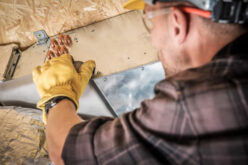
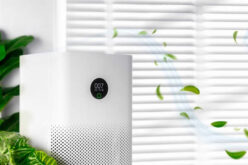
Another type of ventilation system, referred to as an air-to-air heat exchanger or energy recovery ventilator connects to existing forced air HVAC systems and uses fans to exchange stale indoor air with fresh air from outdoors. These systems can cost several thousand dollars to install, but they will make an immediate improvement in the quality of your home’s air. Systems with filters can filter out contaminates from the outside air too, like pollen and mold.
Use a Heat Pump
Using a heat pump might save you money if you live in a mild part of the country that doesn’t see freezing temperatures. A heat pump draws in heat from the air or the ground instead of burning fuel. Unless the outside air drops below 35 degrees, there’s no need for a backup heater. There’s a surprising amount of heat in the ground or in the air to sufficiently heat your home.
Think of a heat pump as an air conditioner in reverse. Of course, heat pumps can also be an air conditioning device too, with added refrigerant. Air moves through cooled coils and then a fan blows the air into the house. The systems work best in the south or out west, where temperatures rarely drop below freezing.
Install Radiant Heat
Radiant heating systems use heated water and plastic tubing to heat the floor or ceiling of your home, rather than rely on forced hot air. Forced hot air can stir up dust and allergens because they heat a home by blowing heated air into it.
By contract, radiant heat systems heat a space more efficiently and there’s no need for ductwork unless you also want air conditioning. These systems work very well in the north where summers are short and winters are brutal.
|__________________________________________________________|
home remodeling surprise
find out where it might go - new win


Helpful article? Leave us a quick comment below.
And please share this article within your social networks.