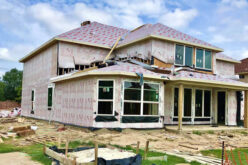
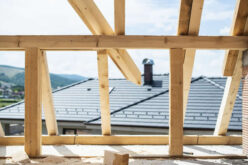
Having the right supplies and materials is essential for completing any job quickly and efficiently. To help you start your next project off on the right foot, here are 10 true essentials that should always be taken into account.
A Clear Plan of Action
Before you even begin to gather materials or supplies, it’s important to have a clear plan of action in place. This plan should include an estimate of how long the project will take, what resources are available (including budget), and any potential risks that may arise during construction.
Having this information helps ensure that everyone involved is on the same page and understands their roles and responsibilities throughout the duration of the project.

Strong Leadership
Every successful construction project needs strong leadership to keep everyone organized and on track with deadlines and goals. This may also include hiring a contractor from a company like United Contracting Group.
Without strong leadership, projects tend to drag out longer than expected and can result in costly delays or mistakes due to miscommunication between team members.
Having clear communication between all involved parties helps ensure that everyone is aware of what needs to be done at all times so that no tasks slip through the cracks.
Quality Materials
Using quality materials is essential for any successful construction project because it ensures that your finished product will last over time without any issues or repairs needed down the line.
Investing in higher quality materials from vendors you trust also helps protect against potential legal issues related to defective or non-compliant products being used on your job site.
The Right Tools
No matter how skilled your team is, they won’t be able to do their jobs properly if they don’t have access to the right tools for each task at hand. You might even have to outsource some of the more complex tasks to a team of professionals instead.
Either way, it’s important to make sure you know exactly what type of tools will be needed before starting a project so you can make sure everyone has what they need when they need it without any delays caused by missing items or parts not being available in time for completion deadlines.
Professional Safety Gear
Safety gear such as protective eyewear, hard hats, gloves, safety boots, and reflective clothing are essential for keeping workers safe while working onsite during construction projects. Having these items readily available helps ensure compliance with OSHA regulations at all times while also protecting workers from potential injuries while performing their duties each day. Without such safety in place, workers are within their rights to seek legal representation for construction accident claims if they’re injured at work in a way that wasn’t their fault.
Quality Supplies
Having quality supplies such as adhesives, sealants, screws, nails, and bolts are just as important as having strong leadership, clear plans, good tools, and professional safety gear. Quality supplies help make sure that each component of your construction site is held together securely no matter what type of weather conditions may arise during the building.
Effective Storage Solutions
Organizing supplies and materials during a construction project can become overwhelming if effective storage solutions aren’t put in place from day one. Investing in heavy-duty shelving units or plastic bins ensures that everything remains where it needs to be throughout the entire duration of your job so nothing gets misplaced or lost.

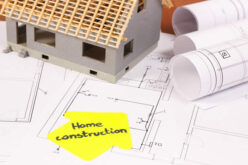
Before you start any home construction – such as building a new home, building a new section onto an existing home, and other major construction project, run some financial numbers to determine whether the construction is a smart investment.
The numbers include the estimated costs, home value assessment, financing costs, and other related calculations.
Review these cost-related issues to home construction vs. buying a new home.
links to internal page (opens new win)
| analyze the numbers | |
| estimate the cost of your project | |
| get your home value |
The 2nd step for planning your home construction is deciding what you would like to do.
Will it be a –
- designing ideas for your kitchen and bathroom,
- converting the attic or basement into livable spaces,
- adding an addition or extension to an existing home,
- adding a deck or patio and link it to an all-season room,
- planning the construction with new windows, doors and flooring,
- designing the landscape with innovative features,
- or something else.
Start collecting ideas by referencing our collection of remodeling analysis: view directory
Step 3 is sketching your ideas on paper (or digitally) and developing the spec plan.
The spec plan determines what type of home construction materials, items, and design considerations that will be needed. It will also contain the product specifications for each constructive element.
You will use the spec plan and architectural design to bid the project out to a contractor.
links to internal page (opens new win)
| developing the spec plan | |
| sketch remodeling plan | |
| design considerations |
Step 4 is finding and negotiating the contract with a home construction contractor.
Give your home construction ideas and specs to a contractor for review and bid analysis. Use the local network (aligned with HomeAdvisor) to find the right contractor for your project.
Review guides for contractor selection and negotiation.
links to internal page (opens new win)
| search home construction contractors | |
| selecting your contractor checklist |
| contractor negotiations | |
| contractor evaluation form |
Step 5 is arranging financing once you selected the contractor and finalized the contract for your project.
Using the equity value in your existing home is one of the best financing option for home construction. Start with a home equity line of credit or use the bank equity program.
Other options may include home construction financing, personal savings, and/or financing from home construction contractors.
links to internal page (opens new win)
| financing options | |
| getting qualified for financing | |
| negotiate rates |
Step 6 is where the project begins.
It starts with setting up the work area, removing everything that needs to be replaced, installing electrical and network connections, putting in the final touches, etc.
It also means working with the contractor, managing the project, and getting the home construction project inspected before releasing any funds.
links to internal page (opens new win)
| working with the contractor | |
| managing construction project |
| about a home project inspections | |
| find home inspector |
Adequate Lighting
Adequate lighting is necessary both indoors and outdoors during any type of construction job. Not only does proper lighting help keep workers safe by illuminating potential hazards, but it also makes it easier for them to see what they’re doing clearly which leads to better results overall.
Protective Coverings
Protective coverings, such as tarps, drop cloths, and dust sheets, can help protect surfaces from dirt, debris, or moisture damage while working inside buildings or on outside areas such as patios and decks. Having these types of items ready ahead of time prevents unpleasant surprises down the road due to unexpected messes created by carelessness or bad weather conditions.
Accessible Plumbing Supplies
Accessible plumbing supplies should always be included when planning out a construction project because plumbing problems often occur after completion due to improper installation methods practiced during building time frames.
Making sure plumbing fixtures are properly installed from day one prevents costly repairs later on down when water damage has already occurred due unforeseen circumstances such as faulty pipes.
other related articles of interest:
How Constructions Loans Build Your Dream Home
The Critical Role of Structural Support in Building Construction
Starting a successful construction project requires careful planning and consideration beforehand; otherwise, you risk facing delays caused by lack of resources or even legal issues due to safety protocols not being followed properly throughout building periods.
Taking into account these 10 true essentials helps ensure that your next construction job goes smoothly with minimal complications along every step of the way.
From having a clear plan of action to investing in quality supplies and tools, following these guidelines helps ensure that you get the job done quickly and efficiently every time.
Find Home Construction Services Additions Home Construction Major Remodels Site Preparation top-rated, pre-screened local contractors FREE: download contractor selection enter zip code – powered by HomeAdvisor ™


Image credit: starting a construction project by envato.com
end of post … please share it!
|__________________________________________________________|
home remodeling surprise
find out where it might go - new win


Helpful article? Leave us a quick comment below.
And please share this article within your social networks.