Summary Outline:
In today’s world, sustainability and eco-friendliness have become essential considerations for homeowners. By making conscious choices during home renovations, we can create living spaces that are aesthetically pleasing and environmentally responsible.
We have compiled various renovation ideas for a greener home, from energy-efficient lighting upgrades to sustainable flooring options. So, whether you’re a seasoned environmental enthusiast or just starting your green journey, let’s explore how you can transform your home into an eco-friendly haven.

-
Quik scroll to first topic about renovation ideas for a greener home …

first “renovation ideas for a greener home” idea

copyright image by 123rf.com
Energy-Efficient Lighting Upgrades
Notes:
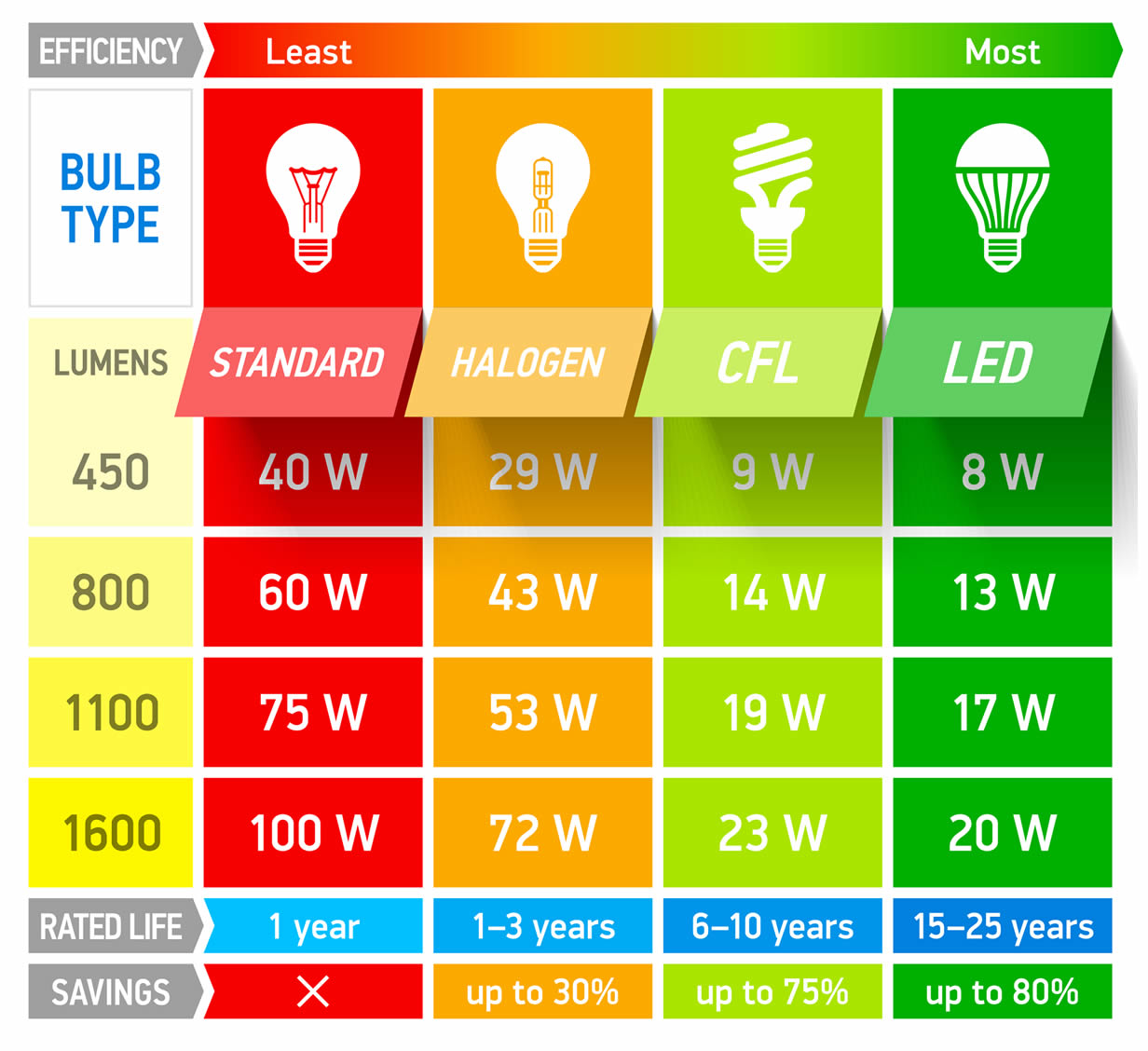
- One of the key renovation ideas for a greener home is energy-efficient lighting upgrades. By transitioning to LED lighting, you can significantly reduce your energy consumption. Not only do LED lights last longer, but they also consume less electricity compared to traditional incandescent bulbs.
copyright image by 123rf.com
- To further enhance energy savings, consider installing motion-sensor switches and dimmers, which ensure that lights are only used when necessary and can be adjusted to desired brightness levels.
- Additionally, maximizing natural light through the strategic placement of skylights and larger windows can minimize the need for artificial lighting during the day. These lighting upgrades will save energy and lower your electricity bills.
-
Quik scroll to topic side notes …
-
-
Benefits of LED Lighting:
LED light bulbs are becoming increasingly popular due to their energy efficiency and long lasting lifespan. But how exactly do LED light bulbs operate?
Let’s take a closer look at the technology behind these amazing pieces of lighting equipment.
- LEDs use significantly less electricity than traditional incandescent or fluorescent lights, making them more cost-effective in the long run
- They generate very little heat, so they don’t require special cooling systems like other types of lighting do
- The average life span for an LED bulb is around 50,000 hours – that’s up to 10 years of continuous usage!
- LEDs produce high-quality white illumination with no added UV radiation or mercury content
- They can be dimmed easily without affecting their performance or longevity
- LEDs are shock and vibration resistant, making them ideal for use in tough environments.
The future of lighting is here, and it’s in the form of LED light bulbs! If you’re looking for a more energy-efficient, longer-lasting, and safer alternative to traditional lighting solutions, then LED technology is worth the change out of all household light bulbs.

copyright image by 123rf.com
LED Bulbs Getting Decorative
Decorative LED light bulbs have become increasingly popular for all interior home use in recent years. Not only are they energy-efficient and long-lasting, but they also come in a variety of shapes, sizes, colors, and styles to suit any room’s decor and needs.
From traditional incandescent bulbs to modern LED designs, there is a perfect lighting solution for every space – including bathroom vanity light and vintage pendant light.
-
Installing Smart Technology:
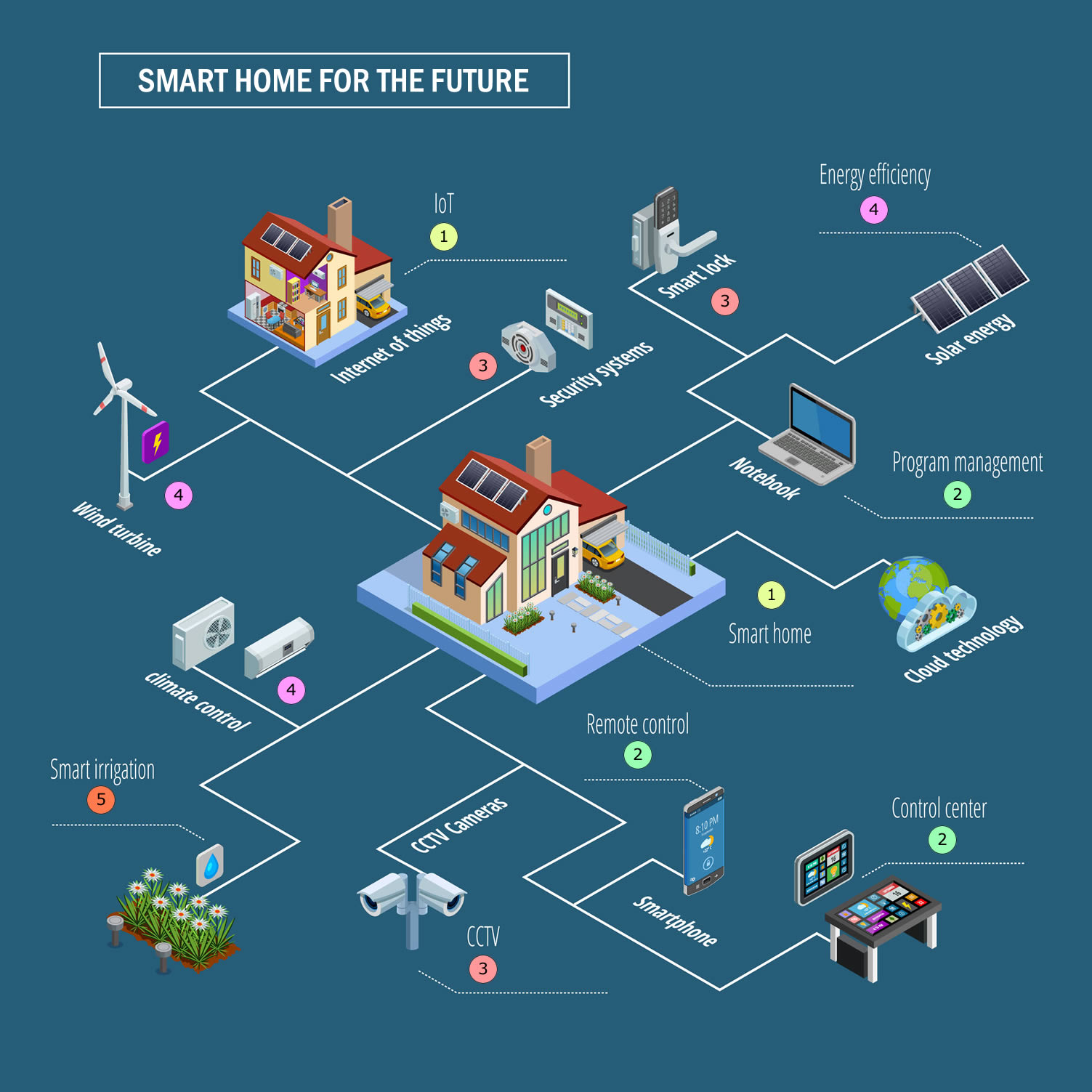
Even though LED light bulbs save up to 80% of electrical usage over traditional light bulbs, they still consume some electricity to light up an area. By installing smart technology like smart LED, smart switches and outlets and other smart automation, you can reduce you electrical consumption even more by have lights turn off when not in use.
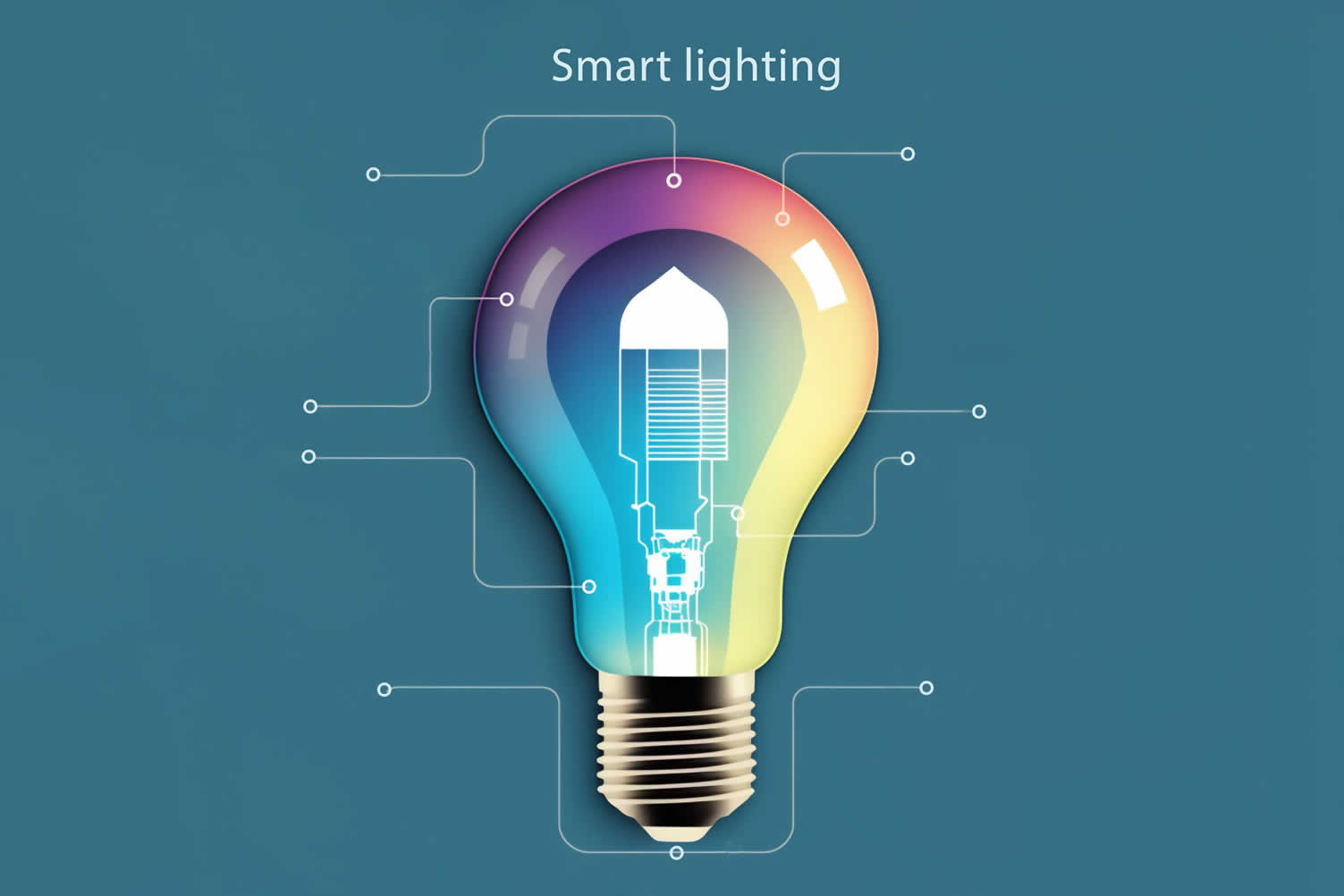
Smart LED lights can be programmed to turn on and off at specific times of the day or when motion is detected in certain areas, resulting in significant energy savings over time. In addition, these lights are highly customizable with various colors and dimming capabilities that allow you to create the perfect atmosphere for any room or activity.
But smart LED can be expensive. So an alternative option is installing smart switches and outlets in designated areas of the home. Smart lighting systems are becoming increasingly popular as they provide homeowners with the ability to easily control when lights are turned on or off, allowing you to save money on your electricity bills.
Here are some of the key benefits of installing smart switches and outlets:
-
Automated Control:
Smart switches and outlets can be programmed to turn on/off at certain times throughout the day, ensuring that lights remain off when not in use. This helps conserve energy and reduces costs by eliminating unnecessary usage.
-
Customizable Settings:
You can customize settings for each switch or outlet individually, giving you complete control over how much light is used in each room. With a variety of colors available, you can set the perfect atmosphere for any occasion or activity.
-
Easy Installation:
Installing these devices requires minimal effort compared to traditional lighting systems, so even those with limited technical knowledge can install them quickly without having to call an electrician
-
Increased Security:
Smart switches and outlets can also be used to deter intruders by easily scheduling lights to turn on/off in certain areas when no one is home. This added security helps keep your family safe while also reducing electricity costs.
copyright image by 123rf.com
-
-
-
Quik scroll to next topic about renovation ideas for a greener home …
-
ideas to view and compare from the information discussed above

second “photo remodeling” idea
copyright image by 123rf.com
Renewable Energy Systems
Notes:
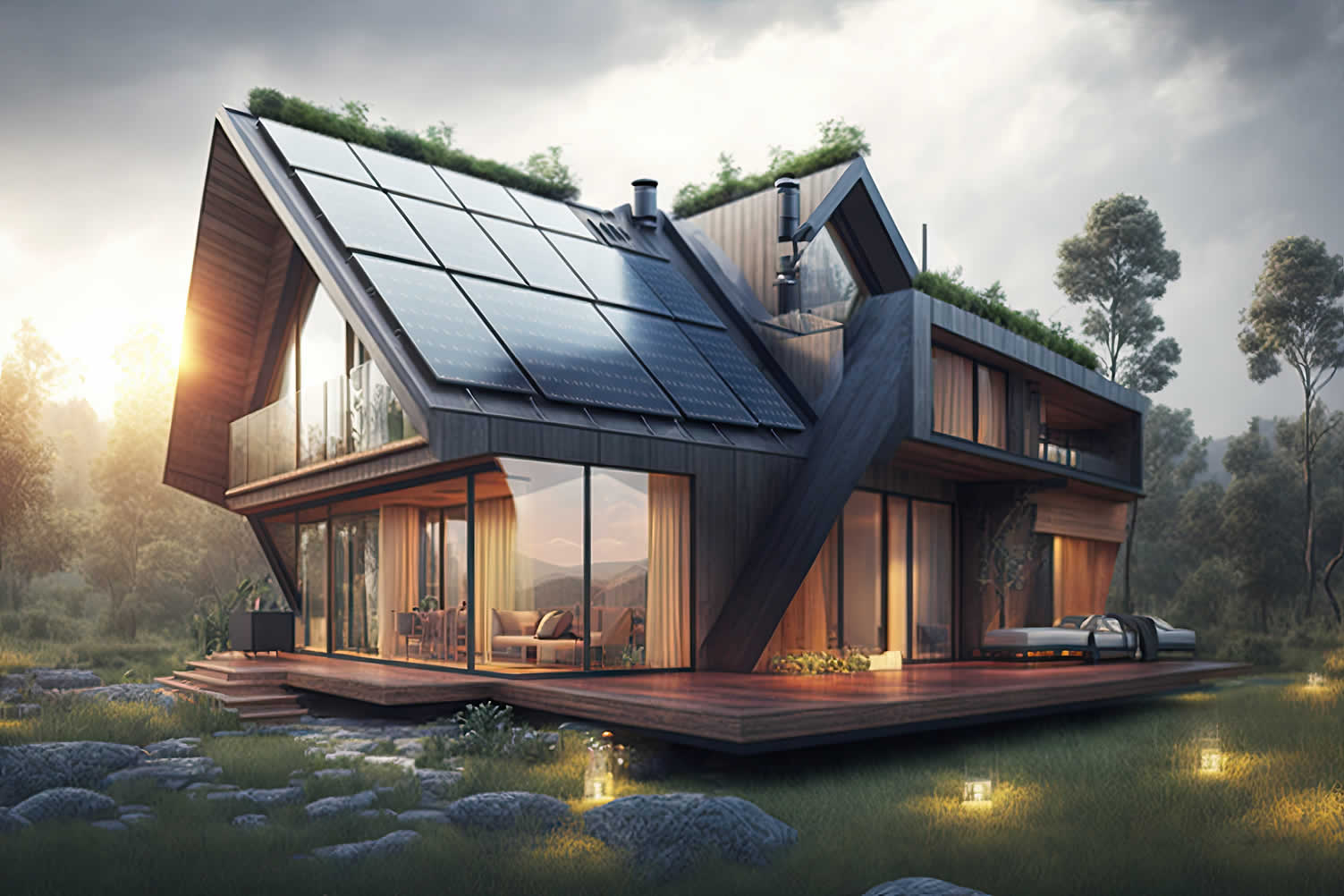
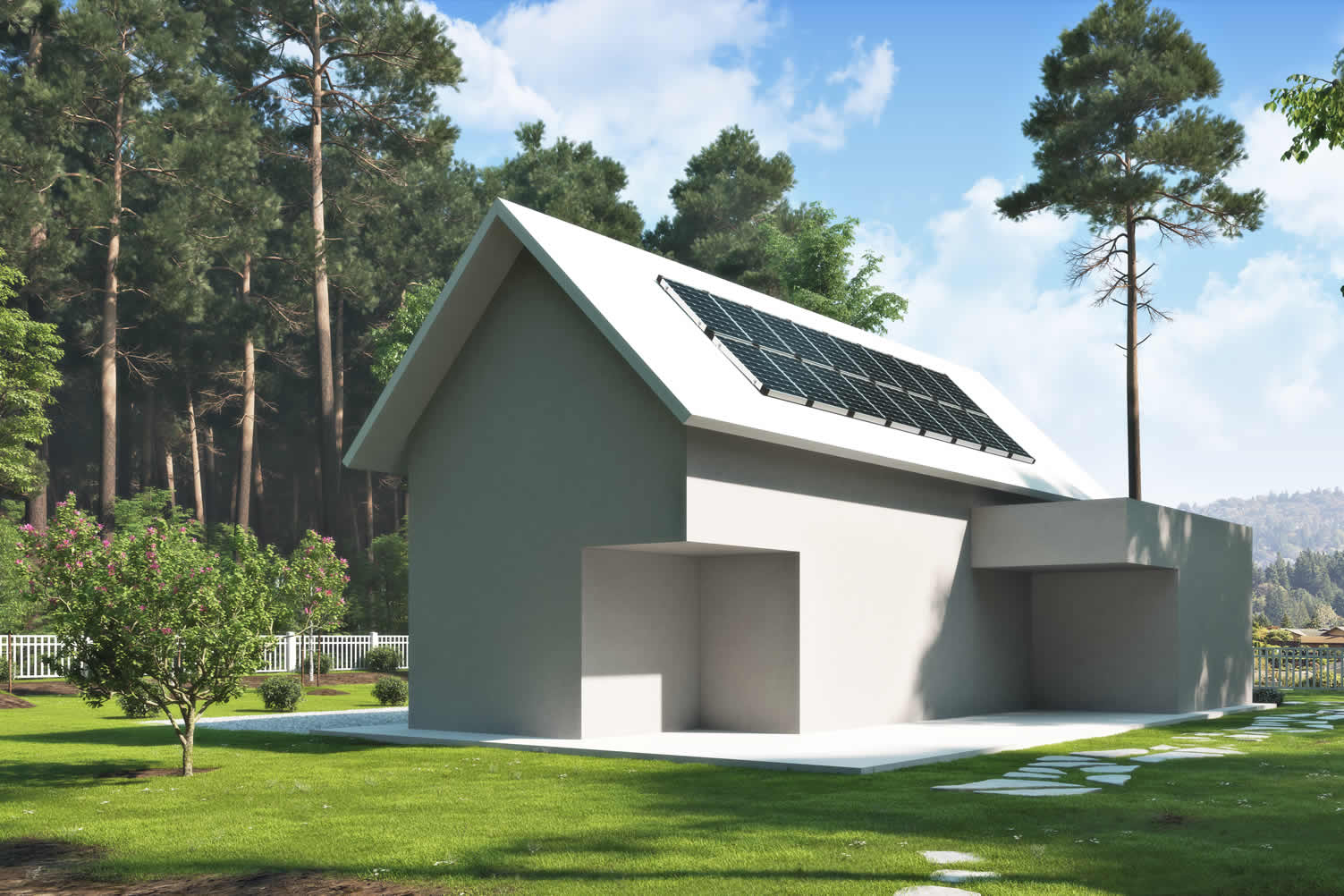
- Renewable energy systems are among the top renovation ideas for a greener home. You can install roof solar panels to harness the sun’s power and generate clean, sustainable electricity. Solar energy is a reliable and renewable source that can significantly reduce your reliance on the grid and lower your carbon footprint.
- According to moving experts from easymovekw.com, many clients prefer homes equipped with renewable energy systems. Embracing solar panels, wind turbines, or geothermal systems adds value and appeal to a property. Embracing renewable energy systems is a step towards a greener and more self-sufficient home.
-
Quik scroll to topic side notes …
-
-
More About Solar Panels:
Installing solar panels on your roof is a great way to save money and to become more energy independent. But before you take the plunge, there are a few things you should know about installing roof solar panels.
-
Roof size and structure:
Make sure that your roof has enough space for all of the necessary components for the successful installation of solar energy systems. Additionally, make sure it’s structurally sound enough to bear extra weight from the installed solar panel system.
-
Sun exposure:
The more sun exposure your rooftop gets throughout the day, the better chance at higher efficiency of power generated by an installed solar system.
-
Budget:
Solar energy systems can be expensive, so make sure that you have an accurate budget in mind when considering the installation of this technology on your home’s rooftop.
-
Maintenance:
Regular maintenance is needed to keep a solar system running smoothly and efficiently. Be sure to factor in the cost of upkeep before deciding on installing roof solar panels.
copyright image by 123rf.com
Let’s review the cost/benefit analysis of solar installation:
-
Energy Savings:
Solar systems can generate up to 80% of your home’s total electricity needs. The average household uses about 11,000 kilowatt-hours (kWh) of electricity per year and with an installed rooftop solar system, those costs could be drastically reduced or even eliminated entirely depending on usage levels.
-
Installation Costs:
When it comes to the upfront costs of installing roof solar panels, you’ll need to consider the cost of the equipment and installation. This includes purchasing the solar panels themselves as well as other components like mounting hardware and batteries.
It’s also important to factor in taxes and fees associated with your local area when estimating these costs. In addition, many areas also offer rebates for those who purchase rooftop solar systems which can further reduce upfront costs.
The cost of installing rooftop solar systems varies depending on your location, the size of your roof, and other factors. But generally speaking, installation costs can range anywhere from $10,000 to $25,000.
-
Tax Credits:
Federal tax credits are available through the Investment Tax Credit (ITC). This allows homeowners who install rooftop solar systems to receive up to 30% of their installation costs back in the form of a credit against their taxes owed at the end of each fiscal year.
State and local jurisdictions may also offer significant financial incentives for homeowners who install rooftop solar systems, including rebates and tax credits. These incentives can help reduce upfront costs.
Likewise, utility companies are increasingly recognizing the benefits of rooftop solar panels; and as a result, they are offering savings incentives to help homeowners reduce their upfront costs when installing these systems. These incentives can come in the form of rebates or tax credits.
-
The Cost/Benefit Analysis:
When considering the cost vs savings of installing roof solar panels, it’s important to look at both short term and long term benefits. While upfront costs may be high, you’ll be able to reap a number of rewards over time including lower energy bills, tax credits, and increased home value.
Run the numbers as it relates to financing cost, installation, and general maintenance against the tax incentives, rebates and the estimated 80% reduction of electrical costs to maintain your home. You may want to use this estimator as a starting point.

copyright image by 123rf.com
-
-
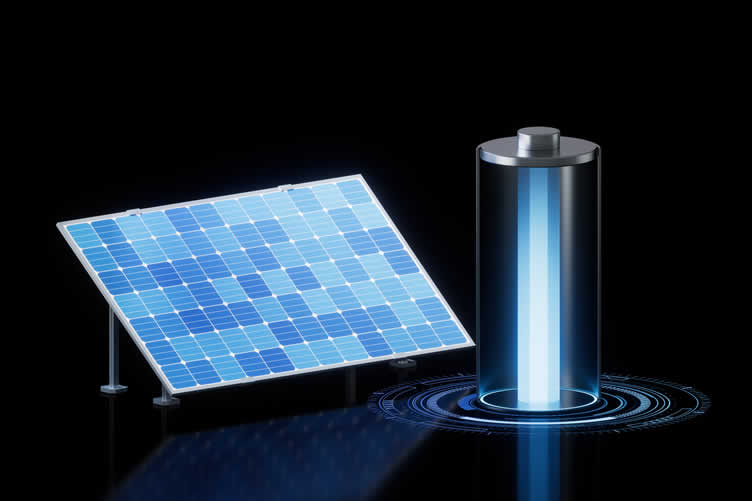
Will You Need a Solar Battery Bank:
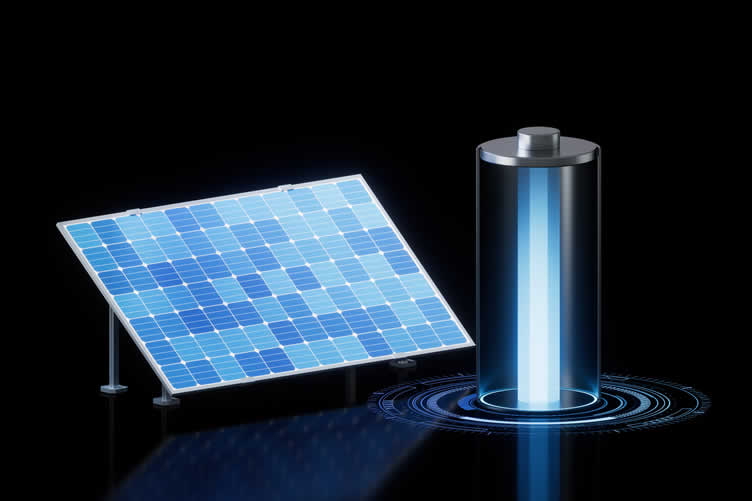
Solar batteries are an increasingly popular way for homeowners to store electricity generated by solar panels. With a solar battery, you can store the excess energy produced by your solar panels and use it when needed, such as during night-time hours or cloudy days. This helps reduce dependence on grid power and allows households to better control their energy costs.
Solar batteries also provide backup power during outages, helping ensure that homes remain powered even in emergencies. Investing in a solar battery is a great way to get the most out of your home’s renewable energy system while protecting yourself from rising utility bills.
copyright image by 123rf.com
Types of Batteries:
The two main types of solar batteries are lead-acid and lithium-ion. Lead-acid batteries, as the name suggests, are composed of lead plates immersed in acid. They have been around for a long time and are typically inexpensive to purchase.
However, they also require regular maintenance, have a shorter lifespan than other types of batteries, and may not be able to store as much energy.
Lithium-ion batteries, on the other hand, use lithium cells that provide higher energy density and longer life spans without requiring frequent maintenance or servicing.
Although these batteries can cost more upfront, their ability to store larger amounts of electricity makes them an attractive option for many homeowners looking to maximize their renewable energy system’s potential.
-
-
Quik scroll to next topic about renovation ideas for a greener home …
-
ideas to view and compare from the information discussed above
 … grab this directory of ideas
view illustration “becoming a bank”

May We Suggest Other Photo Remodeling Ideas About
“Going Green …” (new win)

third “photo remodeling” idea

copyright image by 123rf.com
Water Conservation Solutions
Notes:
- Water conservation solutions are essential for a greener home. Installing low-flow faucets and showerheads can significantly reduce water consumption without compromising functionality.
- Upgrading to water-saving toilets and dual-flush systems allows for more efficient water usage, saving gallons per flush. Another sustainable practice is harvesting rainwater for outdoor use, and irrigation, reducing reliance on freshwater sources.
- By implementing these water conservation solutions, you contribute to preserving this valuable resource and lowering your water bills. Making small changes in your home can greatly impact the environment and promote a sustainable lifestyle.
-
Quik scroll to topic side notes …
-
-
Water Is a Precious Source:
Water is a precious source that needs to be conserved and managed wisely. Humans have been using water for centuries, but with the world’s population growing rapidly, it has become even more important to conserve this vital resource.
Here are some key reasons why:
- Water is essential to all life on Earth – plants, animals, and humans alike need access to clean drinking water to survive.
- Water regulates the Earth’s climate by evaporating from the oceans and forming clouds which then return as rain or snowfall. Without this natural cycle of evaporation-precipitation, temperatures would become too extreme for most living things!
- Freshwater ecosystems provide habitats for many species of fish, amphibians, and other aquatic organisms which are integral parts of our global food chain.
- Conserving water also helps us save energy; pumping, treating, and heating large amounts of water requires lots of energy resources!
By understanding how important water conservation is, we can work together toward ensuring a sustainable future for generations to come.
Water Conversation Tips:
We all need to be aware of the importance of water conservation and how we can do our part in preserving this precious resource.
From small changes like turning off the tap while brushing your teeth, to larger projects such as installing rainwater harvesting systems or switching to low-flow appliances, there are many ways we can conserve water.
Some water conservation tips we can take at home:
- Fix leaks:
Leaks can waste hundreds of gallons of water per day. If you notice a leak, fix it immediately. - Install water-saving fixtures:
Low-flow toilets, faucets, and shower heads can save a significant amount of water. - Water wisely outdoors:
Water your lawn and plants early in the morning or late in the evening when the water is less likely to evaporate. Water deeply, but less often. - Recycle graywater:
Graywater is water from sinks, showers, and bathtubs that can be used to water plants. - Avoid using water for non-essential purposes:
Don’t water your lawn or garden when it’s raining. Don’t use the hose to wash your car. Take shorter showers. - Educate your family and friends about water conservation:
The more people who know about water conservation, the more water we can save.
Here are some additional tips that you can do at home to conserve water:
- Wash food items together:
Wash your fruits and vegetables in a basin instead of running the faucet the whole time. - Take shorter showers.
A five-minute shower uses about 25 gallons of water, while a 10-minute shower uses about 50 gallons. - Only run the dishwasher when it’s full:
Running a dishwasher with a partial load uses more water than washing dishes by hand. - Only run the washing machine when it’s full:
Running a washing machine with a partial load uses more water than hand-washing clothes. - Collect rainwater for watering plants:
You can collect rainwater in barrels or cisterns. - Use a broom:
instead of a hose to clean your driveway, sidewalk, or patio. - Plant drought-tolerant plants in your yard:
Drought-tolerant plants require less water than traditional plants.

copyright image by 123rf.com
-
-
Quik scroll to next topic about renovation ideas for a greener home …
-
ideas to view and compare from the information discussed above
book: water conservationwater saving toilet flush kitrain collection system


fourth “photo remodeling” idea

copyright image by 123rf.com
Efficient Insulation and Windows
Notes:
- Efficient insulation and windows are essential. Proper insulation ensures that your home retains heat in winter and stays cool in summer, reducing the need for excessive heating and cooling. You can maximize energy efficiency by sealing gaps and using insulation materials with high R-values.
-
Energy-efficient Windows and Blinds:
- Additionally, Energy-efficient Windows, such as double-glazed or Low-E, help minimize heat transfer and maintain indoor temperatures. Investing in efficient insulation and windows creates a more comfortable living environment, promoting sustainability and energy conservation.
- Likewise, using window blinds are an excellent way to save money on energy costs. Not only do they provide privacy and a stylish look, but they can also help regulate the temperature in your home, reducing the amount of heating or cooling needed.
- By blocking out direct sunlight during hot summer months and trapping heat from natural light during colder times, window blinds can significantly reduce energy usage while helping you maintain comfortable temperatures year-round. Moreover, using blackout curtains or shades with additional insulation properties will further increase their effectiveness in saving energy.
-
Quik scroll to topic side notes …
-
-
Eco-Friendly Flooring Options:
Eco-friendly flooring options are fantastic for a green home. Instead of conventional materials, consider sustainable alternatives like bamboo, cork, or reclaimed wood. These materials are durable and renewable, making them environmentally responsible choices.
Bamboo, for instance, grows quickly and regenerates rapidly, reducing deforestation. Cork is harvested from the bark of cork oak trees without harming the tree, while reclaimed wood gives new life to salvaged timber.
These eco-friendly flooring options provide a unique and stylish touch to your home while reducing your carbon footprint.

copyright image by 123rf.com
How Bamboo Is Harvested:
Bamboo is an incredibly renewable resource, growing at a rapid rate and able to be harvested in just three to five years. It’s also extremely durable, making it an ideal flooring material for households.
The harvesting process uses minimal resources – no trees are chopped down or anything like that – while the manufacturing process is highly efficient, creating durable planks quickly with minimal waste materials.
The first step in the process is to collect mature bamboo stalks from a grove. Bamboo stalks are typically harvested every 3-5 years to not deplete the groves of their natural resources.
After the stalks have been collected, they’re cut into planks and dried using a kiln-drying process that removes any moisture and impurities from the wood. The drying process helps to ensure that the planks are stable for installation.

copyright image by 123rf.com
Once dried, the planks are milled into boards which can then be cut into strips and tongue-and-groove pieces for easy installation on any floor surface. Additionally, many manufacturers offer pre-finished flooring options that allow for easier installation and quicker turnaround times.
Bamboo floors provide a classic, timeless look and can last up to 30 years with proper maintenance. They’re also easy to clean, hypoallergenic, eco-friendly and resistant to mold and mildew.
With its natural strength and beautiful color variations, bamboo is an excellent choice for those seeking an attractive yet energy-efficient flooring alternative.
-
-
Quik scroll to next topic about renovation ideas for a greener home …
-
ideas to view and compare from the information discussed above
below for …
green energy setup
Find Energy Efficient Services Insulation Windows-Insulation Ducts & Vents Thermostats Solar Installation Skylights Home Automation Generators Home Automation Electrical Wiring Networks/Phone Computers/ Media Home Security Alarms top-rated, pre-screened local contractors FREE: download contractor selection enter zip code – powered by HomeAdvisor ™
Quick Contractor Guides selecting negotiating working with inspecting

fifth “photo remodeling” idea
copyright image by 123rf.com
Upgrading Appliances for Energy Efficiency
Notes:
- Choosing ENERGY STAR-rated appliances ensures your devices consume less energy without sacrificing performance. Energy-efficient refrigerators, washing machines, and dishwashers utilize advanced technologies to reduce energy and water consumption.
- When selecting and maintaining energy-efficient appliances, consider energy labels, water-saving features, and regular maintenance for optimal performance. Upgrading your appliances is a smart investment that aligns with your commitment to sustainability.
-
Quik scroll to topic side notes …
-
-
What To Know About Smart Appliances
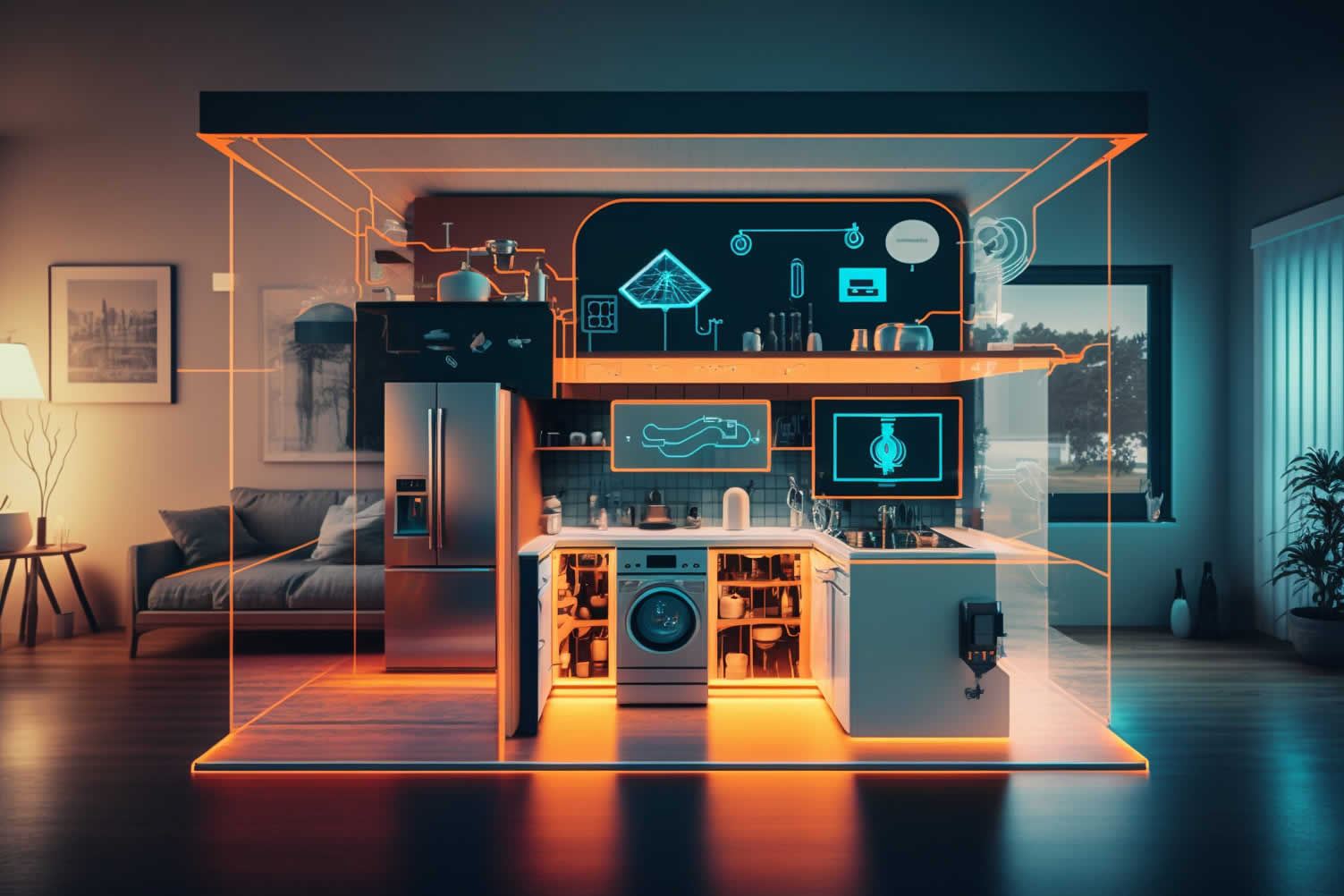
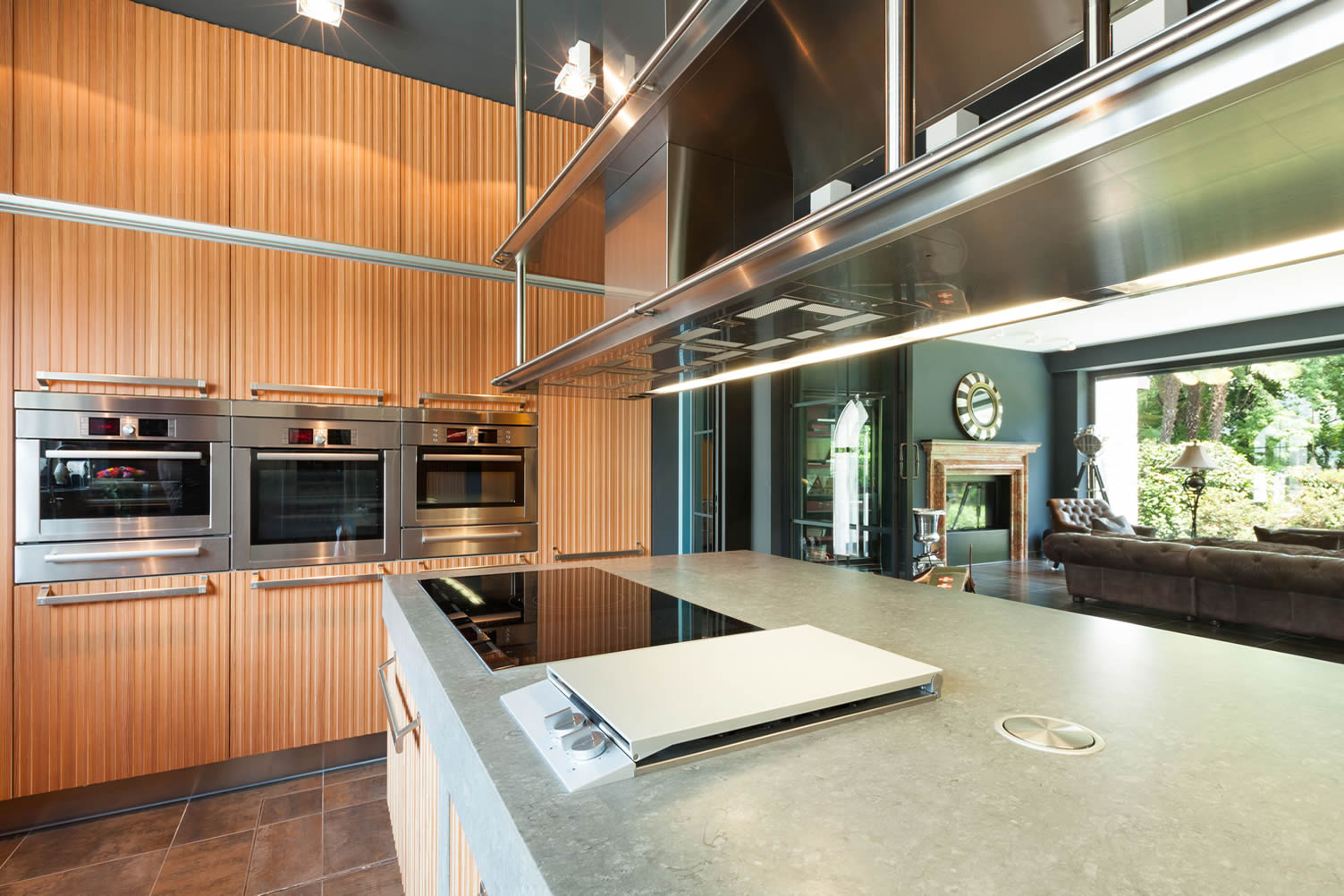
Smart energy-saving appliances are an important part of helping to reduce the impact of climate change. By using energy-efficient technologies, smart appliances can help reduce electricity consumption and save money on utility bills.
- Smart appliances work by using sensors and algorithms to detect when the user is not in the room or away from home and automatically adjust their power settings accordingly, reducing wasted energy.
- Smart appliances can also be connected to a home automation system so that they can be controlled remotely via a smartphone or other device. This allows users to control their appliance use from anywhere in the world without wasting energy unnecessarily.
- Additionally, many smart appliances come with intelligent features such as load monitoring, automated scheduling, and temperature control that provide additional benefits for homeowners.
- With these features, homeowners can maximize their energy efficiency and save money on monthly utility bills.
Smart energy saving appliances are often more expensive than traditional models, but the long-term savings on electricity costs can make them worthwhile investments for households looking to reduce their environmental footprint.
copyright image by 123rf.com
Smart Kitchen Appliances
google imagesSmart Refrigerator view ideas Smart Oven Range view ideas Smart Wall Ovens view ideas Smart Stove Tops view ideas Smart Dishwasher view ideas Smart Microwaves view ideas Smart Range Hood view ideas Types of Range Hoods
google imagesRange Hoods view ideas – Wall Mount view ideas – Island Hoods view ideas – Range Inserts view ideas – Under Cabinets view ideas – Downdraft view ideas
-
-
Quik scroll to next topic about renovation ideas for a greener home …
-
ideas to view and compare from the information discussed above
energy efficient fanenergy efficient air conditionerenergy efficient kitchen appliances
sixth and last “photo remodeling” idea

copyright image by 123rf.com
Sustainable Landscaping Ideas
Notes:
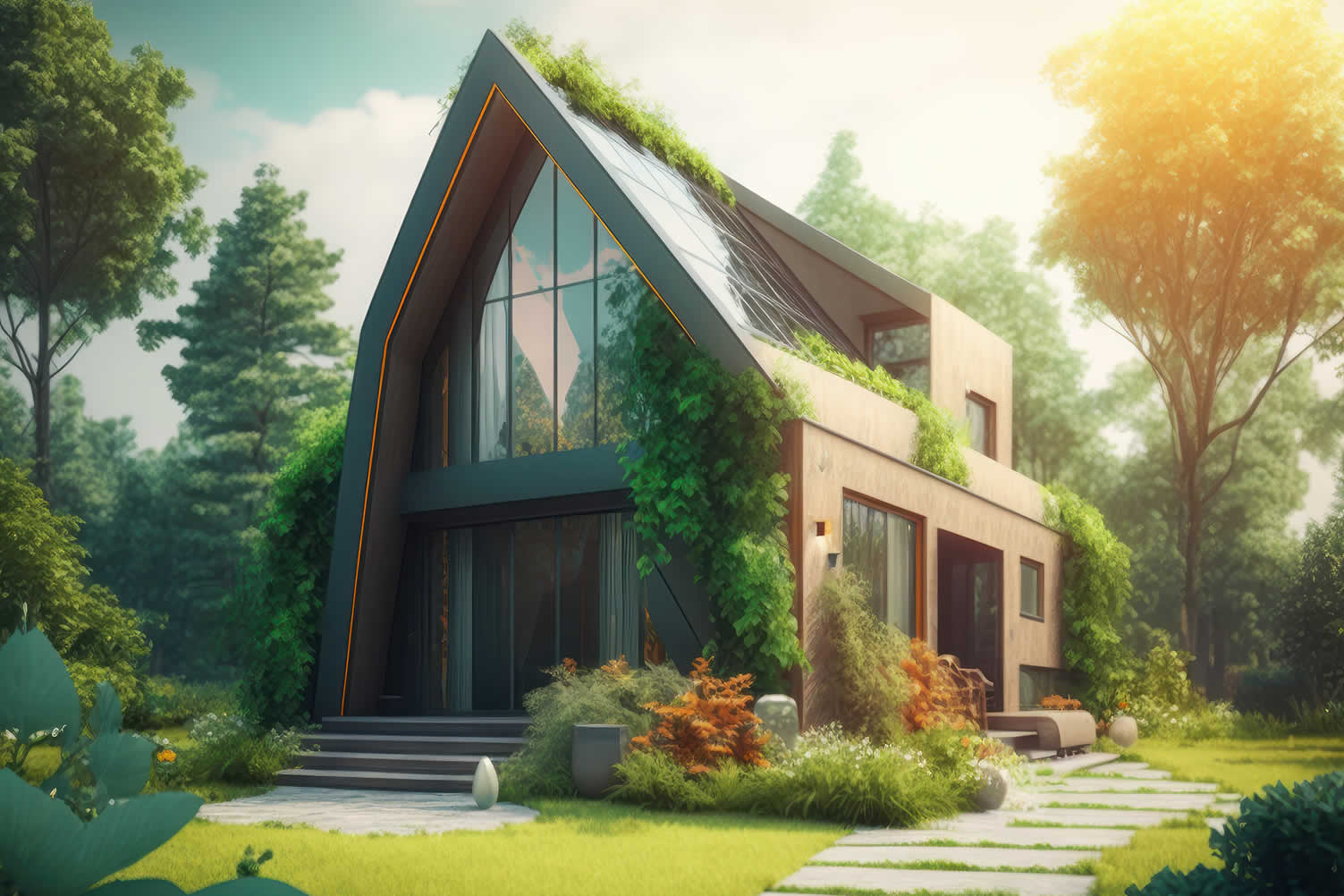
- For those of us who want to do our part in protecting the environment, eco-friendly landscaping is a great way to start. By making small changes to your home landscape, you can make a big impact on the health of your local ecosystem.
- Here are some easy ways to get started:
-
Rain Garden –
A rain garden is an eco-friendly landscaping feature that captures and absorbs rainwater runoff from roofs and other hard surfaces, helping to reduce flooding and preserve natural hydrology. By incorporating native plants and soil amendments such as compost, rain gardens can also provide habitat for wildlife while improving water quality.
-
Plant native species –
Choosing native plants for your landscape conserves water, promotes biodiversity, and supports local ecosystems. Native plants are well-adapted to the climate, requiring less maintenance and reducing the need for chemical pesticides.
-
Compost System –
Implementing a composting system for organic waste management is another sustainable practice that enriches the soil and reduces landfill waste. Likewise, compost is an excellent organic fertilizer that can be used to improve soil quality, promote plant growth, and reduce the need for chemical fertilizers.
-
Use organic fertilizers –
Synthetic fertilizers contain chemicals that can be harmful to wildlife and pollute rivers and streams. Organic fertilizers are made from natural materials like compost or manure which provide nutrients without posing environmental risks.
-
Reduce your lawn size –
Lawns require a lot of water, fertilizer, and mowing. Consider reducing the size of your lawn or replacing it with native plants or other low-maintenance ground covers..
-
Install rain barrels –
Rain barrels collect rainwater runoff from roofs which can then be used for watering gardens or lawns instead of using treated tap water. This helps conserve resources while also reducing strain on municipal water systems during periods of high demand.
-
Incorporate hardscapes –
Hard surfaces such as patios, pathways, retaining walls etc., help reduce erosion by preventing soil loss due to heavy rainfall or runoff from irrigation systems. They also create attractive outdoor living spaces while minimizing disruption of natural habitats.
-
Creating a wildlife-friendly yard –
Not only will it bring beauty and life to your garden, but it can also help support local ecosystems by providing habitats for birds, insects, amphibians, and other animals. With just a few simple steps you can transform your backyard into a haven for wildlife.
-
- With some simple changes, you can create an eco-friendly landscape that looks great and helps protect the environment. By incorporating these landscaping ideas, you can create an environmentally friendly outdoor space that enhances the beauty and sustainability of your home.
-
Quik scroll to topic side notes …
-
-
Green Roofing and Siding
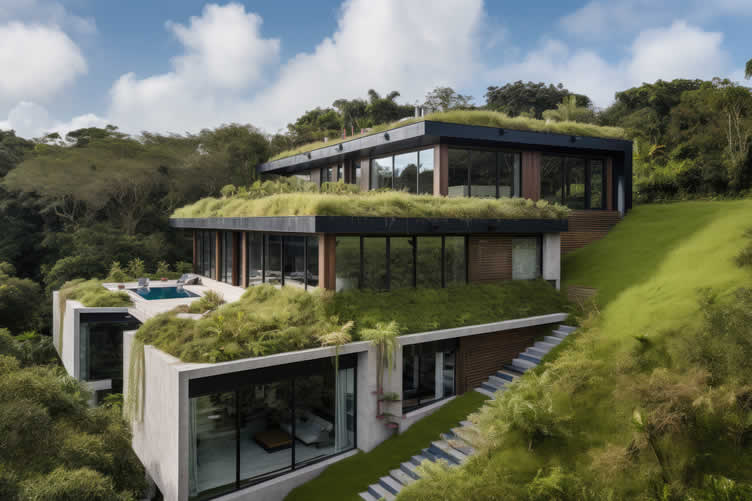
Consider environmentally friendly roofing materials such as metal, clay tiles, or even green roofs covered in vegetation. These options provide better insulation, absorb rainwater, and reduce urban heat island effects. Regarding siding, fiber cement, and reclaimed wood are sustainable choices.
Fiber cement is durable, low-maintenance, and resistant to rot and pests. Reclaimed wood gives a unique character to your home while reducing the demand for new timber. Green roofing and siding contribute to energy efficiency and enhance your home’s aesthetics and environmental sustainability.
copyright image by 123rf.com
How to Start a Green Roof:
Green roofs are a great way to bring life and beauty to your home while helping the environment. They provide insulation, reduce water runoff, and create habitat for wildlife. Plus, they look amazing!
With some planning and preparation, you can have a thriving green roof in no time. Here’s how:
- Choose an appropriate location on your roof for the green roof system that will be exposed to direct sunlight
- Determine what type of vegetation best suits your needs – grasses or shrubs? Wildflowers or herbs? Sedums or mosses?
- Select waterproofing membranes and trays that will protect the underlying structure from moisture damage
- Install drainage layers such as gravel, sand, or soil to ensure adequate water flow • Add a layer of lightweight soil mix designed specifically for green roofs
- Plant your chosen vegetation in the soil mix according to its specific requirements
- Water regularly throughout dry spells and provide adequate lighting for plants that need it
By implementing these eco-friendly landscaping strategies, you can give your home a beautiful makeover while also benefiting the environment. You’ll enjoy a healthier, more diverse landscape with less effort
-
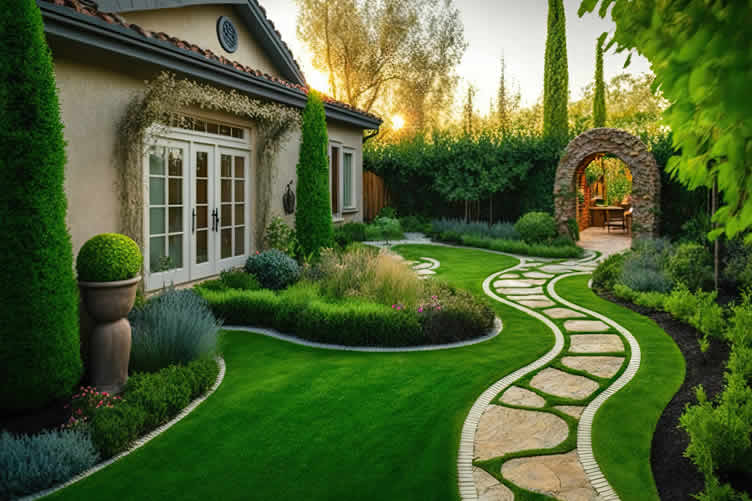
Creating A New Landscape
Redoing your home landscape is essential for creating a beautiful and inviting outdoor living space. Planning a landscaping plan can help you create the perfect environment for relaxing, entertaining, or simply enjoying nature.
With careful planning, you can ensure that your garden will look its best year-round while still being easy to maintain.
Here are some of the reasons why it’s important to redo and plan out your home landscape:
-
1. Increase the value of your home:
Redoing and planning your landscape can not only increase the visual appeal of your property but also add to its overall market value. With a well-planned landscape, you can make sure that the outdoor area is designed in a way that maximizes both beauty and functionality.
This will help to attract potential buyers should you ever decide to sell in the future.
-
2. Expand living space:
When done right, landscaping can effectively expand your living space by creating an outdoor room for entertaining guests or just enjoying nature with family and friends.
By adding structures like decks or patios, as well as attractive features such as water fountains or benches, you can create an inviting atmosphere for you and your guests to enjoy.
-
3. Curb appeal:
Redoing and planning your landscape can also drastically improve the curb appeal of your home. A well-designed garden or front yard can make it a pleasure to come home after a long day at work, while also making a great first impression with visitors and passersby.
-
4. Create privacy:
Lastly, planned landscaping can help create more privacy in your outdoor space by blocking out unwanted views from neighbors or other areas nearby.
By strategically planting trees and shrubs, as well as adding fences or walls, you can create an intimate atmosphere without sacrificing on aesthetics or functionality of the area.
The key is taking the time to plan out the landscape correctly so that it works in harmony with your home’s aesthetic.
Whether you are looking to expand your living space, increase the value of your property, or just make your yard more visually appealing – carefully redoing
copyright image by 123rf.com
-
-
-
FINAL REMARKS
Implementing renovation ideas for a greener home is a rewarding and responsible choice. You can create a more sustainable living space by embracing energy-efficient lighting, eco-friendly flooring, water conservation solutions, efficient insulation and windows, renewable energy systems, upgrading appliances, sustainable landscaping, and green roofing and siding.
- These changes reduce your environmental impact and lead to long-term cost savings and a healthier home environment. So, whether you start with small steps or dive into larger projects, each effort contributes to a more sustainable future. Let’s embrace these renovation ideas and make our homes greener and more environmentally conscious.
-
Quik scroll more home office ideas …
-
ideas to view and compare from the information discussed above
book: eco-friendly landscapebook: native plantsdrought tolerant wildflowers
- What comments can you share about
home office set-up in small spaces?
remodeling decisions
home security and safety needs
Cover image credit: renovation ideas for a greener home by 123rf.com
end of post … please share it!

 links open new win
or simply search by entering home safety need or other remodeling need

Nice pic idea? Leave us a quick comment below.
And please share this pic idea within your social networks.