Summary Outline –
If you’ve ever wondered what makes these devices "smart" or how they could benefit your lifestyle, you’re in the right place. This guide will walk you through everything you need to know about smart thermostats.
We’ll explain how they work, highlight their key advantages, and offer advice on choosing the right model for your home. We’ll also provide a step-by-step walkthrough on how to operate one, explore advanced features, and troubleshoot common issues.
By the end, you’ll have the confidence to embrace this technology and unlock your home’s potential for greater energy efficiency and comfort.
- post content … analysis/ smart energy updates
- 1st: What Is a Smart Thermostat?
- 2nd: Key Features to Know About Smart Thermostats
- 3rd: Key Benefits of Using a Smart Thermostat
- 4th: Choosing the Right Smart Thermostat
- 5th: Step-by-Step Guide to Operating a Smart Thermostat
- 6th: understanding HVAC
- conclusion
- other home utility management topics

-
- —— begin first topic ——
-
1st Section: What Is a Smart Thermostat?
A smart thermostat is a Wi-Fi-enabled device that automatically controls your home’s heating, ventilation, and air conditioning (HVAC) system. Unlike traditional thermostats that require manual adjustments, a smart thermostat learns your temperature preferences and daily routines to create an automated heating and cooling schedule.
It connects to your home’s internet, allowing you to monitor and adjust the temperature remotely using a smartphone, tablet, or computer.
By optimizing your HVAC system’s performance, it aims to enhance your comfort while significantly reducing energy consumption and lowering your utility bills.
[ view summary table: what is smart thermostat ]
-
Core Components and Functionality
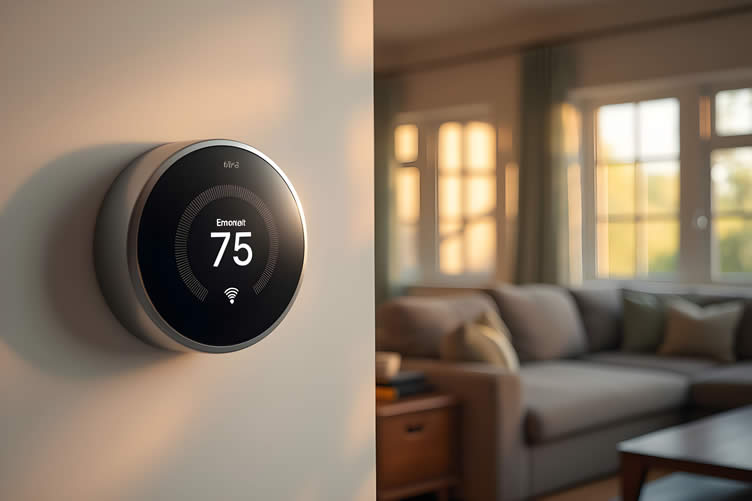
A smart thermostat is made up of several key components that work together to deliver its advanced capabilities. The central unit is the device you see mounted on your wall, which typically features a digital display and user-friendly interface.
Internally, it houses sensors that measure temperature and sometimes humidity. A Wi-Fi chip enables it to connect to the internet, which is crucial for remote access and receiving software updates.
The learning algorithm is the "brain" of the thermostat, analyzing your adjustments, occupancy patterns, and even local weather data to build an efficient schedule. Some models also include motion sensors to detect when you are home or away, further refining its energy-saving strategies.
-
How Smart Thermostats Differ from Traditional Ones
The primary difference between a smart thermostat and a traditional one lies in its intelligence and connectivity. A traditional thermostat is a simple manual device; you set a temperature, and the HVAC system works to maintain it until you change it again.
Programmable thermostats were an improvement, allowing you to set a basic schedule for different times of the day. However, a smart thermostat takes automation to a new level. It doesn’t just follow a pre-set schedule—it creates and refines one based on your actual behavior.
It knows when you leave for work and can lower the temperature to save energy, then warm the house back up just before you return. This ability to learn, adapt, and be controlled from anywhere makes it a far more powerful tool for managing your home’s climate and energy efficiency.
References:
- "How Do Smart Thermostats Work?" – Energy.gov. This government resource provides insights into the functioning and energy-saving benefits of smart thermostats, explaining their capabilities in detail.
- Nest Learning Thermostat User Manual – Google Nest. The guide outlines the core components, features, and usability of a popular smart thermostat model, offering real-world applications of the technology.
- "Smart vs. Programmable Thermostats" – Consumer Reports. This article discusses the distinctions between traditional, programmable, and smart thermostats, helping readers understand the progression of thermostat technology.
- "The Benefits of Smart Thermostats for Energy Efficiency" – ENERGY STAR® Program. This resource highlights how smart thermostats contribute to energy efficiency and assists homeowners in making informed purchasing decisions.
Category Details What Is a Smart Thermostat? A Wi-Fi-enabled device that controls your home’s HVAC system. It learns your preferences and daily routines to automate heating/cooling, allowing remote adjustments via a smartphone or computer. Aims to enhance comfort while reducing energy consumption and utility costs. Core Components - Central unit with a digital display and user-friendly interface.
- Temperature and humidity sensors.
- Wi-Fi chip for internet connectivity and updates.
- Learning algorithm for analyzing adjustments and patterns.
- Optional motion sensors for occupancy detection.
Functionality Automates temperature control using learning algorithms and occupancy patterns. Connects to the internet for remote management and updates. Optimizes HVAC performance to balance comfort and energy efficiency. Comparison with Traditional Thermostats Traditional thermostats rely on manual adjustments, while programmable models allow basic schedules. Smart thermostats learn behavior to create adaptive schedules, save energy by adjusting based on occupancy, and offer remote control via connected devices. 

copyright image by 123rf.com
[ view diagram: smart thermostats ]
[ youtube: All About Smart Thermostats ]
-
Scroll up to directory … or scroll to next section of the AAATERM …

-
-
2nd Section: Key Features to Know About Smart Thermostats
Smart thermostats have revolutionized home climate control by combining advanced technology with user convenience.
These devices offer far more than traditional thermostats, making them a worthwhile investment for those seeking improved energy efficiency, enhanced comfort, and smart home integration. Here are some key features to consider when exploring smart thermostats.
[ view summary table: smart thermostat features ]
-
Wi-Fi and Remote Access
One of the most notable features of smart thermostats is their ability to connect to your home’s Wi-Fi network, enabling remote access. This means you can control your home’s temperature from anywhere using a smartphone app, tablet, or even a computer.
Whether you’re at work, on vacation, or simply lounging on the couch, remote access allows you to make real-time adjustments to ensure comfort and efficiency. This feature is particularly useful for individuals with unpredictable schedules, as it provides complete flexibility.
-
Learning Algorithms and Scheduling
Smart thermostats go beyond pre-set timers by employing learning algorithms that adapt to your behavior. These devices analyze your daily routines, such as when you leave for work or go to bed, to automatically create schedules tailored to your lifestyle.
Over time, the thermostat refines these schedules to optimize energy use without sacrificing comfort. This adaptive automation not only simplifies your life but also reduces energy waste, making it a major selling point for users prioritizing both convenience and sustainability.
-
Integration with Smart Home Devices
For those with an interest in home automation, the ability of smart thermostats to integrate with other smart home devices is a game-changer. Many smart thermostats are compatible with popular platforms such as Google Home, Amazon Alexa, and Apple HomeKit.
This allows for voice control and seamless operation alongside other smart gadgets like lights, security systems, and more. This interconnected functionality creates a cohesive and efficient smart home ecosystem.
-
Geofencing and Occupancy Sensors
Smart thermostats often leverage geofencing technology, which uses the location of your smartphone to determine whether you’re home or away. When paired with occupancy sensors, these devices can adjust the temperature automatically, ensuring energy is not wasted when no one is home.
For example, the thermostat can reduce heating or cooling while you’re away and restore the desired temperature just before you return. This smart detection system ensures both energy efficiency and a consistently comfortable home environment.
-
Integration with Weather Data
Certain smart thermostats take energy efficiency and comfort to the next level by integrating real-time weather data. These models can adjust their settings based on local weather conditions, such as lowering energy usage on milder days or preheating your home before a cold snap.
By factoring in external temperature and weather forecasts, these devices help create a consistently cozy indoor environment while optimizing energy consumption, adapting seamlessly to seasonal changes.
-
Energy Usage Tracking
Another key feature of smart thermostats is their ability to monitor and track energy usage. Many models provide detailed reports and insights through their apps, showing you how much energy your HVAC system is using and identifying ways to save.
This data empowers you to make informed decisions about your energy consumption and often highlights opportunities to lower utility bills. For eco-conscious homeowners, this feature aligns perfectly with reducing their carbon footprint.
-
Other Advanced Features
Beyond these core capabilities, smart thermostats often include additional features such as humidity control, weather responsiveness, and zone-specific temperature adjustments. Some models can even provide maintenance reminders, such as when it’s time to replace your HVAC filter.
These innovative features elevate the user experience by ensuring your systems are running efficiently and your home is always comfortable, regardless of external conditions.
For further reading and verification of the features mentioned, refer to the following sources. These references provide a comprehensive understanding of smart thermostats’ capabilities, offering insights into both their technical aspects and user-centric benefits:
References:
- "Smart Thermostat Features to Consider." U.S. Department of Energy. energy.gov
- Gunther, Marc. "How Smart Thermostats Save Energy." Environmental Defense Fund. edf.org
- "Smart Thermostats FAQ." ENERGY STAR Program. energystar.gov
- "What Is a Smart Thermostat?" Consumer Reports. consumerreports.org
Feature Description Benefit Wi-Fi and Remote Access Connects to your home Wi-Fi for temperature control via smartphone, tablet, or computer. Provides flexibility and convenience, allowing adjustments anywhere, anytime. Learning Algorithms and Scheduling Uses algorithms to learn daily routines and automatically create optimized schedules. Simplifies daily operations while reducing energy waste and enhancing comfort. Integration with Smart Home Devices Compatible with platforms like Google Home and Alexa for seamless voice control. Creates an efficient and interconnected smart home ecosystem. Geofencing and Occupancy Sensors Uses smartphone location and sensors to adjust temperature based on occupancy. Maximizes energy efficiency while ensuring comfortable home conditions. Integration with Weather Data Utilizes real-time weather information to adjust heating or cooling automatically. Optimizes settings based on external conditions for consistent comfort. Energy Usage Tracking Provides detailed energy usage reports and insights through dedicated apps. Empowers informed decisions that reduce utility bills and environmental impact. Other Advanced Features Includes features like humidity control, zone-specific adjustments, and maintenance alerts. Enhances efficiency and ensures reliable system performance year-round. 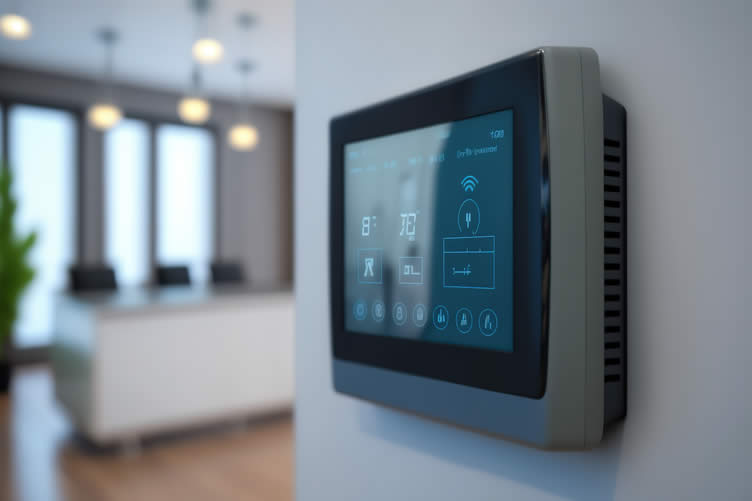
copyright image by 123rf.com
[ view illustration: how smart thermostat works ]
[ youtube: How Smart Thermostat Features Work ]
-
Scroll up to directory … or scroll to next section of the AAATERM …
-
-
3rd Section: Key Benefits of Using a Smart Thermostat
Upgrading to a smart thermostat offers a range of advantages that go beyond simple temperature control. From saving money to making your life more convenient, these devices are designed to improve your home experience in multiple ways.
We will explore the most significant benefits, including energy efficiency, enhanced comfort, remote access, and seamless integration with other smart home systems.
[ view summary table: smart thermostat benefits ]
-
Energy Efficiency and Cost Savings
One of the most compelling reasons to switch to a smart thermostat is its potential for significant energy savings. According to the U.S. Department of Energy, heating and cooling account for nearly half of the average home’s energy use. Smart thermostats tackle this by eliminating waste.
They learn your schedule and automatically adjust the temperature when you’re away or asleep, ensuring you’re not paying to heat or cool an empty house. Many models also provide detailed energy reports, giving you insights into your usage and helping you identify more opportunities to save.
Leading brands like Nest report that their thermostats can save users an average of 10-15% on their heating and cooling bills, meaning the device can often pay for itself in less than two years.
-
Environmental Benefits
Smart thermostats not only contribute to energy efficiency and cost savings but also play a significant role in reducing your home’s environmental impact. By optimizing your heating and cooling schedules, these devices help lower energy consumption, which directly reduces greenhouse gas emissions.
Many smart thermostats integrate with eco-friendly energy programs, allowing you to prioritize renewable energy sources when available. Additionally, features such as energy usage tracking and automated adjustments empower homeowners to make more sustainable choices.
Over time, these small, consistent reductions in energy consumption contribute to a considerable decrease in your household’s carbon footprint—helping you live more sustainably while maintaining a comfortable home environment.
-
Enhanced Comfort and Convenience
A smart thermostat is designed to make your home more comfortable with less effort. Its learning capabilities mean your home is always at the perfect temperature when you’re there.
Imagine waking up to a comfortably warm house on a cold winter morning or returning from a hot summer day to a cool, refreshing space—all without ever touching the thermostat.
The convenience of adjusting the temperature from your couch, your bed, or even from the office adds a layer of comfort that traditional thermostats can’t match.
-
Remote Access and Control
The ability to control your home’s temperature from anywhere with an internet connection is a game-changing feature. With a smart thermostat, you can use a dedicated smartphone app to check and change the settings remotely.
If you’re heading home from work earlier than expected, you can turn on the AC before you arrive. If you’re away on vacation and realize you forgot to adjust the heat, you can fix it with a few taps on your phone. This remote access gives you complete control and peace of mind, no matter where you are.
-
Integration with Smart Home Systems
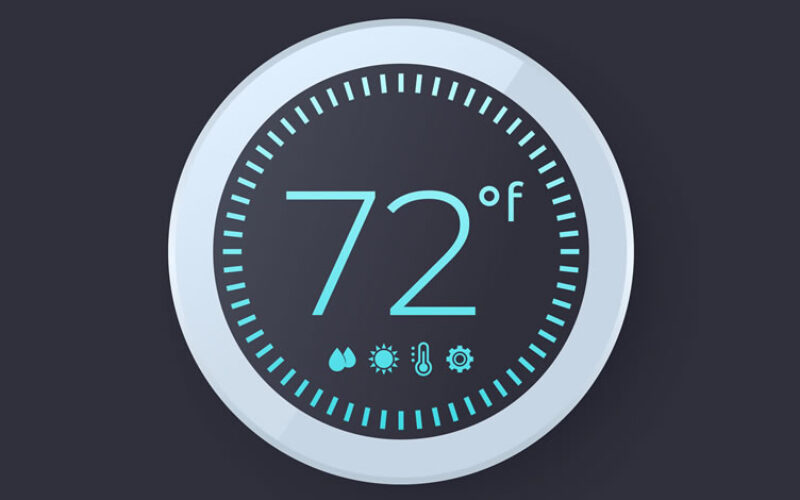
Smart thermostats are a cornerstone of a connected home. They can integrate with a wide range of other smart devices and platforms, such as Amazon Alexa, Google Assistant, and Apple HomeKit. This allows you to control the temperature using simple voice commands, like "Hey Google, set the temperature to 72 degrees."
You can also create automated routines. For example, you could link your thermostat to your smart lighting system so that when you say "Goodnight," the lights turn off and the thermostat adjusts to your preferred sleeping temperature.
This seamless integration creates a truly intelligent and responsive smart home environment.
-
Safety Features
Smart thermostats offer a range of safety features designed to protect your home and provide peace of mind. Many models include sensors that can detect extreme temperature changes, alerting you to potential issues such as a failed HVAC system or frozen pipes during winter.
Some thermostats also integrate with smoke and carbon monoxide detectors, automatically shutting off the HVAC system to prevent the spread of smoke or harmful gases in an emergency. Additionally, remote monitoring allows you to check your home’s temperature from anywhere, ensuring your space remains safe even when you’re away.
These features make smart thermostats not only a convenience but also a vital tool for safeguarding your home and family.
References:
- U.S. Department of Energy. "Energy Saver 101: Home Heating." energy.gov.
- Nest Labs. "Energy Savings with Nest Thermostat." nest.com.
- Environmental Protection Agency (EPA). "Greenhouse Gas Equivalencies Calculator." epa.gov.
- Amazon Alexa Smart Home Integration Guide. "Thermostat Compatibility and Integration." amazon.com.
- Google Assistant. "How to Set Up Smart Thermostats." assistant.google.com.
- Apple HomeKit. "Understanding Home Automation with HomeKit." apple.com.
- Energy Star. "Smart Thermostats and Energy Efficiency." energystar.gov.
- Consumer Reports. "Best Smart Thermostats of 2023." consumerreports.org.
- Green Tech Media. "The Role of Smart Thermostats in Sustainable Living." greentechmedia.com.
- Safety.com. "Smart Thermostat Safety Features and Benefits.” safety.com.
Benefit Description Key Features Energy Efficiency and Cost Savings Smart thermostats reduce energy consumption by learning your schedule and automatically adjusting temperatures when you’re away or asleep. They provide detailed energy reports for further savings. Learn Schedule, Energy Reports, Up to 15% Savings on Bills Environmental Benefits Optimizes energy use to lower greenhouse gas emissions and integrates with eco-programs for sustainable energy practices. Eco-Friendly Programs, Usage Tracking, Carbon Footprint Reduction Enhanced Comfort and Convenience Automatically adjusts to your preferred temperature, providing maximum comfort with minimal effort. Offers remote adjustment for on-the-go convenience. Learning Capabilities, Remote Adjustment, Effortless Comfort Remote Access and Control Control your home’s temperature from anywhere via a smartphone app, ensuring peace of mind and flexibility at all times. Mobile App Control, Instant Adjustments, Complete Convenience Integration with Smart Home Systems Connects with smart assistants and other devices for voice control and automated routines, creating a truly integrated home experience. Voice Control, Automation, Seamless Integration Safety Features Includes advanced features like extreme temperature alerts, HVAC shutdown during emergencies, and remote monitoring to keep your home safe. Alerts, HVAC Integration, Remote Monitoring 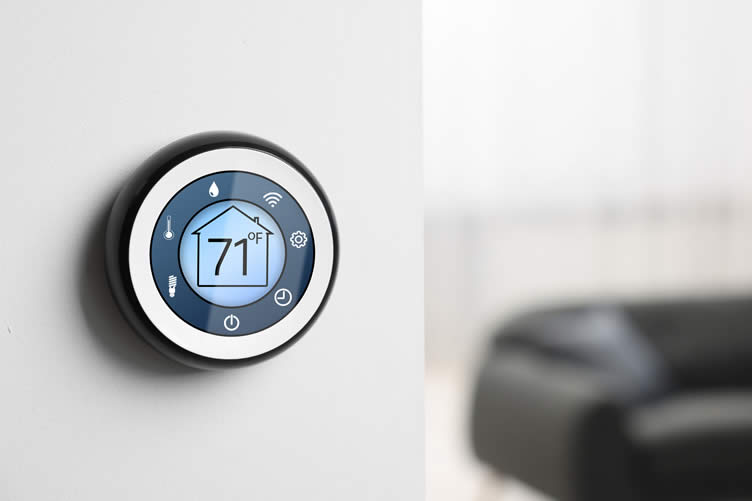
copyright image by 123rf.com
[ view diagram: smart thermostat pros cons ]
[ youtube: Do Smart Thermostats Really Save You Money? ]
-
Scroll up to directory … or scroll to next section of the AAATERM …
-
-
4th Section: Choosing the Right Smart Thermostat
With a growing market of smart thermostats, selecting the right one for your home can feel overwhelming. It’s important to consider several factors to ensure you choose a device that is compatible with your home, meets your needs, and fits your budget.
This section will guide you through the process by discussing HVAC system compatibility, key features to look for, budget considerations, and the importance of reading reviews.
[ view summary table: choosing smart thermostat ]
-
Compatibility with Your HVAC System
Before you purchase a smart thermostat, the first and most critical step is to check its compatibility with your heating, ventilation, and air conditioning (HVAC) system. Most smart thermostats are designed to work with standard 24-volt systems, which are common in modern homes.
However, older or more complex systems, such as high-voltage electric baseboard heaters or multi-stage heat pumps, may require specific models or professional installation. Most manufacturers provide online compatibility checkers on their websites.
You’ll typically need to remove your current thermostat cover to identify the wires connected to it, then enter that information into the tool to see if the smart thermostat will work with your setup.
-
The Need for a Stable Wi-Fi Connection
To unlock the full functionality of a smart thermostat, a stable Wi-Fi connection is essential. Many features, such as remote control via smartphone apps, real-time energy usage tracking, and firmware updates, rely on constant internet access.
If your Wi-Fi signal is weak or inconsistent, you may experience delays in adjustments or temporary disconnection from the thermostat’s advanced features. Ensuring a strong and reliable connection not only allows you to make the most of your device but also helps you maintain energy efficiency and stay informed about your home’s climate.
Investing in a Wi-Fi range extender or placing your router closer to the thermostat can help address connection issues if they arise.
-
Features to Consider
Smart thermostats come with a variety of features, and the right ones for you will depend on your lifestyle. Learning capabilities are a core feature, where the thermostat automatically creates a schedule based on your habits. Geofencing is another popular option; it uses your phone’s location to determine if you’re home or away and adjusts the temperature accordingly.
Look for models with remote sensors, which you can place in different rooms to ensure a consistent temperature throughout your home, eliminating hot and cold spots. An intuitive user interface, both on the device and in the app, is also crucial for a good user experience.
-
Budget and Long-Term Costs
The initial cost of a smart thermostat can range from around $100 to over $300. While this is more than a traditional thermostat, it’s important to think of it as an investment. The energy savings it generates can help offset the purchase price over time.
Additionally, many utility companies offer rebates or discounts for installing an ENERGY STAR® certified smart thermostat, which can significantly lower your upfront cost. When considering your budget, factor in these potential savings and rebates to understand the true long-term value of the device.
-
Reading Reviews and Expert Opinions
Finally, take the time to read customer reviews and expert opinions from reputable sources like CNET, The Verge, or Consumer Reports. Customer reviews can provide real-world insights into a thermostat’s ease of installation, reliability, and user-friendliness.
Expert reviews often offer in-depth comparisons of different models, testing their features, performance, and compatibility. This research can help you identify any common issues with a particular model and confirm that you’re choosing a high-quality, reliable product that will meet your expectations.
References and Citations:
- CNET
Source for expert reviews and product comparisons on smart thermostats, focusing on performance, features, and compatibility.
CNET – Smart Thermostats - The Verge
Provides in-depth analysis and product testing for the latest smart home technology, including user interface and feature evaluations for smart thermostats.
The Verge – Smart Home - Consumer Reports
Trusted for unbiased reviews, ratings, and detailed evaluations of smart thermostats based on quality, reliability, and ease of use.
Consumer Reports - ENERGY STAR®
Official resource for energy-efficient products, offering information on rebates and certifications for smart thermostats.
ENERGY STAR – Smart Thermostats - Manufacturer Websites
Online compatibility checkers and product information provided by brands such as Nest, Ecobee, and Honeywell. These tools assist in ensuring the thermostat is suitable for your specific HVAC system. - Customer Reviews
User feedback from retail platforms like Amazon, Home Depot, or Best Buy, giving insights into real-world performance and usability.
Factor Key Considerations Benefits Tips HVAC System Compatibility Ensure the smart thermostat works with your home’s HVAC system, particularly with older or complex setups. Smooth installation and optimal functionality. Use manufacturer-provided online compatibility checkers for accuracy before purchasing. Wi-Fi Connection A stable and strong Wi-Fi connection is necessary for remote control, energy tracking, and firmware updates. Maximizes thermostat features and improves energy efficiency. Consider a Wi-Fi range extender or relocating your router if the signal is unreliable. Features Look for learning capabilities, geofencing, remote sensors, and an intuitive user interface. Improved convenience, comfort, and tailored climate control in your home. Choose features that align with your lifestyle and prioritize usability. Budget and Long-Term Costs Smart thermostats typically cost $100-$300, but energy savings and potential rebates reduce long-term costs. Lower energy bills and greater value for money over time. Explore ENERGY STAR® certified models and check for utility company rebates. Reviews and Expert Opinions Review insights from customers and experts for reliability, installation ease, and performance. Confirmation of quality and confidence in your choice. Consult reputable sources like CNET, Consumer Reports, or The Verge for detailed comparisons. 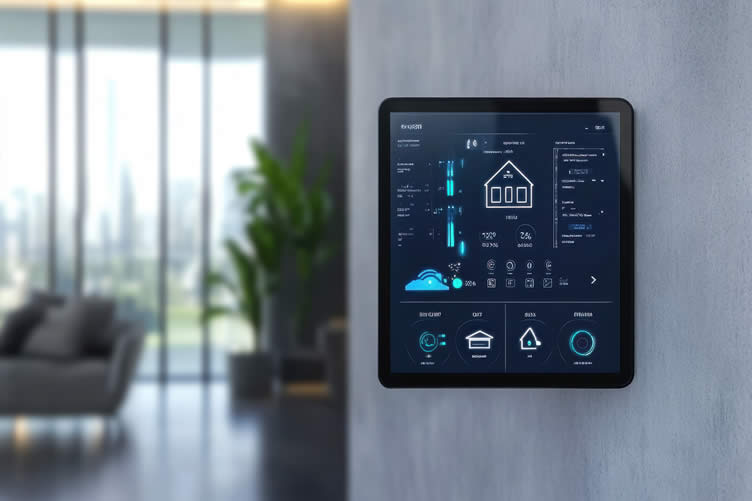
copyright image by 123rf.com
-
Scroll up to directory … or scroll to next section of the AAATERM …
-
-
5th Section: Step-by-Step Guide to Operating a Smart Thermostat
Once you’ve chosen and installed your smart thermostat, the next step is to learn how to operate it effectively to maximize its benefits. While each model has its unique interface, the basic principles of operation are generally similar.
This guide provides a step-by-step overview of the initial setup, setting schedules, using remote access, and monitoring your energy usage.
[ view summary table: operating steps ]
-
Initial Setup and Configuration
After physically installing the thermostat, you’ll need to complete the initial setup process. This typically involves connecting the device to your home’s Wi-Fi network and creating an account through the manufacturer’s mobile app.
During this process, you will be prompted to enter basic information about your home, such as your location and details about your HVAC system. The thermostat will also ask you a series of questions about your temperature preferences to establish a baseline for its learning algorithm.
Take your time to answer these accurately to ensure the thermostat starts off with a good understanding of your comfort needs.
-
Setting Schedules and Preferences
Although smart thermostats are designed to learn your routine automatically, you can also manually set schedules and preferences through the app or on the device itself. This is particularly useful for the first few weeks as the thermostat learns your patterns.
You can program different temperatures for various times of the day, such as a cooler setting for when you’re at work and a warmer one for the evenings. As the thermostat gathers more data, it will begin to refine this schedule automatically, but having a manual foundation helps it adapt more quickly.
-
Utilizing Remote Access
One of the most powerful features of a smart thermostat is remote access via its mobile app. Download the app on your smartphone and log in to your account. From the app, you can view the current temperature and humidity in your home, change the temperature settings, switch between heating and cooling modes, and adjust your schedule from anywhere.
This feature is perfect for making last-minute adjustments when your plans change, giving you full control over your home’s comfort and energy use no matter where you are.
-
Monitoring Energy Usage
Most smart thermostats provide detailed energy usage reports, which are typically accessible through the mobile app or a web portal. These reports show you how many hours your HVAC system ran each day and often highlight how your adjustments or external factors like the weather affected your energy consumption.
Regularly reviewing these reports can help you understand your energy habits and find new ways to save. For example, you might notice that lowering the temperature by just one degree at night significantly reduces your system’s runtime.
References and Citations:
- Smart Thermostat Installation Guide
Manufacturer-specific resources and user manuals provide detailed instructions for initial setup and configuration. Refer to your thermostat’s official guide for step-by-step processes.
Example: "Ecobee Smart Thermostat Owner’s Manual" or "Nest Learning Thermostat Installation Guide." - Mobile App Documentation
Official smartphone applications often include tutorials on setting up remote access, creating schedules, and monitoring energy usage. These apps are essential for optimizing your thermostat’s features.
Example: "Nest App Help Center" or "Honeywell Home App User Guide." - Energy Efficiency Studies
Research studies and government guidelines, such as those provided by the U.S. Department of Energy, offer valuable insights into energy-saving practices with smart thermostats.
Example: "Energy.gov – Programmable Thermostat Guidelines." - Consumer Reviews and Testimonials
Reviews and user experiences on platforms like Amazon, Best Buy, or home improvement blogs provide practical tips and real-world feedback related to specific thermostat models.
Example: "Smart Thermostats Ranked by Energy Savings" by Consumer Reports. - DIY Installation and Operation Videos
Platforms like YouTube host countless video tutorials created by both manufacturers and home improvement enthusiasts to guide users through installation, configuration, and energy optimization strategies.
Example: YouTube channel "This Old House" or "CNET How To."
Step Description Key Benefits Initial Setup and Configuration - Connect to Wi-Fi and follow device prompts or app instructions.
- Create an account in the app to manage the thermostat remotely.
- Enter home and HVAC system details, including location and system type.
- Set temperature preferences to help the thermostat learn your needs.
Ensures the thermostat is accurately programmed to meet your comfort and efficiency needs. Setting Schedules and Preferences - Manually input schedules, such as work hours or evening preferences.
- Enable adaptive learning to refine scheduling based on your routine.
- Set custom preferences, including activity-specific temperatures.
Provides a foundation for automated adjustments to optimize comfort and efficiency. Utilizing Remote Access - Download the manufacturer’s app on your smartphone or tablet.
- Remotely control temperature, humidity, heating, and cooling modes.
- Make last-minute adjustments for flexible comfort and efficiency.
Offers flexibility and convenience, ensuring your home remains comfortable while saving energy. Monitoring Energy Usage - Access detailed energy usage reports via the app or web portal.
- Analyze trends to understand the impact of adjustments and weather changes.
- Optimize energy savings by implementing cost-cutting temperature changes.
Helps optimize energy consumption and reduce costs by making data-driven adjustments. 
AI generated image by 123rf.com
[ youtube: How to Install a Smart Thermostat ]
[ youtube: Smart Thermostat without Changing the Wiring ]
Why You Should Embrace Home Automation
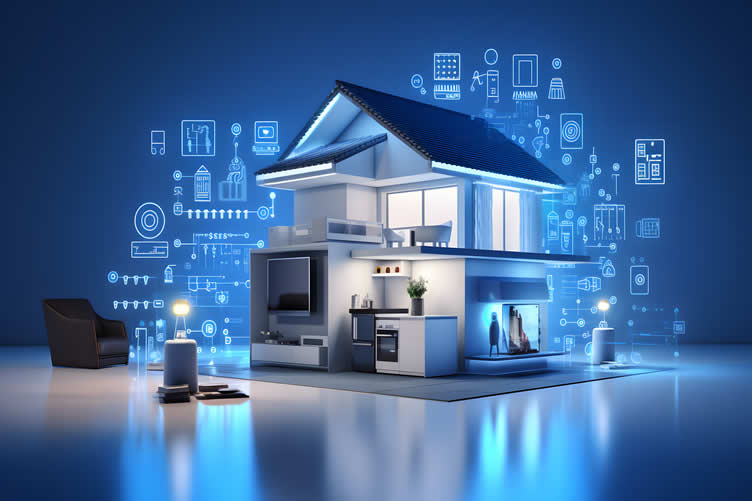
Home automation offers an incredible way to streamline daily living while enhancing comfort, convenience, and efficiency within your home. By integrating smart devices and systems, you can take control of everything from lighting and HVAC to security and entertainment with just a tap on your smartphone or a voice command.
-
Improve Energy Savings
One of the key reasons to adopt home automation is the potential for energy savings. Smart thermostats, automated blinds, and intelligent lighting allow you to optimize energy usage by making adjustments based on time, occupancy, or even weather conditions. This not only reduces your utility bills but also lessens your environmental footprint.
-
Enhance Home Security and Safety
Additionally, home automation provides unparalleled safety and security. With features like motion-activated cameras, smart locks, and real-time alerts, you can monitor your home from anywhere and feel reassured that your space is protected. For families, this added layer of security is especially comforting.
-
Enjoy Convenience
Convenience is another major advantage. Imagine arriving home to a well-lit, perfectly heated or cooled space, with your favorite playlist already streaming—home automation makes this a reality. These smart systems can adapt to your routines and preferences, making everyday life smoother and more enjoyable.
-
Increase Home Value
Finally, home automation adds value to your home. Potential buyers are increasingly drawn to properties equipped with smart features, viewing them as modern, forward-thinking, and luxurious. By investing in home automation, you’re not just upgrading for today but also boosting your home’s appeal for the future.
From energy efficiency to security and convenience, the benefits of home automation are undeniable. Making the transition is a step forward in crafting a more connected, efficient, and satisfying home tailored to your needs.
copyright image by 123rf.com
-
Scroll up to directory … or scroll to next section of the AAATERM …
-
-
6th Section: Understanding HVAC
Heating, Ventilation, and Air Conditioning (HVAC) systems are essential for maintaining a comfortable and healthy living environment. These systems regulate indoor temperature, improve air quality, and ensure proper ventilation throughout your home.
Understanding the basics of HVAC can help you make informed decisions about setting up your smart thermostat to maximize efficiency and comfort.
HVAC systems come in a variety of types, including central air systems, ductless mini-splits, and heat pumps, each designed to suit different home layouts and needs. Understanding your home’s HVAC system is crucial when setting up a smart thermostat, as it ensures optimal performance and energy efficiency.
Knowing the type of system—whether it’s a central air system, ductless mini-split, or heat pump—helps you choose a compatible smart thermostat that integrates seamlessly with your setup. For instance, some thermostats are specifically designed to handle the dual heating and cooling functions of heat pumps, while others work best with simpler systems.
Additionally, being aware of your HVAC’s wiring and voltage requirements allows for a smooth installation process, minimizing errors. This knowledge empowers homeowners to personalize their climate control settings, ultimately enhancing comfort and reducing energy costs.
-
Seek Professional Help for Smart Thermostat Setup
While many smart thermostats are designed with user-friendly installation processes, consulting an HVAC specialist can make a significant difference, especially when dealing with complex systems.
Professionals have the expertise to assess your specific HVAC system—whether it’s a heat pump, multi-zone system, or a standard HVAC setup—and ensure compatibility with your chosen thermostat. They can also handle intricate wiring and voltage requirements, preventing potential installation errors that could disrupt your system’s functionality.
Beyond installation, HVAC specialists can optimize your thermostat settings to align with your home’s needs, ensuring maximum energy efficiency and comfort. Partnering with an expert not only saves time and effort but also provides peace of mind, knowing your smart thermostat is properly configured for long-term reliability.
LetsRenovate has partnered with HomeAdvisor™, a renowned provider of highly-rated, carefully-vetted local HVAC contractors. Start your search here by entering your zip code to find local professionals.
AI generated image by 123rf.com
But Wait!
Use this comprehensive guide to simplify your search for the ideal home improvement contractor. It provides a clear framework to objectively evaluate and rank potential contractors, taking into account critical factors like pricing, licensing, and referrals.

Evaluation Sheet
File Type:
-
Scroll up to directory … or scroll to conclusion …
-
-
Conclusion: Embrace a Smarter, More Efficient Home
Making the switch to a smart thermostat is more than just a home upgrade; it’s a step toward a more efficient, comfortable, and conscious lifestyle. By learning your habits and optimizing your home’s heating and cooling, these intelligent devices help you save a significant amount on your energy bills without sacrificing comfort.
The convenience of adjusting your home’s climate from anywhere and the ability to integrate with other smart devices truly puts you in control of your living environment.
If you are ready to enhance your home’s comfort and take control of your energy consumption, we encourage you to explore the world of smart thermostats.
Should you have questions about compatibility with your current system or need assistance with installation, consulting with a qualified HVAC professional is always a great next step. They can provide expert advice and ensure your new device is set up for optimal performance.
-
Quick scroll to more interior home and decor ideas …
-
ideas to view and compare from the photo above
smart thermostatsprogrammable thermostatssmart hvac register
- What comments can you share about
your experience with smart thermostats?

Tackling home upgrades and fulfilling all your home improvement needs …

… save this curated directory of ideas for future reference.


Download this PDF for a concise summary of all you need to know about …?



SHARE IT ..! Someone in your network might benefit from this insightful post about smart thermostats. Feel free to share it on Facebook, X (formally Twitter), LinkedIn, or Pinterest!



Easily determine the dimensions you need for any home remodeling project …
… ensuring functionality, visual appeal, and compliance with building codes.



Are there any other interesting topics that might have been overlooked but could offer valuable insights …?



Calendar For:
Home Maintenance
File Type:
… view illustration “becoming a bank”

… view our sharing links below for a quick "share the knowledge"
Find HVAC Services Air Conditioning Central Heating Ducts & Vents Insulation Thermostats Water Heaters top-rated, pre-screened local contractors FREE: download contractor selection enter zip code – powered by HomeAdvisor ™
Quick Contractor Guides selecting negotiating working with inspecting

Cover image credit: smart thermostats by 123rf.com
end of post … please share it!
 |
did you find the smart thermostat analysis helpful? If so, please share the article with your friends and family! |
Nice pic idea? Leave us a quick comment below.
And please share this pic idea within your social networks.