


Summary Outline –
There is nothing quite like the feeling of curling up with a good book in a cozy library. Whether you are an avid reader or a collector of books, building a personalized library can bring a sense of joy and culture to your home.
Creating a custom library requires a bit of planning, but the end result is a space that reflects your personality and interests. This analysis will discuss how to build your custom library and create a space that you will love spending time in.
- post content
- Section 1: start by mapping out your home library plan
- Section 2: plan for – space allocation and natural lighting
- Section 3: plan for – book cases and other library needs
- Section 4: plan for – wiring and lighting
- Section 5: plan for – windows-doors-flooring-walls
- Section 6: plan for – personalization
- Section 7: Implementing the Plan

-
Quik scroll to first section about how to how to build a custom library …

first “how to build a custom library” idea


copyright image by 123rf.com
Section 1: Start By Mapping Out Your Home Library Plan
Notes:
-
As you lay the groundwork for your custom library, the most fundamental consideration is the room in your home that will transform into your intellectual paradise. You need to decide whether you want to convert an existing room, or if you have the luxury, design a new space altogether.
If you’re doing a new custom home building or a room addition, consider involving experts in your planning. They’ll have the tools to bring your dream library to life!
The size of the room will dictate many elements such as the number of books it can house, the types of furniture you can incorporate, and the overall comfort level of your library.
Once you’ve selected the appropriate space for your custom home library room, you need to visualize the layout. It is beneficial to have a rough sketch of the room’s dimensions to understand the space allocation for your books, seating arrangements, lighting fixtures, and possible decor accessories.
It’s also worth considering if you want your library to serve dual purposes. Maybe a quiet reading nook by day, and a cozy lounging area by night? Your plan should reflect your unique needs and preferences, bringing you one step closer to your dream custom library.
-
Quik scroll to topic side notes …
-
-
1st: Mapping Your Home Library Plan:
When mapping out a plan for a customized home library, there are several key elements to consider. Here are the most important ones:
-
Task A: Assess Your Existing Space and Allocation
When planning the space allocation for your home library, it’s important to strike a balance between storage and usability. Your library should be able to house your collection of books, but it should also be a comfortable and functional space for reading and relaxation.
When considering how to use and allocate the space, you want to ensure that the environment is conducive to both quiet study and relaxation. If your library serves multiple purposes, you may want to delineate different zones within the space.
For example, a comfortable armchair placed near a window could serve as a reading nook, with a nearby coffee table holding your current reads. Another section could be where you watch TV or stream a movie.
[ see topic below: view below for space allocation]
-
Task B: Setup Your Budget
Budgeting for your library is critical. It enables you to plan effectively and avoid unnecessary financial strain. While budgeting, consider the cost of not only the books but also the furniture such as bookshelves, seating arrangements, and lighting fixtures.
Don’t overlook the cost of any renovations or alterations needed to create the space, including electrical work for lighting or installing built-in shelves. Also, take into account the cost of any decorative items you plan to include, such as artwork or plants.
If you intend to use the room for multimedia, such as watching movies or listening to music, budget for any necessary equipment. The final budget should reflect your vision for a tranquil, functional, and personalized custom library, without leading to financial distress.
[ view side topic (new win): budgeting home improvement]
-
Task C: Develop a Timeline
Creating a timeline is like having a roadmap that guides each phase of the project, from start to finish. A timeline allows you to set realistic expectations and monitor progress, ensuring that everything stays on track.
Whether you’re incorporating the library into a new home build or renovating an existing room in your home, a timeline will help you manage each task effectively. Be sure to factor in any potential delays or obstacles, such as delivery times for furniture or time spent on electrical installations.
[ see topic below: custom library steps and managing the project]
-
Task D: Research Design Ideas
Researching design ideas will help shape your vision and bring clarity to what you want in your custom library room.
Start by exploring various styles and themes that align with your taste and the overall aesthetic of your home. Whether you prefer a traditional library with dark wood shelves and a cozy reading nook, or a modern one with a minimalist design and bright, open spaces, the choice is all yours.
Consider different bookshelf designs, flooring options, and color schemes. Don’t forget to think about lighting and seating arrangements, as these play a key role in creating a comfortable and functional reading environment.
Remember, your custom home library should be a reflection of you – your interests, your style, and your love for reading. By researching and gathering design ideas, you can ensure that your library will be a place where you enjoy spending time.
Make sure to bookmark or save any designs that inspire you, as these will be useful when it’s time to bring your vision to life.
[ see topic below: start by reviewing home library ideas]
-
Task E: Analyze the Numbers
Once you’ve gathered your design ideas, the next step is to analyze the numbers. Building a custom home library can be an exciting project, but it’s equally important to ensure it’s financially feasible. Start by estimating the cost of renovation or construction, including the price of materials, labor, and any additional expenses such as electrical work or custom-built bookshelves.
Compare this with the cost of buying a new home that already includes a library room. This comparison will not only provide you with a clear picture of the financial implications but also help you decide which option offers the best value for your money.
Be sure to consider the long-term benefits as well, such as the added value of a custom library to your home, or the convenience and potential savings of moving into a ready-made one.
[ view side topic (new win): analyzing the numbers]
-
Task F: Develop the Specs
After assessing the financial feasibility, your next major step will be developing the specifications for your home library. This is a crucial phase where you detail every aspect of your library’s construction and decoration. It’s a comprehensive blueprint that provides clarity about the project’s scope, ensuring that no detail is overlooked.
The specification plan should encompass the type and number of bookshelves, flooring and wall color choice, the arrangement of lighting, seating options, and window placements if any. You should also factor in the architectural layout, such as the room’s dimensions and the placement of doors or archways.
Don’t forget to include aspects like electrical outlets for desk lamps or reading lights, and possible inbuilt furniture like a reading nook or a ladder for high shelves. The more detailed your specifications, the smoother your project will be.
This plan will also be an invaluable tool when you communicate with contractors or interior designers, ensuring that your custom library turns out exactly as you envisioned.
[view and print PDF file: about specification planning]
-
Task G: Choose the Right Materials Along With Cost Estimates
As you review and develop your specifications, create a detailed material list along with the estimated cost for your library room. This comprehensive list will lay out all the items required for construction, from the primary materials like wood or metal for bookshelves to smaller elements such as screws, brackets, and paint.
Consider the quality and durability of the materials, as your library should stand the test of time. When selecting flooring, for instance, hardwood or laminate might be preferable for their longevity and ease of maintenance. For the wall color, choose paint types that can withstand the occasional book scuff or dust.
Include in your list decorative elements including lighting fixtures, seating options, and curtains. Also, remember to account for any electrical components for desk lamps or reading lights.
You may utilize this Excel worksheet, along with your detailed specification plan, to compile a comprehensive list of materials and their corresponding estimated costs. These cost estimates must align precisely with the budget allocated for this project.
[open and download excel worksheet: material and cost planning]
-
Task H: Code and Permits
Next, let’s delve into the crucial aspect of gathering the building codes and any necessary permits for your custom home library.
Building codes are established regulations that dictate the standards for construction, and they can vary widely from city to city, and country to country. It’s essential to familiarize yourself with these codes to ensure your home library meets all necessary safety and quality standards.
In addition, depending on the scale and nature of your project, certain building permits may be required. These permits are official approvals issued by local authorities that allow you to proceed with a construction or remodeling project and are essential to avoid any legal issues down the line.
It’s advisable to consult with a construction professional or your local building department to understand the specific building codes and permit requirements for your project. Being well-versed in these aspects will not only ensure your library is built to code but also help you avoid unexpected costs or delays in your project.
[ see topic below: codes and permits]
-
Task I: Hire Professionals Where Needed
Once you have finalized your budget, specifications, and material list along with estimated costs, it’s time to consider hiring professionals for your custom home library project.
Engaging with experienced contractors is a wise decision. They have an in-depth understanding of building codes, ensuring that the library construction adheres to all regulations. Besides, contractors can manage the project efficiently, keeping track of the timeline and budget, and solving unexpected issues that may arise during the remodeling process.
Meanwhile, hiring an interior designer can transform your custom library into a truly remarkable space. Interior designers can bring your vision to life by selecting the right furniture, lighting, and decor that aligns with your style and the library’s functionality. They can also maximize the use of space, ensuring that every square foot of your library room is used effectively.
Remember, the success of your custom home library project largely depends on the team you assemble. So, invest time in finding professionals who you trust and align with your vision.
[ see topic below: finding garage conversion contractors]
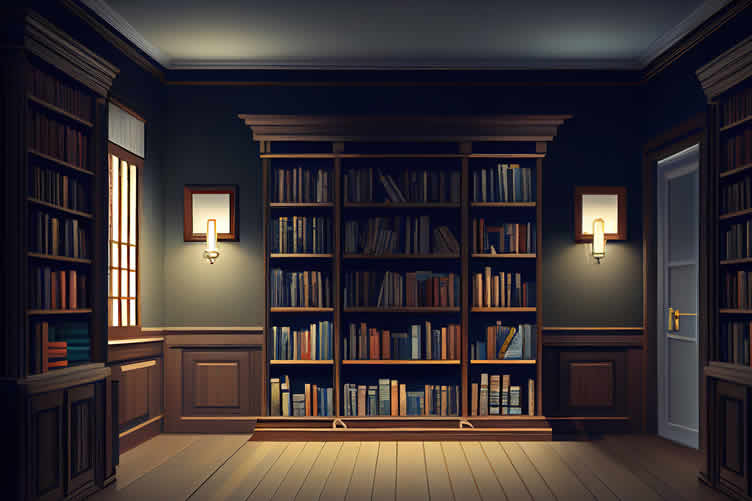
copyright image by 123rf.com

-
-
2nd:Permits and Building Codes:
Depending on your location and the extent of your home modifications, you may be required to secure a permit before proceeding with construction. This legal document verifies that your project complies with various laws and regulations, ensuring the safety and integrity of your property and the surrounding neighborhood.
Obtaining a permit is not only a legal obligation but also a protective measure for you as a homeowner. It ensures your project is reviewed by professionals who can identify potential issues with your plan, saving you from costly mistakes down the line.
Moreover, if you decide to sell your house in the future, having the necessary permits on record can help streamline the sales process, making it a necessary step in constructing a customized home library.
Nevertheless, not all home improvement projects require permits. Simple adjustments like painting and carpeting typically don’t need one. But when it comes to building or renovating a room – like a custom home library – you’ll likely need to secure a permit.
To avoid any legal trouble or future complications, it’s always best to check with your local city or county office or hire a professional who’s familiar with the process.
About Building Codes:
Building codes are sets of regulations governing the design and construction of structures. They are designed to ensure safety and to protect the public health. For a custom home library, these could range from structural requirements to fire safety measures.
When it comes to a home library, certain codes may apply depending on the features you wish to include. For instance, if you plan on installing built-in shelving or a rolling ladder, you may need to meet specific load-bearing requirements.
Similarly, if your home library design includes a fireplace or any electrical features, you’ll need to ensure these installations comply with local fire codes and electrical codes respectively.
Remember, building codes are not an impediment, rather they are protective guidelines to ensure the safety of occupants and overall structural integrity.
Therefore, a rule of thumb while building your custom home library, or any renovation project, is to have a thorough understanding of your local building codes or to work with a professional who does.
copyright image by 123rf.com
-
-
ideas to view and compare from the information discussed above
book: home librarybook: illustrated building codesremodeling tools
Scroll up to directory … or scroll to next section about how to how to build a custom library …



your home library

second “photo remodeling” idea
copyright image by 123rf.com
Section 2: plan for – Space Allocation
Notes:
-
Once you have a clear idea of the size of your custom home library room, it’s time to make a detailed plan for space allocation. Start by precisely measuring your space, and marking windows, doors, and power outlets. These elements would impact where your shelves and furniture can be placed.
Next, calculate the total amount of shelf space you’ll need. Start with::
- The size of your book collection:
This will determine how much space you need for shelving. The average book is about 8 inches tall and 5.5 inches wide. Consider the size and number of books you have or plan to acquire. - The type of books you have:
If you plan to have a diverse range of books, think about adjustable shelves for your custom library. Some books, such as large textbooks or art books, will require more space than others. - Room for growth:
If you plan to expand your library over time, remember to leave some additional space for future acquisitions.
Lastly, think beyond the books. A good library is more than just a book storage area. You might want a comfortable chair or a reading nook, a desk for studying or writing, and perhaps even a space for a coffee station.
Include these elements when planning your space. Remember, the aim is to create a space that is not just functional, but also inviting and conducive to spending time.
- The size of your book collection:
-
Quik scroll to topic side notes …
-
-
Steps In Measuring Space
When it comes to accurately measuring space for your custom home library, here are a few tips to follow. Start with an empty room, if possible, to avoid miscalculations due to furniture or other items.
-
Start by measuring length and width:
Use a standard measuring tape and measure the length and width of the room. Note down these numbers as they will be crucial for your overall space allocation. -
Measure the dimensions of permanent fixtures:
Don’t forget to measure the dimensions of windows, doors, and any permanent fixtures in the room. These measurements are critical as they impact where you can place your shelves and furniture. -
Be precise:
When recording measurements, be as precise as possible. It’s better to measure twice and cut once, as the saying goes. -
Measure the height:
Then, determine the height of your ceiling. This will tell you how tall your bookshelves can be. Also, measure the depth of the room to understand how much space you have for a reading nook or a desk. -
Sketch your measures on paper or other:
Finally, sketch out a rough layout of your room with these measurements. This layout will serve as a helpful guide when you start to purchase or build furniture for your custom library.
Some other key measurements to consider:
- The amount of natural light you want in the library:
If you want to read during the day, you’ll need to choose a space with plenty of natural light.[ see topic below: importance of natural lighting]
- And climate controls you may need:
If you have books that are sensitive to temperature or humidity, you’ll need to choose a space that can be climate-controlled with the necessary climate elements such as HVAC or other.

copyright image by 123rf.com
-
-
Make Sure To Allocate Space for Natural Lighting
One of the often overlooked elements when planning a custom home library is the importance of natural lighting. The right level of natural light can make your reading experience more comfortable and enjoyable.
It also contributes to the overall aesthetics of your library, casting a warm and inviting atmosphere that can make your books look even more appealing.
When planning for access to natural lighting, start by examining the layout of your room. Identify the windows and the direction they face.
-
South-facing windows typically bring in the most light, but they can also cause glare at certain times of the day.
-
East and west-facing windows can provide a soft, diffused light, especially in the morning and evening.
-
Consider the size and position of your windows and how they can affect the layout of your bookshelves and seating areas. For instance, placing a reading nook near a window can provide ample light for reading during the day.
[ see topic below: planning windows]
-
If you anticipate the need for more light, consider installing larger windows or adding a skylight.
-
If changing your windows isn’t an option, strategically placed mirrors can also help to increase natural light in your library.
Remember, the goal is to balance the need for light with the potential harm excessive light can cause to your books, so it’s crucial to install proper window coverings or shades as well.
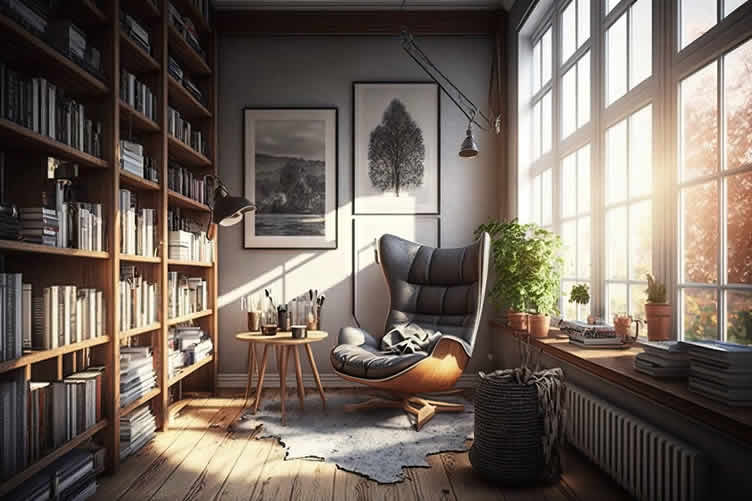
copyright image by 123rf.com
-
-
-
ideas to view and compare from the information discussed above
Scroll up to directory … or scroll to next section about how to how to build a custom library …
 … grab this directory of ideas
below for …
home library design and decorating
May We Suggest Other Photo Remodeling Ideas About
“Other Remodeling Ideas and Guides …” (new win)


third “photo remodeling” idea

copyright image by 123rf.com
Section 3: plan for – Book Shelving and Other Library Needs
Notes:
-
When envisioning your custom home library, the possibilities are endless. This personalized space is more than just a room filled with books, it’s a sanctuary where you can escape into the pages of a good read or delve into research for your latest project.
A custom library can be equipped with comfortable seating, innovative storage solutions, unique displays for your favorite literary pieces, and technological aids to enhance your reading, viewing and studying experience.
But it doesn’t stop there. The essence of what to put in your custom home library is entirely up to your imagination and personal taste. Let’s explore the many different elements that can make your custom library the perfect retreat.
-
Quik scroll to home library planning ideas …
-
-
1st: Let’s Begin With Styling
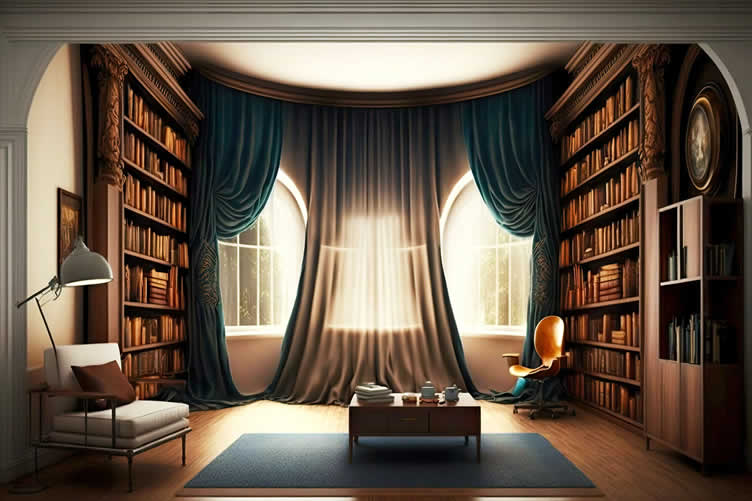
Choosing the style for your custom home library is a personal journey, much like selecting a favorite book. From contemporary to classic, the aesthetic of your library should reflect your personality and preferences.
You might want a modern, clean look with minimalist bookshelves and sleek furniture, or you might prefer a traditional, cozy setup with dark wooden shelves and a classic fireplace. Remember, it’s all about creating an environment that inspires and soothes you.
The type of literature you enjoy can also influence the style of your custom library. If you’re an enthusiast of history books, perhaps an antique style with vintage decorations and artifacts would be suitable.
For lovers of science fiction or fantasy, a futuristic or whimsical design could be perfect. It could also be a fusion of styles, a blend that resonates with your eclectic taste in books.
copyright image by 123rf.com
Regardless of the style you choose, remember that the key to a great custom home library is comfort, convenience, and a reflection of your unique personality.
Ultimately, it should be a room where you can immerse yourself fully in the joy of reading. Some ideas:
-
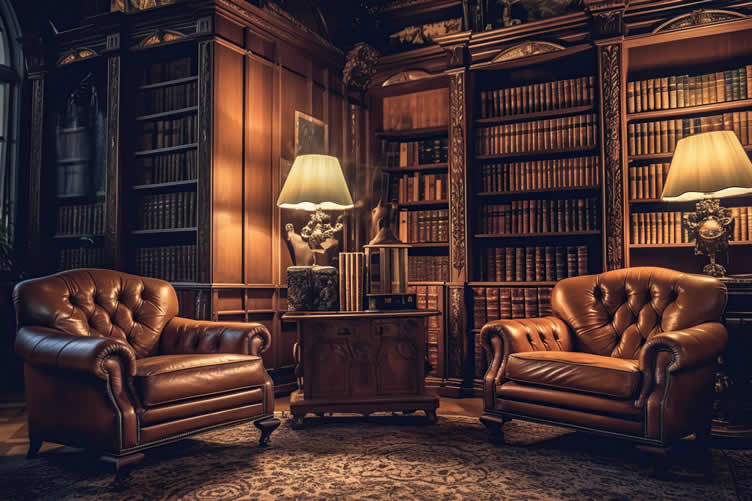
Classical Style Home Library
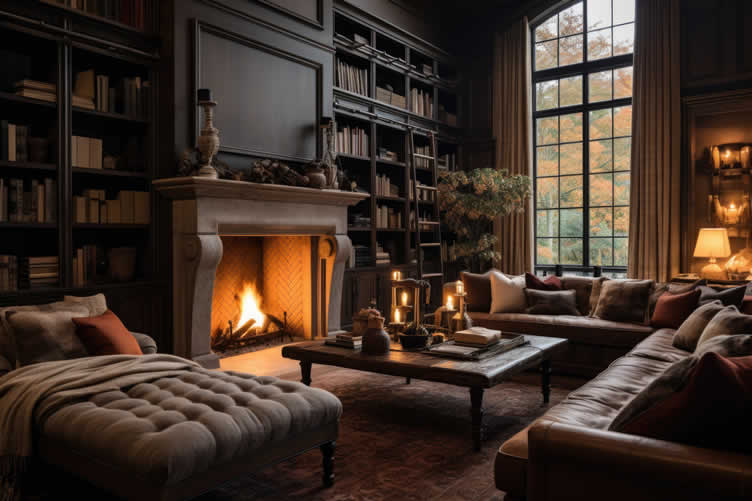
A classical-style home library is characterized by its timeless elegance and sophisticated design. It typically features dark, sturdy wooden bookshelves filled to the brim with hardbound classics. The furniture in a classical library often includes plush leather seating, ornate lamps, and a grand wooden desk for reading and writing.
The floors may be adorned with Persian rugs and the walls with traditional artwork or antique maps. The ceiling can be high, possibly with a chandelier or an intricate plaster design, reminiscent of the grand libraries of the past.
In a classical home library, there’s often a fireplace, serving as a cozy reading spot during cold winter nights. This style appreciates the beauty of old-world charm and the aroma of vintage books, creating a serene atmosphere that is conducive to intellectual pursuits.
The classical custom home library is not just a place to read—it’s a room where you can travel back in time, soak in the ambiance of yore, and lose yourself in the rich tapestry of literature.
[ view ideas: classical library]
-
Modern Style Home Library
A modern-style home library represents a sleek and contemporary approach to library styling. This design often features minimalistic bookshelves, perhaps with a mix of open and closed storage for a clean, uncluttered look. The chosen furniture typically embodies a less-is-more philosophy, with functional pieces that showcase elegant simplicity.
In a modern home library, the flooring might be a polished hardwood, concrete or even a cool stone, often adorned with geometric or abstract patterned rugs. The walls are usually kept neutral, but may host a single piece of bold, modern art as an accent. Large, expansive windows are common in this styling, allowing abundant natural light and offering panoramic views.
Tech-savvy elements such as integrated desk lighting, ergonomic chairs, and built-in charging ports are a staple of the modern custom home library room. In some designs, there may be a dedicated space for e-reading devices, signifying the harmony of traditional and digital reading experiences.
The modern custom home library is more than just a reading room—it’s a space where functionality meets aesthetics, creating a chic and inviting atmosphere that promotes relaxation and focus. This style embodies the spirit of the present, inviting you to immerse in the written word amid the comforts of the 21st century.
[ view ideas: modern library]
-
Futuristic or Whimsical Style Home Library
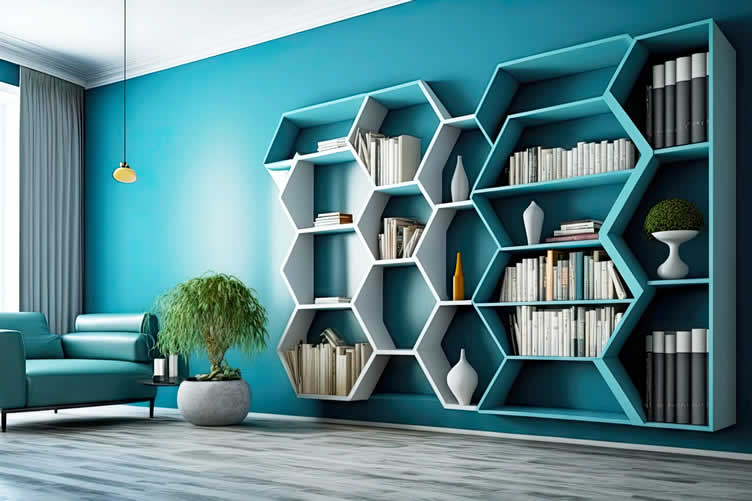
A futuristic or whimsical style home library is a delightful fusion of the imaginative and the innovative. In this type of custom library, unconventional shapes and vibrant colors often take center stage, offering a unique, dreamlike ambiance that encourages creativity and curiosity.
Bookshelves in a whimsical library may adopt irregular or avant-garde designs, diverging from the traditional rectangular form. These shelves can often be a work of art themselves, contributing to the room’s overall aesthetic.
The furniture in a futuristic library, meanwhile, leans towards sleek and cutting-edge, with intelligent features such as ambient lighting, adjustable parts, and tech-integrated elements.
The flooring may consist of eccentric patterns or cutting-edge materials, such as high-gloss finishes, complemented by bold, abstract rugs. The walls, painted in bright or pastel hues, could feature captivating 3D art pieces or interactive installations.
A futuristic custom home library room might also incorporate advanced technologies such as virtual or augmented reality interfaces for an immersive reading experience.
The futuristic or whimsical custom library is more than a room—it’s a whimsical journey into the realms of fantasy and innovation. It combines the joy of reading with an imaginative setting, making every visit an adventure into the extraordinary.
[ view ideas: futuristic library]
copyright image by 123rf.com
[ view pinterest: home library styles]
[ view pinterest: home library design]
Home Library Styling
google imagesClassical Modern view ideas Modern Farmhouse view ideas Art Deco view ideas Coastal view ideas Contemporary view ideas Eclectic view ideas Glam view ideas Industrial view ideas Mid-Century view ideas Minimalist view ideas Scandinavian view ideas Shabby Chic view ideas -
-
2nd: Bookcases and Shelving
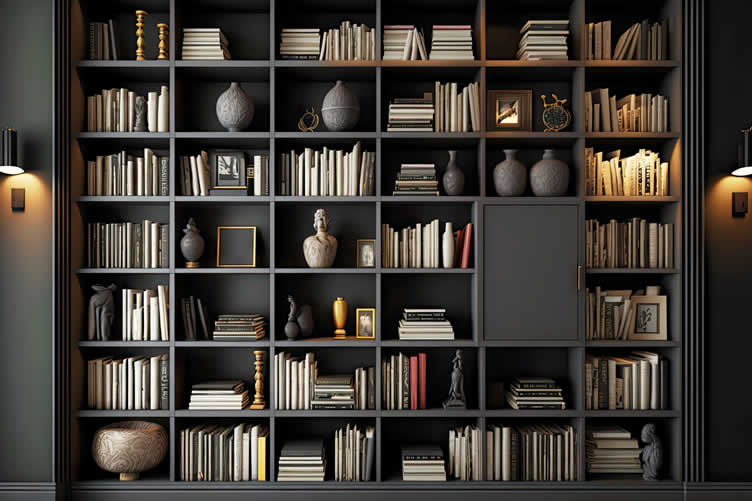
When designing your custom home library room, a vital aspect to consider is the type of bookcases and shelving that will best complement your space. Custom library bookcases come in a wide range of styles, materials, and finishes.
Whether you prefer a traditional wooden style or a more modern metal design, the choice should reflect your taste and the overall décor of your home. Keep the size of your library in mind as well — larger rooms may accommodate expansive built-in wall units, while smaller spaces might benefit from tall, slender shelving to maximize vertical space.
Another noteworthy consideration is the arrangement of your bookcases and shelving. You may opt for floor-to-ceiling bookcases to create an impressive library wall unit, or choose a mix of tall and short bookcases to provide visual interest.
copyright image by 123rf.com
Additionally, consider the functionality of your shelving — adjustable shelves allow for flexibility in accommodating different book sizes, while additional features like built-in lighting or glass doors can highlight your book collection and enhance the ambiance of the room.
Always remember that a custom home library is not only a place to store books but also a space to showcase your love for literature and reading.
The type of book display units to consider:
-
Library Wall Units
Library wall units are a fantastic addition to a custom home library. They offer a striking and efficient way to utilize wall space, showcasing your books in a stunning display while keeping them organized. Wall units can be custom-designed to fit your room’s dimensions and aesthetic.
A classic choice is the floor-to-ceiling design that lends a grand and scholarly tone to your library. These units can be outfitted with a rolling ladder for an added touch of elegance and practicality.
On the other hand, you may prefer a wall unit with mixed-height shelves for a more dynamic look. This design can incorporate elements such as lower cabinets, a desk area, or an incorporated flat-screen TV space, combining form and function.
The choice of material for your library wall unit can also greatly impact the overall look and feel of your library. Traditional wood finishes such as oak, mahogany, or cherry add warmth and sophistication, while metal or glass components can bring a more modern edge to your custom library room.
Remember, the goal is to create a space that reflects your personal style and love for reading, so choose a wall unit design that resonates with you and complements your home decor.
[ view ideas: library wall units]
-
Bookshelves
Bookshelves are the soul of a custom home library. Apart from their primary function of book storage, they also serve as key design elements that can transform the ambiance of your room.
You can choose from a variety of styles, from sleek modern shelves to rustic wooden options, all according to your taste. Customizable and laid out, they can accommodate your book collection regardless of its size, while also providing room for future additions.
For a touch of uniqueness, consider incorporating built-in lighting or selecting bookshelves with closed drawers for your special collections. Adjustable shelving can offer flexibility, allowing you to arrange your books based on size or genre.
[ view ideas: bookshelves]
-
Floating Shelves
Floating shelves are an innovative and stylish choice for a library. Offering a clean, minimalistic look, they create an illusion of books seemingly floating in the air, which can add a hint of magic to your custom library. These shelves are not only aesthetically pleasing but also highly functional, as they free up floor space while providing ample room for book storage.
Whether you’d prefer them to span an entire wall or create a more dynamic arrangement with disjointed shelves, the choice is yours. These versatile units can be customized to fit any space and styled to match any decor.
A particular charm of floating shelves is their capacity to highlight your book collection, turning it into an artistic display.
[ view ideas: floating shelves]
-
Curated Shelves
Curated shelves display the embodiment of your personality and literary tastes. A curated shelf is not simply about organizing your books – it’s about showcasing your reading journey, interests, and preferences through a carefully planned scheme.
Whether you wish to organize your books by their authors, color, genre, or publishing dates, curated shelves can bring a harmonious balance to your vast collection.
These shelves can also be utilized to display your treasured memorabilia, personal artifacts, or decorative items, further enhancing the charm of your custom library.
A well-curated bookcase can create a visually pleasing backdrop, instilling a sense of tranquility and academic ambiance.
[ view ideas: curated shelves]
-
Stepped Shelves
Stepped shelves bring a fresh perspective to your home library, adding a dynamic and contemporary touch to your book display. This unique shelving solution significantly enhances the aesthetic appeal of your custom library, with each step serving as a distinct showcase for your books, artifacts, or memorabilia.
The cascading design of these shelves can be particularly captivating, drawing the eye upwards and creating a sense of height and space. From a functional viewpoint, stepped shelves provide easy access to your book collection, facilitating not only the retrieval of your favorite reads but also the effortless addition of new books.
[ view ideas: stepped shelves]
-
Corner Shelves
Corner shelves are an often overlooked but invaluable addition. They are a perfect solution for maximizing your space while maintaining an organized and aesthetically pleasing environment.
With the unique ability to transform wasted spaces into functional storage, corner bookcases can house an array of books, artifacts, or cherished keepsakes. Their strategic positioning also allows for easy access, making corner shelves not only practical but a stylish choice for your custom library.
[ view ideas: corner shelves]
-
Wall-Mounted Shelves
Wall-mounted shelves are ideal for homes with limited space. These bookcases and shelving units can be arranged in a variety of patterns, creating a dynamic and visually striking backdrop for your books and memorabilia.
With their clean lines and minimalist design, wall-mounted shelves serve not only as a practical storage solution but also as a reflection of your style. They allow you to display your book collection in a way that is both accessible and aesthetically pleasing, adding a touch of sophistication to your custom library room.
Wall-mounted shelves are a testament to the idea that your literary journey can be beautifully showcased, even in the most compact of spaces.
[ view ideas: wall-mounted shelves]
-
Free-Standing Bookcases
These robust and spacious storage options offer the versatility to structure your book collection according to your preferences. With a variety of styles, such as traditional wood or contemporary metal, freestanding bookcases can seamlessly blend with your library room’s aesthetic.
Not only do they offer substantial storage space, but they also act as a focal point, highlighting your literary treasures. In essence, freestanding bookcases provide a splendid blend of style and functionality— a must-have for your custom library room.
[ view ideas: standing bookcase]
copyright image by 123rf.com
[ view pinterest: home library wall units]
[ view pinterest: home library shelving]
-
-
3rd: Organizing Your Home Library
A well-organized custom home library can not only enhance the aesthetic appeal of your space but also make your reading experience more enjoyable. One useful tip to keep your library organized is to adopt a system that suits your reading habits.
This could be alphabetical, by genre, or even color-coded. For a truly custom library experience, you may also consider grouping books by personal categories, such as ‘Books to read’, ‘Books read’ or ‘Favorites’.
Invest in suitable storage solutions to maximize your library’s potential. Custom-built shelving units that extend from floor to ceiling provide ample space for a vast collection, while also adding a striking visual element to the room.

copyright image by 123rf.com
Consider the inclusion of built-in features such as reading nooks or ladders to access high shelves for a truly personalized touch.
Lastly, remember that organizing your home library is an ongoing process. A well-maintained library will grow and evolve with your reading habits. Invest time in regular clean-ups, and don’t hesitate to re-organize if your current system isn’t serving you effectively.
-
Easy Access to Your Home Library
Accessing your custom home library room should be as enjoyable as the reading itself. To ensure this, consider the layout and organization of your library carefully. Make sure that all your books are easily reachable.
For those who have built high shelves, a sliding ladder can be a functional and charming addition to your custom library. For lower shelves or cabinets, ensure they are not obstructed by furniture or other items.
If possible, maintain clear pathways to every section of the library. This way, whether you’re searching for a beloved classic or a new addition to your collection, you can easily lay your hands on your desired book. Remember, a well-designed custom library minimizes the effort you need to access your books, enhancing the overall reading experience.
[ view ideas: sliding ladder]
-
The Use of Climate Controls
Just as crucial as organization, climate control is a vital aspect in maintaining the longevity of your valuable books. It’s essential to maintain a stable environment in your custom home library room. Books are significantly sensitive to changes in temperature and humidity.
Ideally, the temperature should be kept cool, roughly between 65-70 degrees Fahrenheit, and the humidity should be around 50 percent. This can be achieved through the use of air conditioners, dehumidifiers, or humidifiers as needed.
Also, consider the placement of your books. Keep them away from direct sunlight, which can cause fading and deterioration, and from heat sources like radiators or fireplaces. By carefully regulating your library’s climate, you can ensure your treasured collection remains in pristine condition for years to come.
-
Securing Your Home Library
Securing your custom home library is another important step in protecting your valuable collection. Consider installing lockable cabinets or cases for rare or valuable books that you want to keep safe. In addition, install sturdy locks on library doors and windows to deter theft.
For added security, you might want to look into a home security system or even a library-specific security system, which can include features like security cameras and alarms.
Furthermore, don’t forget to ensure your home insurance policy covers your library and its contents. This way, even in the unfortunate event of a loss, your cherished collection can be replaced.

copyright image by 123rf.com
[ view pinterest: home library organization]
[ view pinterest: home library book arrangement]
4th: Sitting and Other Furniture
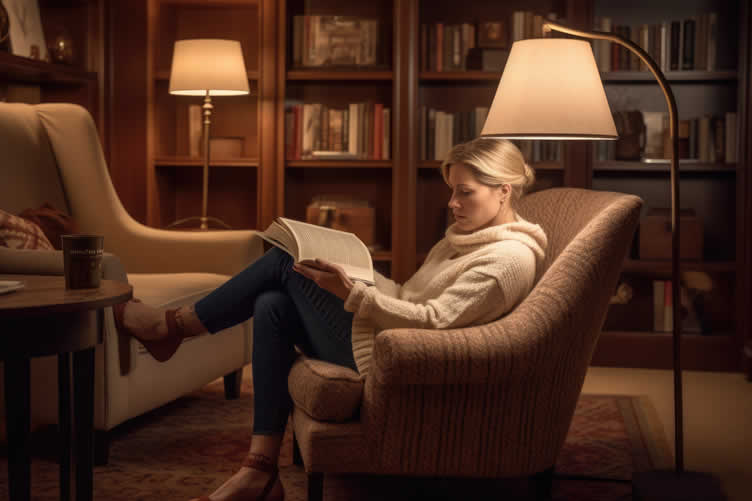
When planning your custom home library room, one of the key components is a comfortable seating arrangement. The seating arrangement must be conducive to extensive reading sessions.
Consider plush, comfortable chairs with good backrests, or even a chaise lounge for those lengthy novels. You could also include a small coffee table for beverages or snacks to accompany your reading.
copyright image by 123rf.com
Likewise, consider the arrangement of your furniture. Create a cozy, intimate space for reading while also allowing enough room to move freely.
Some furniture ideas include
-
Reading Chair
Continuing with the theme of comfort, selecting the right reading chair for your custom library is paramount. Your reading chair should be a haven, a place where you can sink in for hours with a good book. Hence, the chair’s comfort level, style, and size should be given top priority.
When selecting a reading chair, consider the chair’s upholstery. Materials like leather or fabric can significantly impact the comfort level and the chair’s overall aesthetic appeal. Also, the chair’s features come into play. Would you like an armchair, a chair with a footrest, or perhaps a rocking chair?
Moreover, size is an important factor to consider. Ensure the chair fits nicely into your home library seating arrangements without overcrowding the room. Remember, your custom library should be a blend of aesthetic appeal and comfort.
[ view ideas: reading chairs]
-
Chaise Lounge
When choosing a chaise lounge for your library, decide with careful consideration. A chaise lounge can be an excellent piece of home library furniture, providing both style and comfort for extended reading sessions.
First, determine the type of chaise lounge that will best complement your home library’s decor. Chaise lounges come in various styles, ranging from traditional to contemporary. Do you prefer a tufted, upholstered chaise with ornate detailing for a more classic look, or a sleek, minimalist chaise for a modern aesthetic?
Next, consider the material. Leather chaise lounges can be a luxurious choice that ages beautifully over time, while fabric chaise lounges allow for a wider range of color and pattern options to match your room’s aesthetic.
Lastly, consider the size and placement of your chaise lounge. You want to ensure that it fits comfortably in the space without obstructing pathways or making the room feel cramped.
[ view ideas: chaise lounge]
-
Sofa
Choosing the right sofa requires careful deliberation. A sofa can serve as the centerpiece of your library furniture, offering a cozy spot for reading and relaxation.
Firstly, consider the style of sofa that best complements your custom library decor. There’s a multitude of choices, from classic Chesterfields to minimalist mid-century modern designs. Do you visualize yourself sinking into a lavish, deeply buttoned leather sofa, or does a simple, clean-lined fabric couch better suit your taste?
Next, pay attention to the material. A leather sofa can provide a timeless, elegant look and is durable and easy to clean, making it a practical choice. Alternatively, fabric sofas offer a wealth of colors and patterns, allowing you to express your style and coordinate with the room’s overall aesthetic.
Lastly, keep in mind the size and placement of the sofa. It should fit comfortably within the room without impeding movement. Be sure to leave sufficient space for other essential furniture, such as bookshelves and side tables.
[ view ideas: sofas]
-
Tables
Moving on to the selection of side, coffee, and other tables. The tables in your library should offer both style and practicality. They are not just furniture pieces to fill up space but also function as surfaces for placing books, drinks, or decorative items.
When selecting tables, consider the form and function they will serve in your custom library. Side tables can be placed next to the sofa, providing a convenient spot for a reading lamp or a cup of tea. A coffee table can provide a central surface in the room for stacking currently read books or magazines.
The size of the table is also important. It should be proportional to the other furniture in the room and not obstruct the flow of movement. Small, round tables can add a soft touch to a room filled with straight-lined bookshelves, while a large, rectangular coffee table can provide ample surface and a striking visual anchor.
The style and material of the tables should coordinate with the rest of your custom home library decor. From minimalist metal and glass tables to antique wooden pieces, the choice is endless. Be it a sleek modern table or an ornate vintage piece, each table should contribute to the overall aesthetic and personality of your custom home library.
[ view ideas: tables]
-
Reading Nook
One of the most crucial components of a home library is the reading nook. This special spot can transform your library from a simple book storage room into a sanctuary of wisdom and tranquility.
A perfect reading nook should be quiet, comfortable, and filled with natural light. Start by selecting an uncluttered corner of your home library, away from distractions. Next, bring in a plush armchair or a cozy chaise lounge — this will be the central piece of your reading nook. Make sure it’s upholstered in a warm, comforting material that invites hours of reading.
A well-placed reading lamp, preferably with adjustable brightness, is essential to prevent eyestrain. The color temperature of the light should lean towards warmth to create a cozy ambiance. A small side table can function as a place to rest your current read or a hot beverage.
Consider including a rug and some pillows for added comfort, and perhaps a blanket for those colder days. Personalize your reading nook with artwork, photos, or plants, to make it truly your own.
By crafting a comfortable, intimate reading nook, your custom home library becomes more than just a room filled with books—it becomes a personal haven where you can escape into the pages of your favorite novels.

copyright image by 123rf.com
[ view pinterest: home library reading nook]
[ view pinterest: home library furniture]
5th: Computer Station (Home Office)
While reading books has its unique charm, there is no denying that the digital world offers a plethora of research materials, e-books, and online reading resources.
A well-placed computer station can aid in enhancing your reading and learning experiences, allowing you to perform in-depth research on topics, explore various genres, and even connect with other book lovers worldwide.
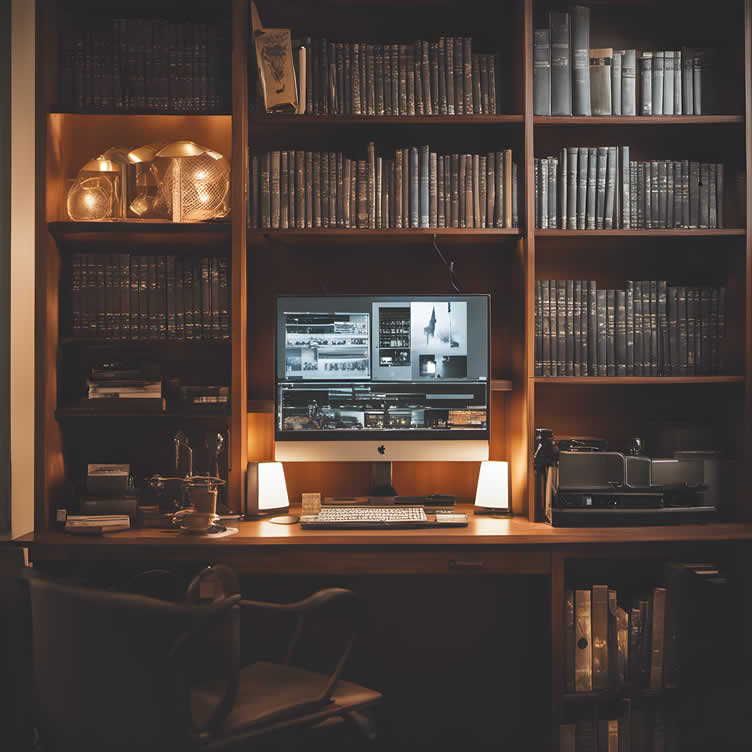
A computer station in your library needs careful planning. It should be designed to blend seamlessly with the overall aesthetic of your library while ensuring functionalities.
It is recommended to select a quiet corner of your library, away from the main reading area to minimize disturbances.
copyright image by 123rf.com
Consider ergonomics when setting up your desk, chair, and computer equipment to enable comfortable long-term use. Also, it is essential to have an efficient cable management system and sufficient lighting, preferably adjustable, to reduce glare on your computer screen.
Having your computer station is not only about convenience; it is about creating a multidimensional space that caters to your intellectual needs. Whether it’s for writing, researching, or leisurely browsing through digital books, a well-set computer station can transform your home library into a haven for knowledge and exploration.
-
Setting Up a Home Office
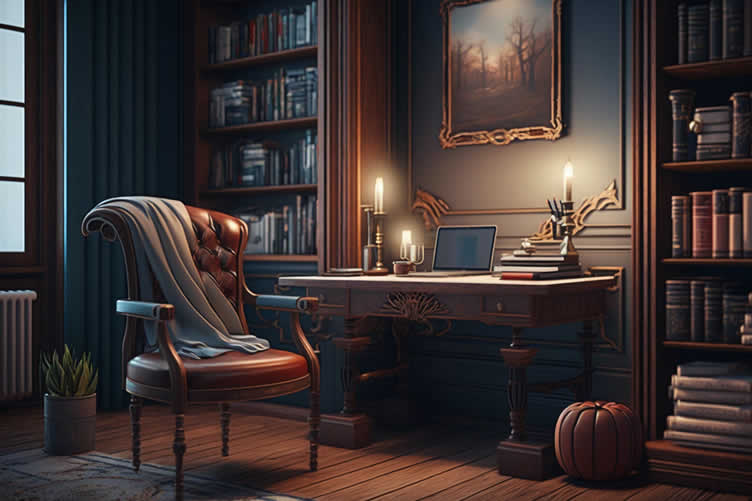
To further maximize the utility of your home library, consider dedicating a space for a home office. This setup can create a conducive atmosphere for focused work or study, away from the common distractions of the typical household environment.
The home office should be an extension of the overall design, maintaining the aesthetic touch while focusing on functionality. A spacious desk for your laptop or desktop computer, ample storage for office supplies, and comfortable seating are essential components.
Invest in adjustable shelves to neatly store work-related books, documents, and materials. A pinboard or whiteboard can be a handy addition, serving as a visual reminder of tasks, deadlines, and ideas.
Lighting plays a significant role in a home office setup. Natural light is always beneficial, but also consider adding targeted desk lamps for tasks requiring focused lighting.
[ view ideas: home office library]
-
Setting Up a Child Study Area
To make your home library truly family-friendly, consider setting up a child study area. This space can motivate kids to develop healthy study habits and discover the joy of reading.
The child study area should be vibrant and inviting, equipped with a child-sized desk, chairs, and open shelves for easy access to books. Customizing the space with their favorite colors, characters, or themes can also make it more appealing.
Include an array of educational materials and books suitable for their age to encourage independent learning. Ensure adequate lighting, preferably natural light, to create a bright, stimulating environment.
Remember that a child’s study area should be a safe space, so make sure all the furniture is child-friendly, with smooth edges to prevent accidents. Consider adding creative elements, such as a chalkboard or a pinboard, where your child can express their ideas and keep track of their learning progress.
[ view ideas: child study area]
copyright image by 123rf.com
[ view pinterest: home library computer station]
[ view pinterest: home library home office]
6th: Media Center
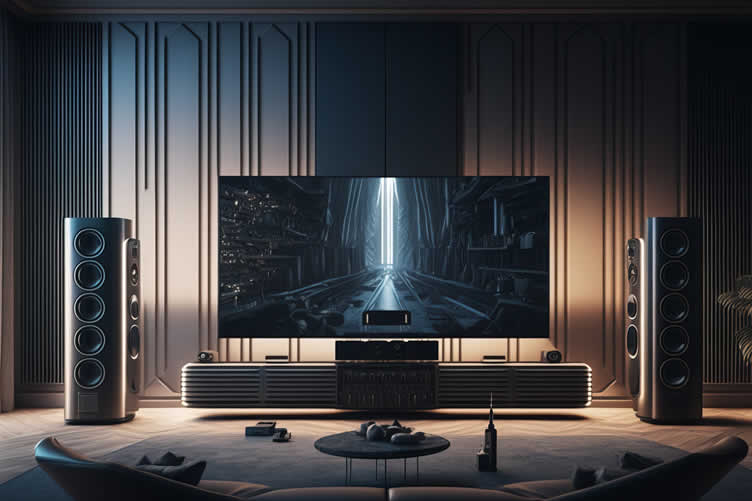
When planning your home library room, incorporating a media entertainment center can truly elevate the space, making it a hub for both literary and digital entertainment. This dedicated area can include elements such as a high-definition television, a state-of-the-art sound system, and a collection of your favorite films and music.
A custom library with a built-in media station not only adds to the functionality of the room but also enhances the overall aesthetic and sophistication of the space. The design of the media center should be in harmony with the rest of your custom library.
To maintain the flow, consider matching the wood finish of the shelving units with that of the media center. Careful planning of the positioning of the media equipment can also help to avoid clutter and maintain the peaceful sanctity of your library.
As an additional feature, you may want to consider investing in smart automation. This allows you to control lighting, temperature, and sound with a simple touch of a button, enhancing the overall experience.
-
What’s Needed
For a media center, you’ll need several key components. Begin with a high-quality television or projector. The choice between the two depends on your preference and the room size. Ideally, you’ll also need a sound system that can reproduce dialogue clearly and provide immersive audio for movies and music.
A Blu-ray player, streaming device, or gaming console may be desired for video content. Consider your viewing habits – if you stream most of your content, a Smart TV or streaming device like Roku or Apple TV should suffice.
For music, a multi-disc CD player, a turntable for vinyl records, or a simple yet high-quality Bluetooth speaker for streaming music can be great additions.
Lastly, don’t forget about storage for your physical media. Shelves, cabinets, or drawers that match your library’s aesthetic can be used to store DVDs, Blu-rays, CDs, vinyl records, and video games.
-
Best Viewing
Another crucial aspect of your library room with a media center is the inclusion of blackout curtains. These serve a dual purpose; they help in creating the perfect ambiance for film viewing, and block out any external light that might interfere with the screen visibility.
Opt for curtains with dense fabric and a darker shade to ensure maximum light obstruction. For a cohesive look, try to match the curtains to the rest of your decor or go for neutral colors that can blend in with any design aesthetic.
copyright image by 123rf.com
[ view ideas: home library media room ideas]
[ view pinterest: home library with media room]
7th: Fireplace
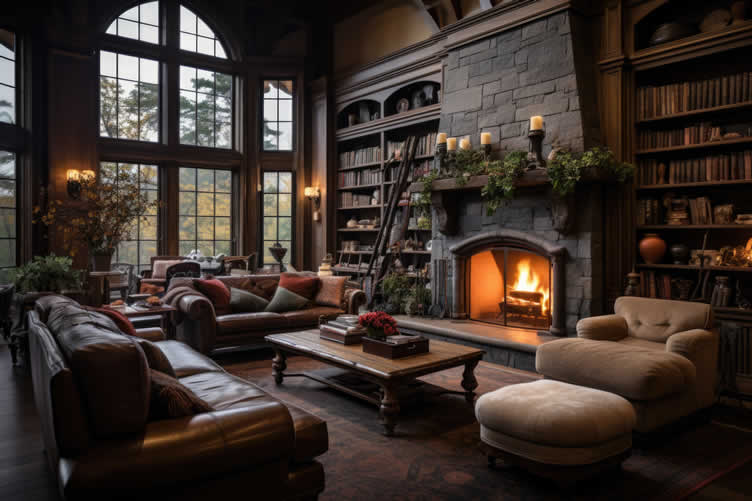
Fireplaces have been a classic feature in libraries for centuries, providing not only warmth but also a calming ambiance that enhances the reading experience. Integrating a fireplace into your custom library design requires careful thought and planning, considering factors such as the fireplace type, location, and safety measures.
Positioning the fireplace is another critical aspect; it could be a centerpiece or an accent in the room. Proper positioning ensures that it complements other elements in the room—like bookshelves, seating areas, and windows—rather than clashing with them.
Safety should never be overlooked when incorporating a fireplace into your home library. Ensure that the fireplace installation adheres to building codes and regulations. Also, consider implementing additional safety measures like a sturdy fireplace screen and maintaining an appropriate distance between the fireplace and flammable objects.
-
Types of Fireplaces
There are various types of fireplaces to choose from, like traditional wood-burning fireplaces, gas fireplaces, or modern electric ones. Your decision should reflect your personal preference, logistical feasibility, and the overall design theme of your custom library.
-
Wood-Burning Fireplaces
are the traditional type of fireplace. They use wood as fuel to create a fire, which provides heat and ambiance. Wood-burning fireplaces can be expensive to install and maintain, but they are often seen as more eco-friendly than other types of fireplaces.This traditional type of fireplace adds an element of rustic charm to the room, creating a perfect backdrop for countless hours of comfortable reading. The cracking sound of burning wood and the mesmerizing dance of flames can stimulate your senses, enhancing the overall reading experience.
-
Gas Fireplaces
are a more modern type of fireplace that uses gas as fuel to create a fire. Gas fireplaces are typically more efficient than wood-burning fireplaces and they do not require as much maintenance. However, they can be more expensive to operate.This type of fireplace offers the appeal of a warm, flickering flame without the need for stocking and burning wood. It fits perfectly into a modern, minimalist aesthetic, and is generally easier to use and maintain than a wood-burning fireplace. Simply flip a switch or adjust a remote control to ignite the fire and control its intensity.
-
Ethanol Fireplaces
are appreciated for their clean-burning process, which doesn’t produce ash or require a chimney, making them an eco-friendly option. These fireplaces are also versatile in terms of design and placement, with options ranging from wall-mounted units to freestanding pieces.Their flames, while not as traditional as wood or gas, deliver a distinctive aesthetic appeal that can effortlessly complement your custom library.
-
Electric Fireplaces
do not use any fuel to create a fire. Instead, they use electricity to heat up a metal coil or element, which creates the illusion of a fire. Electric fireplaces are the most convenient type of fireplace to install and maintain, but they are not as efficient as wood-burning or gas fireplaces.Electric fireplaces are a modern and versatile choice that provides an array of benefits. They are highly customizable with options to adjust both heat and flame intensity to suit your preference. Additionally, they require little to no maintenance compared to traditional fireplaces, as they produce no ash or smoke.
-
-
Fireplace Styles
When designing your custom home library room, one of the key aspects that can significantly enhance the ambiance is the inclusion of a fireplace. Not only does a fireplace provide extra warmth for those cozy reading nights, but it also adds an aesthetic appeal that can complement the overall design of your custom library.
The right fireplace style can transform your private library into a tranquil sanctuary or a sophisticated study area. Here are several fireplace styles to consider:
-
Traditional Fireplace:
A traditional fireplace serves as an embodiment of timeless elegance and cozy ambiance. Made usually with brick or stone, this style brings an old-world charm to your custom home library room. A traditional fireplace, often wood-burning, adds not just warmth but also a sense of nostalgia and comfort.Whether you’re reading a classic literature piece or working on your next big idea, the crackling sound from the fireplace will provide a soothing backdrop. Indeed, incorporating a traditional fireplace into your custom library can enhance the space’s overall appeal, creating a perfect blend of sophistication and relaxation.
[ view ideas: traditional fireplace]
-
Contemporary Fireplace:
A contemporary fireplace is an excellent choice for those seeking a sleek, modern look in their custom home library room. These fireplaces tend to feature clean lines and minimalist designs, often incorporating materials like steel, glass, and concrete.A contemporary fireplace can serve as an understated focal point, allowing the books and other design elements in your custom library to take center stage. It’s an ideal option for those who prefer a streamlined, clutter-free space, as it provides warmth without overpowering the room’s aesthetic.
[ view ideas: contemporary fireplace]
-
Double-Sided Fireplace:
If you’re looking to make a bold statement in your custom home library room, consider a double-sided fireplace. This unique style is not only functional but also incredibly striking. It can effectively heat two spaces at once, giving your custom library an added level of comfort.The double-sided fireplace features two accessible fronts, making it a captivating centerpiece regardless of where you’re seated. Whether your library design is traditional or contemporary, a double-sided fireplace can seamlessly blend in, offering both a visual treat and a cozy atmosphere.
[ view ideas: double-sided fireplace]
-
Round Fireplaces:
Round fireplaces are a unique style that can add an element of surprise to your custom home library room. These fireplaces bring a touch of modernity and elegance, and their circular design allows for a 360-degree view of the mesmerizing flames. Whether mounted on the wall or standing on the floor, a round fireplace can be a stunning centerpiece to your custom library.[ view ideas: round fireplace]
-
-
Requirements for Installing a Fireplace
Installing a fireplace in a custom library room is a significant task. It requires meticulous planning and consideration of multiple factors to ensure safety and efficiency. Below is a list of what you need to install a fireplace in your custom home library:
- Fireplace Unit:
First, you need to decide on the type of fireplace you want. Will it be wood-burning, gas, electric, or ethanol? Each type has its pros and cons and will affect the installation process. - Venting System:
If you choose a wood-burning or gas fireplace, you’ll need a proper venting system. This involves installing a chimney or vent pipe to draw the smoke and fumes away from the library. - Fireplace Surround:
The fireplace surround not only adds aesthetic value but also serves as a safety feature. It is made from non-combustible materials and prevents the fire from spreading. - Heat-Resistant Materials:
To ensure safety, it’s essential that the materials around the fireplace can withstand high temperatures. - Fireplace Installation Professional:
Although you might be tempted to do it yourself, hiring a professional is strongly recommended. A professional will ensure correct installation and adherence to safety standards. - Building Permits:
Lastly, don’t forget to secure the necessary permits from your local government. These are usually required for safety and compliance with local building codes.
- Fireplace Unit:
copyright image by 123rf.com
copyright image by 123rf.com
[ view pinterest: home library with fireplace]
[ view pinterest: interior table fireplace]
8th: Home Library Decor
When it comes to decorating your custom home library room, your choices can set the mood for countless hours of reading and relaxation. The decor should be functional, comfortable, and reflective of your style.
It should also incorporate elements that enhance the reading experience and make the space feel inviting. These elements may include elegant bookshelves, cozy seating, and good lighting.
Think about how you can create a blend of aesthetics and purpose. For instance, use a ladder for your floor-to-ceiling bookshelves to add an element of vintage charm and practicality.

copyright image by 123rf.com
Consider incorporating art that resonates with your literary tastes, such as prints of your favorite book covers or portraits of your favorite authors. Complement these with a plush rug, layered throw blankets, and throw pillows on the seating for added warmth and coziness.
Some other home decor ideas to consider:
-
Wall Art for Your Home Library
Artwork can play a significant role in enhancing the ambiance of your library. A well-chosen piece of wall art can serve as a focal point in the room, drawing the eye and sparking conversation. It’s a way to personalize your space, reflecting your tastes and interests.
For instance, you might opt for framed posters of literary classics, abstract pieces that provoke thought, or even famous quotes from your favorite authors.
Remember, your home library decor should be as inspiring as the books it houses. When chosen with thought and care, wall art can add depth and dimension to your custom library, making it a truly captivating and unique space.
[ view ideas: wall art]
-
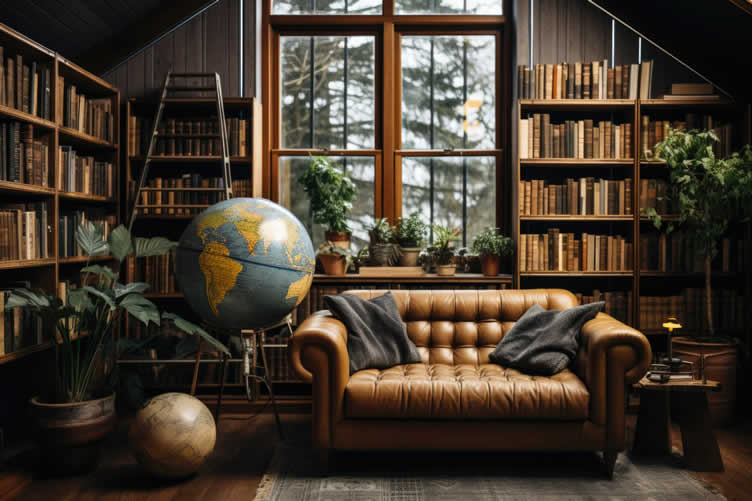
A Floor Globe for Your Custom Home Library Decor
A floor globe is another compelling decor element to consider. Not only does it lend an air of sophistication and worldliness, but it also serves as a nod to the endless worlds and experiences that literature can offer.
A carefully chosen globe can become a statement piece in the room, catching the eye and sparking curiosity. Imagine reaching out to spin the globe, tracing the path of a story’s setting or planning your next travel-inspired read.
Whether you opt for an antique design to complement a vintage-style library or a modern, sleek version for a contemporary space, the addition of a floor globe can significantly enhance the overall ambiance and thematic depth of your library.
[ view ideas: floor globe]
-
Incorporating a Telescope
A telescope can be a stellar addition. Not only does it add a touch of sophistication and intrigue, but it also gives you a chance to take a break from reading and gaze at the stars.
Position it near a window for optimal viewing, and to make a visually striking statement in the room. This fusion of aesthetics and purpose can make your custom library room even more inspiring, offering a different perspective on the world beyond the pages of your books.
[ view ideas: telescope]
-
Decorative Bookends
Decorative bookends can serve as the perfect combination of form and function. They not only keep your books neatly arranged, but also introduce a distinctive aesthetic touch to your home library decor.
From intricate sculptures to minimalistic geometric shapes, bookends come in countless designs, allowing you to find the perfect pair that mirrors your personality and matches your library’s overall theme. Highlight your favorite series or genre with a thematic bookend, or opt for a classic design that never goes out of style.
[ view ideas: decorative bookends]
-
Chess Table
Adding a chess table to your home library decor can bring an intellectual and classic touch to the space. Whether you’re an avid chess player or just appreciate the game’s strategic beauty, a chess table can serve both as an engaging activity and a stylish furniture piece.
Position it in a cozy corner or at the heart of your custom library room, inviting interaction and thoughtful pauses between readings. Opt for a beautifully crafted wooden table to add a touch of antiquity, or a modern glass chess set for a sleeker look.
[ view ideas: chess table]
-
Inviting Harmony with an Aquarium
An aquarium can be a mesmerizing feature to include. Not only does it bring in a serene touch of nature, but the soothing sight of swimming fish also provides a calming backdrop for your reading sessions.
Aquatic life adds dynamism and vibrancy to your custom library room, and the soft gurgling of water can enhance the peaceful ambiance. Whether you choose a large, built-in aquarium that serves as a stunning focal point, or a compact table-top version that adds subtle charm, the decision should reflect your style and love for aquatic life.
[ view ideas: aquarium]
copyright image by 123rf.com
[ view images: home library decor]
[ view pinterest: home library decorating]
9th: Book Collection
When it comes to collecting books for your custom home library room, you have a wealth of options to choose from.
Traditional brick-and-mortar bookstores, both new and used, offer the opportunity to physically explore and discover unique finds. It’s a perfect place to start your collection, allowing you to engage all your senses – the feel, the smell, and the sight of an array of books, that an online platform might not offer.
Online platforms, however, provide a convenience that physical stores may not. Websites like Amazon, eBay, and AbeBooks have extensive collections of both new and used books, making them fantastic resources for finding specific titles or editions. If you’re after rare or out-of-print books, sites like Biblio can be priceless.

copyright image by 123rf.com
Don’t forget about digital marketplaces and social media platforms, such as Facebook Marketplace and local Buy Nothing Groups. They often have free or bargain-priced books.
Consider also frequent library sales, estate sales, and thrift stores for affordable options. Many libraries hold annual or semi-annual sales where you can pick up books at heavily discounted prices.
Estate sales can be a goldmine for finding entire collections at once, while thrift stores can surprise you with rare gems. The joy of creating a custom library is in the hunt for books, so enjoy the process and let your collection grow with you.
-
Types Book Collection
Moving on, let’s delve into some of the best book collections to consider for your custom home library room.
- Classics Collection:
This includes timeless works from authors like Jane Austen, Mark Twain, and Fyodor Dostoevsky. This collection is a must-have for its historical significance and enduring impact. - Modern Literature:
This would include more recent works from authors like Haruki Murakami, Margaret Atwood, and Khaled Hosseini. These contemporary pieces provide a fresh perspective on today’s society. - Non-fiction:
A collection of informative books spanning various subjects like history, science, and biographies can add depth to your library. - Poetry Collection:
From Robert Frost to Maya Angelou, a good poetry collection can provide a nuanced reading experience. - Graphic Novels:
A collection of acclaimed graphic novels like ‘Maus’ by Art Spiegelman or ‘Persepolis’ by Marjane Satrapi can add some visual vibrancy to your library. - Children’s Literature:
If you have kids at home, a collection of children’s books from authors like Dr. Seuss and Roald Dahl can be a treasure trove of fun and learning. - Mystery/Thriller Collection:
For lovers of suspense, a lineup of books from authors like Agatha Christie or Dan Brown can keep you on the edge of your seat.
Remember, the books in your custom library should reflect your interests and passions. This list is just a starting point, and you can add or subtract based on your preferences.
- Classics Collection:

copyright image by 123rf.com
[ view ideas: book collection ideas]
[ view pinterest: book collection]
Scroll up to directory … or scroll to next section about how to how to build a custom library …
ideas to view and compare from the information discussed above
-
-







view illustration “becoming a bank”


fourth “photo remodeling” idea

copyright image by 123rf.com
Section 4: plan for – Electrical Wiring and Lighting
Notes:
-
When designing your custom home library, one crucial aspect that shouldn’t be ignored is the electrical wiring. The library should be a space where you can comfortably enjoy your books, and proper electrical wiring can ensure ideal lighting conditions, phone or tablet charging capabilities, and even the option for sound systems or television sets, for those who prefer audiobooks or educational programs.
Think about the electrical outlets, the internet connection, and even the lighting fixtures. Natural light is a great option for daytime reading, but you’ll also need to install a variety of light fixtures for those late-night reading sessions.
Each reading area should have a lamp, wall-mounted lights can add a cozy feel, and don’t forget about spotlighting your favorite book displays. All of these require careful electrical wiring planning in your custom library.
-
Basic Electrical Needs and Safety
At the outset, your library room should have ample electrical outlets placed strategically to cater to various devices such as lamps, e-readers, audio systems, or even your laptop.
Inappropriate or faulty wiring can lead to electrical shocks, fires, or other incidents that can endanger lives and damage property. To avoid these hazards, it is prudent to hire a licensed electrician who can ensure that all the wiring complies with local and national electrical codes.
Further, install GFCI (Ground Fault Circuit Interrupter) outlets which automatically cut off electrical power in the event of a ground fault. Remember, a safe custom library is a joy forever. And don’t forget to put in a dedicated circuit to avoid overloading and ensure the smooth operation of all electrical devices.
-
Planning for Additional Wiring Connections
When designing the library room, you may also want to consider additional wiring connections for a computer station, media center, and home office. This includes planning for extra outlets to accommodate devices like computers, printers, routers, and televisions. This is particularly beneficial for those who plan to use the space for remote working or home-based learning.
For the media center, consider dedicated circuits to prevent the risk of overloading and ensure safety. If you intend to include a home office, you’ll also need provisions for phone lines, internet connections, and perhaps even a separate circuit for high-power devices.
Remember that the wiring for these should be hidden to maintain the aesthetic appeal of your library.
-
Smart Switches and Outlets
One important aspect not to be overlooked is the installation of smart switches and outlets. The concept of a traditional library has evolved, and modern libraries are now equipped with automation features that improve convenience and functionality.
Smart switches and outlets are integral components of this modernization. They allow you to automate and control your lighting and other electronic devices remotely, providing the ability to create the perfect reading environment at the touch of a button.
Not only does this enhance your overall reading experience, but these smart devices also contribute to energy efficiency in your custom library. So, remember to include smart switches and outlets in your custom library design for a seamless and personalized reading experience.
-
Hiring a Professional Electrician
To ensure the safety and functionality of your electrical wiring is of utmost importance, hiring a professional electrician is a crucial part of the process. A licensed electrician can provide expert advice, ensure that all wiring and installations are done correctly, and verify that everything complies with local and national electrical codes.
They can efficiently handle tasks from installing dedicated circuits for high-power devices to hiding wires for aesthetic appeal. Investing in a professional electrician not only saves you time and potential headaches but also guarantees the electrical safety of your custom library.
-
-
Quik scroll to other planning a kitchen remodel elements …
-
-
1st: Plan Types of Lighting
Lighting plays a paramount role in enhancing the comfort and functionality of your home library. Carefully planned and executed lighting can transform your custom library into a bastion of relaxation and knowledge, leading to a much more enjoyable reading experience.
As you prepare to immerse yourself in the world of your favorite authors, let’s explore some of the best home library lighting options that can illuminate your literary journey. Your library lighting options include:
-
Ambient Lighting
Ambient lighting, also known as general lighting, forms the foundation of any room’s lighting plan, including your custom home library room. It is designed to provide uniform illumination throughout the space, setting the overall tone and mood.
This type of lighting is especially crucial in a home library, where comfort and clarity are key to a pleasurable reading experience.
There are several options when it comes to implementing ambient lighting in your custom library:
- Ceiling-mounted fixtures:
These are typically used to spread light across the room. They can be flush-mounted (attached directly to the ceiling) or semi-flush (dropped down a few inches). - Recessed lighting:
Installed into the ceiling, recessed lighting provides a clean, streamlined look while dispersing light throughout the room. - Chandeliers and pendant lights:
These not only provide broad light coverage but also serve as a stylistic centerpiece. - Wall sconces:
Mounted on the walls, sconces can provide additional layers of ambient lighting, enhancing the overall illumination.
- Ceiling-mounted fixtures:
-
Task Lighting
This type of lighting is specifically aimed to illuminate areas where detailed tasks are performed – such as reading, studying, or using a computer.
Task lights offer focused, brighter illumination precisely where you need it, ensuring you don’t strain your eyes while reading your favorite novel or when you’re deep into research for an important project.
Below are several types of task lighting options to consider for your custom library:
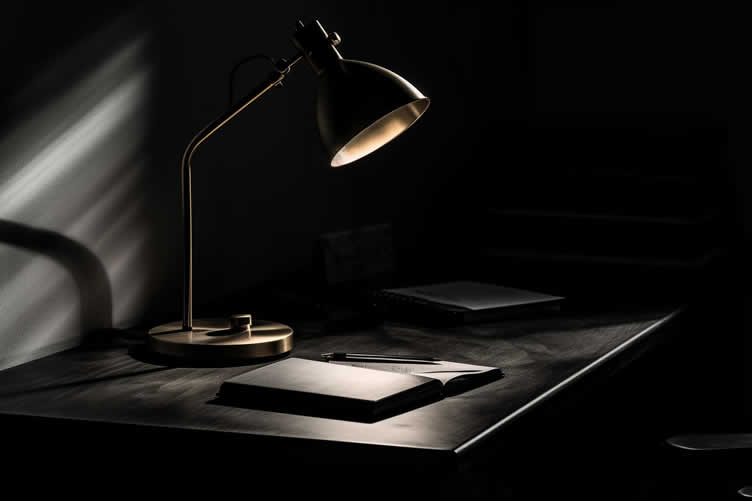
- Desk lamps:
These are the quintessential type of task lighting, perfect for a reading desk or study area. Look for adjustable models for flexibility in directing the light. - Floor lamps:
These can be positioned next to your favorite reading chair, providing ample light for your reading tasks. Some designs offer adjustable necks for more control over the direction of the light. - Adjustable wall-mounted lights:
Installed next to a reading chair or over a desk, these lights provide focused illumination and can be directed to where you need light the most. - Under-cabinet lights:
If your home library includes built-in desks or cabinets, under-cabinet lights can provide localized illumination, reducing shadows from overhead lights.
- Desk lamps:
-
Accent Lighting
Unlike task lighting, which primarily serves a functional role, accent lighting is designed to highlight specific architectural features, artwork, or collections in your home library, adding depth, contrast, and a touch of drama.
Below are a variety of accent lighting options to consider incorporating into your custom library design:
- Picture lights:
These are designed to showcase artwork or photographs, drawing attention to these elements and adding a gallery-like feel to your library. - Display cabinet lighting:
If your home library has display shelves or cabinets, consider installing cabinet lights. They can beautifully illuminate your book collection, antiques, or personal mementos. - Wall sconces:
Wall sconces can add an elegant touch to your library while providing subtle, indirect lighting. - LED strip lights:
Ideal for modern interiors, LED strip lights can be used to highlight bookshelves or architectural details, creating a unique visual effect.
- Picture lights:
-
The Need for Adjustable Lighting
Adjustable lighting is a critical design element that enhances the aesthetics while offering a customizable reading experience. In the context of ambient, task, and accent lighting, adjustability allows you to tailor the illumination according to different needs and moods.
For ambient lighting, dimmer switches help set the overall mood of your library, creating a soft or bright atmosphere as required.
When it comes to task lighting, adjustability in terms of brightness and direction is essential. You may need focused, intense light for reading or softer light for casual browsing.
For accent lighting, being able to adjust the light intensity can make your highlighted features stand out more or blend subtly into the background based on your preferences.
Investing in adjustable lighting solutions for your custom home library room not only ensures a comfortable reading environment but also adds a dynamic element to your space, making your library adaptable to all your lighting needs.
-
Smart Lighting: A High-Tech Approach
Integrating smart lighting solutions can elevate the functionality and aesthetic appeal of your space. Ambient, task, and accent lighting can each be enhanced by smart technology, offering ease of use, energy efficiency, and the ability to customize your lighting environment to an unprecedented degree.
For ambient lighting, smart controls allow you to easily adjust light intensity from your device, creating the perfect atmosphere for different activities. Task lighting, too, can benefit from smart options, such as adjustable color temperature for optimum reading light or automated settings for specific tasks.
Likewise, smart accent lighting can be programmatically set to highlight your favorite architectural details or book collections, adjusting intensity or color based on the time of day or your mood.
Incorporating smart lighting not only takes the versatility of your lighting design to the next level but also integrates the library lighting system into your broader smart home ecosystem, offering seamless control and infinite customization possibilities.
copyright image by 123rf.com
[ view pinterest: home lighting ideas]
[ view pinterest: home library lighting]
-
-
2nd: About Plumbing Needs ???
If you contemplate adding a small bathroom to your home library, it becomes more than just a sanctuary for your books but a place of complete convenience.
Planning the home plumbing effectively involves mapping out the necessary water and waste lines to accommodate the bathroom fixtures. Ensure your plumbing design caters to a sink, toilet, and possibly a shower, depending on your preference.
Alternatively, or in addition, if you plan to install a home bar in your custom library, plumbing is also a key consideration. A sink is a crucial component of any home bar, offering practicality for food preparation, drink mixing, and cleaning up.
The water supply and waste lines will need to be strategically positioned to accommodate this.
Remember to consider the placement of water heaters and water pressure requirements to ensure an efficient system.

copyright image by 123rf.com
-
-
ideas to view and compare from the information discussed above
Scroll up to directory … or scroll to next section about how to how to build a custom library …

Find Interior Design Services Decorators Interior Designers Furniture Painting & Staining top-rated, pre-screened local contractors FREE: download contractor selection enter zip code – powered by HomeAdvisor ™
Quick Contractor Guides selecting negotiating working with inspecting

fifth “photo remodeling” idea
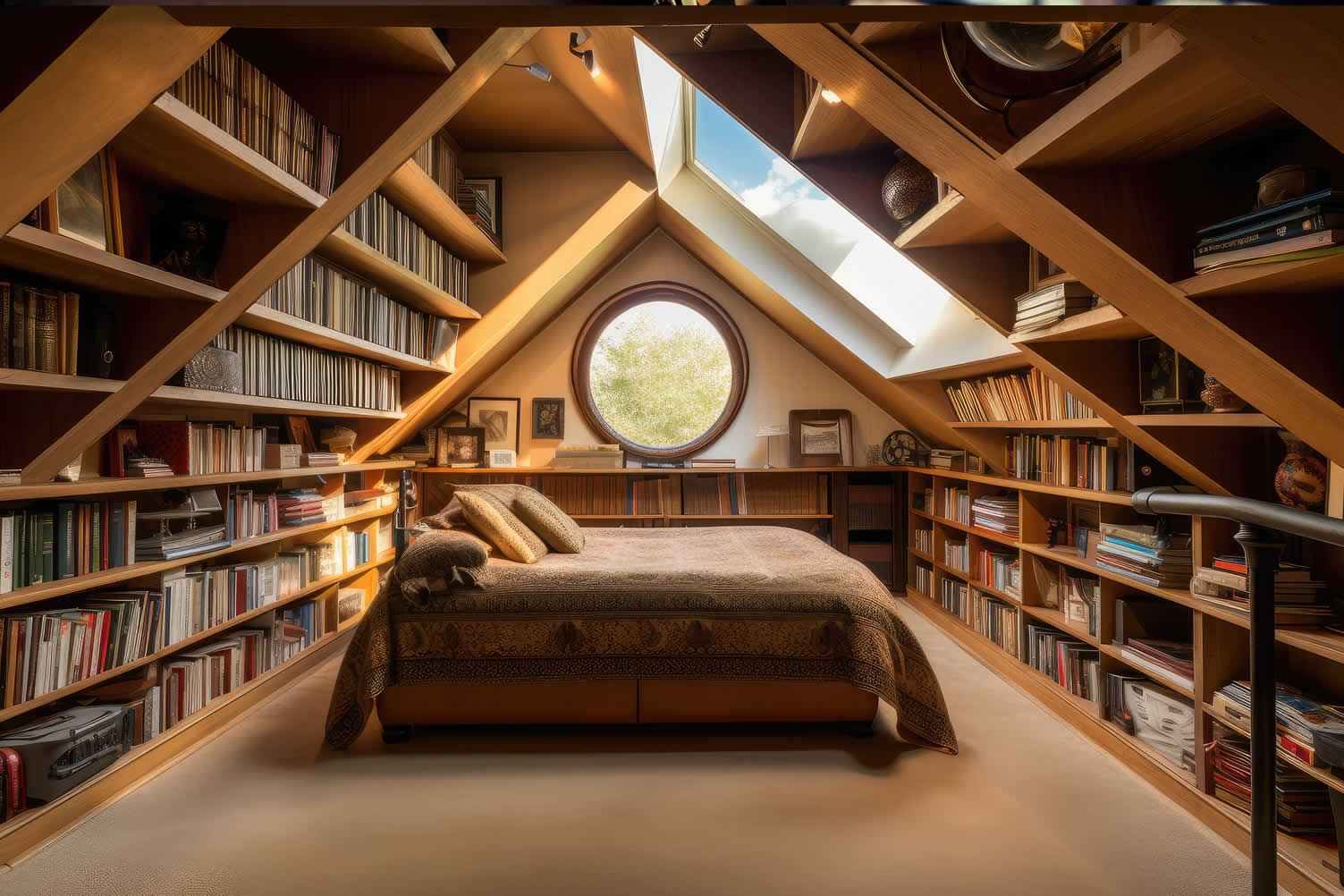

copyright image by 123rf.com
Section 5: plan for – Windows-Doors-Flooring-Walls
Notes:
-
Let’s First Discuss Windows:
Proper placement of home windows can significantly enhance your reading experience while also adding an aesthetic element to your library. Consider installing large windows, possibly floor-to-ceiling, or even a skylight, to invite maximum daylight.
Orientation of the windows matters as well: North-facing windows provide consistent, diffused light throughout the day, whereas East or West-facing ones can create dramatic lighting effects at dawn and dusk.
When customizing your home library, selecting the right type of windows can make a significant difference in the quality and control of natural light entering the room.
-
Picture Windows
Perfect for a dramatic effect, picture windows are large, fixed panels that do not open. They provide an unobstructed view and allow large amounts of natural light to pour in. This makes them ideal for creating a bright, open feel.
[ view ideas: picture windows]
-
Casement Windows
Casement windows come hinged at the sides and open outward. These windows allow for excellent ventilation and offer the unique ability to angle and redirect the natural light entering the room.
[ view ideas: casement windows]
-
Skylights or Roof Windows
For those who enjoy a bit of stargazing or cloud-watching during breaks between chapters, installing skylights or roof windows can be a great choice. These windows offer an abundance of natural light and add a unique element to your library.
[ view ideas: skylights]
-
Bay or Bow Windows
For avid readers who love a cozy window-side reading nook, bay or bow windows are the way to go. Providing a panoramic view, these windows add character to a room and can be customized to create a comfortable reading spot.
[ view ideas: bay windows]
-
Transom Windows
Transom windows, installed above doorways or other windows, are an excellent option for maintaining privacy while still allowing natural light to filter into your custom library. These smaller windows add architectural interest and can be either stationary or operable, depending on your ventilation needs.
[ view ideas: transom windows]
Privacy Through Shades
While natural light is a crucial element for your custom library, maintaining privacy is equally important. The ideal solution lies in incorporating window treatments such as shades. Shades not only give you control over light filtration but also ensure privacy whenever needed.
Opt for adjustable shades, allowing you to modulate light throughout the day and guarantee privacy during more personal moments. Consider options like Roman shades or cellular shades, which can be customized to suit the decor of your library and offer a sophisticated solution to your lighting and privacy needs.
Adding a layer of automation to your shades can significantly enhance the efficiency and comfort of your custom home library. With automated shades, you can pre-set them to open or close based on the time of day, following the sun’s schedule.
This way, you can ensure full natural light during the day while maintaining privacy in the evenings without the need for manual adjustments. Furthermore, automating your shades is not only convenient, but also adds a touch of modernity to your library’s ambiance.
Consider integrating your window treatments with smart home systems to achieve an optimal balance of light, privacy, and technology in your custom home library.
-
-
Quik scroll about how to how to build a custom library …
-
-
1st: About Home Library Doors
When designing your custom home library room, it’s not just about the books and the shelves. An often overlooked aspect is the door that separates your private sanctuary from the rest of your home. The right choice of door(s) is crucial, as it can greatly influence both the aesthetics and privacy of your library.
Doors come in a variety of styles and materials, each offering a unique blend of beauty and seclusion. Remember, your custom library door should be an invitation into your world of books while providing the solitude you need for your literary explorations.
Types of Home Library Doors
- Traditional Wooden Doors:
These are classic choices that bring an air of elegance and sophistication to your custom home library room. Available in a range of finishes and designs, wooden doors can be tailored to match your library’s aesthetics.[ view ideas: traditional wooden doors]
- Glass Doors:
For those who prefer a modern touch, glass doors are an excellent choice. These doors, often available in frosted or tinted finishes, offer a balance between privacy and visibility into your custom library.[ view ideas: glass doors]
- French Doors:
French doors, characterized by their multiple small windows set into the length of the door, are a popular choice for home libraries. They allow natural light to filter into the room and provide an elegant entryway into your literary sanctuary.[ view ideas: french doors]
- Sliding Doors:
If space is a concern, sliding doors, also known as pocket doors, can be a practical choice for your home library. They slide horizontally into the wall, saving space and offering a sleek, modern look.[ view ideas: sliding doors]
- Bookcase Doors:
For a whimsical and unique touch, consider bookcase doors. These doors are designed to blend in with your bookshelves, creating a hidden entrance to your custom library for an added element of mystery and fun.[ view ideas: bookcase doors]
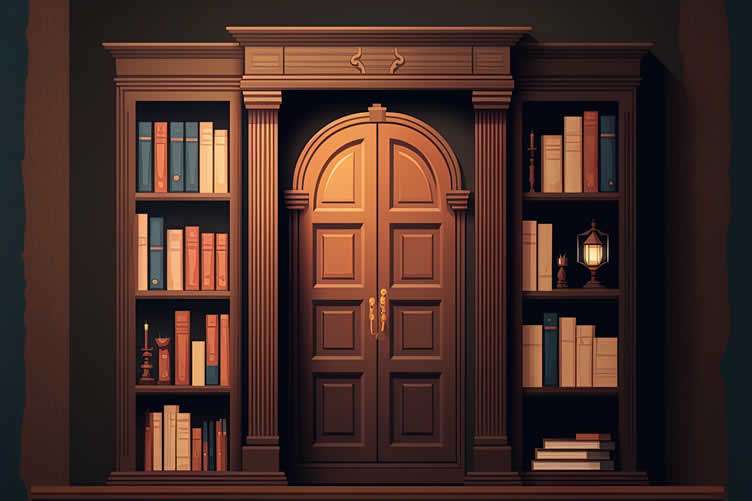
copyright image by 123rf.com
[ view pinterest: home library door ideas]
[ view pinterest: home library bookcase door]
- Traditional Wooden Doors:
-
2nd: Flooring
Choosing the right flooring for your library room sets the tone for the space, provides comfort, and can even influence the room’s acoustics. When planning your flooring, consider factors such as wear and tear, noise reduction, comfort, and aesthetics.
Remember, the choice of flooring in your home library can significantly impact the overall ambiance and functionality of the space.
Types of Flooring Options:
-
Hardwood Flooring
Hardwood flooring is a traditional and elegant option. It’s durable, long-lasting, and stands up well to heavy bookcases and furniture.
[ view ideas: hardwood flooring]
Pros:
- Timeless, sophisticated look
- High durability for heavy furniture
- Easy to clean and maintain
Cons:
- May require area rugs for noise reduction and comfort
- Can be expensive to install
-
Carpeting
Carpeting offers a warm, cozy feel ideal for those who love to sit on the floor with a good book. It also provides excellent sound absorption.
[ view ideas: carpet flooring]
Pros:
- Comfortable for sitting and walking
- Good for noise reduction
Cons:
- Can be easily damaged by pets or heavy traffic
- Requires regular cleaning to maintain look and hygiene
-
Laminate Flooring
Laminate flooring can mimic the look of hardwood but at a lower cost. It’s easy to install and maintain.
[ view ideas: laminate flooring]
Pros:
- Affordable and easy installation
- Wide range of design options
Cons:
- Not as durable as real hardwood
- Can feel cold or hard underfoot
-
Luxury Vinyl Flooring
Vinyl flooring is an inexpensive, practical choice. It’s also easy to clean and maintain.
[ view ideas: luxury vinyl flooring]
Pros:
- Affordable and durable
- Easy to clean and maintain
Cons:
- Lacks the premium feel of other flooring options
- Not as long-lasting as other types
-
Tile Flooring
Tile flooring is easy to clean and can handle heavy furniture and high foot traffic.
[ view ideas: tile flooring]
Pros:
- Durable and long-lasting
- Lots of design choices
Cons:
- Can be expensive to install
- Hard and cold underfoot
-
Polished Concrete Flooring
Polished concrete flooring delivers a modern, sophisticated look for your custom home library room. It’s immensely durable, easy to maintain, and able to support the weight of heavy bookshelves and library furniture.
[ view ideas: polished concrete flooring]
Pros:
- Modern, industrial aesthetic
- Highly durable and can support heavy furniture
- Easy to clean and maintain
Cons:
- Can be hard and cold underfoot
- Might need area rugs for noise reduction and comfort
- Installation can be expensive
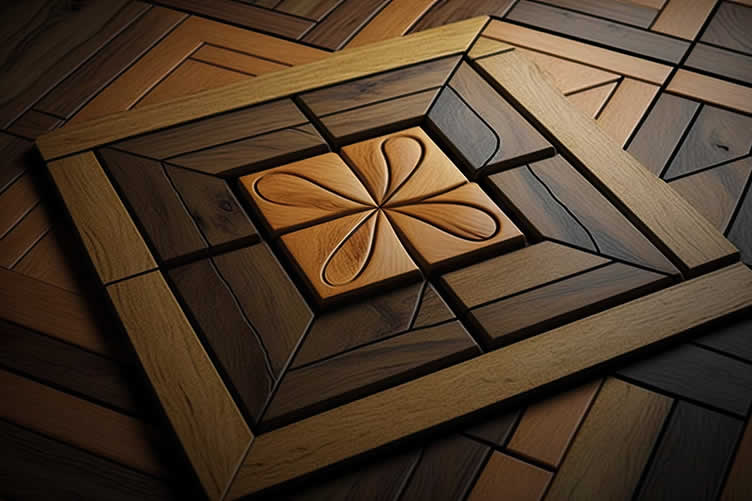
copyright image by 123rf.com
[ view pinterest: home flooring options]
[ view pinterest: polished concrete floor]
And There Are Rugs
Area rugs can greatly enhance the allure and comfort of your library room. They not only provide a plush surface underfoot, but also help to define spaces within your library, creating cozy reading nooks or highlighting specific areas of your book collections.
They also contribute to the overall aesthetic, allowing you to add a dash of color, an intriguing pattern, or a layer of texture that complements the room.
Choosing an area rug for your library might seem daunting, but consider it an opportunity to express your style. Whether your taste leans towards traditional, modern, or eclectic, there is a rug that will reflect it.
From Persian and Oriental rugs that echo the romance of ancient tales to abstract or geometric designs that give a contemporary twist, the choices are endless. Remember, the rug is not just a practical addition, but also a statement piece that can pull together your library’s decor.
Comfort is another important aspect to consider when selecting an area rug. A thick, soft rug can make hours spent exploring new worlds and ideas more pleasing.
It can dampen sounds, providing a quieter environment for you to immerse yourself in your reading. Additionally, area rugs can offer warmth during colder months, making your library a welcoming retreat all year round.
-
-
3rd: About Walls and Ceiling
When it comes to personalizing your custom library, one aspect that significantly impacts the overall aesthetic and functionality is the type of wall material you choose. Different types of wall materials offer unique aesthetic and acoustic characteristics that can greatly enhance your reading experience.
Traditional wall materials such as painted drywall or wooden paneling can provide a classic, timeless look. However, for a more sophisticated touch, you may want to consider built-in bookshelves that can be integrated into the wall for a seamless look.
Each type of wall material has its own set of pros and cons, ensuring you can select the one that best fits your specific needs and style preferences.
-
Utilizing Drywall for Both Walls and Ceilings
Drywall is a versatile and cost-effective option for both walls and ceilings. It offers a smooth finish which can be painted to match your preferred color scheme, or adorned with a tasteful layer of wallpaper for a more decorative touch.
Furthermore, drywall’s acoustic properties aid in minimizing sound transmission, thus creating a quiet, peaceful environment for your reading sessions. As an added advantage, drywall is also relatively easy to install and repair, making it a practical choice for those seeking a balance of aesthetics, functionality, and ease of maintenance in their custom library.
Best Paint Colors If Adding Drywall
When it comes to choosing the perfect paint color, it’s essential to consider the ambiance you want to create. For a soothing, serene environment conducive to long hours of reading, consider going for neutral hues like soft beige, light gray or muted blue. These colors are known to promote relaxation and concentration, making them perfect for a library setting.
On the other hand, if you want to create a stimulating, energetic atmosphere, opt for bolder colors such as deep reds, royal blues, or rich greens. Remember, your choice of paint color can significantly influence the mood of your library room, so choose a color that resonates with your personal style and reading habits.
Home Library Paint Colors
google imagesReds view ideas Oranges view ideas Yellows view ideas Greens view ideas Blues view ideas Purples view ideas Browns view ideas Grays view ideas Tans view ideas Whites view ideas -
Using Wallpaper
Choosing the right wallpaper for your custom home library can vastly enhance its overall aesthetic and ambiance. Wallpaper offers an array of designs, textures, and colors, providing an opportunity to create a unique, personalized space.
Whether you’re aiming for a traditional, sophisticated look with damask patterns, or a contemporary library with bold, geometric designs, wallpaper can deliver.
It’s not just for the walls either – consider extending your chosen wallpaper to the ceiling for a cohesive, immersive reading environment.
[ view ideas: hardwood panels]
-
Hardwood Panels
Hardwood panels are another excellent choice for the wall. With their rich, natural tones and distinctive grain patterns, hardwood panels can infuse your library room with a warm, inviting ambiance that is perfect for cozy reading sessions.
Available in a variety of species, from the reddish hue of cherry to the dark elegance of walnut, these panels can match any decor style, whether it is traditional or contemporary. Besides their aesthetic appeal, hardwood panels are known for their durability and resistance to wear and tear, making them a long-lasting investment for your custom library.
Lastly, hardwood panels can also help in soundproofing your library, offering you a serene, distraction-free space to immerse yourself in your favorite books.
[ view ideas: hardwood panels]
-
Bookcase-Lined Walls
A bookcase-lined wall can transform your library into an awe-inspiring enclave of knowledge and literature. This type of wall material is not just functional, but it also adds an overwhelming visual impact on your library room.
By covering the walls with floor-to-ceiling bookcases, you create an impressive display of your book collection while maximizing the use of space. Available in a range of designs and materials, from classic wood to modern metal, these bookcases can be custom fitted to your room’s dimensions and designed according to your aesthetic preferences.
Moreover, with bookcase-lined walls, your favorite reads are always just an arm’s length away, creating a truly immersive reading environment.
[ view ideas: bookcase-lined]
-
Brick Walls for an Earthy, Rustic Touch
Brick walls are a fantastic choice if you wish to infuse a sense of earthy, rustic charm. Offering a unique blend of timeless elegance and rugged strength, brick walls can lend an old-world touch to your library room, making it feel like a haven of quiet contemplation.
Bricks are available in a variety of colors and textures, from the traditional red brick to white-washed or grey-toned versions, giving you the flexibility to match your library’s overall aesthetic. Not to mention, brick is renowned for its excellent thermal insulation and sound absorption properties, making your library a comfortable and tranquil space for reading. Furthermore, brick walls are durable and low-maintenance.
[ view ideas: brick walls]
-
Stone Walls
For those seeking to instill a sense of grandeur, stone walls are an exceptional choice. Exuding an air of sophistication and permanence, stone walls can transform your library into a stunning sanctuary of knowledge.
Stone, in its myriad forms from sleek slate to rugged fieldstone, offers unparalleled texture and variety, ensuring that each wall is a unique masterpiece. Beyond the aesthetic appeal, stone also boasts excellent thermal properties, keeping your library warm in winter and cool in summer.
Its natural acoustic qualities also help to create a serene reading environment, free from distracting noises. Just like a good book, the beauty of a stone wall deepens with time, making it a worthy investment
[ view ideas: stone walls]
-
Polished Concrete Walls
Embrace the chic sophistication of minimalism with polished concrete walls. Infusing the space with a distinctively modern, industrial vibe, polished concrete is the epitome of urban cool.
Its smooth, reflective surfaces bounce light around the room, creating an invitingly luminous space perfect for immersing oneself in a book. What’s more, polished concrete is not just aesthetically pleasing but also practical.
It’s highly durable, resistant to moisture and mold, and requires minimal maintenance, making it an excellent choice for busy homeowners. Its thermal properties also help regulate room temperature, making your reading sessions comfortable year-round.
[ view ideas: polished concrete]
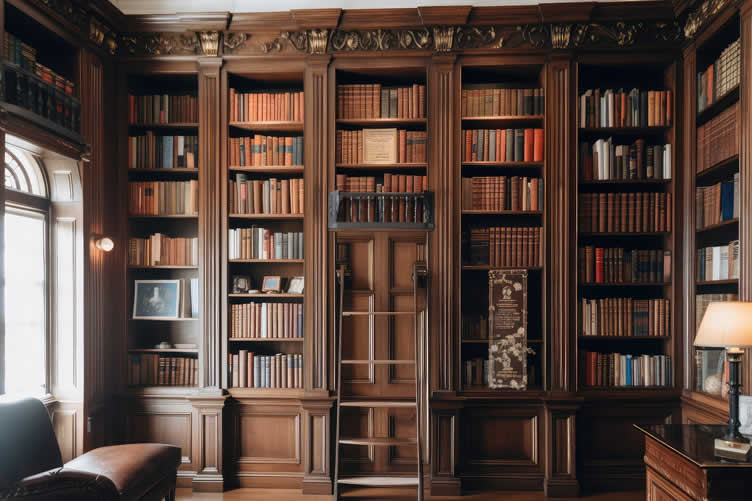
copyright image by 123rf.com
[ view pinterest: home paint colors]
[ view pinterest: wall hardwood panels]
Ceiling Options for Your Home Library
While the varying wall elements can bring a touch of elegance and style to your custom home library, don’t overlook the impact of your ceiling design.
To create a truly immersive environment, consider using materials and finishes that align with your design theme. You could choose traditional options like painted plaster or wooden panels for a rustic touch. Alternatively, a coffered ceiling can add depth and architectural appeal.
For book lovers wanting to push the boundaries, a mural or a decorative ceiling paper with thematic elements related to literature can turn your home library ceiling into a stunning visual masterpiece.
-
-
-
ideas to view and compare from the information discussed above
Scroll up to directory … or scroll to next section about how to how to build a custom library …

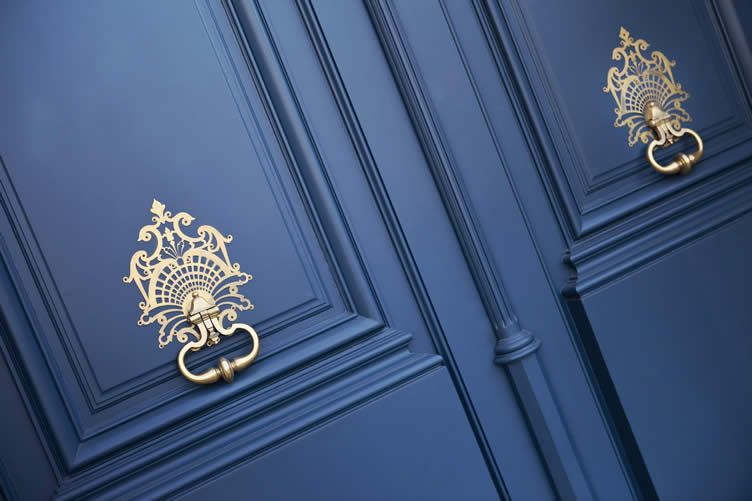
9
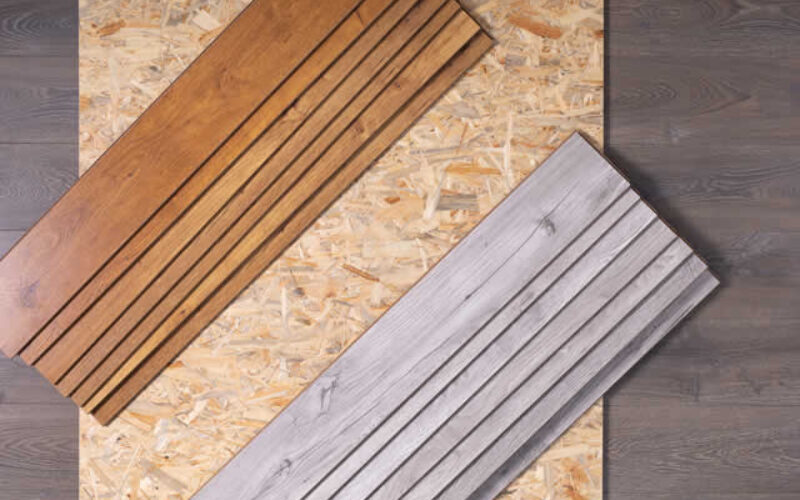


sixth “photo remodeling” idea

copyright image by 123rf.com
Section 6: Personalizing Your Home Library
Notes:
-
Your home library deserves a personal touch. It’s not just a place to store books—it’s a space that represents your love for literature, your intellectual pursuits, and your inner world. In this guide, we will walk you through the process of creating a custom home library room that reflects your unique tastes and interests.
-
Why Personalize Your Home Library?
Personalizing your home library transforms it into a sanctuary of knowledge that is uniquely yours. It adds a touch of warmth and coziness to your reading experience, making it more enjoyable and inspiring.
In addition, adding customized elements to your home library helps organize and display items such as books, magazines, music, art pieces, and other media.
A personalized library also provides an opportunity for self-expression. When you add unique touches to the room—such as vintage furniture or special lighting—the space becomes a reflection of your personality.
It can be a place of respite and relaxation after a long day, or it can be an inspiration for creative projects.
-
How to Personalize Your Home Library
Creating your custom home library starts with a plan. Before making any purchases or rearranging furniture, take some time to think about the atmosphere you want the room to have.
What color scheme do you imagine? Will the room be mostly for reading, or is it also intended to serve as a meeting space? What kind of mood do you want to create?
Once you have an idea of the overall look and feel of your home library, start shopping! Consider investing in quality pieces that will last: select timeless furniture such as leather armchairs or wooden bookshelves, or opt for statement pieces like unique lighting fixtures or patterned wallpaper.
Finally, don’t forget to add personal touches to your library! Choose artwork that speaks to you and displays of books and magazines that reflect your interests.
Place a bouquet of fresh flowers on the coffee table for a pop of color, or hang up photographs of your loved ones as a reminder that home is where the heart is.
No matter how you choose to design your library, make sure that it feels like a special place that is comfortable and inviting—one that will inspire you for many years to come.
With the right plan in place, you can create a custom home library room that will bring joy every time you step inside.
-
-
Quik scroll to getting your project started …
-
12 Ideas for Library Personalization
In the following section, we are going to explore twelve remarkable ideas for personalizing your custom home library. These ideas will not only add a personal touch but also elevate the aesthetics of your library, making it a unique space that truly reflects your personality and style.
Whether you’re a fan of minimalist design or an aficionado of classic elegance, these tailored ideas will guide you on the best ways to infuse your home library with individuality and charm.
-
Choosing a Theme to Personalize Your Home Library
Choosing a theme is the first and perhaps the most exciting part of personalizing your home library. This is where your interests, passions and aesthetic preferences get to shine.
Do you love classic literature? Consider a Victorian or Edwardian theme. Or maybe you’re a fan of fantasy or science fiction? A space-themed library or a Middle-earth inspired room could be the perfect fit.
Themes can extend beyond genre, too. You might choose to reflect a particular period of history, an artistic movement, or even a geographical location. Whatever you choose, remember that a theme should enhance your enjoyment of the space, not restrict it.
-
Showing Off Personalized Bookends
Bookends don’t just serve a functional purpose; they can also be a marvelous way to inject your personal touch. From quirky sculptures to custom-lettered designs, personalized bookends can mirror your interests and reading genres, adding a distinctive charm to your bookshelves.
-
Showcasing Personal Memorabilia
Your library is the perfect place to showcase personal memorabilia. From family photos to travel souvenirs, these mementos can add a unique touch to your library, making it a true reflection of your journey and experiences.
Group items together on shelves, hang them on the walls or create a shadow box to display them in all their glory. One of the great things about personalizing your library is that you can add and remove memorabilia as often as you like without risking any permanent damage to the room.
-
Crafting Your "Own" Reading Chair
Creating a personal reading chair is another excellent way to add a personal touch. Consider reupholstering a favorite old chair with a fabric that complements your library’s theme or color scheme.
You could add embroidered pillows with literary quotes, or throw blankets that feature the covers of your favorite novels. Not only will this chair enhance the aesthetics of your library, but it will also provide a comfortable nook for hours of immersive reading.
-
Adding an Oversize Wall Clock for Time Telling
An oversized wall clock can be an excellent addition, adding a blend of functionality and aesthetic appeal. Choosing a clock that has a unique design or is representative of a favorite literary period can underscore your taste.
This timepiece can serve not just to keep you on track during your reading sessions but also as a focal point, drawing attention and setting the tone for your personalized library space.
-
Building a Creative Reading Nook
Adding a reading nook can take your library personalization to another level. This cozy corner, outfitted with comfortable seating, soft lighting, and side tables for your cup of tea or coffee, serves as a private retreat within your library.
Adorn it with plush cushions, throw blankets and perhaps a small bookshelf at arm’s reach to hold your current reads. Not only will the reading nook enhance your library’s comfort factor, but it can also become an inviting spot that perfectly encapsulates your reading habits and style.
-
Incorporating Original Art
Adding original art pieces can truly breathe life into your library, making it an extension of your personality and creative flair. Whether it’s a portrait from a local artist, an abstract painting, or a cherished piece from your travels, artworks can add depth, color, and intrigue to your space.
Strategically position these pieces where they can catch the eye and stimulate thought, perhaps above your reading nook or near your bookshelves.
This way, your home library will not only be a haven for the mind through literature but also a feast for the eyes, exuding a true sense of personalization.
-
Adding a Touch of Green to Your Home Library with Plants
Introducing plants can add a vibrant touch of green, enhancing the overall aesthetic and creating a calming, organic atmosphere. Whether you opt for tall, leafy potted plants, hanging baskets, or small succulents on the bookshelves, these living elements can provide a beautiful contrast against the sea of books.
The presence of plants can also improve air quality while offering a soothing sense of nature within your personal space. Carefully select plants that complement your library’s lighting conditions and overall design, and your library will truly feel like a unique sanctuary, brimming with life and personal charm.
-
Use Personalized Signs
Looking to add a distinctive charm that truly reflects your character? Perhaps a whimsical sign pointing to ‘Narnia’, a sophisticated plaque with a favorite literary quote, or a rustic chalkboard for jotting down books to read next.
These custom elements not only add visual interest but also infuse your space with a personal touch, enhancing the uniqueness of your library.
Carefully choose signs with designs and messages that resonate with your reading personality, and your library will become an even more intimate reflection of you.
-
Choosing a Color Scheme to Personalize Your Home Library
By opting for a palette that reflects your tastes, you’re infusing the room with your personality, making the custom library uniquely you. Whether it’s a calming combination of blues and grays for a serene reading space, or bold, vibrant colors that inspire creativity, your choice of color scheme sets the mood of your library.
Choose wisely and consider colors that won’t distract from your readings but rather enhance the overall experience. Remember, your home library should be a place of solitude and retreat, a reflection of you amidst the world of books.
-
Soundproofing Your Walls
Soundproofing the walls can significantly enhance your reading experience by creating an oasis of tranquility. This personalized feature allows you to immerse yourself in the literary world without any auditory distractions from the outside world.
Whether you opt for acoustic panels, soundproof curtains, or insulating wall coverings, these custom solutions can blend seamlessly into your library décor while providing functional benefits.
-
Incorporating Smart Home Automation
Integrating smart home automation can significantly elevate your reading experience. Imagine the convenience of adjusting lighting levels, controlling the room’s temperature, or even opening and closing the window blinds, all with the touch of a button.
Moreover, voice-controlled devices can be programmed to read aloud your favorite books, introduce new authors, or even provide a summary of the book you’re considering next.
Such intelligent customization adds a layer of interactivity and personal touch to your library, making it a truly unique space.
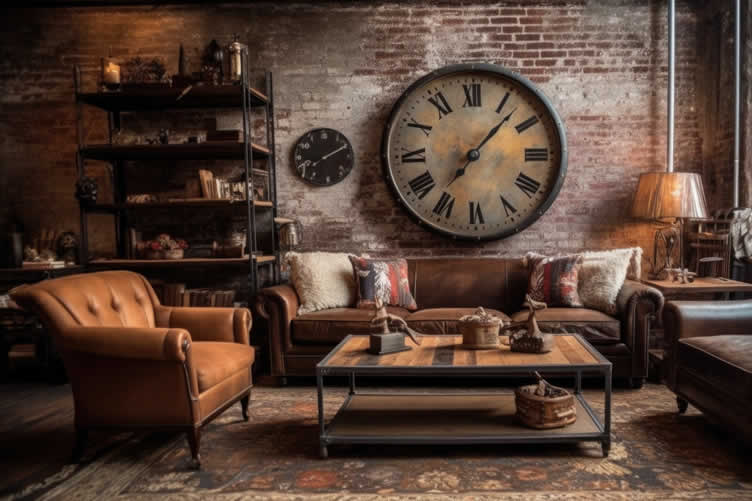
copyright image by 123rf.com
[ view pinterest: home personalization]
[ view pinterest: houseplant decor]
Scroll up to directory … or scroll to next section about how to how to build a custom library …
ideas to view and compare from the information discussed above
-
seventh and last “photo remodeling” idea

copyright image by 123rf.com
Section 7: Implementing the Plan
Notes:
-
Implementing the plan to add a customized home library is an exciting venture that merges functionality with personal style. This process involves careful planning, resource management, and a keen understanding of your personal or family’s reading habits. It’s not just about creating a space crammed with books; it involves crafting an environment conducive to intellectual exploration, comfort, and personal growth.
To get started, identifying the location and size of your library is crucial. This space could range from an entire room dedicated to your books to a cozy corner of your living room, depending on the extent of your book collection and the physical space available. Or it could be an entirely new addition or extension to the home.
After pinpointing the location, the design phase commences. This involves step-by-step planning highlighted below, which will review the key planning steps for implementing this plan. Remember, the goal is to create a space that not only houses your books but also invites you to indulge in the joy of reading.
As you implement the plan, consider your organization preferences (genre, author, etc.) and ensure easy navigation. Integrating these elements will ensure you are creating a home library that is truly customized to your reading lifestyle.
-
Quik scroll to getting your project started …
-
-
1st: Planning the Steps For Customized Home Library:
Designing a personalized home library necessitates a systematic, step-by-step approach. Begin by analyzing the figures, setting a budget, exploring ideas and specifications, and carefully planning other essential elements discussed previously.
The objective is to renovate a captivating room or add an extension within the given budget and design specifications. It is crucial to follow the provided process and information to avoid ending up with a costly home library that fails to meet your intended goals.
This guide presents the necessary information in a clear and organized manner, providing a step-by-step review along with helpful references.
Bookmark this section for continued reference as needed:
Step 1: Analyze Numbers for "Custom Home Library"Before you start any custom home library remodel, run some financial numbers to determine whether the renovation is a smart investment.
The numbers include the estimated costs, home value assessment, financing costs, and other related calculations.
Review these cost-related issues to remodeling vs. buying a new home.
links to internal page (opens new win)

analyze the numbers estimate the cost of your project get your home value Step 2: Collect "Custom Home Library" IdeasThe 2nd step for planning a custom home library is deciding what you would like to do.
Will it be a –
- secluded sanctuary for personal relaxation and reading,
- dedicated space for storing books and cherished collectibles,
- harmonious blend of a home library and office,
- cozy reading nooks tailored for each family member,
- versatile media room for both entertainment and intellectual pursuits,
- or something else.
Begin gathering ideas by referencing our extensive collection of creative concepts: view directory
Step 3: Plan Needed "Custom Home Library" SpecsStep 3 is sketching your ideas on paper (or digitally) and developing the spec plan.
The spec plan determines what type of custom home library bookcases, furniture, lighting, and design considerations will be needed. It will also contain the product specifications for each home library element.
You will use the spec plan and architectural design to bid the project out to a contractor.
links to internal page (opens new win)
developing the spec plan sketch remodeling plan design considerations Step 4: Find "Custom Home Library" ContractorStep 4 is finding and negotiating the contract with a custom home library contractor.
Give your home library ideas and specs to a contractor for review and bid analysis. Use the local network (aligned with HomeAdvisor) to find the right contractor for your project.
Some review guides for contractor selection and negotiation.
links to internal page (opens new win)
find home remodeling contractors find home interior contractors selecting your contractor checklist contractor negotiations contractor evaluation form Step 5: Financing "Custom Home Library" ProjectStep 5 is arranging financing once you select the contractor and finalize the contract for your project.
Using the equity value in your home is one of the best financing options for a custom home library. Start with a home equity line of credit or use the bank equity program.
Other options may include cash-out refinancing, personal savings, and/or financing from home improvement contractors.
links to internal page (opens new win)
financing options getting qualified for financing negotiate rates Step 6: Manage the ProjectStep 6 is where the project begins.
It starts with setting up the work area, removing everything that needs to be replaced, installing electrical and bookcases, putting in the final touches, etc.
It also means working with the contractor, managing the project, and getting the project inspected before releasing any funds.
links to internal page (opens new win)
working with the contractor managing remodeling project about a home project inspections find home inspector -
2nd: Finding and Selecting Renovation (Addition) Contractor
When it comes to finding reliable remodeling services, one of the most trustworthy approaches is seeking referrals from friends and neighbors. Their firsthand experiences can provide you with a comprehensive evaluation of the quality of work and the dedication of the service providers.
Occasionally, you might find it necessary to utilize a third-party search portal affiliated with a trusted brand. These portals thoroughly assess their contractors and provide you with a selection of two to three, or even more, renovation contractors who will compete for your project by submitting bids.
LetsRenovate has partnered with HomeAdvisor ™, a premier provider of highly rated, carefully vetted local contractors. Start your search here by choosing the specific type of contractor you require and entering your zip code to find local contractors in your area.
copyright image by 123rf.com
But Wait!
Utilize this contractor search and evaluation worksheet to assess and rank contractors based on factors such as price, experience, time commitment, insurance coverage, references, and professional affiliations.
This tool will aid in making informed decisions and selecting the most suitable contractor for your needs.

Evaluation Sheet
File Type:
Spec Planning
File Type:
-
-
ideas to view and compare from the information discussed above
- What comments can you share about
how you would how to build a custom library?
Scroll up to directory … or scroll to more “interior home and decor related” ideas …
Cover image credit: how to build a custom library by 123rf.com
end of post … please share it!

Nice pic idea? Leave us a quick comment below.
And please share this pic idea within your social networks.
Amazon Affiliate Disclosure: LetsRenovate.com is a participant in the Amazon Services LLC Associates Program, an affiliate advertising program designed to provide a means for sites to earn advertising fees by advertising and linking to Amazon.com. The commission earnings are used to defray our cost of operation.
View our FTC Disclosure for other affiliate information.
About Author

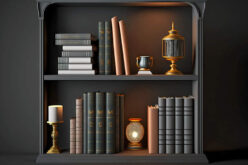

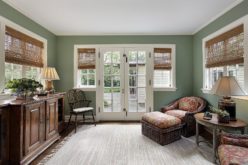
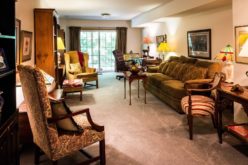



Write a Comment
Only registered users can comment.
