Key Takeways:
- Most pests need food, water, shelter, or a route into the home.
- Small repairs and routine inspections can prevent many common pest issues.
- Integrated pest management emphasizes prevention, monitoring, and targeted action.
- Each room creates different pest risks, so prevention works best when it is specific.
- Persistent activity, damage, or health concerns may require qualified professional help.
Homeowners looking for additional guidance can explore prevention-focused information at alliancepestservices.com while creating a plan that fits their property.
Perfect housekeeping is not required, and pests are not always a sign that a home is unclean. Ants, cockroaches, rodents, pantry pests, and other unwelcome visitors often respond to access points, water sources, shelter, and outdoor conditions.
A room-by-room approach makes it easier to identify and address those risks before they become larger problems.
- post content
- Why Pest Prevention Starts With the Home Itself
- What Integrated Pest Management Means in 2026
- Start With a Quick Exterior Inspection
- Keep the Kitchen Less Attractive to Pests
- Reduce Moisture in Bathrooms, Basements, and Laundry Areas
- Make Storage Areas Easier to Inspect
- Use Yard Care to Lower Indoor Pest Pressure
- Protect Pets and Family Members From Pest Risks
- Know the Early Warning Signs
- When DIY Pest Control May Not Be Enough
- Simple Monthly Pest-Prevention Routine
- conclusion
- view table:content summary
- view notes:collective tips
- view analysis:Identifying and Resolving a Home Pest Invasion
- view ideas:latest remodeling analysis
Why Pest Prevention Starts With the Home Itself
Many pest issues begin outside. Cracks near the foundation, worn door sweeps, torn window screens, unsealed utility openings, damaged vents, and gaps in the garage can all create easy entry points. Once indoors, pests may find crumbs, pet food, leaks, clutter, cardboard, or quiet nesting areas.
Even a tidy home can have a pest problem if moisture or structural gaps are present. For example, a small opening around a pipe beneath a kitchen sink may allow repeated ant or rodent activity, even when counters are spotless.
Prevention is usually simpler and less disruptive than dealing with an established infestation.

What Integrated Pest Management Means in 2026
Integrated pest management, often called IPM, is a practical process of inspecting, identifying, preventing, monitoring, and acting only when necessary. The EPA explains that integrated pest management principles can be used in homes, gardens, and workplaces, not only in agriculture.
IPM does not mean never using pesticides. It means choosing the lowest-risk effective option after identifying the pest and addressing the conditions that support it.
A single insect sighting may not require treatment, but repeated sightings, damage, or evidence of nesting should prompt closer inspection and targeted action.
Start With a Quick Exterior Inspection
- Walk around the foundation and note cracks, gaps, and openings near pipes or cables.
- Check door sweeps, window screens, attic vents, crawlspace vents, and garage edges.
- Trim branches, vines, and dense plants that touch siding, windows, or the roofline.
- Move firewood, cardboard, stored items, and debris away from exterior walls.
- Remove standing water from gutters, planters, buckets, and low areas of the yard.
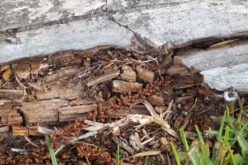
The exterior is the first line of defense. Closing a small gap and improving drainage can prevent a recurring pest route from becoming an indoor issue.
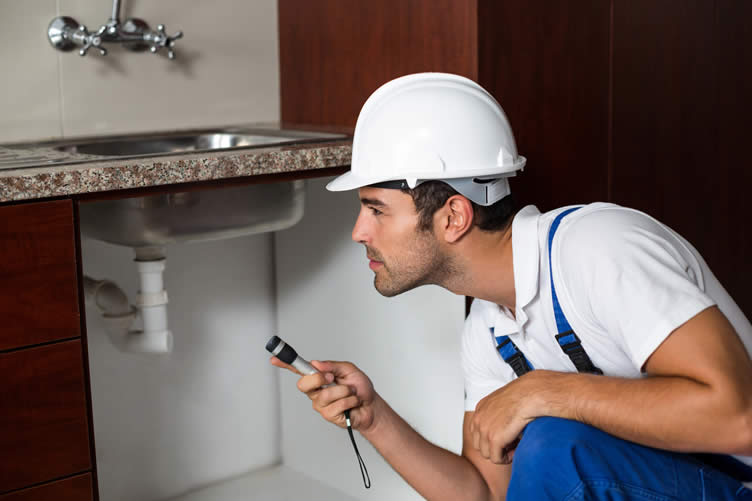
checking for exterior damage
How To Reduce The Damage Done By Pests On A Property?
Property owners and real estate agents understand how much destruction pests can cause – from termites consuming the foundation to rats chewing electrical wires.
Keep the Kitchen Less Attractive to Pests
Store cereal, flour, rice, snacks, and pet food in sealed containers rather than open bags or thin boxes. Wipe crumbs and grease from counters, appliance edges, cabinet corners, and beneath small kitchen appliances.
Clean spills promptly, empty trash regularly, and rinse recycling containers when residue builds up.
Pantry pests, ants, cockroaches, and rodents can appear in any kitchen. Cleanliness matters, but access to food, water, and hiding places can matter just as much.
Avoid leaving pet food or water out overnight when practical, and inspect packages for damage before bringing them home from storage areas or garages.
Reduce Moisture in Bathrooms, Basements, and Laundry Areas
Repair dripping faucets, slow drains, sweating pipes, and appliance leaks as soon as possible. Use bathroom exhaust fans during showers and afterward, dry damp bath mats and towels, and check around washing machines, water heaters, sump pumps, and floor drains.
A dehumidifier may help in persistently damp basements or laundry rooms.
Moisture-loving pests can become active before an obvious infestation is visible. Instead of repeatedly spraying around a damp area, correct the water source first. That approach also helps protect the home from mold, stains, and avoidable water damage.
Make Storage Areas Easier to Inspect
Clutter gives pests places to hide and makes early signs harder to see. Use clear plastic bins for seasonal items, keep stored materials off the floor when possible, and leave a small gap between boxes and walls.
Reduce excess cardboard, paper, fabric piles, and unused packaging in garages, attics, closets, and basements.
A 15-Minute Monthly Storage Check
- Look for droppings, shed skins, egg cases, gnaw marks, or damaged packages.
- Check dark corners, behind bins, and near walls for unusual odors or debris.
- Remove items that no longer need to be stored.
- Record anything unusual so you can identify repeat activity.
Use Yard Care to Lower Indoor Pest Pressure
Keep grass and weeds trimmed near doors, windows, and foundation walls. Remove leaf piles, fallen fruit, decaying plant material, and clutter that creates shaded hiding places. Keep mulch and soil from resting against siding or blocking vents, and empty containers that collect rainwater.
Outdoor pest activity is normal, but landscaping can make entry easier when vegetation touches the home or debris accumulates near walls. Store grills, cushions, pet supplies, and outdoor food in clean, dry locations to reduce shelter and food opportunities.
Protect Pets and Family Members From Pest Risks
Check pets for fleas and ticks after outdoor activity, wash bedding according to its care instructions, and keep pet food sealed. The CDC notes that keeping pets free of fleas is an important step in preventing flea bites in people and household infestations.
Use products only as labeled for the correct animal, pest, and location. Keep children and pets away from treated areas until the product label says it is safe to return, and contact a veterinarian when choosing flea or tick products for an individual pet.
something of interest below

Identifying and Resolving a Home Pest Invasion
Understanding how to identify common household pests and knowing effective methods to control them are crucial steps in maintaining a safe and comfortable living environment.
Know the Early Warning Signs
- Fresh droppings, greasy rub marks, or gnawed food packages.
- Small holes, shed skins, egg cases, or unfamiliar odors.
- Damage to wiring, insulation, fabric, or stored belongings.
- Repeated sightings in the same room or at the same time of day.
- New bites, stings, or irritation after sleeping or spending time outdoors.
One isolated insect does not always mean there is an infestation. Repeated activity, signs in multiple areas, visible nesting material, or ongoing damage deserve prompt attention.
When DIY Pest Control May Not Be Enough
Identify the pest before selecting a product, read every label, and never mix products or apply more than directed. Avoid sealing active rodents inside walls without addressing their entry routes and nesting areas.
Professional inspection is often the better choice when activity continues, spreads, involves termites, bed bugs, stinging insects, rodents, or possible health hazards.
A Simple Monthly Pest-Prevention Routine
- Week One:
Check doors, windows, screens, vents, and foundation gaps. - Week Two:
Inspect the kitchen, pantry, trash area, and pet-food storage. - Week Three:
Look for leaks, damp areas, standing water, and clogged gutters. - Week Four:
Review the yard, garage, basement, and storage areas.
Conclusion
A pest-resistant home relies on simple fundamentals: seal entry points, reduce food and water sources, manage clutter, maintain the yard, and watch for early warning signs.
Consistent monthly checks can prevent small problems from becoming stressful and costly ones.
home improvement ideas to consider (complete directory – new win):


| Topic | Description | Prevention Approach |
|---|---|---|
| Why Pest Prevention Starts With the Home Itself |
Many pest issues begin outside due to cracks near the foundation, worn door sweeps, torn window screens, and damaged vents. Inside, pests are drawn to crumbs, leaks, and clutter, which provide food and shelter. |
Seal gaps, improve drainage, and address structural vulnerabilities to limit pest entry points and indoor activity. |
| Integrated Pest Management in 2026 | Integrated pest management (IPM) is a method of inspecting, identifying, preventing, monitoring, and acting when necessary, focusing on environmentally responsible solutions. | Address the conditions that support pests and use low-risk pesticide options only when required. |
| Quick Exterior Inspection |
Cracks, gaps, and outdoor clutter create entry points for pests. Trim overhanging plants, remove standing water, and inspect areas near the foundation and utility openings. |
Perform regular exterior inspections and maintenance to minimize access opportunities and discourage pests from entering. |
| Kitchen and Food Storage |
Pests are attracted to food crumbs, grease, and open packaging. Pet food and spills also invite rodent and insect activity. |
Store food in sealed containers, wipe surfaces thoroughly, and avoid leaving pet food out overnight. |
| Moisture-Prone Areas | Bathrooms, basements, and laundry areas can host pests due to moisture from leaks, slow drains, or damp fabrics. | Fix leaks, use exhaust fans, dry damp areas promptly, and consider using a dehumidifier in wet spaces. |
| Clutter and Storage | Clutter provides hiding spots for pests, making infestations harder to detect. | Use clear bins, elevate stored items, reduce cardboard, and conduct regular inspections for pest activity. |
| Yard Maintenance | Overgrown plants, debris, and poor drainage near the home create conducive environments for outdoor pests. | Trim vegetation, remove debris, and keep items stored outdoors clean and dry to reduce sheltered pest opportunities. |
| Pests and Pets | Pets can bring fleas and ticks indoors, spreading activity to people and household areas. | Check pets for fleas and ticks, wash bedding, and follow product instructions for flea prevention safely. |
| Early Warning Signs | Signs like droppings, egg cases, or damaged items often indicate pest presence or nesting areas. | Monitor the home for unusual signs and act quickly when repeated activity or damage occurs. |
| Monthly Pest-Prevention Routine | Breaking pest management into small weekly tasks makes prevention easier and more effective. | Inspect areas like doors, windows, kitchens, storage spaces, and yards on a rotating schedule. |

Find Pest and Environmental Services Pest Control Lead-Mold-Radon Recovery Services Water Softening top-rated, pre-screened local contractors FREE: download contractor selection enter zip code – powered by HomeAdvisor ™


Image credit: pest-resistant home by envato.com
end of post … please share it!
| more photo remodeling |
Jump Over to Our Photo Analysis Center for Ideas on
"Renovating Home"
|__________________________________________________________|
home remodeling surprise
find out where it might go - new win


Helpful article? Leave us a quick comment below.
And please share this article within your social networks.